
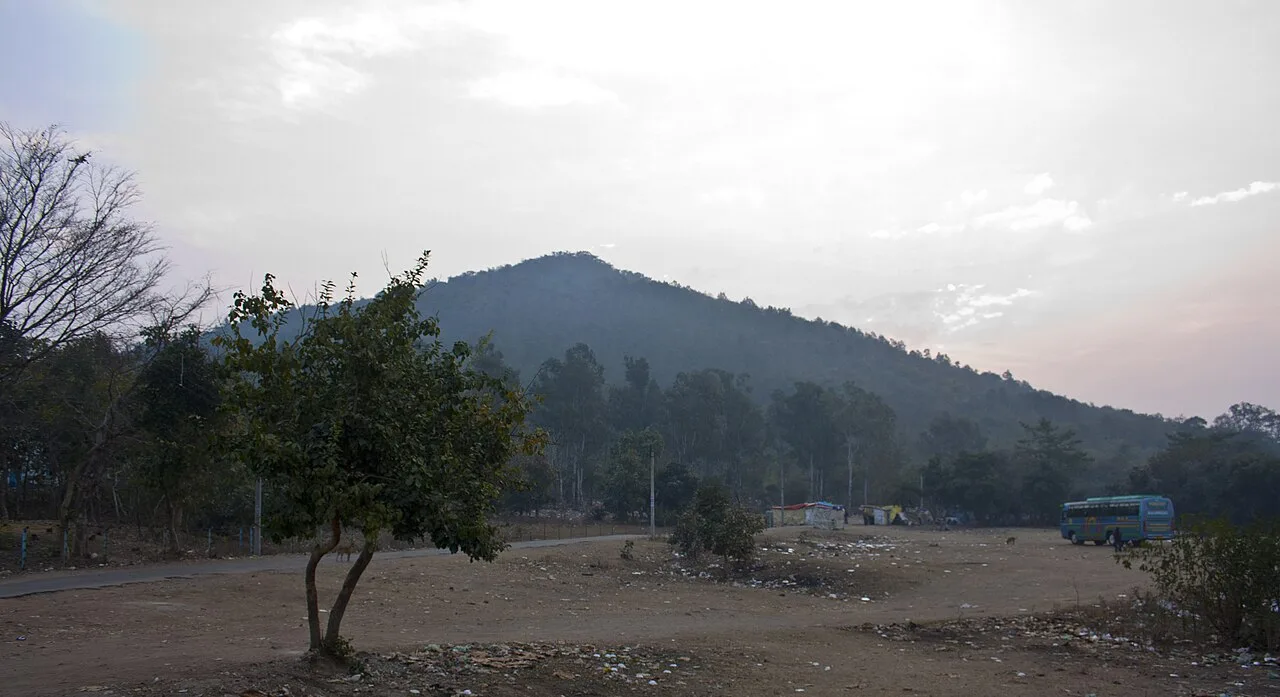
Susunia Hill
Susunia Hill is a hill in Bankura district, West Bengal, within the Eastern Ghats. Visitors come to see its landscape and regional setting.
Key facts · verified by Ghumoopedia editors
- Type of place
- Temple / pilgrimage site
- Best time to visit
- October to March for the plains and coast; March to May and October to December for the Darjeeling hills
- Nearest railway station
- Bankura Junction · about 20 km (straight line)
- Nearest airport
- Durgapur (Kazi Nazrul Islam) Airport · about 35 km (straight line)
- Verified
- 21 Nov 2026
Plan a trip from Susunia Hill — a day-by-day route through places nearby.
Susunia Hill lies in the northwestern area of Bankura district, in southern West Bengal. It belongs to the Eastern Ghats, placing it within this hill range. Its position in the district and its connection to the range describe its geographical setting. The hill is part of the landscape of southern West Bengal. In Bankura, it occupies an area towards the northwest, while its inclusion in the Eastern Ghats links it to a broader geographical region. These details place Susunia within both the district and the wider range. West Bengal stretches from the Himalayan tea gardens of Darjeeling to the mangrove delta of the Sundarbans, with Kolkata's colonial architecture, the terracotta temples of Bishnupur, Tagore's Santiniketan and the Nawabi heritage of Murshidabad. The plains are hot and humid from March to June, receive heavy monsoon rain from June to September and are pleasant from November to February; the Darjeeling hills are cool year-round and cold in winter, and the coast and Sundarbans can be hit by cyclones in May and October–November. The usual best time to visit is October to March for the plains and coast; March to May and October to December for the Darjeeling hills. Timings, fees and access arrangements must be confirmed locally. For official information, see West Bengal Tourism at https://wbtourism.gov.in.
Why it matters
Susunia Hill is a prominent natural and cultural landmark in the north-western part of Bankura district, West Bengal. Published accounts describe it as part of the Eastern Ghats; its rocky landscape also gives the site significance beyond its small pilgrimage shrine. Historians value an ancient rock inscription associated with Chandravarman, which provides evidence for early political history in the region. At the hill’s base, a Narasimha shrine and spring draw worshippers and local visitors. Susunia is not known as a large temple complex, and no UNESCO or Archaeological Survey of India designation is confirmed here. Its importance is best understood as a combination of regional heritage, religious observance and outdoor landscape.
Susunia’s best-documented historical feature is an inscription cut into the hill’s rock and associated with Chandravarman, a ruler known from early regional history. Epigraphists have traditionally dated it to the fourth century CE. Its script and wording have been studied as evidence for the political and cultural history of the area; it should not be treated as a record of the present shrine’s construction. The inscription is an open-air rock feature rather than an object displayed in a museum. The hill’s natural spring and its Narasimha shrine have a separate, continuing religious life. The site has consequently changed through ongoing local use rather than through a documented sequence of major temple-building or restoration campaigns. Visitors today encounter a modest place of worship beside a landscape also visited for its rock formations, walking paths and historical inscription. For detailed claims about the inscription’s reading or conservation, consult a reliable epigraphic or local heritage authority.
Origin stories & folklore
According to local belief, the spring at Susunia is sacred, and its water is associated with the hill’s religious life. Worshippers visit the nearby shrine of Narasimha, Vishnu’s man-lion manifestation; stories told by devotees may connect the deity’s presence with the protective character of this rocky landscape. These accounts belong to living faith and oral tradition, not to the securely dated evidence provided by the hill’s inscription. The inscription itself is sometimes surrounded by local historical storytelling, but its documented value is epigraphic. Ask residents or shrine caretakers about the versions told locally, and distinguish those traditions from conclusions drawn by historians.
Architecture & design
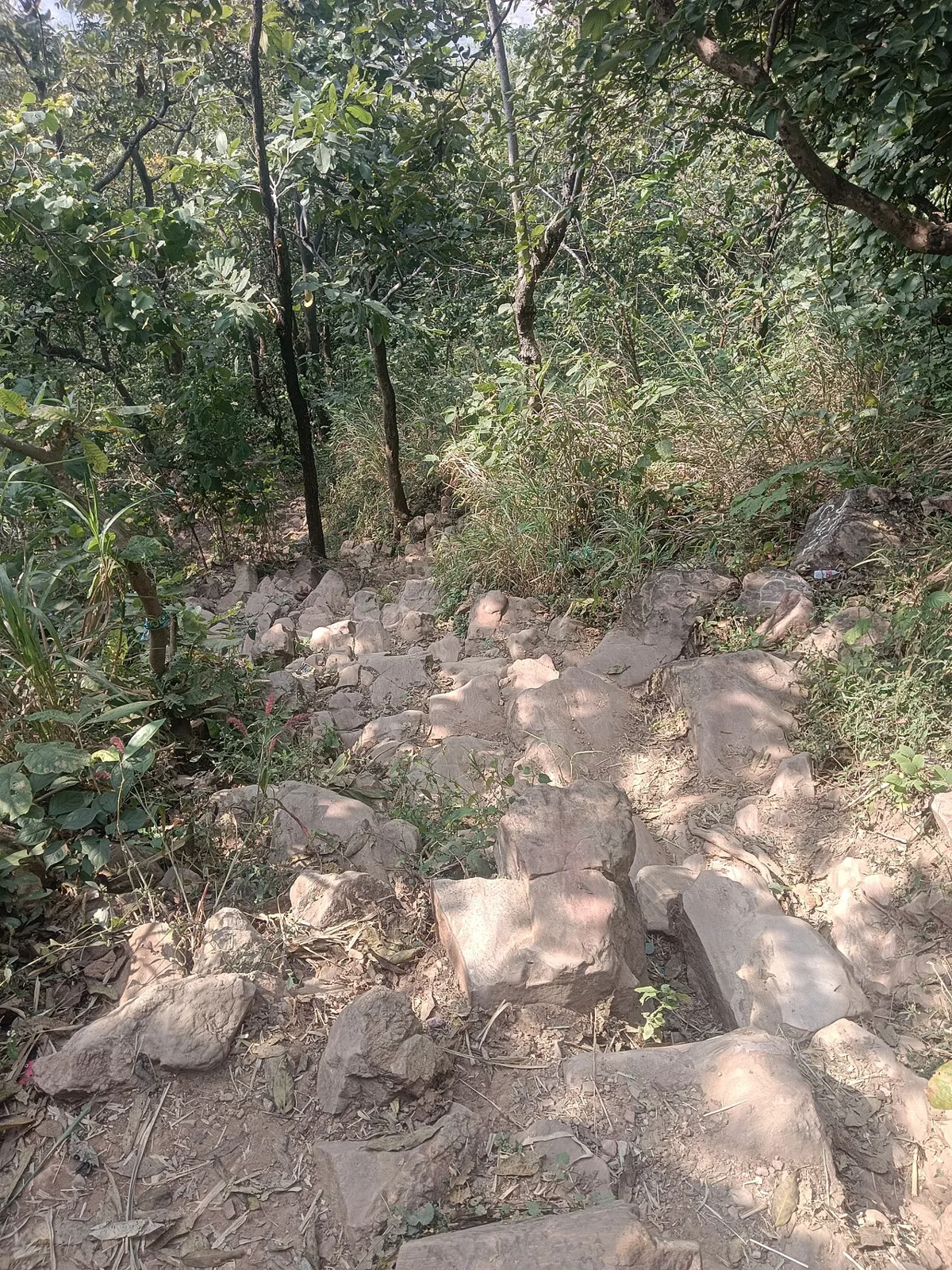
Susunia is not a large, planned temple complex. The pilgrimage focus is a modest shrine at the foot of the hill, set within a rugged natural landscape of exposed rock. A locally venerated image of Narasimha is associated with the shrine, while a spring nearby forms another focus for visitors and worshippers. The hill’s ancient inscription is cut directly into rock, making the natural stone both its setting and its medium. This open-air feature differs from a built temple façade or a freestanding inscribed pillar. The shrine’s exact construction date, original plan and building patron are not established here, so it is best described without assigning it a specific architectural period or style. The approach and visitor experience are shaped more by the terrain and the relationship between shrine, spring and hillside than by an extensive sequence of halls or courtyards. Respect any barriers or directions that protect the rock inscription and worship area.
Important objects & sculptures
Look for the rock inscription associated with Chandravarman, traditionally dated to the fourth century CE. Its lettering and placement on the natural rock are of historical interest; visitors should not touch, chalk, trace or otherwise mark it. At the foothill shrine, worshippers venerate an image of Narasimha, Vishnu’s man-lion form. The nearby spring is also a notable feature of the religious landscape, though it is a natural source rather than a collected artefact. There is no major museum collection at the hill described here. Interpretations of the inscription and details of the image are best checked with a knowledgeable local guide or heritage specialist.
Religious significance
The foothill shrine is associated with Narasimha, a form of Vishnu revered as a protector. Visitors may encounter prayer, offerings and other acts of worship, but practices can vary with local custom and the occasion. The spring beside the pilgrimage area is also regarded by some visitors as sacred. For worshippers, the site brings together devotion, the natural landscape and a sense of local heritage; it is not only an archaeological stop. Visitors who are not there to worship should keep a respectful distance during prayers, follow any instructions from shrine caretakers and avoid handling offerings or ritual objects. Ask before joining a ritual or photographing people engaged in worship.
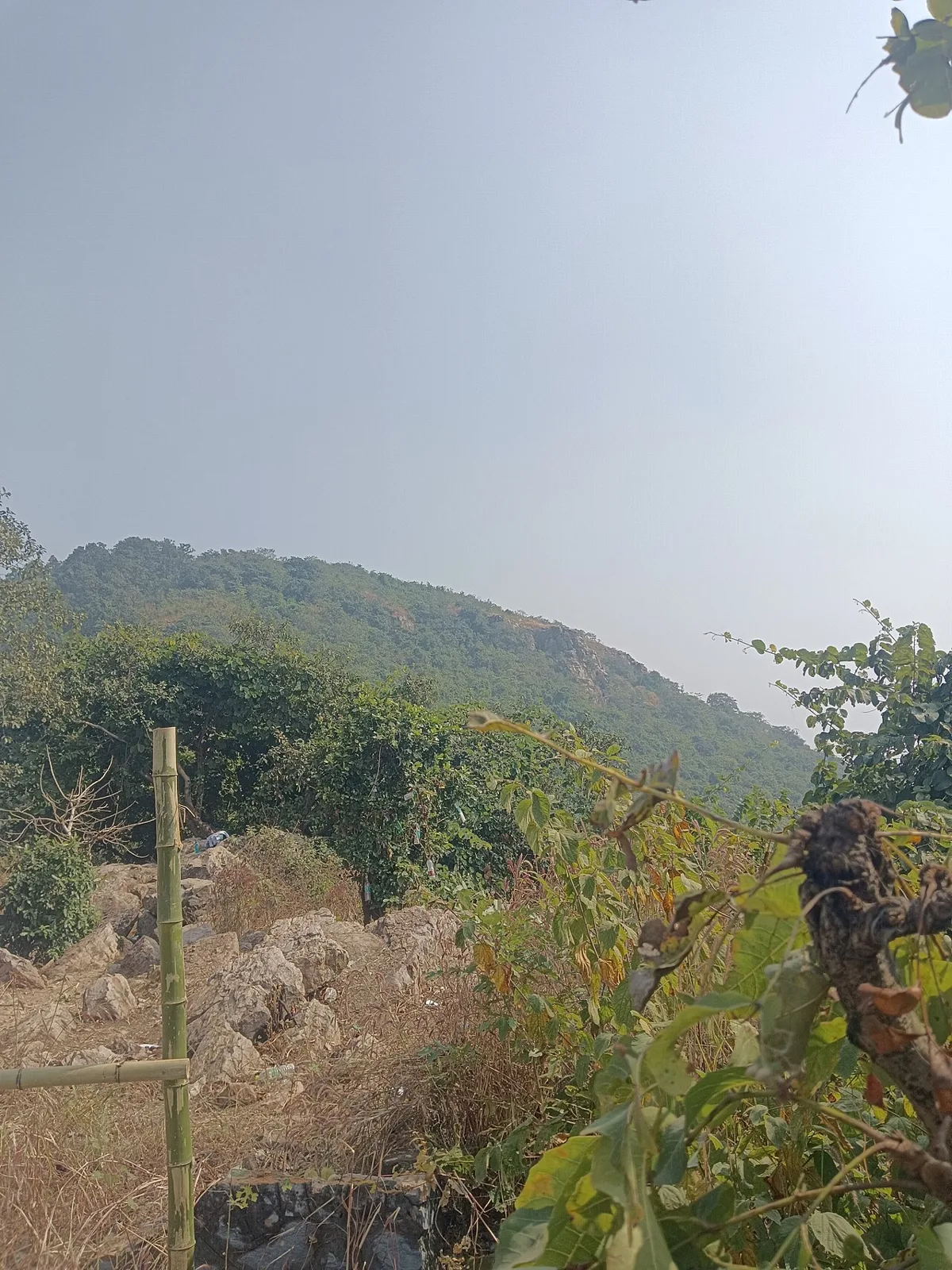
Spend unhurried time at Susunia Hill: walk the marked paths, use official viewpoints and ask locally whether a guide, entry ticket or forest permission is needed. Weather can change quickly, so carry a rain layer even on a clear morning. Wildlife sightings are never guaranteed — patience and quiet improve your chances. A comfortable itinerary is one main visit in the morning, a local meal at midday and a short nearby stop before an afternoon return. Use the district list on this site to find other places in Bankura, but check the route and its condition before combining stops. If a festival is on — such as Durga Puja, Kali Puja or the Poush Mela at Santiniketan — roads and stays can be busy, and the experience can be unforgettable. Leave no litter: many sites are protected by the communities around them.
Suggested itineraries
Half day: Visit the foothill shrine and spring, spend time at the rock inscription, then take a short walk on a suitable path; allow roughly three to four hours. Full day: Begin at the shrine and spring, visit the inscription, walk a marked route at a comfortable pace, take a midday meal locally, then use the afternoon for a nearby Bankura-area stop; allow most of the day and check road conditions. Gentler option: Stay near the foothill shrine and spring, rest in the shade where available, and view the hill without attempting a climb.
Bengali is widely used in Bankura district, and visitors may also hear Santali and Hindi in the wider area. The hill’s living culture is most visible in local worship at the Narasimha shrine and in the way residents share knowledge of the spring, inscription and landscape. Music, dance and dress are not fixed attractions or scheduled performances at the site; customs may be more apparent during local gatherings and festivals. Ask permission before photographing residents, worshippers or any community activity. Local accounts can add context, but oral tradition and documented historical evidence are different kinds of knowledge and should be treated respectfully.
Festivals & events
Durga Puja, generally in September or October, and Kali Puja, generally in October or November, are important occasions across Bankura district and can bring crowds to town centres and local religious sites. Ask locally whether a gathering is planned before travelling, as visitor numbers, road activity and available services can change on festival days. The Poush Mela is associated with Santiniketan, not Susunia.
Local food in West Bengal includes macher jhol (fish curry), shorshe ilish (hilsa in mustard), kosha mangsho, luchi with alur dom, kathi rolls and phuchka in Kolkata, mishti doi, rosogolla and sandesh; in the Darjeeling hills, momos, thukpa, shaphaley and first-flush Darjeeling tea. Ask what is fresh that day; many small eateries cook a limited daily menu. Vegetarian travellers eat well across the state, and most towns also have fish and meat dishes. Remote sites may have no restaurant at all. Carry water and snacks, eat a proper breakfast before long drives, and ask your accommodation for a packed lunch if you are heading out early. Try a home-cooked or local thali meal when you can — it is often the best food on the route. Choose busy, clean places, drink sealed or filtered water, and carry your packaging back with you.
Shopping & local experiences
There may be only a modest choice of stalls close to the hill, so check locally rather than expecting a dedicated souvenir market. In Bankura district, visitors can look for Bankura terracotta crafts, including the familiar horse figures, and locally made items in town markets. Ask about the maker and place of origin before buying. Small local eateries or vendors may offer simple Bengali food when open; availability can vary. Carry reusable water containers where practical and avoid purchasing or leaving disposable plastic.
October to March for the plains and coast; March to May and October to December for the Darjeeling hills
The nearest principal railway station by straight-line distance is Bankura Junction, roughly 20 km away. The nearest operating airport by straight-line distance is Durgapur (Kazi Nazrul Islam) Airport, roughly 35 km away. These figures are calculated from map coordinates — actual road distance is longer. Howrah, Sealdah and Kolkata stations and Kolkata airport serve the south; New Jalpaiguri station and Bagdogra airport near Siliguri are the gateways to the Darjeeling hills and the Dooars. For the final leg, West Bengal Transport Corporation, North Bengal State Transport and South Bengal State Transport buses, private buses and shared jeeps in the hills link district towns. A private taxi gives more flexibility for remote sites. When comparing train, bus and flight, count the complete door-to-door time: a flight saves the most time only if the onward road transfer is short, while an overnight train can save a hotel night. Book your return before you leave, because seats fill quickly on weekends, festivals and holidays. Current train numbers, timings, return services and fares are not listed here; check IRCTC and NTES for trains and the airline's own schedule for flights. No permit is needed for Indian citizens to visit West Bengal. Entry to the Sundarbans Tiger Reserve needs a forest permit, usually arranged through a registered boat operator or the forest office at Sajnekhali or Canning; trekking in Singalila National Park (Sandakphu) needs an entry permit and a registered guide from Maneybhanjan. Durga Puja in October brings huge crowds to Kolkata, so book transport and stays well ahead.
Confirm onward and return timings on IRCTC / NTES, the state bus operator or your airline before travel. A dash means current timings or fares have not been verified.
Getting around
Bankura Junction is the nearest principal railway station by straight-line distance, though the road journey is longer. From Bankura or another nearby town, arrange a taxi or local vehicle for the final leg; local buses may serve the wider area, but check their route and availability before relying on them. Autos and shared vehicles may be available around local settlements, though service can be limited. At Susunia, expect to walk between the drop-off area, shrine, spring and hillside paths. Confirm parking and road conditions locally, especially after rain.
Hours, tickets & permissions
Entry arrangements may differ between the open hillside, the shrine and the area around the inscription. Tickets, forest or site permissions, camera restrictions and any identity requirements should be checked locally; do not assume that access to one area means access to all areas. Dress respectfully near the shrine and follow notices or directions from caretakers. Confirm current opening hours, fees and access conditions with the managing authority or locally before setting out, as these details can change and are not established here.
Facilities
Facilities at the hill may be limited. Basic toilets, drinking water, food stalls or small eateries may be available near the approach or in nearby settlements, but provision can vary by season and day. Carry water and any essential supplies rather than relying on vendors. Parking may be possible near the approach; confirm locally where vehicles may be left. Guides are not guaranteed, so arrange one in advance if you need help interpreting the inscription or navigating paths. ATMs and a wider choice of shops are more likely in larger nearby towns.
Accessibility
The approach to the foothill shrine may be manageable for some visitors, but the wider site includes uneven ground, rocky paths and changes in slope. Walking distances depend on which viewpoints or hill routes are chosen; reaching higher ground can be strenuous. Shade and resting places may be limited, and surfaces can become slippery after rain. Wheelchair and stroller access should not be assumed beyond the vehicle drop-off or approach area. Older visitors and anyone with limited mobility may prefer to remain near the shrine and spring, use a companion’s support and avoid climbing unless the route has been checked in person.
No permit is needed for Indian citizens to visit West Bengal. Entry to the Sundarbans Tiger Reserve needs a forest permit, usually arranged through a registered boat operator or the forest office at Sajnekhali or Canning; trekking in Singalila National Park (Sandakphu) needs an entry permit and a registered guide from Maneybhanjan. Durga Puja in October brings huge crowds to Kolkata, so book transport and stays well ahead. Carry a photo ID at all times and save the emergency number 112 and your accommodation's contact offline. Heat in summer and heavy rain in the monsoon are the main weather risks; carry water, avoid midday sun and allow extra time when roads flood. Stay on marked paths, keep away from cliff edges and fast water, and never approach wild animals.
Visitor rules
Wear footwear suited to uneven outdoor ground, and dress respectfully near the shrine. Follow signs and directions from caretakers, and do not enter closed, unstable or restricted areas. Do not touch, scratch, chalk or apply anything to the rock inscription, and do not disturb the spring or its surroundings. Take all litter away, especially plastic and food packaging. Keep noise low around worship and wildlife, and do not handle offerings or ritual objects. Photography may be restricted in worship areas; ask before photographing people or ceremonies.
Photography
Early morning or late afternoon can give softer light on the rocky hillside, while conditions vary with season and cloud. Use publicly accessible paths and viewpoints, and do not climb onto fragile or restricted rock for a better angle. Photography of the inscription should avoid contact, flash where it could disturb others, or any marking of the surface. Ask permission before photographing worshippers, shrine interiors or rituals. Drone use may require permissions and can disturb visitors or wildlife, so check current rules with the relevant authority and do not fly near people or restricted areas.
Choose a stay by the full journey to Susunia Hill, not just the district name. Kolkata offers the widest choice; on the coast, Digha and Mandarmani have many hotels, and the Sundarbans have eco-resorts and boat stays near Pakhiralay and Bali island. In summer, check air-conditioning; in the monsoon, check that the property is accessible if roads flood. Book in advance for weekends, festivals and the peak season (October to March for the plains and coast; March to May and October to December for the Darjeeling hills). Confirm the exact location, meals included, check-in time and cancellation terms in writing. Avoid sending money to unverified contacts or touts at stations. Carry some cash, as card and digital payments can be unreliable in remote areas.
Within Bankura district, visitors may consider the terracotta temples of Bishnupur, Bankura town and Mukutmanipur, subject to route conditions and the time available. Biharinath Hill is another notable hill destination in the district. These are separate outings rather than stops immediately beside the Susunia shrine, so check actual road distances and travel time before combining them. Bishnupur is especially suited to a separate heritage visit; Mukutmanipur offers a different landscape and reservoir setting. Choose one additional destination rather than rushing through several.
For couples, Susunia Hill rewards a slow pace: arrive early for soft light and fewer crowds, share a local meal and keep the evening free. A toy-train ride in the Darjeeling hills, a boat on the Hooghly at sunset or an evening of adda over tea in Kolkata makes the trip memorable. Public displays of affection can be frowned upon in conservative communities and at religious sites, so be discreet. Keep a buffer in your itinerary, because weather and road conditions can delay plans.
Q: How much time should I allow for Susunia Hill? A: A half-day is enough for the shrine, spring, inscription and a short walk; allow longer if you plan a more demanding hike. Q: When is a good season to visit? A: October to March is generally more comfortable for the plains of West Bengal. Check local weather and path conditions, particularly during and after the monsoon. Q: Is there an entry ticket or permit? A: Check locally with the managing authority before travelling. Q: Can children and older visitors visit? A: The foothill shrine may suit a gentler visit, but rocky paths and slopes can be difficult. Supervise children closely and avoid climbs that exceed anyone’s ability. Q: Can I stay near the hill? A: Accommodation choices close to the site may be limited. Check locally or consider arranging a stay in a larger nearby town before your visit.
Be the first to share photos, stories, advice or a helpful contact for Susunia Hill.
Loading…