Ghumoopedia — Explore, Discover, Experience
Sign in
Kalimpong, near Kalimpong

City guide · West Bengal

Kalimpong

Kalimpong is a hill town and district centre in West Bengal, visited for its temperate setting, natural surroundings, historic links with Tibet and horticultural activity.

Famous for

  • Kalimpong ginger
  • Orchid nurseries
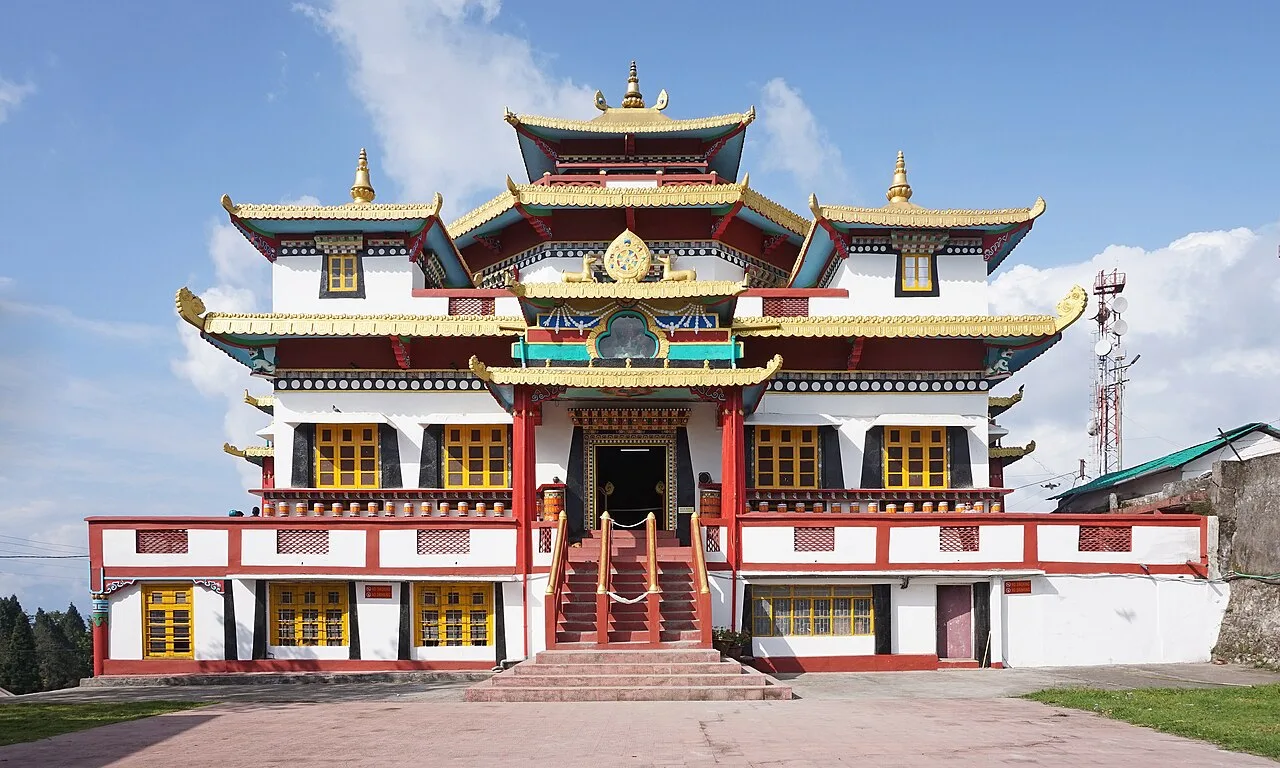
  • Zang Dhok Palri monastery
  • Dr Graham’s Homes
  • Kalimpong cheese
In the city
2
Nearby
2
District
Kalimpong

Why Kalimpong matters

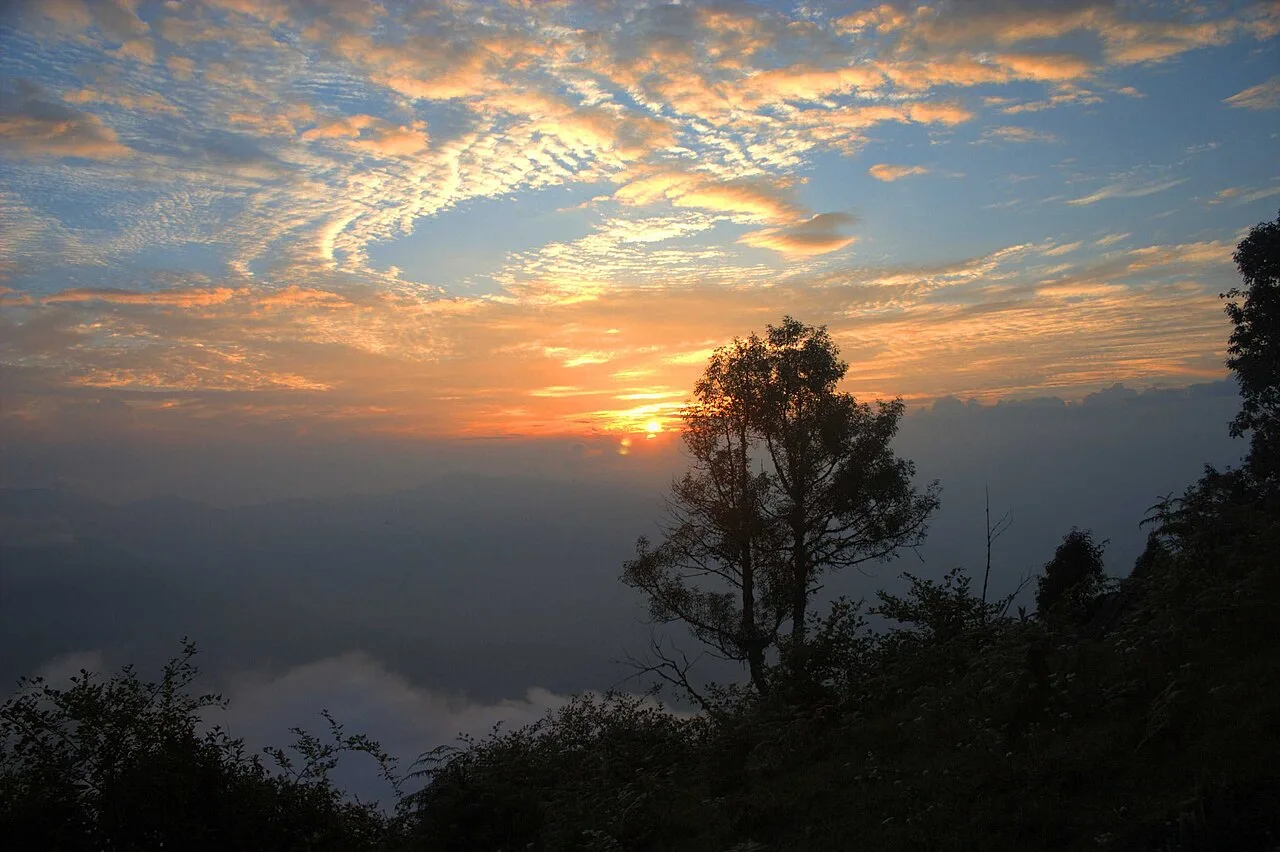
Kalimpong is a hill town in West Bengal and the headquarters of Kalimpong district. Set on a ridge above the Teesta valley, at around 1,250 metres, it is known for its mild climate, green hills and views of the high Himalaya, including Kanchenjunga on clear days. Its position between the plains and the Himalayan borderlands has shaped its role as a regional centre for education, trade and travel.

Visitors come for viewpoints on Deolo and Durpin hills, historic schools, monasteries and the town’s distinctive mix of Nepali, Lepcha, Bhutia, Tibetan and Bengali influences. Horticulture is another defining feature: flower nurseries and markets showcase orchids and other Himalayan plants, while Kalimpong ginger is a recognised regional product. The town also offers a quieter base for exploring nearby hill destinations and the Teesta corridor. Today Kalimpong is administered within West Bengal and forms part of the Gorkhaland Territorial Administration area, retaining both civic importance and a strong connection to the surrounding hill communities.
Famous for: crafts, trade & products

Kalimpong is better known for horticulture than for textiles or large-scale handicraft production. Its flower trade includes orchids and other plants suited to the Himalayan climate; local nurseries grow bulbs, tubers and rhizomes, some for export. The flower market and plant nurseries around town are the best places to see this trade. Kalimpong ginger is a notable regional crop with a Geographical Indication, and fresh ginger and other local produce may be found through town markets and produce sellers.

Kalimpong cheese is a long-established local speciality, associated with the town’s European missionary and dairy history. Small shops and bakeries also sell the much-loved Kalimpong lollipop, a locally made hard sweet. The central bazaar and shops along the main town roads are useful places to look for these products, packaged foods, woollens and locally made souvenirs. Buddhist objects and craft goods are available in some shops, though Kalimpong is not primarily a textile or saree centre. Its institutions are part of its identity too: Dr Graham’s Homes is a historic school, while the Kalimpong Science Centre on Deolo Hill serves local students and visitors.

History

The Kalimpong hills were successively controlled by Sikkimese and Bhutanese rulers before the area passed to British control. Following the Anglo-Bhutan War, the 1865 Treaty of Sinchula ceded Bhutanese territory east of the Teesta to the British. Kalimpong became part of the Darjeeling district in the late 1860s and developed as a hill settlement and trading post. Its location near routes to Tibet encouraged commerce in wool, furs and food grains, as well as migration from neighbouring regions.

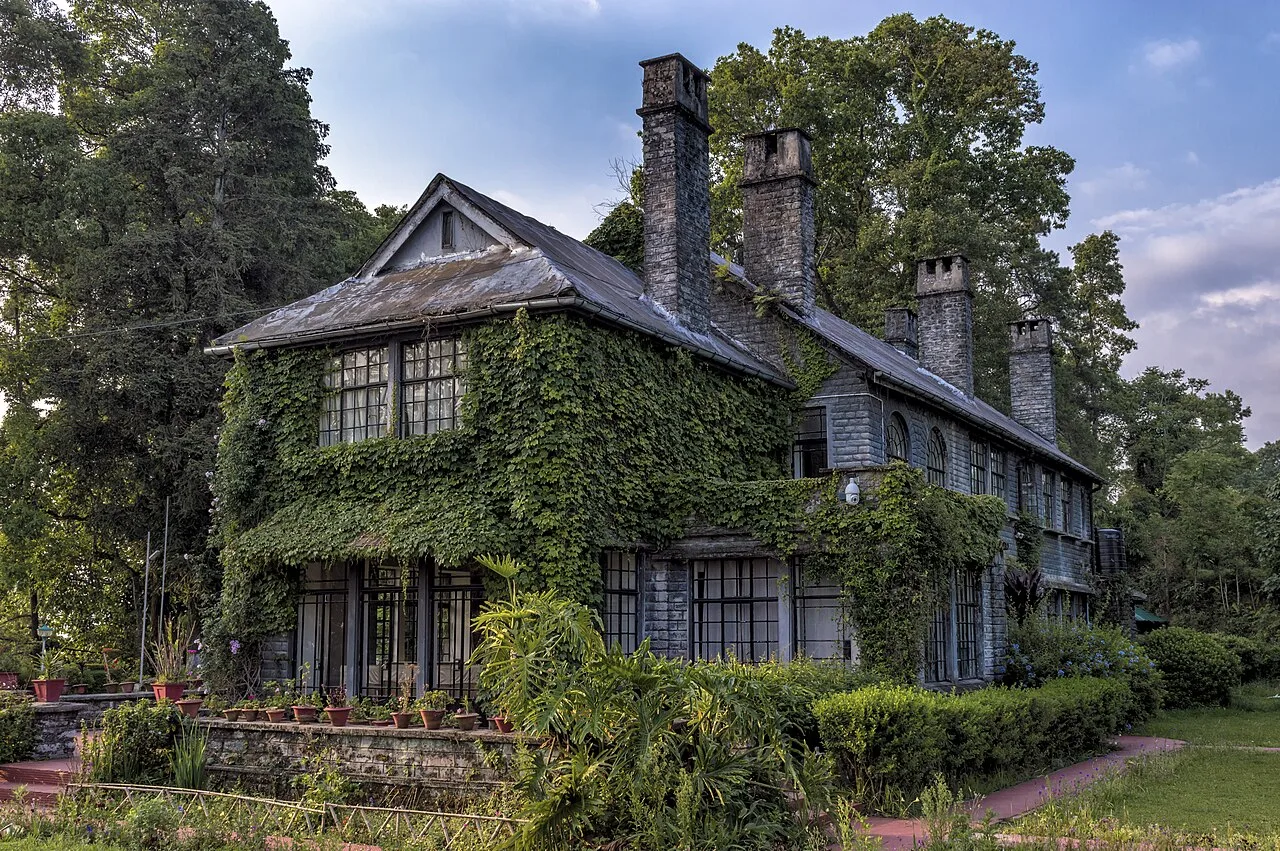
British-era missionary activity helped establish schools and welfare institutions, including Dr Graham’s Homes, founded in 1900. After India’s independence, Kalimpong became part of West Bengal. Trade with Tibet declined sharply after the closure of the Jelep La route following the 1962 Sino-Indian War. Tibetan refugees and monks also shaped the town’s religious life; Zang Dhok Palri Phodang was consecrated in 1976. The area experienced major political agitation over Gorkhaland in the 1980s and later decades. Kalimpong became the headquarters of its own district in 2017.

Food, festivals & culture

Kalimpong’s food reflects its varied hill communities. Momos, thukpa and other Tibetan-style dishes are common, alongside Nepali favourites such as sel roti and regional preparations using fermented greens or soybeans. Kalimpong cheese and the town’s lollipops are popular local treats. Restaurants and small eateries around the bazaar offer a mix of Nepali, Tibetan, Indian and Chinese-influenced meals.

Nepali is widely spoken, alongside Bengali, Hindi, Lepcha and languages of Tibetan and Bhutia communities. Buddhist observances, Hindu festivals and Christian traditions all have a place in town life. Losar, the Tibetan New Year, usually falls in winter; Buddha Jayanti is observed in spring, while Dashain, Durga Puja and Tihar are celebrated in autumn. Christmas is also marked by the town’s Christian communities. Monasteries such as Zang Dhok Palri Phodang, local temples and churches are important gathering places. Nepali folk music and dance, as well as Buddhist ceremonial music, are part of the region’s cultural life.

Visiting the city

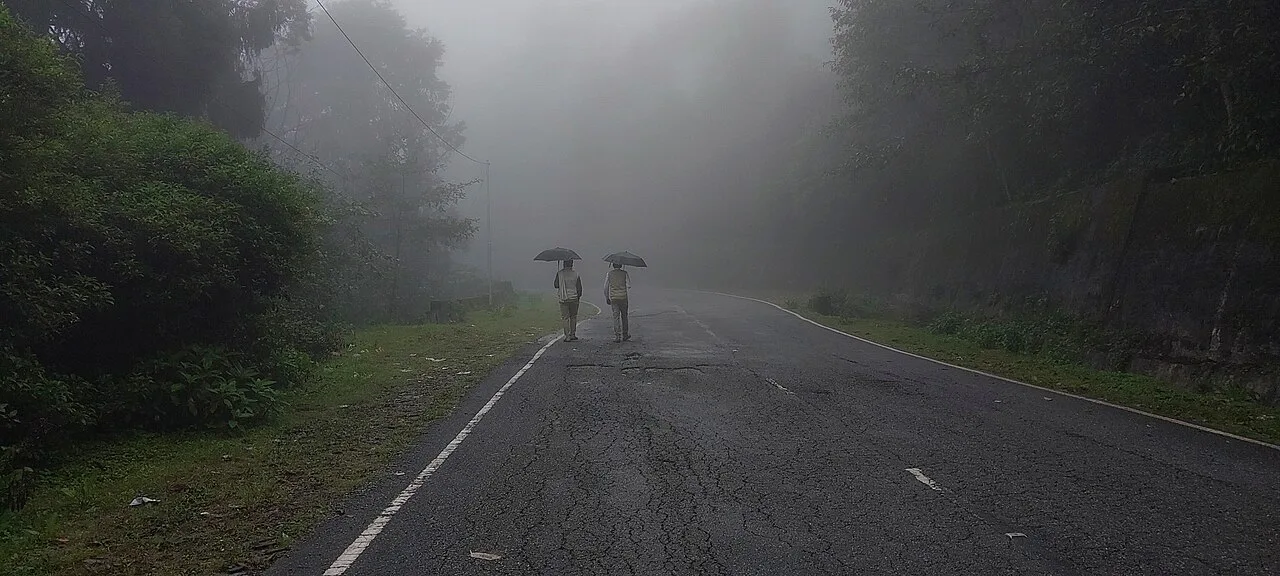
October to April is generally the clearest and most comfortable period to visit; spring brings flowers, while the monsoon months can bring heavy rain, reduced visibility and landslides. The nearest airport is Bagdogra Airport, and the main rail gateway is New Jalpaiguri railway station. From either, visitors can continue by road; shared jeeps and taxis are commonly used for hill journeys.

The town centre and bazaar make a convenient base for shops, cafés and historic buildings. Deolo Hill offers broad views and is home to the Kalimpong Science Centre; Durpin Hill is known for Zang Dhok Palri Phodang monastery and hilltop scenery. Explore the flower market and nearby nurseries, and allow time for Dr Graham’s Homes and the old town’s churches and schools. Roads are steep, so local taxis are useful for getting between viewpoints and neighbourhoods.

Attractions

Places to visit in Kalimpong

Sights within about 12 km of each other, even when they fall in different districts.

Short trips

Around Kalimpong

Within about 40 km — easy half-day or day trips from the city.

Map

Kalimpong on the map

  1. 1Kalimpong
  2. 2Zang Dhok Palri Phodang
  3. 3Lava
  4. 4Neora Valley National Park

West Bengal

Other cities to explore