
Kalimpong
Kalimpong is a hill town and district centre in West Bengal, visited for its temperate setting, natural surroundings, historic links with Tibet and horticultural activity.
Key facts · verified by Ghumoopedia editors
- Type of place
- Destination
- Best time to visit
- October to March for the plains and coast; March to May and October to December for the Darjeeling hills
- Nearest railway station
- Darjeeling (toy train) · about 20 km (straight line)
- Nearest airport
- Bagdogra Airport (Siliguri) · about 45 km (straight line)
- Verified
- 21 Nov 2026
Plan a trip from Kalimpong — a day-by-day route through places nearby.
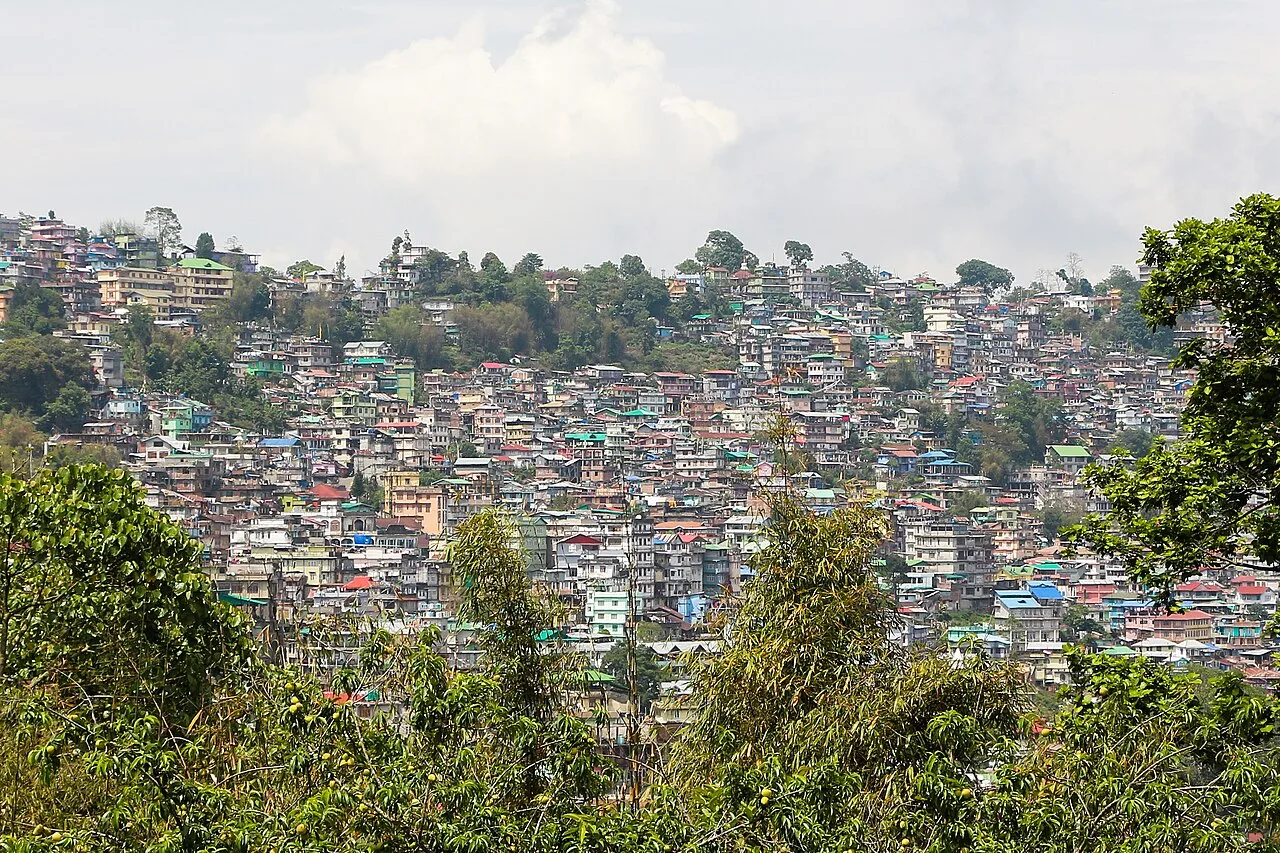
Kalimpong lies in West Bengal and serves as the administrative centre of its namesake district. At about 1,250 metres (4,101 ft) above sea level, it falls within the Gorkhaland Territorial Administration, a semi-autonomous authority operating within the state. The Indian Army’s 27 Mountain Division is stationed on the town’s outskirts. Many of Kalimpong’s educational institutions were founded during British rule. Before China annexed Tibet and the Sino-Indian War, the town served as a commercial link between India and Tibet. Kalimpong, alongside nearby Darjeeling, became a focal point for campaigns seeking a separate Gorkhaland state during the 1980s; calls for this statehood were renewed in 2010. The municipality occupies a ridge with views over the Teesta River. Visitors come for its temperate climate and natural surroundings, as well as its proximity to established destinations elsewhere in the region. Horticulture is an important part of the local economy. The flower market features a broad selection of orchids, while nurseries export Himalayan-grown bulbs, tubers and rhizomes. Zang Dhok Palri Phodang, a Tibetan Buddhist monastery, preserves a collection of rare Buddhist scriptures. Another attraction is the Kalimpong Science Centre, set on Deolo Hill. Established in 2008 under the Darjeeling Gorkha Hill Council, it promotes scientific awareness among local students and other residents. West Bengal stretches from the Himalayan tea gardens of Darjeeling to the mangrove delta of the Sundarbans, with Kolkata's colonial architecture, the terracotta temples of Bishnupur, Tagore's Santiniketan and the Nawabi heritage of Murshidabad. The plains are hot and humid from March to June, receive heavy monsoon rain from June to September and are pleasant from November to February; the Darjeeling hills are cool year-round and cold in winter, and the coast and Sundarbans can be hit by cyclones in May and October–November. The usual best time to visit is October to March for the plains and coast; March to May and October to December for the Darjeeling hills. Timings, fees and access arrangements must be confirmed locally. For official information, see West Bengal Tourism at https://wbtourism.gov.in.
Why it matters
Kalimpong is a hill town in West Bengal and the administrative headquarters of Kalimpong district. It lies on a ridge above the Teesta River at an elevation of about 1,250 metres. The area is administered within the Gorkhaland Territorial Administration, a semi-autonomous body in the state. Kalimpong is regionally known for its historic schools, horticulture and flower nurseries, as well as its former role in trade between India and Tibet. Its monasteries and multi-community heritage add to its cultural importance. The town is also a base for visiting other parts of the eastern Himalayan foothills. No UNESCO or ASI designation is asserted for Kalimpong as a whole; check individual sites for their current status.
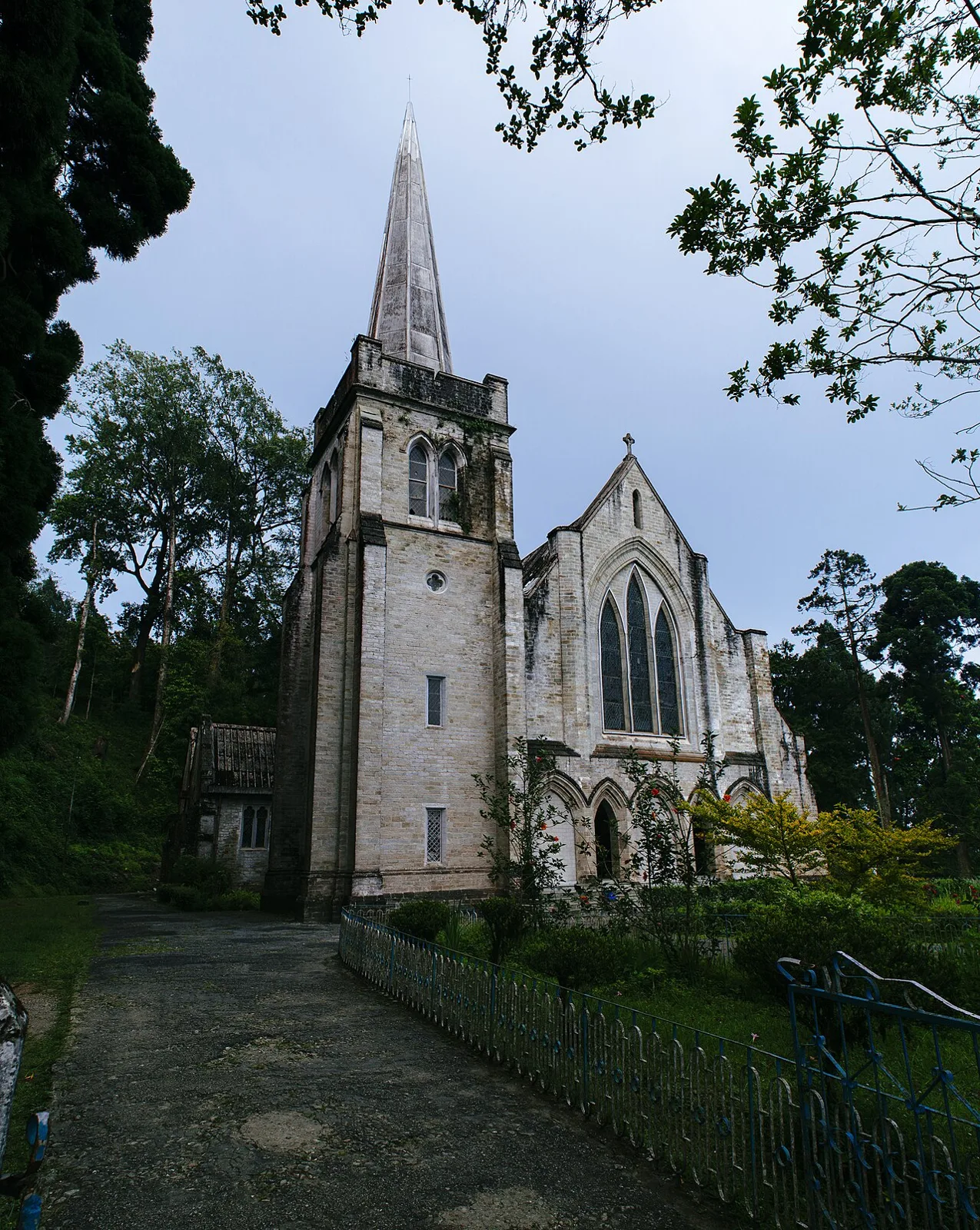
Kalimpong’s early history is connected with the communities and shifting political relationships of the eastern Himalaya, including Lepcha, Sikkimese and Bhutanese histories. The area came under British control after the Anglo-Bhutan War and the 1865 Treaty of Sinchula, when Bhutan ceded territory to the British. Under British rule, Kalimpong developed as a hill settlement and gained importance as a route for trade between India and Tibet, including commerce through the Jelepla Pass. Traders and communities from across the Himalayan region contributed to its growth. Christian missionary organisations established schools, and the town became known for education; Dr Graham’s Homes is among its longstanding institutions. Trade across the Tibetan border declined after China’s annexation of Tibet and the Sino-Indian War, changing the town’s commercial role. Kalimpong and neighbouring Darjeeling later became centres of political movements seeking a separate Gorkhaland state, notably in the 1980s and again around 2010. Kalimpong became a separate district in 2017, with the town as its headquarters. The Buddhist monastery Zang Dhok Palri Phodang, built at Durpin Dara in the 1970s, is a more recent landmark in the town’s religious history.
Use Kalimpong as a base to understand local life: walk through the market, look for local crafts and ask your host about nearby viewpoints and short excursions. Always ask before photographing people, homes or ceremonies. A comfortable itinerary is one main visit in the morning, a local meal at midday and a short nearby stop before an afternoon return. Use the district list on this site to find other places in Kalimpong, but check the route and its condition before combining stops. If a festival is on — such as Durga Puja, Kali Puja or the Poush Mela at Santiniketan — roads and stays can be busy, and the experience can be unforgettable. Leave no litter: many sites are protected by the communities around them.
Suggested itineraries
Half day: Explore the market on foot (1–2 hours), pause for a local meal, then visit one nearby viewpoint or garden (1–2 hours). Gentler option: Choose one accessible-by-car viewpoint, spend time at a café or garden nearby, and keep walking to a minimum; confirm the path and vehicle access locally.
Kalimpong’s everyday culture reflects Nepali, Lepcha, Bhutia, Tibetan and Bengali communities, alongside other residents and visitors. Nepali is widely used, while Bengali, Hindi and English are also heard; community languages and Tibetan are present too. Hindu and Buddhist customs shape religious life, and churches reflect the town’s missionary-school history. Dashain and Tihar, Losar, Buddha Jayanti, Durga Puja and Christmas are observed by different communities. Nepali folk songs and dances are part of local celebrations, though performances are not a daily visitor attraction. Traditional dress may be worn for festivals and ceremonies. Ask before photographing people, homes, places of worship or rituals, and follow local guidance on conduct inside monasteries.
Festivals & events
Festivals in Kalimpong reflect its varied communities. Dashain and Tihar are major Nepali Hindu celebrations, usually in autumn; Durga Puja and Kali Puja are also observed in the wider region around that season. Losar, the Tibetan New Year, generally falls in winter or early spring, while Buddha Jayanti is observed in spring. Christmas brings church services and community gatherings. Dates follow religious calendars and vary each year. Festival periods can make accommodation and roads busier, and some religious events are intended primarily for worshippers. Ask locally whether visitors may attend and what customs to follow.
Local food in West Bengal includes macher jhol (fish curry), shorshe ilish (hilsa in mustard), kosha mangsho, luchi with alur dom, kathi rolls and phuchka in Kolkata, mishti doi, rosogolla and sandesh; in the Darjeeling hills, momos, thukpa, shaphaley and first-flush Darjeeling tea. Ask what is fresh that day; many small eateries cook a limited daily menu. Vegetarian travellers eat well across the state, and most towns also have fish and meat dishes. Remote sites may have no restaurant at all. Carry water and snacks, eat a proper breakfast before long drives, and ask your accommodation for a packed lunch if you are heading out early. Try a home-cooked or local thali meal when you can — it is often the best food on the route. Choose busy, clean places, drink sealed or filtered water, and carry your packaging back with you.
Shopping & local experiences
Kalimpong’s market is a place to browse everyday goods, local produce and regional snacks. Look for locally grown flowers and plants from nurseries, including orchids, but check packing and transport rules before buying live plants. Woollens, handicrafts, Buddhist items and locally made foods may be available, though stock and provenance vary between shops. Ask sellers about the origin of crafts and choose products that can be carried safely. A meal or snack in town is also a way to explore local flavours; ask about ingredients if you have dietary requirements.
October to March for the plains and coast; March to May and October to December for the Darjeeling hills
The nearest principal railway station by straight-line distance is Darjeeling (toy train), roughly 20 km away. The nearest operating airport by straight-line distance is Bagdogra Airport (Siliguri), roughly 45 km away. These figures are calculated from map coordinates — actual road distance is longer. Howrah, Sealdah and Kolkata stations and Kolkata airport serve the south; New Jalpaiguri station and Bagdogra airport near Siliguri are the gateways to the Darjeeling hills and the Dooars. For the final leg, West Bengal Transport Corporation, North Bengal State Transport and South Bengal State Transport buses, private buses and shared jeeps in the hills link district towns. A private taxi gives more flexibility for remote sites. When comparing train, bus and flight, count the complete door-to-door time: a flight saves the most time only if the onward road transfer is short, while an overnight train can save a hotel night. Book your return before you leave, because seats fill quickly on weekends, festivals and holidays. Current train numbers, timings, return services and fares are not listed here; check IRCTC and NTES for trains and the airline's own schedule for flights. No permit is needed for Indian citizens to visit West Bengal. Entry to the Sundarbans Tiger Reserve needs a forest permit, usually arranged through a registered boat operator or the forest office at Sajnekhali or Canning; trekking in Singalila National Park (Sandakphu) needs an entry permit and a registered guide from Maneybhanjan. Durga Puja in October brings huge crowds to Kolkata, so book transport and stays well ahead.
Confirm onward and return timings on IRCTC / NTES, the state bus operator or your airline before travel. A dash means current timings or fares have not been verified.
Getting around
Taxis and shared jeeps are the most practical ways to reach sights spread around Kalimpong and its surrounding hills. Local buses serve some routes, but coverage and frequency can vary; check locally before relying on them. The town centre and market can be explored on foot, though steep streets and changes in elevation make walking slower than distances may suggest. Ask a local driver or accommodation host to confirm road conditions and return arrangements for outlying stops. Parking may be limited near busy viewpoints and religious sites, so avoid blocking access roads.
Hours, tickets & permissions
Opening arrangements vary between monasteries, gardens, museums, schools and viewpoints. Some are active religious or educational sites rather than formal visitor attractions, and access may be restricted during services, school activities or maintenance. Tickets, permits, identification checks and photography rules can differ by site; do not assume a camera or commercial photography is permitted. Dress modestly at places of worship and follow posted instructions. Confirm current opening arrangements and any fees directly with the managing authority or locally before setting out.
Facilities
Kalimpong town has places to eat, shops, accommodation, banks and ATMs, though facilities become less predictable at outlying viewpoints and gardens. Toilets and drinking water may be available at established attractions, but availability and maintenance vary; carry water and check locally. Food options are easiest to find in town. Parking is usually more limited at busy sites than in the town centre. Guided visits may be possible through local operators or accommodation hosts, but are not guaranteed at every attraction. Confirm facilities before travelling with visitors who have specific needs.
Accessibility
Kalimpong is hilly, with steep roads, uneven pavements and substantial changes in elevation. Some attractions can be reached by vehicle, but viewpoints, gardens and monastery grounds may involve steps, sloping paths or uneven surfaces. Walking distances and shade vary by site; carry water and allow time for rests. Wheelchair and stroller access cannot be assumed, and many older buildings may have no step-free entrance. Elderly visitors or anyone with limited mobility may find a taxi-based visit to one or two stops more comfortable than a walking circuit. Check access conditions directly before visiting.
No permit is needed for Indian citizens to visit West Bengal. Entry to the Sundarbans Tiger Reserve needs a forest permit, usually arranged through a registered boat operator or the forest office at Sajnekhali or Canning; trekking in Singalila National Park (Sandakphu) needs an entry permit and a registered guide from Maneybhanjan. Durga Puja in October brings huge crowds to Kolkata, so book transport and stays well ahead. Carry a photo ID at all times and save the emergency number 112 and your accommodation's contact offline. Watch your belongings in crowds and on public transport, and follow posted instructions.
Photography
Morning and late afternoon can offer softer light at viewpoints, though cloud and mist can obscure mountain views. Deolo Hill and Durpin Dara are established places to seek broad views; conditions change quickly, so be prepared for limited visibility. Photography is often possible in public outdoor areas, but rules differ inside monasteries, schools and other managed sites. Ask before photographing residents, homes, ceremonies or worshippers, and obey signs or requests from staff. Drone use may require permissions and can be restricted; check current aviation rules and local instructions rather than flying by default.
Choose a stay by the full journey to Kalimpong, not just the district name. Darjeeling, Kalimpong and Kurseong offer hotels and family homestays; in smaller hill villages, homestays are the main option and should be booked ahead. In the hills, check heating, hot water and power backup, and expect cold nights from November to February. Book in advance for weekends, festivals and the peak season (October to March for the plains and coast; March to May and October to December for the Darjeeling hills). Confirm the exact location, meals included, check-in time and cancellation terms in writing. Avoid sending money to unverified contacts or touts at stations. Carry some cash, as card and digital payments can be unreliable in remote areas.
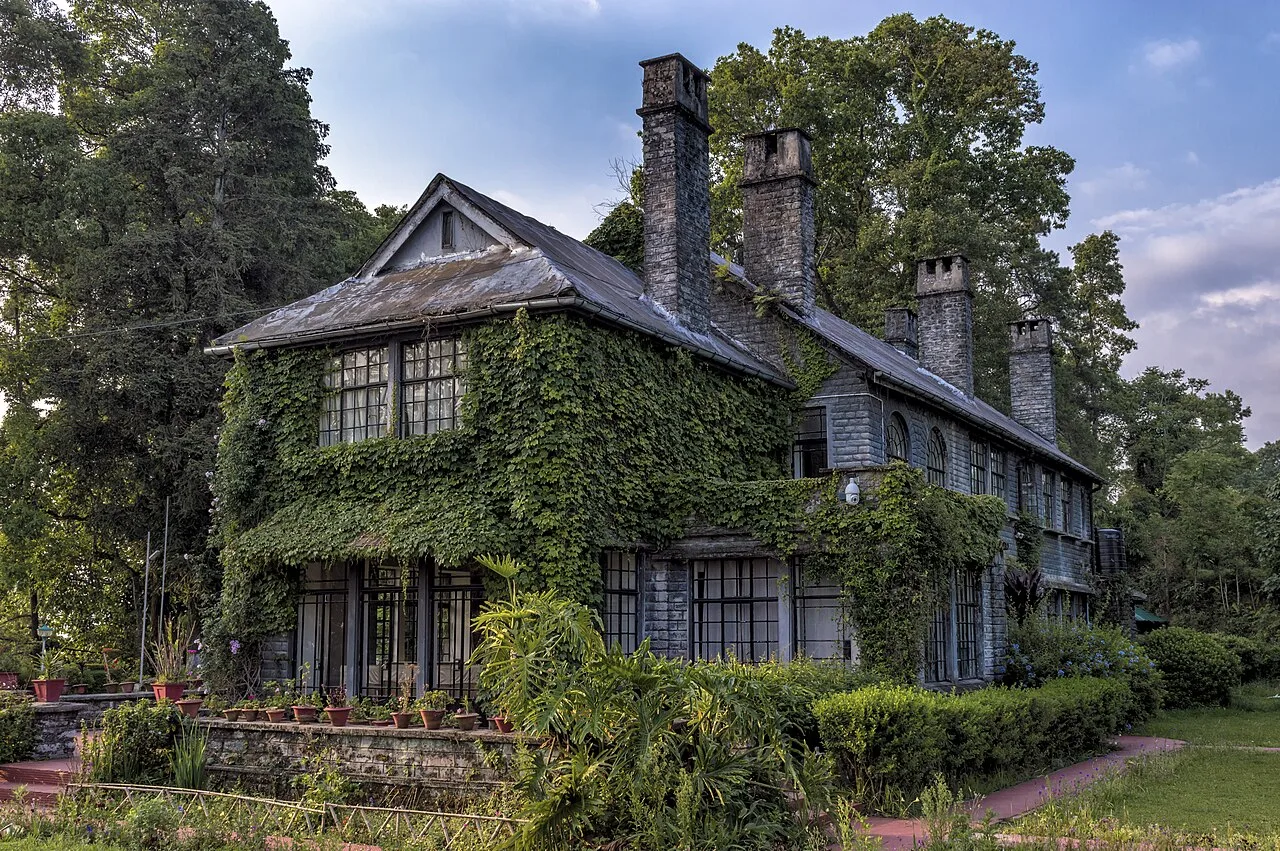
Within Kalimpong town and its surrounding hills, visitors can consider Deolo Hill, Durpin Dara, Zang Dhok Palri Phodang, Morgan House, Dr Graham’s Homes and the Kalimpong Science Centre. Pine View Nursery is known for its cactus collection, while the town’s flower nurseries reflect its horticultural trade. Lava and Loleygaon are other hill destinations in Kalimpong district, but each needs its own road and weather planning. Neora Valley National Park is also in the district; check its current access requirements and local conditions before planning a visit.
For couples, Kalimpong rewards a slow pace: arrive early for soft light and fewer crowds, share a local meal and keep the evening free. A toy-train ride in the Darjeeling hills, a boat on the Hooghly at sunset or an evening of adda over tea in Kolkata makes the trip memorable. Public displays of affection can be frowned upon in conservative communities and at religious sites, so be discreet. Keep a buffer in your itinerary, because weather and road conditions can delay plans.
Q: How much time should I allow for Kalimpong? A: A half day can cover the market and one nearby stop; a full day allows a few hill attractions at an unhurried pace. Q: When is a good season to visit? A: October to December and March to May are commonly comfortable periods for the Darjeeling hills, but weather and visibility can change. Q: Do attractions require tickets or permits? A: Requirements vary by site. Confirm current entry rules, fees and any permissions with the site manager or locally. Q: Is Kalimpong suitable for children and elderly visitors? A: It can be, but steep roads and uneven paths are common. Choose vehicle-accessible stops and check walking conditions in advance. Q: Can I stay near the attractions? A: Kalimpong town has accommodation options and is a practical base; check the location and road access of any out-of-town stay.
Be the first to share photos, stories, advice or a helpful contact for Kalimpong.
Loading…