
Ghumoopedia — Explore, Discover, Experience
Sign in
Tarapith, near Tarapith

City guide · West Bengal

Tarapith

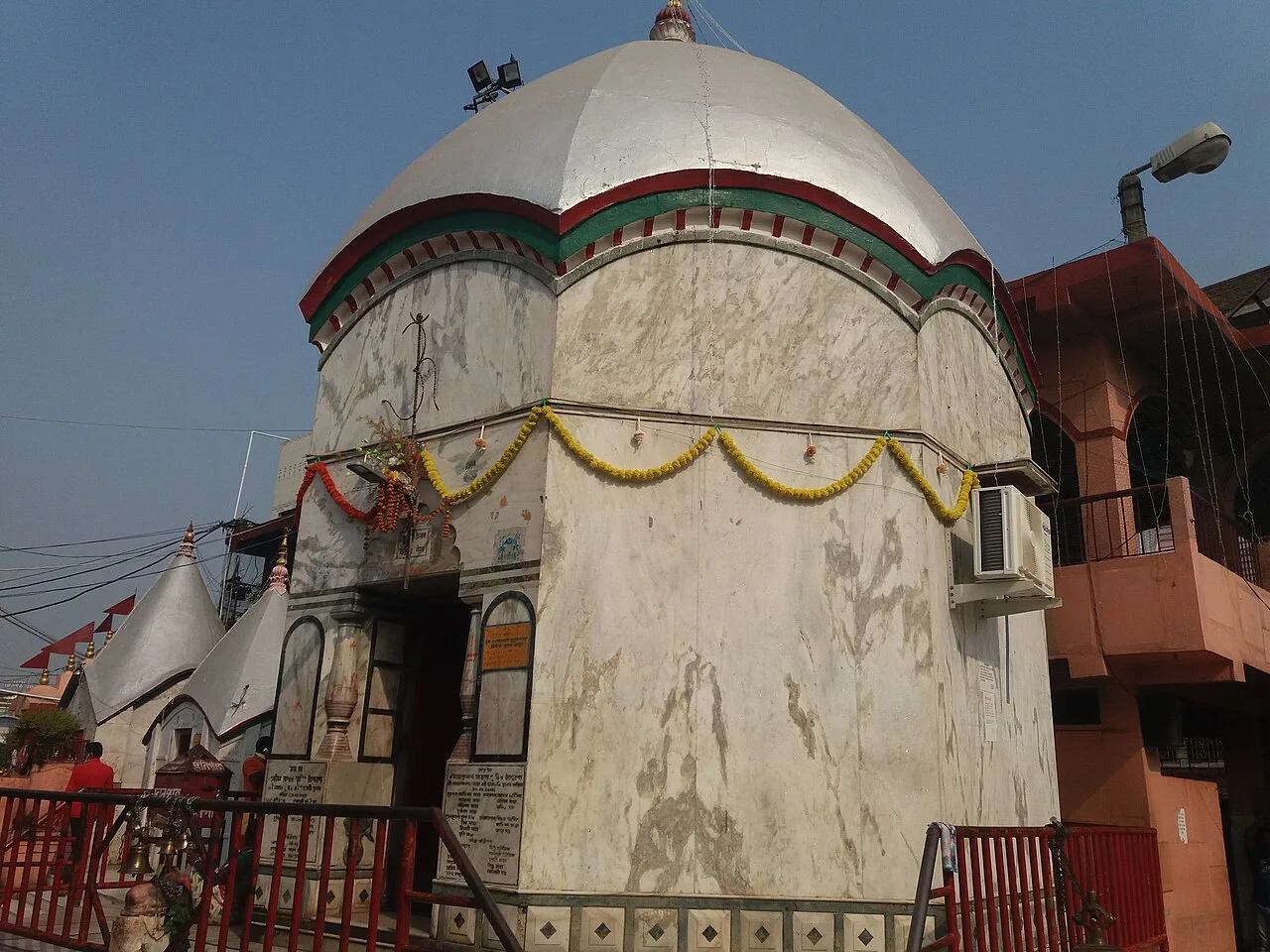
Tarapith is a major Hindu pilgrimage destination in Birbhum district, centred on the temple of the goddess Tara. The shrine draws devotees from across West Bengal and other parts of India, making pilgrimage and temple services central to the town’s daily life.

Famous for

  • Tarapith Temple
  • Goddess Tara worship
  • Bamakhepa's ashram
  • Tantric pilgrimage traditions
  • Dwarka River cremation ground
In the city
1
District
Birbhum

Why Tarapith matters

Tarapith is a major Hindu pilgrimage destination in Birbhum district, centred on the temple of the goddess Tara. The shrine draws devotees from across West Bengal and other parts of India, making pilgrimage and temple services central to the town’s daily life. Visitors come to pray, make offerings and take part in rituals connected with Tara, a powerful form of the goddess revered in tantric traditions.

The town is also associated with Bamakhepa, a celebrated tantric saint who worshipped at the temple and lived near the cremation ground. His ashram, close to the Dwarka River, is another important stop for pilgrims. The temple precinct, riverbank and adjoining cremation ground give Tarapith a distinctive spiritual character. Beyond its religious role, Tarapith serves visitors travelling through the Rampurhat area, with local shops and accommodation supporting the steady flow of pilgrims. Its importance today rests less on urban industry than on its enduring place in regional devotional life.

Famous for: crafts, trade & products

Tarapith is not especially known as a centre for textiles, handicrafts or large-scale industry. Its local trade is closely tied to pilgrimage. Around the temple, shops sell flowers, garlands, incense, lamps, sweets and other items used for worship, alongside devotional pictures and souvenirs. The lanes near the shrine are the most convenient place to find these goods, while Rampurhat offers a broader range of everyday shopping and services.

Food stalls and small eateries cater to pilgrims, and visitors can find familiar Bengali meals and sweets in the temple area. These are part of the town’s visitor economy rather than a distinct export trade. No widely recognised GI-tagged product or signature craft is closely associated with Tarapith itself. For locally made goods or a wider selection of regional products, travellers can browse markets in Rampurhat and nearby settlements. The town’s best-known institutions are religious: the Tara temple and sites connected with Bamakhepa, including his ashram. Together, the temple bazaar and pilgrimage facilities form Tarapith’s principal commercial landscape.

History

Tarapith grew around a sacred site dedicated to Tara, whose worship is associated with tantric Hindu practice. Local religious traditions give the temple a long spiritual past, though accounts of its origins and early development are shaped largely by legend and devotion. The shrine has been built up and maintained over generations, attracting worshippers well beyond the surrounding villages.

The wider Birbhum region passed through successive Bengal administrations and later came under British rule. Tarapith remained primarily a pilgrimage settlement rather than a major political or industrial centre. Its modern history is closely linked to Bamakhepa, the tantric saint remembered for worshipping at the temple and residing near the cremation ground. His life and teachings strengthened the town’s spiritual reputation, and his ashram remains a focus for visitors.

In more recent decades, improved regional transport and the growth of visitor services have made the pilgrimage easier to undertake. Tarapith continues to develop around the temple, with accommodation, eateries and shops serving pilgrims while retaining its village setting beside the Dwarka River.

Food, festivals & culture

Tarapith’s cultural life centres on worship of Tara and the rituals of the temple. The cremation ground beside the shrine is important within local tantric traditions and is approached by visitors with respect. Bamakhepa’s memory is present in devotional practice and at his ashram near the Dwarka River. Bengali is the main local language; Hindi is also commonly useful with visitors and in shops.

Kali Puja and observances linked with the goddess draw particular attention, while Durga Puja and other Hindu festivals are celebrated in the broader Bengali calendar. Pilgrim numbers and temple activity also rise around auspicious religious observances, whose timing follows the lunar calendar. Food is typically Bengali: rice, vegetables, fish and simple meals are available at local eateries, alongside sweets such as sandesh and mishti doi. These are common regional favourites rather than products unique to Tarapith. Devotional songs and Bengali religious music are part of the pilgrimage atmosphere; the wider Birbhum region is also known for Baul traditions, though Tarapith’s strongest cultural identity remains its temple and sacred landscape.

Visiting the city

The cooler, drier months from October to March are generally comfortable for visiting. Tarapith is reached most conveniently by rail through Rampurhat Junction, the principal station for the town; Tarapith Road is another nearby station. The nearest major airport is Kazi Nazrul Islam Airport at Andal, while Kolkata’s airport is a farther alternative.

From Rampurhat, local road transport connects with Tarapith. Auto-rickshaws and other shared or hired vehicles are practical for getting around; the temple neighbourhood is best explored on foot. Allow time for the Tara temple, the lanes of the pilgrimage bazaar, Bamakhepa’s ashram and the Dwarka River area. The cremation ground is a place of religious significance, so visitors should behave discreetly and follow local guidance.

Attractions

Places to visit in Tarapith

Sights within about 12 km of each other, even when they fall in different districts.

Map

Tarapith on the map

  1. 1Tarapith

West Bengal

Other cities to explore