
Ghumoopedia — Explore, Discover, Experience
Sign in
Nabadwip, near Nabadwip

City guide · West Bengal

Nabadwip

Nabadwip is a historic city in West Bengal, revered as the birthplace of Chaitanya Mahaprabhu. Visitors come for its Vaishnava heritage, religious celebrations and long tradition of Sanskrit learning.

Famous for

  • Chaitanya Mahaprabhu’s birthplace
  • Gaura Purnima celebrations
  • Vaishnava pilgrimage
  • Sanskrit learning
  • Navya Nyaya philosophy
  • Rash festival
In the city
2
District
Nadia

Why Nabadwip matters

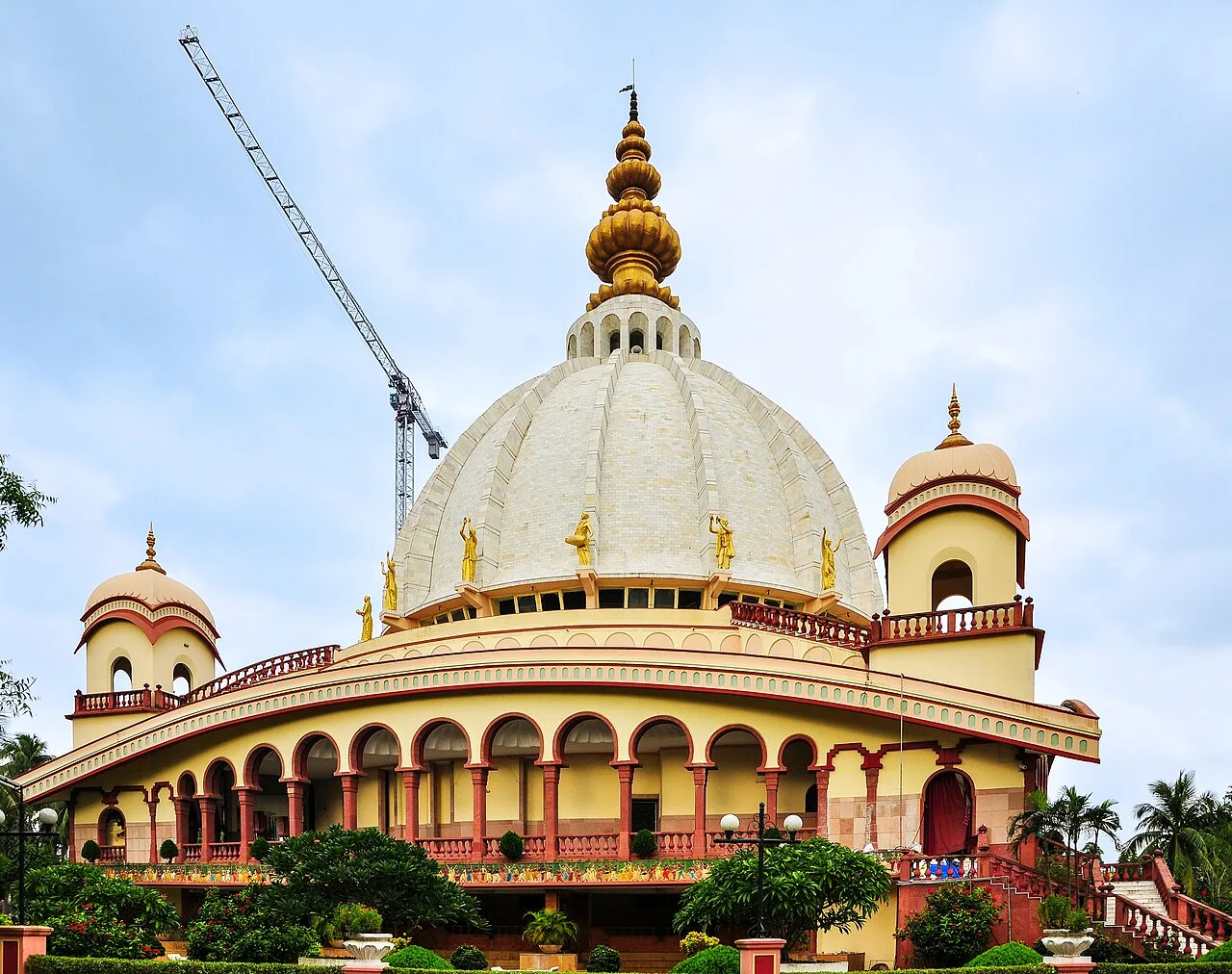
Nabadwip is a historic pilgrimage and learning centre in Nadia district, West Bengal. Its importance is closely tied to Chaitanya Mahaprabhu, the 15th-century saint whose teachings helped shape Gaudiya Vaishnavism. Pilgrims visit its shrines and take part in devotional singing, while the nearby holy town of Mayapur, across the river, draws visitors from India and abroad. Together, the towns form a major destination for followers of Chaitanya’s tradition.

Nabadwip also has a long reputation for Sanskrit scholarship and the study of logic. Its traditional schools, known as tols, recall the city’s medieval and early modern intellectual life, when scholars of the Navya Nyaya school made it an important centre of debate. Today, temple visits, festivals and the old town’s religious atmosphere are central to the visitor experience. Gaura Purnima, marking Chaitanya’s birth according to the lunar calendar, is a particularly significant occasion. Nabadwip remains both a living place of worship and a centre of regional cultural memory.
Famous for: crafts, trade & products

Nabadwip is best known for pilgrimage and learning rather than for a major textile, handicraft or manufacturing industry. The city has no widely recognised signature saree or GI-tagged product to seek out. Its enduring institutional distinction is its tradition of Sanskrit education: local tols continue a form of study associated with grammar, philosophy and classical texts. Visitors interested in this heritage can ask locally about active schools and religious institutions, as their activities and access may vary.

In the older town, small shops and market lanes serve residents, pilgrims and temple visitors. They commonly offer flowers, garlands, incense, devotional books, पूजा items and other daily worship supplies. Sweet shops and food stalls cater to visitors, especially around busy pilgrimage periods, though Nabadwip is not defined by a single nationally famous food product. For a sense of local commerce, explore the central bazaar streets and the areas around temples; purchases are generally practical offerings and everyday goods rather than specialised craft souvenirs. Nearby Mayapur has its own religious shops and visitor facilities, but it is a separate settlement across the river.

History

Nabadwip rose to prominence under the Sena rulers, who made it a capital during the 12th century. Ballal Sen and Lakshman Sen are particularly associated with this period. In 1202, Bakhtiyar Khalji’s campaign brought the city into the history of the conquest of Bengal and the decline of Sena power. Nearby Ballal Dhipi is an archaeological site linked with the Sena era.

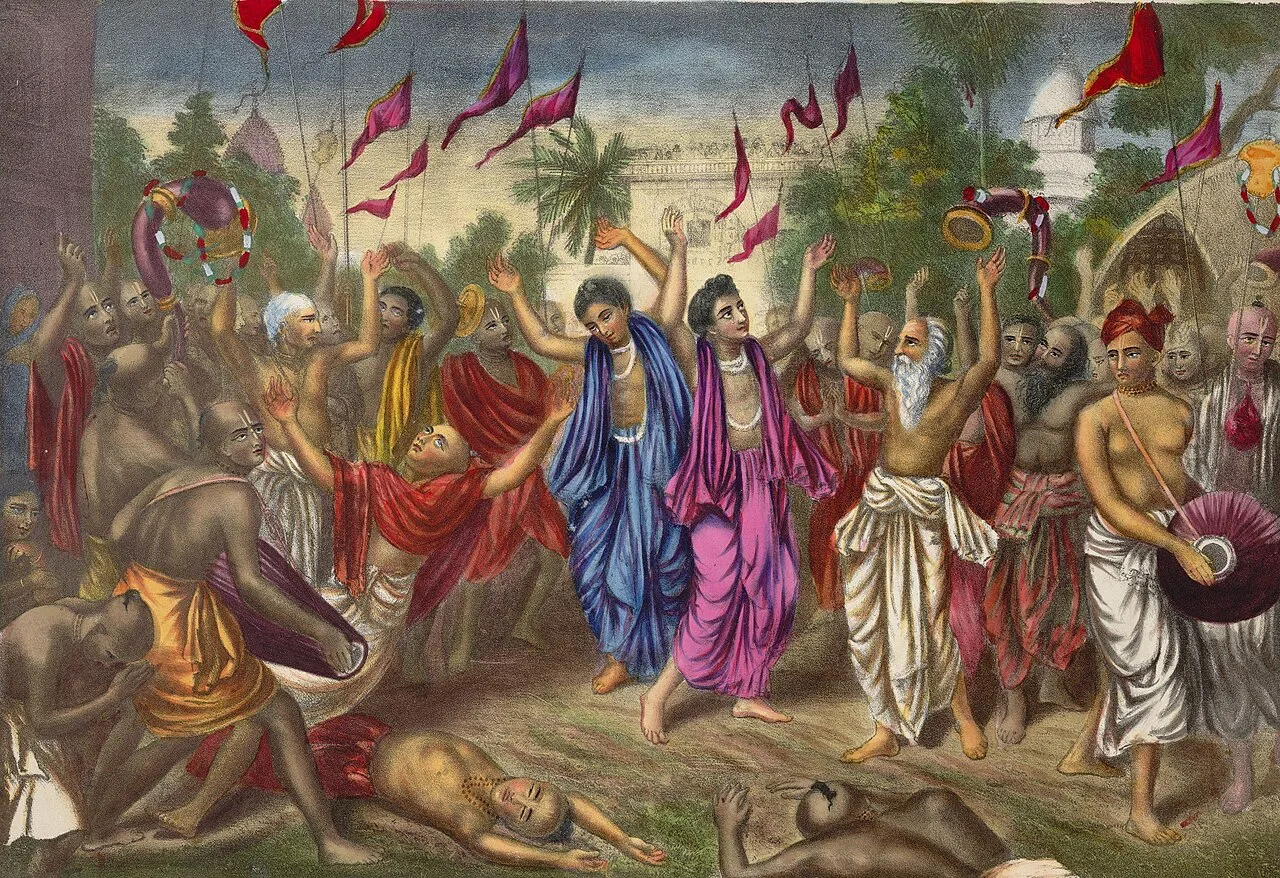
The city’s most lasting religious association began with the birth of Chaitanya Mahaprabhu in 1486. His devotional movement made Nabadwip an important centre for Vaishnavas, while scholars also sustained its reputation for Sanskrit learning and Navya Nyaya logic. Under the Nadia rulers, especially Raja Krishnachandra in the 18th century, religious life and temple traditions received renewed patronage. During British rule, Nabadwip remained a regional centre of pilgrimage and scholarship rather than becoming a major industrial city. It is now part of Nadia district, and its identity continues to rest on its religious institutions, festivals and historic educational traditions.

Food, festivals & culture

Bengali is the principal language of daily life; Sanskrit remains important in religious study and ritual. Kirtan is central to the city’s devotional culture, with groups singing Vaishnava songs accompanied by instruments such as the mridanga and hand cymbals. Temple visits, processions and offerings shape the rhythm of the old town. Local eateries and sweet shops serve familiar Bengali meals, snacks and sweets, with simple vegetarian food readily available around pilgrimage areas.

Gaura Purnima, usually falling in February or March, is the major festival, commemorating Chaitanya Mahaprabhu’s birth on the full-moon day of Phalguna. Dol Jatra, Bengal’s spring festival of colour and devotion, is also observed around this season. Rash Purnima, generally in October or November depending on the lunar calendar, brings another cycle of worship and celebration. Nabadwip’s temples and shrines are active throughout the year, while nearby Mayapur is an important destination for visitors following Gaudiya Vaishnavism.

Visiting the city

The cooler, drier months from October to March are generally the most comfortable for exploring. Gaura Purnima and Dol Jatra bring a particularly lively atmosphere, but also larger crowds. The nearest major airport is Netaji Subhas Chandra Bose International Airport in Kolkata. Nabadwip Dham is the main railway station serving the town; confirm onward road or river connections locally, as station and town access may involve a short transfer.

Auto-rickshaws and cycle-rickshaws are useful for getting around the town, while local transport and ferries connect riverbank destinations. Explore the older central neighbourhoods and temple lanes on foot, allowing time for shrines, market streets and kirtan. Mayapur, across the river, is a separate nearby pilgrimage destination and can be included in a wider visit.

Attractions

Places to visit in Nabadwip

Sights within about 12 km of each other, even when they fall in different districts.

Map

Nabadwip on the map

  1. 1Nabadwip
  2. 2Mayapur

West Bengal

Other cities to explore