
Nabadwip
Nabadwip is a historic city in West Bengal, revered as the birthplace of Chaitanya Mahaprabhu. Visitors come for its Vaishnava heritage, religious celebrations and long tradition of Sanskrit learning.
Key facts · verified by Ghumoopedia editors
- Type of place
- Heritage monument
- Best time to visit
- October to March for the plains and coast; March to May and October to December for the Darjeeling hills
- Nearest railway station
- Krishnanagar City Junction · about 10 km (straight line)
- Verified
- 21 Nov 2026
Plan a trip from Nabadwip — a day-by-day route through places nearby.
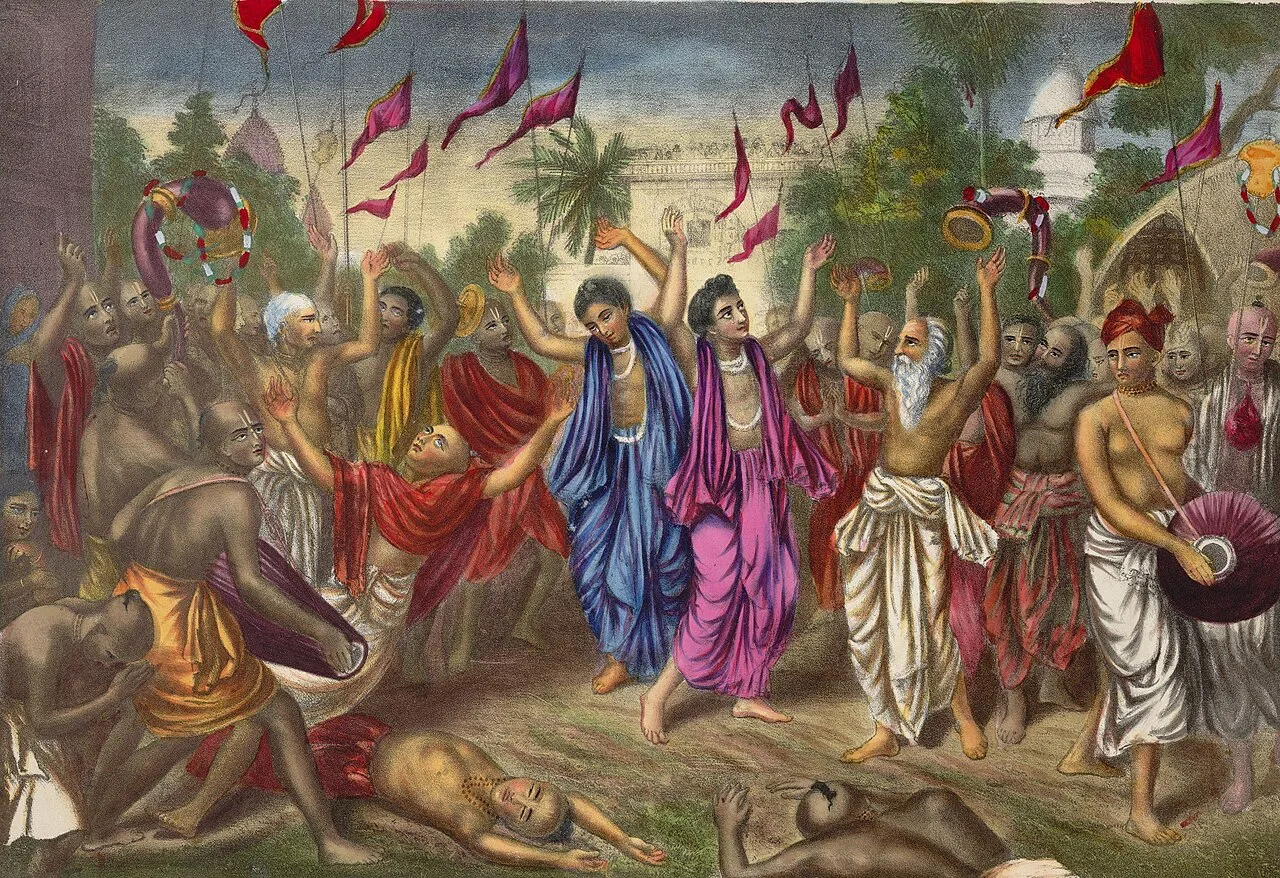
Also spelt Navadwip and formerly called Nadia, Nabadwip is a heritage city in Nadia district, West Bengal, part of the Presidency division. It lies beside the western shore of the Hooghly, close to the river’s meeting with the Jalangi. Its beginnings are placed in 1063 CE, or earlier. The city was a seat of the Sena dynasty and, in an earlier era, Bengal’s capital. Nabadwip became known in medieval India for Sanskrit scholarship and philosophical study, and traditional Sanskrit schools remain part of its intellectual life. The Navya Nyaya tradition of logic flourished here and reached its height through the work of prominent philosophers associated with the city. Chaitanya Mahaprabhu (1486–1534), a Vaishnava saint, social reformer and leading figure in the Bhakti movement, was born in Nabadwip. His birth helped establish the city as a place of pilgrimage for Vaishnavas from around the world, as well as for Hindus more broadly. Gaudiya Vaishnavas gather to mark his birthday on Phalguni Purnima, whose date follows the lunar calendar and falls in February or March. This observance is called Gaura-purnima. Dol Jatra and Rash Purnima are among the other festivals celebrated in the city. The Bhagirathi once ran to the west of Nabadwip, creating a natural divide between Nadia and Purba Bardhaman districts. Over time, the river changed course and moved to its present channel. This shift left Nabadwip separated from the rest of Nadia district. West Bengal stretches from the Himalayan tea gardens of Darjeeling to the mangrove delta of the Sundarbans, with Kolkata's colonial architecture, the terracotta temples of Bishnupur, Tagore's Santiniketan and the Nawabi heritage of Murshidabad. The plains are hot and humid from March to June, receive heavy monsoon rain from June to September and are pleasant from November to February; the Darjeeling hills are cool year-round and cold in winter, and the coast and Sundarbans can be hit by cyclones in May and October–November. The usual best time to visit is October to March for the plains and coast; March to May and October to December for the Darjeeling hills. Timings, fees and access arrangements must be confirmed locally. For official information, see West Bengal Tourism at https://wbtourism.gov.in.
Why it matters
Nabadwip, also spelt Navadwip and historically associated with the name Nadia, is an important religious and intellectual centre in Nadia district, West Bengal. It is especially significant to Gaudiya Vaishnavas because the wider Nabadwip–Mayapur region is revered as the birthplace of Chaitanya Mahaprabhu, the 15th-century saint and Bhakti movement figure. The town also has a long association with Sanskrit learning and the Navya Nyaya school of logic, whose scholars shaped Indian philosophical debate. Its history as a capital of the Sena dynasty adds to its regional importance. Nabadwip is best understood as a living historic town rather than one single monument. No UNESCO or ASI-protected status for the town as a whole is asserted here.
Nabadwip grew as a settlement on the Bhagirathi-Hooghly river system and is traditionally dated to an early medieval foundation; an exact founding date is uncertain. It became a major political centre under the Sena dynasty, whose rule in Bengal is generally placed in the 11th and 12th centuries. The town also developed into a prominent centre of Sanskrit education, debate and religious scholarship. In medieval India, Navya Nyaya logic flourished here through the work of local teachers and philosophers, though its influence extended well beyond the town. Chaitanya Mahaprabhu, born in 1486, transformed the region’s religious profile. His teachings and devotional practice helped establish Nabadwip and nearby Mayapur as important pilgrimage destinations for Vaishnavas. Over time, temples, monasteries and learning institutions became part of the town’s religious landscape. The Bhagirathi’s changing course altered local geography and connections with neighbouring areas; the river once ran west of Nabadwip and later shifted. The town’s heritage is therefore a layered history of political power, scholarship, pilgrimage and riverine change. It is not represented by one universally identified building or a single restoration project.
Origin stories & folklore
According to local Vaishnava tradition, the name Navadwip refers to nine islands, each associated with a form of devotional practice. These islands are understood as a sacred landscape around the meeting of the Bhagirathi and Jalangi river systems, although river courses and local geography have changed over time. The wider Nabadwip–Mayapur area is revered as the birthplace of Chaitanya Mahaprabhu. Devotees also connect its lanes, riverbanks and shrines with episodes from his life and the early growth of sankirtan, devotional singing and chanting. These accounts are matters of religious belief and oral tradition, not claims that can be verified as historical events in every detail.
Architecture & design
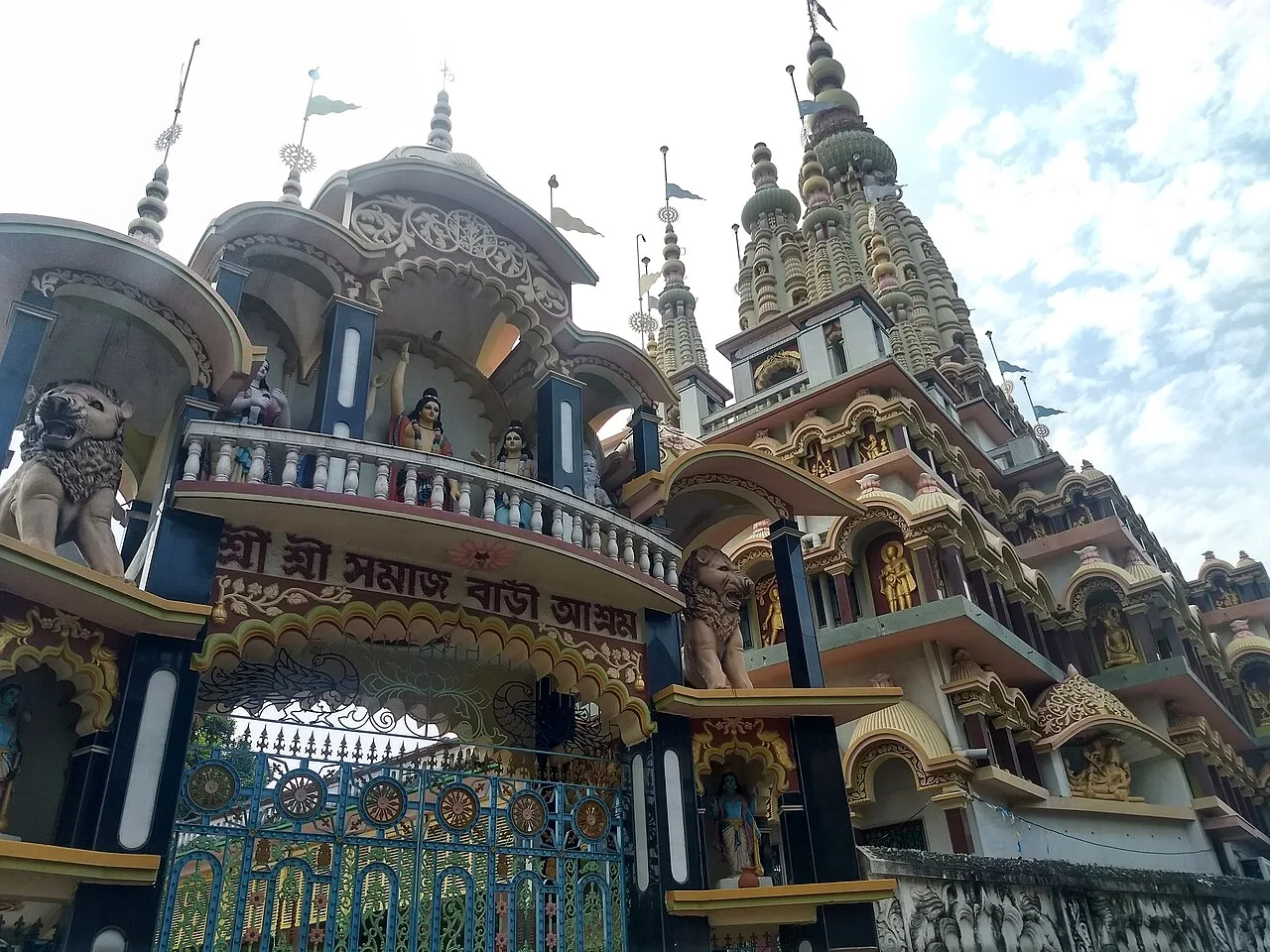
Nabadwip is an inhabited historic town, not a single walled monument with one architectural plan. Its religious landscape consists of temples, mathas, shrines, courtyards and older neighbourhoods set among busy streets and river-connected routes. Buildings vary in age and condition. Visitors may encounter brick or masonry construction, plastered façades, small sanctums and verandas; the details differ from site to site, and not every structure is open to the public. Some temples have ornamented surfaces or traditional Bengali forms, but it is better to assess each building individually than to assume a uniform style. The layout reflects successive periods of worship, learning and settlement rather than a planned monumental complex. River movement has also reshaped the town’s setting and access. Ask locally before entering a shrine or courtyard, as working places of worship may have restricted areas and active ceremonies.
Important objects & sculptures
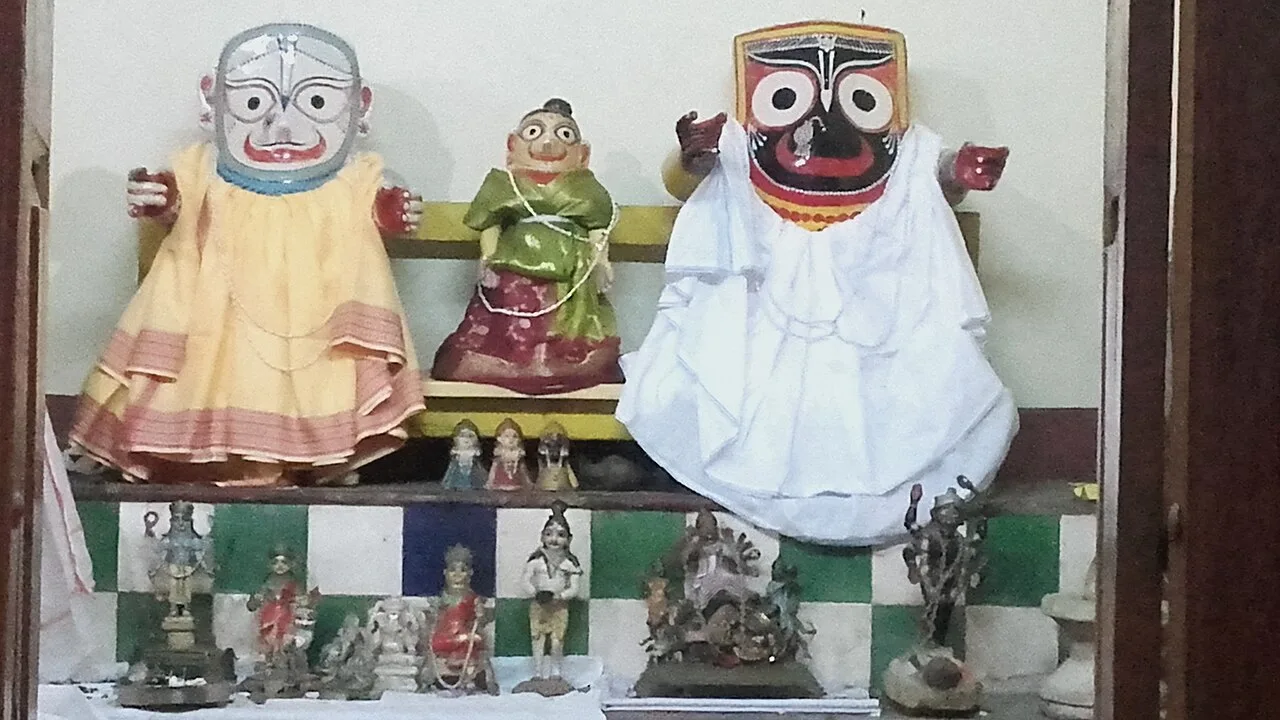
There is no single public collection that defines Nabadwip’s heritage. In accessible temples, visitors may see images of Krishna, Radha, Chaitanya Mahaprabhu and other Vaishnava figures, along with lamps, ritual vessels and painted or decorated shrine settings. Objects are part of active worship, so displays and access can vary, and photography or close viewing may not be allowed. The town’s scholarly heritage is associated with Sanskrit texts, teaching and manuscript traditions, but manuscripts should not be assumed to be on public display. Look for inscriptions or dated plaques only where they are clearly presented; do not touch images, offerings or fragile surfaces.
Use Nabadwip as a base to understand local life: walk through the market, look for local crafts and ask your host about nearby viewpoints and short excursions. Always ask before photographing people, homes or ceremonies. A comfortable itinerary is one main visit in the morning, a local meal at midday and a short nearby stop before an afternoon return. Use the district list on this site to find other places in Nadia, but check the route and its condition before combining stops. If a festival is on — such as Durga Puja, Kali Puja or the Poush Mela at Santiniketan — roads and stays can be busy, and the experience can be unforgettable. Leave no litter: many sites are protected by the communities around them.
Suggested itineraries
Half day: Explore a local market and one accessible temple or shrine (about 1–2 hours); pause for a Bengali meal; take a short walk through the surrounding lanes before returning (about 1 hour). Full day: Begin with a temple visit and time for devotional or historical context (2–3 hours); have lunch locally; visit another neighbourhood shrine or learning-related site (1–2 hours); finish with a riverside stop or a locally arranged excursion, allowing time for travel. Gentler option: Choose one temple with convenient vehicle drop-off, take seated breaks, and keep the visit to a nearby market or meal rather than combining distant stops.
Nabadwip’s everyday character combines pilgrimage, education, commerce and neighbourhood life. Vaishnava devotional practice is visible in temple worship, congregational chanting and the movement of pilgrims through the town. Sanskrit learning remains part of its historical identity, alongside Bengali-language culture and everyday use of Bengali; visitors may also hear Hindi and other languages from pilgrims. Kirtan, devotional singing, is an important part of religious gatherings. Dress is generally practical and modest, with visitors expected to respect worship spaces and local customs. Markets and lanes are active parts of daily life, not simply heritage attractions. Ask before photographing residents, homes, worshippers or ceremonies, and follow directions given by temple staff or community members.
Festivals & events
Gaura Purnima, marking Chaitanya Mahaprabhu’s appearance according to the lunar calendar, is the principal pilgrimage season and usually falls in February or March. Dol Jatra, the Bengali spring festival associated with colours and Vaishnava observance, is also celebrated, as is Rash Purnima, usually in autumn. Durga Puja and Kali Puja bring wider seasonal activity to the region. Festival observances can include processions, chanting, worship and large pilgrim gatherings. Streets, river crossings and accommodation may be busier than usual, so allow extra time and check local arrangements before travelling. Dates shift from year to year.
Local food in West Bengal includes macher jhol (fish curry), shorshe ilish (hilsa in mustard), kosha mangsho, luchi with alur dom, kathi rolls and phuchka in Kolkata, mishti doi, rosogolla and sandesh; in the Darjeeling hills, momos, thukpa, shaphaley and first-flush Darjeeling tea. Ask what is fresh that day; many small eateries cook a limited daily menu. Vegetarian travellers eat well across the state, and most towns also have fish and meat dishes. Remote sites may have no restaurant at all. Carry water and snacks, eat a proper breakfast before long drives, and ask your accommodation for a packed lunch if you are heading out early. Try a home-cooked or local thali meal when you can — it is often the best food on the route. Choose busy, clean places, drink sealed or filtered water, and carry your packaging back with you.
Shopping & local experiences
Browse Nabadwip’s local markets for everyday Bengali snacks, sweets, devotional items, flowers and household goods. Small shops may sell images, books, prayer beads or other Vaishnava souvenirs; ask about materials and handling, and buy only what you can carry responsibly. Nearby Krishnanagar’s Ghurni neighbourhood is known for clay figures, while Santipur is associated with handloom textiles. These make possible regional purchases, but availability and workshop access vary. Try food from a busy, clean-looking local shop and ask about ingredients if you have dietary needs. Be considerate when browsing and do not photograph artisans or shopkeepers without permission.
October to March for the plains and coast; March to May and October to December for the Darjeeling hills
The nearest principal railway station by straight-line distance is Krishnanagar City Junction, roughly 10 km away. The nearest operating airport by straight-line distance is Netaji Subhas Chandra Bose International Airport, Kolkata, roughly 85 km away. These figures are calculated from map coordinates — actual road distance is longer. Howrah, Sealdah and Kolkata stations and Kolkata airport serve the south; New Jalpaiguri station and Bagdogra airport near Siliguri are the gateways to the Darjeeling hills and the Dooars. For the final leg, West Bengal Transport Corporation, North Bengal State Transport and South Bengal State Transport buses, private buses and shared jeeps in the hills link district towns. A private taxi gives more flexibility for remote sites. When comparing train, bus and flight, count the complete door-to-door time: a flight saves the most time only if the onward road transfer is short, while an overnight train can save a hotel night. Book your return before you leave, because seats fill quickly on weekends, festivals and holidays. Current train numbers, timings, return services and fares are not listed here; check IRCTC and NTES for trains and the airline's own schedule for flights. No permit is needed for Indian citizens to visit West Bengal. Entry to the Sundarbans Tiger Reserve needs a forest permit, usually arranged through a registered boat operator or the forest office at Sajnekhali or Canning; trekking in Singalila National Park (Sandakphu) needs an entry permit and a registered guide from Maneybhanjan. Durga Puja in October brings huge crowds to Kolkata, so book transport and stays well ahead.
Confirm onward and return timings on IRCTC / NTES, the state bus operator or your airline before travel. A dash means current timings or fares have not been verified.
Getting around
On arrival, local buses, auto-rickshaws and cycle-rickshaws are commonly used for short journeys; availability and routes can vary. Walking is practical for exploring compact market streets and nearby religious sites, though traffic and crowds may make some lanes slow to navigate. Taxis or hired vehicles can help with longer trips and excursions, while river crossings may be relevant for visits to places across the Bhagirathi; check locally which services are operating. Ask your driver about access and stopping points before departure. Parking may be limited near busy temples and festival areas, so allow for a walk from the drop-off point.
Hours, tickets & permissions
Nabadwip is a town rather than a single ticketed attraction, and entry arrangements differ among temples, monasteries and other institutions. Some places of worship may close parts of their premises during rituals or restrict access to particular areas. Tickets, permits, camera fees, dress expectations and identification requirements are not uniform. Ask at each site before entering, especially if you are visiting with a camera or as part of a group. Confirm current opening arrangements and any fees with the relevant managing authority or temple office before setting out.
Facilities
Facilities vary by temple and neighbourhood. Larger or busier religious sites may have drinking water, basic toilets or shaded places to pause, but provision and upkeep are not guaranteed. Food stalls, tea shops and small restaurants are usually found in town; carry water and check locally for accessible toilets. Parking, where available, may be some distance from a shrine. Guides are not assured at every site, so consider arranging local guidance through a trusted host or institution. ATMs and other services are more likely in the town centre than at smaller religious premises. Keep litter with you until you find a suitable bin.
Accessibility
Conditions differ across Nabadwip’s streets and religious premises. Market lanes can be uneven, crowded or affected by traffic, and temple entrances may have raised thresholds or steps. Walking distances depend on which sites you choose; ask locally about vehicle drop-off and the approach before travelling. Shade and seating may be limited, particularly in busy areas. Wheelchair and stroller access should not be assumed, and older visitors may find narrow lanes, steps and standing during rituals tiring. A shorter visit centred on one accessible site, with a companion and planned rest stops, is generally more manageable. Check access directly with each temple or institution.
No permit is needed for Indian citizens to visit West Bengal. Entry to the Sundarbans Tiger Reserve needs a forest permit, usually arranged through a registered boat operator or the forest office at Sajnekhali or Canning; trekking in Singalila National Park (Sandakphu) needs an entry permit and a registered guide from Maneybhanjan. Durga Puja in October brings huge crowds to Kolkata, so book transport and stays well ahead. Carry a photo ID at all times and save the emergency number 112 and your accommodation's contact offline. Heat in summer and heavy rain in the monsoon are the main weather risks; carry water, avoid midday sun and allow extra time when roads flood. Watch your belongings in crowds and on public transport, and follow posted instructions.
Photography
Soft morning or late-afternoon light can suit street scenes and exterior details, but conditions vary with weather and crowds. Ask permission before photographing inside temples, religious images, ceremonies or private courtyards; some sites may prohibit cameras or photography altogether. Be especially considerate around worshippers and children. Do not use a drone without checking applicable aviation rules and obtaining any required permissions; flying over crowds or active religious sites is inappropriate. Avoid blocking entrances or processions while taking pictures, and follow instructions from temple staff and local residents.
Choose a stay by the full journey to Nabadwip, not just the district name. Kolkata offers the widest choice; on the coast, Digha and Mandarmani have many hotels, and the Sundarbans have eco-resorts and boat stays near Pakhiralay and Bali island. In summer, check air-conditioning; in the monsoon, check that the property is accessible if roads flood. Book in advance for weekends, festivals and the peak season (October to March for the plains and coast; March to May and October to December for the Darjeeling hills). Confirm the exact location, meals included, check-in time and cancellation terms in writing. Avoid sending money to unverified contacts or touts at stations. Carry some cash, as card and digital payments can be unreliable in remote areas.
Mayapur, across the river from Nabadwip, is a major Gaudiya Vaishnava pilgrimage centre and is commonly combined with a visit, subject to current crossing and road conditions. Krishnanagar is known for its Rajbari and the clay-art neighbourhood of Ghurni. Santipur, also in Nadia district, is associated with handloom weaving and religious heritage. Plassey is a historically important site in the district, associated with the 1757 Battle of Plassey. These places require separate travel planning; check routes, river crossings and local access before combining them, especially during festivals or periods of heavy rain.
For couples, Nabadwip rewards a slow pace: arrive early for soft light and fewer crowds, share a local meal and keep the evening free. A toy-train ride in the Darjeeling hills, a boat on the Hooghly at sunset or an evening of adda over tea in Kolkata makes the trip memorable. Public displays of affection can be frowned upon in conservative communities and at religious sites, so be discreet. Keep a buffer in your itinerary, because weather and road conditions can delay plans.
Q: How much time should I allow for Nabadwip? A: A half day can cover a short town visit; allow a full day if you want to include several sites or a locally arranged excursion. Q: When is a good season to visit? A: October to March is generally more comfortable for the plains. Festival periods are meaningful but can be crowded. Q: Is there an entry ticket? A: Nabadwip is a town, not one ticketed attraction. Entry rules vary by temple or institution, so confirm locally. Q: Is the visit suitable for children or elderly visitors? A: It can be, but crowded lanes, uneven surfaces and steps may be tiring. Plan short walks, rests and suitable vehicle drop-offs. Q: Can I stay nearby? A: Accommodation is available in the wider Nabadwip–Mayapur area and nearby towns; check current availability and transport arrangements before booking.
Be the first to share photos, stories, advice or a helpful contact for Nabadwip.
Loading…