
Ghumoopedia — Explore, Discover, Experience
Sign in
Kurseong, near Kurseong

City guide · West Bengal

Kurseong

Kurseong is a municipal town in West Bengal’s Darjeeling district and the administrative centre of its subdivision. Tourism and education are important to the local economy, and visitors experience its pleasant year-round climate.

Famous for

  • Darjeeling tea gardens
  • Darjeeling Himalayan Railway
  • Eagle's Craig viewpoint
  • Netaji Bose Museum
  • Dowhill forests and park
In the city
2
District
Darjeeling

Why Kurseong matters

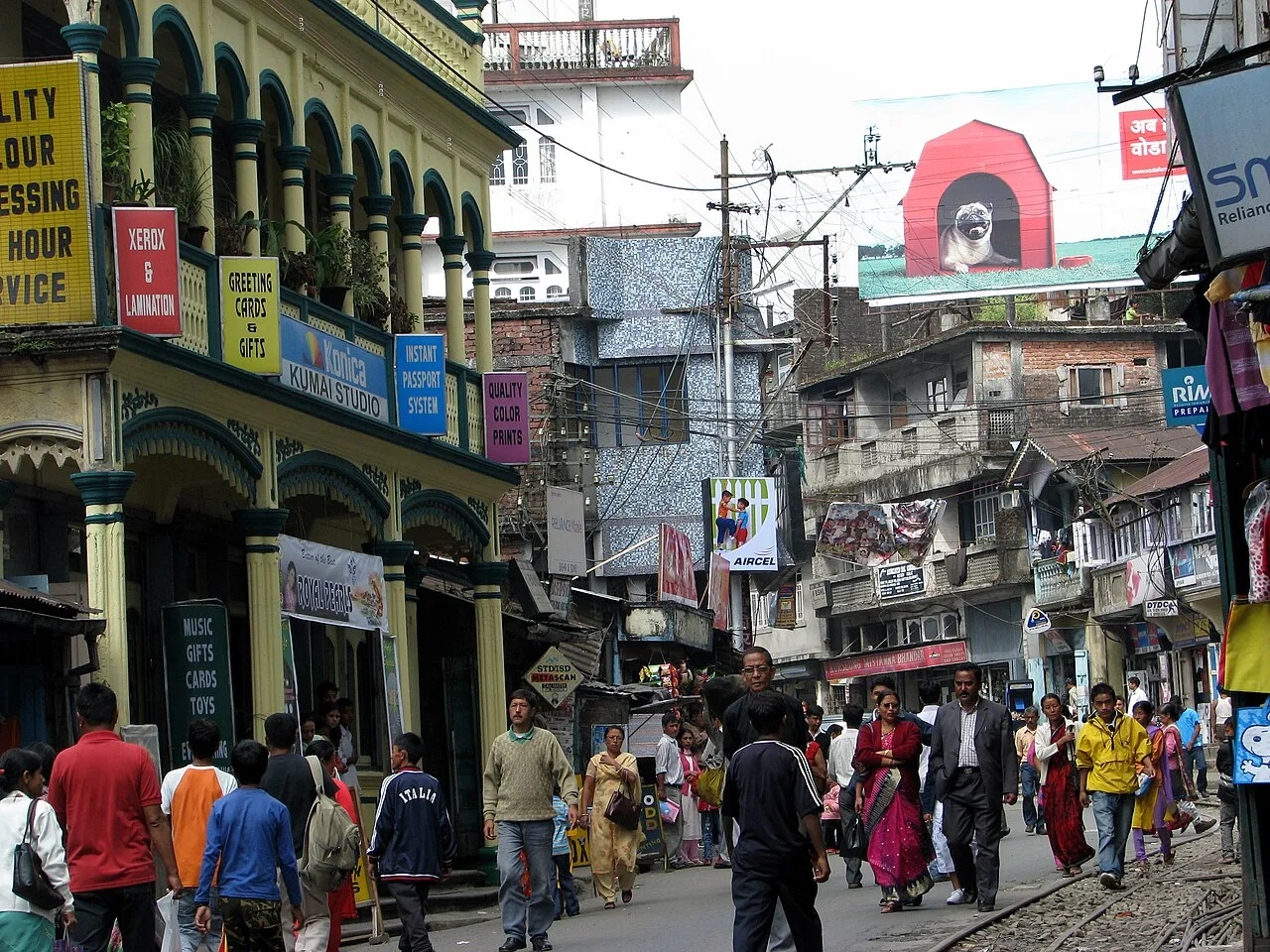
Kurseong is a hill town in Darjeeling district and the administrative headquarters of Kurseong subdivision. Set at about 1,483 metres above sea level, it lies on the route between Siliguri and Darjeeling, with the Darjeeling Himalayan Railway winding through its centre. Its cool mountain setting, tea-covered slopes and historic railway give the town a character distinct from the larger hill destinations nearby.

Visitors come for viewpoints such as Eagle's Craig, forest walks around Dowhill and Chimney, and the heritage sites associated with the Bose family. Tea estates, including Makaibari, shape the surrounding landscape and connect Kurseong to the wider reputation of Darjeeling tea. The town is also a local centre for education, administration and travel, serving settlements and tea-growing areas across the subdivision. Its appeal lies less in a single landmark than in the combination of railway heritage, hillside scenery, tea culture and a quieter pace of life. Kurseong is a useful stop on a journey through the Darjeeling hills, as well as a destination for travellers who want time among the forests and viewpoints.
Famous for: crafts, trade & products

Kurseong is best known commercially for its place among the tea-growing hills of Darjeeling district. Estates in and around the town include Makaibari, Ambootia and Castleton. Darjeeling tea has a Geographical Indication, and visitors can look for packaged tea at estate outlets where available or at shops in town. Estate access and visitor arrangements vary; Castleton and Ambootia do not offer tours, so check locally before planning a visit. Tea is the area’s defining regional product rather than a broad range of locally made crafts.

Kurseong is not especially known as a textile, handicraft or large-scale manufacturing centre. The town’s shops and Hat Bazaar serve residents and travellers with everyday goods, groceries and regional food items; they are more useful for ordinary market browsing than for a specialist craft trail. Education is an important part of the local economy, alongside tourism and tea. The Darjeeling Himalayan Railway station and All India Radio’s Nepali-language service, Akashvani Kurseong, are among the town’s notable institutions. For visitors, tea gardens and the railway are the clearest ways to explore the local economy and identity.

History

Lepcha communities were the original inhabitants of Kurseong. The name is often linked to the Lepcha term kurson-rip, associated with small white orchids, though its origin is uncertain. The area was once part of the Kingdom of Sikkim; Nepal annexed it around 1780. After the Gurkha War, the 1817 Treaty of Titalia restored Kurseong and nearby territory to Sikkim.

British interest in the Darjeeling hills grew during the nineteenth century. A road route was developed, and Hill Cart Road, opened in 1861, became a more dependable link through the hills. In 1835, the British obtained territory in the area from Sikkim as Darjeeling developed as a hill retreat. Kurseong grew as a settlement on the route to Darjeeling, later gaining a railway connection that brought new movement and trade. It became an independent municipality in 1879 and a subdivision headquarters in 1890. Today, administration, education, tourism and the surrounding tea economy continue to shape the town.

Food, festivals & culture

Kurseong’s food reflects the mixed communities of the Darjeeling hills. Momos and thukpa are common choices, while Nepali-style dishes such as gundruk and sel roti may also be found. Tea is central to everyday hospitality, and local shops and cafés offer opportunities to try regional Darjeeling teas. Menus and availability vary, so these foods are best understood as part of the wider hill-region cuisine rather than specialties exclusive to Kurseong.

Nepali is widely spoken, alongside Bengali, Hindi and English. Hindu, Buddhist, Christian and Muslim communities are represented in the town’s places of worship, including temples, monasteries, churches and a mosque. Dashain and Tihar are major Nepali Hindu festivals, generally celebrated in autumn; Losar is observed by Buddhist communities in winter, while Christmas brings services and gatherings at local churches. Folk and devotional music form part of community and festival life, with traditions shaped by the region’s varied languages and communities.

Visiting the city

October to May is generally a comfortable period to explore Kurseong, with clearer conditions often found outside the monsoon months. The rainy season can bring persistent showers and cloud, while winter mornings and evenings may be chilly. Bagdogra is the nearest airport, and New Jalpaiguri is the main railway station for onward travel; both connect with road journeys into the hills. Kurseong is also linked to Siliguri by road and by the Darjeeling Himalayan Railway.

Within town, walking works well around the station and central market, though steep roads make some journeys easier by local vehicle. Explore the railway station and nearby streets, then visit Eagle’s Craig, Giddhapahar and the Netaji Subhas Chandra Bose Museum. Dowhill, Chimney and the surrounding tea-growing slopes make good excursions; allow extra time for winding hill roads and changing weather.

Attractions

Places to visit in Kurseong

Sights within about 12 km of each other, even when they fall in different districts.

Map

Kurseong on the map

  1. 1Kurseong
  2. 2Mirik

West Bengal

Other cities to explore