
Ghumoopedia — Explore, Discover, Experience
Sign in
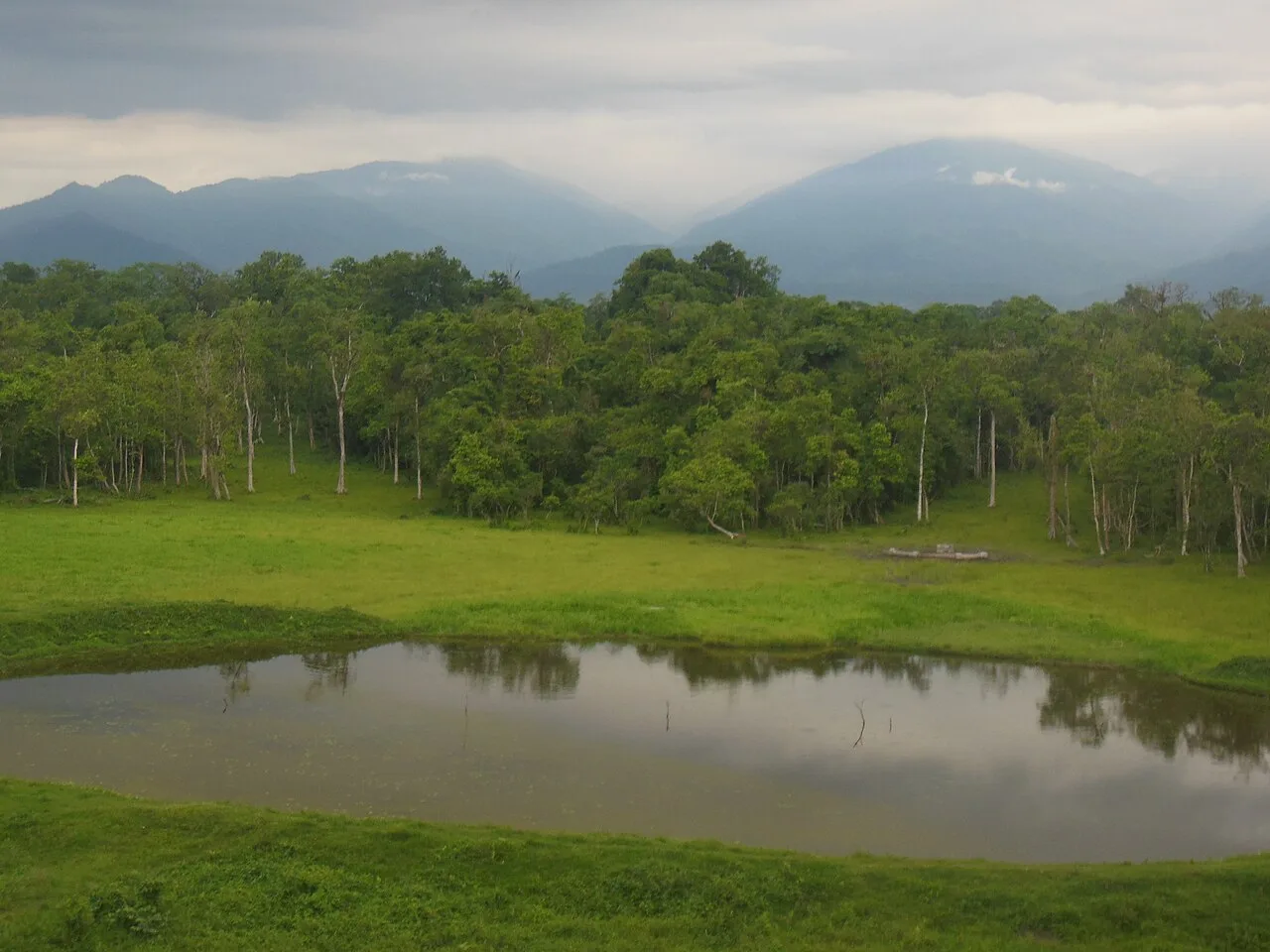
Chapramari Wildlife Sanctuary, near Odlabari

City guide · West Bengal

Odlabari

Odlabari is a small town in the Dooars, set where the Himalayan foothills meet a landscape of tea estates, river valleys and forest. Its importance comes less from landmark attractions within the town than from its place in the everyday life of the Malbazar subdivision: it serves nearby tea-growing communities and offers a convenient base for exploring this part of northern West Bengal.

Famous for

  • Dooars tea gardens
  • Himalayan foothill setting
  • Tea-growing countryside
  • Nearby forest landscapes
In the city
0
Nearby
1
District
Jalpaiguri
Plan a trip

Why Odlabari matters

Odlabari is a small town in the Dooars, set where the Himalayan foothills meet a landscape of tea estates, river valleys and forest. Its importance comes less from landmark attractions within the town than from its place in the everyday life of the Malbazar subdivision: it serves nearby tea-growing communities and offers a convenient base for exploring this part of northern West Bengal.

Visitors are drawn by the contrast between orderly tea gardens and the greener, wilder surroundings, as well as by access to the wider Dooars. Gorumara National Park and other forest destinations in the region can be included in trips planned from Odlabari, though visitors should check local access and transport arrangements. The town is best known for its tea-country setting rather than for a distinct monument, craft tradition or major visitor attraction. Its appeal lies in a quieter, working landscape and the chance to experience the foothills beyond the busier travel centres.

Famous for: crafts, trade & products

Tea is the product most closely associated with Odlabari’s surroundings. The town sits amid the tea-growing belt of the Dooars, where estates shape the landscape and provide work across the region. Tea is available through local shops and market businesses, while individual gardens may have their own arrangements for visitors or direct purchases; ask locally before planning a visit. Odlabari is not widely identified with a particular textile, handicraft or GI-tagged product, so it is better understood as a tea-country town than as a specialist shopping destination.

The town’s shops and markets mainly serve residents, estate workers and travellers, with everyday groceries, household goods and regional produce rather than a concentrated souvenir trade. For a broader selection of shops and services, visitors can look to Malbazar and other larger centres in the Dooars. Nearby tea estates are the most meaningful places to learn about the local product, but access to working areas is not automatic. Confirm permission in advance and avoid entering gardens or factory premises without approval.

History

Odlabari’s development is part of the wider history of the Dooars, a foothill region whose political control changed over time. After conflict between Bhutan and British India, the British annexed the western Dooars under the Treaty of Sinchula in 1865. The colonial administration subsequently developed the region’s transport links and expanded commercial tea cultivation across the foothills. Tea estates became a defining feature of the local economy and landscape, drawing workers from different parts of the region and beyond.

Odlabari grew within this tea-growing and rural network, serving nearby estates and settlements. Its history is closely tied to the wider development of the Malbazar area rather than to a separate royal capital or a prominent historic court. In the modern period, roads, rail connections and administrative services have strengthened its role as a local town. Today, tea remains central to the surrounding economy, while tourism to the Dooars’ forests has added another reason for visitors to pass through the area.

Food, festivals & culture

Odlabari reflects the mixed cultural life of the Dooars. Bengali is widely used, alongside Nepali, Hindi and languages spoken by communities with roots across the eastern Himalaya and the tea districts. Meals are often shaped by everyday Bengali and regional cooking: rice, lentils, vegetables, fish where available, and meat dishes. Tea is part of daily life. Visitors may also find snacks and foods familiar across northern Bengal, but Odlabari is not especially known for a signature dish or sweet.

Durga Puja in autumn is a major public celebration, with Kali Puja and Diwali following in the cooler season. Holi, Eid and Christmas are also observed by local communities, with the character and scale of celebrations varying from place to place. Religious life is expressed through neighbourhood temples, mosques and churches as well as community gatherings. Music and dance traditions across the wider Dooars include Bengali and Nepali forms and performances associated with local communities; these are most visible during festivals and cultural events rather than as a daily tourist programme.

Visiting the city

The cooler, drier months from about October to March are generally comfortable for exploring Odlabari and the Dooars. The monsoon brings heavy rain and lush scenery, but can make road journeys less predictable. Bagdogra Airport is the nearest major airport. Odlabari has a railway station for local connections; New Jalpaiguri is a larger rail hub for journeys from farther away.

Road transport, including shared vehicles and taxis, links the town with Malbazar and other nearby centres. Odlabari’s tea-garden surroundings and local market area are the most natural places to explore in town. For forest visits, arrange transport and check current entry requirements with the relevant park or local operator. Tea estates are working properties, so seek permission before visiting. Malbazar is a useful nearby base for additional services and regional connections.

Short trips

Around Odlabari

Within about 40 km — easy half-day or day trips from the city.

Map

Odlabari on the map

  1. 1Chapramari Wildlife Sanctuary

West Bengal

Other cities to explore