
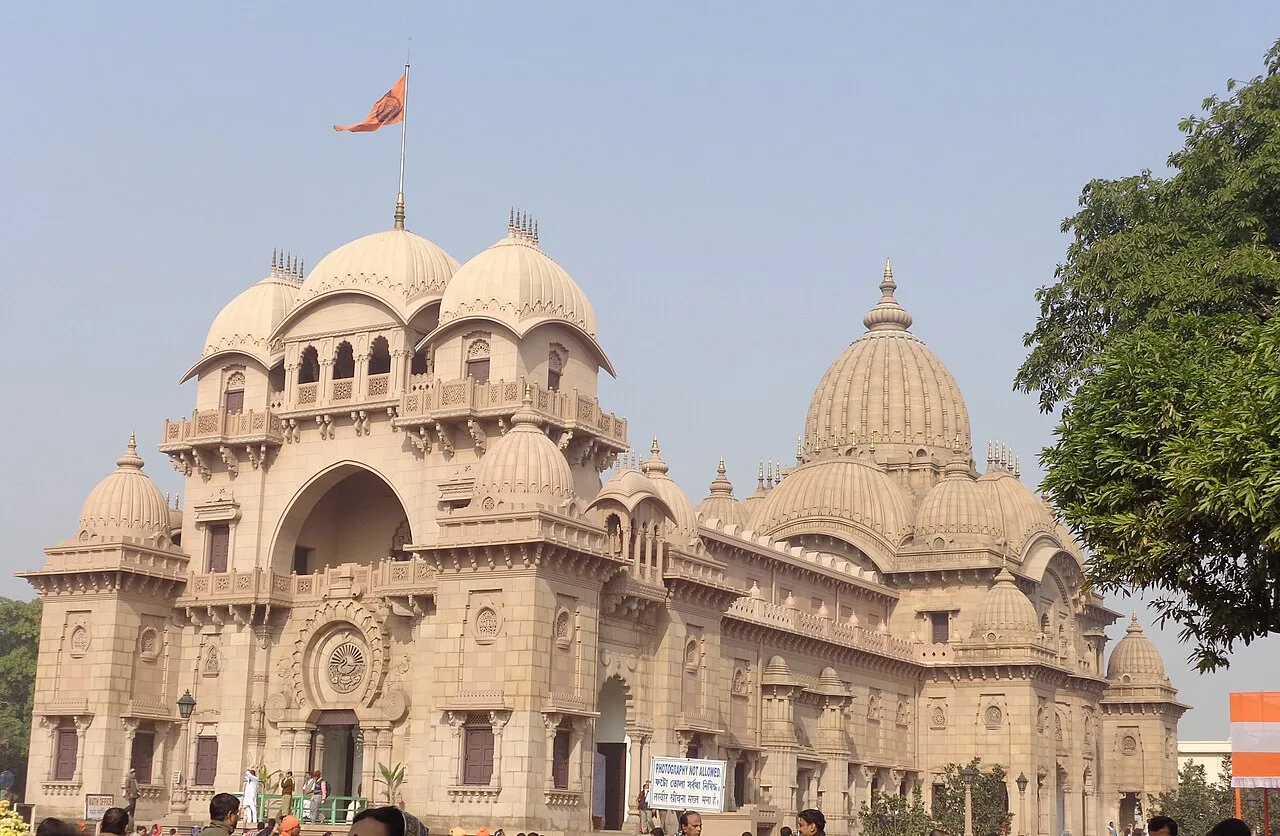
Belur Math
Belur Math, in Howrah district, is the headquarters of the Ramakrishna Math and Ramakrishna Mission. Visitors come to see its temple, whose design draws on several religious traditions.
Key facts · verified by Ghumoopedia editors
- Type of place
- Temple / pilgrimage site
- Best time to visit
- October to March for the plains and coast; March to May and October to December for the Darjeeling hills
- Nearest railway station
- Kolkata (Chitpur) · about 5 km (straight line)
- Verified
- 21 Nov 2026
Plan a trip from Belur Math — a day-by-day route through places nearby.
Belur Math stands at Belur in West Bengal’s Howrah district, beside the Hooghly on its western side. It serves as headquarters for both the Ramakrishna Math and Ramakrishna Mission, established by Swami Vivekananda, principal disciple of Ramakrishna Paramahamsa. The property intended for the institution was acquired on 4 March 1897. On 9 December 1898, Vivekananda established the Math at the site, installing sacred remains of Shri Ramakrishna there. After returning from America by way of Colombo, he and a small circle of disciples began building temples at Belur and Mayavati in Almora. The latter centre was named Advaita Ashrama. The temple forms the focal point of the Ramakrishna Movement. Its design brings together Hindu, Buddhist and Christian artistic elements, expressing the idea that religions share a unity. A railway station bearing the name Belur Math opened in 2003 and is dedicated to the temple. West Bengal stretches from the Himalayan tea gardens of Darjeeling to the mangrove delta of the Sundarbans, with Kolkata's colonial architecture, the terracotta temples of Bishnupur, Tagore's Santiniketan and the Nawabi heritage of Murshidabad. The plains are hot and humid from March to June, receive heavy monsoon rain from June to September and are pleasant from November to February; the Darjeeling hills are cool year-round and cold in winter, and the coast and Sundarbans can be hit by cyclones in May and October–November. The usual best time to visit is October to March for the plains and coast; March to May and October to December for the Darjeeling hills. Timings, fees and access arrangements must be confirmed locally. For official information, see West Bengal Tourism at https://wbtourism.gov.in.
Why it matters
Belur Math, on the west bank of the Hooghly River in Howrah district, is the headquarters of the Ramakrishna Math and Ramakrishna Mission. The organisations trace their beginnings to Swami Vivekananda, the chief disciple of Ramakrishna Paramahamsa, and combine monastic life with religious teaching and social service. For devotees, the site is a major centre of the Ramakrishna tradition; for other visitors, it is known for its distinctive main temple and riverside setting. Its architecture brings together motifs associated with several religious traditions, reflecting the movement’s emphasis on the harmony of religions. It is an important religious and cultural landmark in West Bengal. No UNESCO or ASI-protected status is asserted here.
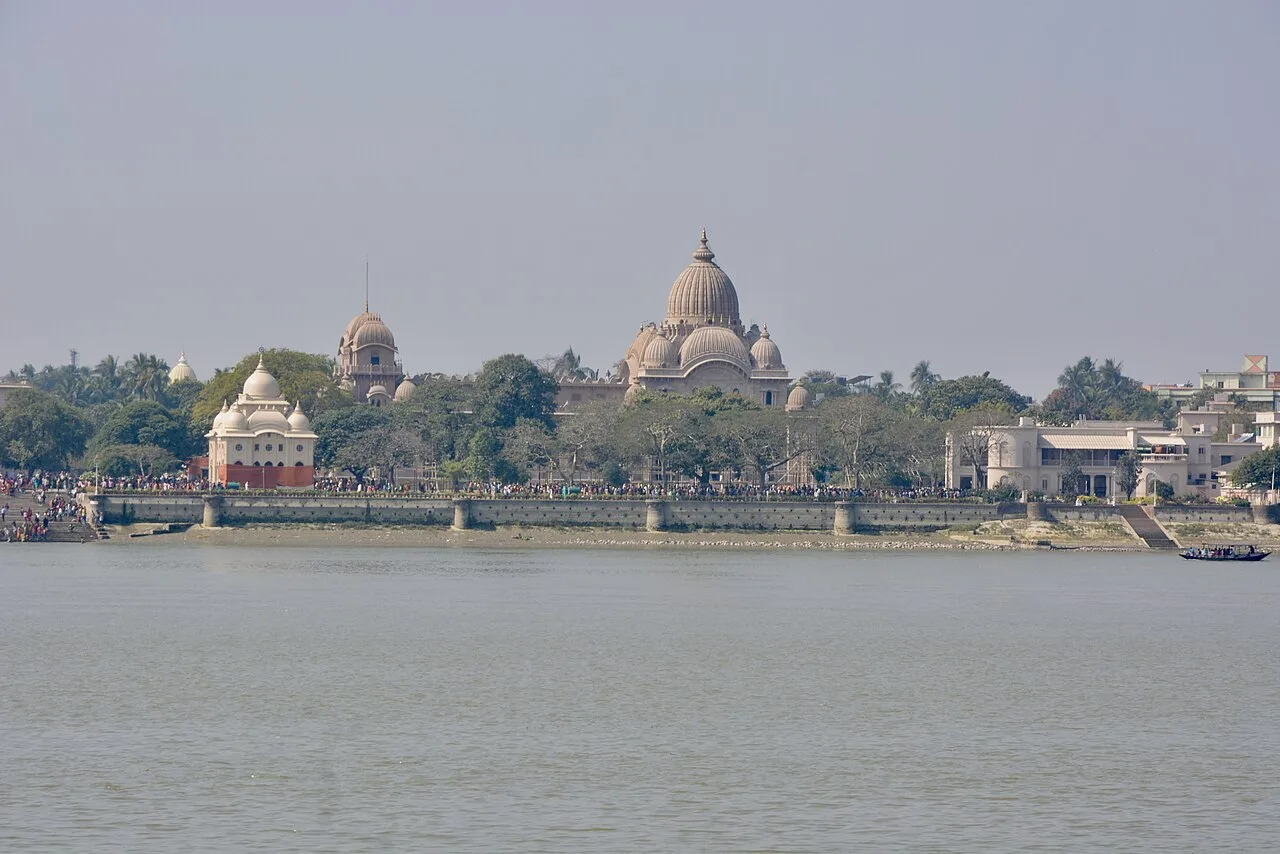
After returning from the West, Swami Vivekananda sought a permanent home for the Ramakrishna Order. The land at Belur was purchased in 1897, and in 1898 Vivekananda ceremonially brought holy relics of Ramakrishna to the premises. The monastery developed as the headquarters of the Ramakrishna Math; the related Ramakrishna Mission, founded by Vivekananda, undertook educational, relief and other service work. The site became the institutional centre of a movement that joined spiritual practice with service to society. The present main temple was built later than the monastery’s founding and was inaugurated in 1938. Its design is associated with Swami Vijnanananda, a monk of the Order who had trained as an engineer. It was conceived to express the movement’s ideal of religious harmony through architectural references to different traditions. Other shrines and memorials across the grounds honour Ramakrishna, Vivekananda, Sarada Devi and senior monks. The Math has continued to serve as a working monastic community as well as a place of pilgrimage and public visitation. The Belur Math railway station was inaugurated in 2003.
Origin stories & folklore
Belur Math is associated more with devotional memory than with a separate body of local folklore. According to an account cherished in the Ramakrishna tradition, Swami Vivekananda carried Ramakrishna’s sacred relics to the newly established grounds and placed them there with the conviction that his teacher would make the site his home. Devotees regard this act as marking the spiritual foundation of the Math. Stories and recollections of Ramakrishna, Vivekananda and their early disciples are shared in the community, but visitors should distinguish such religious tradition from independently verifiable history. There is no need to expect a particular miracle story or ritual for a visit to be meaningful.
Architecture & design
The complex occupies a broad riverside campus, with the main temple, smaller shrines, monastic buildings, memorials and gardens set among open grounds. The principal temple, completed in the twentieth century, is designed to suggest the unity of religions through a combination of architectural forms and motifs associated with Hindu, Buddhist, Islamic and Christian traditions. Its profile and details invite visitors to notice how different visual references have been brought together without making the building a replica of any one religious structure. The main shrine is dedicated to Ramakrishna. The design is associated with Swami Vijnanananda, who had an engineering background. Stone and other durable construction materials form the temple, while ornament is concentrated in its architectural details and interior. The riverside setting and landscaped paths give the complex a spacious, contemplative character. Several separate shrines and memorial structures across the grounds allow visitors to encounter the history of the Order as well as the main temple.
Important objects & sculptures
Inside the main temple, visitors may see the shrine dedicated to Ramakrishna; its arrangement is intended for worship, so viewing access can depend on current rules and services. Across the grounds, look for the shrines and memorials associated with Sarada Devi, Swami Vivekananda and other senior monks. The historic old shrine is also an important place for understanding the Math’s early years. The Ramakrishna Museum presents material relating to Ramakrishna, Vivekananda and the movement, though displays and access arrangements may change. Architectural details and religious motifs on the main temple are worth observing from permitted areas. Do not touch sacred objects or enter cordoned spaces.
Religious significance
Belur Math belongs to the Ramakrishna tradition, which honours Ramakrishna Paramahamsa and the teachings and example of Swami Vivekananda. The main temple is dedicated to Ramakrishna, while other shrines commemorate Sarada Devi, Vivekananda and monks of the Order. Monks and devotees gather for worship, prayer, meditation and observances connected with the movement’s religious calendar. The Math also understands service to people as an expression of spiritual life. For worshippers, the grounds are both a pilgrimage destination and an active religious community, not simply a monument. Visitors who are not attending worship are welcome to observe respectfully, follow posted guidance and avoid interrupting prayers or approaching restricted areas.
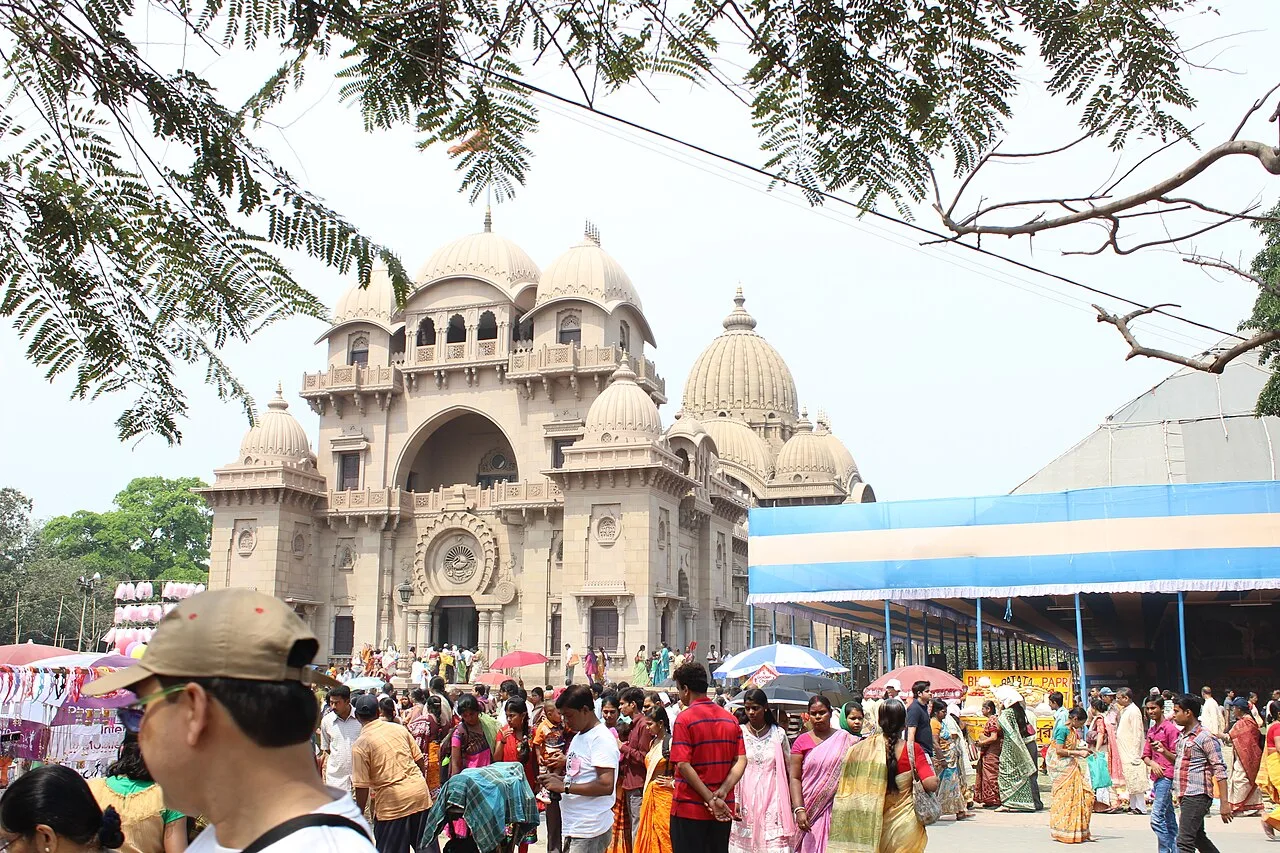
Visit Belur Math with time to observe daily prayers and rituals respectfully. Follow the posted rules on footwear, photography, phones, head covering and dress, and avoid interrupting worshippers; popular temples may have separate queues, dress codes or mobile-phone deposit counters. Ask caretakers which areas are open to visitors, and beware of unofficial 'guides' or agents offering quick darshan for a fee. A comfortable itinerary is one main visit in the morning, a local meal at midday and a short nearby stop before an afternoon return. Use the district list on this site to find other places in Howrah, but check the route and its condition before combining stops. If a festival is on — such as Durga Puja, Kali Puja or the Poush Mela at Santiniketan — roads and stays can be busy, and the experience can be unforgettable. Leave no litter: many sites are protected by the communities around them.
Suggested itineraries
Half day: 2–3 hours for the main temple and grounds, a quiet pause by the river, and the museum or another shrine if open. Full day: 2–3 hours at Belur Math, lunch nearby, then 1–2 hours at Dakshineswar Kali Temple, allowing extra time for the river crossing and queues. Gentler option: Focus on the main temple’s accessible visitor areas and nearby seating, take breaks, and skip the longer circuit if walking becomes tiring.
The Math remains a living monastic and devotional centre. Visitors may encounter monks in traditional robes, devotees praying quietly, and devotional singing or readings when these are part of a service. Bengali is widely used in the surrounding region, while visitors and staff may also communicate in Hindi or English. The atmosphere is generally restrained: modest clothing, quiet conversation and respectful conduct are appropriate. The Math’s publications, talks and museum provide ways to learn about the Ramakrishna movement and its service activities. Customs can vary by occasion, and visitors should follow directions from staff rather than assume that every area or activity is open to the public.
Festivals & events
The Math observes important occasions in the Ramakrishna tradition, including the birthdays of Ramakrishna, Sarada Devi and Vivekananda, as well as Kalpataru Day in January. Durga Puja, including Kumari Puja, is a prominent annual observance, and religious programmes are also held around other significant days. Christmas Eve and Buddha Purnima may be marked in keeping with the movement’s interest in the spiritual traditions of different faiths. Festival periods can bring larger congregations, extra arrangements and busier approaches. Check the Math’s current notices before planning a visit, and allow more time for entry and movement around the grounds.
Local food in West Bengal includes macher jhol (fish curry), shorshe ilish (hilsa in mustard), kosha mangsho, luchi with alur dom, kathi rolls and phuchka in Kolkata, mishti doi, rosogolla and sandesh; in the Darjeeling hills, momos, thukpa, shaphaley and first-flush Darjeeling tea. Ask what is fresh that day; many small eateries cook a limited daily menu. Vegetarian travellers eat well across the state, and most towns also have fish and meat dishes. Remote sites may have no restaurant at all. Carry water and snacks, eat a proper breakfast before long drives, and ask your accommodation for a packed lunch if you are heading out early. If prasad or langar is offered, accept it according to local custom. Choose busy, clean places, drink sealed or filtered water, and carry your packaging back with you.
Shopping & local experiences
The Math’s bookshop is a useful place to look for publications on Ramakrishna, Vivekananda, Sarada Devi and the movement, along with devotional items or souvenirs where available. Shops and stalls around Belur may offer flowers, offerings and simple religious keepsakes, but stock and permissions can vary. For a broader choice of Bengali sweets, snacks and everyday goods, explore established shops in nearby town areas. Buy responsibly, avoid litter and do not purchase objects presented as officially blessed or authorised unless the Math confirms their source.
October to March for the plains and coast; March to May and October to December for the Darjeeling hills
The nearest principal railway station by straight-line distance is Kolkata (Chitpur), roughly 5 km away. The nearest operating airport by straight-line distance is Netaji Subhas Chandra Bose International Airport, Kolkata, roughly 10 km away. These figures are calculated from map coordinates — actual road distance is longer. Howrah, Sealdah and Kolkata stations and Kolkata airport serve the south; New Jalpaiguri station and Bagdogra airport near Siliguri are the gateways to the Darjeeling hills and the Dooars. For the final leg, West Bengal Transport Corporation, North Bengal State Transport and South Bengal State Transport buses, private buses and shared jeeps in the hills link district towns. A private taxi gives more flexibility for remote sites. When comparing train, bus and flight, count the complete door-to-door time: a flight saves the most time only if the onward road transfer is short, while an overnight train can save a hotel night. Book your return before you leave, because seats fill quickly on weekends, festivals and holidays. Current train numbers, timings, return services and fares are not listed here; check IRCTC and NTES for trains and the airline's own schedule for flights. No permit is needed for Indian citizens to visit West Bengal. Entry to the Sundarbans Tiger Reserve needs a forest permit, usually arranged through a registered boat operator or the forest office at Sajnekhali or Canning; trekking in Singalila National Park (Sandakphu) needs an entry permit and a registered guide from Maneybhanjan. Durga Puja in October brings huge crowds to Kolkata, so book transport and stays well ahead.
Confirm onward and return timings on IRCTC / NTES, the state bus operator or your airline before travel. A dash means current timings or fares have not been verified.
Getting around
On arrival in Belur, local buses, auto-rickshaws and taxis can help with the final approach; availability and stopping points vary. The Belur Math railway station serves the area, while Howrah and Kolkata stations provide wider rail connections. Walking is practical within the complex, but the campus is spread out. A ferry connection across the Hooghly, including services linking the Belur and Dakshineswar side, may be useful when operating; check locally for current service and boarding arrangements. Vehicle access and parking can be limited or managed during busy observances, so allow time and follow local directions.
Hours, tickets & permissions
Entry arrangements, visitor access to particular buildings, and schedules for worship or museum visits can vary by day and occasion. Some areas may be restricted during services or for monastic use. Tickets, permits, camera rules, dress expectations and any identification requirements should be checked with the managing authority before travelling; do not rely on outdated online listings. Confirm current opening hours and fees directly with Belur Math, especially around festivals or special events. Follow signs and instructions from staff on arrival.
Facilities
Facilities can include visitor information, toilets, drinking water points, places to sit and a bookshop; availability and access should be checked on arrival. Food options may be available nearby, and prasad or meal arrangements can vary with the day and observances. The museum and other buildings may have separate access rules. Parking, guides and assistance for visitors should not be assumed, particularly during crowded periods. ATMs and a wider choice of shops or restaurants are more likely in nearby town areas than inside the grounds. Carry water and essential medicines, and use marked bins.
Accessibility
The grounds are extensive, so visiting more than the main temple may involve considerable walking. Paths are generally laid out across a landscaped campus, but surfaces, thresholds and steps at individual buildings may vary. Do not assume that every shrine or interior has step-free access, ramps or lifts; ask staff about the route before setting out. Shade and places to pause may be available in parts of the grounds, though exposure can be tiring in hot weather. Wheelchair users, stroller users and older visitors may find a shorter visit more comfortable, with a companion and rest breaks where needed.
No permit is needed for Indian citizens to visit West Bengal. Entry to the Sundarbans Tiger Reserve needs a forest permit, usually arranged through a registered boat operator or the forest office at Sajnekhali or Canning; trekking in Singalila National Park (Sandakphu) needs an entry permit and a registered guide from Maneybhanjan. Durga Puja in October brings huge crowds to Kolkata, so book transport and stays well ahead. Carry a photo ID at all times and save the emergency number 112 and your accommodation's contact offline. Heat in summer and heavy rain in the monsoon are the main weather risks; carry water, avoid midday sun and allow extra time when roads flood. Watch your belongings in crowds and on public transport, and follow posted instructions.
Visitor rules
Belur Math is an active religious and monastic site. Dress modestly, remove footwear where signs or staff require it, and keep voices low near shrines and services. Follow posted rules on mobile phones, head coverings and photography; requirements can differ by area. Do not enter staff or monastic quarters, cross barriers, touch sacred objects, or interrupt worshippers. Keep the grounds clean and avoid single-use plastic where possible; use bins and follow any restrictions on items brought inside. Follow instructions from security and caretakers, and use official information rather than paying unofficial agents for access.
Photography
The riverside setting and temple exterior can be attractive in soft morning or late-afternoon light, but access and photography permissions depend on current rules. Photography may be restricted inside shrines, during worship or in particular buildings; check signs and ask staff before taking pictures. Avoid photographing worshippers, monks or children without permission, and never use flash if it could disturb prayer. Drone use should not be attempted without explicit authorisation and any required permissions. Keep to visitor areas and do not delay people moving through the grounds for a photograph.
Choose a stay by the full journey to Belur Math, not just the district name. Kolkata offers the widest choice; on the coast, Digha and Mandarmani have many hotels, and the Sundarbans have eco-resorts and boat stays near Pakhiralay and Bali island. In summer, check air-conditioning; in the monsoon, check that the property is accessible if roads flood. Book in advance for weekends, festivals and the peak season (October to March for the plains and coast; March to May and October to December for the Darjeeling hills). Confirm the exact location, meals included, check-in time and cancellation terms in writing. Avoid sending money to unverified contacts or touts at stations. Carry some cash, as card and digital payments can be unreliable in remote areas.
Dakshineswar Kali Temple, across the Hooghly, is a major nearby pilgrimage site and can often be combined with Belur Math if river or road connections suit the day. In Howrah, the Acharya Jagadish Chandra Bose Indian Botanic Garden in Shibpur offers a very different, green outing; check its current visitor arrangements. The Howrah Bridge and the riverfront around Kolkata are also notable nearby city sights, though traffic can make a combined visit take longer than expected. Choose one nearby stop rather than overloading a short visit, and confirm routes and opening arrangements locally.
For couples, Belur Math rewards a slow pace: arrive early for soft light and fewer crowds, share a local meal and keep the evening free. A toy-train ride in the Darjeeling hills, a boat on the Hooghly at sunset or an evening of adda over tea in Kolkata makes the trip memorable. Public displays of affection can be frowned upon in conservative communities and at religious sites, so be discreet. Keep a buffer in your itinerary, because weather and road conditions can delay plans.
Q: How much time should I allow for Belur Math? A: Allow a few hours for the main temple, grounds and any museum visit; add more time during busy observances. Q: What is the best season to visit? A: October to March is generally more comfortable in the West Bengal plains. Summer can be hot and humid, and monsoon rain may affect travel. Q: Is there an entry fee? A: Entry and access policies can change. Confirm current fees, if any, and visitor rules with Belur Math before travelling. Q: Is the site suitable for children and elderly visitors? A: Families are welcome, but the grounds involve walking. Plan breaks, supervise children and check step-free access for specific buildings. Q: Where can I stay nearby? A: Accommodation is available around Howrah and Kolkata, with a wider range in Kolkata. Choose based on your transport plans and check current availability.
Be the first to share photos, stories, advice or a helpful contact for Belur Math.
Loading…