
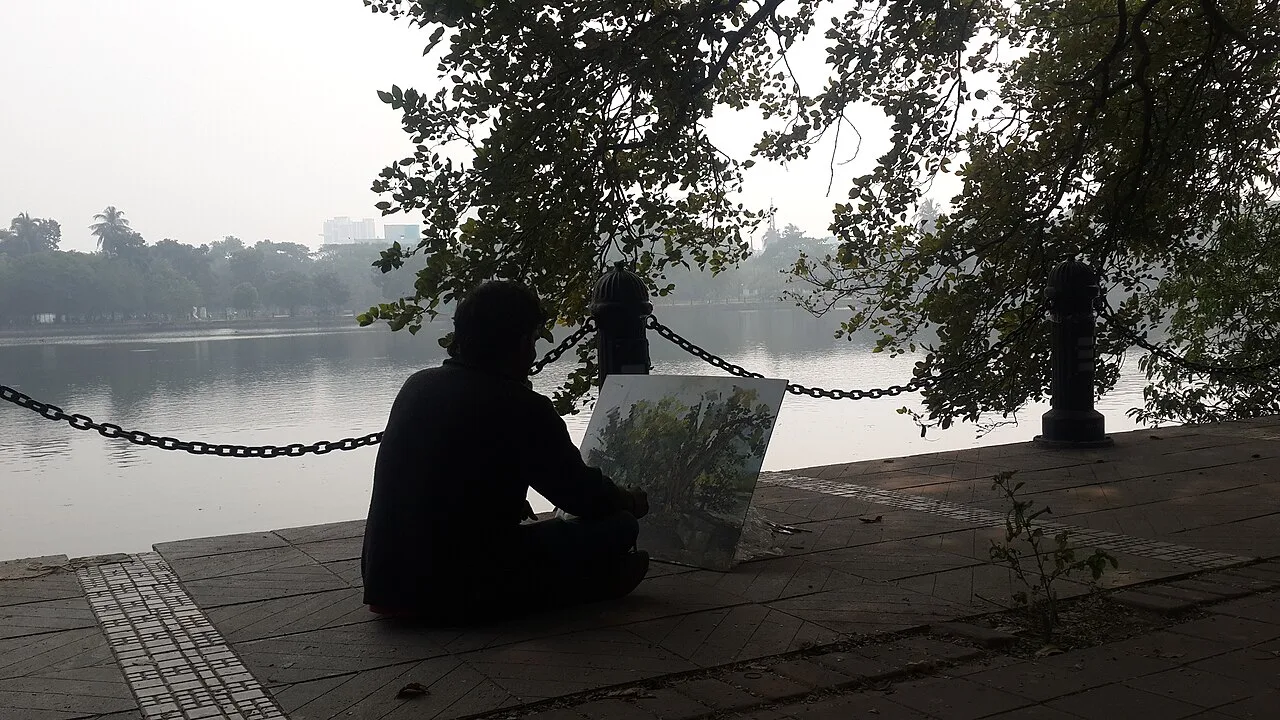
Rabindra Sarobar
Rabindra Sarobar is a man-made lake, garden and park in southern Kolkata. People visit its green spaces and lakeside, while the name is also used for the surrounding neighbourhood.
Key facts · verified by Ghumoopedia editors
- Type of place
- Natural attraction
- Best time to visit
- October to March for the plains and coast; March to May and October to December for the Darjeeling hills
- Nearest railway station
- Sealdah · about 5 km (straight line)
- Verified
- 21 Nov 2026
Plan a trip from Rabindra Sarobar — a day-by-day route through places nearby.
Located in Kolkata district, West Bengal, Rabindra Sarobar is a constructed lake with a garden and parkland in the southern part of the city. The name applies both to this open space and to the locality around it. Southern Avenue runs along the northern edge, and Shyamaprasad Mukherjee Road borders the western side. Dhakuria is to the east; the Kolkata Suburban Railway tracks mark the southern boundary. The site is named in honour of Rabindranath Tagore, the poet and Nobel Prize winner. West Bengal stretches from the Himalayan tea gardens of Darjeeling to the mangrove delta of the Sundarbans, with Kolkata's colonial architecture, the terracotta temples of Bishnupur, Tagore's Santiniketan and the Nawabi heritage of Murshidabad. The plains are hot and humid from March to June, receive heavy monsoon rain from June to September and are pleasant from November to February; the Darjeeling hills are cool year-round and cold in winter, and the coast and Sundarbans can be hit by cyclones in May and October–November. The usual best time to visit is October to March for the plains and coast; March to May and October to December for the Darjeeling hills. Timings, fees and access arrangements must be confirmed locally. For official information, see West Bengal Tourism at https://wbtourism.gov.in.
Why it matters
Rabindra Sarobar is an important public green space and waterbody in South Kolkata, valued for recreation, walking, rowing and urban birdlife. Its name refers both to the lake and to the surrounding neighbourhood. Formerly called Dhakuria Lake, it was renamed for Rabindranath Tagore, the Bengali poet and Nobel Prize laureate. The lake offers residents a place to spend time outdoors in a densely built part of Kolkata and forms part of the city’s southward development. It is not known as a UNESCO World Heritage Site or an ASI-protected monument; visitors should check current information from the managing authority, the Kolkata Metropolitan Development Authority (KMDA), for its status and rules.
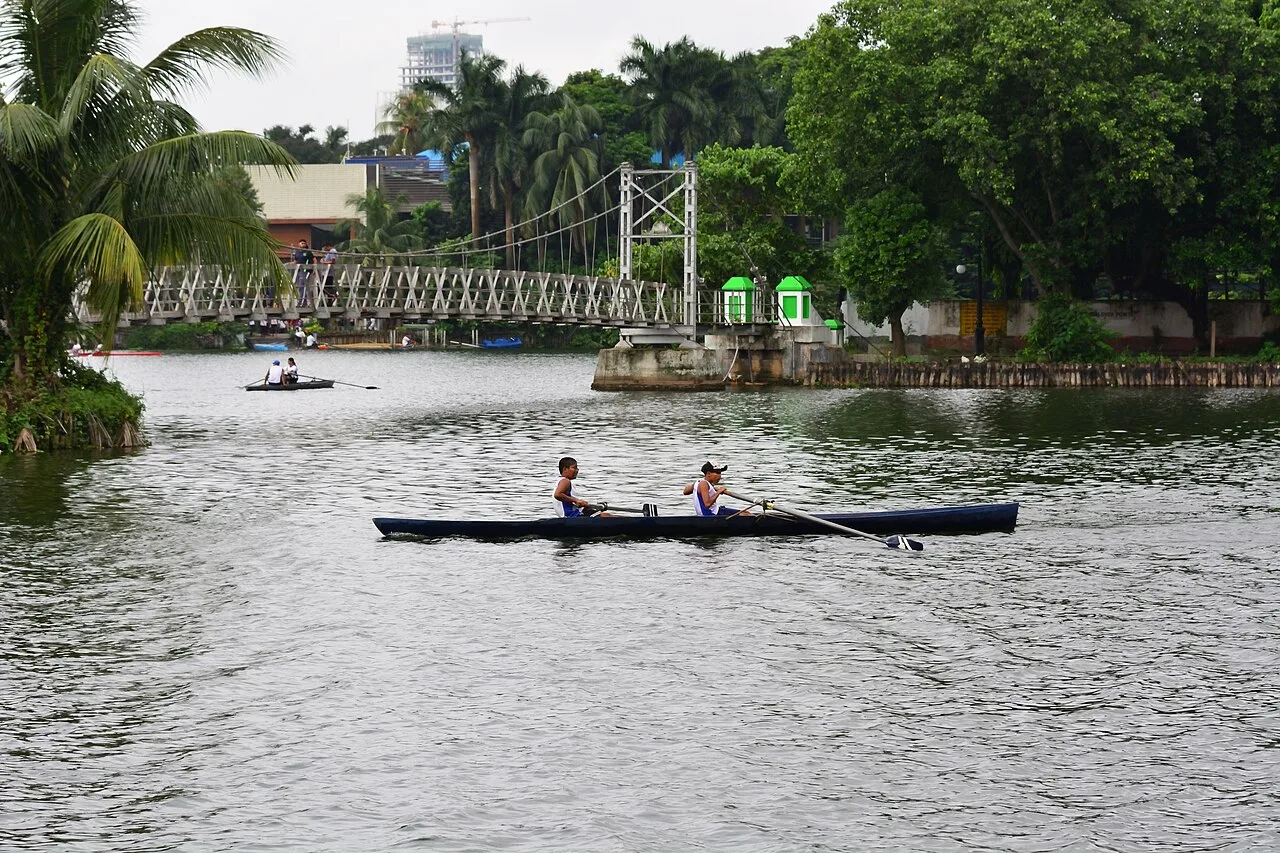
Rabindra Sarobar began as an artificial lake created during Kolkata’s expansion southward. The Calcutta Improvement Trust undertook the project, excavating the area traditionally dated to the 1920s; the work is generally associated with the period from 1920 to 1926. It was first known as Dhakuria Lake, after the locality to its east, and the surrounding grounds were developed as a public recreational landscape. The name Rabindra Sarobar was later adopted in honour of Rabindranath Tagore, whose writing and cultural influence are central to Bengal’s modern history. As South Kolkata grew around it, the lake became a familiar setting for walks, exercise and rowing, as well as a respite from busy roads and neighbourhoods. Its history has also involved changing pressures: urban development, pollution and the care of its water and green spaces. Management and conservation work have continued over time, but conditions and access arrangements can change. For current information on upkeep, rules or restoration, consult the KMDA or other local authorities rather than relying on older accounts.
Origin stories & folklore
No widely documented origin legend is associated with Rabindra Sarobar. Its known beginnings are as an artificial lake created during the development of South Kolkata, rather than as a site with a recorded mythological origin. The name honours Rabindranath Tagore, and visitors may encounter the poet’s name and works in the wider cultural life of the city; this connection is historical and cultural, not evidence of a local supernatural story. As with many urban lakes, residents may share personal memories or neighbourhood anecdotes about the place. Treat these as local recollections unless a reliable source confirms a specific tradition, and avoid presenting unverified stories as established history.
Spend unhurried time at Rabindra Sarobar: walk the marked paths, use official viewpoints and ask locally whether a guide, entry ticket or forest permission is needed. Enjoy the water from safe, marked points; rocks near falls and dams are slippery and currents are dangerous, especially in the monsoon. Wildlife sightings are never guaranteed — patience and quiet improve your chances. A comfortable itinerary is one main visit in the morning, a local meal at midday and a short nearby stop before an afternoon return. Use the district list on this site to find other places in Kolkata, but check the route and its condition before combining stops. If a festival is on — such as Durga Puja, Kali Puja or the Poush Mela at Santiniketan — roads and stays can be busy, and the experience can be unforgettable. Leave no litter: many sites are protected by the communities around them.
Suggested itineraries
Half day: Walk the paths (45–60 minutes), pause at a safe lakeside viewpoint (20–30 minutes), then have a meal or tea in the surrounding neighbourhood (45–60 minutes). Full day: Explore the lake and grounds at an easy pace (1.5–2 hours), take a long lunch nearby (about 1 hour), visit Kalighat Kali Temple or another nearby attraction (1.5–2 hours), then return for a short neighbourhood walk. Gentler option: Choose the nearest suitable entrance, rest often on the way, and spend 45–60 minutes on a short section of path; check locally for the easiest access and seating.
The lake is part of everyday neighbourhood life. Residents use its paths for walks, exercise and informal conversation, while rowing is associated with the lake’s clubs. Bengali is widely spoken in the surrounding area; Hindi and English are also commonly heard. Kolkata’s broader cultural calendar shapes activity nearby, including music, theatre and literary events, though schedules and venues vary. Visitors may see people enjoying the grounds in casual everyday clothing, alongside joggers and birdwatchers. The lake is a public urban space rather than a designated performance venue, so visitors should keep noise low and respect other users.
Local communities
Rabindra Sarobar serves nearby residents from South Kolkata neighbourhoods, along with visitors from elsewhere in the city. Walkers, joggers, birdwatchers and rowing-club members use the grounds in different ways. The lake and its surroundings also depend on people involved in maintenance, security and local services. Small food and refreshment businesses may be found in the wider neighbourhood, though their presence and operating arrangements can change. The lake is a shared public environment; visitors can help care for it by keeping paths clear, avoiding litter and following any instructions from staff or local authorities.
Festivals & events
Durga Puja, usually held in autumn, brings major celebrations to neighbourhoods across Kolkata; nearby roads and public transport can become busy. Kali Puja, generally around October or November, is another important citywide occasion, though celebrations are not necessarily held inside the lake grounds. Rabindra Jayanti, observed in May in honour of Tagore’s birth anniversary, may inspire cultural programmes around the city. Events and crowds vary by year and venue. Check locally before visiting during a festival period, and allow extra time for traffic or changes to access.
Local food in West Bengal includes macher jhol (fish curry), shorshe ilish (hilsa in mustard), kosha mangsho, luchi with alur dom, kathi rolls and phuchka in Kolkata, mishti doi, rosogolla and sandesh; in the Darjeeling hills, momos, thukpa, shaphaley and first-flush Darjeeling tea. Ask what is fresh that day; many small eateries cook a limited daily menu. Vegetarian travellers eat well across the state, and most towns also have fish and meat dishes. Remote sites may have no restaurant at all. Carry water and snacks, eat a proper breakfast before long drives, and ask your accommodation for a packed lunch if you are heading out early. Try a home-cooked or local thali meal when you can — it is often the best food on the route. Choose busy, clean places, drink sealed or filtered water, and carry your packaging back with you.
Shopping & local experiences
The surrounding South Kolkata neighbourhoods have everyday shops, cafés and restaurants rather than a single major craft market at the lake. Visitors can look for Bengali snacks, sweets and meals in nearby food businesses, checking ingredients and opening arrangements locally. Dhakuria and the wider Gariahat area are useful for browsing clothing, household goods and street-market stalls; Gariahat is a separate stop and may require additional travel. Kolkata’s familiar souvenirs include books, textiles and small handicrafts, but buy from reputable sellers and avoid items made from wildlife or other protected materials.
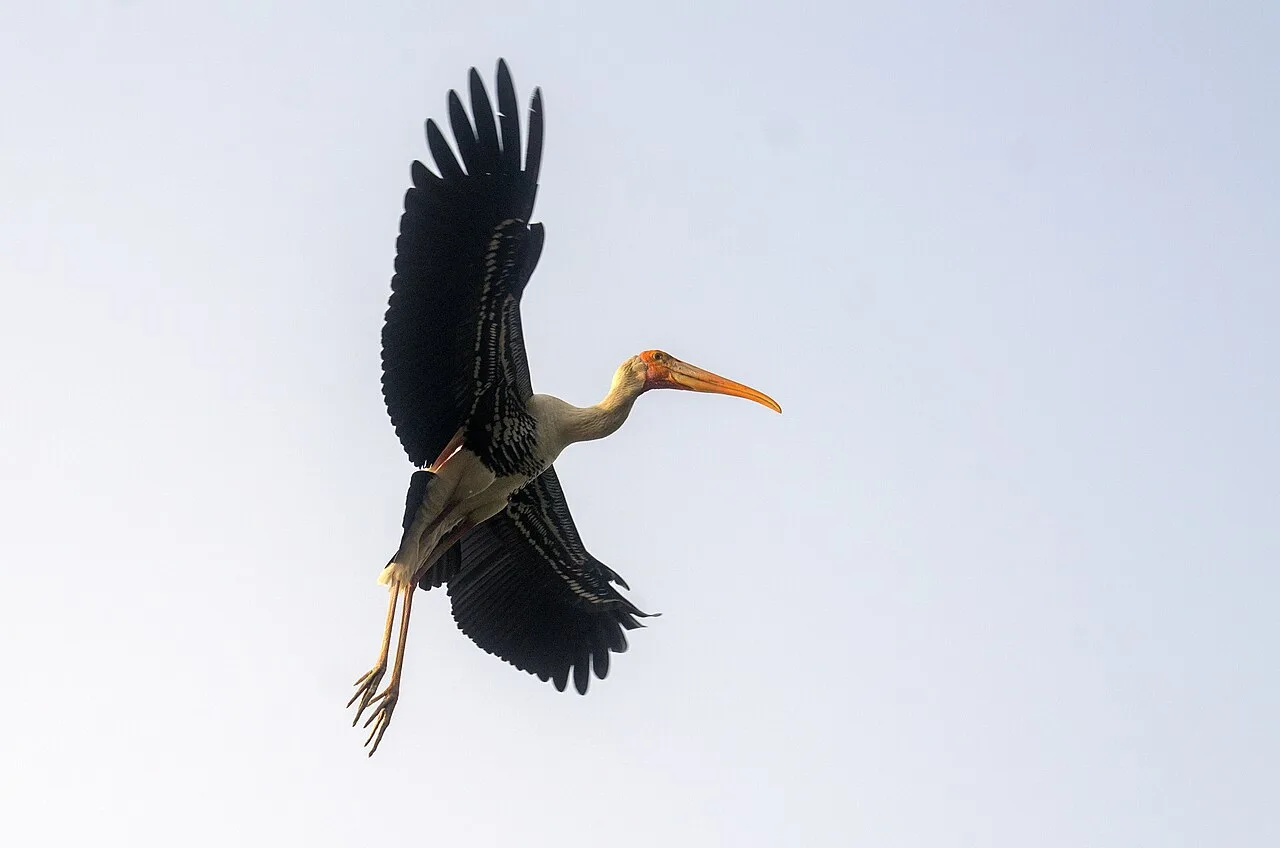
Rabindra Sarobar is an urban, artificial lake set among planted grounds and mature trees. Its water, banks and shaded paths create a green pause within the built-up city. The grounds support common urban plants, garden vegetation and trees that provide shade and habitat. Waterbirds and other birds may be seen around the lake, and seasonal visitors are sometimes reported, but sightings depend on conditions and are never guaranteed. Quiet observation is more rewarding than approaching or feeding wildlife. This is a city lake, not a swimming or wilderness site; water quality and conditions can vary, so remain on authorised paths and keep away from unsafe edges.
October to March for the plains and coast; March to May and October to December for the Darjeeling hills
The nearest principal railway station by straight-line distance is Sealdah, roughly 5 km away. The nearest operating airport by straight-line distance is Netaji Subhas Chandra Bose International Airport, Kolkata, roughly 20 km away. These figures are calculated from map coordinates — actual road distance is longer. Howrah, Sealdah and Kolkata stations and Kolkata airport serve the south; New Jalpaiguri station and Bagdogra airport near Siliguri are the gateways to the Darjeeling hills and the Dooars. Within Kolkata, the Metro is the quickest way across the city, supplemented by app cabs, yellow taxis, buses and ferries across the Hooghly. When comparing train, bus and flight, count the complete door-to-door time: a flight saves the most time only if the onward road transfer is short, while an overnight train can save a hotel night. Book your return before you leave, because seats fill quickly on weekends, festivals and holidays. Current train numbers, timings, return services and fares are not listed here; check IRCTC and NTES for trains and the airline's own schedule for flights. No permit is needed for Indian citizens to visit West Bengal. Entry to the Sundarbans Tiger Reserve needs a forest permit, usually arranged through a registered boat operator or the forest office at Sajnekhali or Canning; trekking in Singalila National Park (Sandakphu) needs an entry permit and a registered guide from Maneybhanjan. Durga Puja in October brings huge crowds to Kolkata, so book transport and stays well ahead.
Confirm onward and return timings on IRCTC / NTES, the state bus operator or your airline before travel. A dash means current timings or fares have not been verified.
Getting around
Within Kolkata, app-based cabs and yellow taxis can take visitors to the lake’s surrounding roads, while local buses serve the wider area. The Rabindra Sarobar Metro station is a useful public-transport option; check the best exit and walking route for your destination within the grounds. Auto-rickshaws operate in nearby neighbourhoods, subject to local routes. Walking is the simplest way to explore once inside, but paths and entrances are spread around the lake. Parking may be limited or restricted, so avoid assuming a space will be available. Public boating should not be assumed; check with an authorised rowing club.
Hours, tickets & permissions
The grounds have entry and conduct rules that may vary by gate, event or maintenance work. Check current opening arrangements, any entry or camera fees, and restrictions with KMDA or local staff before setting out; do not rely on old online listings. Some activities, including organised rowing, may be governed by club rules and are not automatically available to general visitors. Follow posted notices, use public access points and ask locally about temporary closures. No special dress requirement is known, but modest, comfortable clothing and suitable footwear are practical.
Facilities
Facilities can vary by entrance and maintenance conditions. There are usually paths and some places to pause, while toilets, drinking water and refreshments should be checked locally rather than assumed to be available inside the grounds. Cafés, restaurants, shops and other services are available in the surrounding neighbourhood. Parking may be limited. ATMs are more likely to be found in nearby commercial areas than within the park. Guided visits are not a standard service for every visitor; ask KMDA or an authorised club about any organised activity and its rules.
Accessibility
The grounds involve outdoor walking, and a visit may require covering a substantial distance depending on the entrance and route chosen. Paths can vary in surface and condition; some sections may be uneven, and edges beside the water require care. Trees provide shade in places, but not necessarily along every route. Wheelchair and stroller access should be checked at the intended gate, as continuous step-free routes cannot be assumed. Older visitors or anyone with limited mobility may prefer a short, familiar section, frequent rests and a companion. Ask locally about current closures or the most suitable entrance.
No permit is needed for Indian citizens to visit West Bengal. Entry to the Sundarbans Tiger Reserve needs a forest permit, usually arranged through a registered boat operator or the forest office at Sajnekhali or Canning; trekking in Singalila National Park (Sandakphu) needs an entry permit and a registered guide from Maneybhanjan. Durga Puja in October brings huge crowds to Kolkata, so book transport and stays well ahead. Carry a photo ID at all times and save the emergency number 112 and your accommodation's contact offline. Heat in summer and heavy rain in the monsoon are the main weather risks; carry water, avoid midday sun and allow extra time when roads flood. Waterfalls and dams are dangerous in the monsoon: keep behind barriers and leave the area if the water level rises suddenly.
Photography
Soft morning or late-afternoon light can suit photographs of the water, trees and everyday park life. Use public paths and safe viewpoints rather than approaching the water’s edge for a shot. Follow posted rules on photography, and ask permission before making close portraits of people. Do not interrupt rowing or other activities. Drone use may be restricted by aviation rules, site policy or nearby security requirements; confirm permissions before bringing one. Avoid littering or disturbing birds to improve a photograph, and respect any event or privacy restrictions.
Choose a stay by the full journey to Rabindra Sarobar, not just the district name. Kolkata offers the widest choice; on the coast, Digha and Mandarmani have many hotels, and the Sundarbans have eco-resorts and boat stays near Pakhiralay and Bali island. In summer, check air-conditioning; in the monsoon, check that the property is accessible if roads flood. Book in advance for weekends, festivals and the peak season (October to March for the plains and coast; March to May and October to December for the Darjeeling hills). Confirm the exact location, meals included, check-in time and cancellation terms in writing. Avoid sending money to unverified contacts or touts at stations. Carry some cash, as card and digital payments can be unreliable in remote areas.
Kalighat Kali Temple is a well-known city attraction that can be combined with a visit, subject to its own access arrangements and crowds. The Tollygunge area lies nearby, while Dhakuria and Jodhpur Park offer neighbourhood shops and places to eat. Further across Kolkata, visitors may consider the Victoria Memorial, the Indian Museum or the Alipore Zoological Gardens, but these require additional travel and are better treated as separate stops in a full-day plan. Check routes and traffic before combining attractions; distances by road can differ from how close places appear on a map.
For couples, Rabindra Sarobar rewards a slow pace: arrive early for soft light and fewer crowds, share a local meal and keep the evening free. A toy-train ride in the Darjeeling hills, a boat on the Hooghly at sunset or an evening of adda over tea in Kolkata makes the trip memorable. Public displays of affection can be frowned upon in conservative communities and at religious sites, so be discreet. Keep a buffer in your itinerary, because weather and road conditions can delay plans.
Q: How much time should I allow for Rabindra Sarobar? A: A short walk and a pause by the lake can fit into a half-day visit; allow longer if you plan to explore nearby attractions. Q: When is a good season to visit? A: October to March is generally more comfortable for Kolkata’s plains. Summer can be hot and humid, and monsoon rain may affect paths and travel. Q: Is entry ticketed, and what are the opening hours? A: Rules and hours can change. Confirm current access, any fees and restrictions with KMDA or local staff before visiting. Q: Is it suitable for children and older visitors? A: It can suit a relaxed outdoor visit, but keep children away from the water’s edge. Older visitors should choose a short route, rest as needed and check path conditions. Q: Can I stay near the lake? A: South Kolkata has accommodation options, but availability and suitability vary. Check locations, transport access and current reviews before booking.
Be the first to share photos, stories, advice or a helpful contact for Rabindra Sarobar.
Loading…