Ghumoopedia — Explore, Discover, Experience
Sign in
Tarapith, near Nalhati

City guide · West Bengal

Nalhati

Nalhati is a small town in Birbhum district, in northern West Bengal near the Jharkhand border. It serves as a local administrative and trading centre for nearby settlements, with road and rail links connecting it to other parts of the region.

Famous for

  • Nalhateshwari Shakta pitha
  • Ana Shahid Baba Mazar
  • Nalhati Junction
  • Nalhati-Azimganj branch line
  • Red-soil landscape

Why Nalhati matters

Nalhati is a small town in Birbhum district, in northern West Bengal near the Jharkhand border. It serves as a local administrative and trading centre for nearby settlements, with road and rail links connecting it to other parts of the region. Nalhati Junction is an important point on the Sahibganj loop, and a branch railway line runs from here towards Azimganj. National Highway 14 and State Highway 7 also pass through the town, helping sustain its role as a regional stop and service centre.

The main draw for many visitors is Nalhateshwari Temple, a Shakta pilgrimage site associated with the legend that the goddess’s throat, or nala, fell here. The temple stands on a low rise, alongside another place of pilgrimage, Ana Shahid Baba Mazar. The surrounding landscape, with its red soils and low hills, offers a sense of Birbhum’s transition towards the plateau country to the west. Nalhati is best approached as a modest pilgrimage and regional travel stop rather than a large sightseeing destination.
Famous for: crafts, trade & products

Nalhati is chiefly known for its religious sites and its role as a local market and transport centre, rather than for a signature textile, handicraft or manufactured product. There is no widely established local GI-tagged product or famous saree tradition associated specifically with the town. Visitors looking for everyday goods can browse the town’s shops and market areas, particularly around the central bazaar and railway station; these serve residents and people arriving from surrounding villages.

Local trade reflects the needs of a small town and its rural hinterland, with provisions, household goods and other everyday services more prominent than specialist shopping. Nalhati’s railway connections and highway links also make it a useful point for onward travel and access to nearby parts of Birbhum. For visitors, the most distinctive local places to seek out are the Nalhateshwari Temple and Ana Shahid Baba Mazar, both on the low hill within town. They are places of worship, not commercial attractions, so visitors should dress respectfully and follow any local customs.

History

Nalhati’s identity is closely tied to the Nalhateshwari Temple. Its name is associated with the word nala, meaning throat, and the Shakta tradition that a part of the goddess fell at this site. The temple’s religious importance helped establish Nalhati as a pilgrimage destination and a gathering place for the surrounding area. Ana Shahid Baba Mazar is another significant place of worship on the town’s low hill.

The town’s wider growth has been shaped by its position on routes linking Birbhum with neighbouring districts and the Jharkhand border. The railway connection on the Sahibganj loop, along with the Nalhati–Azimganj branch line, strengthened its links with regional markets and settlements. During the British period, railway development across Bengal helped connect towns such as Nalhati to wider commercial networks. In modern times, road connections and local administration have reinforced its service-centre role. Nalhati Municipality was established in 2000, while the town also serves as the headquarters of Nalhati I community development block.

Food, festivals & culture

Bengali is the principal language of daily life; Hindi is also heard, and Santhali is spoken in communities across the wider region. Food follows the broader Bengali pattern, with rice, lentils, vegetables and fish common in local meals. Tea shops and sweet shops offer familiar snacks and Bengali sweets, though Nalhati is not especially known for a single signature dish or confection.

Durga Puja in autumn and Kali Puja later in the season are important points in the religious calendar. Saraswati Puja is also widely observed, while Eid is celebrated by the town’s Muslim community. Nalhateshwari Temple draws worshippers throughout the year, with increased activity around religious occasions; Ana Shahid Baba Mazar adds another layer to the town’s sacred landscape. Music and performance in the area reflect wider Bengali and regional traditions. Kuchipudi performer and teacher Avijit Das, born in Nalhati, is among the town’s notable cultural figures.

Visiting the city

October to March is generally the most comfortable period to visit, with cooler weather than the hot summer months and less disruption from monsoon rain. Nalhati Junction is the main railway station, served by the Sahibganj loop and the branch line towards Azimganj. The nearest major airport is Kazi Nazrul Islam Airport at Andal; Kolkata’s Netaji Subhas Chandra Bose International Airport is another option, farther away.

Auto-rickshaws and other local vehicles are useful for getting around town. Explore the station and central bazaar area for everyday shops and food, then visit Nalhateshwari Temple and Ana Shahid Baba Mazar on the low hill. Roads including NH 14 and SH 7 provide onward connections. Keep time in hand for local travel, and ask locally about access and customary conduct at places of worship.

Trips from the city

Nearest places to visit from Nalhati

Our closest destination guides, by straight-line distance.

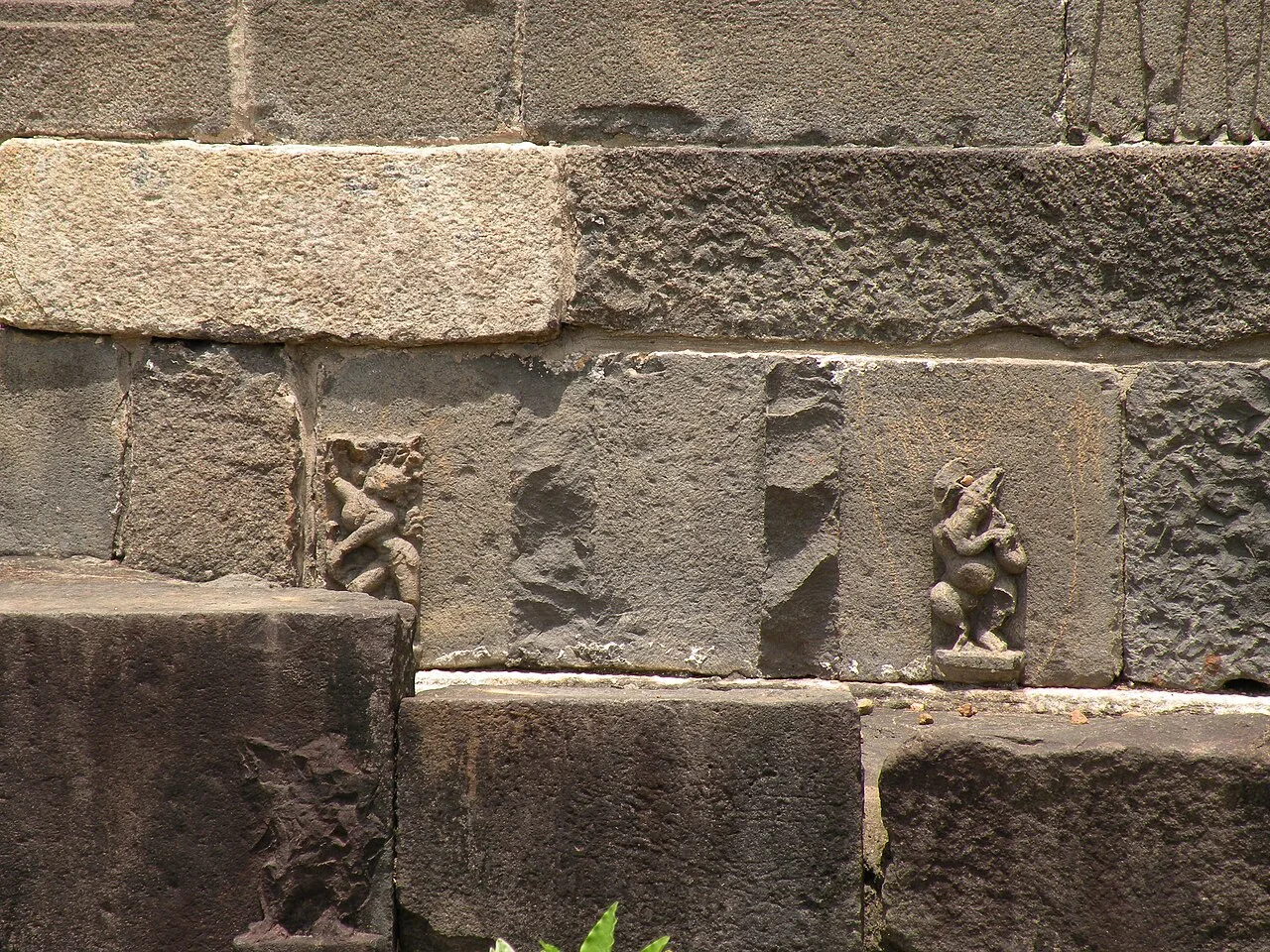
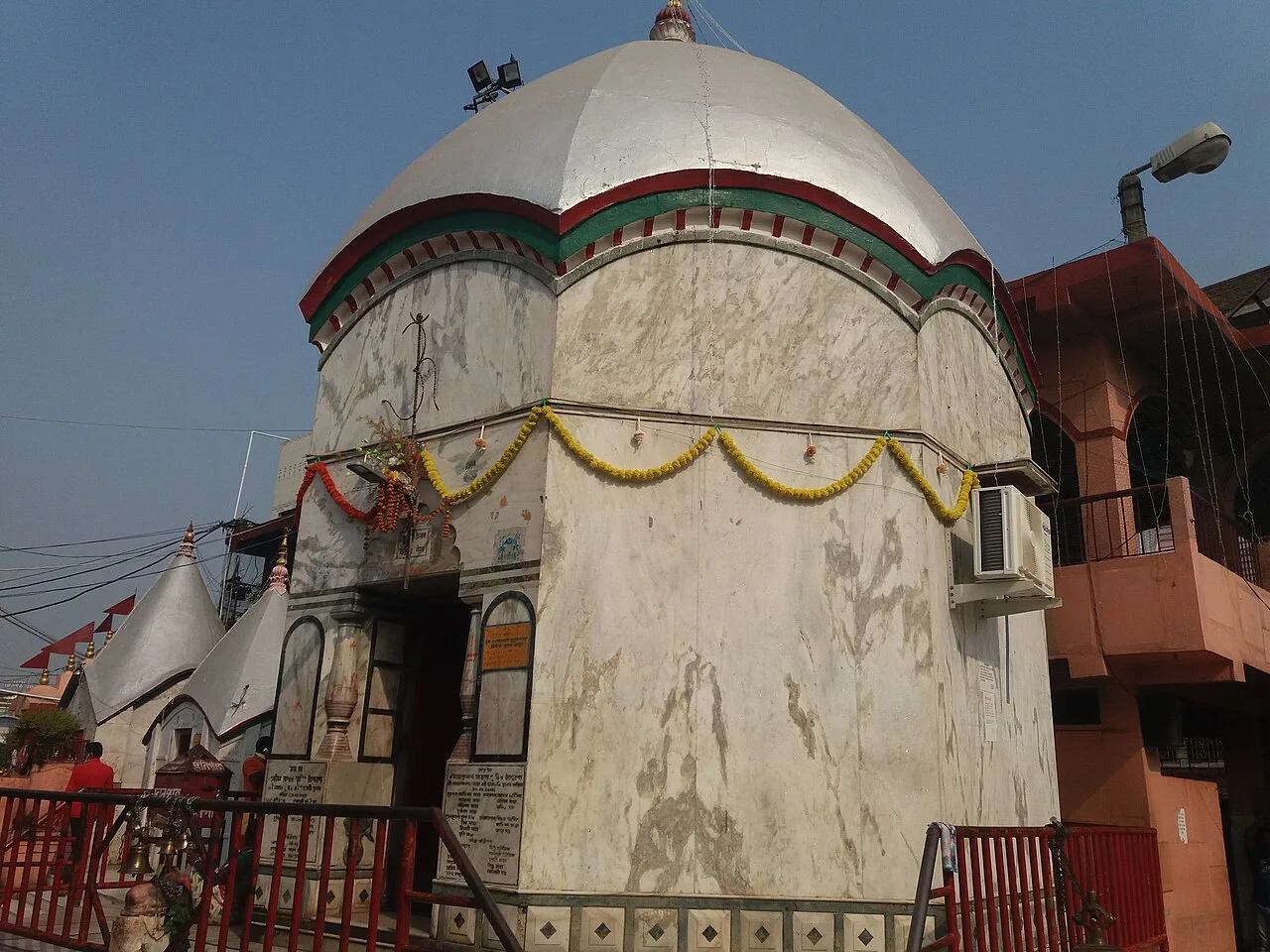
Tarapith

21 km away · Birbhum district

Tarapith

Tarapith is a town in West Bengal’s Birbhum district and a Hindu pilgrimage destination. Visitors come to worship the goddess Tara at its Tantric temple and visit nearby religious sites.

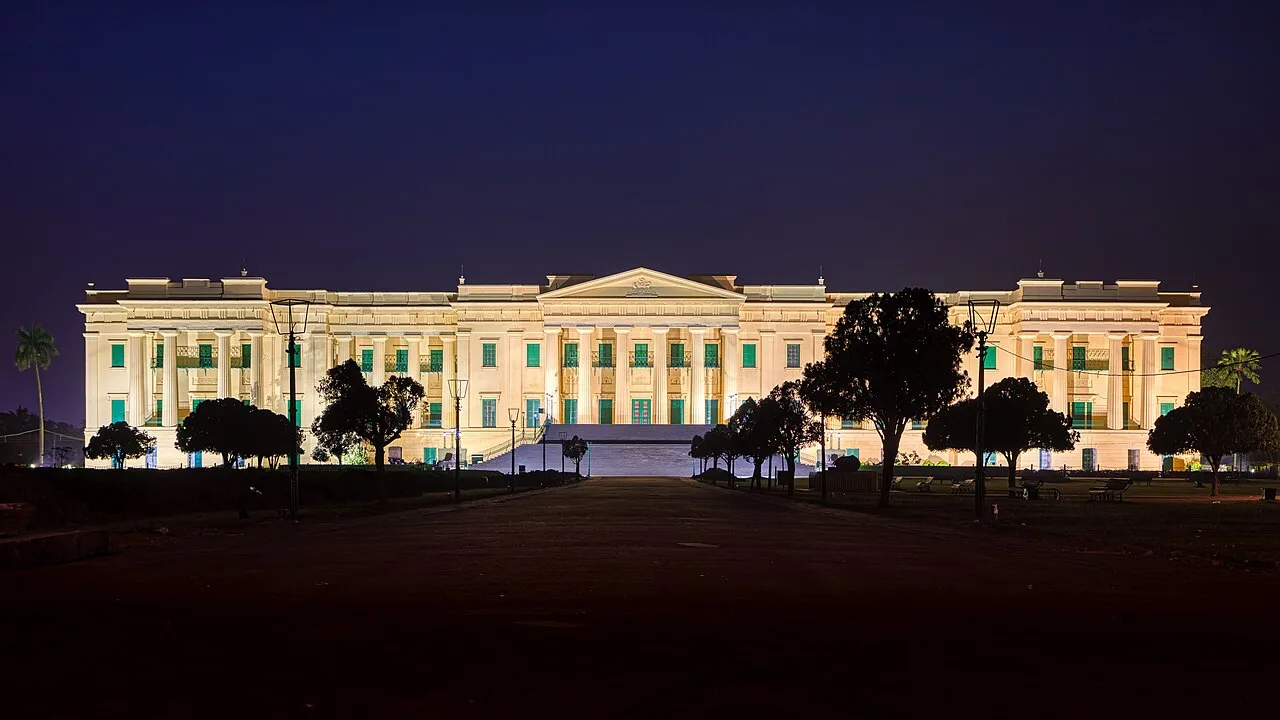
Hazarduari Palace

46 km away · Murshidabad district

Hazarduari Palace

Hazarduari Palace is a former royal residence in Murshidabad, now a museum and national monument. Visitors come to see its nineteenth-century architecture and explore its cultural role.

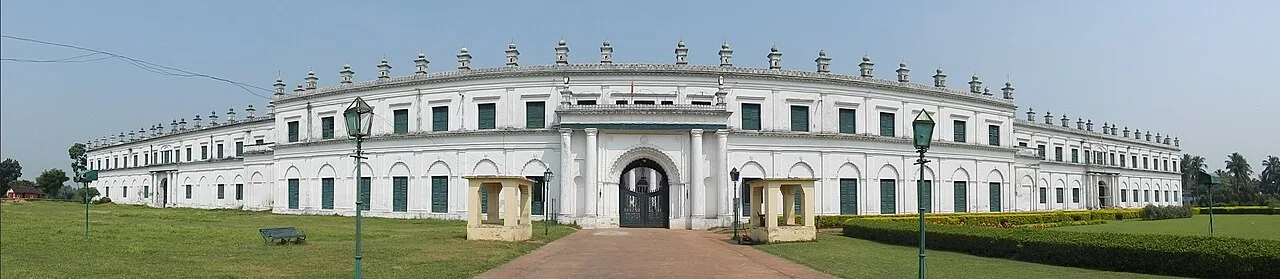
Nizamat Imambara

46 km away · Murshidabad district

Nizamat Imambara

Nizamat Imambara is a Shi’ite congregation hall in Murshidabad, noted for its history and scale; visitors come to see a historic site recognised for national importance.

Katra Masjid

48 km away · Murshidabad district

Katra Masjid

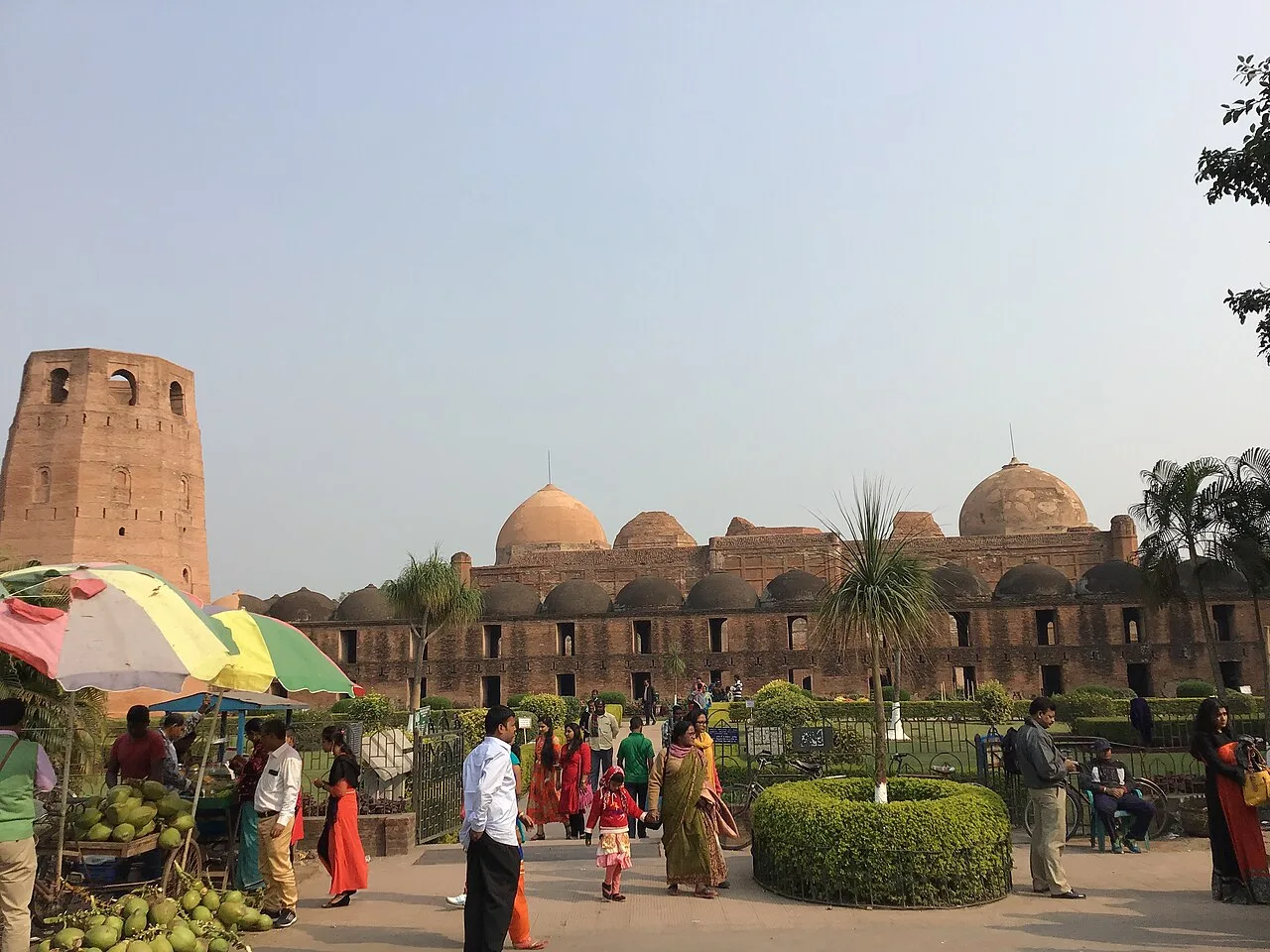
Katra Masjid is a partly ruined complex in Murshidabad, West Bengal, combining a former Shia caravanserai, mosque and tomb. Visitors come to see its historic architecture and the burial place of its founder.

Bakreshwar

65 km away · Birbhum district

Bakreshwar

Bakreshwar is a village in Birbhum district, West Bengal. Visitors may be interested in the nearby Bakreshwar thermal power facilities, and Dubrajpur is the closest rail connection.

Gaur (Gauda) Ruins

70 km away · Malda district

Gaur (Gauda) Ruins

Gauda’s remains in Malda preserve traces of a former Bengal capital. Visitors explore its Sultanate-era buildings and the story of a city shaped by changing rulers and rivers.

Santiniketan

70 km away · Birbhum district

Santiniketan

Santiniketan is a neighbourhood of Bolpur in West Bengal, associated with the Tagore family and Visva-Bharati. Visitors come to explore its heritage and its status as a UNESCO World Heritage site.

Adina Mosque

101 km away · Malda district

Adina Mosque

Adina Mosque is a Sultanate-era imperial mosque in Pandua, West Bengal. Visitors come to explore its monumental architecture and learn about the ambitions of the Bengal Sultanate.

Map

Nalhati on the map

  1. 1Tarapith
  2. 2Hazarduari Palace
  3. 3Nizamat Imambara
  4. 4Katra Masjid
  5. 5Bakreshwar
  6. 6Gaur (Gauda) Ruins
  7. 7Santiniketan
  8. 8Adina Mosque

West Bengal

Other cities to explore