Ghumoopedia — Explore, Discover, Experience
Sign in
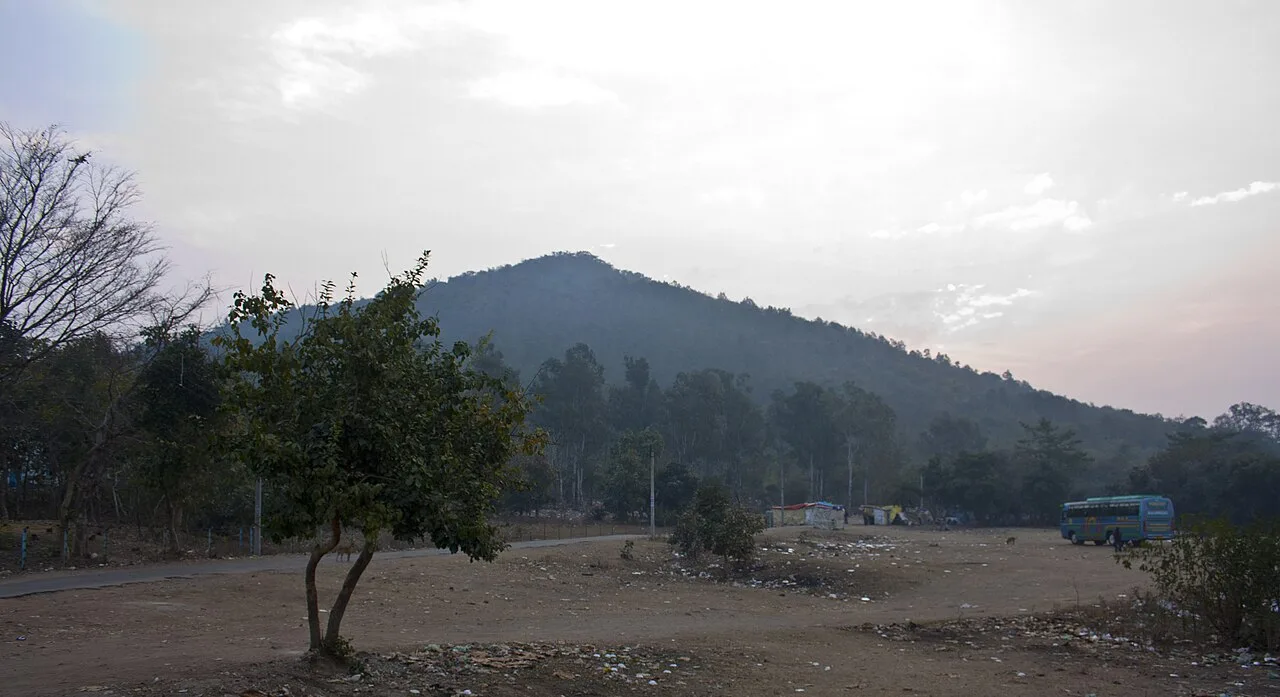
Susunia Hill, near Durgapur

City guide · West Bengal

Durgapur

Durgapur is one of West Bengal’s principal industrial centres, in Paschim Bardhaman district on the Damodar River. Its steelworks and engineering industries have shaped the city’s economy and its identity as a manufacturing hub.

Famous for

  • Durgapur Steel Plant
  • Steel and alloy production
  • Rail-wheel manufacturing
  • Damodar River barrage
  • Planned industrial township

Why Durgapur matters

Durgapur is one of West Bengal’s principal industrial centres, in Paschim Bardhaman district on the Damodar River. Its steelworks and engineering industries have shaped the city’s economy and its identity as a manufacturing hub. The city also has a growing services and IT sector, alongside technical and research institutions that support the wider region.

Durgapur’s planned townscape, developed in the 1950s, contrasts with the older settlements and forested landscapes around it. Visitors come for the Damodar riverfront and Durgapur Barrage, local temples, parks and busy shopping areas, as well as for work or study. The city is also associated with rail-wheel production and an operational dry dock, giving it an unusual mix of heavy industry and river infrastructure. Durgapur is not primarily a heritage or resort destination, but it offers a useful base for exploring the industrial belt and nearby places in western Bengal. Its importance lies in this blend of industry, education, regional services and access to the Damodar valley.
Famous for: crafts, trade & products

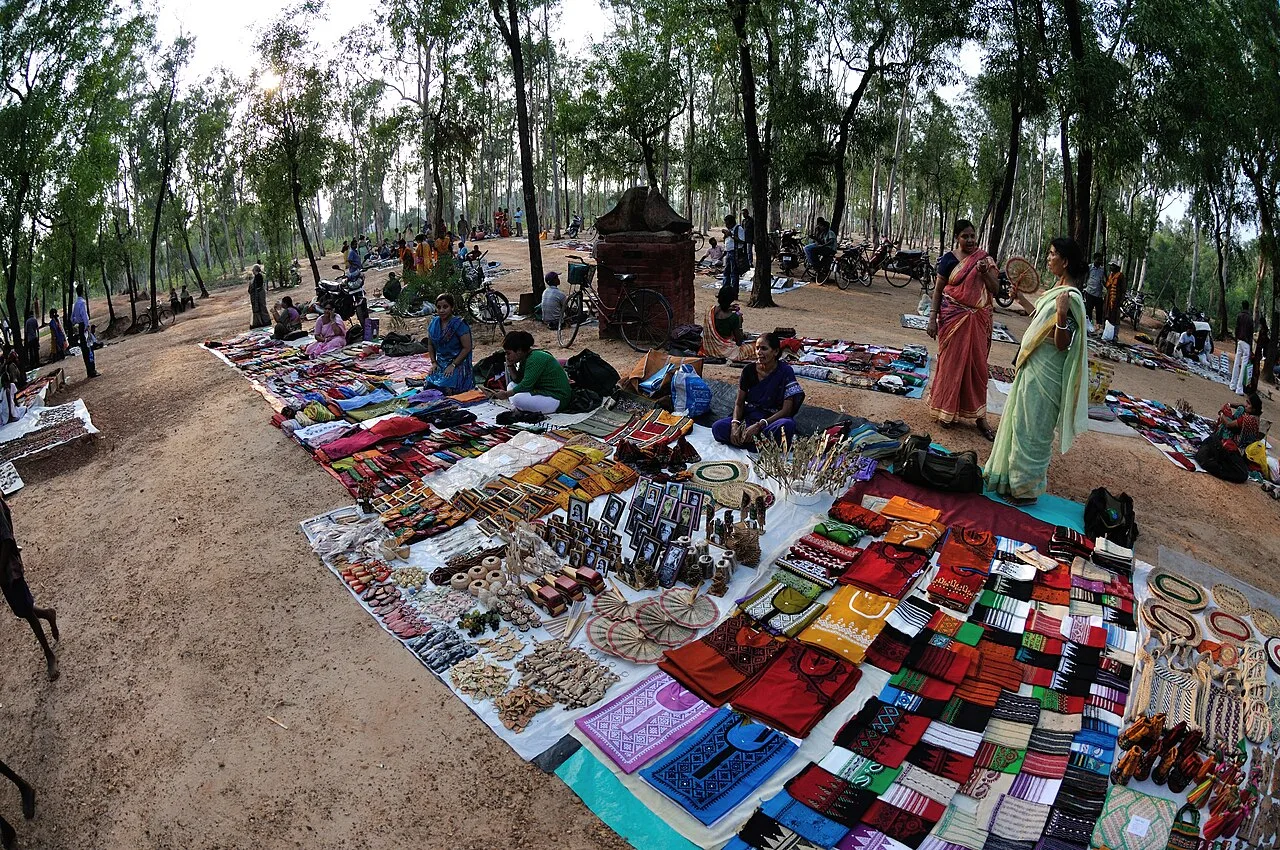
Durgapur is best known for steel and engineering rather than for a signature textile, saree or handicraft tradition. The Durgapur Steel Plant and Alloy Steels Plant are major parts of its industrial identity, while rail-wheel manufacturing and other engineering work contribute to the region’s manufacturing base. The wider industrial area also has power, chemical and engineering businesses. These products are made for industrial and transport use, not generally sold as visitor souvenirs. Durgapur is not especially associated with a GI-tagged craft or food product.

For everyday shopping, Benachity is a long-established market area with clothing, household goods, food and small shops. City Centre has a more modern mix of retail, restaurants and services. Both offer a sense of local commercial life, though neither is a specialist craft market. The city’s institutional profile includes the National Institute of Technology Durgapur and the CSIR-Central Mechanical Engineering Research Institute, which are important to technical education and research. Durgapur’s dry-dock facilities and industrial infrastructure further distinguish it as a manufacturing and logistics centre.

History

The wider Damodar–Ajay region has a long human history. Archaeological finds at Birbhanpur include prehistoric stone tools, while the surrounding area was once heavily forested. Local traditions connect some old structures near present-day Durgapur with figures such as Icchai Ghosh, though such stories are not always easy to verify. The region came under successive powers, including the Mauryas, Guptas, Mughals and the Bardhaman Raj. The Grand Trunk Road also passed through this part of Bengal.

A railway link between Bardhaman and Andal was built in 1855, and the name Durgapur was recorded as a station name. The modern city took shape after independence as a planned industrial centre. In 1955, its plan was associated with West Bengal chief minister Bidhan Chandra Roy and architects Joseph Allen Stein and Benjamin Polk. The steel plant and related industries then drove rapid growth, drawing workers and families from across the region and creating the city’s distinctive townships.

Food, festivals & culture

Bengali is the principal language of daily life, alongside Hindi and other languages spoken by residents who came to Durgapur for work and study. Everyday meals commonly include rice, fish, lentils and vegetable dishes. Sweets such as sandesh and mishti doi are widely enjoyed, as are familiar Bengali snacks and tea-stall foods; Durgapur is not known for one uniquely local dish.

Durga Puja, usually in autumn, is the city’s largest public festival, with neighbourhood pandals, cultural programmes and community gatherings. Kali Puja and Diwali follow, while Saraswati Puja is widely observed in winter and Eid is celebrated by Muslim communities. Rabindra Sangeet, contemporary Bengali music and Hindi film music are part of the city’s cultural life; folk traditions such as Jhumur are heard across the surrounding region. Places of worship include neighbourhood temples, mosques and churches. The older Kali and Shiva temples in Sagarbhanga offer a glimpse of local religious history, while seasonal puja pandals bring communities together across the city.

Visiting the city

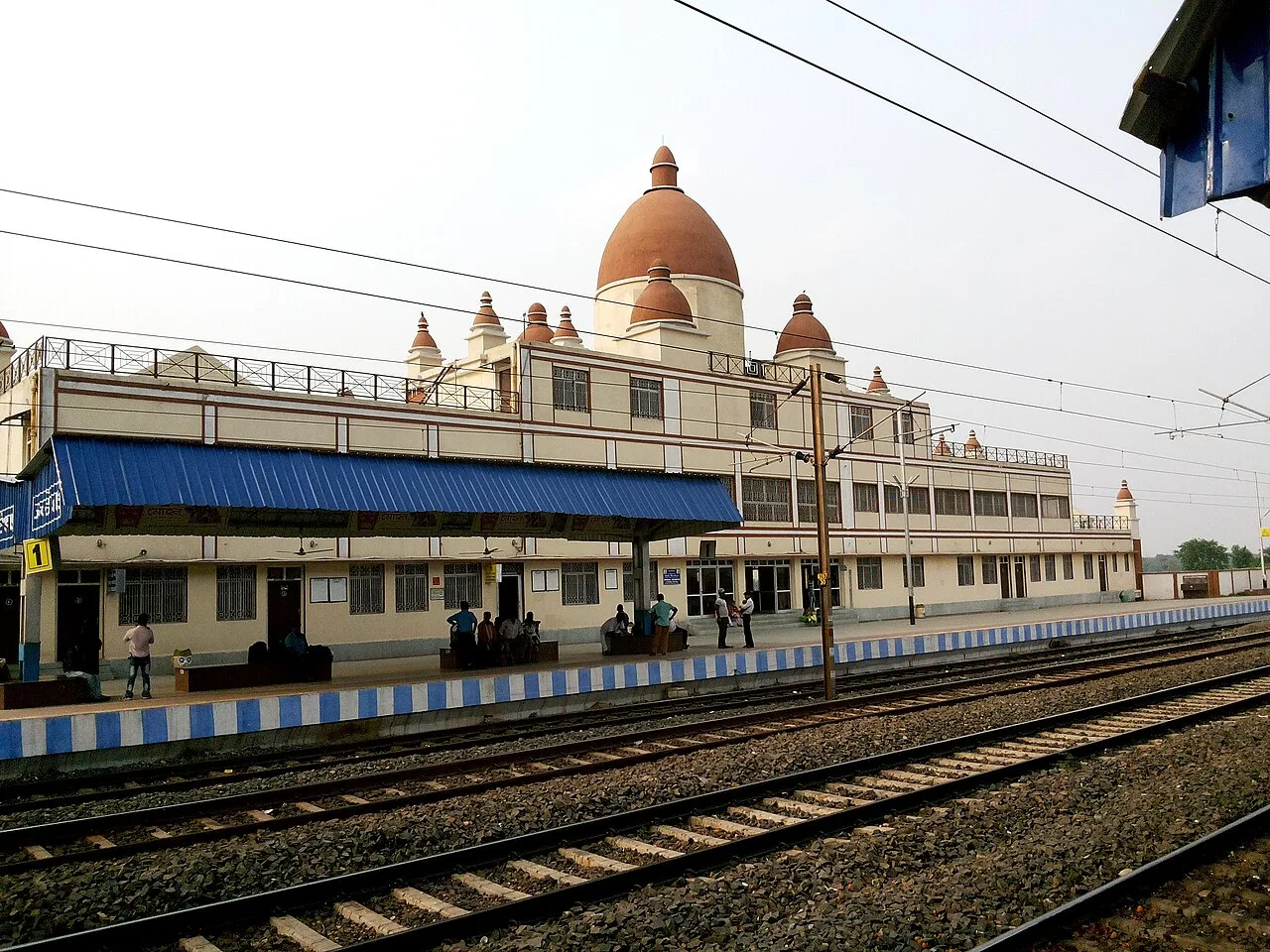
October to March is generally the most comfortable season to visit, with milder weather than the very hot pre-monsoon months. The nearest airport is Kazi Nazrul Islam Airport at Andal; Kolkata’s Netaji Subhas Chandra Bose International Airport is a farther alternative. Durgapur railway station is the main rail gateway.

Within the city, visitors can use local buses, auto-rickshaws and taxis, with app-based cabs available in many areas. City Centre is convenient for shopping, restaurants and services, while Benachity offers a busier traditional market atmosphere. The Steel Township and Bidhannagar show different sides of Durgapur’s planned urban form. For a change of pace, visit the Damodar riverfront and Durgapur Barrage, or explore Sagarbhanga’s older temples. Check local access conditions before visiting industrial sites, which may not be open to general visitors.

Trips from the city

Nearest places to visit from Durgapur

Our closest destination guides, by straight-line distance.

36 km away · Bankura district

Bikna Dokra Village

Bikna Dokra Village is a settlement in Bankura district, West Bengal. It may interest visitors seeking to understand the village’s place within the district’s administrative structure.

Susunia Hill

36 km away · Bankura district

Susunia Hill

Susunia Hill is a hill in Bankura district, West Bengal, within the Eastern Ghats. Visitors come to see its landscape and regional setting.

Bakreshwar

41 km away · Birbhum district

Bakreshwar

Bakreshwar is a village in Birbhum district, West Bengal. Visitors may be interested in the nearby Bakreshwar thermal power facilities, and Dubrajpur is the closest rail connection.

Santiniketan

42 km away · Birbhum district

Santiniketan

Santiniketan is a neighbourhood of Bolpur in West Bengal, associated with the Tagore family and Visva-Bharati. Visitors come to explore its heritage and its status as a UNESCO World Heritage site.

Bishnupur

49 km away · Bankura district

Bishnupur

Bishnupur is a city and municipality in West Bengal’s Bankura district, known for temples built under the Malla rulers and for Baluchari sarees.

Garh Panchkot

56 km away · Purulia district

Garh Panchkot

Garh Panchkot is the remains of a fort in Purulia district, West Bengal. Visitors come to view the ruins at the foot of Panchet Hill and learn the meaning of its name.

Panchmura

63 km away · Bankura district

Panchmura

Panchmura is a gram panchayat in Bankura district, West Bengal, known for its terracotta Bankura horse, a folk artefact regarded as India’s national symbol for handicrafts.

Joychandi Pahar

65 km away · Purulia district

Joychandi Pahar

Joychandi Pahar is a hill in Purulia district, West Bengal. Visitors come for its rock-climbing opportunities and to see the area's varied plant life and recorded butterfly species.

Map

Durgapur on the map

  1. 1Bikna Dokra Village
  2. 2Susunia Hill
  3. 3Bakreshwar
  4. 4Santiniketan
  5. 5Bishnupur
  6. 6Garh Panchkot
  7. 7Panchmura
  8. 8Joychandi Pahar

West Bengal

Other cities to explore