Ghumoopedia — Explore, Discover, Experience
Sign in
Adina Mosque, near Gangarampur

City guide · West Bengal

Gangarampur

Gangarampur is a municipal town in Dakshin Dinajpur, in northern West Bengal. Set along the Punarbhaba River and connected by National Highway 512, it serves as a local centre for the surrounding settlements, farms and markets.

Famous for

  • Bangarh archaeological remains
  • Punarbhaba River
  • Tulaipanji rice
  • National Highway 512

Why Gangarampur matters

Gangarampur is a municipal town in Dakshin Dinajpur, in northern West Bengal. Set along the Punarbhaba River and connected by National Highway 512, it serves as a local centre for the surrounding settlements, farms and markets. Its riverside setting gives the town a distinctive geography, while its position in the district makes it a practical base for exploring this quieter part of Bengal.

The best-known nearby attraction is Bangarh, an archaeological site associated with the region’s long history and often linked with the ancient city of Kotivarsha. The remains offer a change of pace from the town’s everyday markets and riverfront. Gangarampur is also part of a rice-growing district; Tulaipanji, an aromatic rice with a regional reputation, is among the area’s notable agricultural products. Visitors come chiefly for local history, rural landscapes and a glimpse of life beyond the state’s larger tourist centres. The town is not primarily a resort destination, but its heritage and regional character make it a worthwhile stop on a Dakshin Dinajpur journey.
Famous for: crafts, trade & products

Gangarampur is better known for its agricultural surroundings and archaeological heritage than for a signature textile or handicraft. The wider Dinajpur region grows Tulaipanji, an aromatic rice recognised with a Geographical Indication. It is a local food product rather than a craft made in town; visitors can ask for it at grocery shops and produce sellers, though availability and origin may vary. Rice, vegetables and other everyday farm produce feature in local trade.

For ordinary shopping, the town’s central market areas are the most useful places to browse for groceries, household goods and seasonal produce. They serve residents more than souvenir-seekers, and there is no widely established specialist craft district or dedicated tourist market to seek out. Bangarh, near Gangarampur, is the area’s most distinctive cultural draw: visitors go there to see archaeological remains rather than to shop. Travellers looking for handloom, a particular artisan product or a certified local specialty should check its provenance with sellers instead of assuming it is made in Gangarampur. The town’s importance in trade is chiefly regional, linking nearby rural communities with everyday services and markets.

History

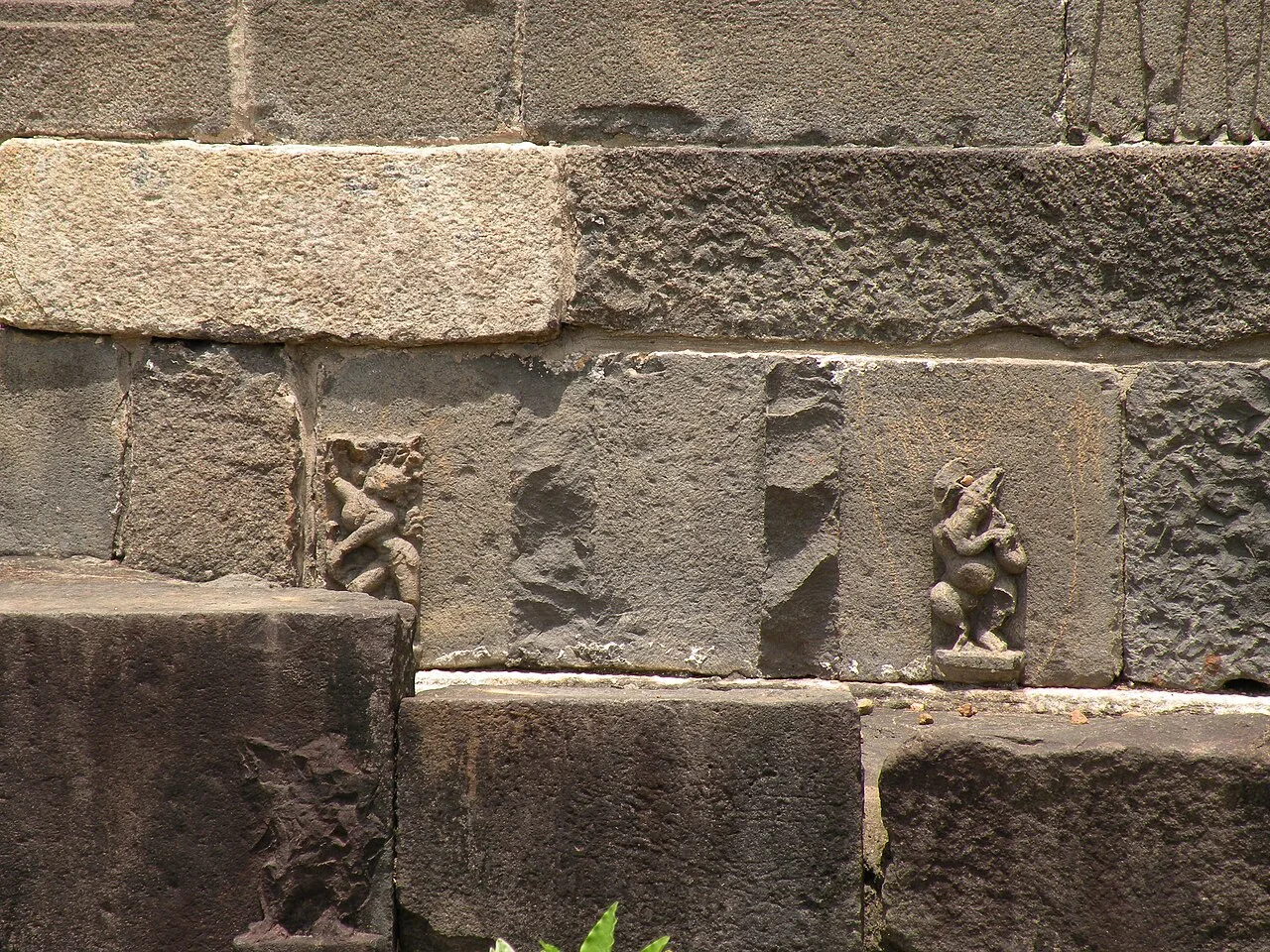
Gangarampur’s surroundings have a deep historical past, represented most visibly by Bangarh, an archaeological site associated with ancient Kotivarsha. The settlement’s importance continued into the medieval period: the area is remembered as one of the capitals of Muhammad Bakhtiyar Khalji. The remains at Bangarh point to successive phases of habitation, although visitors should treat the site as an archaeological landscape rather than a single-period monument.

Under British rule, the wider Dinajpur region formed part of Bengal’s changing administrative landscape. After independence, the district was known as West Dinajpur; in 1992 it was divided into Uttar Dinajpur and Dakshin Dinajpur. Gangarampur developed as a municipal and market town within the southern district, with the Punarbhaba and road connections shaping its local role. National Highway 512 and rail links have strengthened its ties to nearby settlements. Today, its historic importance sits alongside the practical functions of a regional service centre, while Balurghat serves as the district headquarters.

Food, festivals & culture

Everyday food in Gangarampur follows Bengali tastes: rice with fish, lentils, vegetables and seasonal dishes. Tulaipanji rice from the wider Dinajpur region is a local speciality to look for in shops or on menus when available. Tea stalls and sweet shops offer familiar Bengali snacks and sweets; winter is a good time to find seasonal pitha. Recipes and availability vary between households and businesses, so there is no single dish that defines the town.

Bengali is widely used, alongside Hindi and local regional speech. Durga Puja in autumn brings decorated neighbourhood pandals and community gatherings; Kali Puja follows later in the season. Saraswati Puja is observed in winter, while Eid is an important occasion for Muslim residents. Religious life is visible in local temples and mosques, which serve their communities rather than functioning chiefly as tourist sights. Music and dance are part of seasonal celebrations and social events, but Gangarampur is not especially known for a single nationally recognised performance tradition. The nearby Bangarh site offers a historical counterpoint to the town’s contemporary religious and market life.

Visiting the city

The cooler, drier months from roughly November to February are generally the most comfortable for visiting. Summer can be very hot, while monsoon rains—especially in July and August—may affect outdoor plans. For scheduled commercial flights, Bagdogra is the nearest practical major airport; onward road travel is needed. Gangarampur railway station is the main station for the town, and National Highway 512 provides road access to nearby district centres.

Auto-rickshaws and local vehicles are useful for getting around; arrange transport to Bangarh separately if needed. Explore the central market streets for everyday town life, then visit the Punarbhaba riverbank and Bangarh for scenery and heritage. Check local conditions before setting out to archaeological remains, as visitor facilities may be limited. Gangarampur works well as a stop on a wider Dakshin Dinajpur trip rather than as a destination with a large tourist precinct.

Trips from the city

Nearest places to visit from Gangarampur

Our closest destination guides, by straight-line distance.

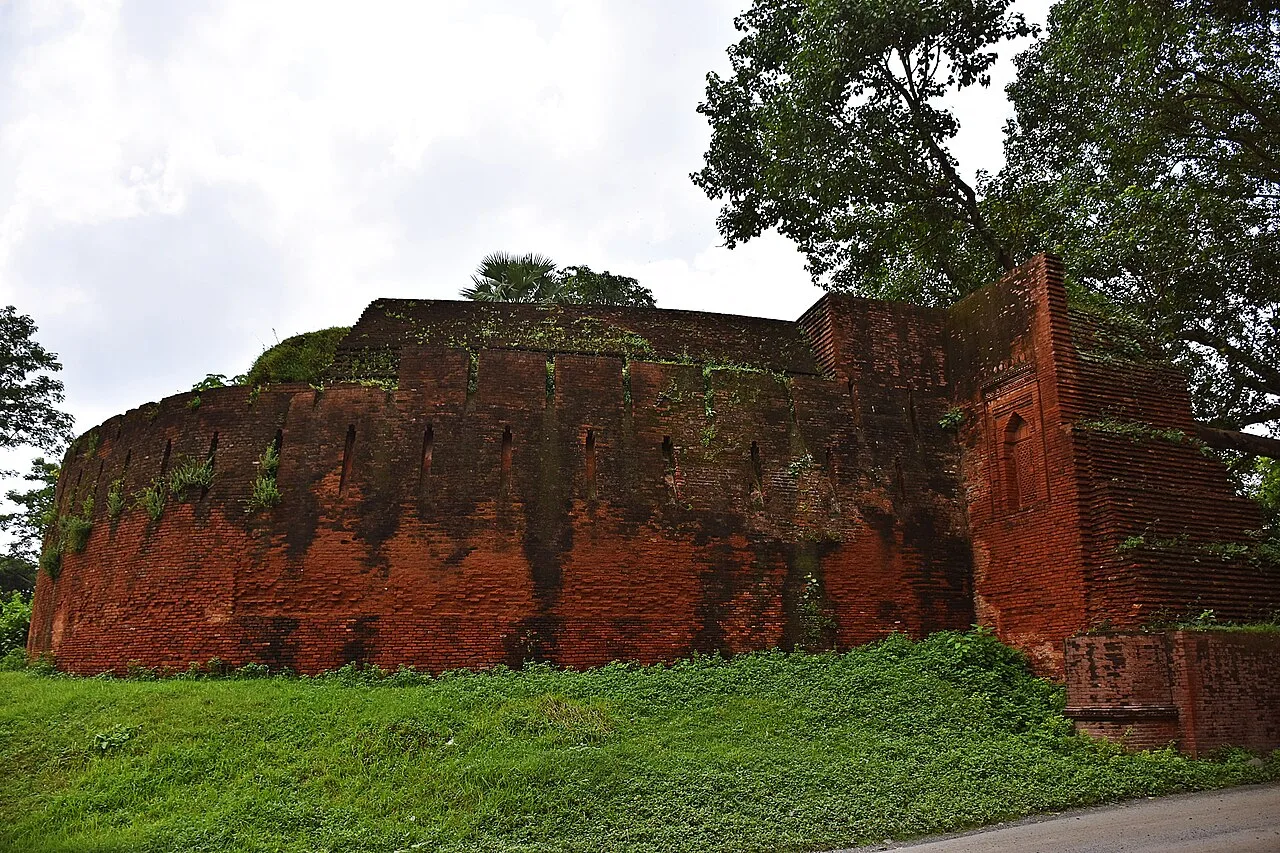
Adina Mosque

46 km away · Malda district

Adina Mosque

Adina Mosque is a Sultanate-era imperial mosque in Pandua, West Bengal. Visitors come to explore its monumental architecture and learn about the ambitions of the Bengal Sultanate.

Gaur (Gauda) Ruins

72 km away · Malda district

Gaur (Gauda) Ruins

Gauda’s remains in Malda preserve traces of a former Bengal capital. Visitors explore its Sultanate-era buildings and the story of a city shaped by changing rulers and rivers.

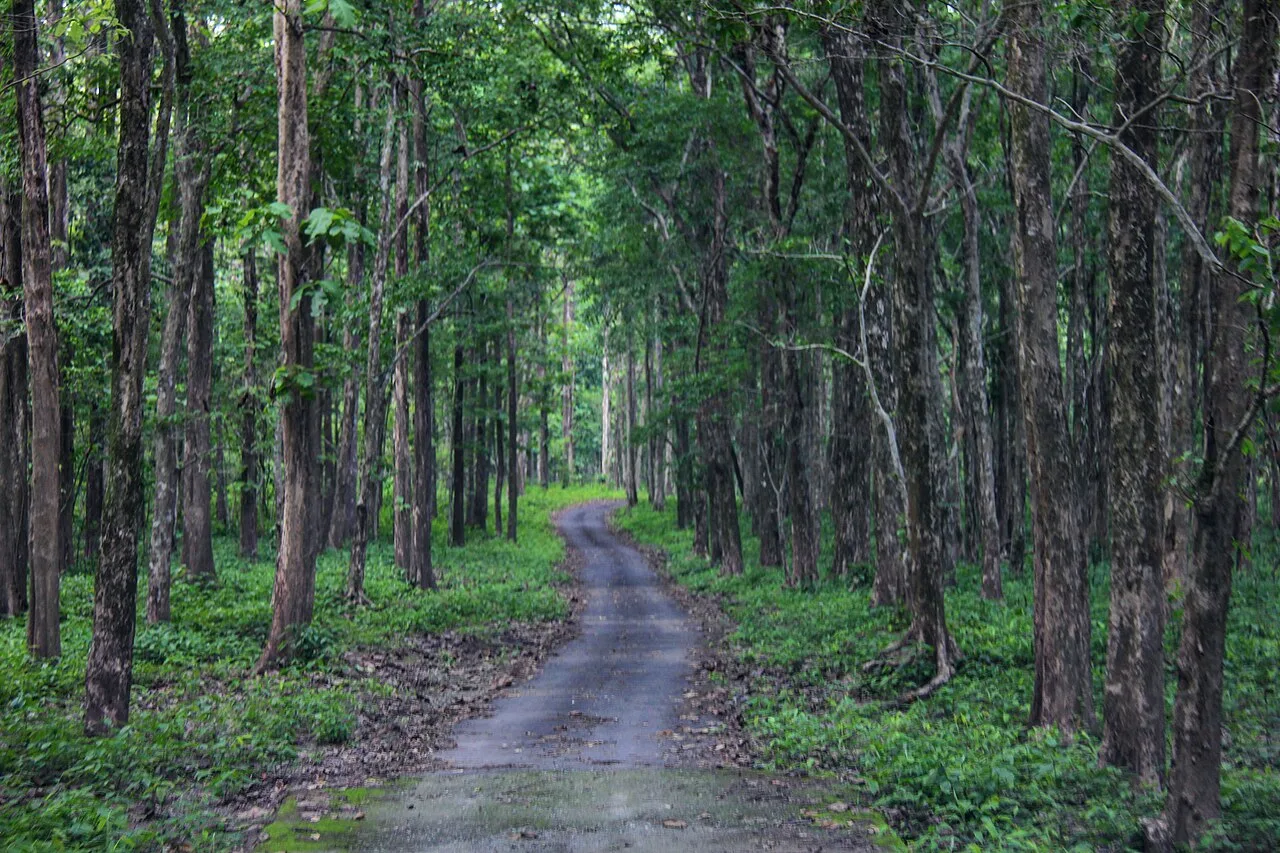
Mahananda Wildlife Sanctuary

123 km away · Darjeeling district

Mahananda Wildlife Sanctuary

Mahananda Wildlife Sanctuary is a protected reserve in West Bengal’s Darjeeling district, among the Himalayan foothills, with the Teesta on one side and the Mahananda on the other. Visitors come for its forest and wildlife.

Cooch Behar Palace

137 km away · Cooch Behar district

Cooch Behar Palace

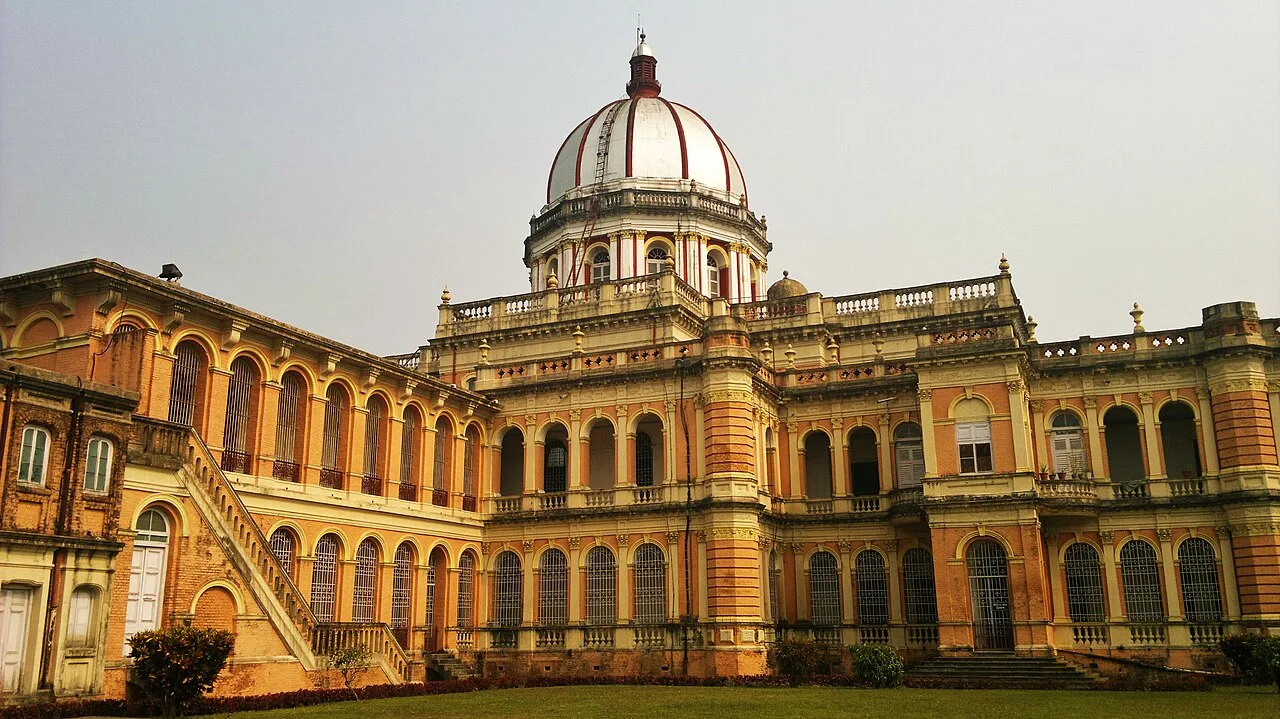
Cooch Behar Palace is a notable city landmark, valued for its Italian Renaissance design and its present role as a museum.

Katra Masjid

137 km away · Murshidabad district

Katra Masjid

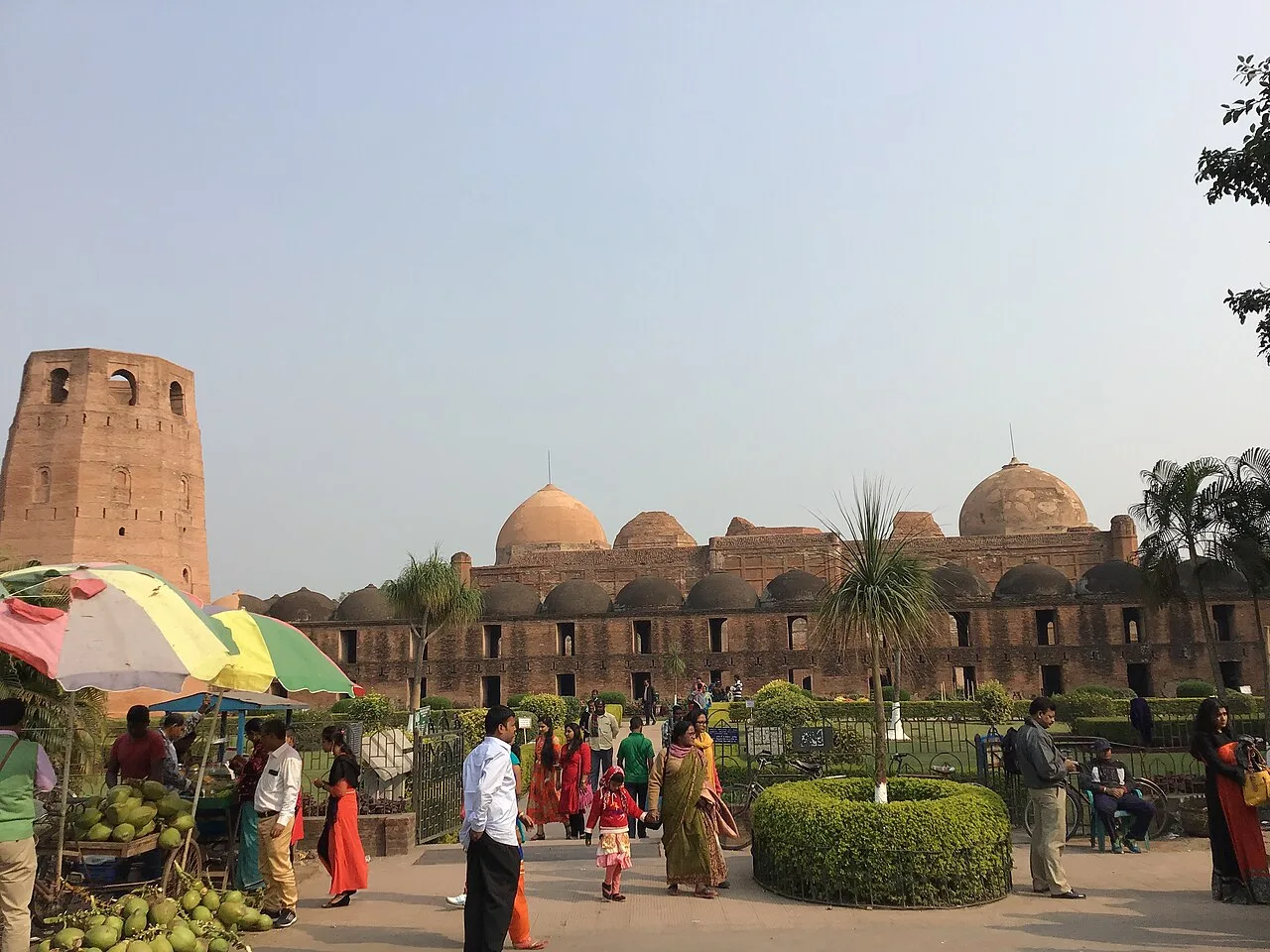
Katra Masjid is a partly ruined complex in Murshidabad, West Bengal, combining a former Shia caravanserai, mosque and tomb. Visitors come to see its historic architecture and the burial place of its founder.

Nizamat Imambara

137 km away · Murshidabad district

Nizamat Imambara

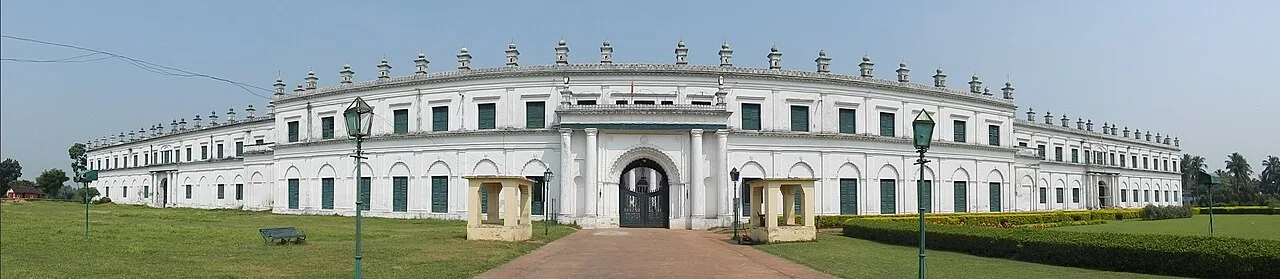
Nizamat Imambara is a Shi’ite congregation hall in Murshidabad, noted for its history and scale; visitors come to see a historic site recognised for national importance.

Hazarduari Palace

138 km away · Murshidabad district

Hazarduari Palace

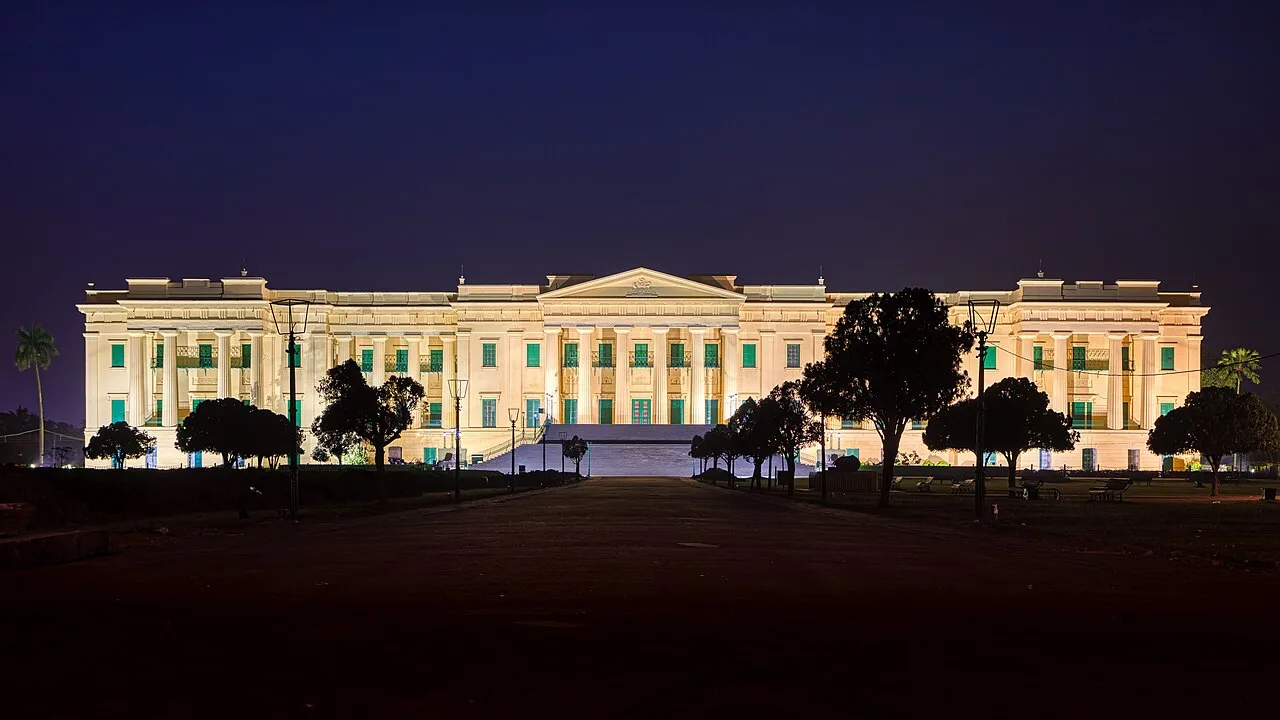
Hazarduari Palace is a former royal residence in Murshidabad, now a museum and national monument. Visitors come to see its nineteenth-century architecture and explore its cultural role.

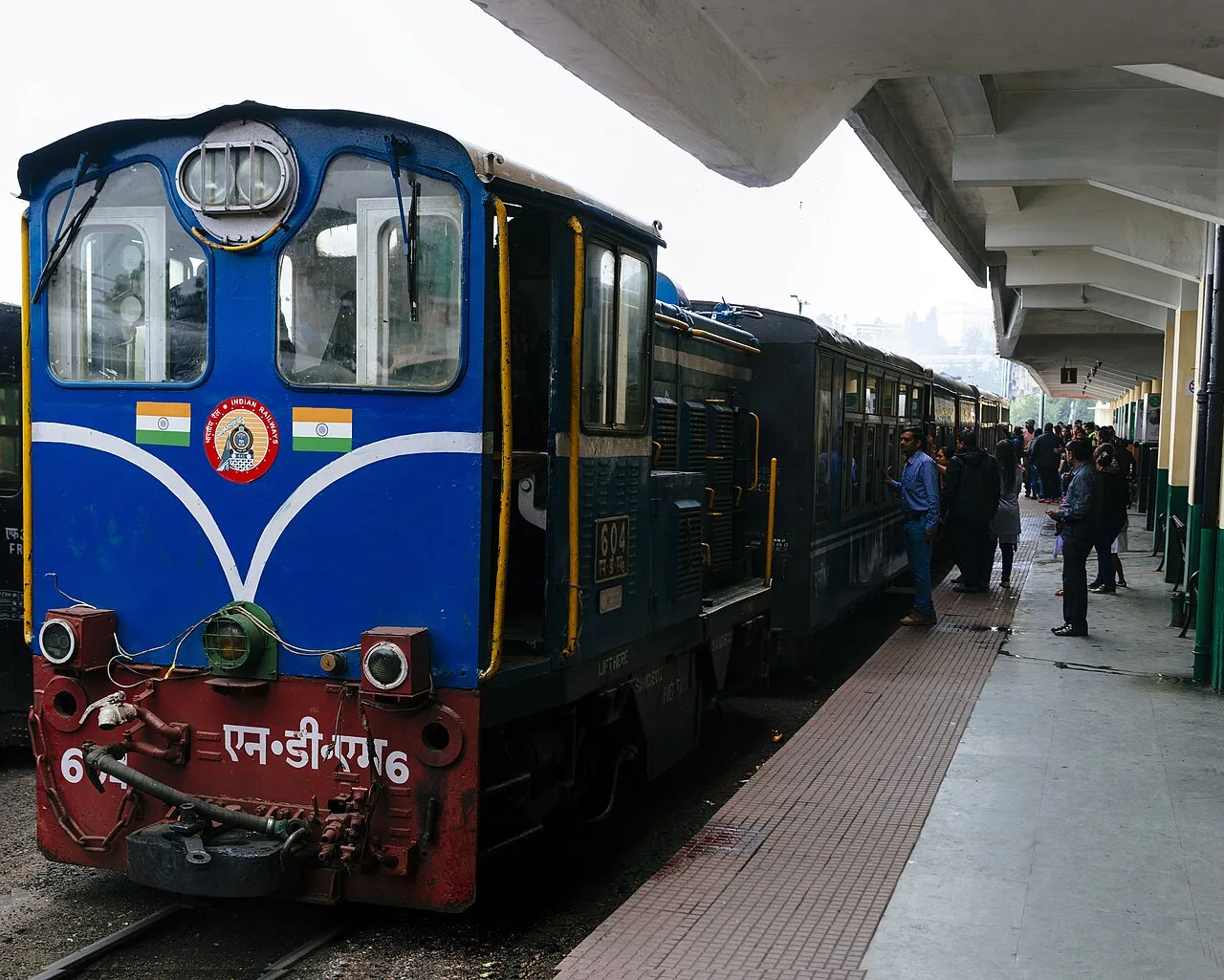
Darjeeling Himalayan Railway

143 km away · Darjeeling district

Darjeeling Himalayan Railway

This narrow-gauge railway runs through West Bengal between New Jalpaiguri and Darjeeling. Visitors travel its steep route on regular trains and on steam services to Ghum and Kurseong.

Map

Gangarampur on the map

  1. 1Adina Mosque
  2. 2Gaur (Gauda) Ruins
  3. 3Mahananda Wildlife Sanctuary
  4. 4Cooch Behar Palace
  5. 5Katra Masjid
  6. 6Nizamat Imambara
  7. 7Hazarduari Palace
  8. 8Darjeeling Himalayan Railway

West Bengal

Other cities to explore