Ghumoopedia — Explore, Discover, Experience
Sign in
Bandel Church, near Gobardanga

City guide · West Bengal

Gobardanga

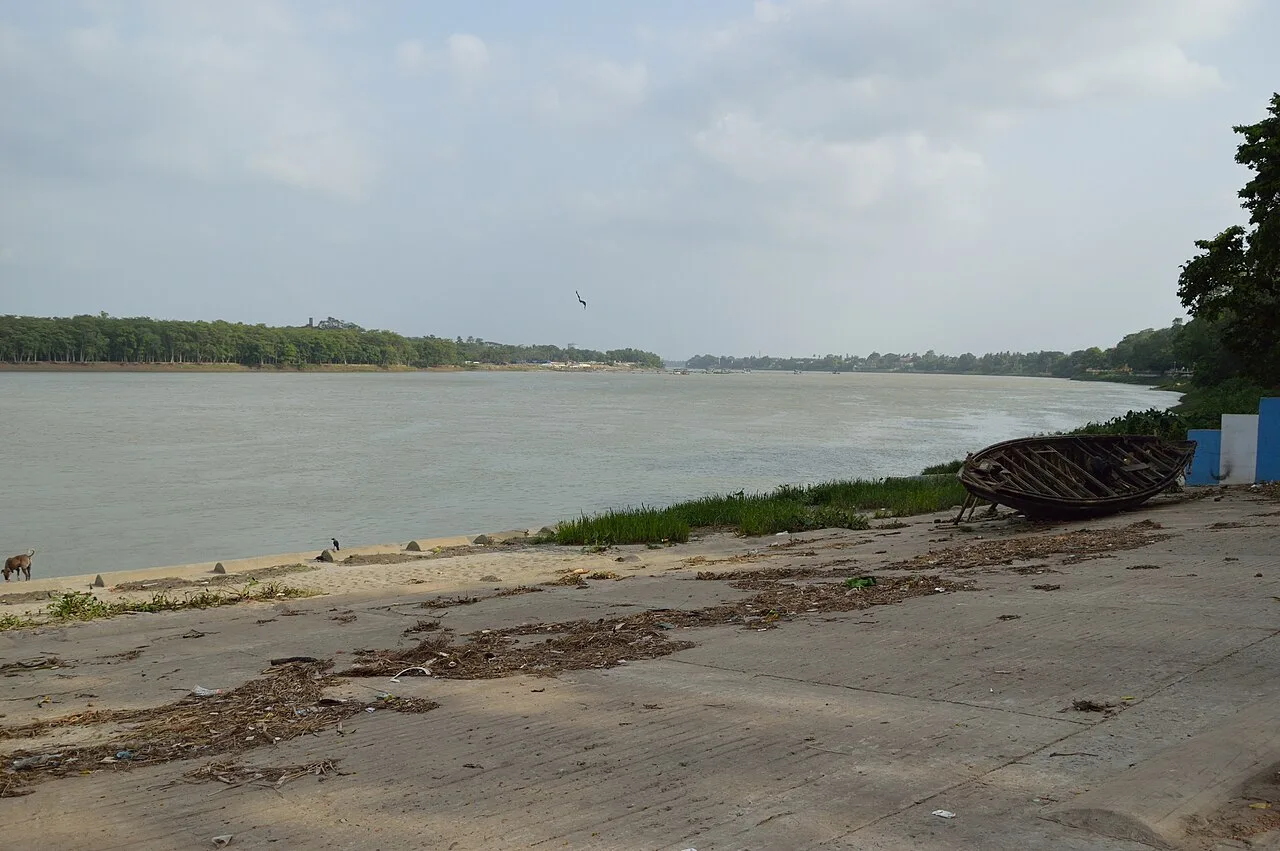
Gobardanga is a small municipal town in North 24 Parganas district, in the Barasat subdivision of West Bengal. Set beside the Jamuna River, it serves as a local centre for surrounding settlements, with rail and road links connecting it to Kolkata, Bongaon and other parts of the district.

Famous for

  • Prasannomoyee Kali Mandir
  • Twelve Shiva shrines
  • Kankona Baorh birdlife
  • Jamuna river setting
  • Historic municipality

Why Gobardanga matters

Gobardanga is a small municipal town in North 24 Parganas district, in the Barasat subdivision of West Bengal. Set beside the Jamuna River, it serves as a local centre for surrounding settlements, with rail and road links connecting it to Kolkata, Bongaon and other parts of the district. Its municipality, established in 1870, gives the town a long civic history.

Visitors are drawn chiefly to its places of worship and quiet, lowland surroundings. The south-facing Prasannomoyee Kali Mandir is a notable local landmark, accompanied by twelve Shiva shrines arranged in two rows. Nearby, Kankona Baorh, a curved water body at Media, attracts wintering birds and offers a change of pace from the town centre. Gobardanga is not a major resort destination, but it makes a rewarding short visit for travellers interested in regional religious heritage, riverine landscapes and everyday life in rural-urban Bengal. Its compact scale also makes it a convenient stop on a wider North 24 Parganas itinerary.
Famous for: crafts, trade & products

Gobardanga is better known for its religious heritage and local setting than for a distinctive craft, textile or manufactured product. There is no widely recognised signature saree, handicraft or GI-tagged product associated with the town. Its best-known landmark is Prasannomoyee Kali Mandir, whose group of twelve Shiva shrines is an unusual feature of the local temple complex. Kankona Baorh, in Media, is another point of interest, especially for visitors hoping to see migratory birds in winter.

Shopping is primarily for everyday needs rather than specialist souvenirs. Local shops and market areas serve residents from Gobardanga and nearby settlements with household goods, clothing, groceries and seasonal items; the station-side and central town areas are practical places to look. Travellers seeking recognised regional crafts or a wider range of West Bengal products may find more choice in larger nearby centres or Kolkata. The town’s enduring local identity rests on its temples, civic history and connections to surrounding communities, rather than on a prominent trade or export industry.

History

Gobardanga’s civic history reaches back to the nineteenth century: its municipality was established in 1870, during the period of British rule in Bengal. Before that, the area was associated with local Brahmin zamindar families of the Bharadwaj gotra. Descendants are said to have maintained ancestral customs, including Durga Puja observances, linking family worship with the town’s continuing religious life.

A prominent landmark from this heritage is Prasannomoyee Kali Mandir, established by zamindar Kaliprasanna Mukhopadhyay. The temple faces south and is accompanied by twelve Shiva shrines. Local accounts connect the site with Rani Rashmoni, suggesting that a visit by river helped inspire the temple complex at Dakshineswar; this should be understood as a tradition rather than a firmly established historical fact. Gobardanga’s later development as a municipal and transport centre was supported by its position on the Sealdah–Bangaon railway branch and its road connections with nearby towns. It remains a small regional centre within North 24 Parganas.

Food, festivals & culture

Bengali is the main language of daily life in Gobardanga. The town’s food reflects familiar Bengali home cooking: rice, lentils, vegetables and fish are common, while sweets such as sandesh and rosogolla are widely enjoyed across the region. These are regional favourites rather than products unique to Gobardanga, and local shops are the easiest place to sample everyday snacks and sweets.

Durga Puja, usually celebrated in autumn, is an important time for community worship and gatherings. Kali Puja, generally held around the same season as Diwali, has particular resonance in a town with a prominent Kali temple. The ancestral Durga Puja tradition associated with local zamindar descendants adds another strand to these observances. Prasannomoyee Kali Mandir and its Shiva shrines are central places of worship and are visited by devotees from nearby areas. Bengali devotional music and seasonal cultural programmes form part of the wider festival atmosphere, though Gobardanga is not especially known for a distinct local dance or music style.

Visiting the city

The cooler, drier months from roughly November to February are comfortable for exploring, and winter is also the best season for birdlife at Kankona Baorh. The nearest major airport is Netaji Subhas Chandra Bose International Airport in Kolkata. Gobardanga railway station lies on the Sealdah–Bangaon branch line and is the town’s main rail gateway. Buses, auto-rickshaws and electric rickshaws are common ways to travel locally.

Allow time for Prasannomoyee Kali Mandir and its Shiva shrines, then visit the Media area for Kankona Baorh. The central town and station surroundings offer a glimpse of local shops and daily life. The Jamuna riverbanks provide a quieter setting, though visitors should check local conditions before venturing near the water.

Trips from the city

Nearest places to visit from Gobardanga

Our closest destination guides, by straight-line distance.

Bandel Church

37 km away · Hooghly district

Bandel Church

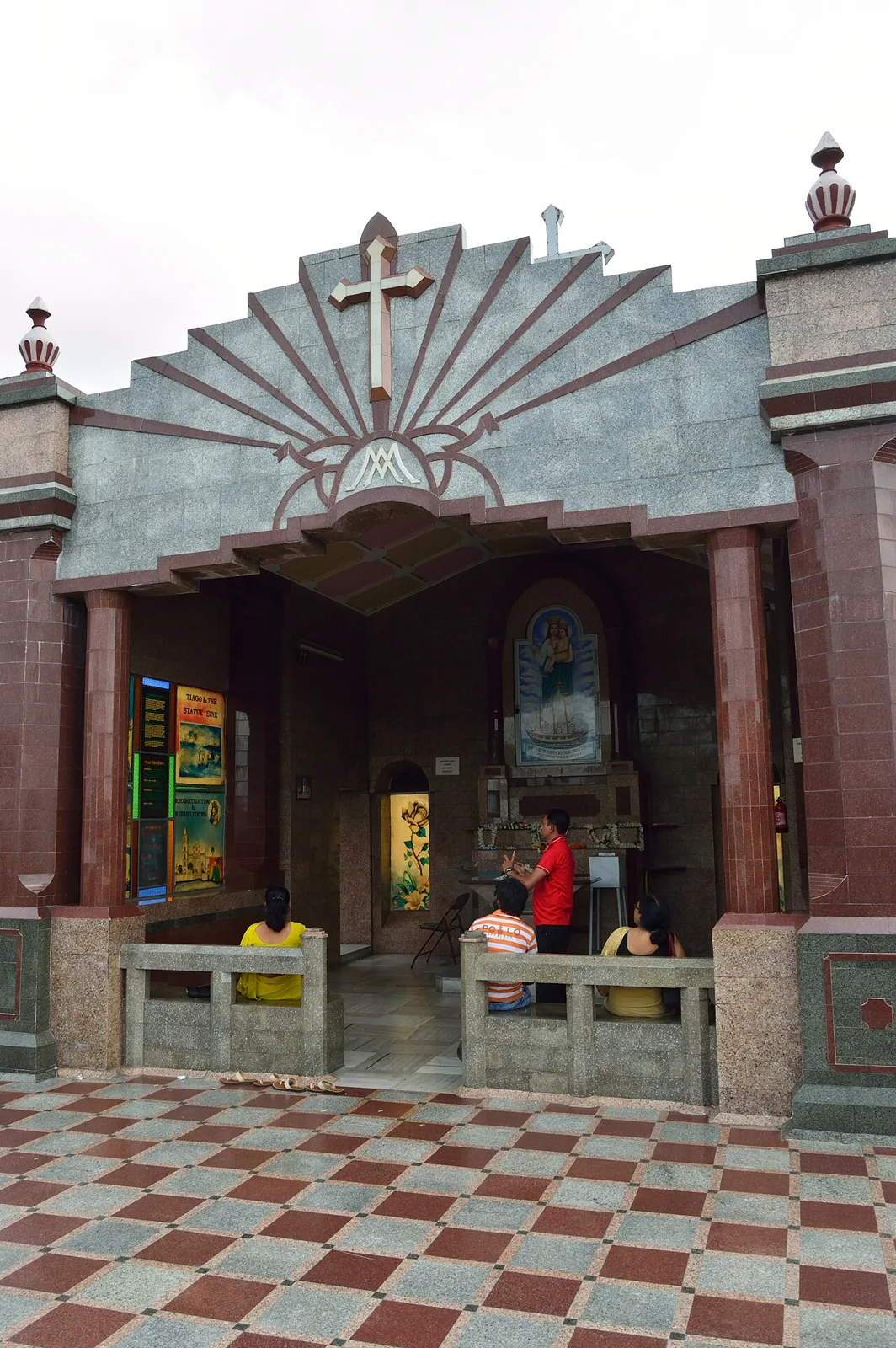
Located in Bandel, Hooghly district, the Basilica of the Holy Rosary is a historic Roman Catholic church associated with Bengal’s Portuguese settlement; visitors come for its religious and historical significance.

Chandannagar

38 km away · Hooghly district

Chandannagar

Chandannagar is a city in West Bengal’s Hooghly district, with a history as a French settlement. Visitors can see Indo-French influences in its colonial-era bungalows, many of which are now in poor condition.

Hangseshwari Temple

38 km away · Hooghly district

Hangseshwari Temple

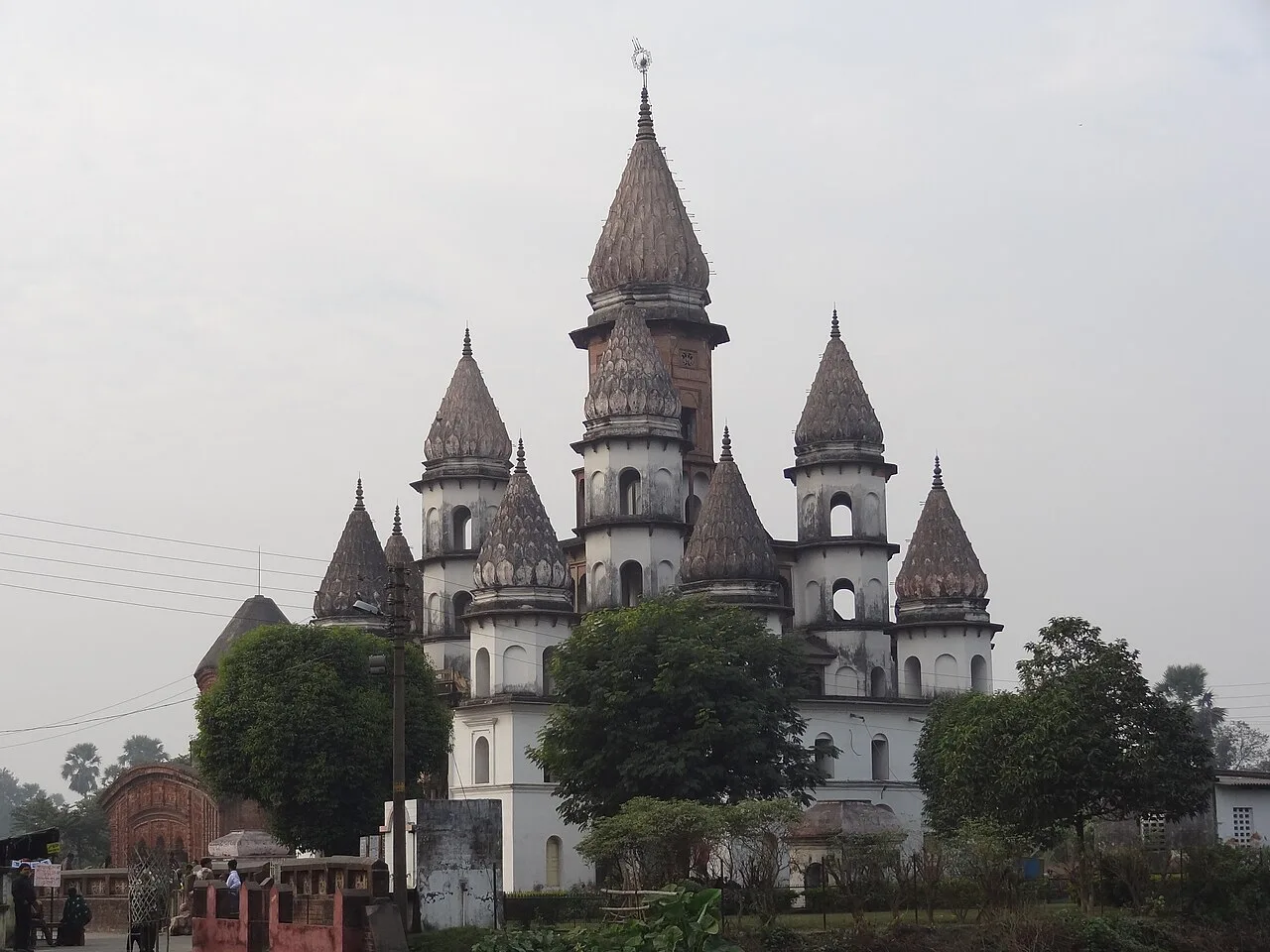
Hangseshwari Temple is a Hindu shrine in Bansberia, Hooghly district, noted for its distinctive thirteen-towered ratna design and its worship of Hangseswari, a form of the goddess Kali.

Serampore

45 km away · Hooghly district

Serampore

Serampore is a city in West Bengal’s Hooghly district, with a history tied to Danish India and a setting beside the Hooghly River. Visitors may come to learn about these connections.

Phulia

47 km away · Nadia district

Phulia

Phulia, known by the alternate spelling Fulia, is a settlement in Nadia district, West Bengal, within Santipur CD block in Ranaghat subdivision. Visitors are drawn by its association with Krittibas Ojha, who was born there.

Dakshineswar Kali Temple

48 km away · North 24 Parganas district

Dakshineswar Kali Temple

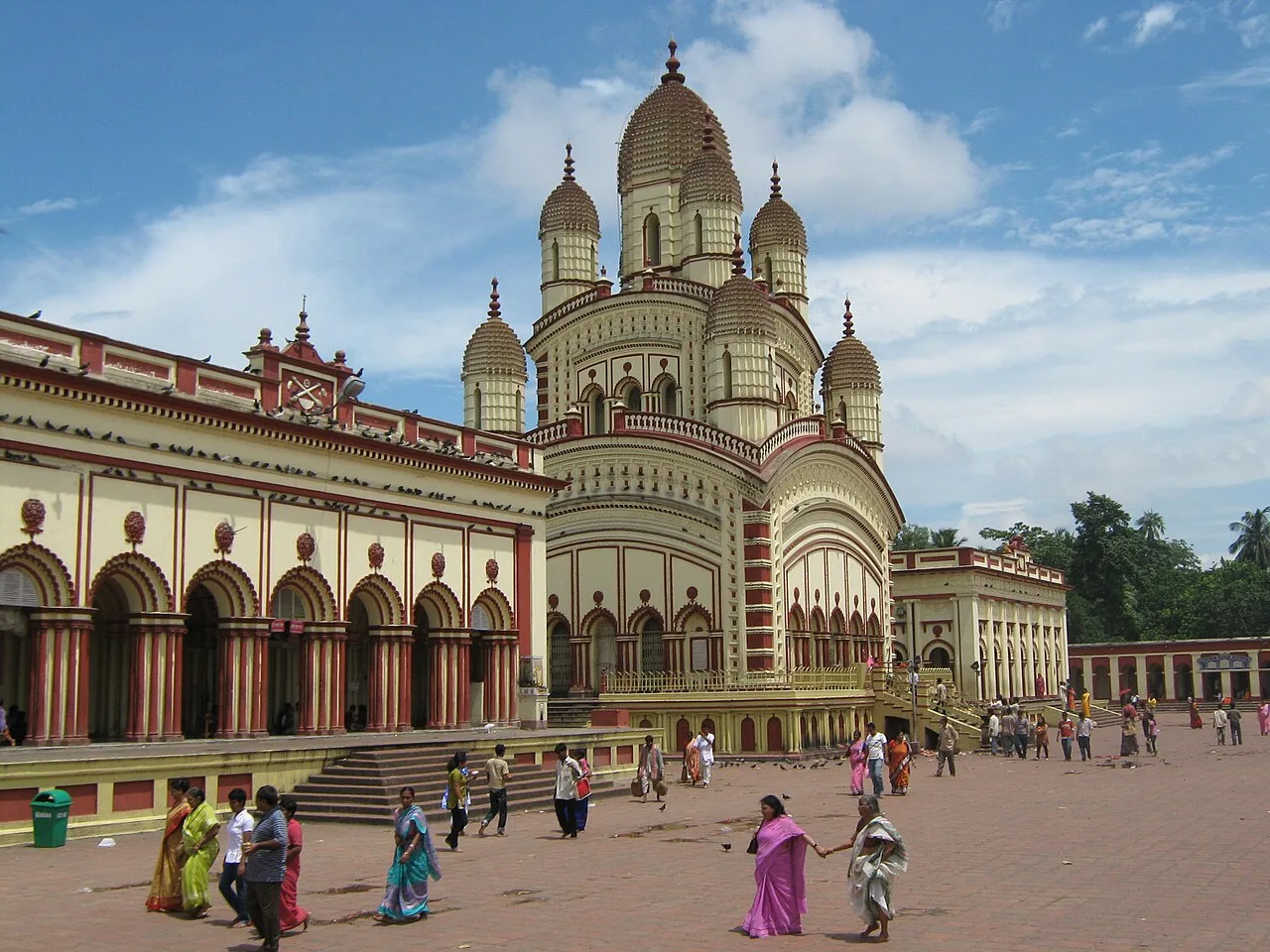
This Hindu temple complex in Dakshineswar is centred on a shrine to Kali and is associated with Rani Rashmoni, Ramakrishna and Sarada Devi. People visit to worship and explore its grounds.

Belur Math

49 km away · Howrah district

Belur Math

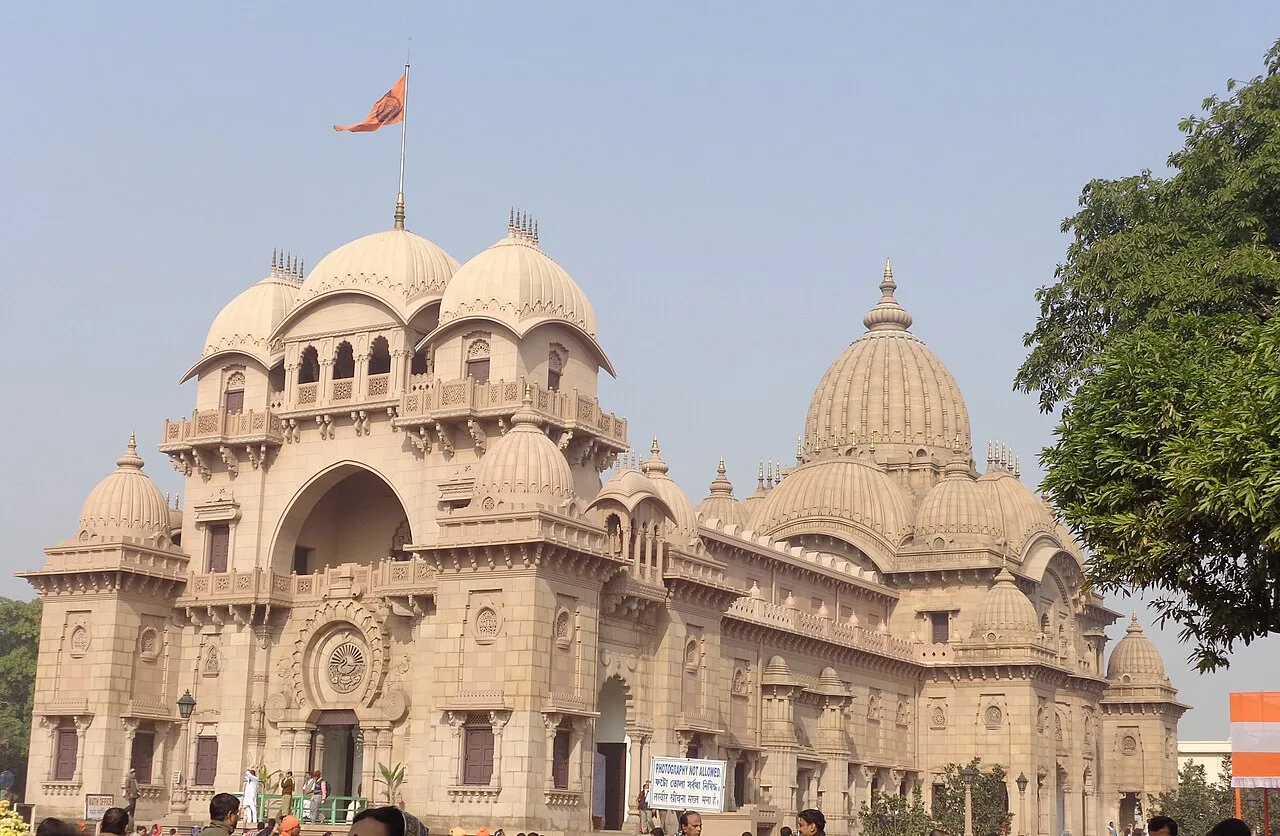
Belur Math, in Howrah district, is the headquarters of the Ramakrishna Math and Ramakrishna Mission. Visitors come to see its temple, whose design draws on several religious traditions.

Kumortuli

51 km away · Kolkata district

Kumortuli

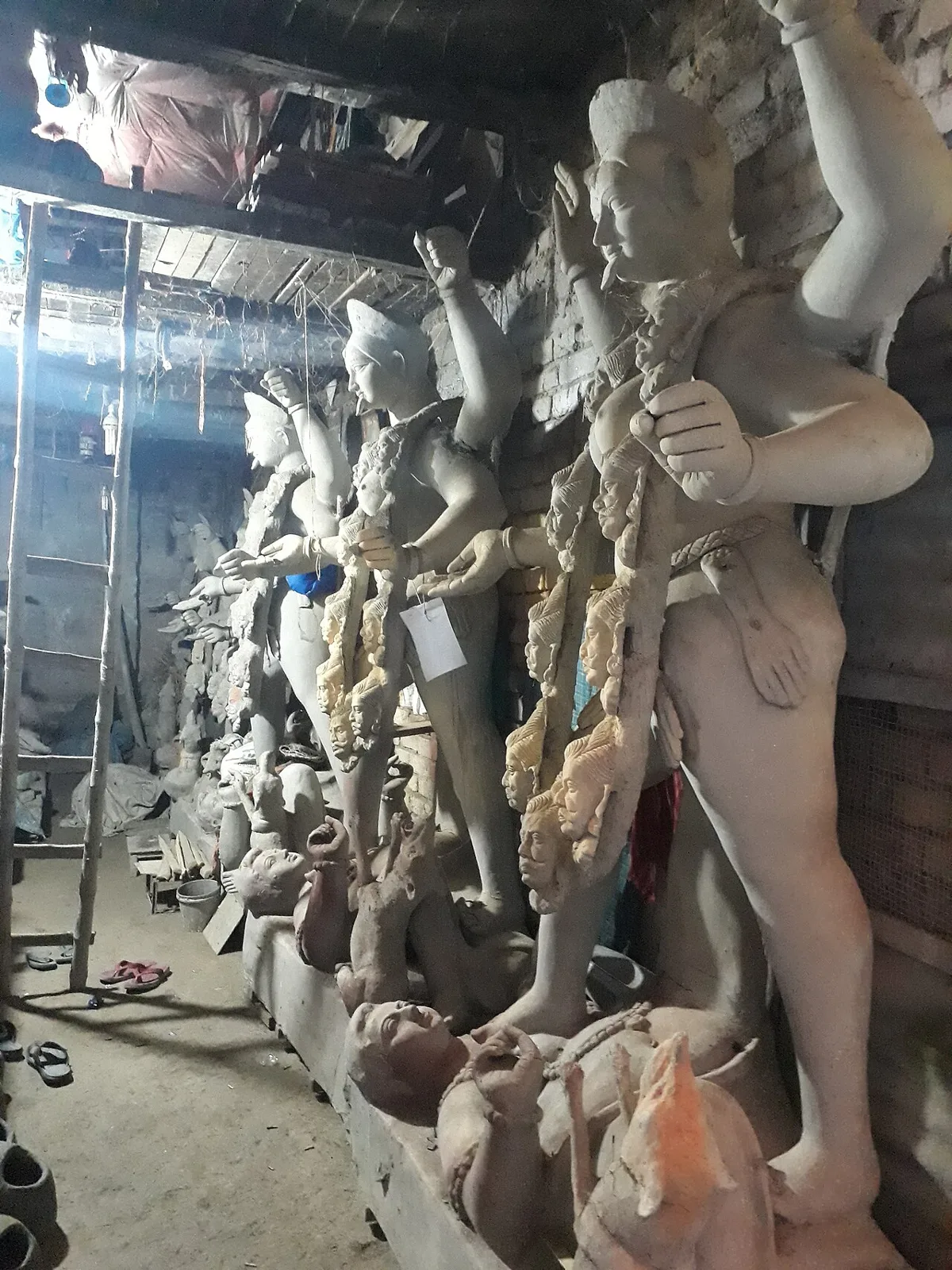
Kumortuli is a North Kolkata neighbourhood centred on potters and clay sculpture. Visitors come to see festival idols being made, a craft whose products are also regularly exported.

Map

Gobardanga on the map

  1. 1Bandel Church
  2. 2Chandannagar
  3. 3Hangseshwari Temple
  4. 4Serampore
  5. 5Phulia
  6. 6Dakshineswar Kali Temple
  7. 7Belur Math
  8. 8Kumortuli

West Bengal

Other cities to explore