Ghumoopedia — Explore, Discover, Experience
Sign in
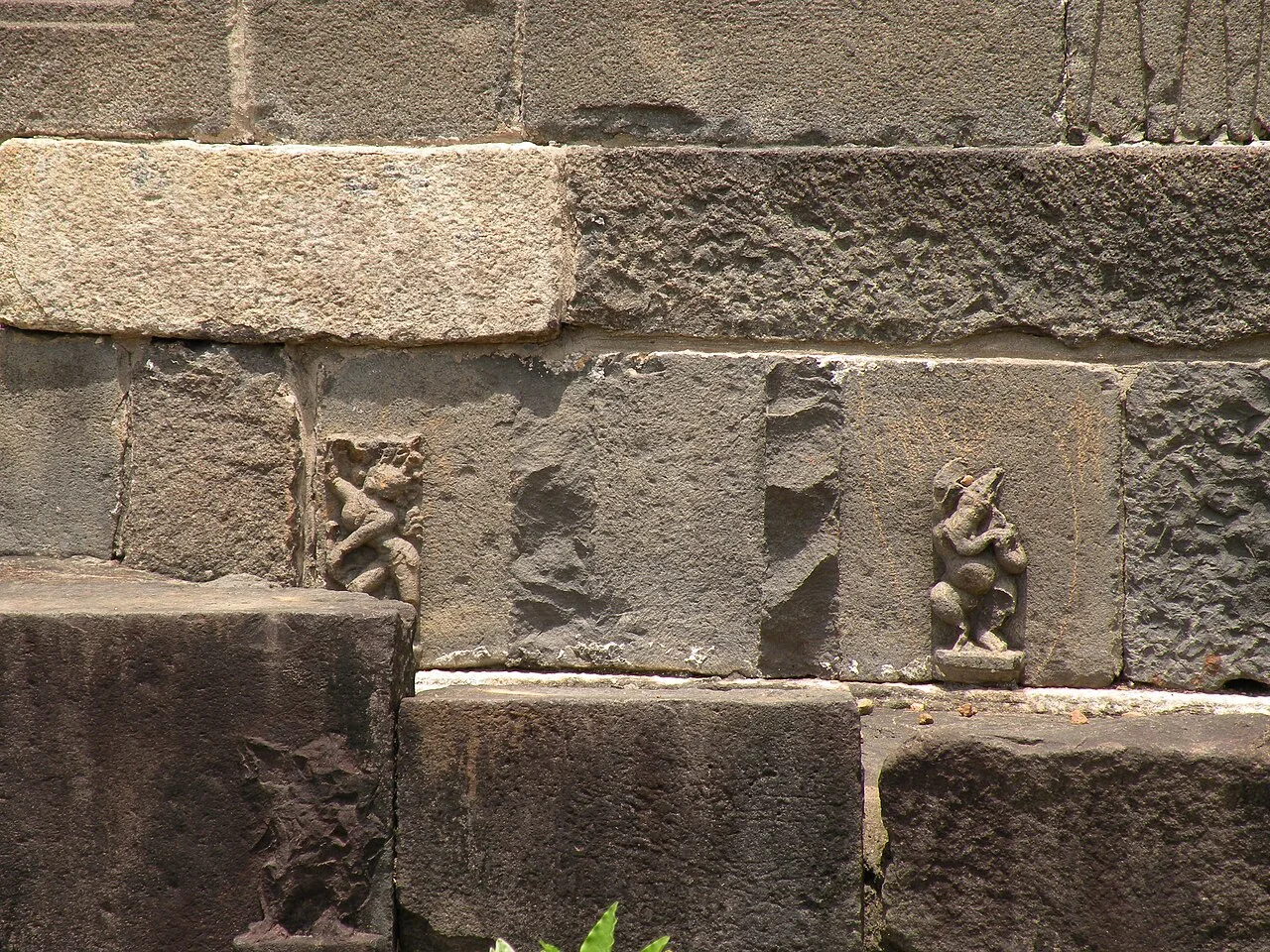
Adina Mosque, near Raiganj

City guide · West Bengal

Raiganj

Raiganj is a regional centre in northern West Bengal, set beside the Kulik River and serving as the headquarters of Uttar Dinajpur district. Government offices, education, healthcare and trade draw people from surrounding towns and rural areas, while nearby settlements are increasingly connected to the city’s daily life.

Famous for

  • Raiganj Wildlife Sanctuary
  • Asian openbill nesting
  • Kulik River
  • Uttar Dinajpur headquarters
  • Mustard-growing hinterland

Why Raiganj matters

Raiganj is a regional centre in northern West Bengal, set beside the Kulik River and serving as the headquarters of Uttar Dinajpur district. Government offices, education, healthcare and trade draw people from surrounding towns and rural areas, while nearby settlements are increasingly connected to the city’s daily life. Its position on the narrow corridor linking northern and southern West Bengal also gives it importance as a road and administrative hub.

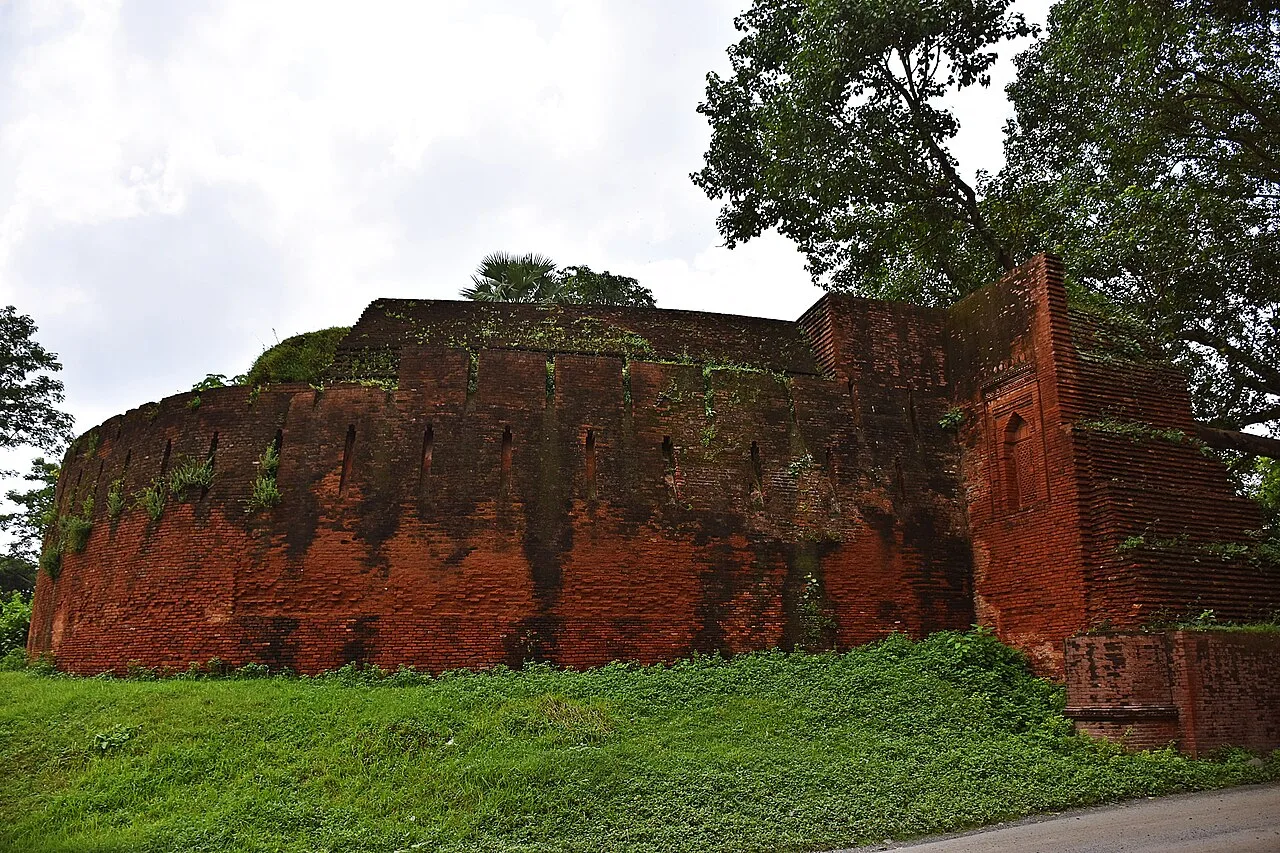
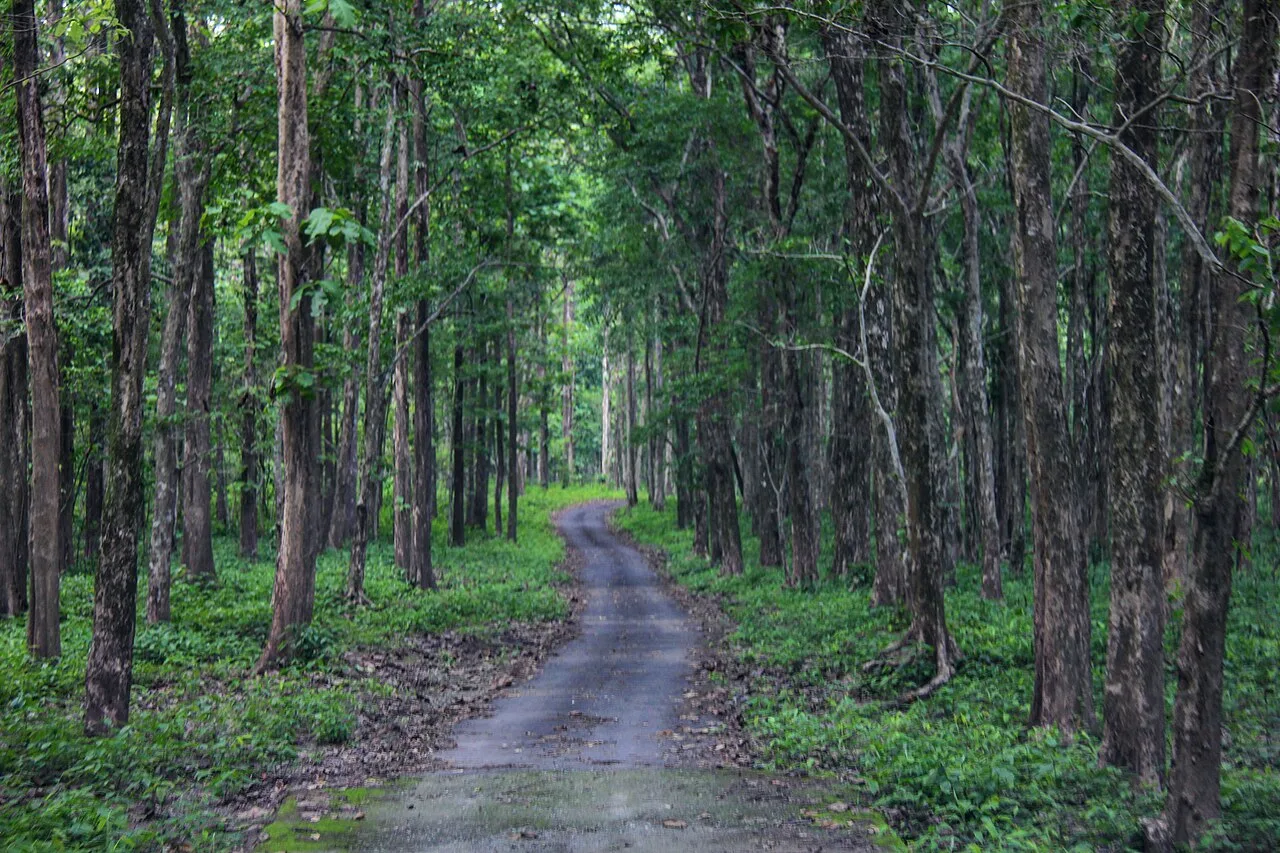
For visitors, the best-known attraction is Raiganj Wildlife Sanctuary, commonly called the Kulik Bird Sanctuary. Its wetland and wooded areas support Asian openbills and other waterbirds, making it a rewarding stop for birdwatching, especially when birds gather to nest. The river is another part of the city’s identity, though it no longer serves the commercial water traffic it once did. Raiganj is also known for its agricultural surroundings, including mustard cultivation, and for the everyday Bengali markets and neighbourhood life of a district town.
Famous for: crafts, trade & products

Raiganj is not especially known as a centre for a signature textile, handicraft or GI-tagged product. Its commercial role is chiefly that of a service and market town for Uttar Dinajpur: town shops and bazaars supply household goods, clothing, food and farm-related needs, while traders connect local produce with larger markets. The surrounding countryside grows crops including paddy and mustard, but these are regional agricultural products rather than a uniquely Raiganj-branded speciality.

For everyday shopping, browse the central market streets and established bazaar areas, including around Mohanbati, where shops and food sellers cater to residents and visitors. The city’s most distinctive draw is instead its natural heritage: Raiganj Wildlife Sanctuary, also known as the Kulik Bird Sanctuary, is associated with large nesting groups of Asian openbills and other waterbirds. District administrative offices and local educational and public services further shape the city’s economy. Visitors looking for craft traditions or a particular regional product may find a broader selection in larger North Bengal market centres.

History

The origin of the name Raiganj is uncertain. Explanations include a connection with the Rai surname of the former royal family of Dinajpur, the mustard crop known locally as rai, and a devotional association with Radha. None is definitively established. The town developed beside the Kulik River, whose water route once supported movement and commerce in the area.

Raiganj gained greater prominence following the Partition of India, as political and administrative changes strengthened its role in the northern part of West Bengal. During the colonial period, the wider region formed part of Bengal, but the town’s modern importance is chiefly tied to its growth as a local market and administrative centre. River transport declined as the Kulik became less navigable, and commercial activity on the waterway stopped in the early 1970s, particularly after flood-control works. The former river-port area subsequently lost much of its importance. In later decades, Raiganj’s district headquarters functions and expanding connections with nearby settlements helped shape its present urban role.

Food, festivals & culture

Bengali food is central to everyday life in Raiganj. Rice, fish, lentils and seasonal vegetables are common, with mustard oil and mustard-based flavours familiar across the surrounding region. Sweet shops offer Bengali favourites such as mishti doi, sandesh and rasgulla, alongside locally prepared snacks; availability varies between shops. Seasonal pitha and other home-style treats are especially associated with cooler months and harvest-time gatherings.

Durga Puja, usually celebrated in autumn, is the city’s major public festival, with neighbourhood pandals, worship and cultural programmes. Kali Puja and Diwali follow later in the autumn, while Saraswati Puja is observed in winter. Eid and Poila Boishakh, the Bengali New Year in spring, are also important occasions. Bengali is the main language of daily life; Hindi and other regional languages are also heard. Religious observance centres on Hindu temples and puja venues as well as local mosques. Devotional songs, contemporary Bengali music and community performances feature in festival celebrations, though Raiganj is not particularly known for one exclusive local dance or music form.

Visiting the city

The cooler, generally drier months from October to March are comfortable for exploring Raiganj and visiting the Kulik Bird Sanctuary. Summers can be hot, while monsoon rains may make outdoor excursions less convenient. Bagdogra Airport is the most practical airport for scheduled commercial flights; onward travel to Raiganj is by road. Raiganj railway station is the main rail stop for the city.

Auto-rickshaws, cycle rickshaws and e-rickshaws are useful for getting around town, with local buses and taxis serving longer routes. Set aside time for the sanctuary and the Kulik riverfront. Central Raiganj and the Mohanbati market area offer a look at everyday shopping and local food, while Karnojora, where district offices are located, is part of the wider administrative centre. The old river-port locality provides a quieter glimpse of the city’s changing relationship with the river.

Trips from the city

Nearest places to visit from Raiganj

Our closest destination guides, by straight-line distance.

Adina Mosque

51 km away · Malda district

Adina Mosque

Adina Mosque is a Sultanate-era imperial mosque in Pandua, West Bengal. Visitors come to explore its monumental architecture and learn about the ambitions of the Bengal Sultanate.

Gaur (Gauda) Ruins

83 km away · Malda district

Gaur (Gauda) Ruins

Gauda’s remains in Malda preserve traces of a former Bengal capital. Visitors explore its Sultanate-era buildings and the story of a city shaped by changing rulers and rivers.

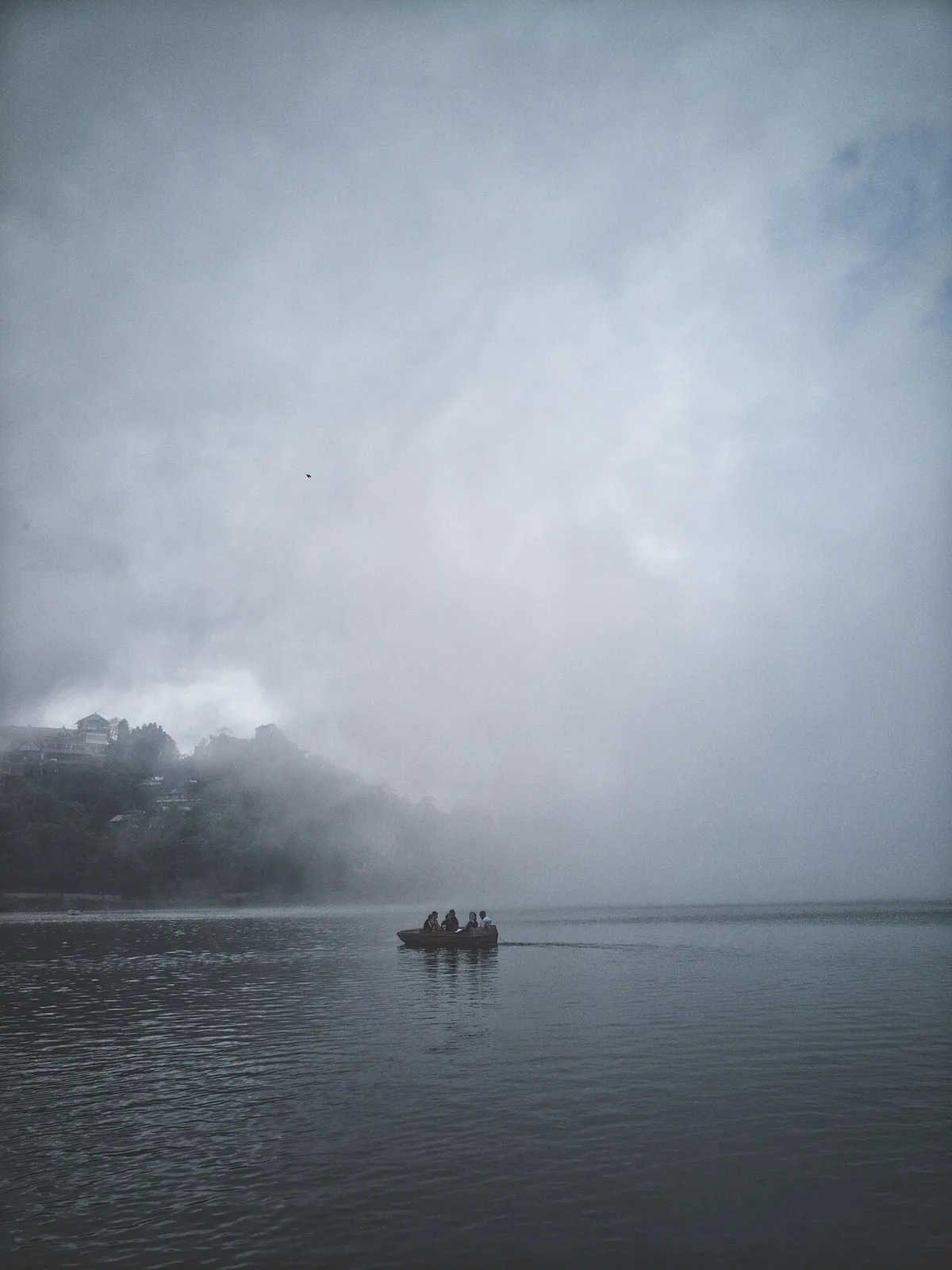
Mahananda Wildlife Sanctuary

98 km away · Darjeeling district

Mahananda Wildlife Sanctuary

Mahananda Wildlife Sanctuary is a protected reserve in West Bengal’s Darjeeling district, among the Himalayan foothills, with the Teesta on one side and the Mahananda on the other. Visitors come for its forest and wildlife.

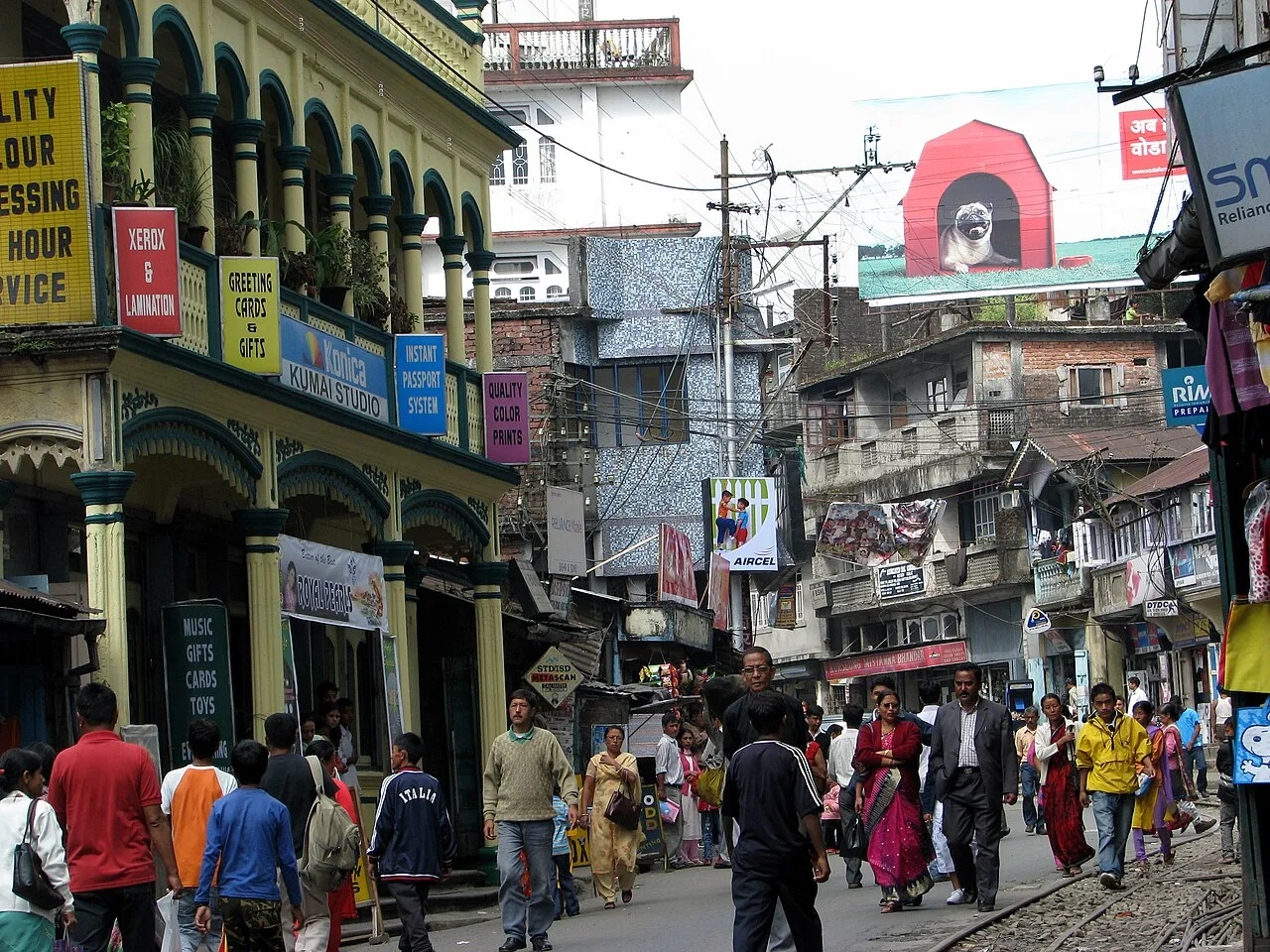
Darjeeling Himalayan Railway

123 km away · Darjeeling district

Darjeeling Himalayan Railway

This narrow-gauge railway runs through West Bengal between New Jalpaiguri and Darjeeling. Visitors travel its steep route on regular trains and on steam services to Ghum and Kurseong.

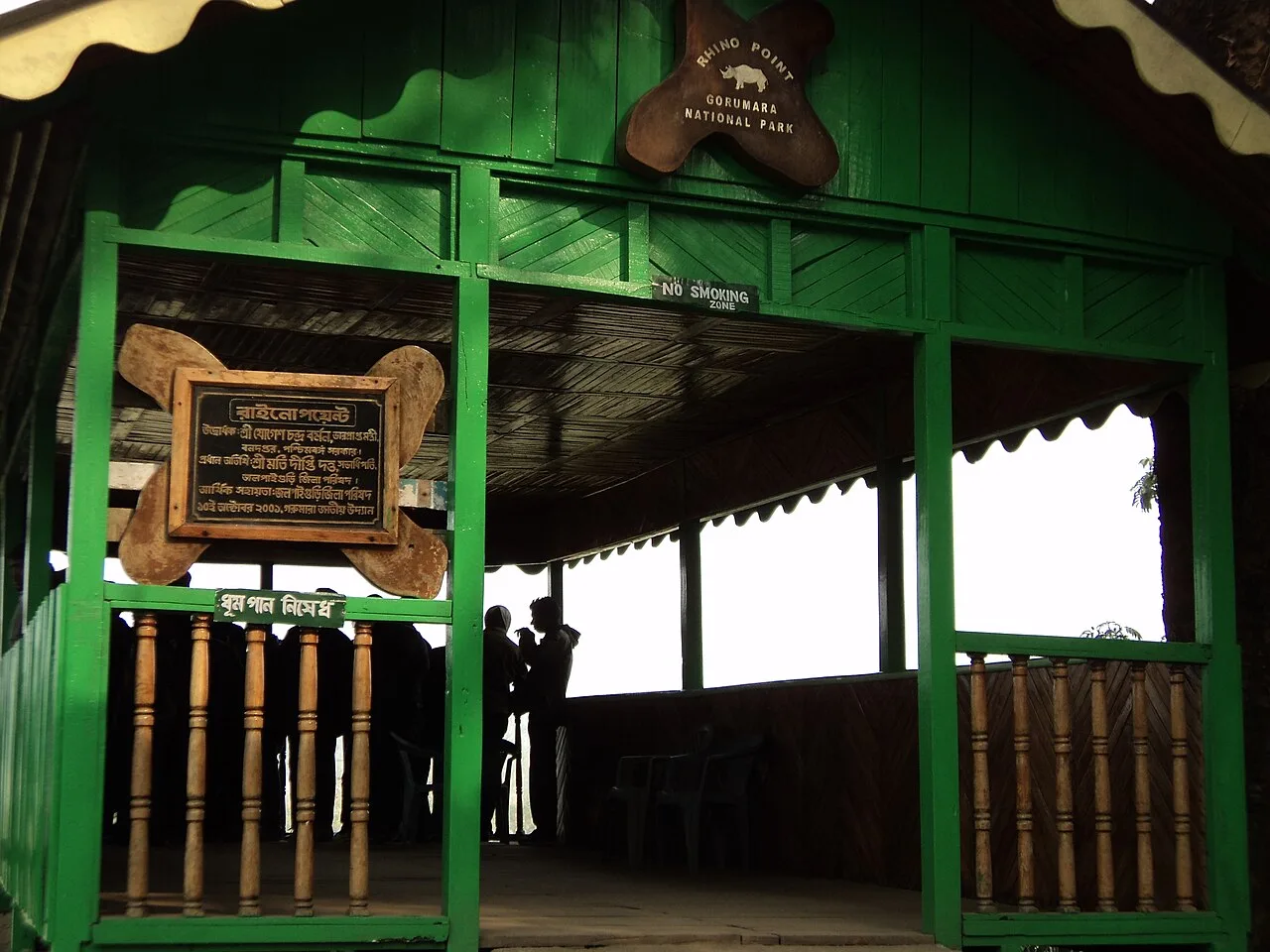
Gorumara National Park

138 km away · Jalpaiguri district

Gorumara National Park

Set in the Dooars foothills of the Himalayas, Gorumara is a protected area in northern West Bengal. Visitors come chiefly to see its Indian rhinoceroses among forests and grasslands.

Kurseong

141 km away · Darjeeling district

Kurseong

Kurseong is a municipal town in West Bengal’s Darjeeling district and the administrative centre of its subdivision. Tourism and education are important to the local economy, and visitors experience its pleasant year-round climate.

Mirik

142 km away · Darjeeling district

Mirik

A small town and Notified Area in Darjeeling district, Mirik is the headquarters of its subdivision. Visitors may learn about its administrative role and the Lepcha origin attributed to its name.

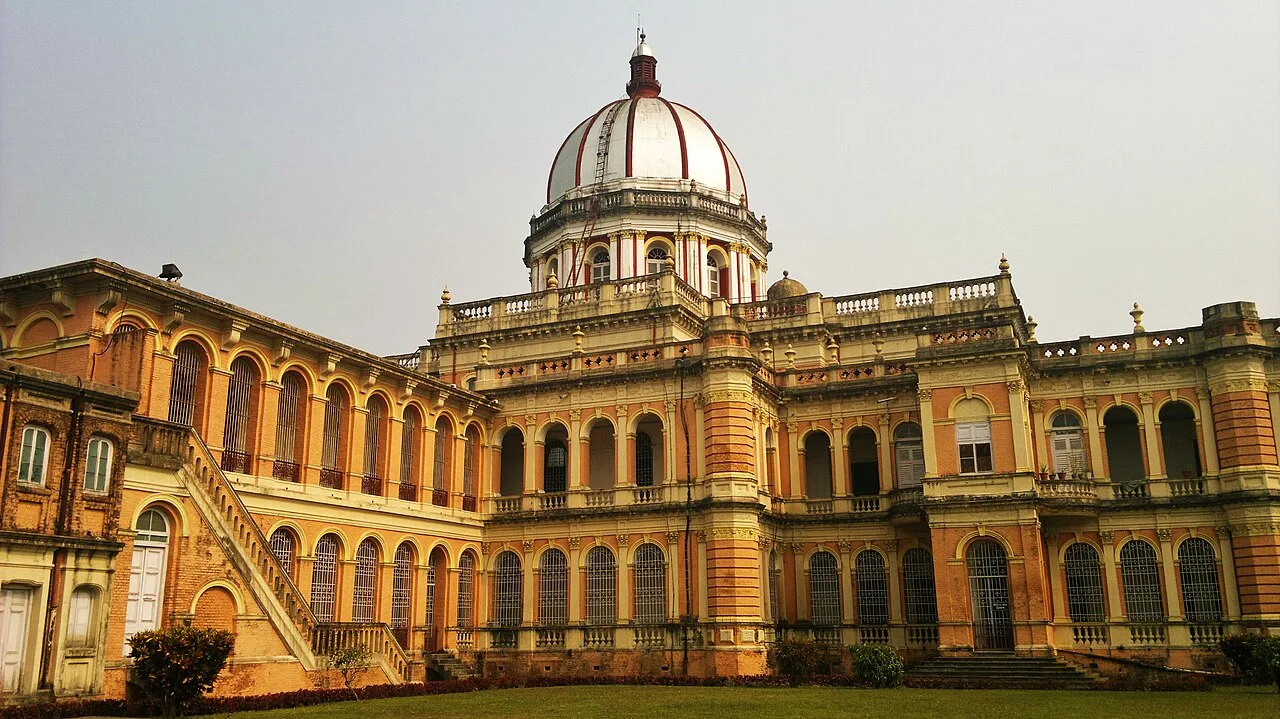
Cooch Behar Palace

153 km away · Cooch Behar district

Cooch Behar Palace

Cooch Behar Palace is a notable city landmark, valued for its Italian Renaissance design and its present role as a museum.

Map

Raiganj on the map

  1. 1Adina Mosque
  2. 2Gaur (Gauda) Ruins
  3. 3Mahananda Wildlife Sanctuary
  4. 4Darjeeling Himalayan Railway
  5. 5Gorumara National Park
  6. 6Kurseong
  7. 7Mirik
  8. 8Cooch Behar Palace

West Bengal

Other cities to explore