Ghumoopedia — Explore, Discover, Experience
Sign in
Garh Panchkot, near Jamuria

City guide · West Bengal

Jamuria

Jamuria is a neighbourhood within Asansol, in Paschim Bardhaman district, and forms part of the wider industrial landscape of western West Bengal. Its importance today comes less from a separate tourist centre than from its role in the Asansol region: small and medium industries, including iron and cement businesses, operate in and around it, while the surrounding area is linked to the coalfield economy.

Famous for

  • Iron and cement industries
  • Asansol coalfield connections
  • Churulia's Nazrul heritage
  • Singaran stream
  • Regional Bengali markets

Why Jamuria matters

Jamuria is a neighbourhood within Asansol, in Paschim Bardhaman district, and forms part of the wider industrial landscape of western West Bengal. Its importance today comes less from a separate tourist centre than from its role in the Asansol region: small and medium industries, including iron and cement businesses, operate in and around it, while the surrounding area is linked to the coalfield economy. Jamuria is administered by Asansol Municipal Corporation.

Visitors usually come for work, local connections or as part of a wider visit to Asansol and its surroundings. Nearby Churulia, associated with poet Kazi Nazrul Islam, offers a cultural point of interest, while the Singaran stream and the settlements around Jamuria give a sense of the region beyond its industrial estates. The neighbourhood is a practical base for exploring nearby communities rather than a destination known for a large collection of visitor attractions. Its mix of industry, Bengali cultural links and regional-town life is what gives Jamuria its character.
Famous for: crafts, trade & products

Jamuria is chiefly associated with small and medium-scale industry, particularly iron and cement production in and around the neighbourhood. It is also connected to the wider Asansol coalfield economy, though the industrial identity of the area is broader than any one product. These businesses are part of the local working landscape rather than visitor-oriented attractions, and there is no widely recognised Jamuria-specific textile, handicraft or GI-tagged product to seek out.

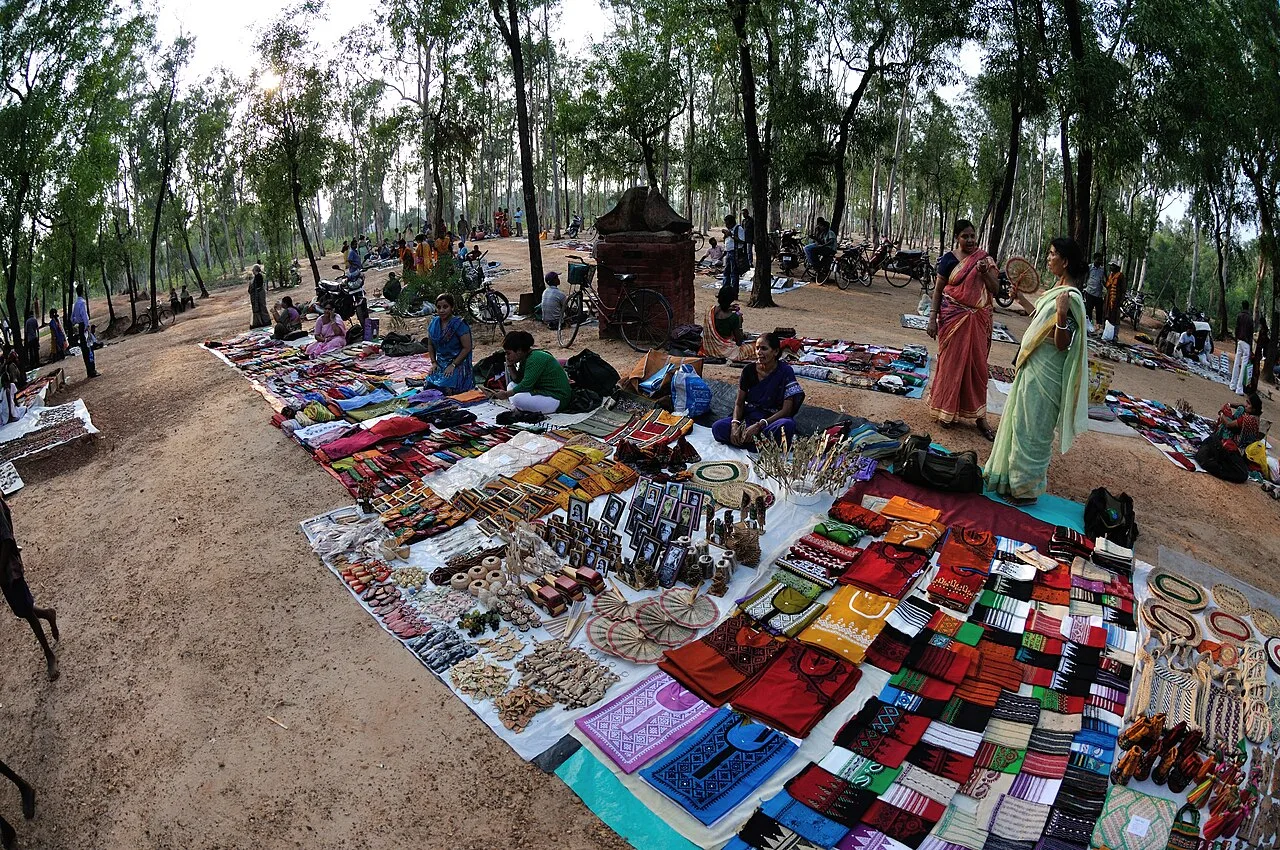
For everyday shopping, neighbourhood markets and commercial streets serve residents with groceries, household goods, clothing and prepared food. They are useful places to experience local commerce, but are not known as specialist craft bazaars. Visitors looking for a broader choice of shops can explore Asansol’s main commercial areas. For a cultural visit, nearby Churulia is better known for its association with Kazi Nazrul Islam than for shopping; it provides a complementary stop for those interested in Bengali literary heritage. Local buying is therefore best approached as part of an ordinary town visit, rather than as a search for a signature Jamuria-made souvenir.

History

Jamuria’s history is closely tied to the villages and agricultural settlements of western Bengal and, later, to the growth of the Asansol industrial belt. The wider region’s development changed substantially with the discovery and working of coal in the Raniganj coalfield during the colonial period. Mining, rail links and associated industries helped transform nearby settlements and encouraged the growth of a more urban, industrial economy.

Jamuria developed within this changing regional landscape rather than as a major royal or colonial administrative centre in its own right. In more recent decades, small and medium industries, including iron and cement businesses, have added to its local economic role. Its civic administration also reflects the expansion of Asansol: following a 2015 state notification, the municipal areas of Jamuria, Kulti and Raniganj were brought within Asansol Municipal Corporation. Today, Jamuria’s identity is closely connected to the wider city and its industrial hinterland.

Food, festivals & culture

Everyday food reflects the tastes of western Bengal: rice, fish, lentils, vegetable dishes and seasonal produce are common, with tea stalls and small eateries serving residents and workers. Bengali sweets and familiar snacks can be found in local shops, though Jamuria is not especially known for a signature dish. Bengali is widely used, alongside Hindi and other languages heard across the diverse industrial communities of the Asansol region.

The calendar follows the broader rhythms of Bengal. Durga Puja in autumn is a major community occasion, while Kali Puja, Saraswati Puja and festivals observed by Muslim and other communities add to the year’s celebrations. Bengali devotional and popular music, including songs associated with Rabindranath Tagore and Kazi Nazrul Islam, forms part of the region’s cultural life. Churulia, nearby, is closely associated with Nazrul’s life and work and is a worthwhile cultural excursion. Local temples, mosques and neighbourhood shrines reflect the area’s varied religious life.

Visiting the city

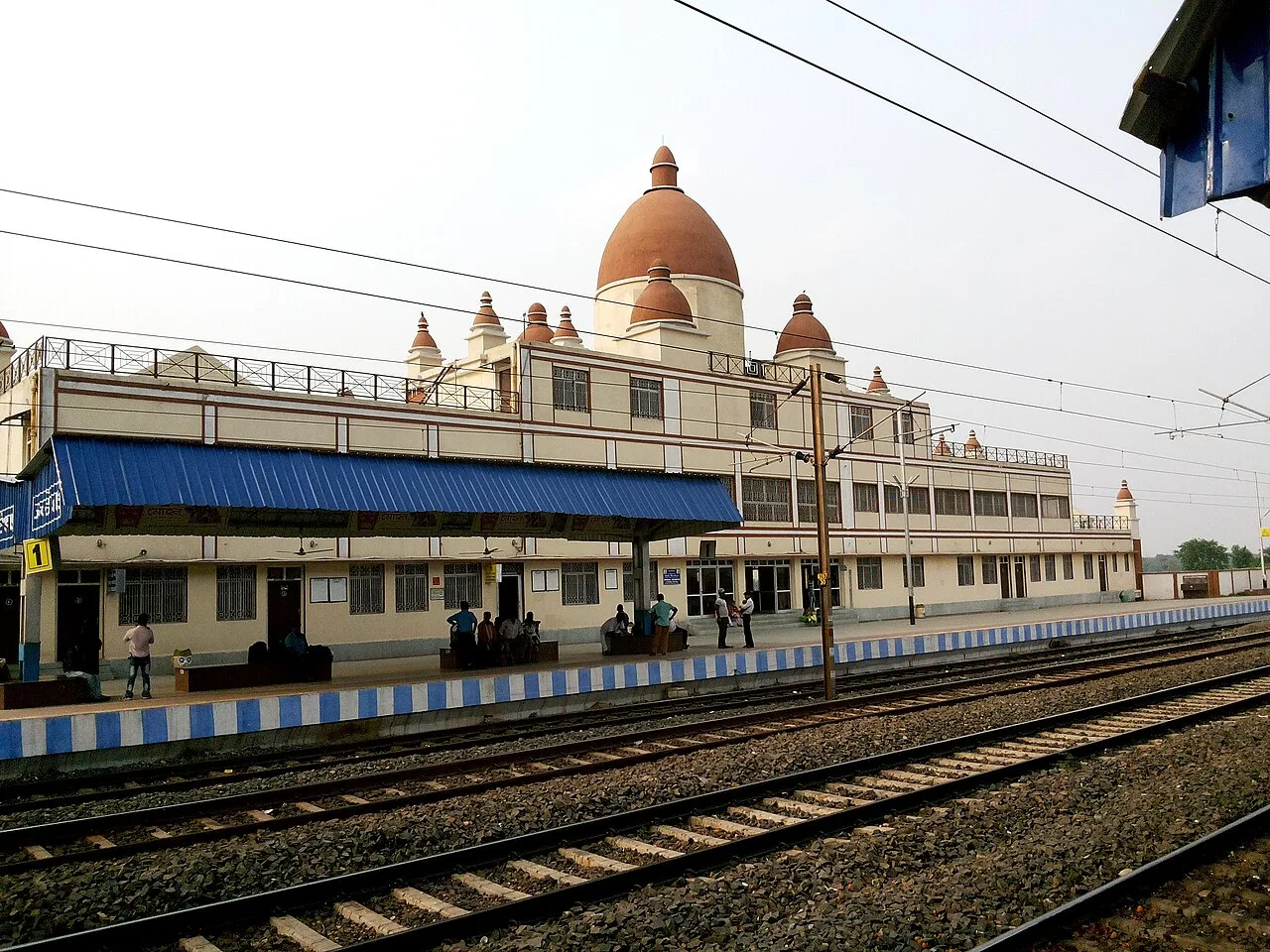
October to February is generally the most comfortable period to visit, with cooler weather than the hot pre-monsoon months. The nearest airport is Kazi Nazrul Islam Airport at Andal; the main railway gateway is Asansol Junction, with onward travel by road to Jamuria.

Auto-rickshaws, local buses and hired cars are practical ways to get around, though services and routes may vary. Explore Jamuria’s neighbourhood markets and industrial surroundings for a sense of everyday local life. Churulia makes a useful nearby cultural outing, while Asansol offers a wider range of shopping, services and transport connections. Allow extra time for road travel during busy periods, particularly around industrial and market areas.

Trips from the city

Nearest places to visit from Jamuria

Our closest destination guides, by straight-line distance.

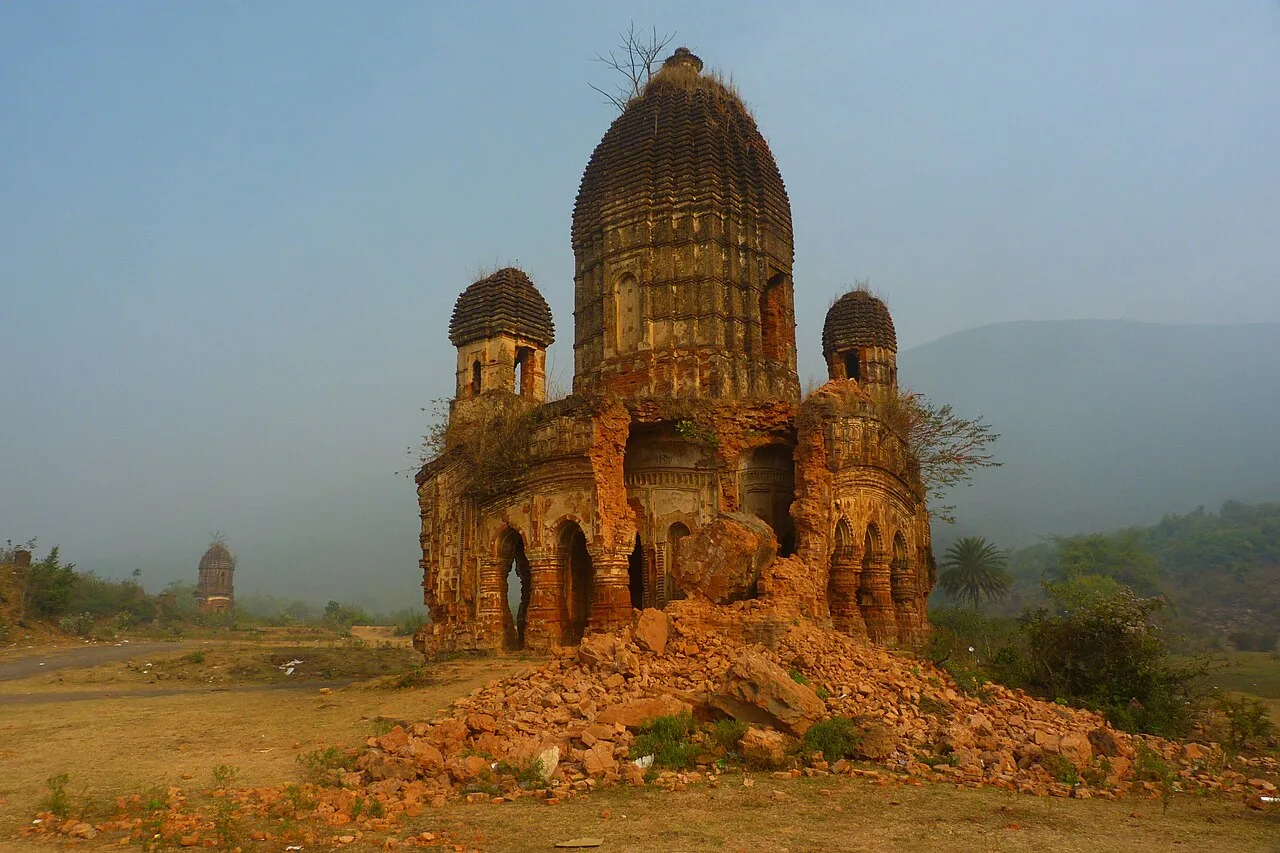
Garh Panchkot

34 km away · Purulia district

Garh Panchkot

Garh Panchkot is the remains of a fort in Purulia district, West Bengal. Visitors come to view the ruins at the foot of Panchet Hill and learn the meaning of its name.

Susunia Hill

35 km away · Bankura district

Susunia Hill

Susunia Hill is a hill in Bankura district, West Bengal, within the Eastern Ghats. Visitors come to see its landscape and regional setting.

Bakreshwar

36 km away · Birbhum district

Bakreshwar

Bakreshwar is a village in Birbhum district, West Bengal. Visitors may be interested in the nearby Bakreshwar thermal power facilities, and Dubrajpur is the closest rail connection.

Joychandi Pahar

45 km away · Purulia district

Joychandi Pahar

Joychandi Pahar is a hill in Purulia district, West Bengal. Visitors come for its rock-climbing opportunities and to see the area's varied plant life and recorded butterfly species.

50 km away · Bankura district

Bikna Dokra Village

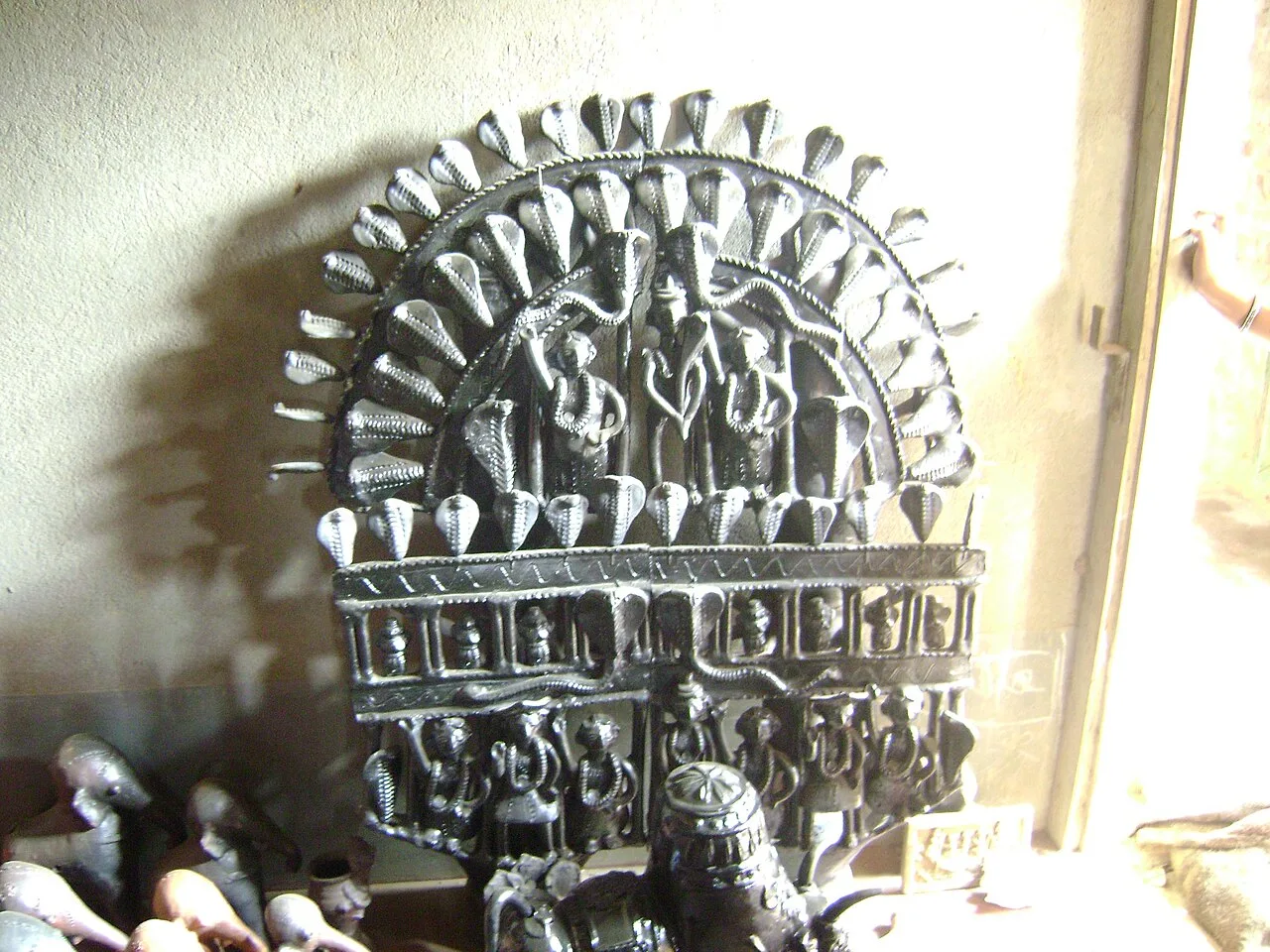
Bikna Dokra Village is a settlement in Bankura district, West Bengal. It may interest visitors seeking to understand the village’s place within the district’s administrative structure.

Santiniketan

61 km away · Birbhum district

Santiniketan

Santiniketan is a neighbourhood of Bolpur in West Bengal, associated with the Tagore family and Visva-Bharati. Visitors come to explore its heritage and its status as a UNESCO World Heritage site.

Bishnupur

74 km away · Bankura district

Bishnupur

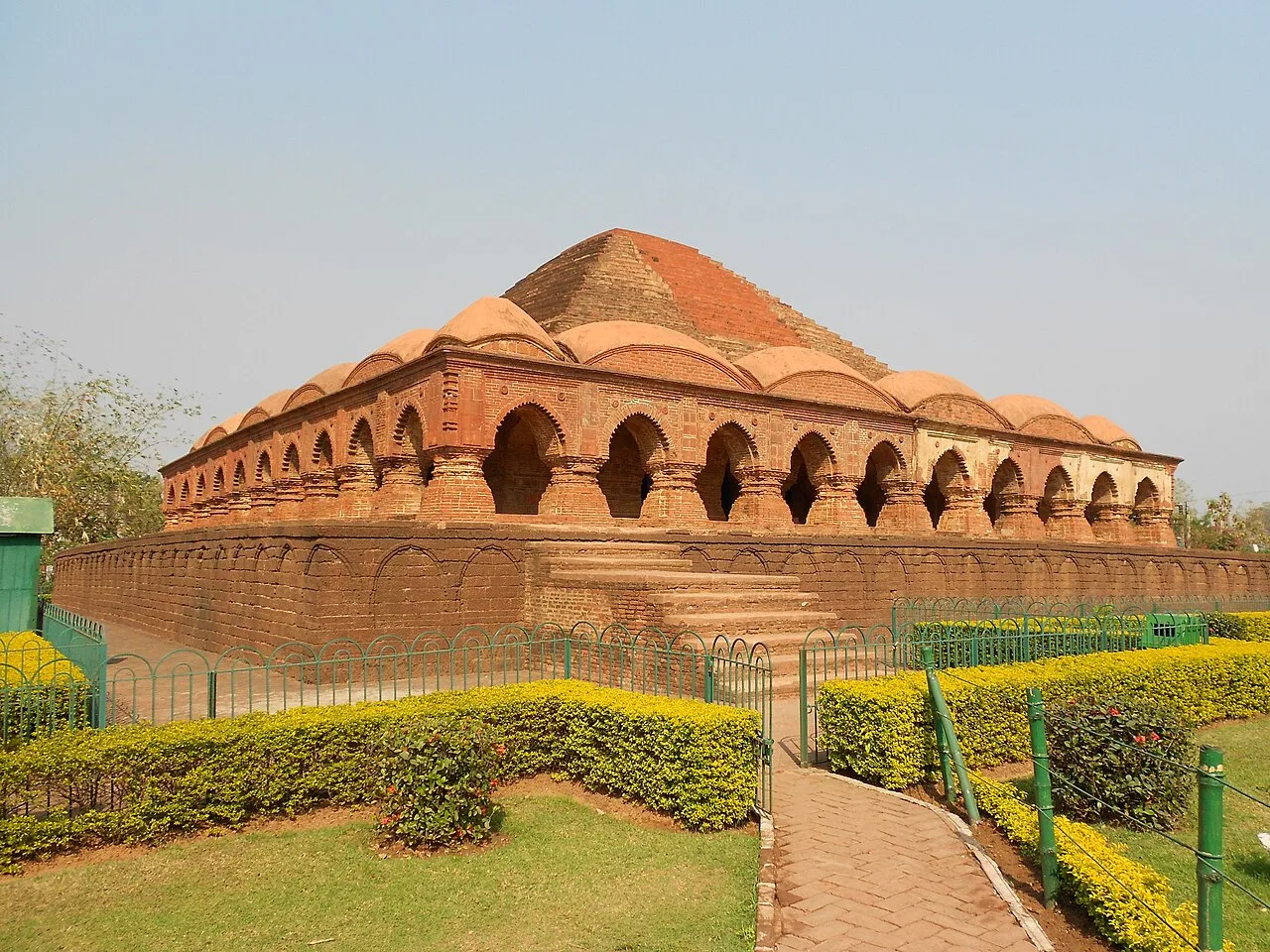
Bishnupur is a city and municipality in West Bengal’s Bankura district, known for temples built under the Malla rulers and for Baluchari sarees.

Panchmura

83 km away · Bankura district

Panchmura

Panchmura is a gram panchayat in Bankura district, West Bengal, known for its terracotta Bankura horse, a folk artefact regarded as India’s national symbol for handicrafts.

Map

Jamuria on the map

  1. 1Garh Panchkot
  2. 2Susunia Hill
  3. 3Bakreshwar
  4. 4Joychandi Pahar
  5. 5Bikna Dokra Village
  6. 6Santiniketan
  7. 7Bishnupur
  8. 8Panchmura

West Bengal

Other cities to explore