Ghumoopedia — Explore, Discover, Experience
Sign in
Science City, near Canning

City guide · West Bengal

Canning

Canning is a working town on the western bank of the Matla River in South 24 Parganas. As the headquarters of Canning subdivision and the southern end of a suburban rail line from Kolkata, it serves as an important service and transport centre for nearby rural communities.

Famous for

  • Gateway to the Sundarbans
  • Matla River waterfront
  • Historic Port Canning
  • Wholesale fish trade
  • Canning railway terminus

Why Canning matters

Canning is a working town on the western bank of the Matla River in South 24 Parganas. As the headquarters of Canning subdivision and the southern end of a suburban rail line from Kolkata, it serves as an important service and transport centre for nearby rural communities. Its best-known role is as a gateway for journeys towards the Sundarbans: visitors use the town and its river connections to continue towards Basanti and other points on the delta’s waterways. Canning is a starting point, not the national park itself, and onward travel needs planning.

The town’s setting gives it a distinctive character. The Matla and surrounding channels shape local trade and everyday travel, while the nearby Sundarbans bring the region’s mangrove landscape into view. Canning is also associated with the ambitious colonial-era plan for Port Canning, a rival port to Kolkata that was ultimately abandoned. Today, its appeal lies less in grand monuments than in its riverfront, busy market streets, transport links and place in the life of the delta.
Famous for: crafts, trade & products

Canning is best known commercially for its fish trade and for supplying surrounding settlements. The markets near the railway station are lively places to see everyday buying and selling, including fish and other provisions. The town also functions as a practical trading centre for people travelling between Kolkata, the Matla and the rural Sundarbans. Market activity can be busiest early in the day, though exact schedules vary.

Canning is not widely identified with a signature textile, handicraft, GI-tagged product or locally distinctive sweet. Visitors looking for specialist crafts or branded regional goods may find a broader selection in Kolkata. In Canning, the more characteristic purchases are everyday food and household goods rather than souvenirs. Its main point of interest for visitors is the connection between commerce and river travel: the station and market area, roads towards the Matla crossings, and nearby boat-access points reflect the town’s role as a gateway. Ask locally about current routes and access before setting out, as onward connections depend on destination and conditions.

History

Before it became a planned port town, the Matla-side settlement was a small fishing community in a low-lying, marshy landscape. In the mid-19th century, British authorities sought another port for Kolkata as silting in the Hooghly raised concerns about shipping. The project was named Port Canning after Charles Canning, then Governor-General of India and later Viceroy. Plans included land reclamation, buildings and a railway connection to Kolkata.

The Eastern Bengal Railway opened the line to Port Canning in 1862. The port scheme struggled as the Matla’s navigability declined, and a severe cyclone and tidal surge in 1867 devastated the new settlement. Port operations were abandoned in 1871–72, leaving remnants of the project, including the deteriorating Canning House. The grand port never became the intended rival to Kolkata, but the name remained. In the modern era, Canning developed as a local administrative and market centre, and as a rail and river gateway for the Sundarbans region.

Food, festivals & culture

Bengali is the principal language of everyday life, with Hindi and English also understood in some settings. Food reflects the wider delta and Bengali tradition: rice with fish is common, alongside vegetables, lentils and seasonal seafood. Prawns and other local catch may appear in meals, while familiar Bengali sweets such as sandesh and rosogolla are sold in local sweet shops; these are regional favourites rather than specialities unique to Canning.

Durga Puja, usually held in autumn, is the major public festival, with neighbourhood pandals, gatherings and cultural programmes. Kali Puja and Diwali follow later in the year, while Eid is celebrated by the town’s Muslim community. Religious life is expressed through local temples and mosques, and seasonal fairs and community events bring residents together. Bengali devotional songs, kirtan and popular stage or folk performances are part of the broader cultural life of the region, though performances and programmes vary by occasion. For visitors, festival periods offer a glimpse of local life, but can also make streets and transport busier.

Visiting the city

The cooler, drier months from November to February are generally the most comfortable time to visit. Summer is hot and humid, and the monsoon brings heavy rain; coastal weather can change quickly. The nearest major airport is Netaji Subhas Chandra Bose International Airport in Kolkata. Canning railway station is the town’s main rail terminus, with services linking it to Kolkata.

Auto-rickshaws and local road transport are useful for getting around town. Explore the station and market area for daily trade, then head towards the Matla riverfront and local crossing points. Canning is a base for onward journeys, not a complete substitute for planning a Sundarbans excursion: confirm boat access, route conditions and any required permissions before departure. Matla-I and Matla-II are useful local area names when asking for directions.

Trips from the city

Nearest places to visit from Canning

Our closest destination guides, by straight-line distance.

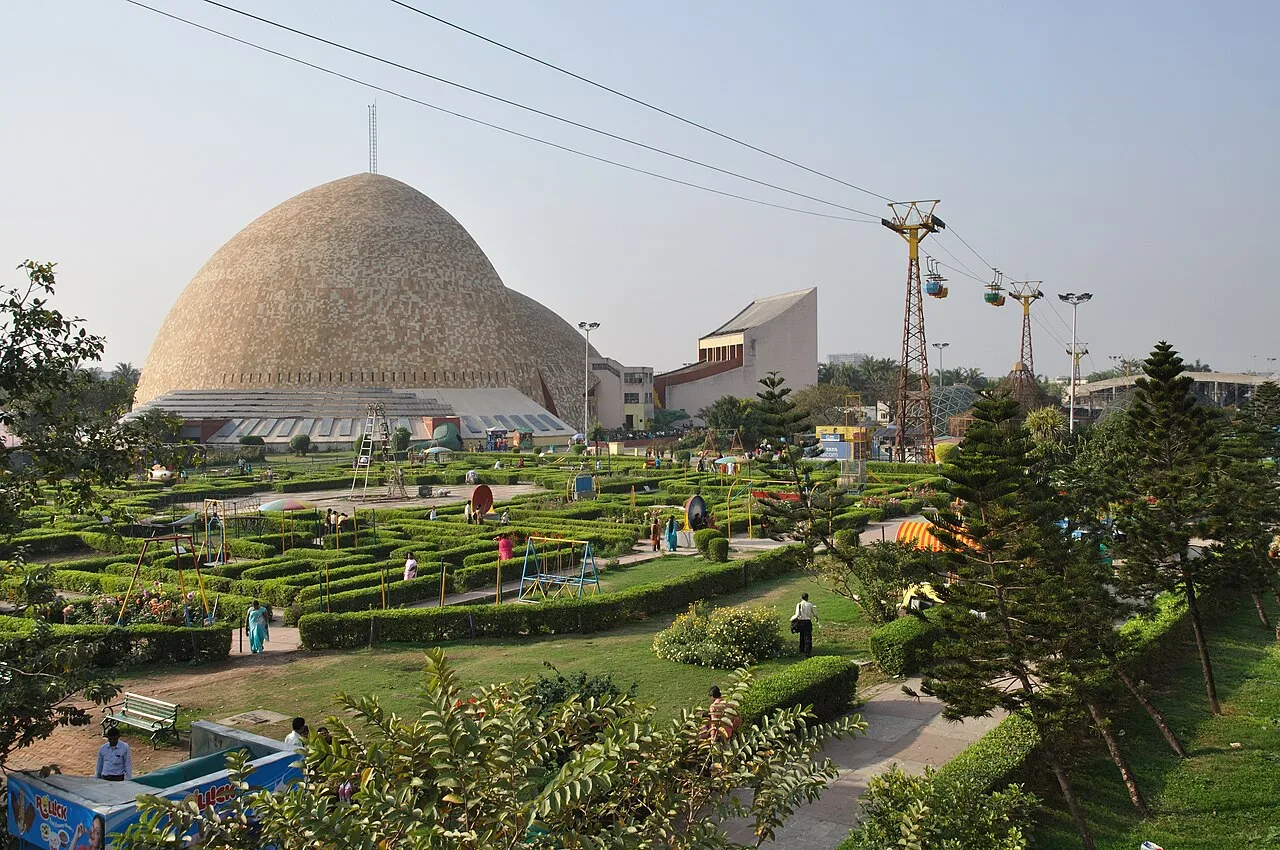
Science City

37 km away · Kolkata district

Science City

Science City in Kolkata is a science-focused attraction with a museum, science park and auditoriums. Visitors come to explore its facilities and use its spaces for events.

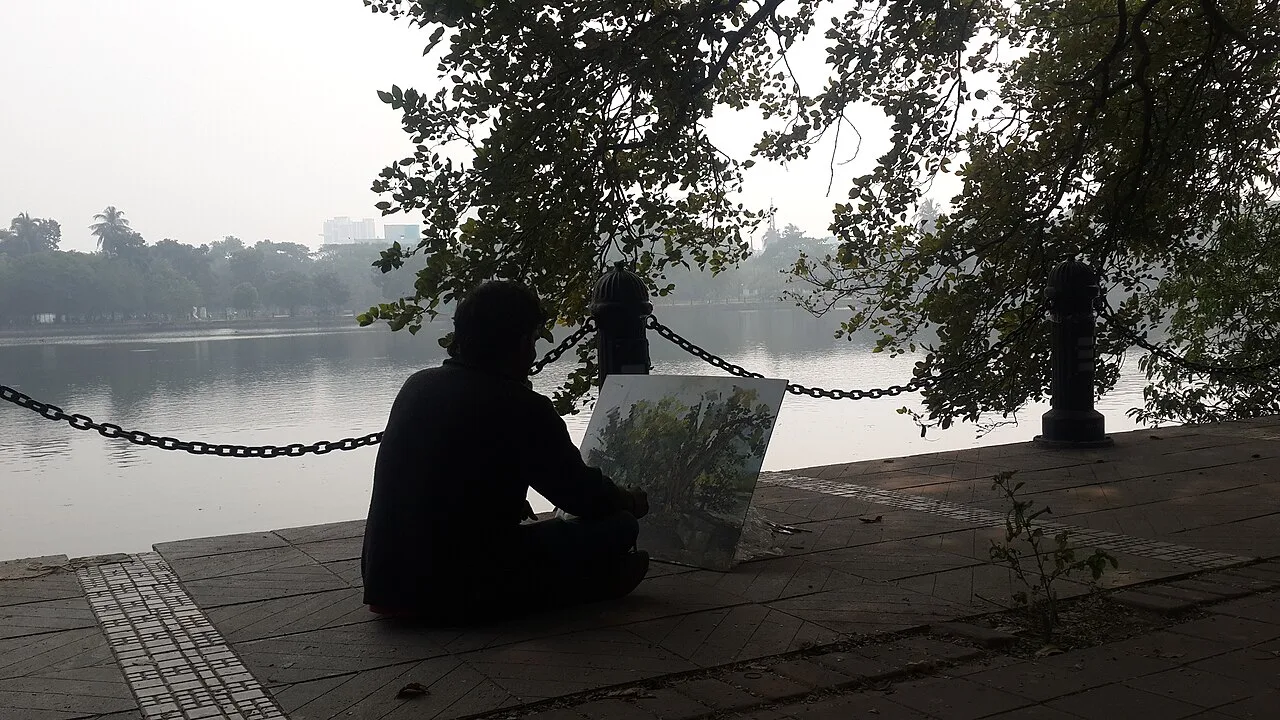
Rabindra Sarobar

38 km away · Kolkata district

Rabindra Sarobar

Rabindra Sarobar is a man-made lake, garden and park in southern Kolkata. People visit its green spaces and lakeside, while the name is also used for the surrounding neighbourhood.

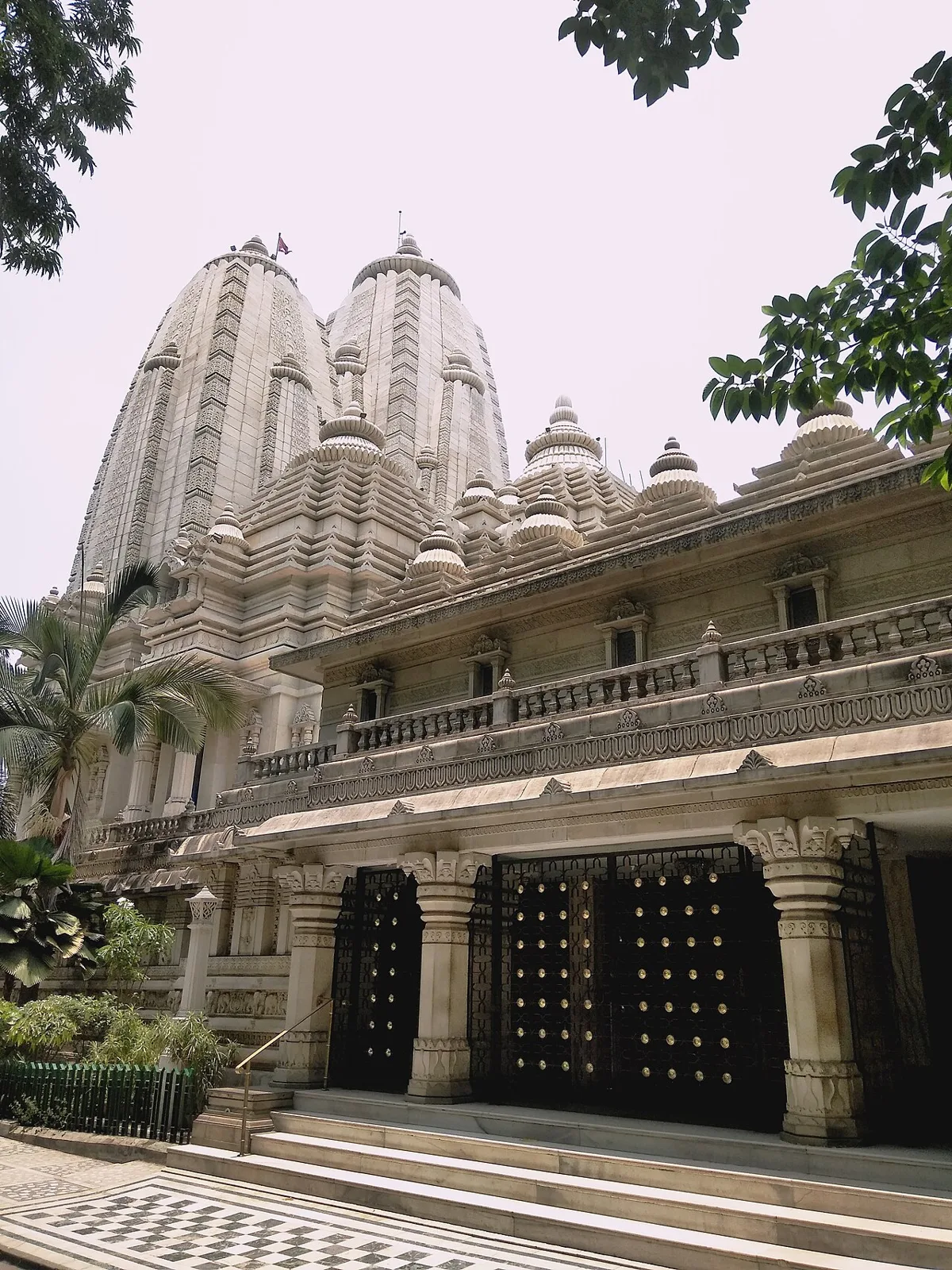
Birla Mandir

39 km away · Kolkata district

Birla Mandir

Birla Mandir is a Hindu temple in Ballygunge, Kolkata, built by the Birla family. Visitors worship Vishnu in his forms as Rama and Krishna, with many arriving for Janmashtami.

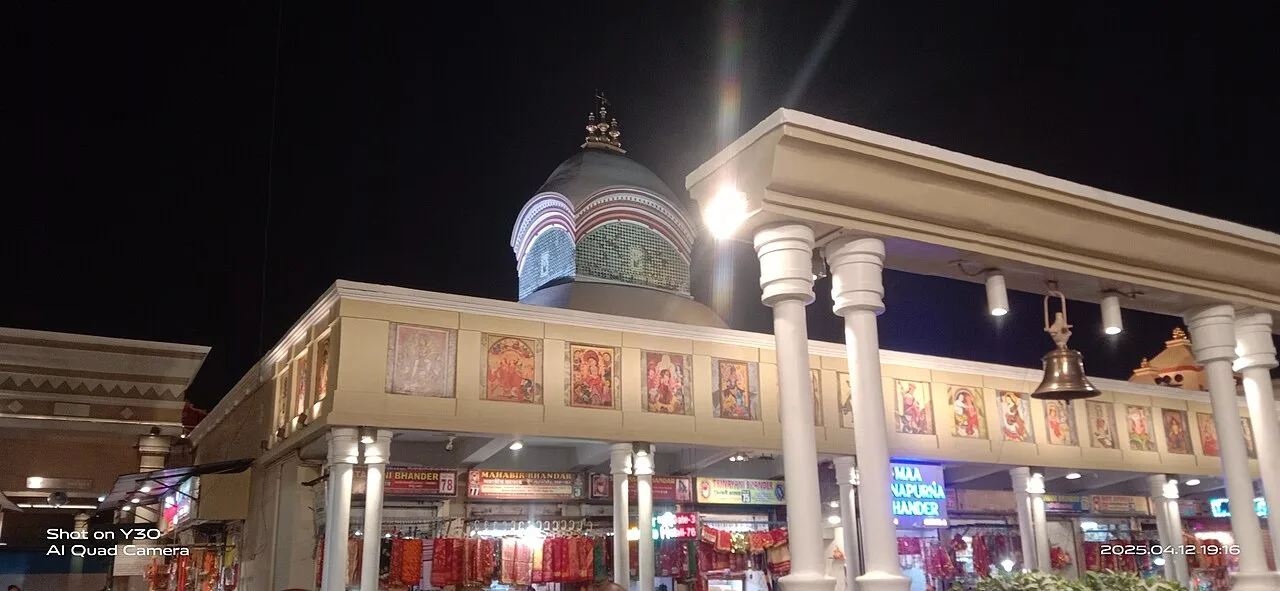
Kalighat Temple

40 km away · Kolkata district

Kalighat Temple

Kalighat Temple is a Hindu shrine in Kolkata devoted to Kali, revered in tantric and Kalikula traditions. People visit to worship at this Shakti Pitha, particularly during major religious observances.

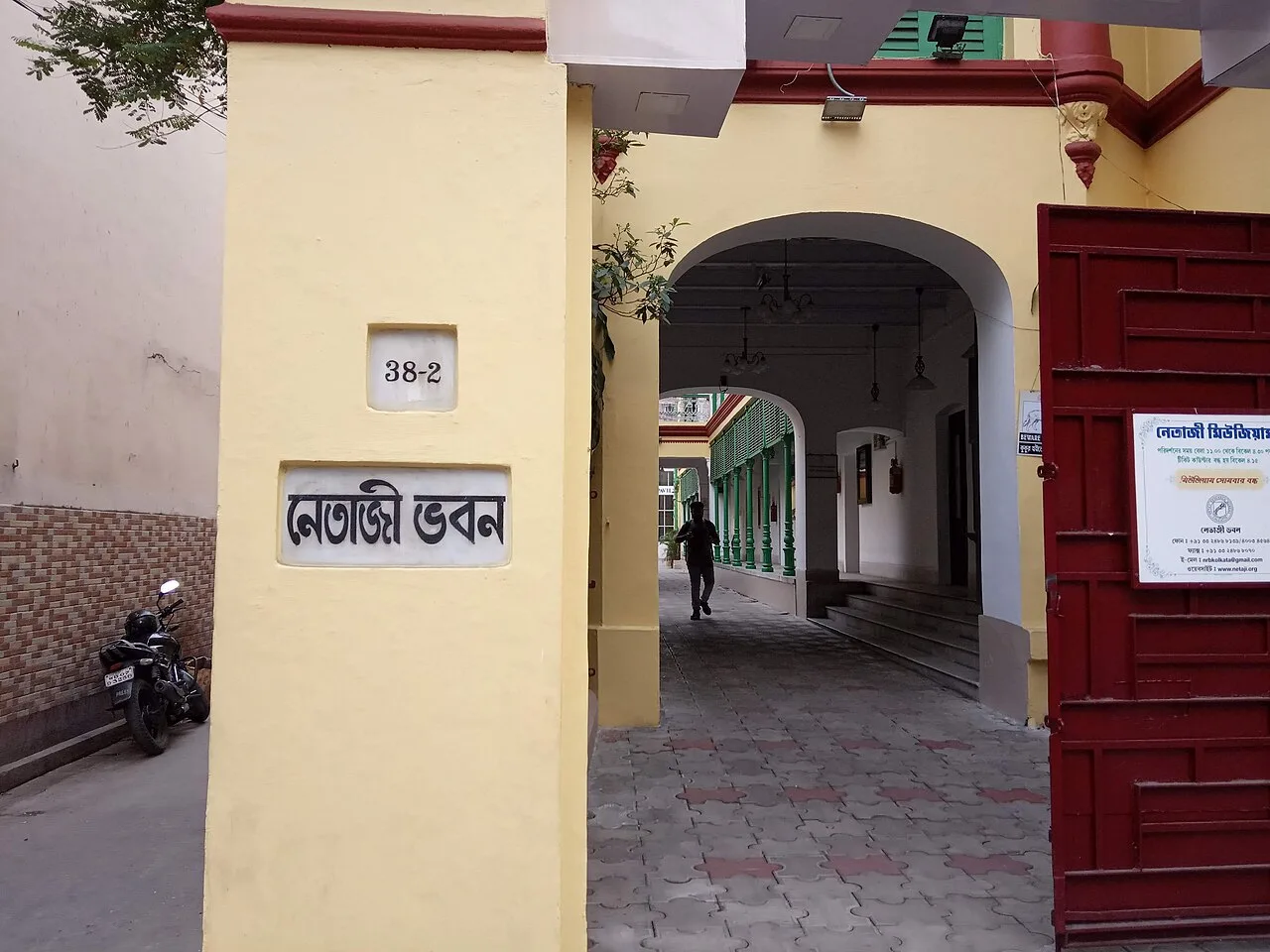
Netaji Bhawan

41 km away · Kolkata district

Netaji Bhawan

Netaji Bhawan is a heritage building in Kolkata associated with Subhas Chandra Bose. Visitors come to its memorial and research centre to engage with the Indian nationalist’s life.

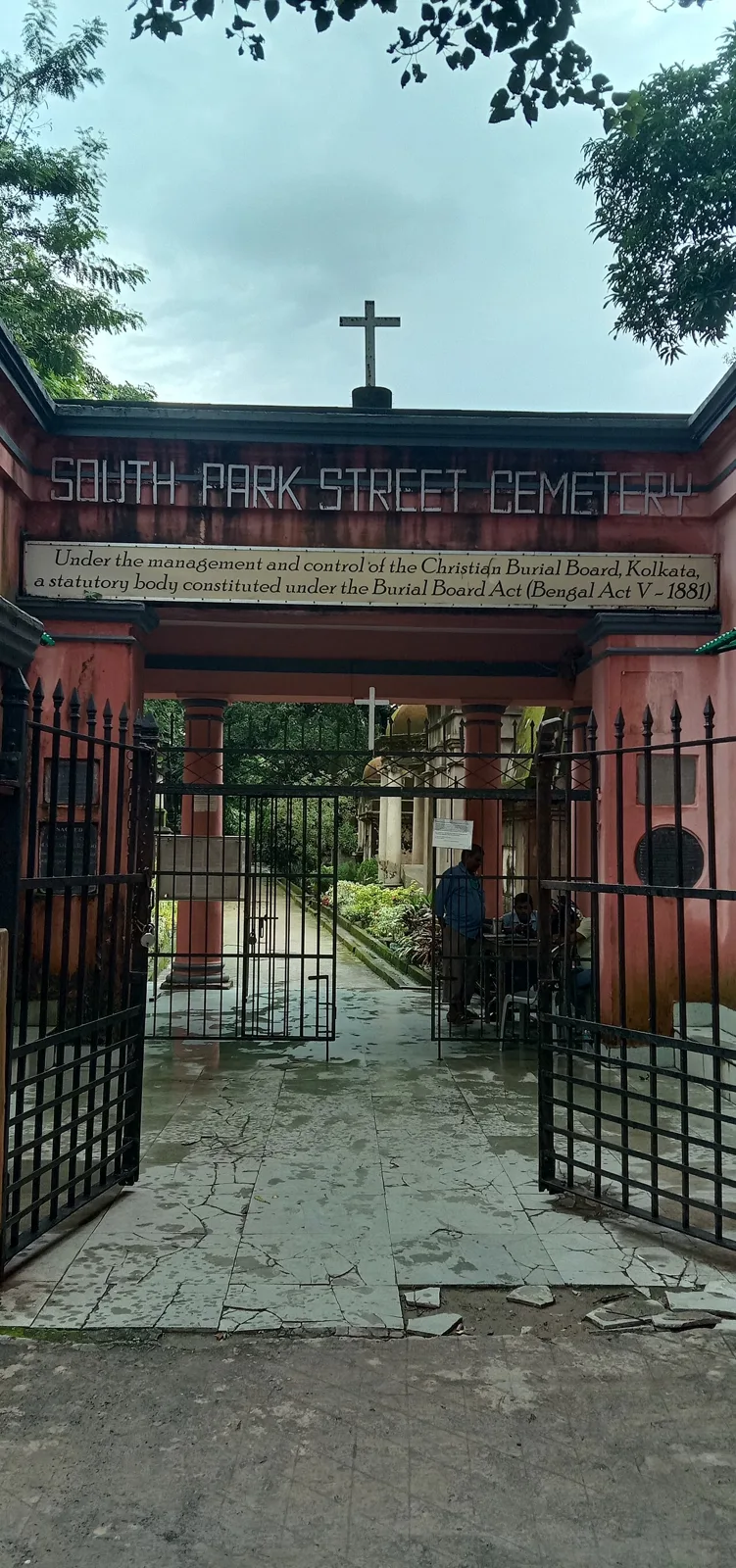
South Park Street Cemetery

41 km away · Kolkata district

South Park Street Cemetery

This historic Kolkata burial ground, once called the Great Christian Burial Ground, is known for its early non-church origins and memorials to British personnel and notable figures.

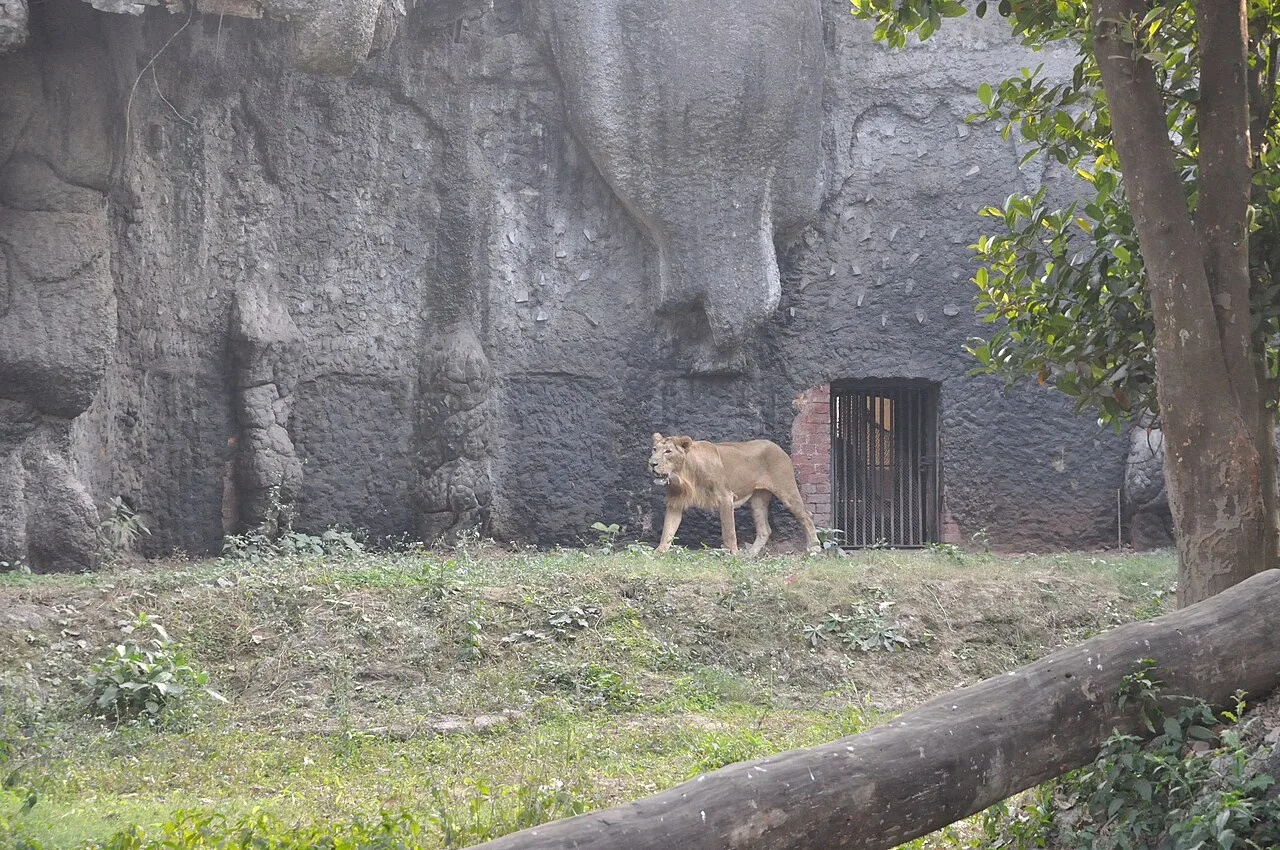
Alipore Zoo

42 km away · Kolkata district

Alipore Zoo

The Zoological Garden, Alipore, commonly called Alipore Zoo, is recognised as India’s oldest formally established zoological park. Its animal collection and breeding work draw visitors to Kolkata.

Indian Museum

42 km away · Kolkata district

Indian Museum

The Indian Museum (formerly called Imperial Museum of Calcutta) is a grand museum in Central Kolkata, West Bengal, India.

Map

Canning on the map

  1. 1Science City
  2. 2Rabindra Sarobar
  3. 3Birla Mandir
  4. 4Kalighat Temple
  5. 5Netaji Bhawan
  6. 6South Park Street Cemetery
  7. 7Alipore Zoo
  8. 8Indian Museum

West Bengal

Other cities to explore