Ghumoopedia — Explore, Discover, Experience
Sign in
Hazarduari Palace, near Jangipur

City guide · West Bengal

Jangipur

Jangipur is a municipal town on the Bhagirathi River and the administrative headquarters of Jangipur subdivision in Murshidabad district. Its position beside the river has shaped its history as a crossing, trading point and centre of administration.

Famous for

  • Bhagirathi riverfront
  • Jangipur Barrage
  • Historic Jungypore silk
  • Regional beedi industry
  • Mughal-era history

Why Jangipur matters

Jangipur is a municipal town on the Bhagirathi River and the administrative headquarters of Jangipur subdivision in Murshidabad district. Its position beside the river has shaped its history as a crossing, trading point and centre of administration. Today, the town serves residents and businesses across the surrounding area, with local markets, government offices and transport links giving it an important regional role.

The Bhagirathi and the Jangipur Barrage are central features of the town’s setting. Visitors interested in the region’s past can explore its old urban quarters and places of worship, while nearby Giria is associated with important eighteenth-century battles. Jangipur is also remembered for its former silk trade and its connection to the early use of fingerprint identification in British India. It is not a large conventional sightseeing centre, but makes a useful base for experiencing the river landscape and the history of northern Murshidabad. The town’s mix of riverbank life, working markets and layered history gives it a character distinct from the district’s better-known heritage destinations.
Famous for: crafts, trade & products

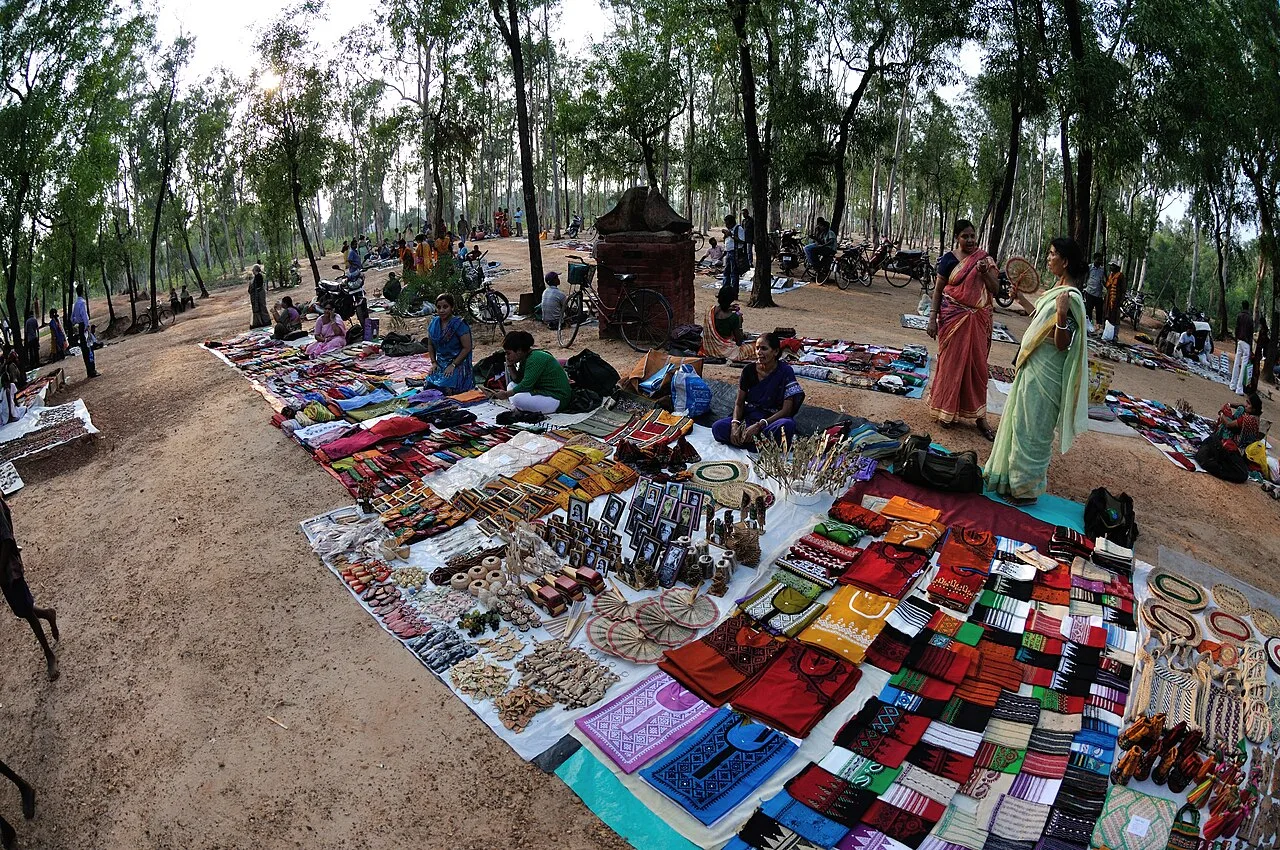
Jangipur’s best-known historic trade was silk. During the early years of British rule, the town—then often written as Jungypore—was an important centre for silk commerce and hosted East India Company commercial residencies. Jungypore silk was once highly regarded, though visitors should not assume that all locally sold silk is made in the town. Textile and general-goods shops around the town centre and Raghunathganj are places to ask about regional fabrics and products.

The wider Jangipur subdivision is also associated with beedi production, much of it carried out in home-based work. This is a significant part of the local economy, rather than a visitor-oriented craft experience; organised factory visits should not be assumed. The area has also had a history of indigo cultivation under Company rule. Jangipur is not widely identified with a specific handicraft or a distinct local GI-tagged product, so buyers looking for certified goods should check labels and ask sellers about origin. Local markets are useful for everyday produce, household goods and a glimpse of the town’s commercial life, but there is no single widely established tourist bazaar for a signature Jangipur product.

History

Jangipur is traditionally said to have been founded under Mughal emperor Jahangir, whose name is reflected in the earlier name Jahangirpur. An army camp was established here during the Mughal period. Under early British rule, the town developed as a silk-trading centre and site of East India Company commercial residencies; indigo cultivation later became important. In 1856, the subdivisional headquarters was transferred here from Aurangabad.

The Bhagirathi shaped both the town’s prosperity and its difficulties. Jangipur once served as a toll station for river traffic, but trade declined as transport patterns changed and erosion altered the riverbank. Administrative offices and courts moved from the east bank to the west-bank quarter of Raghunathganj as the river encroached. In 1858, magistrate William James Herschel used a hand impression to identify a contractor, an early practical use of fingerprints in administration. In modern times, the town has continued as a subdivision centre, while the Jangipur Barrage has become a prominent feature of the river landscape.

Food, festivals & culture

Everyday food in Jangipur reflects the broader Bengali table: rice, fish, lentils, vegetables and seasonal preparations are common. Sweet shops offer familiar Bengali sweets, though the town is not especially known for one signature dish. Markets and small eateries provide a practical way to sample everyday local cooking; availability varies by season and shop.

Bengali is the main language of daily life, with Hindi and Urdu also heard in the region. Durga Puja brings neighbourhood celebrations in autumn, followed later in the season by Kali Puja; Eid celebrations follow the Islamic lunar calendar and are important to local Muslim communities. Religious life is visible in the town’s mosques and Hindu temples, including an old mosque associated with a seventeenth-century inscription. Bengali devotional and folk music form part of the wider cultural landscape, alongside music and performance heard during religious and community celebrations. Customs and festivities are shared across a diverse population, so the atmosphere can vary between neighbourhoods and occasions.

Visiting the city

The cooler, drier months from October to February are generally the most comfortable time to visit; summer can be hot and the monsoon may bring heavy rain. For scheduled air connections, use Netaji Subhas Chandra Bose International Airport in Kolkata. Jangipur Road is the main railway station serving the town. From the station, local auto-rickshaws, cycle-rickshaws and taxis can help with short journeys; confirm the destination before setting out, as Jangipur and Raghunathganj are closely connected but distinct local areas.

Explore the town centre and Raghunathganj for markets, civic buildings and everyday street life, then see the Bhagirathi riverfront and Jangipur Barrage from appropriate public viewpoints. Giria, north of town, is of interest for its historical associations. River conditions and access can change, so follow local guidance near the banks and barrage.

Trips from the city

Nearest places to visit from Jangipur

Our closest destination guides, by straight-line distance.

Hazarduari Palace

37 km away · Murshidabad district

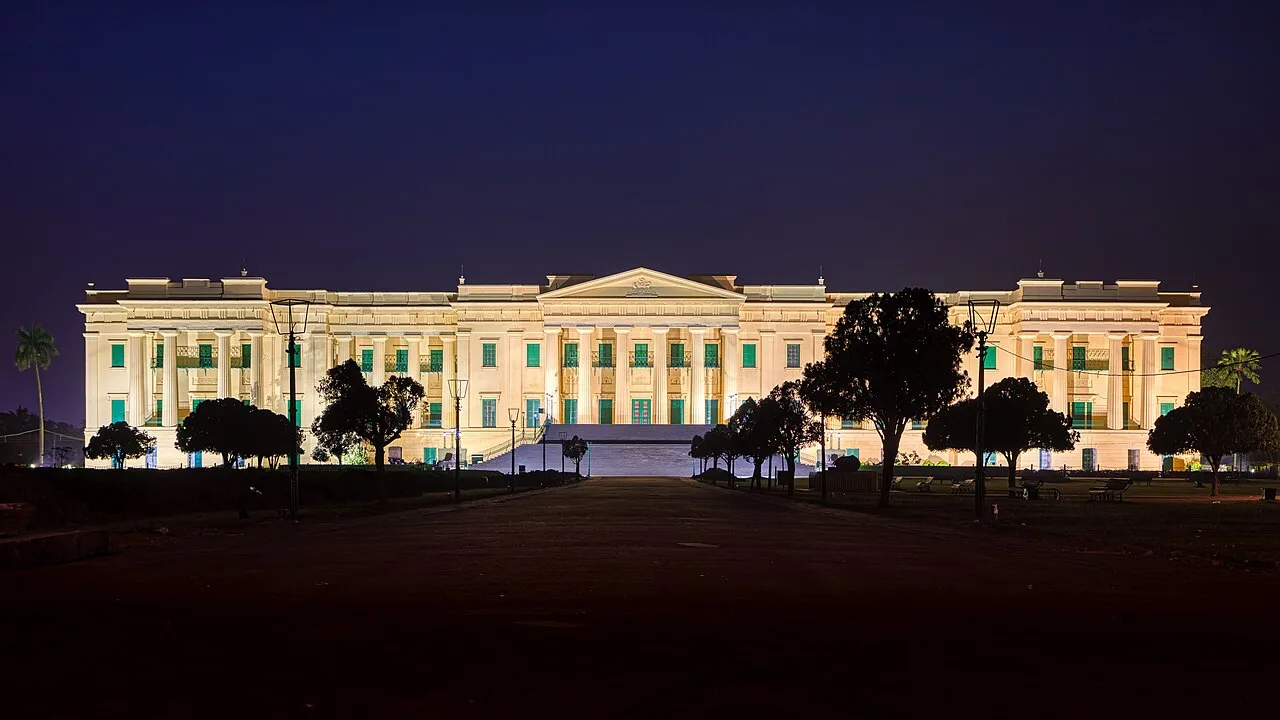
Hazarduari Palace

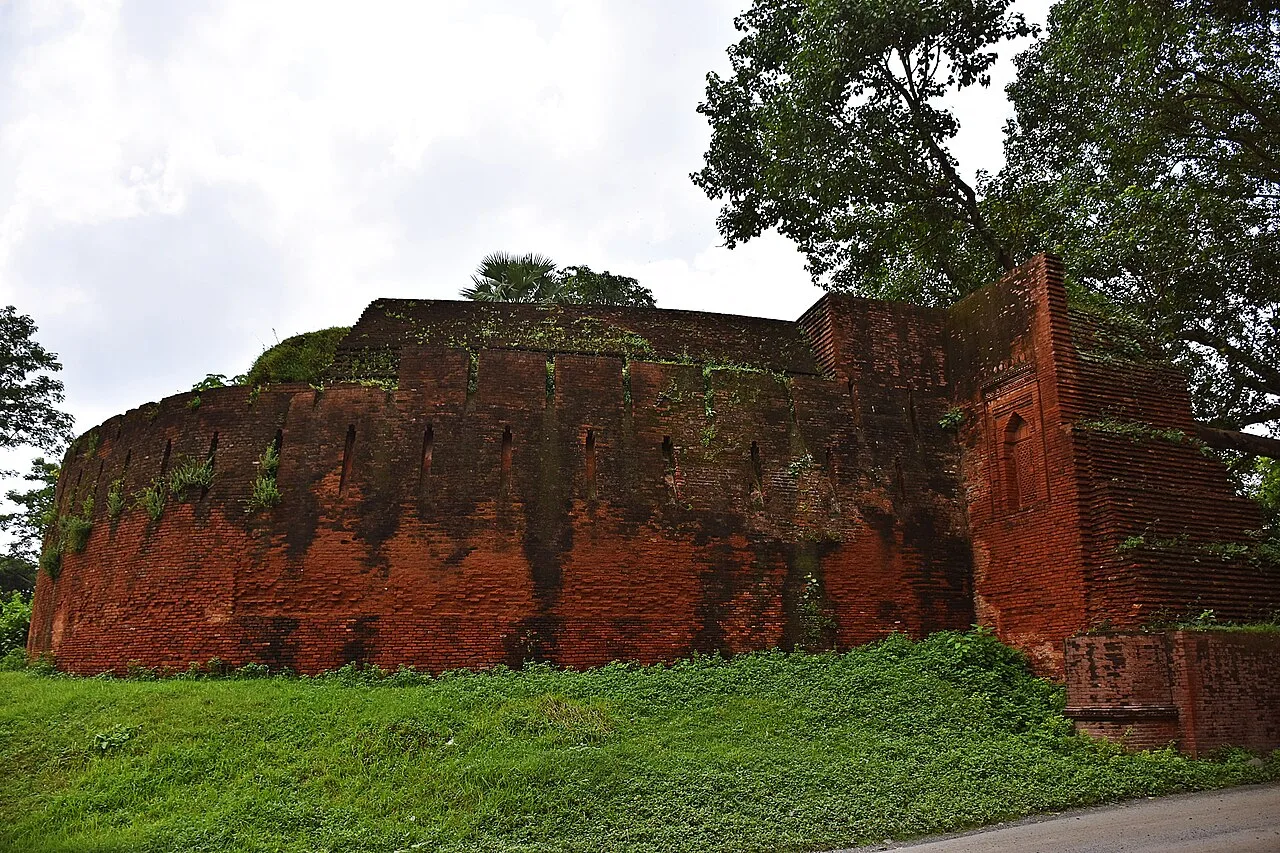
Hazarduari Palace is a former royal residence in Murshidabad, now a museum and national monument. Visitors come to see its nineteenth-century architecture and explore its cultural role.

Nizamat Imambara

37 km away · Murshidabad district

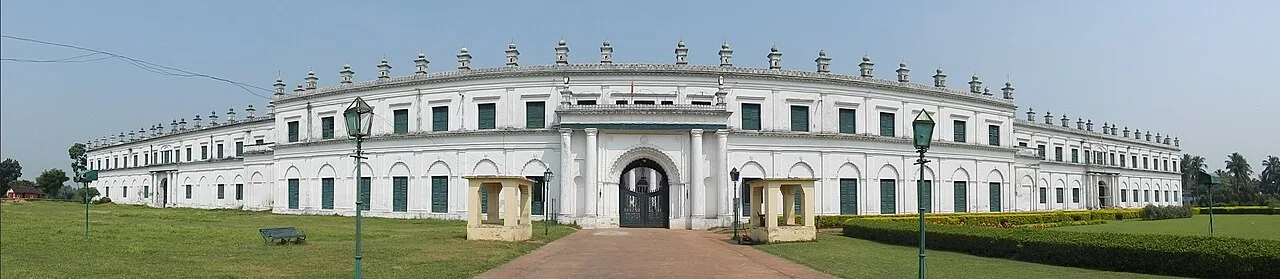
Nizamat Imambara

Nizamat Imambara is a Shi’ite congregation hall in Murshidabad, noted for its history and scale; visitors come to see a historic site recognised for national importance.

Katra Masjid

38 km away · Murshidabad district

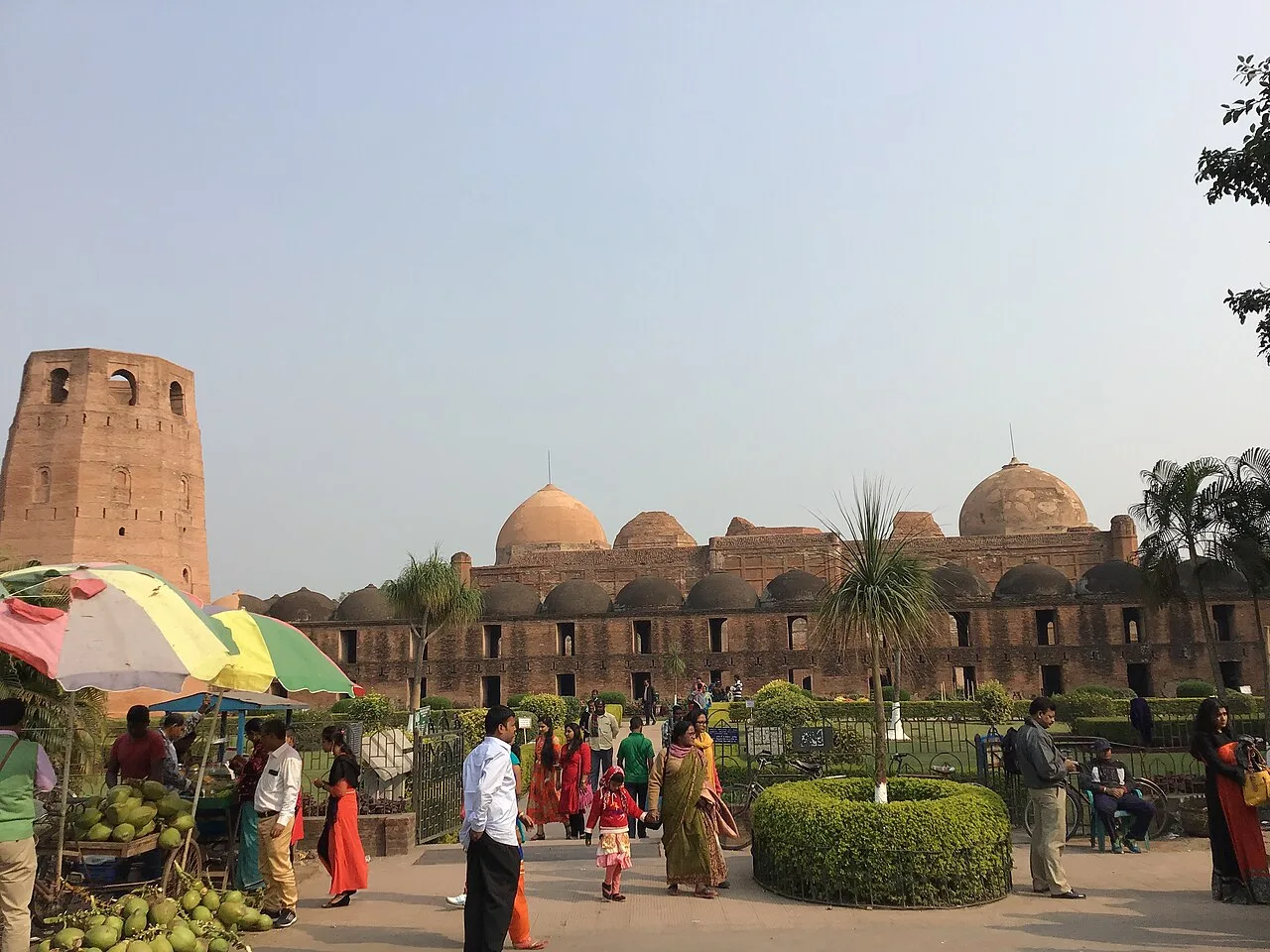
Katra Masjid

Katra Masjid is a partly ruined complex in Murshidabad, West Bengal, combining a former Shia caravanserai, mosque and tomb. Visitors come to see its historic architecture and the burial place of its founder.

Gaur (Gauda) Ruins

44 km away · Malda district

Gaur (Gauda) Ruins

Gauda’s remains in Malda preserve traces of a former Bengal capital. Visitors explore its Sultanate-era buildings and the story of a city shaped by changing rulers and rivers.

Tarapith

49 km away · Birbhum district

Tarapith

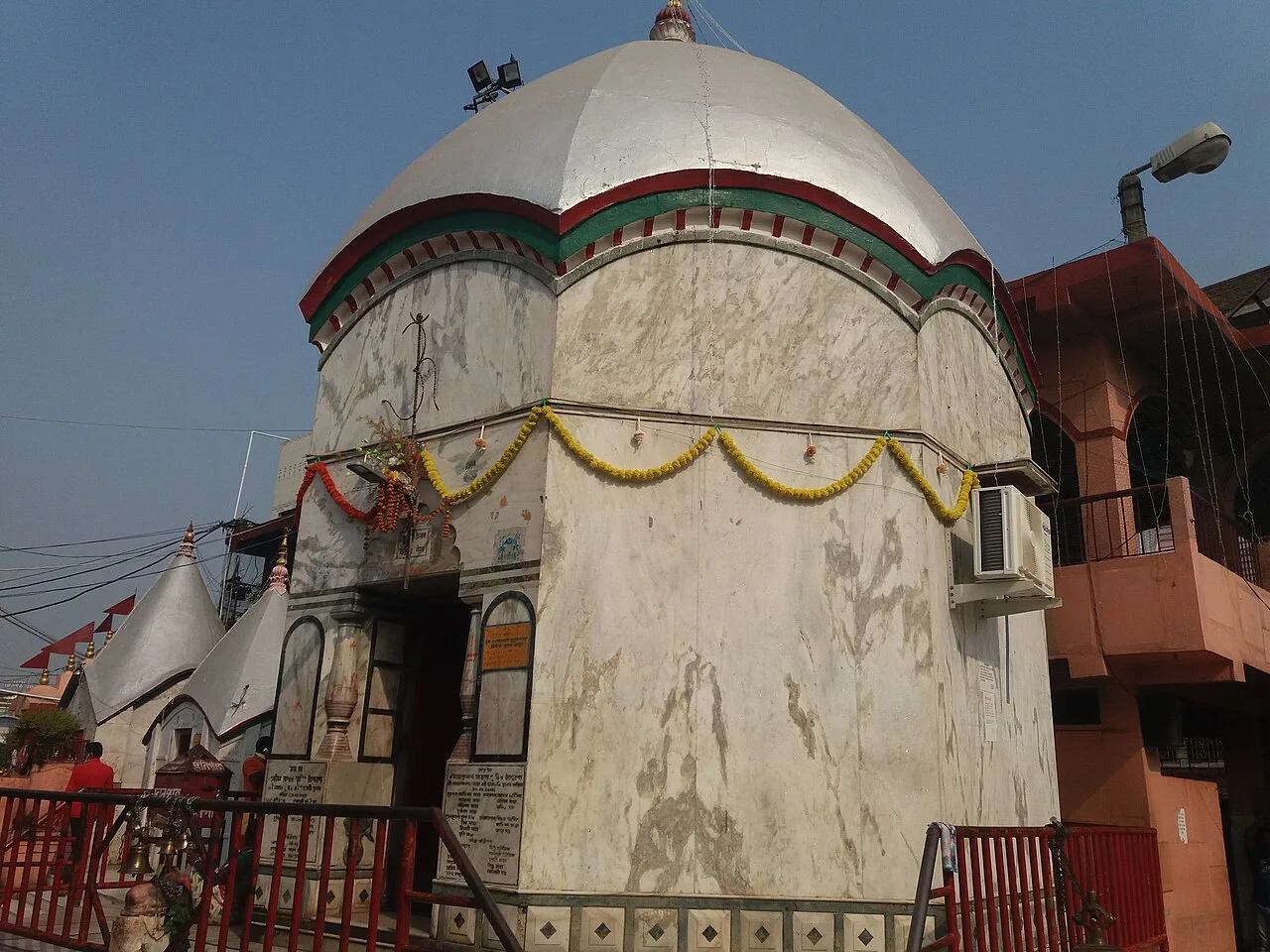
Tarapith is a town in West Bengal’s Birbhum district and a Hindu pilgrimage destination. Visitors come to worship the goddess Tara at its Tantric temple and visit nearby religious sites.

Adina Mosque

76 km away · Malda district

Adina Mosque

Adina Mosque is a Sultanate-era imperial mosque in Pandua, West Bengal. Visitors come to explore its monumental architecture and learn about the ambitions of the Bengal Sultanate.

Bakreshwar

97 km away · Birbhum district

Bakreshwar

Bakreshwar is a village in Birbhum district, West Bengal. Visitors may be interested in the nearby Bakreshwar thermal power facilities, and Dubrajpur is the closest rail connection.

Santiniketan

97 km away · Birbhum district

Santiniketan

Santiniketan is a neighbourhood of Bolpur in West Bengal, associated with the Tagore family and Visva-Bharati. Visitors come to explore its heritage and its status as a UNESCO World Heritage site.

Map

Jangipur on the map

  1. 1Hazarduari Palace
  2. 2Nizamat Imambara
  3. 3Katra Masjid
  4. 4Gaur (Gauda) Ruins
  5. 5Tarapith
  6. 6Adina Mosque
  7. 7Bakreshwar
  8. 8Santiniketan

West Bengal

Other cities to explore