Ghumoopedia — Explore, Discover, Experience
Sign in
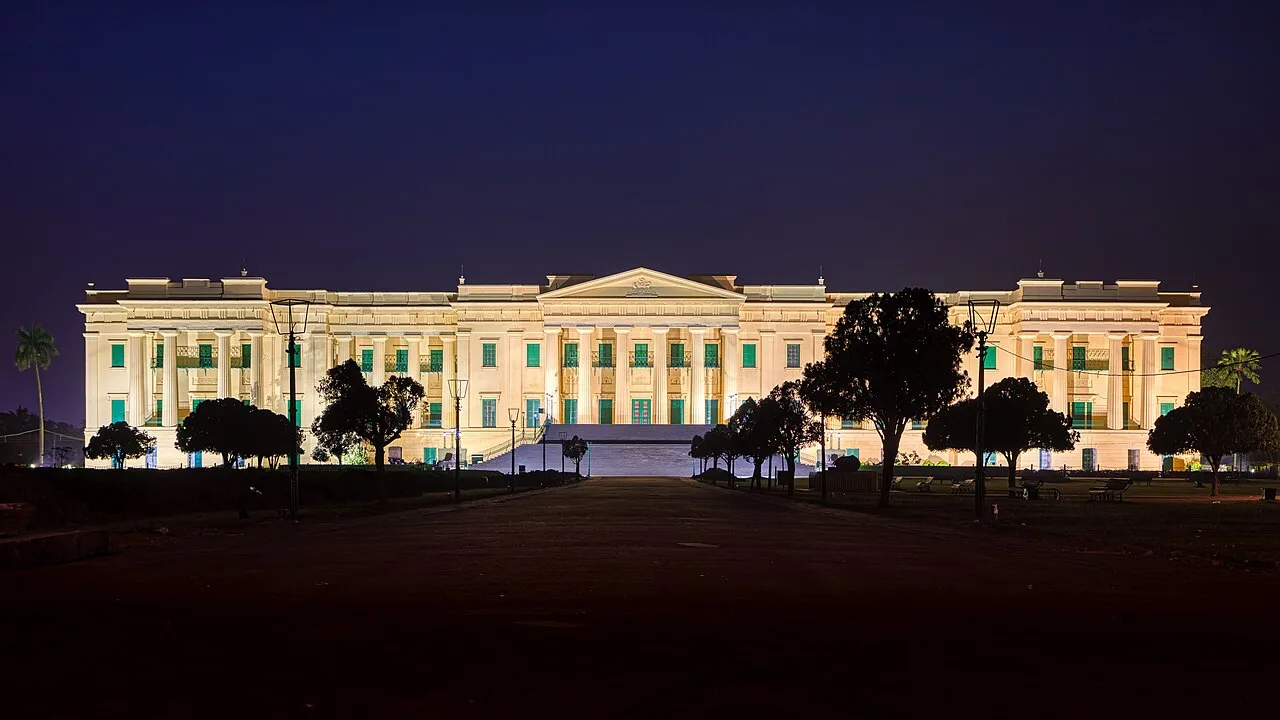
Hazarduari Palace, near Murshidabad

City guide · West Bengal

Murshidabad

On the eastern bank of the Bhagirathi River, Murshidabad is a historic town and the headquarters of Lalbag subdivision. Its palaces, mosques, gardens and merchant mansions recall its time as the capital of Bengal under the Nawabs in the eighteenth century.

Famous for

  • Hazarduari Palace
  • Murshidabad silk
  • Chhanabora sweets
  • Nawabi heritage
  • Bhagirathi riverfront

Why Murshidabad matters

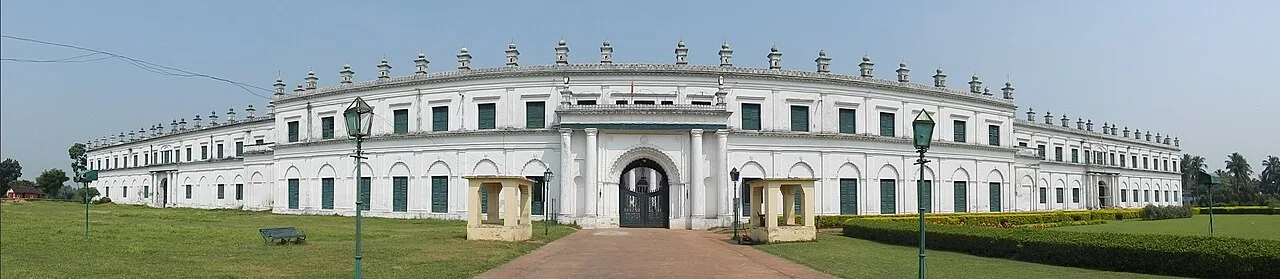
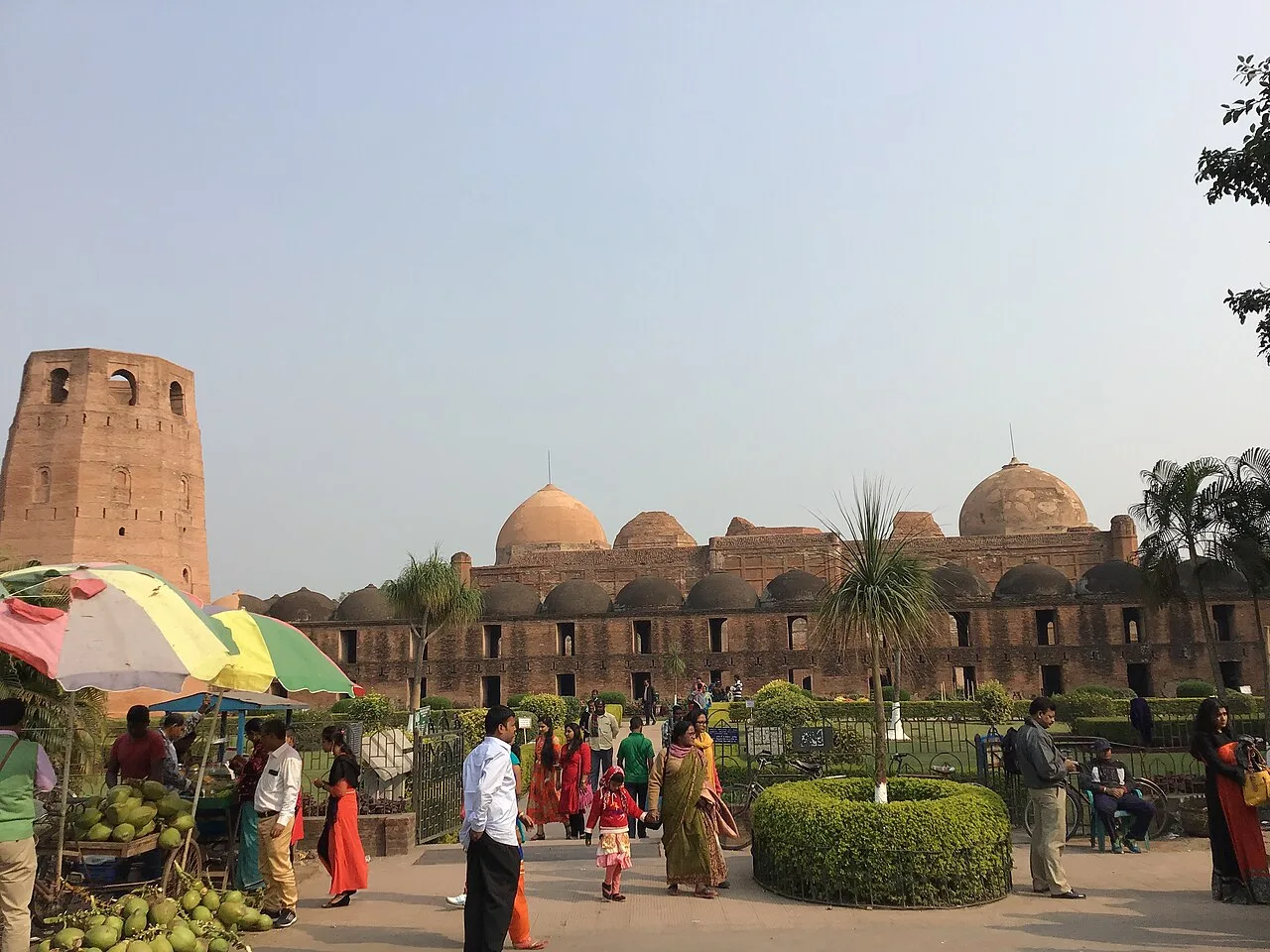
On the eastern bank of the Bhagirathi River, Murshidabad is a historic town and the headquarters of Lalbag subdivision. Its palaces, mosques, gardens and merchant mansions recall its time as the capital of Bengal under the Nawabs in the eighteenth century. The grand Hazarduari Palace, the Nizamat Imambara and Katra Masjid are among the landmarks that draw visitors to the town and its surrounding area.

Murshidabad also remains a working regional centre, with links to agriculture, silk weaving and trade. Its name is closely associated with Murshidabad silk, a traditional textile, and with local sweets such as chhanabora. The Bhagirathi shapes both the town’s setting and many visits to historic sites across the river, including Khushbagh. Together, its architectural heritage, river landscape and living crafts make Murshidabad a rewarding stop for travellers interested in Bengal’s history as well as its present-day culture. It is often explored alongside nearby Berhampore and other sites in the district.
Famous for: crafts, trade & products

Murshidabad is best known for its silk, woven into saris, scarves and other garments. The craft reflects a long history of sericulture in the region, and Murshidabad silk has a recognised geographical identity. Visitors can look for silk goods at shops and markets in Lalbagh and nearby commercial centres; asking sellers about the fabric’s origin and weave can help distinguish locally made pieces. Berhampore, a neighbouring town, is another useful place to browse regional textiles and handicrafts.

Agriculture is also important to the local economy, with mangoes and litchis among the region’s produce. The town’s celebrated chhanabora, a rich fried chhana sweet, is a popular edible speciality to seek out at local sweet shops. Traditional crafts and household goods can be found in town markets, though particular stock varies by shop and season. For a broader look at the region’s historic commerce, visit the old palaces and merchant houses around Lalbagh, including Kathgola and Nashipur. These sites evoke the wealth built through banking, trade and the silk economy, while present-day shops offer a chance to take home locally made products.

History

The region has ancient associations with the kingdoms of Bengal, but Murshidabad rose to prominence in the early eighteenth century. Murshid Quli Khan, then Bengal’s leading administrator and later its Nawab, shifted the provincial capital from Dhaka and named the new centre after himself. The court, mint, army and administrative offices helped attract merchants, artisans and wealthy banking families. European trading companies also established commercial bases in the wider area, where silk was an important commodity.

The city’s political fortunes changed after Siraj-ud-Daulah’s defeat at the Battle of Plassey in 1757. British authority grew, and key revenue and judicial functions were transferred to Calcutta. The Nawabs remained as rulers with reduced power, and the Hazarduari Palace was built in the nineteenth century for the Nawab and British officials. Murshidabad became a municipality in 1869. Its role as a political capital faded, but it continued as a district and commercial centre, with silk production and agriculture supporting its economy.

Food, festivals & culture

Bengali is the main language heard in Murshidabad; Hindi and Urdu are also used by residents and visitors. Everyday meals reflect Bengali tastes, with rice, fish, vegetables and lentils common. The town’s best-known sweet is chhanabora, a deep-fried chhana confection often finished with syrup. Seasonal mangoes and litchis are also part of the local food culture. Visitors can try these at neighbourhood sweet shops and markets, with fruit availability depending on the season.

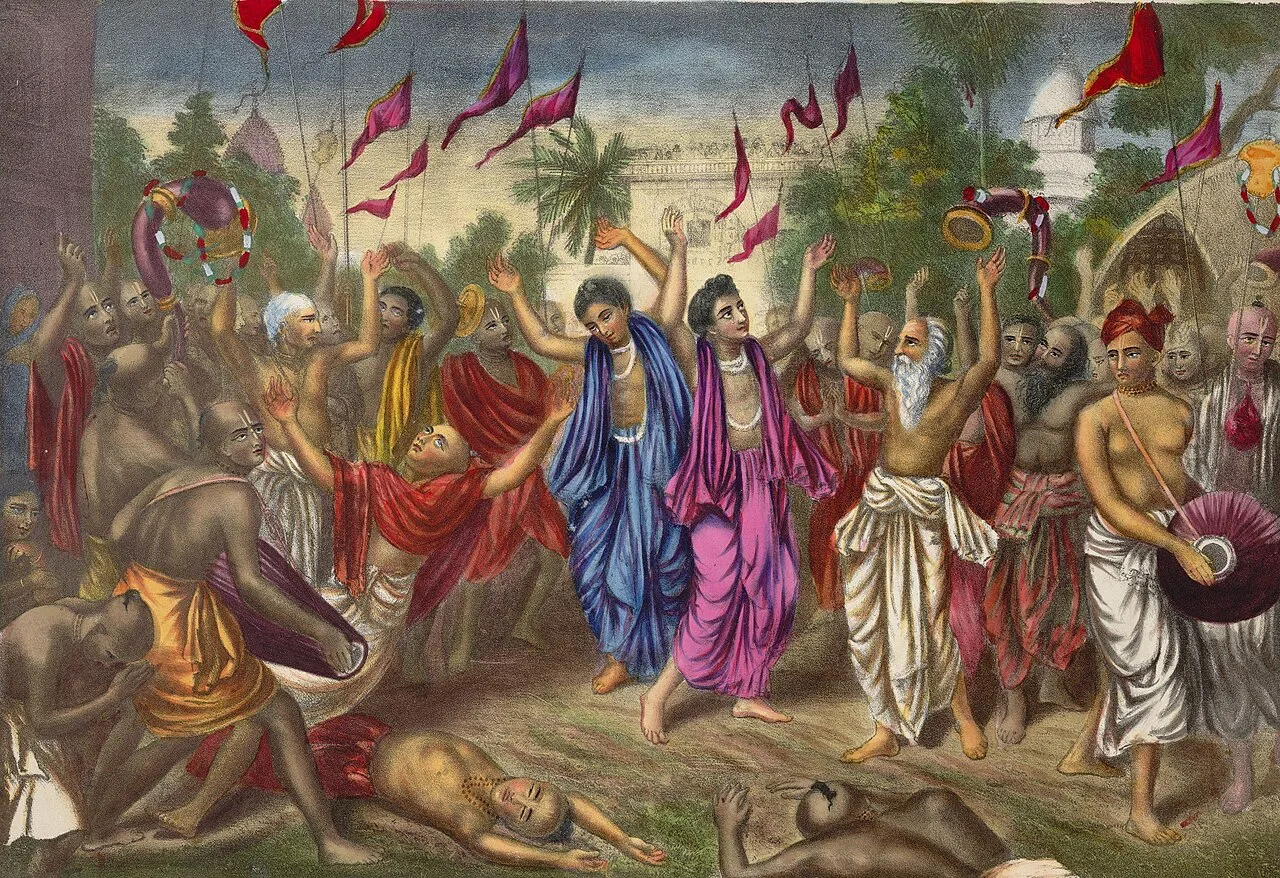
Durga Puja, usually celebrated in autumn, brings neighbourhood worship and festive gatherings. Eid al-Fitr and Eid al-Adha are important occasions for Muslim communities, while Muharram is observed in the Shia tradition. Religious life is reflected in the town’s mosques and the Nizamat Imambara, as well as temples in the wider area. Kirtan, devotional music and regional folk traditions form part of Bengal’s broader cultural life; performances are more likely to be encountered during festivals and local events than on a fixed visitor schedule. The town’s historic buildings and riverbank setting add to its distinctive cultural character.

Visiting the city

The cooler months from October to March are generally the most comfortable for exploring Murshidabad. Netaji Subhas Chandra Bose International Airport in Kolkata is the nearest major airport; Murshidabad railway station serves the town by rail. From the station, auto-rickshaws, cycle-rickshaws and local taxis are practical ways to reach central sights. Check local arrangements before planning river crossings, as access can vary.

Begin around Lalbagh and the Kila Nizamat complex, where Hazarduari Palace, the Nizamat Imambara and nearby historic sites are clustered. Katra Masjid and the Motijhil area make worthwhile additions. Khushbagh lies across the Bhagirathi, while Baranagar and other district attractions require more time and onward travel. Berhampore is a useful nearby base for shopping and regional connections. Allow time to explore at an unhurried pace: distances between sites and river crossings can make a full day’s itinerary longer than it appears.

Trips from the city

Nearest places to visit from Murshidabad

Our closest destination guides, by straight-line distance.

Hazarduari Palace

1 km away · Murshidabad district

Hazarduari Palace

Hazarduari Palace is a former royal residence in Murshidabad, now a museum and national monument. Visitors come to see its nineteenth-century architecture and explore its cultural role.

Nizamat Imambara

1 km away · Murshidabad district

Nizamat Imambara

Nizamat Imambara is a Shi’ite congregation hall in Murshidabad, noted for its history and scale; visitors come to see a historic site recognised for national importance.

Katra Masjid

2 km away · Murshidabad district

Katra Masjid

Katra Masjid is a partly ruined complex in Murshidabad, West Bengal, combining a former Shia caravanserai, mosque and tomb. Visitors come to see its historic architecture and the burial place of its founder.

Tarapith

48 km away · Birbhum district

Tarapith

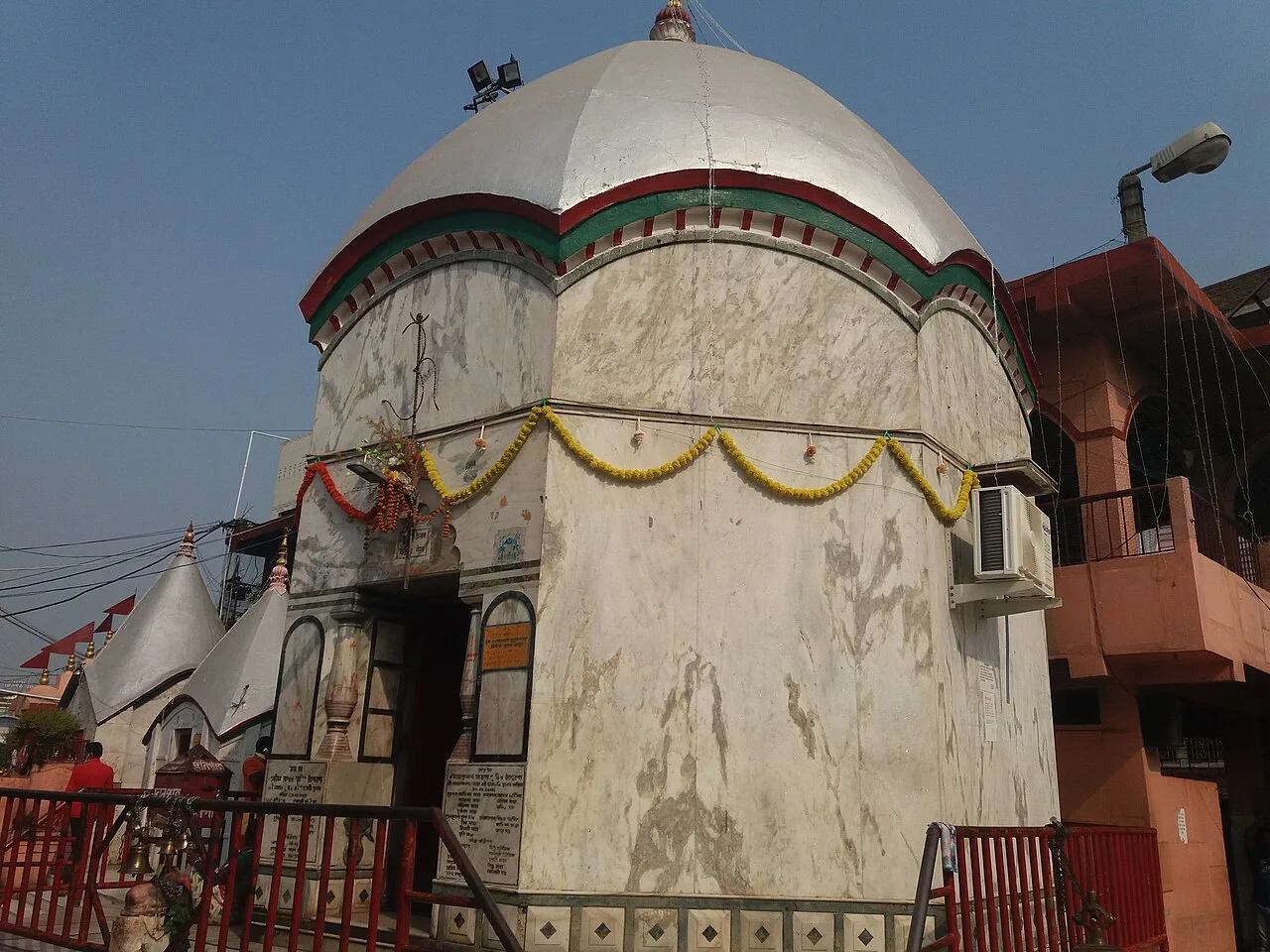
Tarapith is a town in West Bengal’s Birbhum district and a Hindu pilgrimage destination. Visitors come to worship the goddess Tara at its Tantric temple and visit nearby religious sites.

Gaur (Gauda) Ruins

78 km away · Malda district

Gaur (Gauda) Ruins

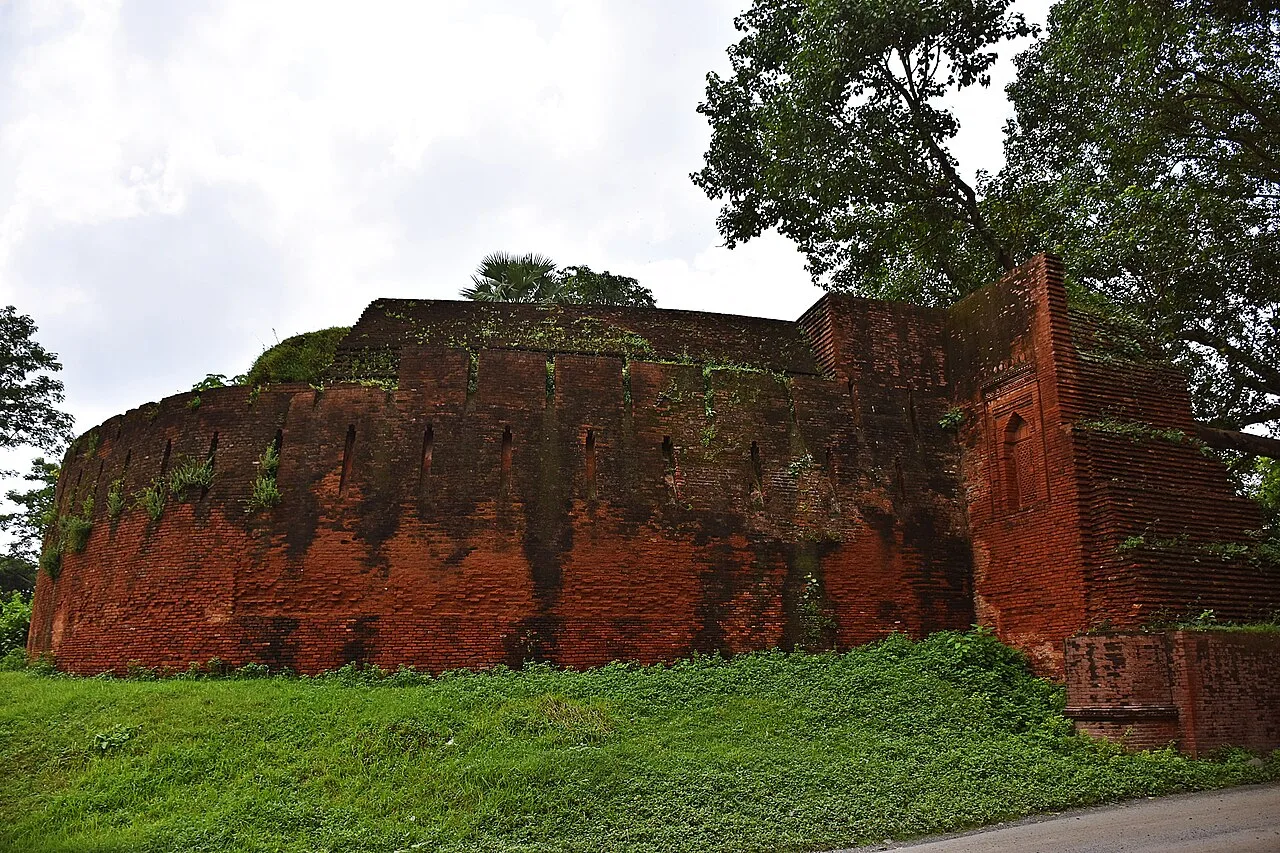
Gauda’s remains in Malda preserve traces of a former Bengal capital. Visitors explore its Sultanate-era buildings and the story of a city shaped by changing rulers and rivers.

Santiniketan

82 km away · Birbhum district

Santiniketan

Santiniketan is a neighbourhood of Bolpur in West Bengal, associated with the Tagore family and Visva-Bharati. Visitors come to explore its heritage and its status as a UNESCO World Heritage site.

Mayapur

83 km away · Nadia district

Mayapur

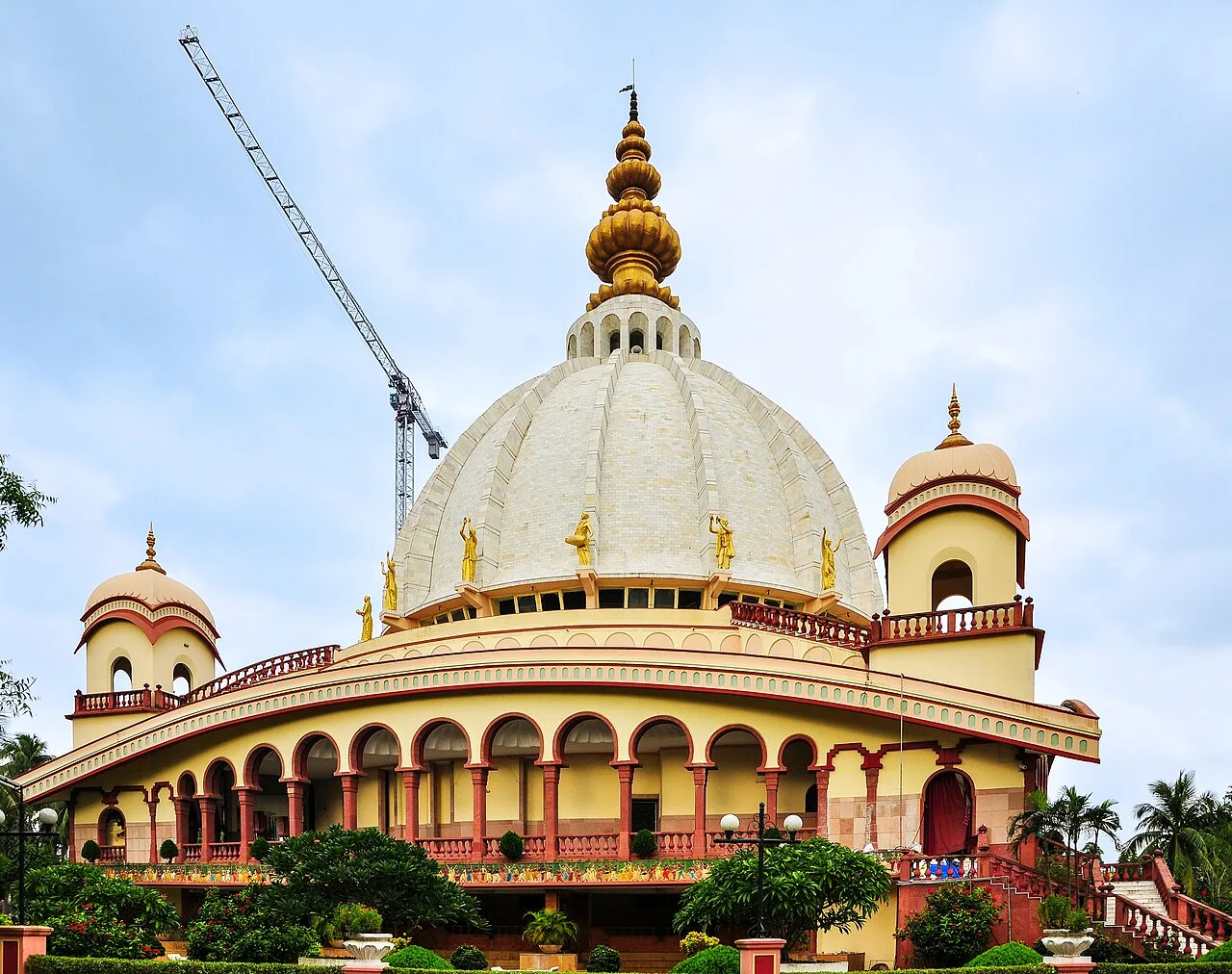
Mayapur is a pilgrimage settlement in Nadia district, West Bengal, within Nabadwip CD block and Krishnanagar Sadar subdivision. Visitors come for its religious importance to Gaudiya Vaishnavas.

Nabadwip

85 km away · Nadia district

Nabadwip

Nabadwip is a historic city in West Bengal, revered as the birthplace of Chaitanya Mahaprabhu. Visitors come for its Vaishnava heritage, religious celebrations and long tradition of Sanskrit learning.

Map

Murshidabad on the map

  1. 1Hazarduari Palace
  2. 2Nizamat Imambara
  3. 3Katra Masjid
  4. 4Tarapith
  5. 5Gaur (Gauda) Ruins
  6. 6Santiniketan
  7. 7Mayapur
  8. 8Nabadwip

West Bengal

Other cities to explore