Ghumoopedia — Explore, Discover, Experience
Sign in
Jhargram, near Kharagpur

City guide · West Bengal

Kharagpur

Kharagpur is a major railway, education and industrial centre in Paschim Medinipur district, serving as the headquarters of the Kharagpur subdivision. Its location about 116 kilometres west of Kolkata and its extensive rail connections make it an important transport hub for southwestern West Bengal.

Famous for

  • IIT Kharagpur
  • Kharagpur Junction
  • Hijli Shaheed Bhavan
  • Railway heritage
  • Industrial centre

Why Kharagpur matters

Kharagpur is a major railway, education and industrial centre in Paschim Medinipur district, serving as the headquarters of the Kharagpur subdivision. Its location about 116 kilometres west of Kolkata and its extensive rail connections make it an important transport hub for southwestern West Bengal. Kharagpur Junction is central to the city’s identity, while the Indian Institute of Technology Kharagpur brings students, researchers and visitors from across India and abroad.

Visitors come for the institute’s broad campus and the history preserved at Hijli Shaheed Bhavan, once part of a British detention camp. The city also has a distinctive railway-settlement character, busy local markets and a mix of Bengali, Odia and other communities. Manufacturing, logistics and related businesses add to its present-day economy. Kharagpur is not chiefly a resort or a destination for a single craft tradition; its appeal lies in the combination of educational institutions, railway history, industrial life and access to the wider Medinipur region.
Famous for: crafts, trade & products

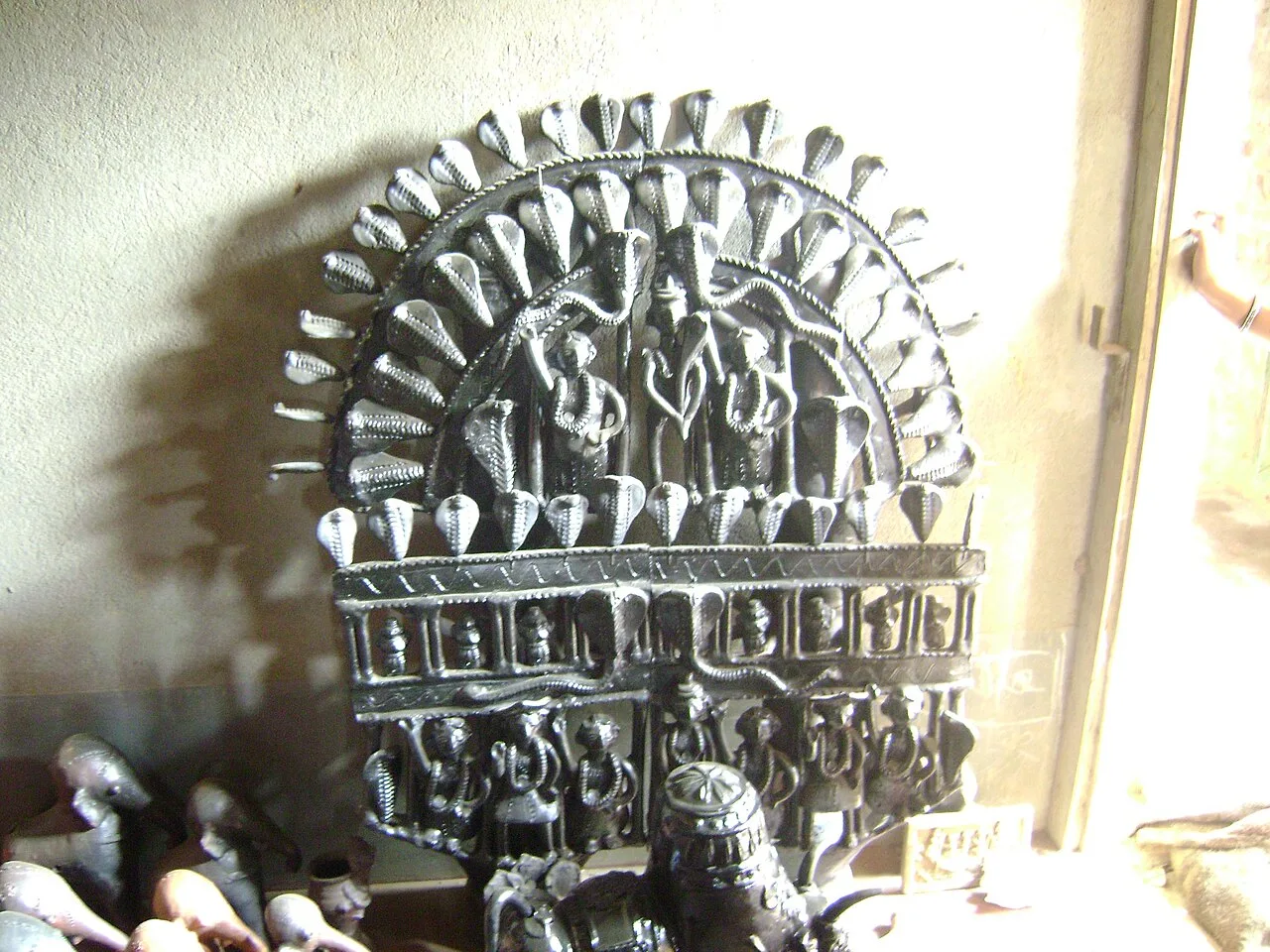
Kharagpur is best known for its railway and educational institutions rather than for a signature textile, handicraft or GI-tagged product. Kharagpur Junction is a major South Eastern Railway hub, and the railway settlement and workshops reflect the city’s long connection with rail operations. IIT Kharagpur is another defining institution, with a campus that includes the historic Hijli Shaheed Bhavan. The building preserves the memory of political prisoners held there during British rule.

The city’s industrial economy includes manufacturing and businesses associated with large Indian corporate groups, alongside oil and other commercial activity. Visitors looking for everyday goods, clothing, household items and regional snacks can browse local shopping areas such as Gole Bazaar and the markets around the town centre and station. These are useful places to experience daily commerce, rather than specialist craft emporiums. Bengali sweets and familiar regional food are sold in neighbourhood shops and eateries. For a more specific craft or textile selection, travellers may find a wider choice in larger West Bengal cities; Kharagpur is not especially known as a production centre for those goods.

History

Local tradition connects Kharagpur’s name with Kharga Malla, a ruler of the Mallabhum dynasty, and the area later formed part of the Hijli kingdom. In the seventeenth century, Hijli developed as a port and became the scene of conflict between Mughal forces and the English East India Company. The port was badly damaged by a cyclone in 1864. Under British rule, the area became increasingly connected to colonial administration and transport.

The Hijli Detention Camp opened in 1930 to hold anti-colonial activists. In 1931, two prisoners were killed in the Hijli firing, prompting protests and condemnation by prominent national figures. During the Second World War, the nearby Kharagpur airfield served military operations in Asia. After independence and Partition, the city received refugees from East Pakistan. The former detention camp became part of the site of IIT Kharagpur, established in 1951. Railways, higher education and industry have since shaped the city’s modern growth.

Food, festivals & culture

Everyday food reflects the Bengali character of the region, with rice, lentils, fish, vegetables and seasonal preparations common in homes and local eateries. Shops sell familiar Bengali sweets such as sandesh and rosogolla, alongside snacks and dishes popular across eastern India. Bengali is widely spoken; Hindi, Odia and English are also heard, reflecting the city’s railway workforce, student population and diverse communities.

Durga Puja, usually celebrated in autumn, is a major time for community gatherings and decorated neighbourhood pandals. Kali Puja and Diwali also fall in autumn, while Saraswati Puja is widely observed during winter, especially in educational settings. Rath Yatra is celebrated in the monsoon season, and Eid is marked by Muslim communities. Bengali devotional music, popular film songs and contemporary music feature in local celebrations; dance is often part of festival and school programmes. Temples, mosques, churches and gurdwaras serve neighbourhood congregations across the city. Hijli Shaheed Bhavan offers a different kind of cultural visit, centred on the history of the freedom movement.

Visiting the city

The cooler, drier months from October to March are generally the most comfortable time to visit. The main railway gateway is Kharagpur Junction. For air travel, the usual major commercial airport is Netaji Subhas Chandra Bose International Airport in Kolkata; Kalaikunda is an air force station, not a regular public airport. Local buses, auto-rickshaws, cycle rickshaws and taxis help visitors get around.

Explore the station and its surrounding railway district for a sense of the city’s transport heritage, then visit Gole Bazaar for everyday shopping and food. The IIT Kharagpur campus and Hijli Shaheed Bhavan are key places of interest; check local access arrangements before planning a campus visit. Kharagpur also works as a base for exploring other parts of Paschim Medinipur.

Trips from the city

Nearest places to visit from Kharagpur

Our closest destination guides, by straight-line distance.

Jhargram

38 km away · Jhargram district

Jhargram

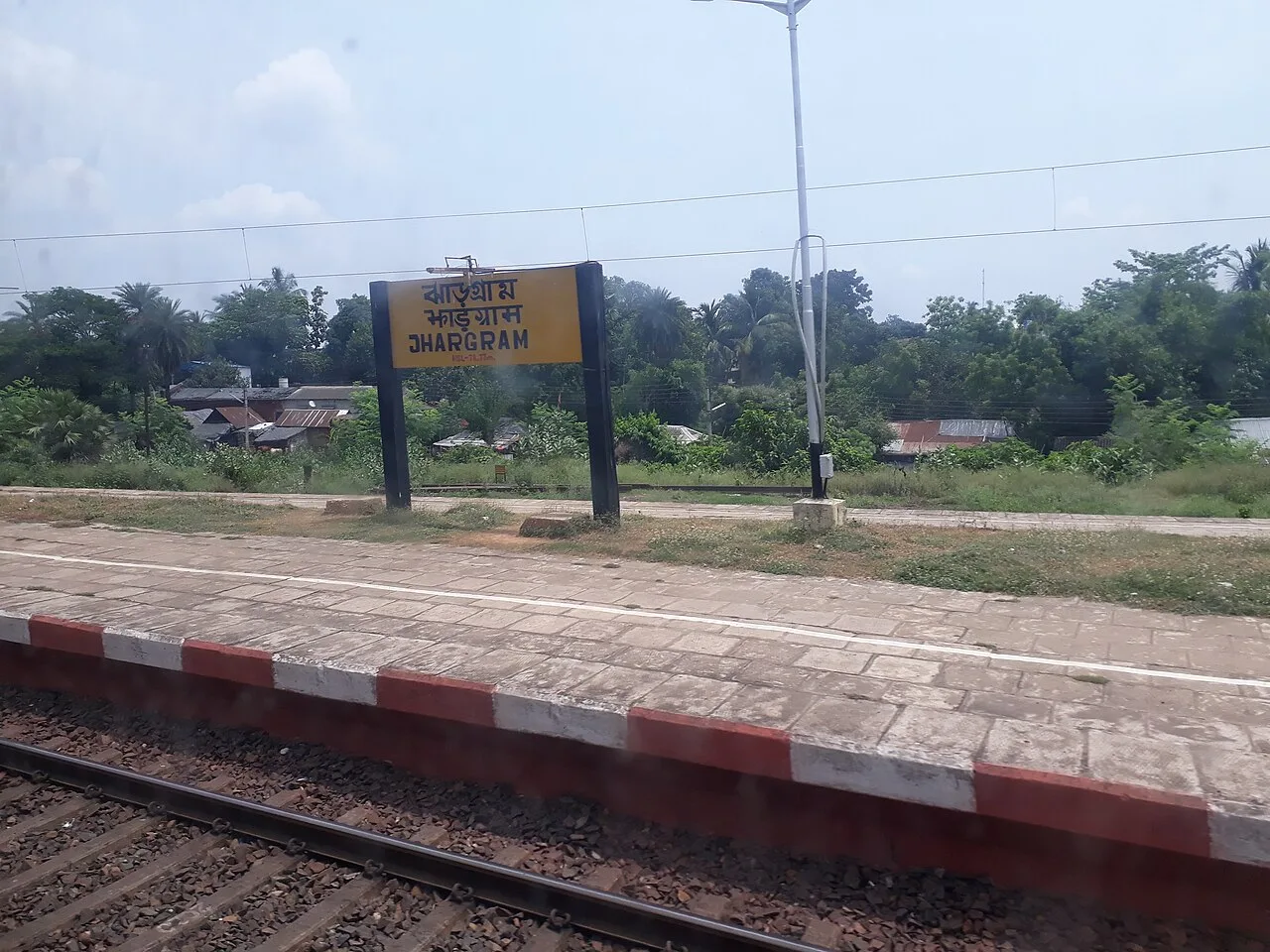
Jhargram is a municipal city in West Bengal and the administrative centre of its district; travellers come for its forests, ancient temples and royal palaces.

Panchmura

72 km away · Bankura district

Panchmura

Panchmura is a gram panchayat in Bankura district, West Bengal, known for its terracotta Bankura horse, a folk artefact regarded as India’s national symbol for handicrafts.

Digha

80 km away · Purba Medinipur district

Digha

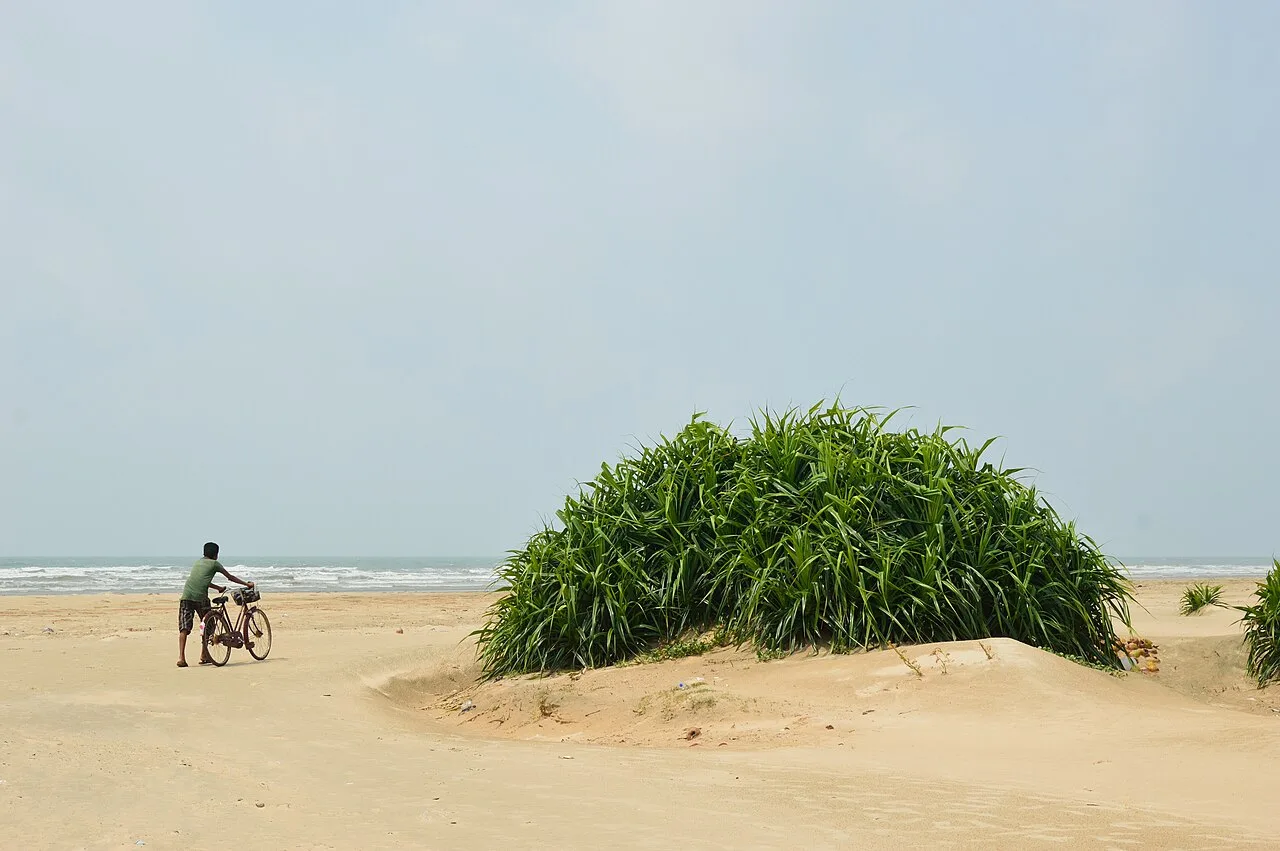
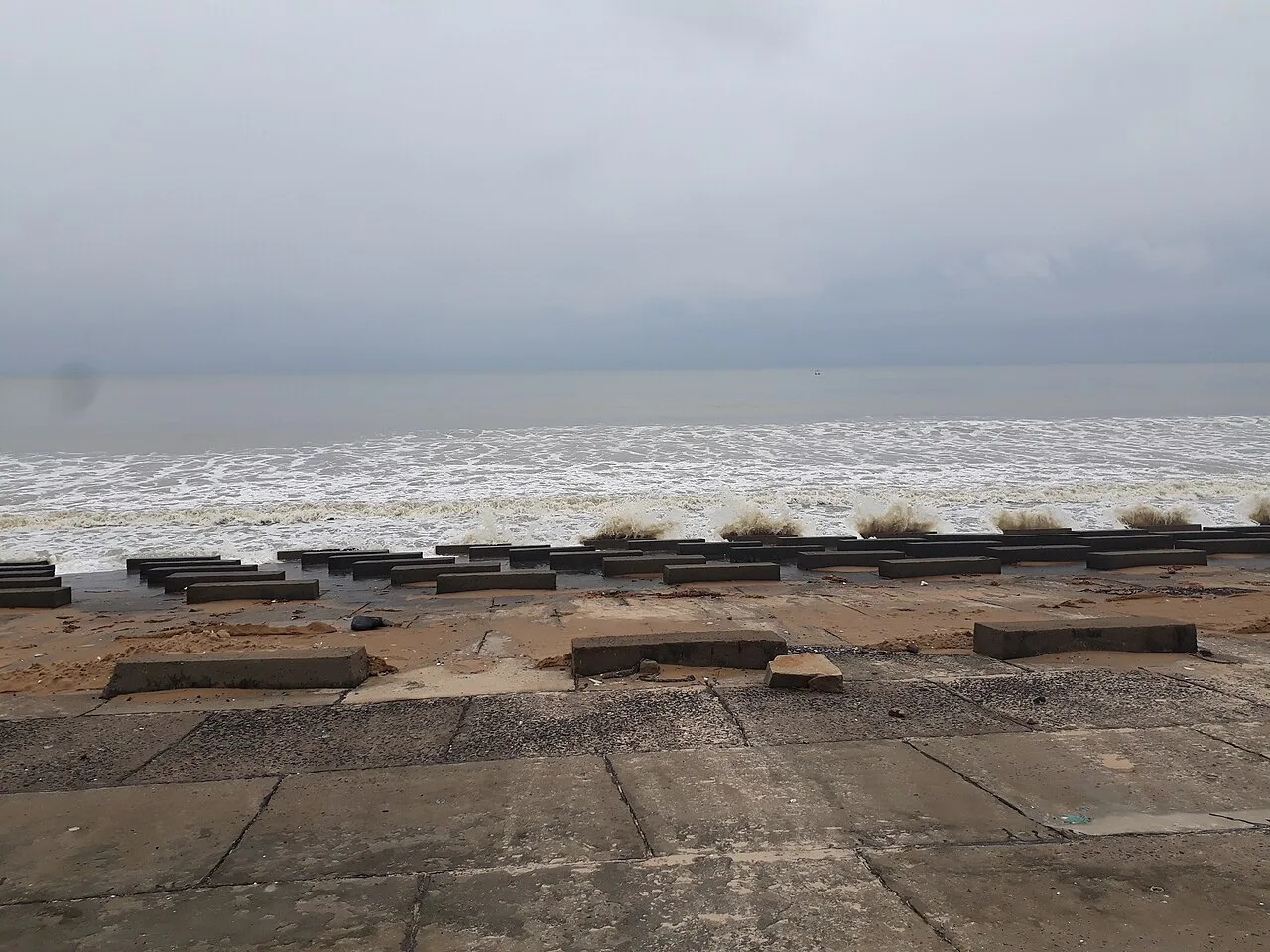
Digha is a coastal resort in West Bengal’s Purba Medinipur district, where the Bay of Bengal meets a long, shallow sandy shore. Visitors come to enjoy its beaches and seaside setting.

Bishnupur

82 km away · Bankura district

Bishnupur

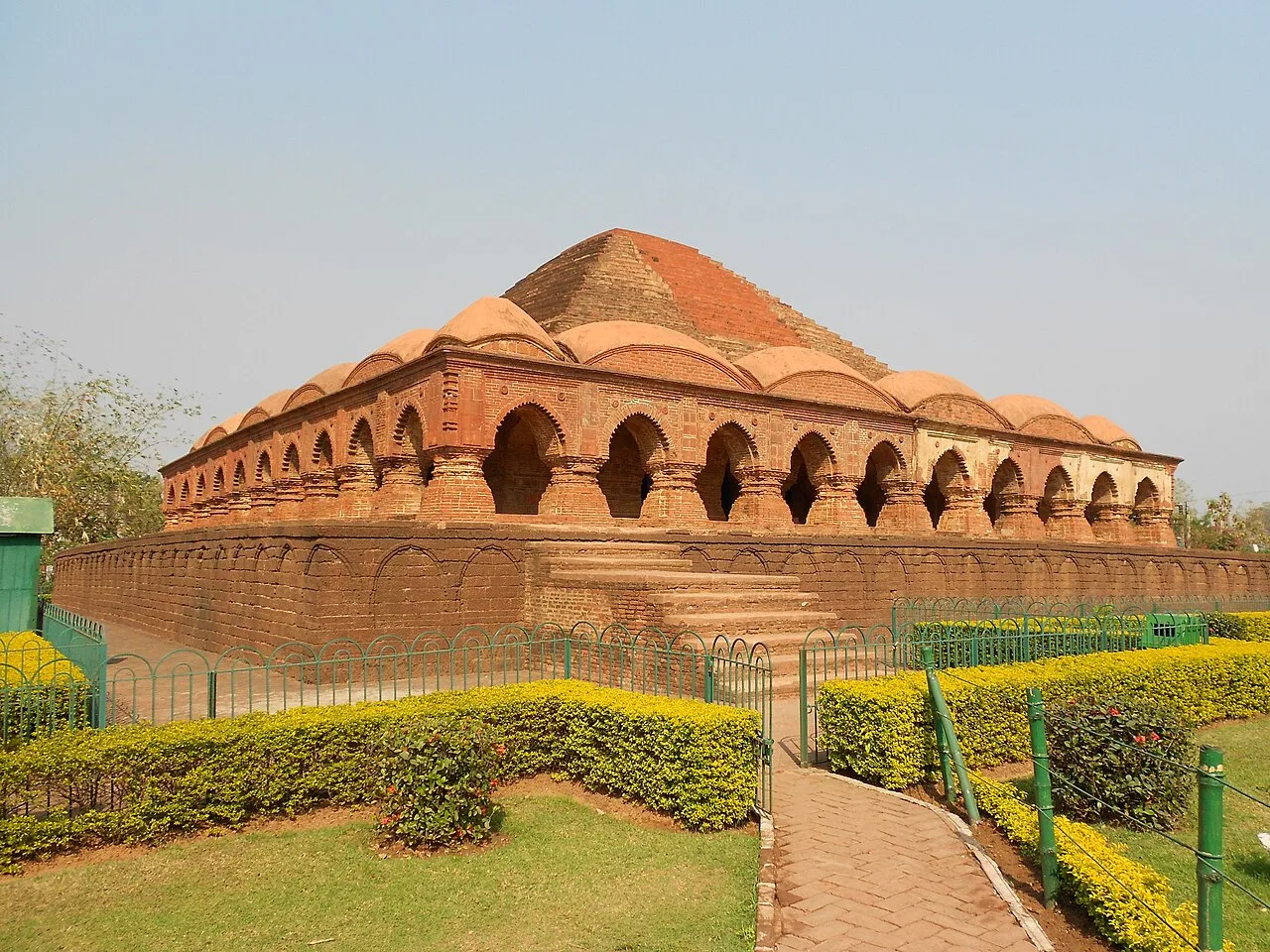
Bishnupur is a city and municipality in West Bengal’s Bankura district, known for temples built under the Malla rulers and for Baluchari sarees.

Tajpur

83 km away · Purba Medinipur district

Tajpur

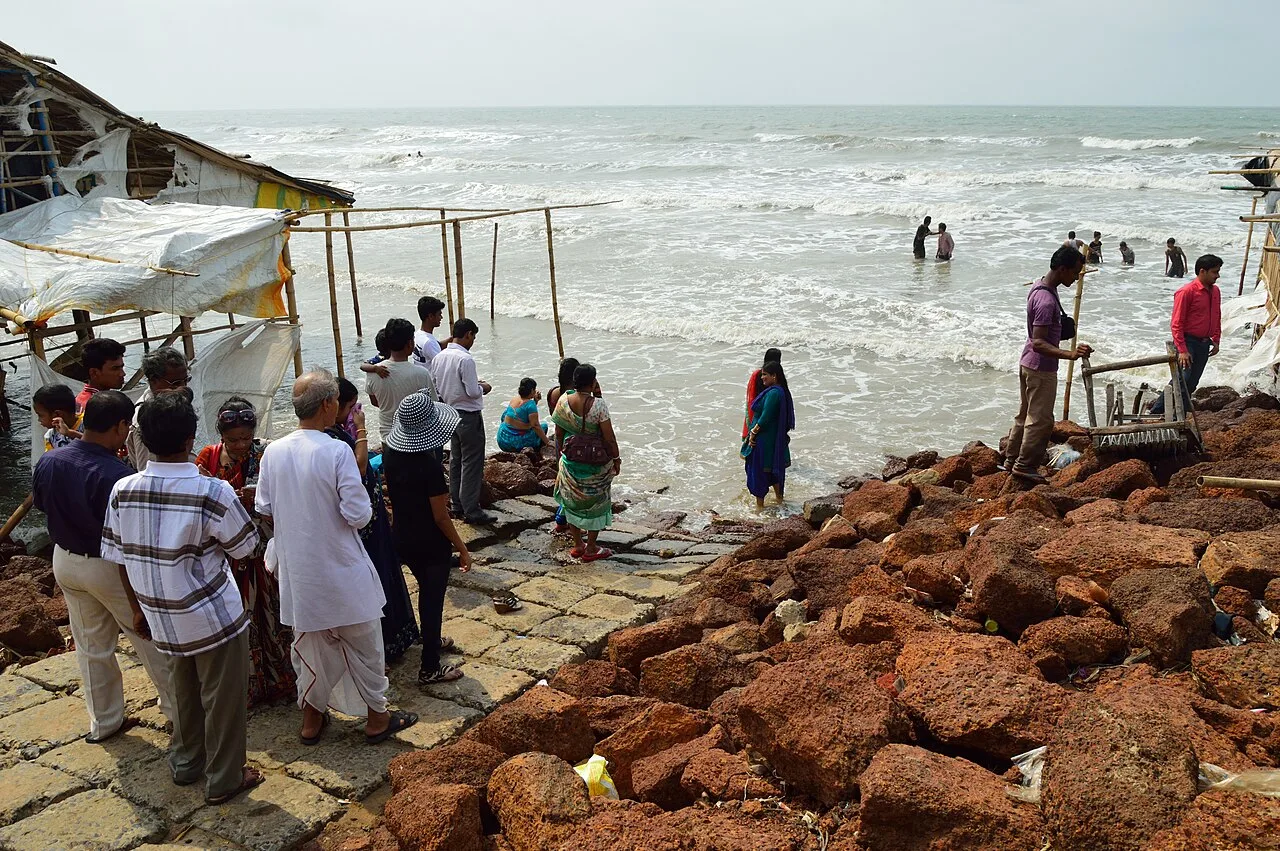
Tajpur is a coastal destination in Purba Medinipur, West Bengal, where visitors come for the beach and red crabs, as well as its position between Mandarmani and Shankarpur.

Mandarmani

85 km away · Purba Medinipur district

Mandarmani

In Purba Medinipur, West Bengal, Mandarmani is a village with a seaside-resort character on the Bay of Bengal’s northern coast. Visitors come for a stay by the sea.

Mukutmanipur Dam

86 km away · Bankura district

Mukutmanipur Dam

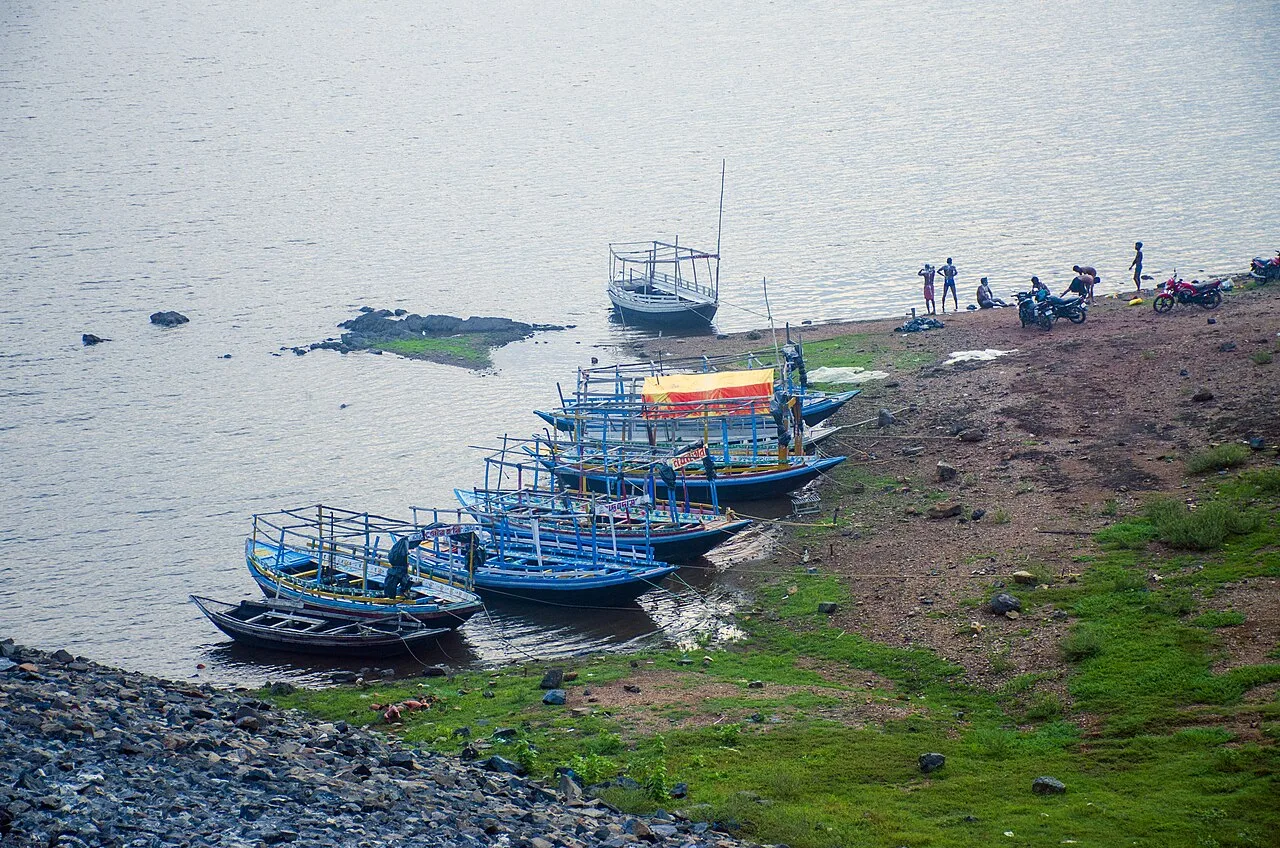
In Bankura, West Bengal, Mukutmanipur Dam is visited for its setting near the point where the Kangsabati and Kumari rivers meet, close to the Jharkhand border.

Acharya Jagadish Chandra Bose Indian Botanic Garden

102 km away · Howrah district

Acharya Jagadish Chandra Bose Indian Botanic Garden

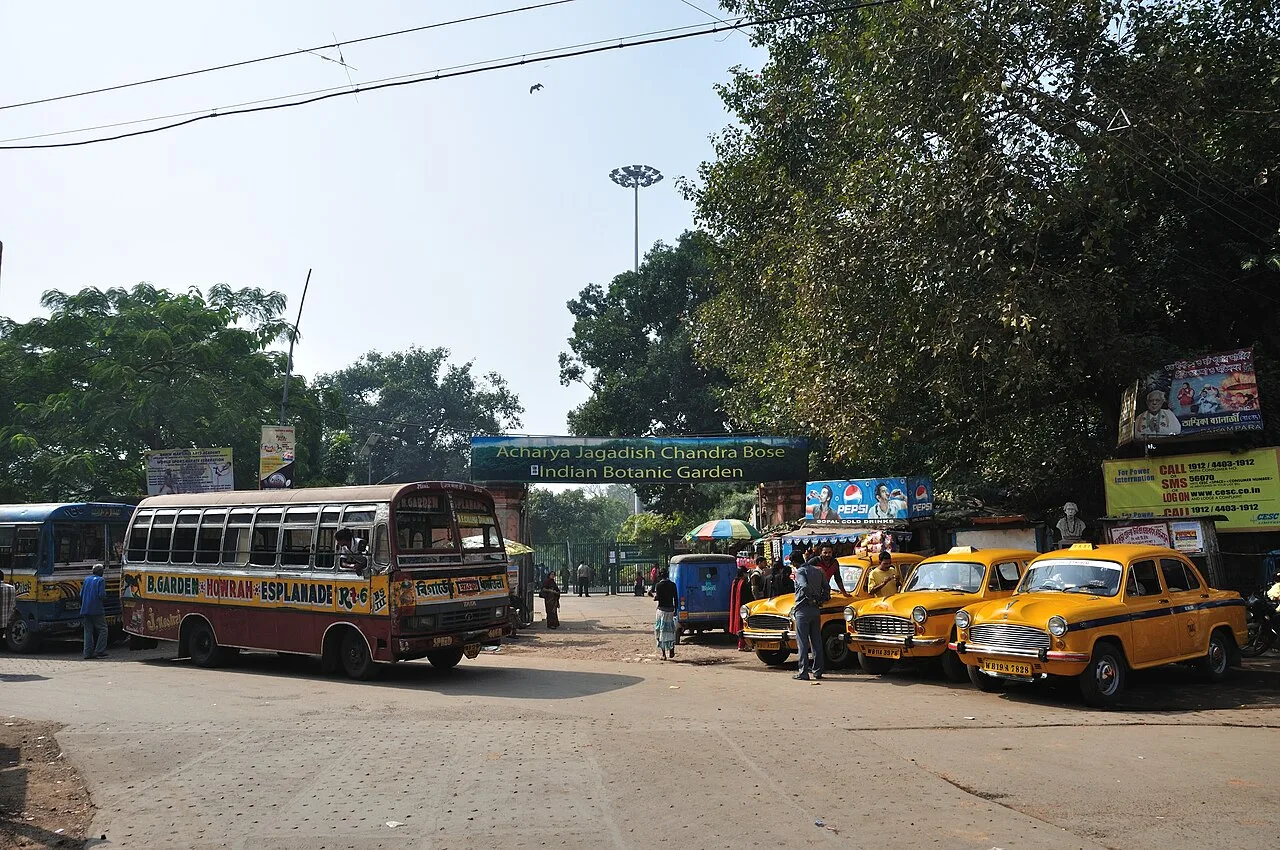
The Acharya Jagadish Chandra Bose Indian Botanic Garden is a botanical garden in Shibpur, Howrah, near Kolkata. Visitors come to see its diverse collection of rare plants.

Map

Kharagpur on the map

  1. 1Jhargram
  2. 2Panchmura
  3. 3Digha
  4. 4Bishnupur
  5. 5Tajpur
  6. 6Mandarmani
  7. 7Mukutmanipur Dam
  8. 8Acharya Jagadish Chandra Bose Indian Botanic Garden

West Bengal

Other cities to explore