Ghumoopedia — Explore, Discover, Experience
Sign in
Belur Math, near Dum Dum

City guide · West Bengal

Dum Dum

Dum Dum is an important urban centre in the northern Kolkata Metropolitan Area, best known as the home of Netaji Subhas Chandra Bose International Airport, commonly called Kolkata Airport. Its location makes it a major gateway for air travel to Kolkata and the wider region, while metro and suburban rail connections tie it closely to the city.

Famous for

  • Netaji Subhas Chandra Bose International Airport
  • British cantonment heritage
  • Dum Dum Arsenal history
  • Historic Afghan War Memorial
  • Gora Bazar markets

Why Dum Dum matters

Dum Dum is an important urban centre in the northern Kolkata Metropolitan Area, best known as the home of Netaji Subhas Chandra Bose International Airport, commonly called Kolkata Airport. Its location makes it a major gateway for air travel to Kolkata and the wider region, while metro and suburban rail connections tie it closely to the city. The name is also familiar beyond West Bengal because of the Dum Dum Arsenal, associated with the development of the expanding bullet in the late nineteenth century.

The city’s appeal lies less in a conventional sightseeing circuit than in its layered history and everyday neighbourhood life. Former cantonment grounds, old churches and memorials recall its military past; Gora Bazar and nearby market streets show the rhythm of a densely settled Kolkata suburb. Dum Dum also reflects the region’s modern history: industrial growth and migration after Partition helped shape its communities. Visitors often pass through on the way to Kolkata, but those with time can explore its historic precincts, local markets and Bengali food culture.
Famous for: crafts, trade & products

Dum Dum is not especially known as a centre for a signature textile, handicraft or GI-tagged product. Its wider recognition comes instead from the airport, military history and an industrial past. The Dum Dum Arsenal was established in the nineteenth century, and the area later became associated with engineering and manufacturing, including Jessop & Company and the Gramophone Company. These are part of the city’s industrial heritage rather than a guide to current factory shopping; visitors should not expect a dedicated craft bazaar or a locally distinctive product range.

For everyday shopping, Gora Bazar and the streets around Mall Road are useful places to browse neighbourhood shops and buy household goods, clothing, snacks and daily essentials. Smaller market clusters serve the surrounding residential areas. For Bengali books, music and specialist retail, central Kolkata offers a wider choice. The airport is the city’s most prominent contemporary institution, while the old cantonment and memorial sites are better understood as heritage landmarks than commercial attractions. Local shops and eateries provide the most direct introduction to Dum Dum’s ordinary urban life.

History

Dum Dum was a lightly settled, slightly elevated area before the British established a military presence. In 1757, an agreement connected with the Nawab of Bengal and the British was signed here. A cantonment followed in 1783, bringing barracks, civilian services and civic administration. The Dum Dum Arsenal, established in 1846, made the area an important military centre. In the 1890s, Captain Neville Bertie-Clay developed an expanding bullet here; the name “dum-dum” later became widely associated with that ammunition. The origin of the place-name itself is uncertain, with “Domdoma” and the Persian word damdama sometimes cited.

The cantonment closed in 1929, as industrial enterprises and civic development reshaped the town. Dum Dum was also connected with the upheaval of 1857 and the wider independence movement. After Partition in 1947, refugees from East Pakistan settled in the area, establishing communities and institutions. The airport became a defining feature of modern Dum Dum, which today forms part of metropolitan Kolkata.

Food, festivals & culture

Bengali is the principal language of daily life, alongside Hindi and English. Food reflects the wider Kolkata region: rice, fish, vegetable dishes and street snacks are common, with sweets such as rosogolla, sandesh and mishti doi available in local shops. These are regional favourites rather than products unique to Dum Dum. Market areas and neighbourhood eateries are good places to sample everyday meals and snacks.

Durga Puja, usually celebrated in autumn, is the largest public festival, with neighbourhood pandals, cultural programmes and community gatherings. Kali Puja and Diwali follow in the autumn season; Saraswati Puja is commonly observed in winter, and Eid is celebrated by Muslim communities. Rabindra Sangeet, Bengali modern songs and film music feature in local cultural life, while dance performances are often part of festival programmes. Neighbourhood temples and mosques serve local communities, and Christian church sites reflect the area’s cantonment-era history.

Visiting the city

The cooler, drier months from November to February are generally the most comfortable for exploring; summer is hot and humid, while monsoon brings frequent rain. Netaji Subhas Chandra Bose International Airport is located in Dum Dum and is the nearest airport for the city. Dum Dum Junction is the main railway station, with suburban trains; metro services, buses, auto-rickshaws and taxis provide other ways to get around.

Gora Bazar and Mall Road are good areas for a glimpse of local markets and food. Visitors interested in history can explore the older cantonment precincts and seek out the Afghan War Memorial and historic church sites; access to some heritage places may be limited. Dum Dum is also a practical base for onward trips into Kolkata, though travel times vary with traffic.

Trips from the city

Nearest places to visit from Dum Dum

Our closest destination guides, by straight-line distance.

Belur Math

7 km away · Howrah district

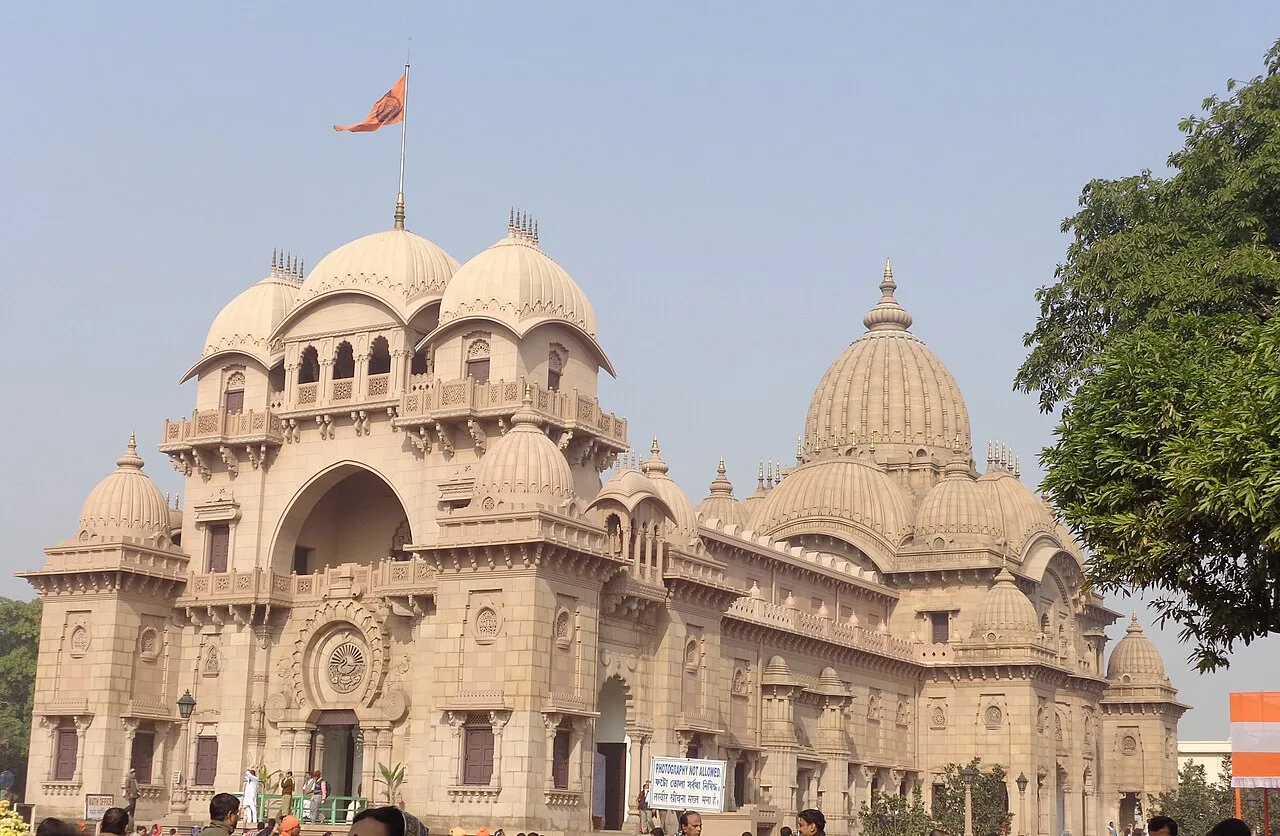
Belur Math

Belur Math, in Howrah district, is the headquarters of the Ramakrishna Math and Ramakrishna Mission. Visitors come to see its temple, whose design draws on several religious traditions.

Dakshineswar Kali Temple

7 km away · North 24 Parganas district

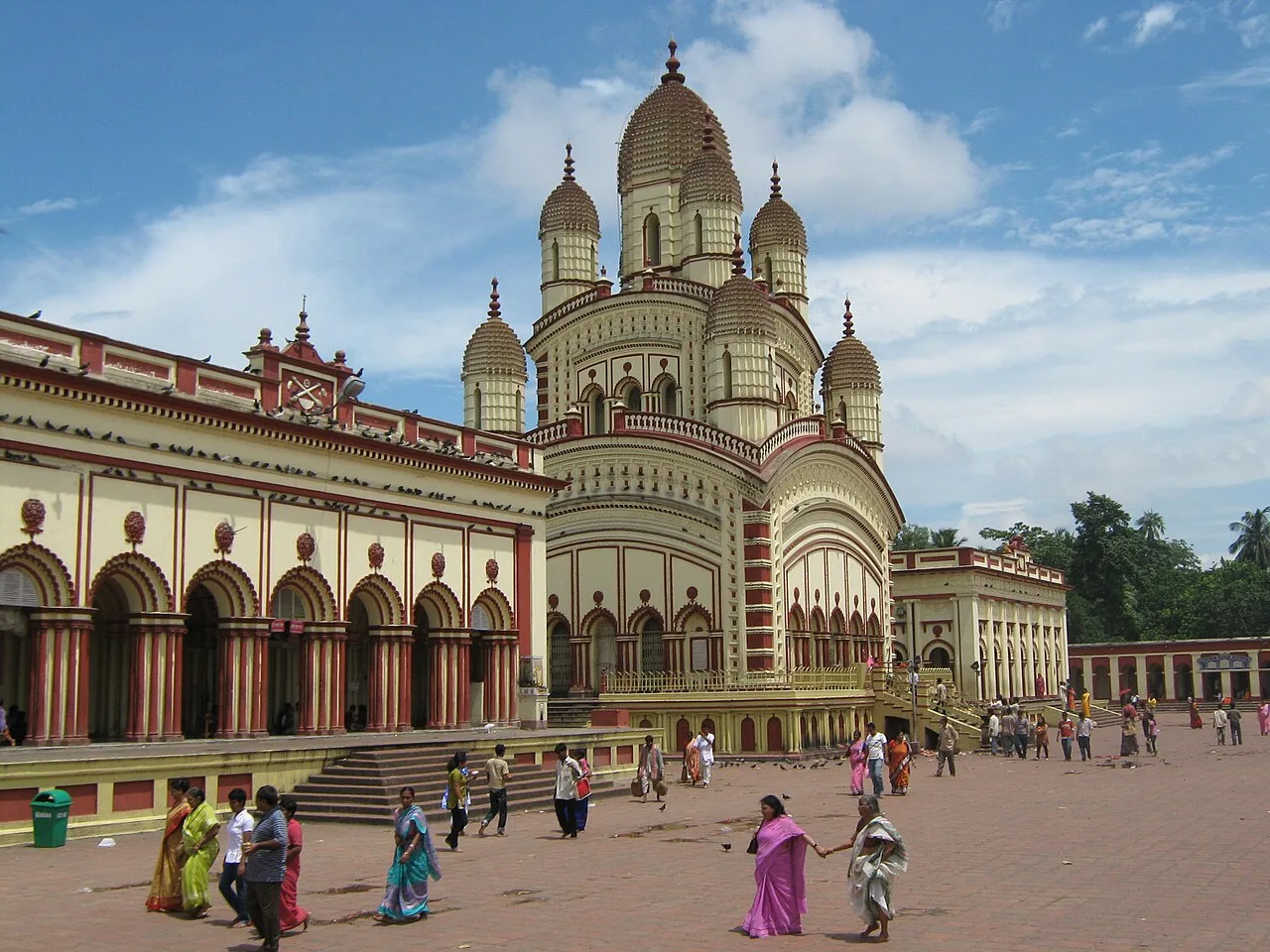
Dakshineswar Kali Temple

This Hindu temple complex in Dakshineswar is centred on a shrine to Kali and is associated with Rani Rashmoni, Ramakrishna and Sarada Devi. People visit to worship and explore its grounds.

Kumortuli

7 km away · Kolkata district

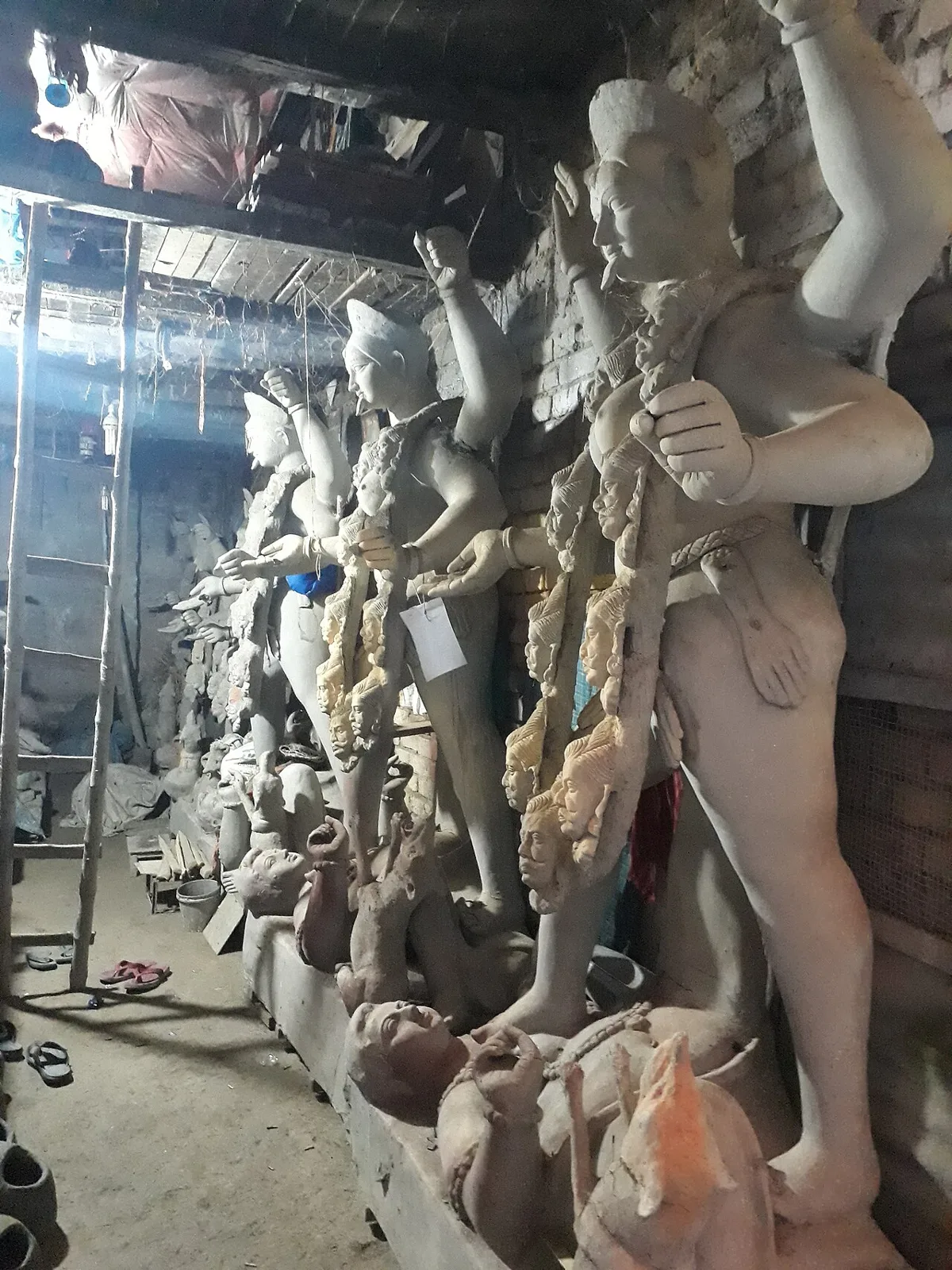
Kumortuli

Kumortuli is a North Kolkata neighbourhood centred on potters and clay sculpture. Visitors come to see festival idols being made, a craft whose products are also regularly exported.

Jorasanko Thakur Bari

8 km away · Kolkata district

Jorasanko Thakur Bari

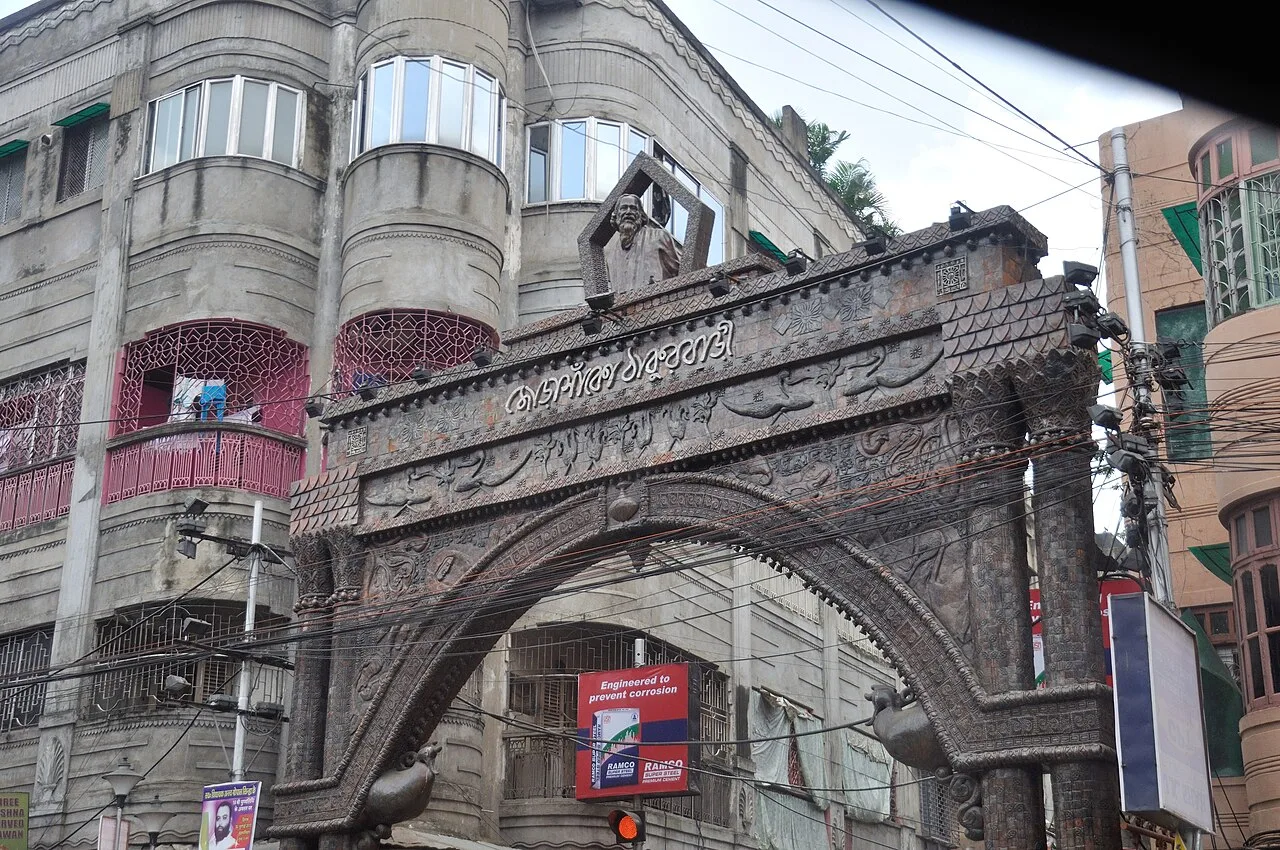
Jorasanko Thakur Bari is a historic haveli in Kolkata associated with the Tagore family. Visitors come for its links to Rabindranath Tagore, its Bengali architectural style and its place in the city’s cultural history.

College Street

9 km away · Kolkata district

College Street

College Street is a central Kolkata thoroughfare known for its educational institutions, extensive book market and Indian Coffee House, which has long drawn the city’s intellectual community.

Howrah Bridge

9 km away · Kolkata district

Howrah Bridge

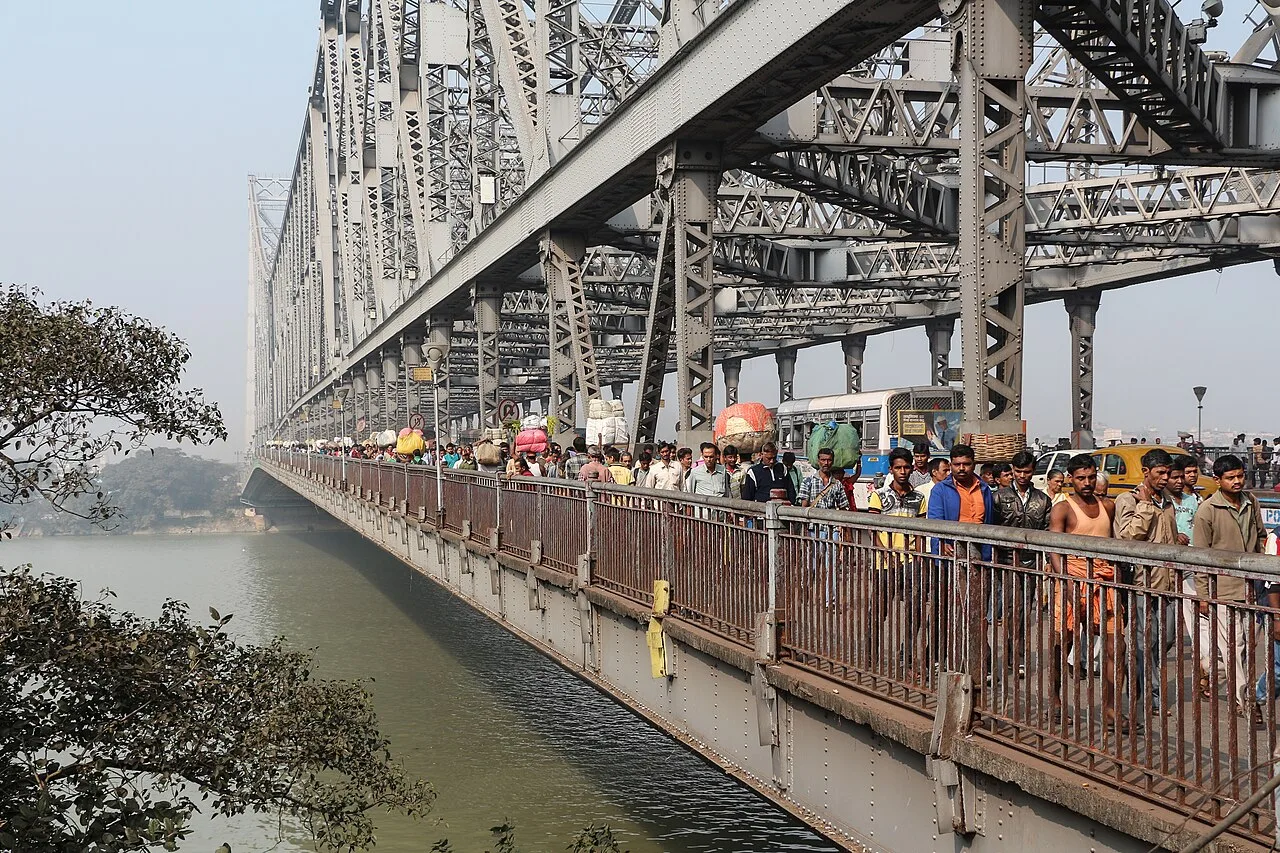
Howrah Bridge, also called Rabindra Setu, is a landmark cantilever bridge across the Hooghly in Kolkata. Visitors recognise it as a symbol of Kolkata and West Bengal and as a river crossing linking the city with Howrah.

Marble Palace

9 km away · Kolkata district

Marble Palace

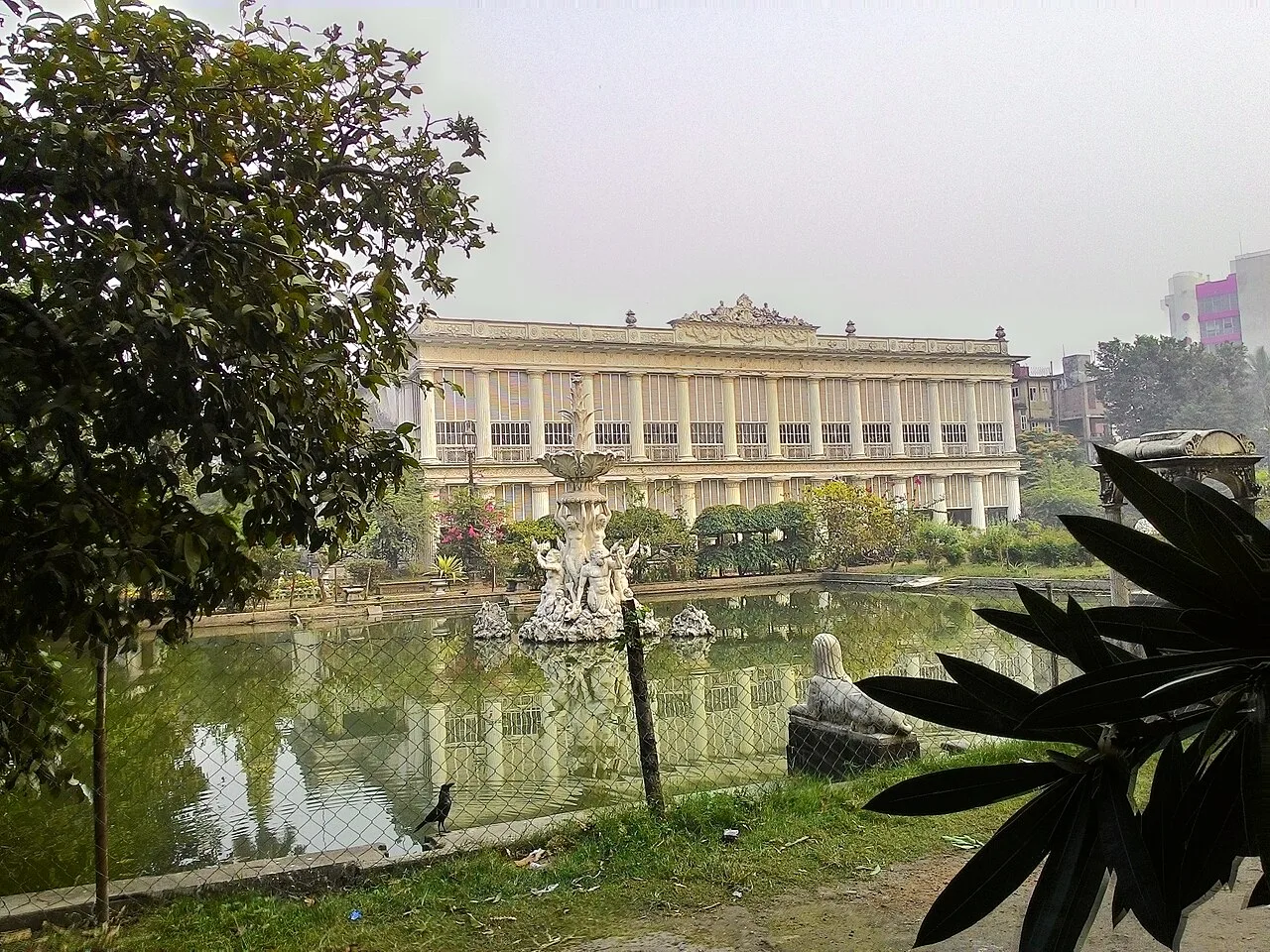
This nineteenth-century residence in North Kolkata is known as Marble Palace for its marble surfaces and sculptures; visitors come to view its preserved mansion and distinctive materials.

Nakhoda Mosque

9 km away · Kolkata district

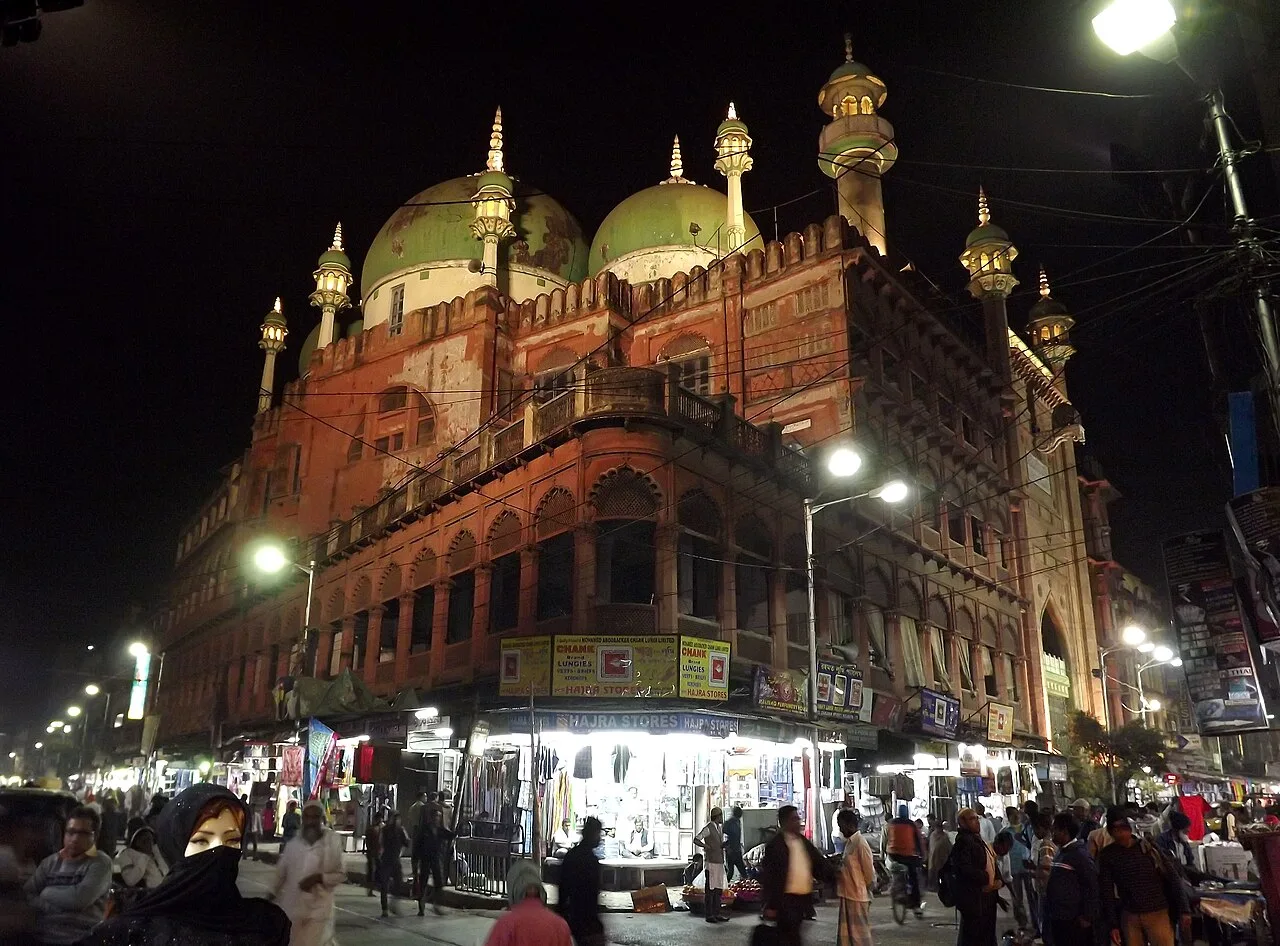
Nakhoda Mosque

Nakhoda Mosque is a Sunni place of worship in central Kolkata, known as the city’s principal mosque and associated with the Hanafi school.

Map

Dum Dum on the map

  1. 1Belur Math
  2. 2Dakshineswar Kali Temple
  3. 3Kumortuli
  4. 4Jorasanko Thakur Bari
  5. 5College Street
  6. 6Howrah Bridge
  7. 7Marble Palace
  8. 8Nakhoda Mosque

West Bengal

Other cities to explore