Ghumoopedia — Explore, Discover, Experience
Sign in
Gaur (Gauda) Ruins, near Farakka

City guide · West Bengal

Farakka

Farakka is a river and infrastructure town in Murshidabad district, near the point where the Ganges enters the delta. Its best-known landmark is the Farakka Barrage, a major river-control and water-diversion structure that spans the Ganges.

Famous for

  • Farakka Barrage
  • Ganges water-diversion project
  • Farakka Super Thermal Power Station
  • Ganges river landscape
  • Jangipur beedi industry

Why Farakka matters

Farakka is a river and infrastructure town in Murshidabad district, near the point where the Ganges enters the delta. Its best-known landmark is the Farakka Barrage, a major river-control and water-diversion structure that spans the Ganges. The barrage gives the town a strategic place in discussions about river management, navigation and water flows in eastern India and Bangladesh.

The surrounding area is also an important energy centre, anchored by the Farakka Super Thermal Power Station. Farakka’s appeal is less about a historic old-town core or a major sightseeing circuit than about seeing the scale of these projects and the broad river landscape. Nearby settlements such as Farakka Barrage Township, Nabarun, Beniagram and Sahebnagar form part of the wider local cluster. The town makes a practical base for exploring this stretch of the Ganges and the densely settled Jangipur subdivision, whose economy also includes small-scale and home-based work. Visitors should remember that the barrage is an operational, security-sensitive site: access may be restricted, so follow local directions and use only permitted viewing areas.
Famous for: crafts, trade & products

Farakka is chiefly associated with large infrastructure rather than a signature textile, handicraft or GI-tagged product. The barrage and the nearby thermal power station shape its public identity and employment landscape. The river is central to the area’s economy and everyday life, while the nearby Ganges banks are also affected by erosion. These are compelling subjects for visitors interested in engineering, energy and the changing river environment, but the working facilities are not conventional visitor attractions and access rules apply.

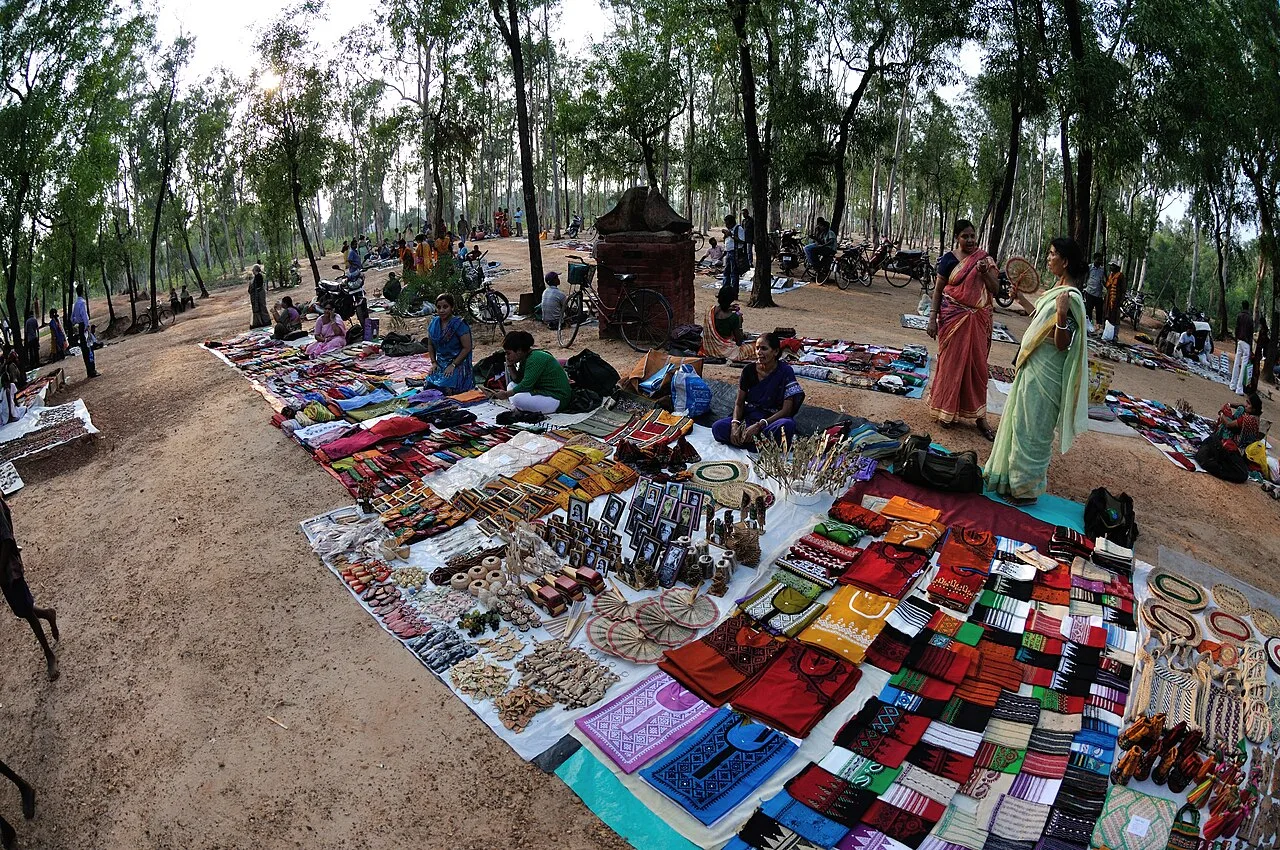
The wider Jangipur subdivision has a substantial beedi-making trade, much of it carried out at home, including by women. This is a regional livelihood rather than a distinct Farakka souvenir industry. Local shops and markets in the town and nearby settlements mainly serve everyday needs; visitors should not expect a specialised craft bazaar or a well-established tourist shopping quarter. For a closer look at local commerce, browse the ordinary market areas around Farakka and its neighbouring settlements, and ask before photographing workers or workplaces. Bengali food products and household goods are available through local shops, but no particular product is widely identified as Farakka’s own.

History

Farakka’s present identity is relatively modern and closely tied to the river and infrastructure. The wider Murshidabad region has a much longer history: it was an important centre of Bengal under the nawabs and later came under British colonial rule. That regional past is part of the setting, but Farakka is not chiefly known as a historic nawabi town, and its growth as a settlement is more closely linked to twentieth-century development.

The Farakka Barrage was built in the post-independence period to regulate flows in the Ganges and support water management downstream. It became operational in 1975, transforming the locality into a nationally significant engineering site and drawing workers, services and related development. The Farakka Super Thermal Power Station further strengthened the town’s role as an industrial and energy centre. Today, Farakka and nearby settlements are connected to the wider Jangipur area through transport, trade and employment. The river remains both an essential resource and a source of environmental pressure, with erosion affecting communities along its banks.

Food, festivals & culture

Everyday life in Farakka reflects the broader Bengali culture of Murshidabad, alongside the mix of communities drawn to a working river and industrial town. Bengali is widely spoken; Hindi and Urdu are also heard, and English may be useful in formal settings. Meals commonly follow Bengali patterns, with rice, lentils, vegetables and fish among familiar choices. Tea shops and local eateries are better places to try everyday food than to seek a dish unique to Farakka; sweets associated with Bengal are also commonly found, though availability varies.

Durga Puja in autumn is a major seasonal celebration across the region, with Kali Puja around the same period. Saraswati Puja is observed in winter, while Muslim residents mark Eid according to the lunar calendar. Local worship includes neighbourhood temples and mosques, which are part of community life rather than a concentrated pilgrimage circuit. Bengali folk music and popular regional songs are heard at gatherings and festivals; cultural life is generally local and community-based, not organised around a major performance venue. Visitors should dress respectfully at places of worship and ask before taking photographs during ceremonies.

Visiting the city

The cooler, drier months from roughly October to March are generally the most comfortable for visiting. Summers can be hot and humid, while monsoon rain may make travel less predictable. Deoghar Airport is a nearby airport option; check current flight services and onward connections before planning. New Farakka Junction is the main railway station serving the area, with Farakka station also serving local travel.

Auto-rickshaws and other local vehicles are useful for moving between the station, the town and nearby settlements. Farakka Barrage Township, Nabarun, Beniagram and Sahebnagar offer a sense of the wider settlement cluster. Plan any visit to the barrage around access restrictions, and do not assume that operational sections are open to the public. Carry essentials for a working town rather than expecting a dedicated tourist district.

Trips from the city

Nearest places to visit from Farakka

Our closest destination guides, by straight-line distance.

Gaur (Gauda) Ruins

24 km away · Malda district

Gaur (Gauda) Ruins

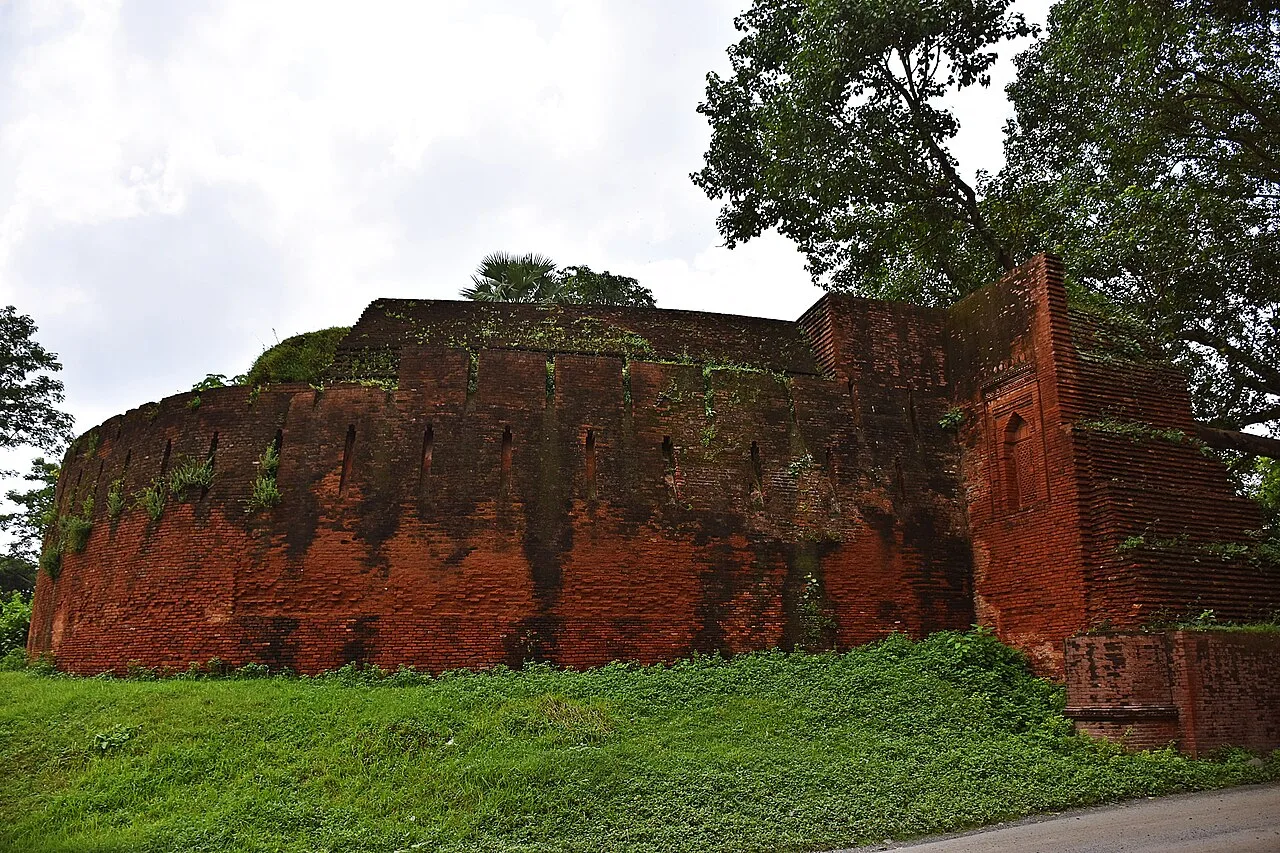
Gauda’s remains in Malda preserve traces of a former Bengal capital. Visitors explore its Sultanate-era buildings and the story of a city shaped by changing rulers and rivers.

Adina Mosque

46 km away · Malda district

Adina Mosque

Adina Mosque is a Sultanate-era imperial mosque in Pandua, West Bengal. Visitors come to explore its monumental architecture and learn about the ambitions of the Bengal Sultanate.

Hazarduari Palace

79 km away · Murshidabad district

Hazarduari Palace

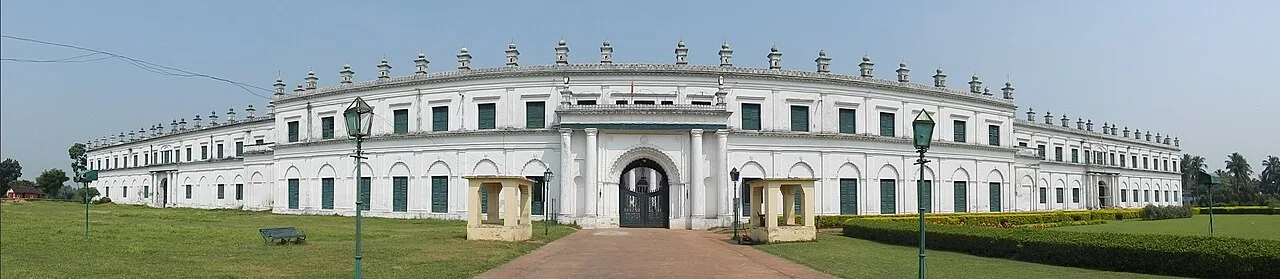
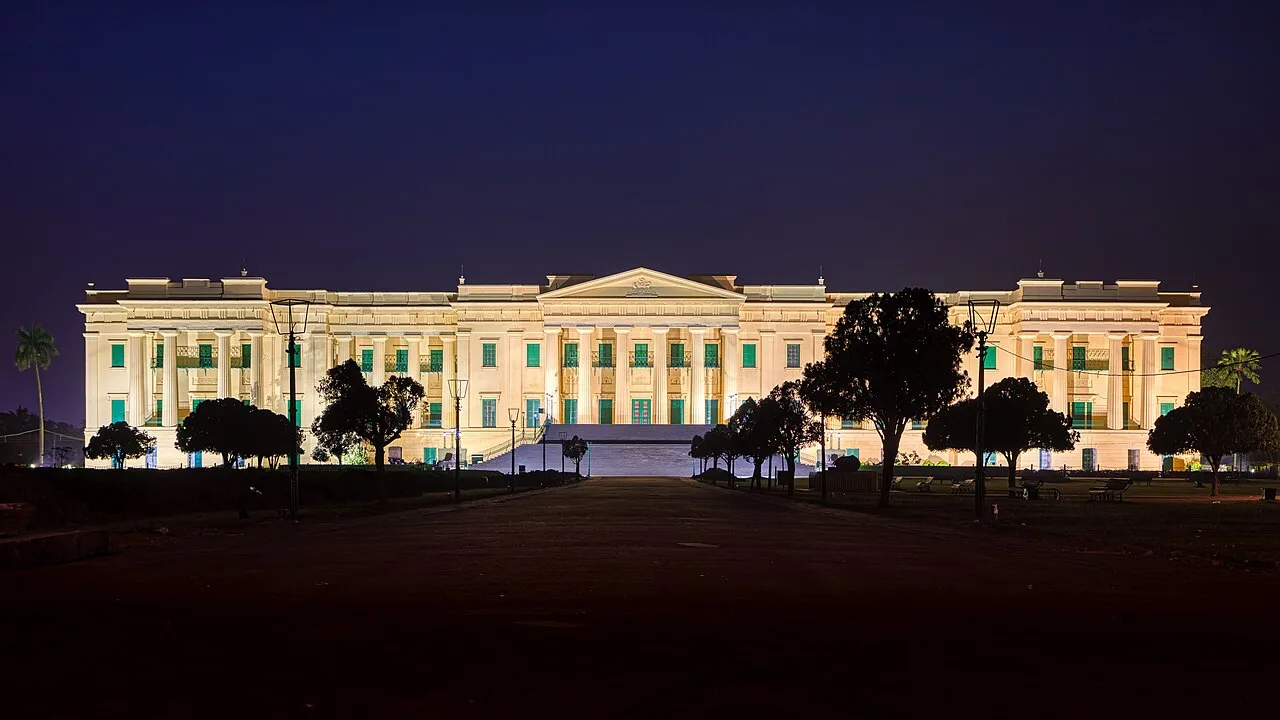
Hazarduari Palace is a former royal residence in Murshidabad, now a museum and national monument. Visitors come to see its nineteenth-century architecture and explore its cultural role.

Nizamat Imambara

79 km away · Murshidabad district

Nizamat Imambara

Nizamat Imambara is a Shi’ite congregation hall in Murshidabad, noted for its history and scale; visitors come to see a historic site recognised for national importance.

Tarapith

79 km away · Birbhum district

Tarapith

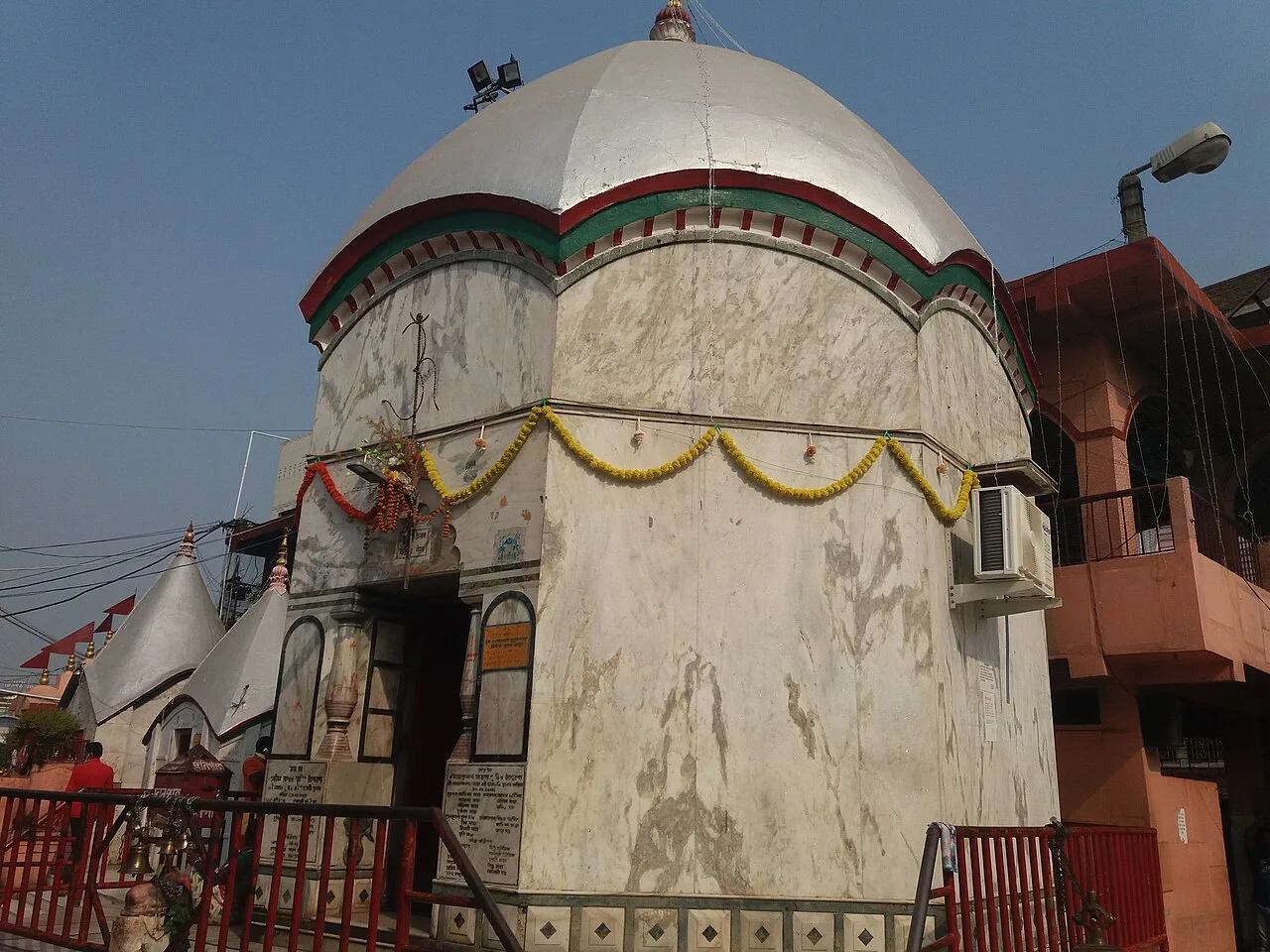
Tarapith is a town in West Bengal’s Birbhum district and a Hindu pilgrimage destination. Visitors come to worship the goddess Tara at its Tantric temple and visit nearby religious sites.

Katra Masjid

80 km away · Murshidabad district

Katra Masjid

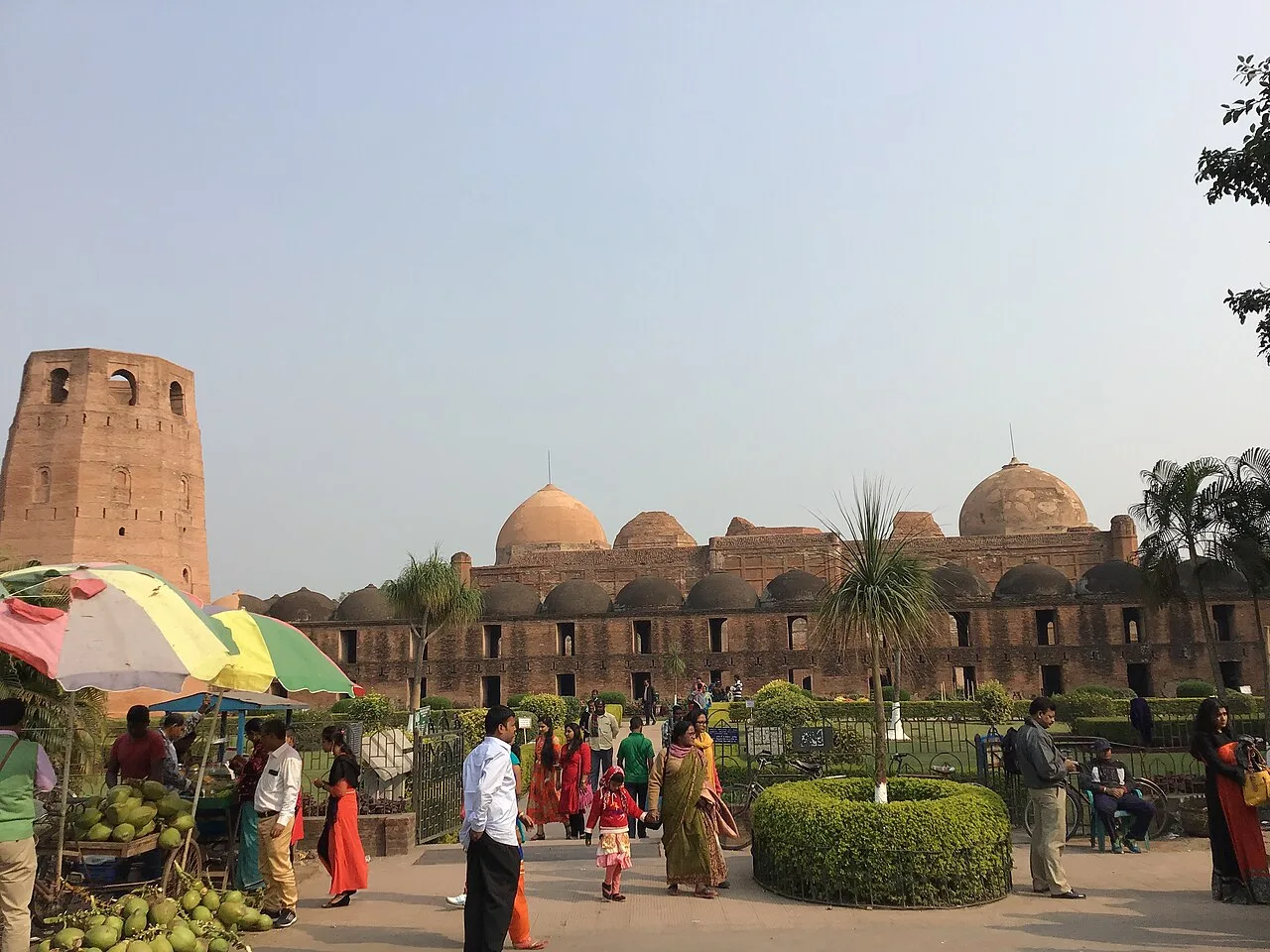
Katra Masjid is a partly ruined complex in Murshidabad, West Bengal, combining a former Shia caravanserai, mosque and tomb. Visitors come to see its historic architecture and the burial place of its founder.

Bakreshwar

117 km away · Birbhum district

Bakreshwar

Bakreshwar is a village in Birbhum district, West Bengal. Visitors may be interested in the nearby Bakreshwar thermal power facilities, and Dubrajpur is the closest rail connection.

Santiniketan

128 km away · Birbhum district

Santiniketan

Santiniketan is a neighbourhood of Bolpur in West Bengal, associated with the Tagore family and Visva-Bharati. Visitors come to explore its heritage and its status as a UNESCO World Heritage site.

Map

Farakka on the map

  1. 1Gaur (Gauda) Ruins
  2. 2Adina Mosque
  3. 3Hazarduari Palace
  4. 4Nizamat Imambara
  5. 5Tarapith
  6. 6Katra Masjid
  7. 7Bakreshwar
  8. 8Santiniketan

West Bengal

Other cities to explore