Ghumoopedia — Explore, Discover, Experience
Sign in
Bishnupur, near Ramjibanpur

City guide · West Bengal

Ramjibanpur

Ramjibanpur is a small municipality in the Ghatal subdivision of Paschim Medinipur district. Its importance is primarily local: it serves residents and nearby villages through municipal services, everyday commerce and connections with other towns in the subdivision.

Famous for

  • Ghatal-subdivision municipal centre
  • Bengali rural market life
  • Gateway to Birsingha heritage

Why Ramjibanpur matters

Ramjibanpur is a small municipality in the Ghatal subdivision of Paschim Medinipur district. Its importance is primarily local: it serves residents and nearby villages through municipal services, everyday commerce and connections with other towns in the subdivision. Rather than being a major destination for a particular monument or nationally recognised industry, it offers a glimpse of life in a small-town setting in western Bengal.

Visitors may use Ramjibanpur as a starting point for exploring the wider region. Nearby Birsingha is associated with Ishwar Chandra Vidyasagar, the scholar and social reformer born there in 1820. Ghatal and other settlements in the subdivision provide further context for the area's rural landscape and local history. Ramjibanpur itself is best approached as a practical regional stop: a place to experience local markets and neighbourhood life, rather than a city with a large roster of formal tourist attractions. Its appeal lies in its position within a historically and agriculturally rooted part of Bengal.
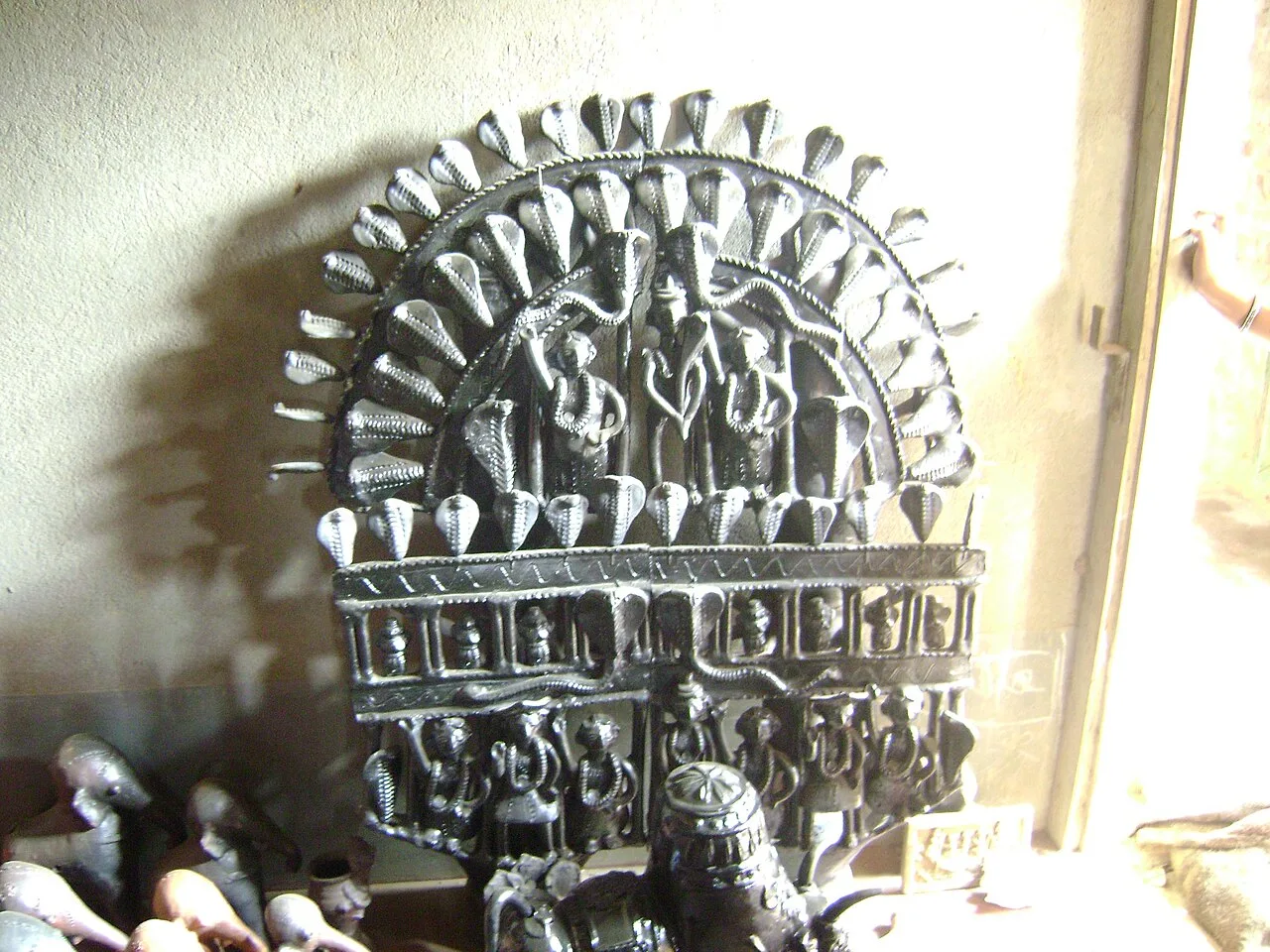
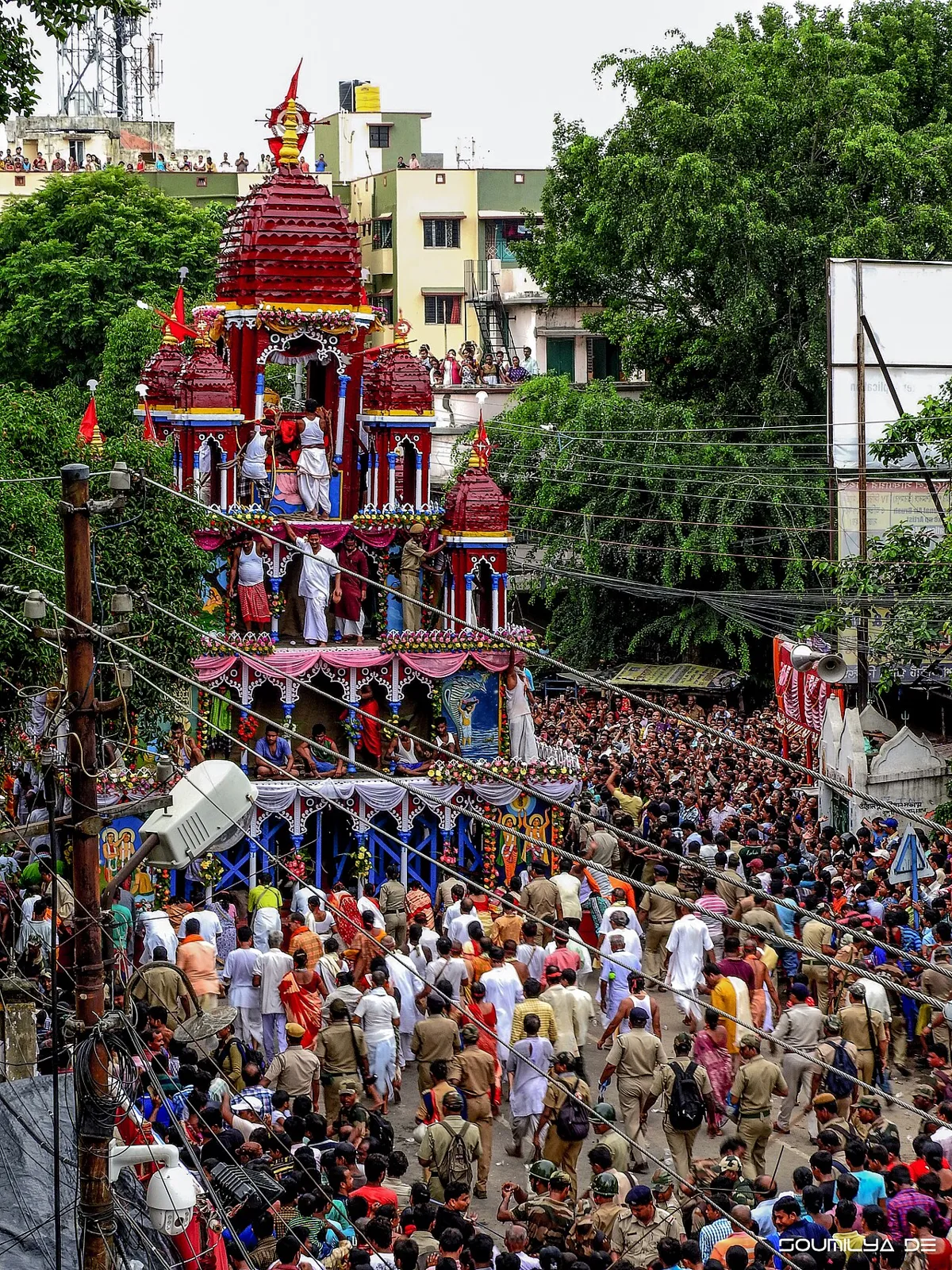
Famous for: crafts, trade & products

Ramjibanpur is not widely identified with a signature textile, handicraft, GI-tagged product or large-scale industry. Its commercial life is more characteristic of a small municipal town serving its surrounding rural communities. Local shops and market areas are the practical places to look for daily goods, household necessities, seasonal produce and familiar Bengali food items. These are useful for understanding everyday trade, rather than for finding a specialist shopping district or a recognised craft bazaar.

Travellers seeking regional products can ask locally about what is in season and what is made or grown nearby; availability may vary. The wider Ghatal subdivision has an agricultural landscape, but that should not be confused with a distinct Ramjibanpur-branded product. For crafts, textiles or packaged specialities, it is sensible to check in larger nearby commercial centres rather than assume they are produced or sold here. The town's best-known role is as a local service and market centre, not as a destination for a particular trade. Birsingha, nearby in the region, is chiefly of historical interest for its connection with Vidyasagar, rather than for shopping.

History

Ramjibanpur's development is best understood through its role as a settlement and municipal centre in the Ghatal subdivision. Its growth appears connected to the needs of the surrounding rural area: access to markets, public services and transport links helped give the town a wider role than a village settlement.

The region came under British colonial administration as part of Bengal, but a detailed, well-documented account of colonial events specific to Ramjibanpur is not readily established. In the modern period, municipal governance has supported the town's urban functions, while its connections to nearby settlements remain important to local life. The wider subdivision is also associated with Birsingha, birthplace of Ishwar Chandra Vidyasagar, a major figure in the Bengal Renaissance. That regional heritage gives visitors historical context, though it should not be mistaken for a monument within Ramjibanpur itself.

Food, festivals & culture

Bengali is the main language of daily life; visitors may also encounter Hindi or English, particularly in practical interactions. Food follows familiar patterns of western Bengal, with rice, lentils, fish and seasonal vegetables common in home-style meals. Local shops may offer Bengali sweets and snacks, though Ramjibanpur is not especially known for a signature dish or sweet. Asking residents about seasonal specialities is often the best way to find what is locally enjoyed.

Durga Puja in autumn is a major time for worship and community gatherings across Bengal, while Kali Puja is also observed in the autumn festival season. Saraswati Puja, usually in winter, and Bengali New Year in spring bring further neighbourhood celebrations. Local temples and household shrines are part of everyday religious life; temporary puja pandals become focal points during festivals. Music and dance are often encountered through religious celebrations and community programmes, with Bengali songs and devotional performances more likely than formal, year-round cultural venues. Festival arrangements vary from year to year.

Visiting the city

The cooler, drier months from roughly November to February are generally the most comfortable for visiting. The monsoon can bring heavy rain and make road journeys less convenient. Netaji Subhas Chandra Bose International Airport in Kolkata is the nearest major airport. Chandrakona Road is a commonly used nearby railway station; onward travel to Ramjibanpur is by road. Check current transport connections before setting out, as services can change.

Within town, walking is practical for short trips around the central market and municipal area; local road transport can help with longer journeys. The central bazaar and surrounding residential streets offer a simple introduction to everyday town life. For a regional excursion, consider Birsingha for its association with Vidyasagar, or explore other settlements in the Ghatal subdivision. Ramjibanpur has few established tourist neighbourhoods, so plan it as a low-key stop rather than a destination built around a single attraction.

Trips from the city

Nearest places to visit from Ramjibanpur

Our closest destination guides, by straight-line distance.

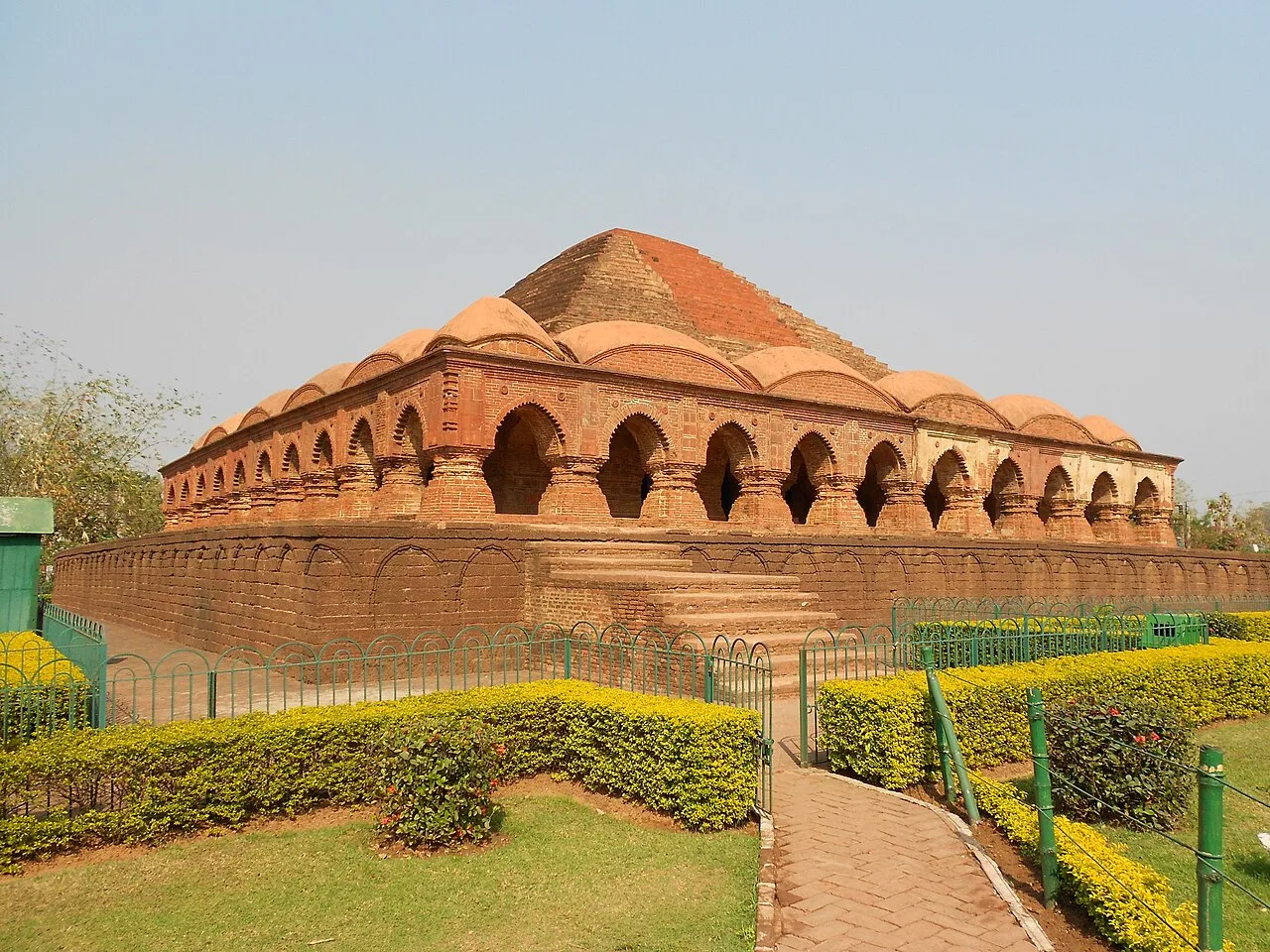
Bishnupur

41 km away · Bankura district

Bishnupur

Bishnupur is a city and municipality in West Bengal’s Bankura district, known for temples built under the Malla rulers and for Baluchari sarees.

Panchmura

48 km away · Bankura district

Panchmura

Panchmura is a gram panchayat in Bankura district, West Bengal, known for its terracotta Bankura horse, a folk artefact regarded as India’s national symbol for handicrafts.

52 km away · Hooghly district

Dhaniakhali

Dhaniakhali is a village in Hooghly district, West Bengal, known for its association with the popular Dhaniakhali sari. That connection may interest visitors exploring the place.

71 km away · Bankura district

Bikna Dokra Village

Bikna Dokra Village is a settlement in Bankura district, West Bengal. It may interest visitors seeking to understand the village’s place within the district’s administrative structure.

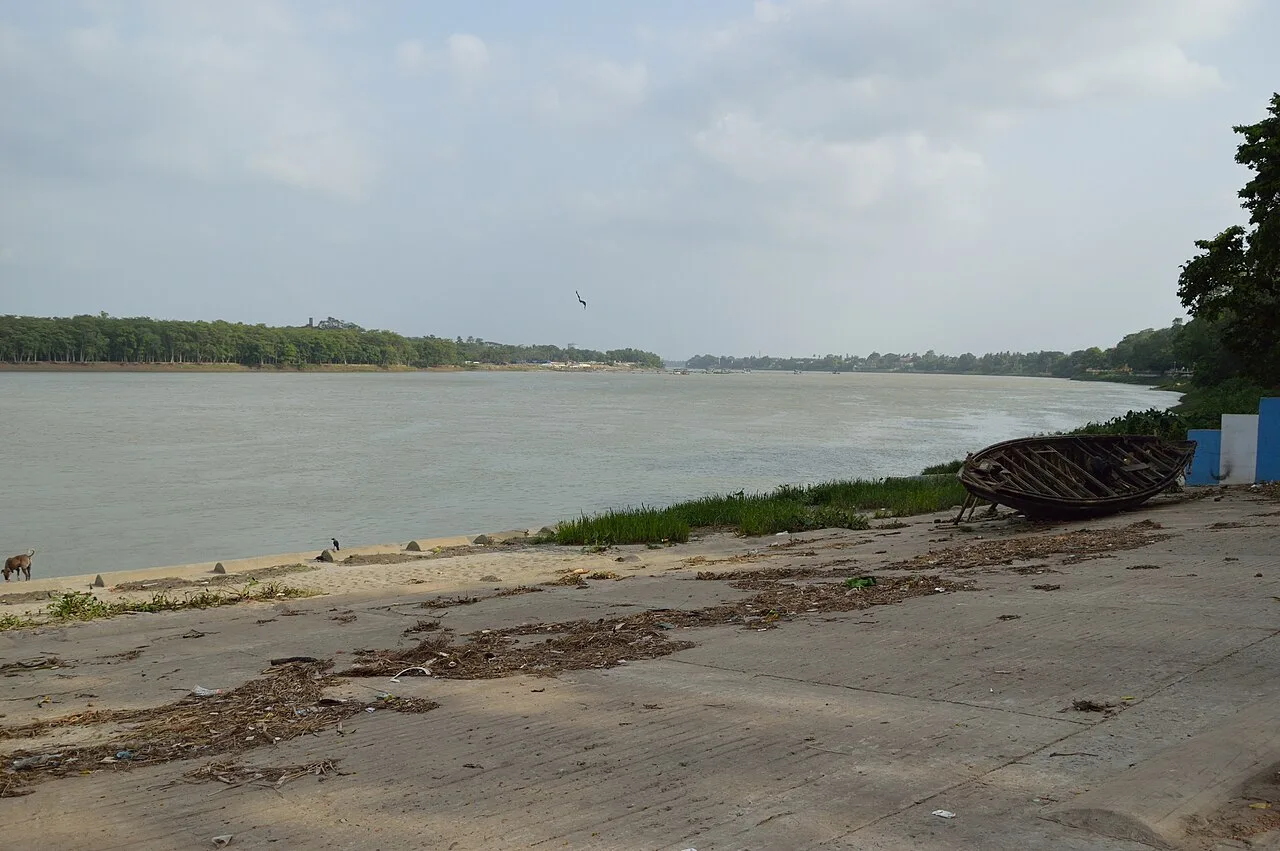
Serampore

75 km away · Hooghly district

Serampore

Serampore is a city in West Bengal’s Hooghly district, with a history tied to Danish India and a setting beside the Hooghly River. Visitors may come to learn about these connections.

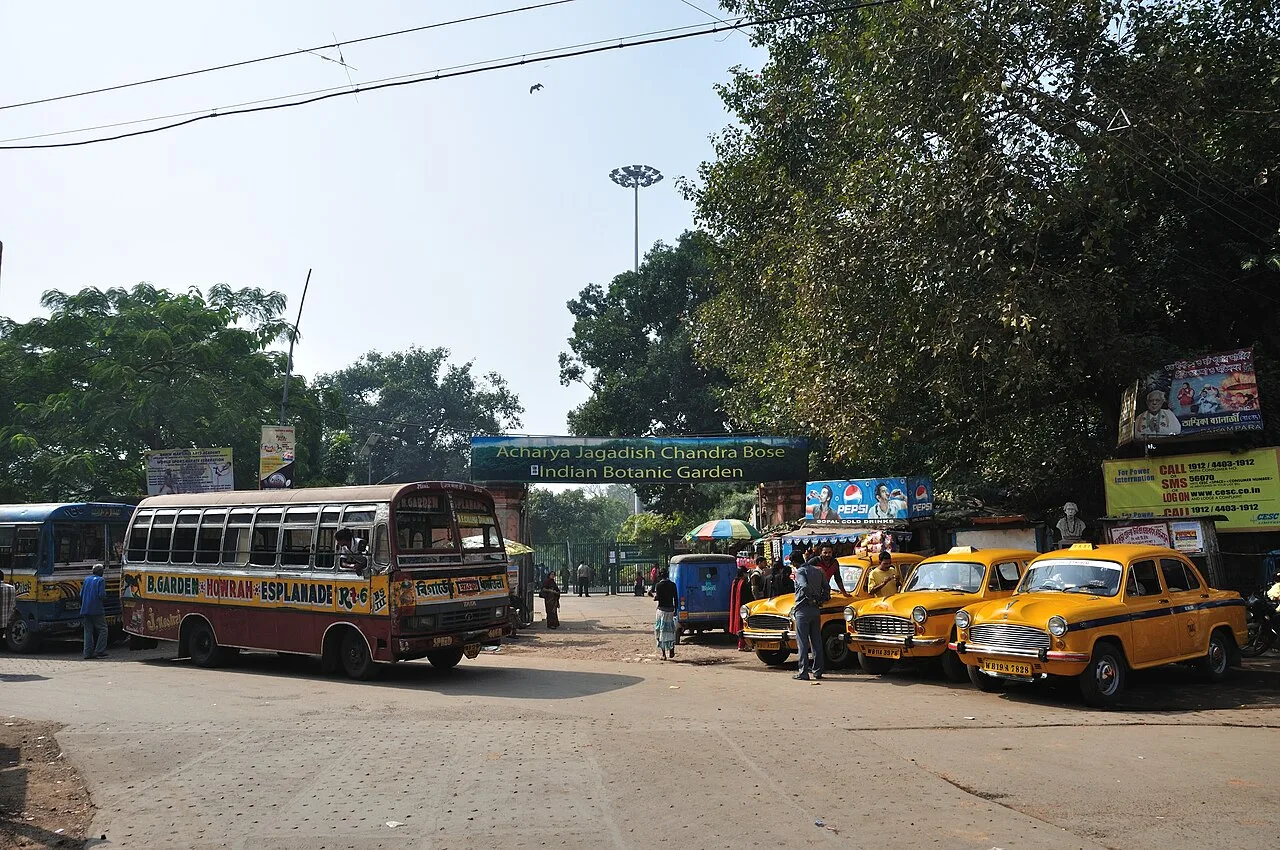
Acharya Jagadish Chandra Bose Indian Botanic Garden

76 km away · Howrah district

Acharya Jagadish Chandra Bose Indian Botanic Garden

The Acharya Jagadish Chandra Bose Indian Botanic Garden is a botanical garden in Shibpur, Howrah, near Kolkata. Visitors come to see its diverse collection of rare plants.

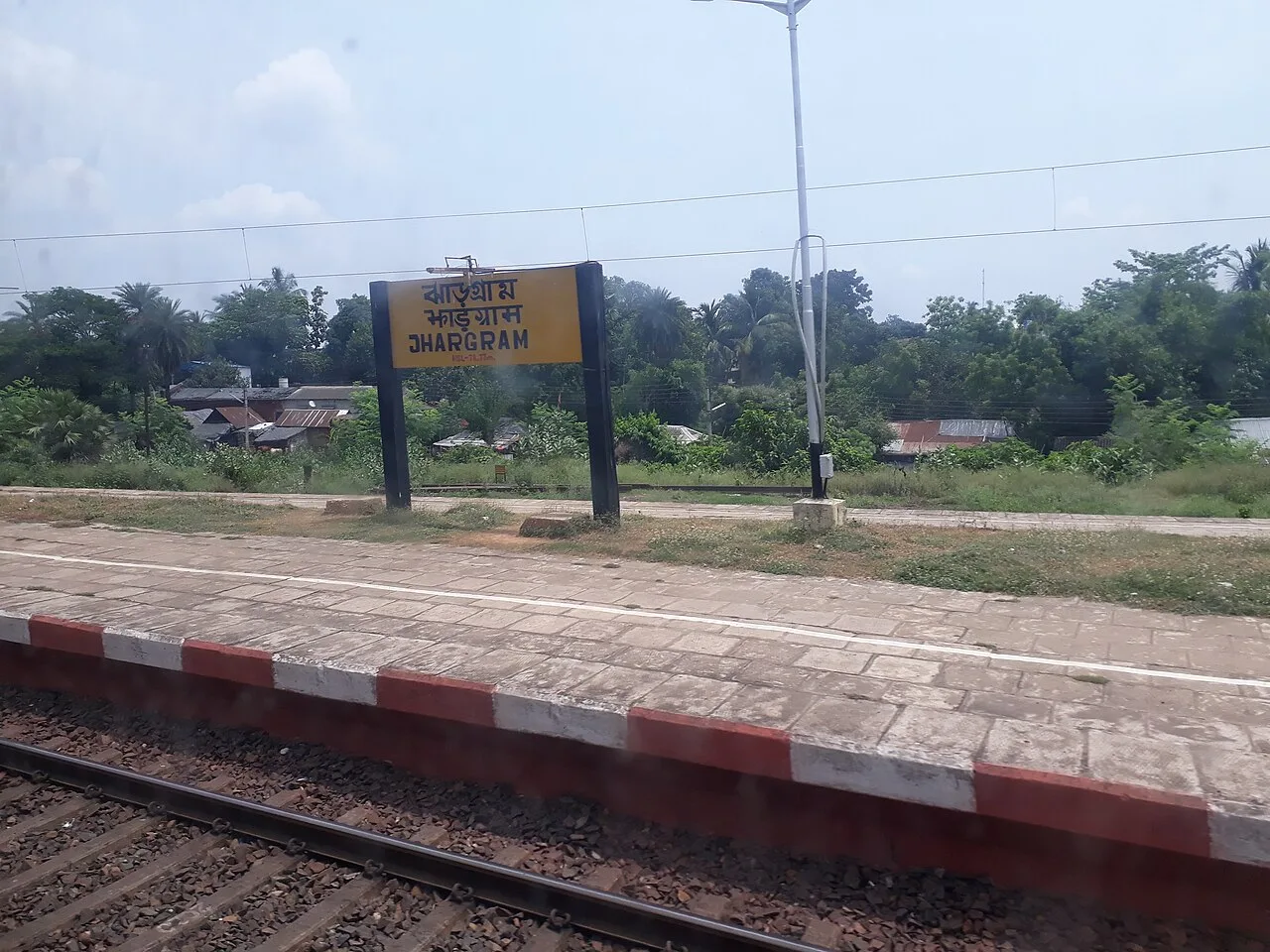
Jhargram

77 km away · Jhargram district

Jhargram

Jhargram is a municipal city in West Bengal and the administrative centre of its district; travellers come for its forests, ancient temples and royal palaces.

Chandannagar

79 km away · Hooghly district

Chandannagar

Chandannagar is a city in West Bengal’s Hooghly district, with a history as a French settlement. Visitors can see Indo-French influences in its colonial-era bungalows, many of which are now in poor condition.

Map

Ramjibanpur on the map

  1. 1Bishnupur
  2. 2Panchmura
  3. 3Dhaniakhali
  4. 4Bikna Dokra Village
  5. 5Serampore
  6. 6Acharya Jagadish Chandra Bose Indian Botanic Garden
  7. 7Jhargram
  8. 8Chandannagar

West Bengal

Other cities to explore