Ghumoopedia — Explore, Discover, Experience
Sign in
Rabindra Sarobar, near Diamond Harbour

City guide · West Bengal

Diamond Harbour

Diamond Harbour is a riverside city in South 24 Parganas, on the eastern bank of the Hooghly River. It is the headquarters of Diamond Harbour subdivision, giving it an important administrative role in a largely rural part of the district.

Famous for

  • Hooghly River views
  • Chingrikhali Fort ruins
  • Riverfront outings
  • Subdivision headquarters

Why Diamond Harbour matters

Diamond Harbour is a riverside city in South 24 Parganas, on the eastern bank of the Hooghly River. It is the headquarters of Diamond Harbour subdivision, giving it an important administrative role in a largely rural part of the district. Its setting near the river’s broad lower reaches is the city’s best-known attraction: visitors come for open water views, breezes and an easy change of pace from Kolkata.

The town is also a convenient base for exploring nearby river settlements and the wider delta. Its name recalls its former importance to British river and sea shipping, while the remains of Chingrikhali Fort point to an older, more turbulent history. Today, local markets, transport links and government offices serve residents from surrounding communities. Diamond Harbour is not a major shopping or resort centre; its appeal lies in combining a working district town with river scenery and glimpses of the region’s layered past.
Famous for: crafts, trade & products

Diamond Harbour is better known for its river setting and administrative role than for a signature textile, handicraft or industrial product. There is no widely established local GI-tagged product or craft tradition for which the city is especially recognised. Visitors looking for local goods can browse the town’s everyday markets, where shops and stalls serve nearby neighbourhoods with groceries, clothing, household items and seasonal produce. Fish and other ingredients used in Bengali cooking are part of the local market mix, though availability varies.

The town centre is the practical place to look for daily shopping and snacks, rather than a specialised craft bazaar. Small retailers and market stalls reflect the needs of residents and visitors from the surrounding subdivision, not a dedicated souvenir trade. For locally made products, ask shopkeepers about goods from nearby villages, but do not expect a single famous city-made item. The most distinctive experience associated with Diamond Harbour remains its connection to the Hooghly: riverside views and the old fort site offer more character than any particular commercial product.

History

Diamond Harbour was once called Hajipur, a name associated with the nearby creek. Its later name reflects its position on a major waterway used by British vessels for river and sea shipping. The Hooghly corridor had a more unsettled history before and during colonial expansion: Portuguese river pirates, known locally as harmad, were active in the area in the 16th and 17th centuries. Chingrikhali Fort, now in ruins, is traditionally attributed to Portuguese pirates and is reported to date from the 1600s.

The wider region has a much older history of settlement. Archaeological finds at Deulpota and Harinarayanpur, along the Hooghly, indicate human habitation more than two thousand years ago. In the modern era, Diamond Harbour developed as a town serving river traffic and surrounding rural communities. Its role as the headquarters of the subdivision has reinforced its importance as an administrative and service centre. The town’s history is thus tied both to the river route and to the growth of local government and transport.

Food, festivals & culture

Bengali is the principal language of everyday life, with Hindi also heard in shops and public spaces. Food follows the broader culinary traditions of southern Bengal: rice, fish, vegetables and lentils are common, while tea stalls and small eateries serve quick meals and snacks. Bengali sweets are available at local confectionery shops, though Diamond Harbour is not especially associated with one signature sweet or dish.

Durga Puja in autumn is the major public festival, with neighbourhood pandals and community gatherings. Kali Puja and Diwali follow later in the season, while Saraswati Puja is widely observed in winter. Eid is also celebrated by local Muslim communities. Religious life is reflected in neighbourhood temples and mosques, as well as in seasonal worship and family observances. Music and cultural programmes are often part of festival events; these usually draw on Bengali devotional and popular traditions rather than a distinct performance style unique to the town.

Visiting the city

The cooler, drier months from about October to February are generally the most comfortable time to visit. Summer can be hot and humid, and monsoon rain may disrupt outdoor plans. The nearest major airport is Netaji Subhas Chandra Bose International Airport in Kolkata. Diamond Harbour railway station is the main station, at the end of the suburban rail line from Sealdah.

Local buses, auto-rickshaws and app-based or hired cars can help with short trips, depending on availability. Explore the town centre for its markets and everyday street life, then head to the Hooghly riverfront for views. Chingrikhali Fort’s remains are another point of historical interest; check locally about access and conditions before setting out. Nearby river settlements can suit a longer excursion.

Trips from the city

Nearest places to visit from Diamond Harbour

Our closest destination guides, by straight-line distance.

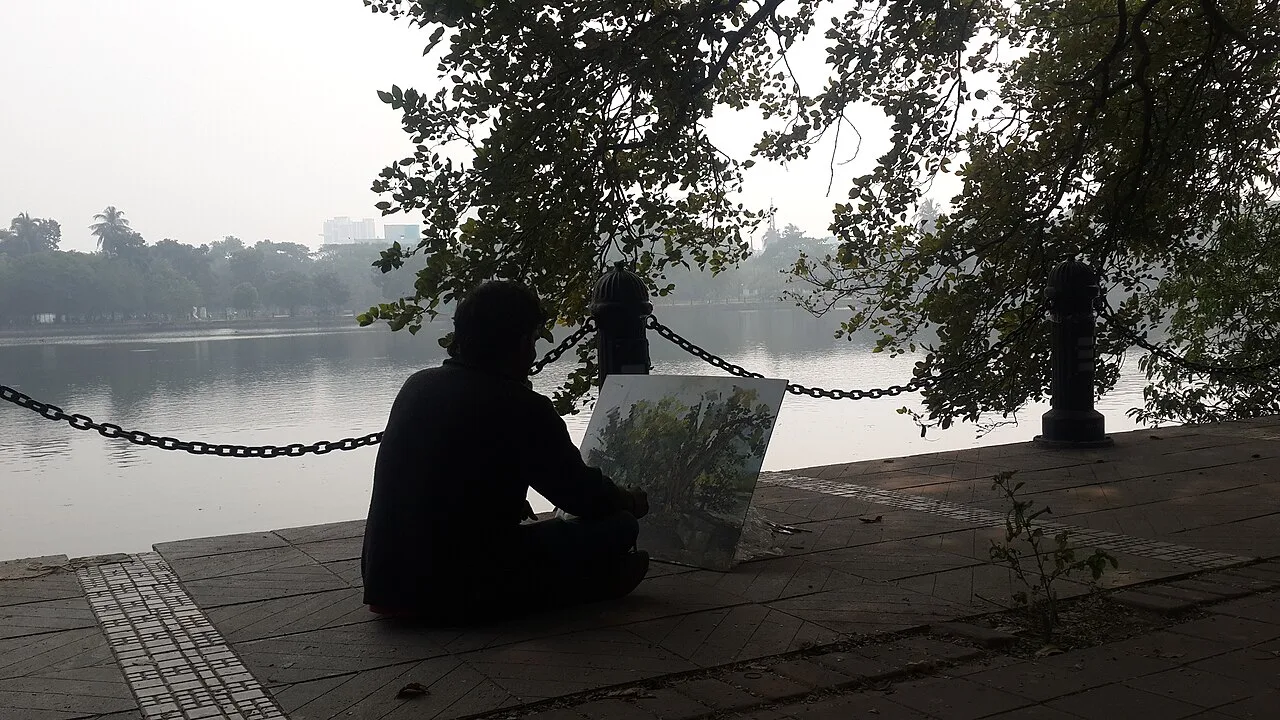
Rabindra Sarobar

39 km away · Kolkata district

Rabindra Sarobar

Rabindra Sarobar is a man-made lake, garden and park in southern Kolkata. People visit its green spaces and lakeside, while the name is also used for the surrounding neighbourhood.

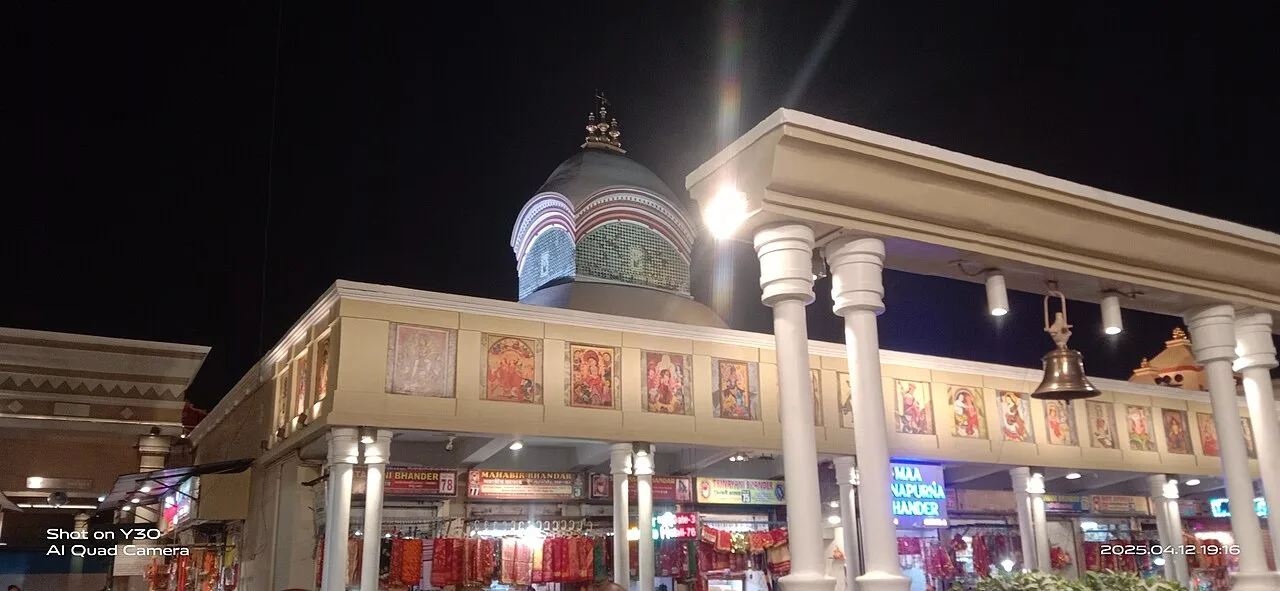
Kalighat Temple

40 km away · Kolkata district

Kalighat Temple

Kalighat Temple is a Hindu shrine in Kolkata devoted to Kali, revered in tantric and Kalikula traditions. People visit to worship at this Shakti Pitha, particularly during major religious observances.

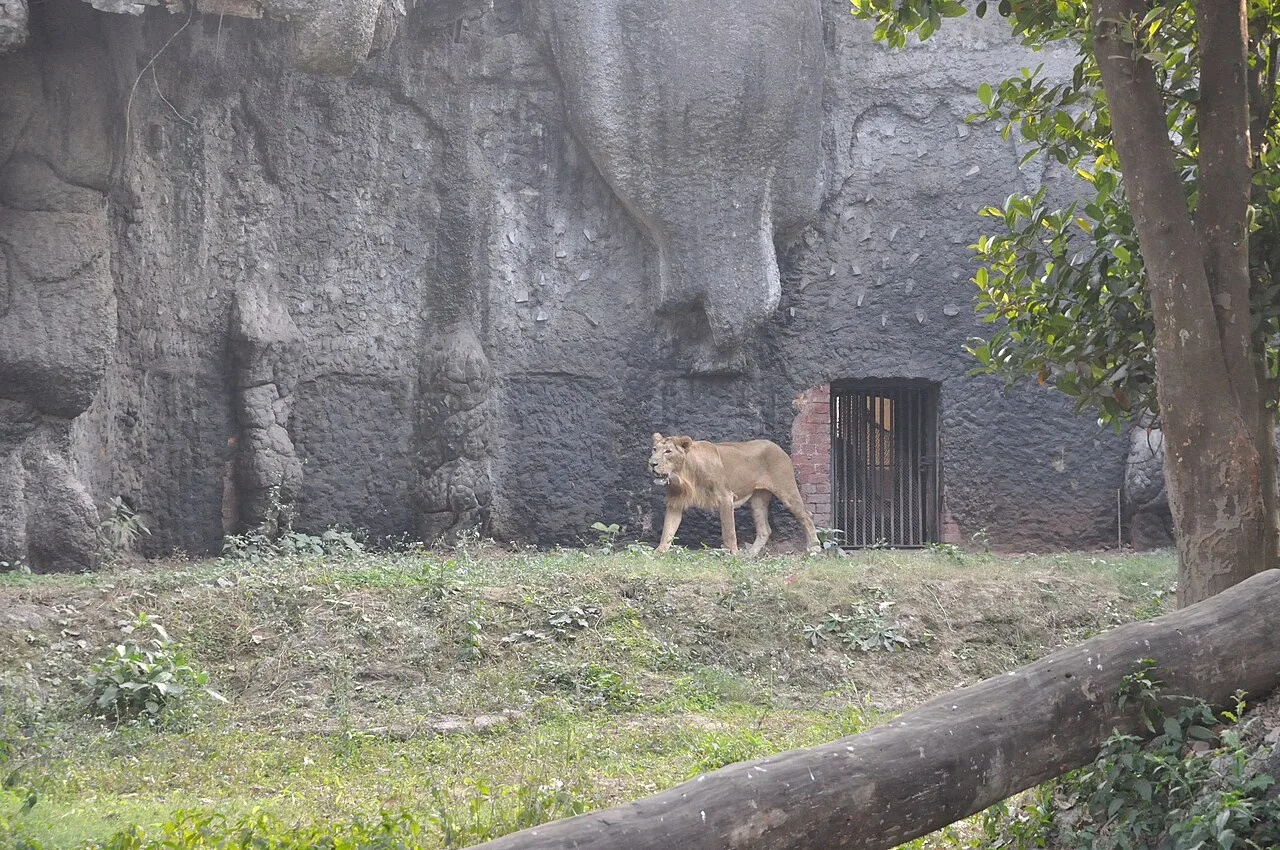
Alipore Zoo

41 km away · Kolkata district

Alipore Zoo

The Zoological Garden, Alipore, commonly called Alipore Zoo, is recognised as India’s oldest formally established zoological park. Its animal collection and breeding work draw visitors to Kolkata.

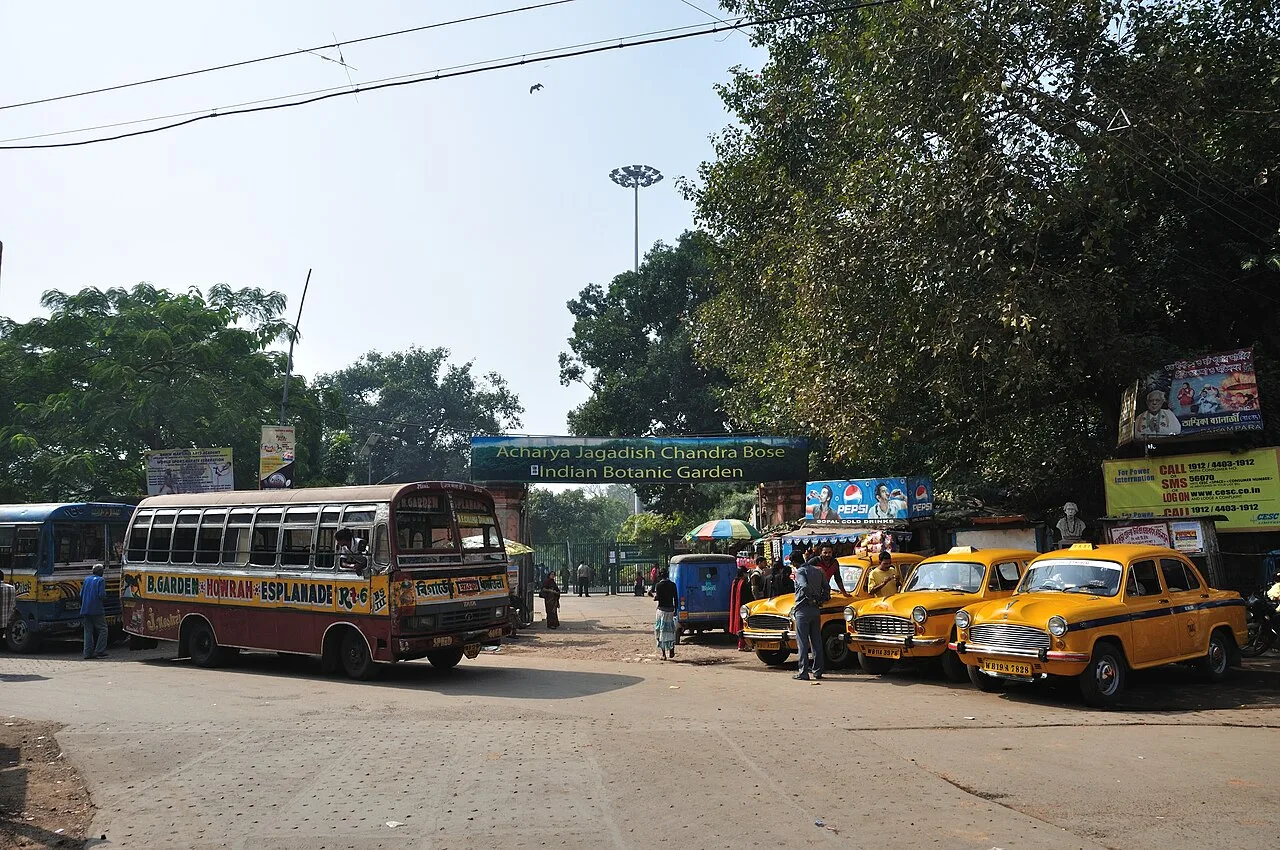
Acharya Jagadish Chandra Bose Indian Botanic Garden

42 km away · Howrah district

Acharya Jagadish Chandra Bose Indian Botanic Garden

The Acharya Jagadish Chandra Bose Indian Botanic Garden is a botanical garden in Shibpur, Howrah, near Kolkata. Visitors come to see its diverse collection of rare plants.

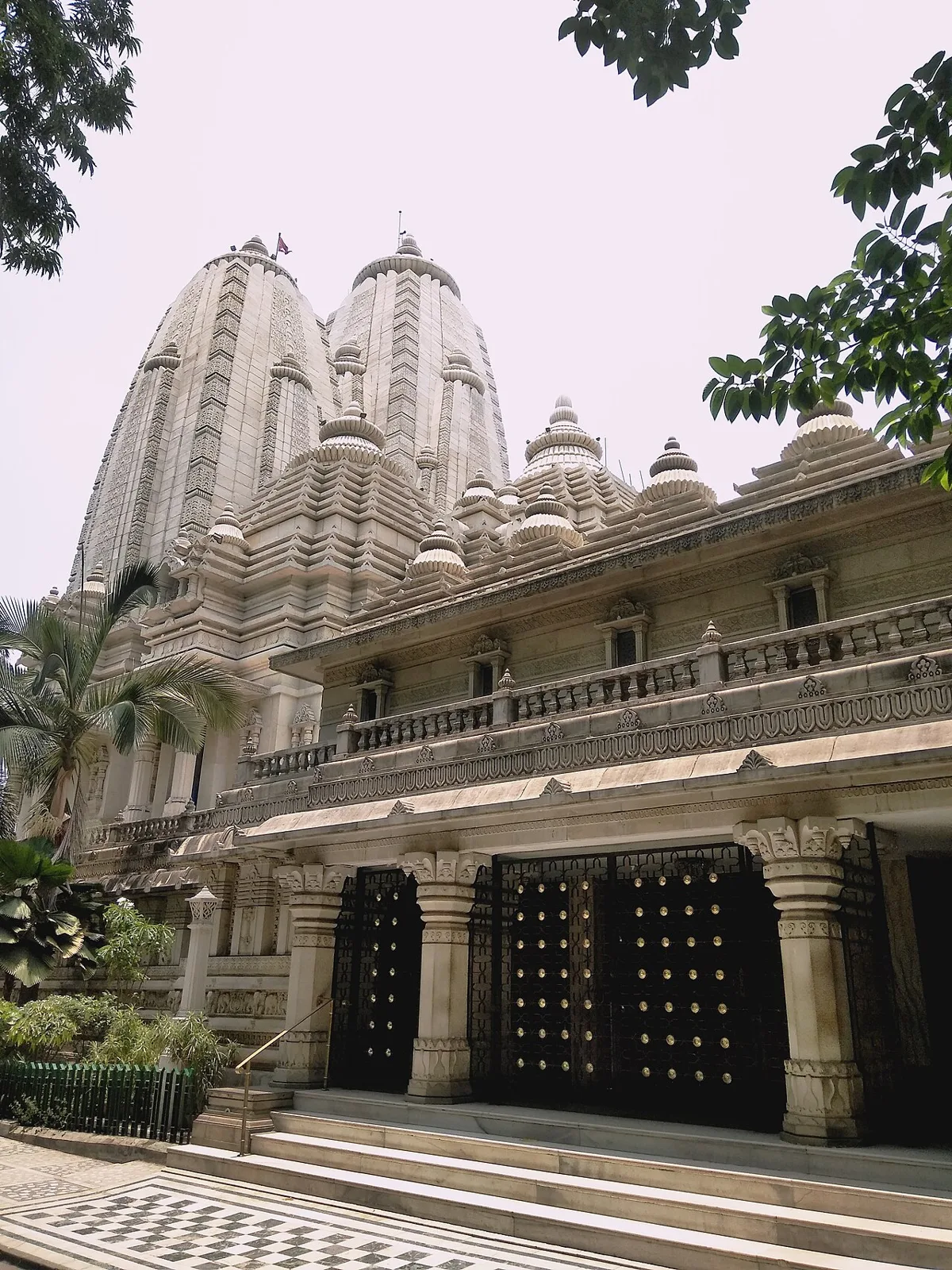
Birla Mandir

42 km away · Kolkata district

Birla Mandir

Birla Mandir is a Hindu temple in Ballygunge, Kolkata, built by the Birla family. Visitors worship Vishnu in his forms as Rama and Krishna, with many arriving for Janmashtami.

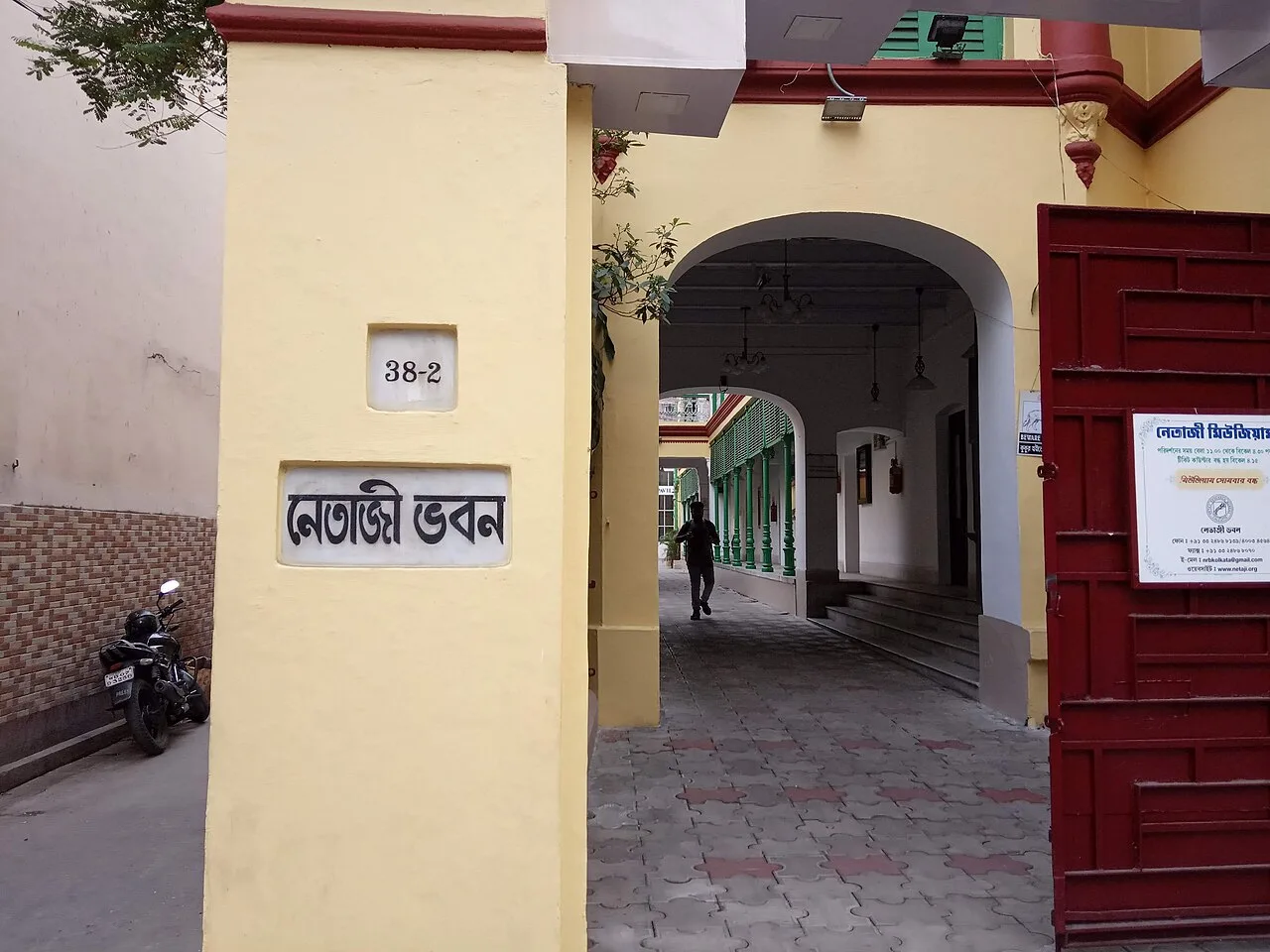
Netaji Bhawan

42 km away · Kolkata district

Netaji Bhawan

Netaji Bhawan is a heritage building in Kolkata associated with Subhas Chandra Bose. Visitors come to its memorial and research centre to engage with the Indian nationalist’s life.

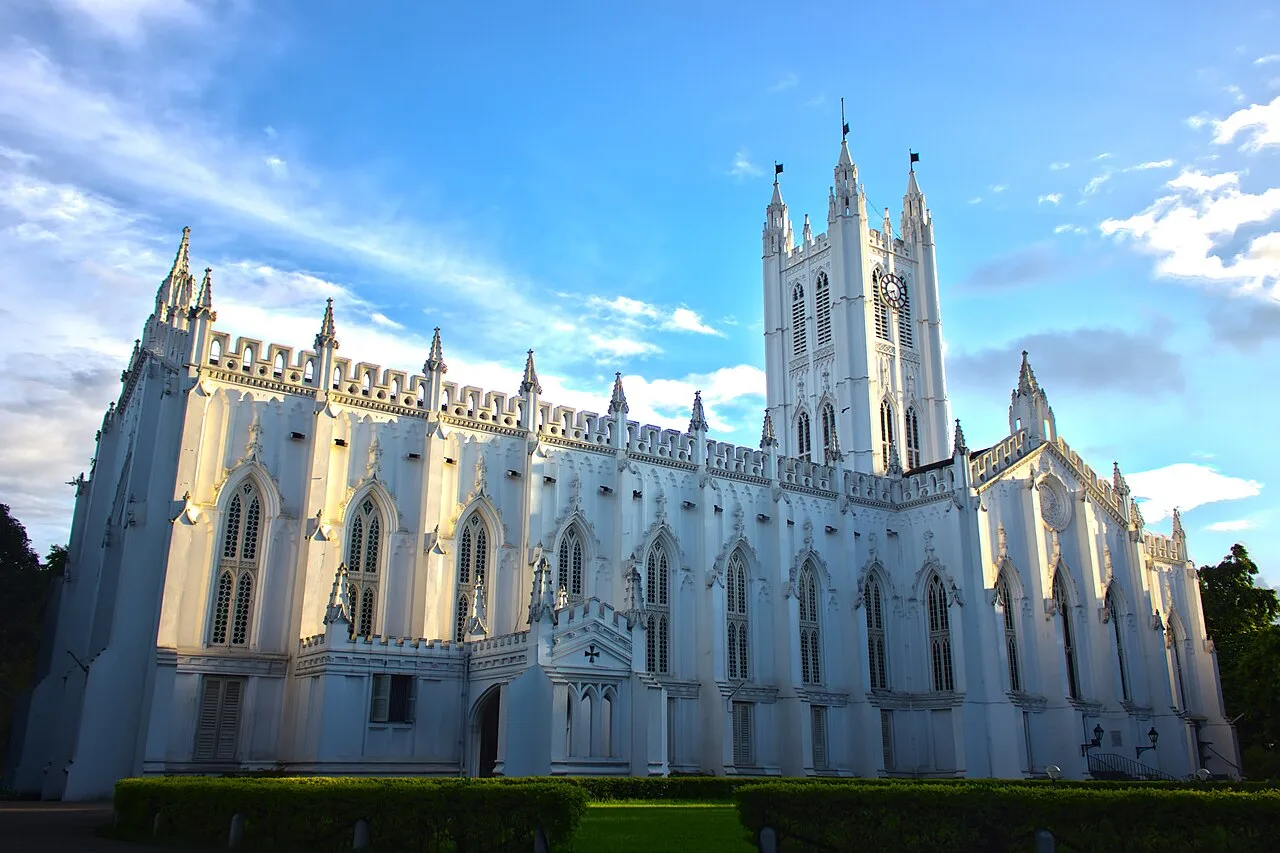
St. Paul's Cathedral

42 km away · Kolkata district

St. Paul's Cathedral

St. Paul's Cathedral is a Church of North India cathedral with Anglican roots in Kolkata, known for its Indo-Gothic design and links to the city’s religious and colonial history.

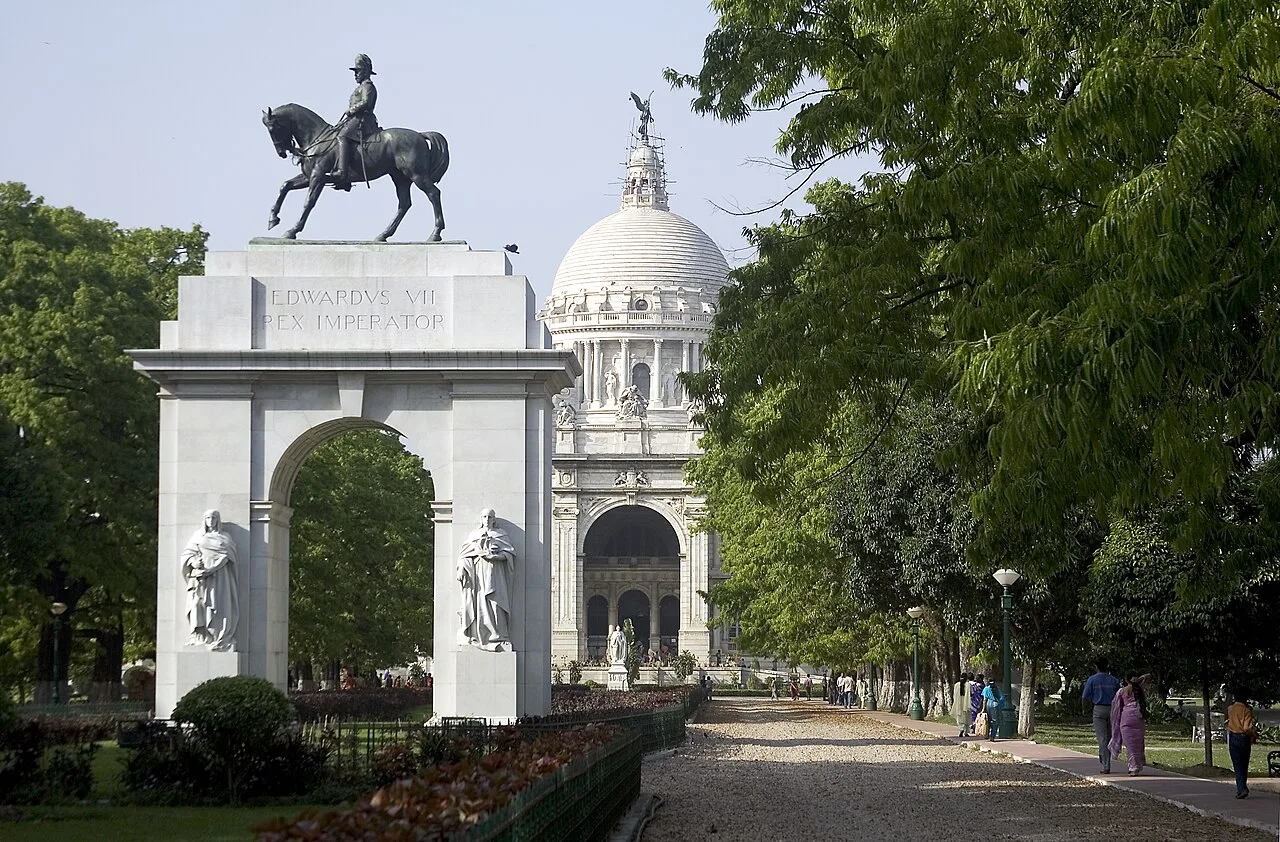
Victoria Memorial

42 km away · Kolkata district

Victoria Memorial

A marble memorial and museum in Kolkata’s Maidan, it honours Queen Victoria. Visitors come to see its Indo-Saracenic design and explore the grounds.

Map

Diamond Harbour on the map

  1. 1Rabindra Sarobar
  2. 2Kalighat Temple
  3. 3Alipore Zoo
  4. 4Acharya Jagadish Chandra Bose Indian Botanic Garden
  5. 5Birla Mandir
  6. 6Netaji Bhawan
  7. 7St. Paul's Cathedral
  8. 8Victoria Memorial

West Bengal

Other cities to explore