Ghumoopedia — Explore, Discover, Experience
Sign in
Cooch Behar Palace, near Tufanganj

City guide · West Bengal

Tufanganj

Tufanganj is a municipal town in Cooch Behar district, in the northern part of West Bengal. Its main importance today is administrative: it serves as the headquarters of Tufanganj subdivision and provides services, shops and transport connections for surrounding communities.

Famous for

  • Gateway to Rasik Beel
  • Subdivisional administrative centre
  • North Bengal agricultural trade
  • Bhawaiya cultural region

Why Tufanganj matters

Tufanganj is a municipal town in Cooch Behar district, in the northern part of West Bengal. Its main importance today is administrative: it serves as the headquarters of Tufanganj subdivision and provides services, shops and transport connections for surrounding communities. The town is also a local market centre for a largely rural area where agriculture remains important.

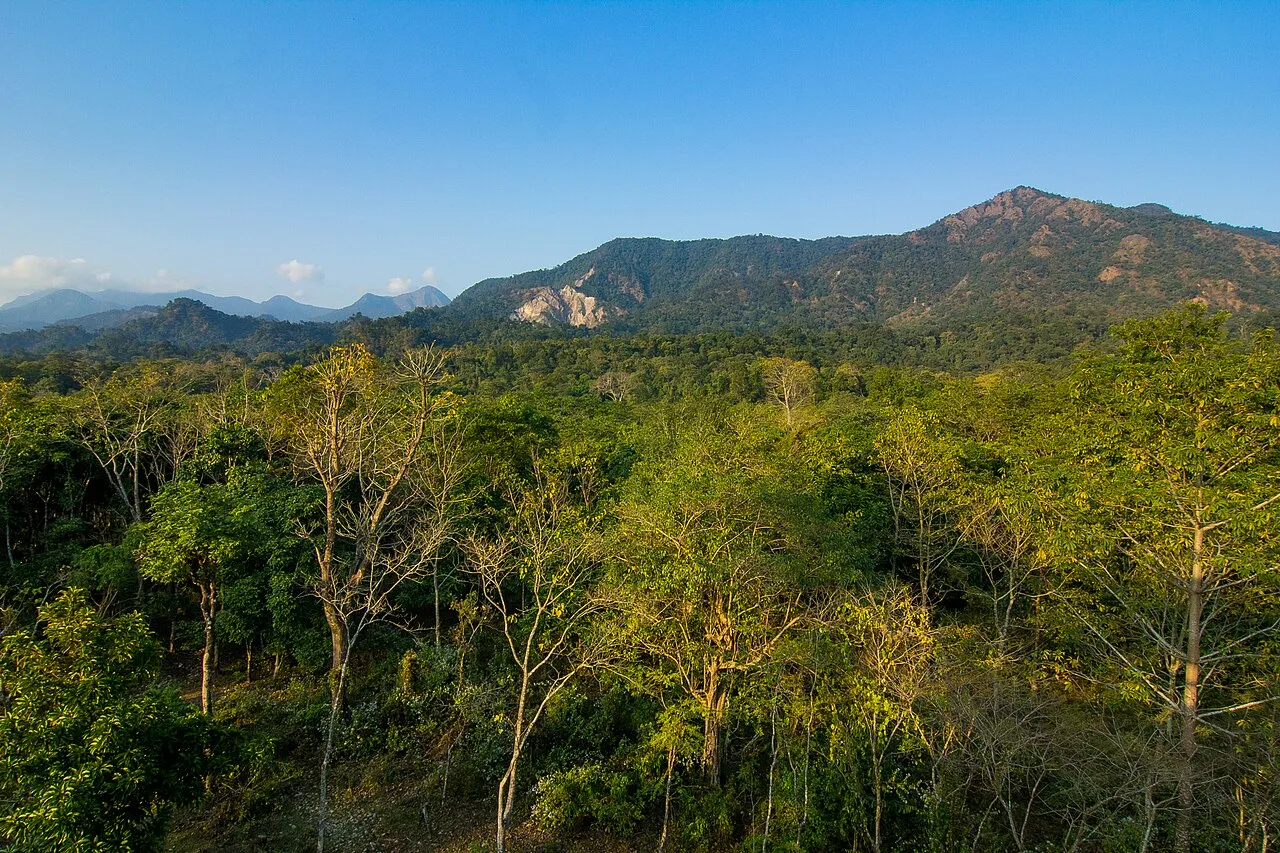
For visitors, Tufanganj is a practical base for exploring the wetlands and countryside of the wider subdivision. Rasik Beel, known for its wetland landscape and birdlife, is a notable excursion in the area. The town itself offers a glimpse of everyday life in North Bengal rather than a large collection of monumental attractions. Its setting within the historic Cooch Behar region adds interest for travellers curious about the Koch kingdom and the former princely state. Local markets, Bengali and Rajbanshi cultural influences, and the rhythms of a small district town are part of its appeal.
Famous for: crafts, trade & products

Tufanganj is chiefly known as a local administrative and trading centre, not as a major textile, handicraft or factory hub. There is no widely recognised signature saree, craft or locally based GI-tagged product associated specifically with the town. Visitors looking for everyday goods can browse the central bazaar and shops around the town centre, where locally traded household items and seasonal produce serve residents from nearby villages.

Agricultural products from the surrounding countryside contribute to local commerce; the wider district grows crops including rice and jute, alongside other seasonal produce. The town’s markets are the most useful places to observe this everyday trade, though availability changes with the season. For distinctive regional shopping, travellers may find a broader choice in larger Cooch Behar district centres. Tufanganj’s stronger visitor connection is to the natural landscape of its subdivision, especially Rasik Beel, rather than to a particular manufactured product. It is best approached as a service town and market stop, with local shops offering practical supplies rather than a specialist craft-shopping experience.

History

Tufanganj lies within the historic Cooch Behar region, associated with the Koch kingdom and the ruling Koch dynasty. The area later formed part of the princely state of Cooch Behar, whose rulers maintained a relationship with British India during the colonial era. The town’s own development is less widely documented than the history of the state as a whole, so its growth is best understood through its role as a local settlement and market serving the surrounding countryside.

After Indian independence, Cooch Behar joined the Indian Union in 1949 and became part of West Bengal in 1950. Tufanganj developed as an administrative centre and became the headquarters of its subdivision. Municipal services, public institutions, roads and rail connections have supported its growth as a regional town. Today, its importance rests mainly on administration, local commerce and access to nearby rural and wetland areas, rather than on a major industrial or historic-monument district.

Food, festivals & culture

Food in Tufanganj reflects the wider North Bengal and Bengali table: rice, fish, lentils and seasonal vegetables are everyday staples. Home-style dishes vary with local produce, while pitha and other rice-based treats are especially associated with the cooler-season harvest period. Bengali sweets such as sandesh and rosogolla are commonly found in the region, though they are not unique to the town.

Durga Puja in autumn and Kali Puja later in the year are prominent parts of the festival calendar; Eid is also celebrated by Muslim communities. The well-known Rash Mela takes place in Cooch Behar town and can be a regional draw for visitors. Bengali is widely used, alongside Rajbanshi or Kamtapuri and Hindi in everyday communication. Bhawaiya, a folk music tradition of North Bengal, is an important regional cultural expression. Hindu temples and Muslim places of worship serve neighbourhood communities, while festivals and local gatherings provide the liveliest settings for experiencing town life.

Visiting the city

The cooler, drier months from around October to February are generally the most comfortable for visiting. Summer can be hot and humid, while the monsoon brings substantial rain. Cooch Behar Airport is the nearest airport by geography, but scheduled services may be limited; check current connectivity before planning. New Cooch Behar Junction is the principal rail gateway for the district, and Tufanganj also has a railway station.

Buses and shared or hired vehicles connect the town with nearby settlements; autos and cycle-rickshaws are useful for short trips within town. Explore the central market area for shops and everyday local life, then plan a separate excursion to Rasik Beel and the surrounding countryside. Confirm local transport options for that trip in advance, as services can vary.

Trips from the city

Nearest places to visit from Tufanganj

Our closest destination guides, by straight-line distance.

Cooch Behar Palace

23 km away · Cooch Behar district

Cooch Behar Palace

Cooch Behar Palace is a notable city landmark, valued for its Italian Renaissance design and its present role as a museum.

Buxa Tiger Reserve

38 km away · Alipurduar district

Buxa Tiger Reserve

In Alipurduar district, West Bengal, Buxa is a 760 km² tiger reserve and national park. Visitors come for its rich bird and mammal life, which includes several notable species.

Buxa Fort

49 km away · Alipurduar district

Buxa Fort

Set within Buxa Tiger Reserve in West Bengal, Buxa Fort interests visitors for its former defensive role on a route through Bhutan and its later use as shelter for displaced people.

Jaldapara National Park

57 km away · Alipurduar district

Jaldapara National Park

In northern West Bengal’s Alipurduar district, Jaldapara National Park protects grassland and riverside woodland along the Torsa. Visitors come to see its wildlife, including the state’s largest Indian rhinoceros population.

Gorumara National Park

96 km away · Jalpaiguri district

Gorumara National Park

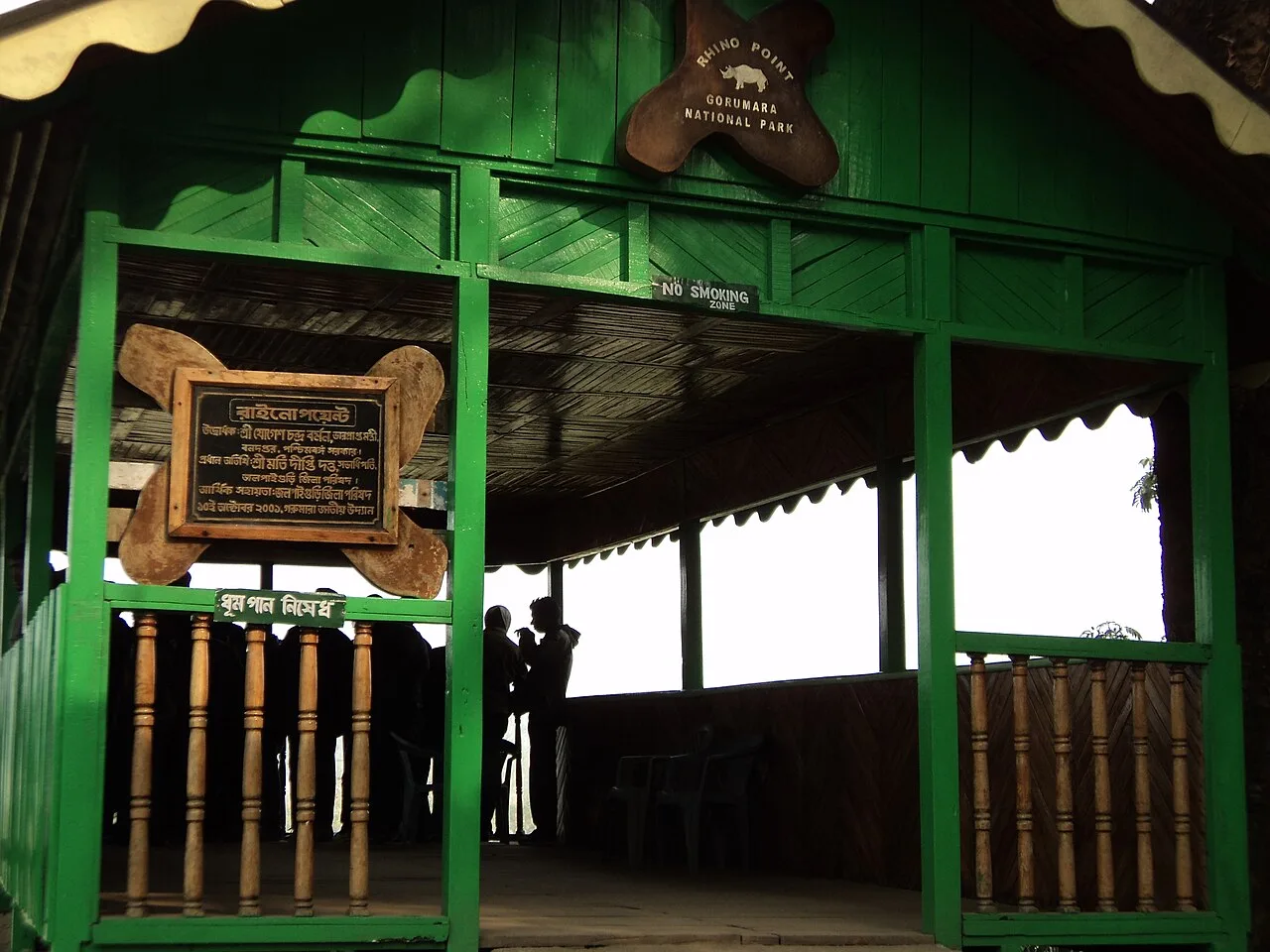
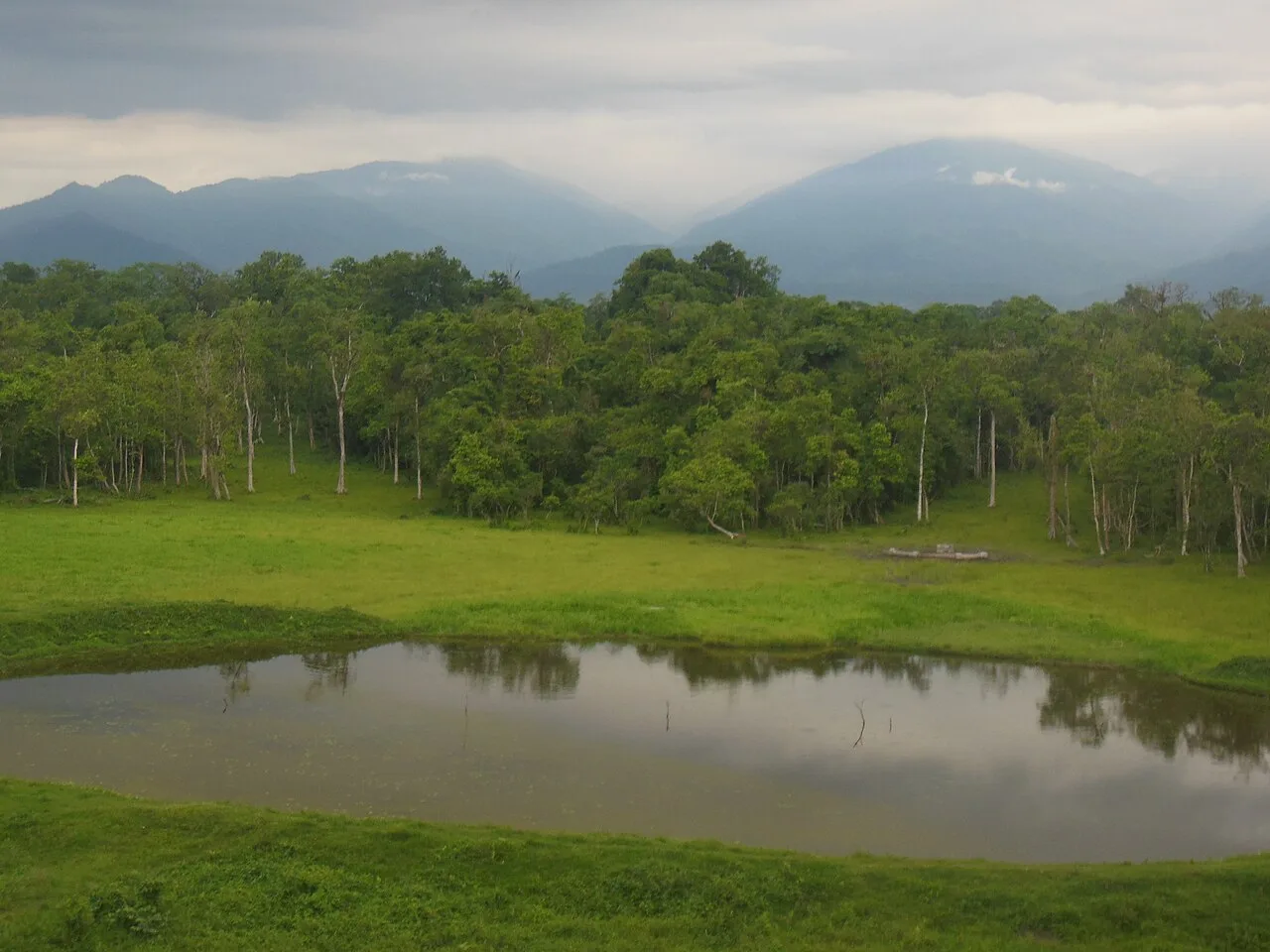
Set in the Dooars foothills of the Himalayas, Gorumara is a protected area in northern West Bengal. Visitors come chiefly to see its Indian rhinoceroses among forests and grasslands.

Chapramari Wildlife Sanctuary

102 km away · Jalpaiguri district

Chapramari Wildlife Sanctuary

Chapramari Wildlife Sanctuary is a forest reserve in northern West Bengal. Visitors come to experience its forest and wildlife, near Gorumara National Park.

Neora Valley National Park

127 km away · Kalimpong district

Neora Valley National Park

Neora Valley National Park is a protected area in West Bengal’s Kalimpong district, established in 1986. Visitors are drawn by its varied wildlife and forest habitat, especially that of the red panda.

Darjeeling Himalayan Railway

128 km away · Darjeeling district

Darjeeling Himalayan Railway

This narrow-gauge railway runs through West Bengal between New Jalpaiguri and Darjeeling. Visitors travel its steep route on regular trains and on steam services to Ghum and Kurseong.

Map

Tufanganj on the map

  1. 1Cooch Behar Palace
  2. 2Buxa Tiger Reserve
  3. 3Buxa Fort
  4. 4Jaldapara National Park
  5. 5Gorumara National Park
  6. 6Chapramari Wildlife Sanctuary
  7. 7Neora Valley National Park
  8. 8Darjeeling Himalayan Railway

West Bengal

Other cities to explore