
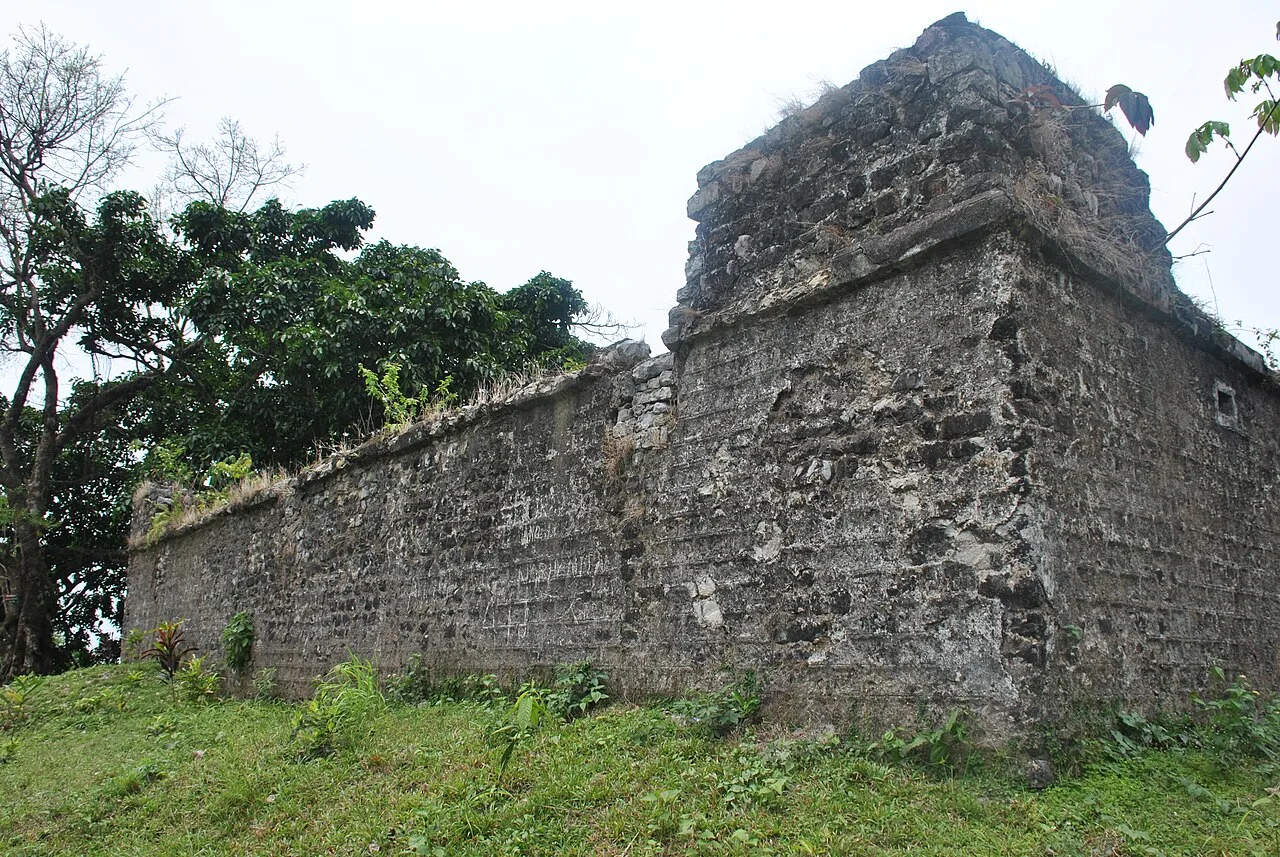
Buxa Fort
Set within Buxa Tiger Reserve in West Bengal, Buxa Fort interests visitors for its former defensive role on a route through Bhutan and its later use as shelter for displaced people.
Key facts · verified by Ghumoopedia editors
- Type of place
- National park / sanctuary
- Best time to visit
- October to March for the plains and coast; March to May and October to December for the Darjeeling hills
- Nearest railway station
- Hasimara · about 25 km (straight line)
- Nearest airport
- Bagdogra Airport (Siliguri) · about 125 km (straight line)
- Verified
- 21 Nov 2026
Plan a trip from Buxa Fort — a day-by-day route through places nearby.
At an elevation of 867 metres (2,844 ft), Buxa Fort stands within Buxa Tiger Reserve, in West Bengal’s Alipurduar district. It is in Kalchini CD block, part of the Alipurduar subdivision. The nearest town, Alipurduar, is 30 kilometres (19 mi) away. Bhutan’s king once used the fort to defend territory along the route linking Tibet and India through Bhutan. During the unrest around Tibet’s annexation by the People’s Republic of China, hundreds of displaced people took refuge in the fort, which had been abandoned. West Bengal stretches from the Himalayan tea gardens of Darjeeling to the mangrove delta of the Sundarbans, with Kolkata's colonial architecture, the terracotta temples of Bishnupur, Tagore's Santiniketan and the Nawabi heritage of Murshidabad. The plains are hot and humid from March to June, receive heavy monsoon rain from June to September and are pleasant from November to February; the Darjeeling hills are cool year-round and cold in winter, and the coast and Sundarbans can be hit by cyclones in May and October–November. The usual best time to visit is October to March for the plains and coast; March to May and October to December for the Darjeeling hills. Timings, fees and access arrangements must be confirmed locally. For official information, see West Bengal Tourism at https://wbtourism.gov.in.
Why it matters
Buxa Fort is a historic hill fort within Buxa Tiger Reserve in Alipurduar district, West Bengal. Its importance is tied to the strategic Buxa Duar passage, which connected the Indian plains with Bhutan and routes towards Tibet. Historical accounts associate the fort with Bhutanese rule before British control of the area. It later became known as a place of colonial imprisonment and, during displacement following the Chinese takeover of Tibet, a refuge for Tibetan people. The fort is now part of a protected forest landscape, so its heritage is encountered alongside the conservation setting. No UNESCO recognition or specific national monument status is asserted here; visitors should check with the relevant heritage and forest authorities for current designations.
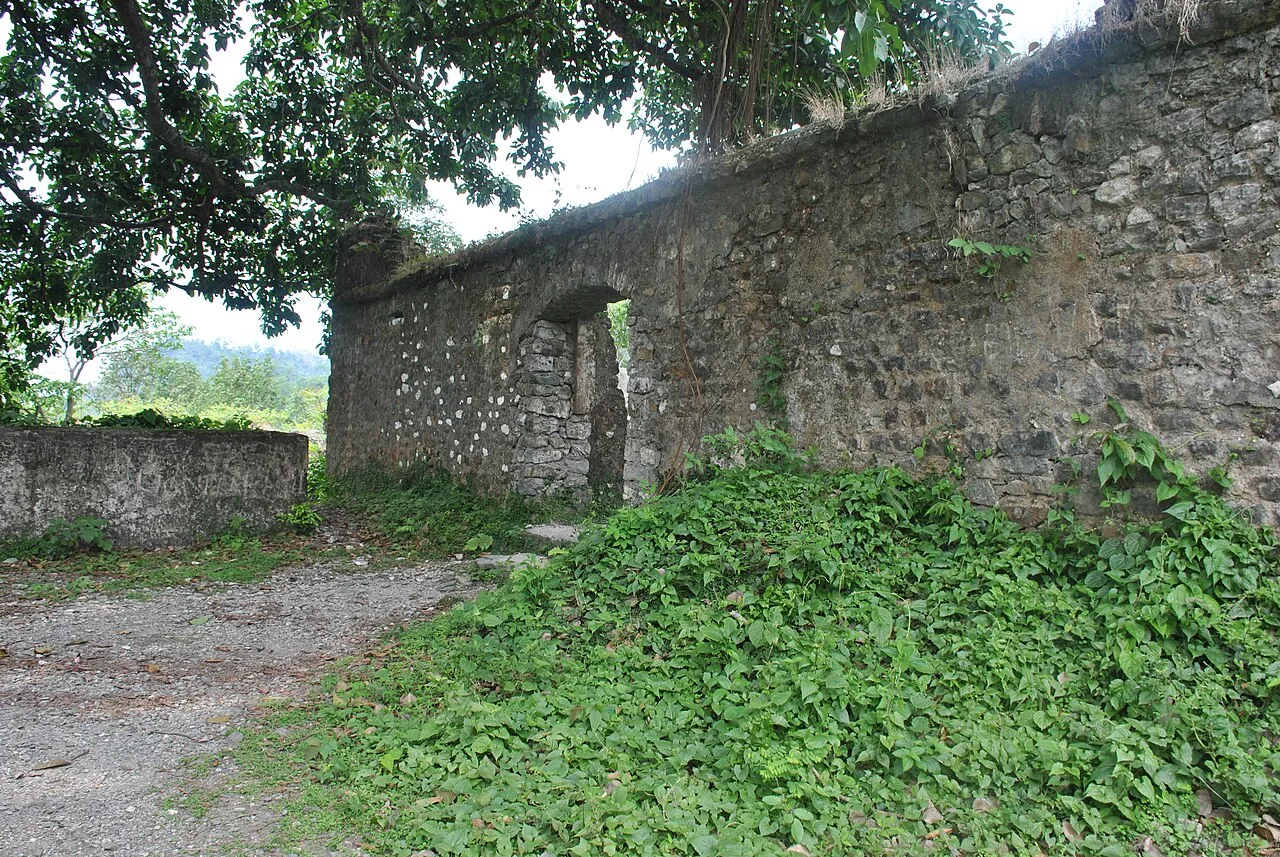
Buxa Fort is traditionally associated with Bhutanese rulers, who used the stronghold to guard the Buxa Duar corridor and territory linking Bhutan with routes towards Tibet and India. Its precise construction date and the identity of its builders are not firmly established, so accounts of its early origins should be treated cautiously. The area came under British control following the Bhutan War and the Treaty of Sinchula in 1865. Under British rule, the fort was used as a prison; accounts describe political prisoners being held there during the colonial period. After India became independent, the abandoned fort took on another role during the displacement of Tibetans following the Chinese takeover of Tibet: hundreds of people reportedly found refuge there. The surviving structure is now a ruin within Buxa Tiger Reserve. Its exposed stonework and weathering reflect its long period of abandonment. A comprehensive restoration history is not established in the available information, so visitors should not assume that the remains have been fully stabilised or reconstructed.
Explore Buxa Fort slowly and read the interpretation boards, use the official audio guide where available or hire an authorised guide to understand its history. Hill forts involve steep climbs on uneven stone steps; start early, carry water and descend well before dark. Early morning gives softer light, cooler air and smaller crowds. A comfortable itinerary is one main visit in the morning, a local meal at midday and a short nearby stop before an afternoon return. Use the district list on this site to find other places in Alipurduar, but check the route and its condition before combining stops. If a festival is on — such as Durga Puja, Kali Puja or the Poush Mela at Santiniketan — roads and stays can be busy, and the experience can be unforgettable. Leave no litter: many sites are protected by the communities around them.
Suggested itineraries
Half day: Reach the authorised trailhead; walk uphill to the fort (allow roughly 1.5–2.5 hours each way, depending on pace and conditions); explore the ruins and return before late afternoon. Full day: Start early; walk to and explore Buxa Fort; return to the trailhead for a meal and rest; if access and transport allow, make a short stop at Rajabhatkhawa or another nearby permitted attraction. Gentler option: Skip the steep fort climb; visit an accessible nearby town or interpretation facility, if open, and enjoy a short, level outing instead.
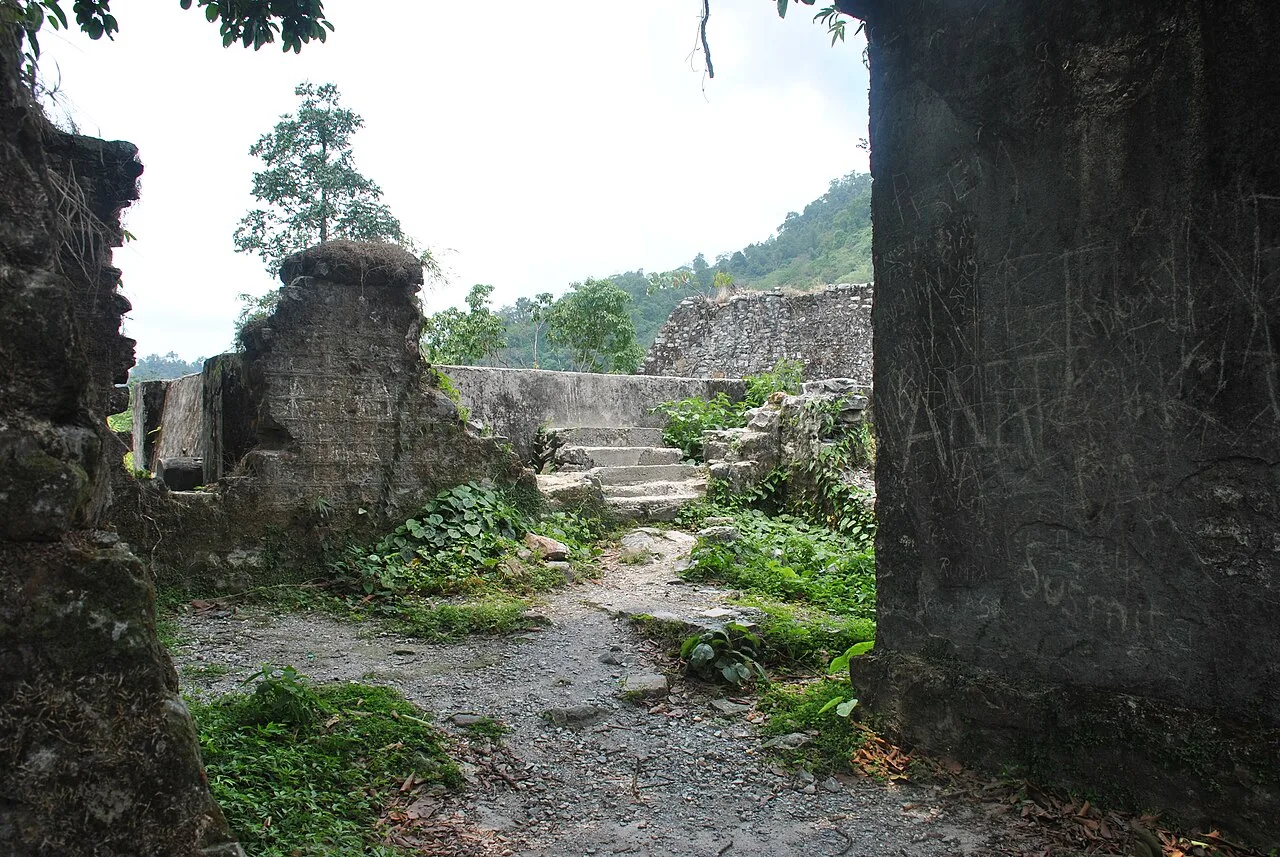
The fort’s story brings together Bhutanese frontier history, British colonial rule, political imprisonment and the refuge sought by displaced Tibetans. In nearby settlements, everyday life reflects the cultural variety of the Dooars: Bengali, Nepali, Rajbanshi and Hindi are heard, alongside languages spoken by Adivasi and other local communities. Music, dance, dress and customs vary between communities and occasions rather than forming a single tradition specific to the fort. Visitors may encounter local markets, seasonal gatherings and religious observances in surrounding towns and villages. Ask before photographing people, performances or worship, and follow local guidance at community and religious sites.
Local communities
People in the wider Buxa and Alipurduar region include Bengali, Rajbanshi, Nepali and Adivasi communities, among others; the area’s population and traditions are diverse. Livelihoods in the Dooars include tea work, farming, small businesses, transport and tourism-related services. Forest-edge communities also live alongside a landscape managed for wildlife conservation, with rules that can affect access and resource use. Use locally run services where available, respect community privacy, and follow guidance from forest staff. Do not enter settlements, forest areas or cultural sites without permission.
Festivals & events
Durga Puja and Kali Puja are observed in Alipurduar and nearby towns, generally in autumn; public celebrations can bring heavier traffic and fuller accommodation. Community festivals and seasonal observances also take place across the Dooars, with timing and customs differing between groups and localities. These may include harvest-related gatherings, but they are not necessarily held at the fort. Check locally before planning around an event, and be prepared for busy roads, limited transport availability or crowded market areas. Visitors should observe celebrations respectfully and ask before taking photographs.
Local food in West Bengal includes macher jhol (fish curry), shorshe ilish (hilsa in mustard), kosha mangsho, luchi with alur dom, kathi rolls and phuchka in Kolkata, mishti doi, rosogolla and sandesh; in the Darjeeling hills, momos, thukpa, shaphaley and first-flush Darjeeling tea. Ask what is fresh that day; many small eateries cook a limited daily menu. Vegetarian travellers eat well across the state, and most towns also have fish and meat dishes. Remote sites may have no restaurant at all. Carry water and snacks, eat a proper breakfast before long drives, and ask your accommodation for a packed lunch if you are heading out early. Try a home-cooked or local thali meal when you can — it is often the best food on the route. Choose busy, clean places, drink sealed or filtered water, and carry your packaging back with you.
Shopping & local experiences
Look for locally made goods and everyday produce in markets around Alipurduar and nearby settlements, including regional tea and food products. Availability and the origin of craft items vary, so ask sellers about how goods are made and choose community-run enterprises where possible. A meal at a local eatery can be a more direct way to experience Dooars food traditions than buying a generic souvenir. Do not buy wildlife products, forest materials or objects presented as archaeological fragments. Carry reusable bags and avoid leaving packaging in the reserve.
The fort stands in the forested Buxa hills, within Buxa Tiger Reserve, where foothill terrain meets the wider Dooars landscape. Forest types include sal and mixed woodland, with bamboo and other vegetation; plant communities change with elevation and local conditions. Streams and rivers are part of the reserve’s broader landscape, though water levels and access vary by season. Buxa is known for rich wildlife, including elephants, gaur, leopards and many bird species; animals are wild and sightings are never guaranteed. The forest can be humid, slippery and difficult to traverse during and after monsoon rain. Stay on permitted routes, keep a safe distance from wildlife and follow forest staff instructions.
October to March for the plains and coast; March to May and October to December for the Darjeeling hills
The nearest principal railway station by straight-line distance is Hasimara, roughly 25 km away. The nearest operating airport by straight-line distance is Bagdogra Airport (Siliguri), roughly 125 km away. These figures are calculated from map coordinates — actual road distance is longer. Howrah, Sealdah and Kolkata stations and Kolkata airport serve the south; New Jalpaiguri station and Bagdogra airport near Siliguri are the gateways to the Darjeeling hills and the Dooars. For the final leg, West Bengal Transport Corporation, North Bengal State Transport and South Bengal State Transport buses, private buses and shared jeeps in the hills link district towns. A private taxi gives more flexibility for remote sites. When comparing train, bus and flight, count the complete door-to-door time: a flight saves the most time only if the onward road transfer is short, while an overnight train can save a hotel night. Book your return before you leave, because seats fill quickly on weekends, festivals and holidays. Current train numbers, timings, return services and fares are not listed here; check IRCTC and NTES for trains and the airline's own schedule for flights. No permit is needed for Indian citizens to visit West Bengal. Entry to the Sundarbans Tiger Reserve needs a forest permit, usually arranged through a registered boat operator or the forest office at Sajnekhali or Canning; trekking in Singalila National Park (Sandakphu) needs an entry permit and a registered guide from Maneybhanjan. Durga Puja in October brings huge crowds to Kolkata, so book transport and stays well ahead.
Confirm onward and return timings on IRCTC / NTES, the state bus operator or your airline before travel. A dash means current timings or fares have not been verified.
Getting around
From Alipurduar, visitors generally arrange a taxi or other local vehicle towards the Buxa approach, commonly via Santalabari; confirm the permitted route and current road conditions before setting out. The final approach to the fort involves walking uphill, so a vehicle cannot take visitors all the way to the ruins. Local buses or shared vehicles may serve some towns and villages, but onward connections can be limited or variable. Ask locally about parking, authorised guides and the safest place to begin the climb. Carry water and plan your return transport before starting.
Hours, tickets & permissions
Entry arrangements may depend on forest access rules, the condition of the approach route and any current restrictions around the fort. Tickets, permits, identity checks, guide requirements and camera rules can change, and rules for the fort may differ from those for other parts of Buxa Tiger Reserve. Confirm current access, opening arrangements and any applicable fees with the managing forest authority before travelling. Do not assume that the fort is accessible every day or that a permit for one reserve area covers another.
Facilities
Facilities at the fort itself are limited and should not be assumed to include toilets, drinking water, food stalls, shelters or medical help. Check locally about facilities at the approach point and any authorised guide arrangements before beginning the climb. Food and basic services are more likely in nearby settlements and towns than beside the ruins. ATMs, pharmacies and wider supplies are generally easier to find in larger centres such as Alipurduar; carry essentials and sufficient water. Parking and visitor services may vary with forest access conditions.
Accessibility
Reaching Buxa Fort requires a substantial uphill walk over uneven ground and stone steps, with steep sections and limited shade in places. The route can become slippery after rain, and the time needed varies with fitness and conditions. The fort is not a suitable wheelchair or stroller destination, and there may be few safe resting places on the climb. Older visitors or anyone with mobility, balance, heart or breathing concerns should assess the route carefully and consider not attempting it. There is no reliable basis to claim step-free access, handrails or accessible toilets at the fort. Ask local forest staff about current trail conditions before setting out.
No permit is needed for Indian citizens to visit West Bengal. Entry to the Sundarbans Tiger Reserve needs a forest permit, usually arranged through a registered boat operator or the forest office at Sajnekhali or Canning; trekking in Singalila National Park (Sandakphu) needs an entry permit and a registered guide from Maneybhanjan. Durga Puja in October brings huge crowds to Kolkata, so book transport and stays well ahead. Carry a photo ID at all times and save the emergency number 112 and your accommodation's contact offline. Heat in summer and heavy rain in the monsoon are the main weather risks; carry water, avoid midday sun and allow extra time when roads flood. On forts, keep away from unfenced edges, especially in mist or rain, and do not climb after dark.
Visitor rules
Follow forest-authority instructions and use only routes currently open to visitors. Wear sturdy footwear and modest, practical clothing suitable for a forest walk; avoid loud behaviour and do not disturb wildlife or other visitors. Carry rubbish back out, and avoid single-use plastic where possible. Do not remove stones, plants or other natural or historic material, write on the ruins, light fires or enter cordoned or unsafe areas. Photography may be subject to local restrictions, especially within managed forest areas; confirm before using specialist equipment. Keep a respectful distance from local people and ask before photographing them.
Photography
Early morning usually offers softer light and cooler conditions for the climb; the ruins and forested slopes provide the main photographic subjects. Viewpoints and visibility depend on weather, vegetation and which areas are open, so do not leave the marked route for a better angle. Ordinary photography may be allowed, but confirm current rules with forest staff, especially for tripods, commercial work or other equipment. Do not fly a drone without explicit permission from the relevant authorities. Ask people before taking portraits and avoid photographing ceremonies without consent.
Choose a stay by the full journey to Buxa Fort, not just the district name. Kolkata offers the widest choice; on the coast, Digha and Mandarmani have many hotels, and the Sundarbans have eco-resorts and boat stays near Pakhiralay and Bali island. In summer, check air-conditioning; in the monsoon, check that the property is accessible if roads flood. Book in advance for weekends, festivals and the peak season (October to March for the plains and coast; March to May and October to December for the Darjeeling hills). Confirm the exact location, meals included, check-in time and cancellation terms in writing. Avoid sending money to unverified contacts or touts at stations. Carry some cash, as card and digital payments can be unreliable in remote areas.
Within the wider Alipurduar area, visitors may consider Rajabhatkhawa, which has forest-related visitor facilities, and Jayanti, a forest-edge settlement in the Buxa landscape. Buxa Tiger Reserve offers other forest areas, but access is regulated and should be arranged separately. Jaldapara National Park and Chilapata Forest are other established wildlife destinations in the district; they are separate outings, not quick stops on the fort walk. Check road conditions, permissions and travel time before combining places. The district’s towns can provide practical stops for food, supplies and transport.
For couples, Buxa Fort rewards a slow pace: arrive early for soft light and fewer crowds, share a local meal and keep the evening free. A toy-train ride in the Darjeeling hills, a boat on the Hooghly at sunset or an evening of adda over tea in Kolkata makes the trip memorable. Public displays of affection can be frowned upon in conservative communities and at religious sites, so be discreet. Keep a buffer in your itinerary, because weather and road conditions can delay plans.
Q: How much time should I allow for Buxa Fort? A: Allow at least half a day for the uphill walk, time at the ruins and the return; conditions and walking pace can extend the visit. Q: When is a good season to visit? A: October to March is generally more comfortable for travel in the plains and Dooars. Check weather and trail conditions, especially during the rainy season. Q: Is there an entry fee or permit? A: Forest entry rules, permits and fees can change. Confirm current requirements with the managing forest authority before travelling. Q: Can children or older visitors make the climb? A: The steep, uneven route is demanding. Consider each person’s fitness and mobility, supervise children closely and choose a gentler alternative if needed. Q: Where can I stay nearby? A: Look for accommodation in Alipurduar or nearby forest-side settlements and towns. Availability and access vary by season, so confirm arrangements before setting out.
Be the first to share photos, stories, advice or a helpful contact for Buxa Fort.
Loading…