Ghumoopedia — Explore, Discover, Experience
Sign in
Acharya Jagadish Chandra Bose Indian Botanic Garden, near Gobindapur

City guide · West Bengal

Gobindapur

Gobindapur is best understood as a historic village absorbed into Kolkata, rather than as a separate city today. Along with Kalikata and Sutanuti, it formed part of the settlement from which Kolkata grew in the late seventeenth century.

Famous for

  • Three-village origins of Kolkata
  • Site of old Gobindapur
  • New Fort William
  • Maidan and colonial heritage

Why Gobindapur matters

Gobindapur is best understood as a historic village absorbed into Kolkata, rather than as a separate city today. Along with Kalikata and Sutanuti, it formed part of the settlement from which Kolkata grew in the late seventeenth century. The village itself disappeared when the British cleared its site for the construction of New Fort William; the area is now associated with the fort and the Maidan, Kolkata’s large central open space.

Gobindapur matters because its story reveals how trade, river access and colonial military planning shaped the city. Visitors to this part of Kolkata can explore the Maidan and nearby landmarks such as the Victoria Memorial, while the wider city offers museums, historic buildings, markets and riverfront views. Fort William remains an active military installation, so access is restricted and visitors should not assume its interior is open to the public. There is no independent Gobindapur town centre or distinct present-day craft district; its legacy is woven into Kolkata’s urban history and landscape.
Famous for: crafts, trade & products

Gobindapur has no surviving local market or product tradition of its own: the village was demolished and incorporated into Kolkata’s growth. Visitors looking for crafts, textiles and shopping can explore the wider city instead. Gariahat is known for busy street shopping and a broad selection of clothing, household goods and handicrafts. New Market offers a long-established mix of shops, while Burrabazar is a major wholesale district with textiles and other merchandise. These are Kolkata destinations, not markets specific to historic Gobindapur.

Bengal handloom fabrics, including cotton saris and other traditional textiles, are widely sold in Kolkata’s shops and specialist stores; buyers can compare products across established retail areas. The city is also known for sweets, particularly the state-associated Banglar Rasogolla, alongside sandesh and mishti doi. Kolkata’s bookshops and publishing trade are another draw, especially around College Street. For a more focused shopping visit, ask retailers about the maker, weave and place of production: goods sold in Kolkata may come from elsewhere in West Bengal or India, rather than being made in the city.

History

Gobindapur developed on the east bank of the Hooghly amid changing trade routes in Bengal. By the late sixteenth century, the village was established; it is mentioned in the Ain-e-Akbari as part of the Satgaon administrative district. Accounts of its founding differ. One associates the settlement with merchant families and their deity Gobindaji; another links its name to Gobinda Sharan Dutta. The village later became one of three settlements—along with Kalikata and Sutanuti—that formed the basis of Kolkata.

In 1698, the East India Company’s Charles Eyre acquired landholding rights over the three villages from the Sabarna Roy Choudhury family. After Siraj ud-Daulah captured Kolkata in 1756, the English set fire to Gobindapur as they withdrew. Following their return, they selected the village site for New Fort William. Construction began in 1758 and was completed in 1773. Residents were compensated and relocated to other parts of town, including Taltala, Kumortuli and Shobhabazar. As Kolkata expanded, Gobindapur’s separate identity disappeared.

Food, festivals & culture

Gobindapur no longer has a separate cultural life; its setting and traditions belong to greater Kolkata. Bengali is the principal regional language, while Hindi and English are also widely used. Kolkata’s food culture ranges from rice, fish and Bengali home-style dishes to street snacks such as kathi rolls and phuchka. Sweet shops serve sandesh, mishti doi and rasogolla, among other confections.

Durga Puja, usually held in autumn, is the city’s best-known festival, with neighbourhood decorations, public art and community celebrations. Kali Puja and Diwali follow in the autumn season; Eid and Christmas are also widely observed. Rabindra Sangeet, Bengali modern songs, classical music and varied folk traditions feature in the city’s cultural life, alongside theatre and dance performances. Across Kolkata, places of worship include Kalighat Kali Temple, Nakhoda Mosque and St Paul’s Cathedral. These landmarks reflect the wider city’s religious and cultural variety, rather than a surviving Gobindapur village community.

Visiting the city

Visit Kolkata in the cooler, generally drier months from October to March; autumn also brings Durga Puja, when the city is especially lively but busy. The nearest major airport is Netaji Subhas Chandra Bose International Airport. Kolkata’s main rail gateways include Howrah Junction and Sealdah; the best choice depends on your route and destination. Taxis, app-based cars, buses, the Metro and ferries serve different parts of the city.

For the historic Gobindapur story, explore the Maidan and its surrounding central Kolkata landmarks. Fort William is an active military site with restricted access, so plan to view the area from public spaces. The Victoria Memorial, Esplanade, B.B.D. Bagh and riverfront promenades make useful nearby stops. Gariahat, College Street and Burrabazar offer very different shopping experiences elsewhere in the city.

Trips from the city

Nearest places to visit from Gobindapur

Our closest destination guides, by straight-line distance.

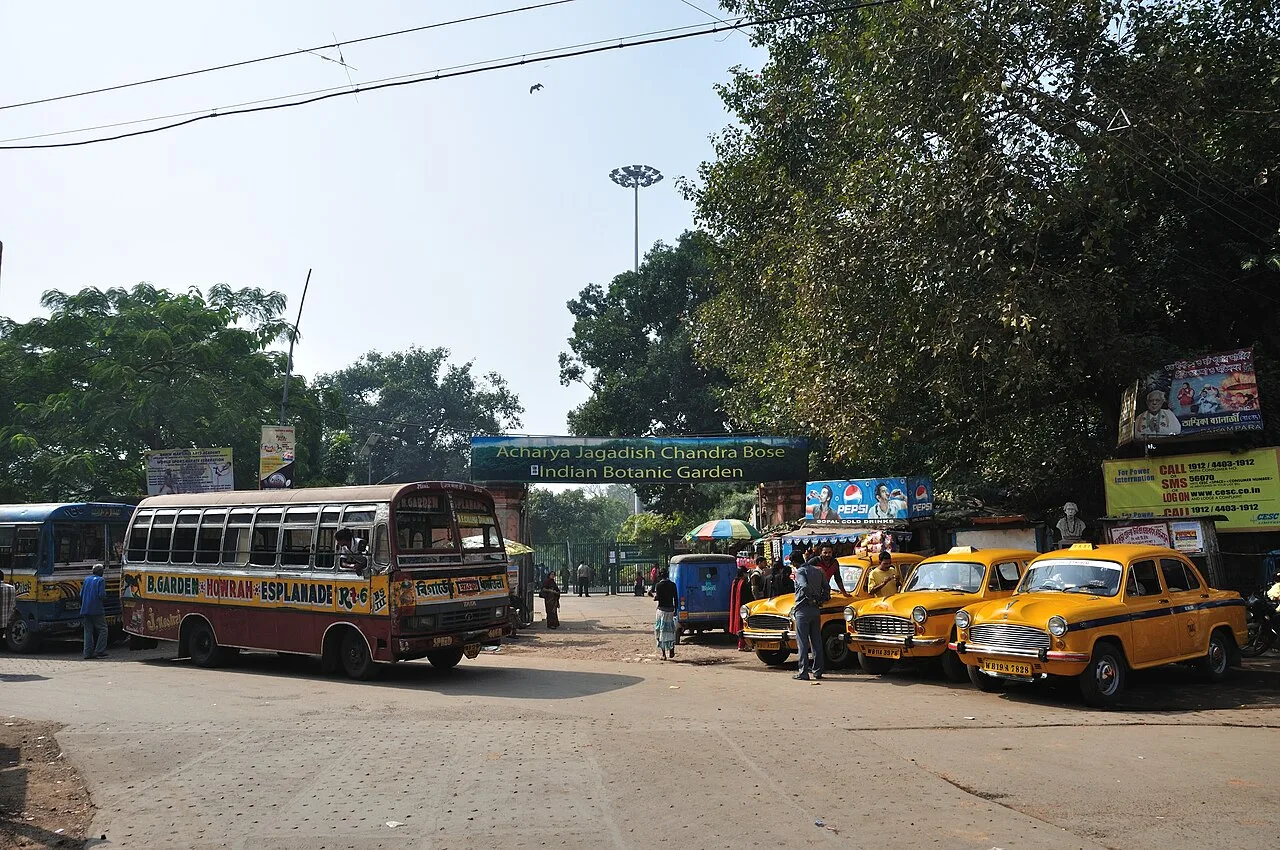
Acharya Jagadish Chandra Bose Indian Botanic Garden

20 km away · Howrah district

Acharya Jagadish Chandra Bose Indian Botanic Garden

The Acharya Jagadish Chandra Bose Indian Botanic Garden is a botanical garden in Shibpur, Howrah, near Kolkata. Visitors come to see its diverse collection of rare plants.

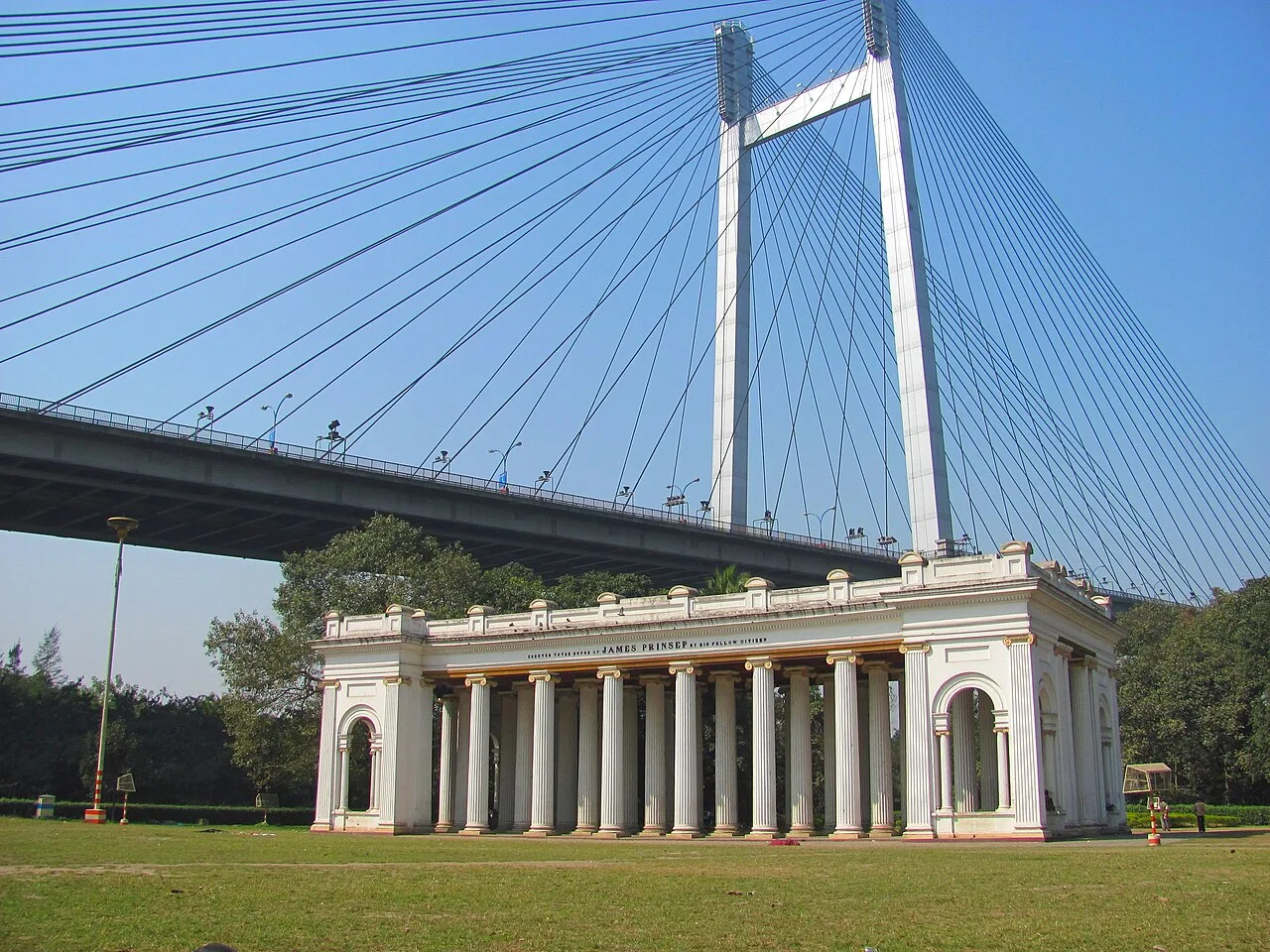
Prinsep Ghat

25 km away · Kolkata district

Prinsep Ghat

Prinsep Ghat is a historic river landing and memorial on Kolkata’s Hooghly riverfront. Visitors come to walk by the water, take boat rides and enjoy the nearby gardens and food stalls.

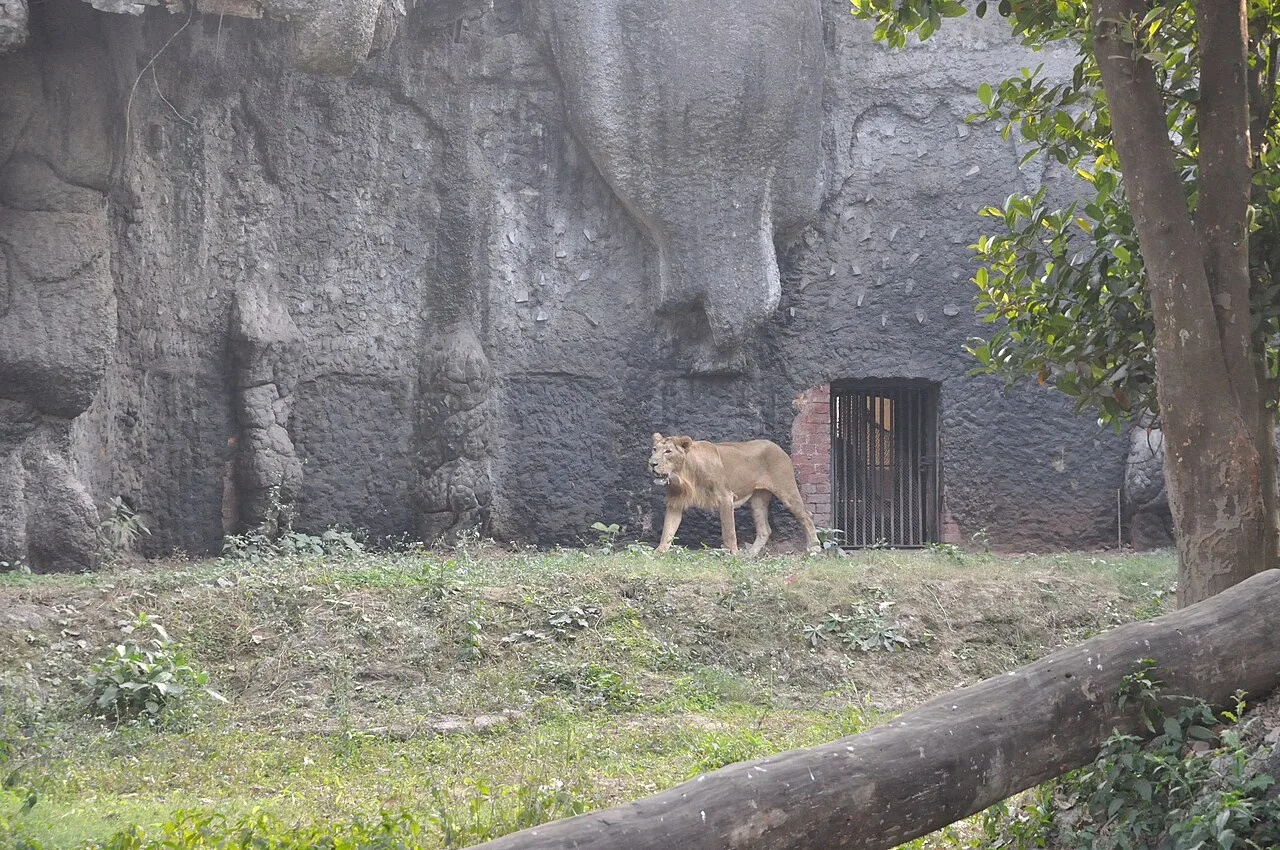
Alipore Zoo

26 km away · Kolkata district

Alipore Zoo

The Zoological Garden, Alipore, commonly called Alipore Zoo, is recognised as India’s oldest formally established zoological park. Its animal collection and breeding work draw visitors to Kolkata.

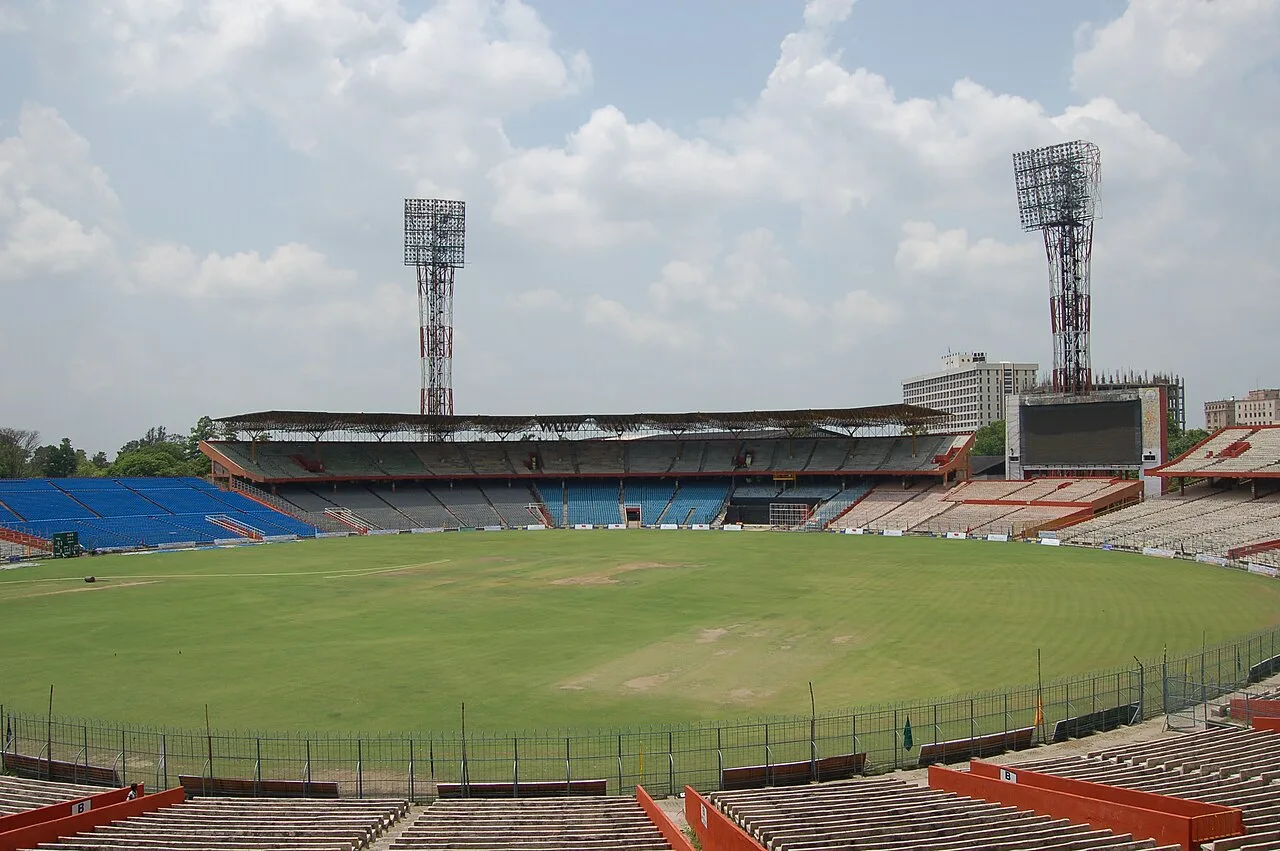
Eden Gardens

26 km away · Kolkata district

Eden Gardens

Kolkata’s Eden Gardens is a historic cricket venue that draws spectators for international matches and tournament finals, as well as for its longstanding place in Indian cricket.

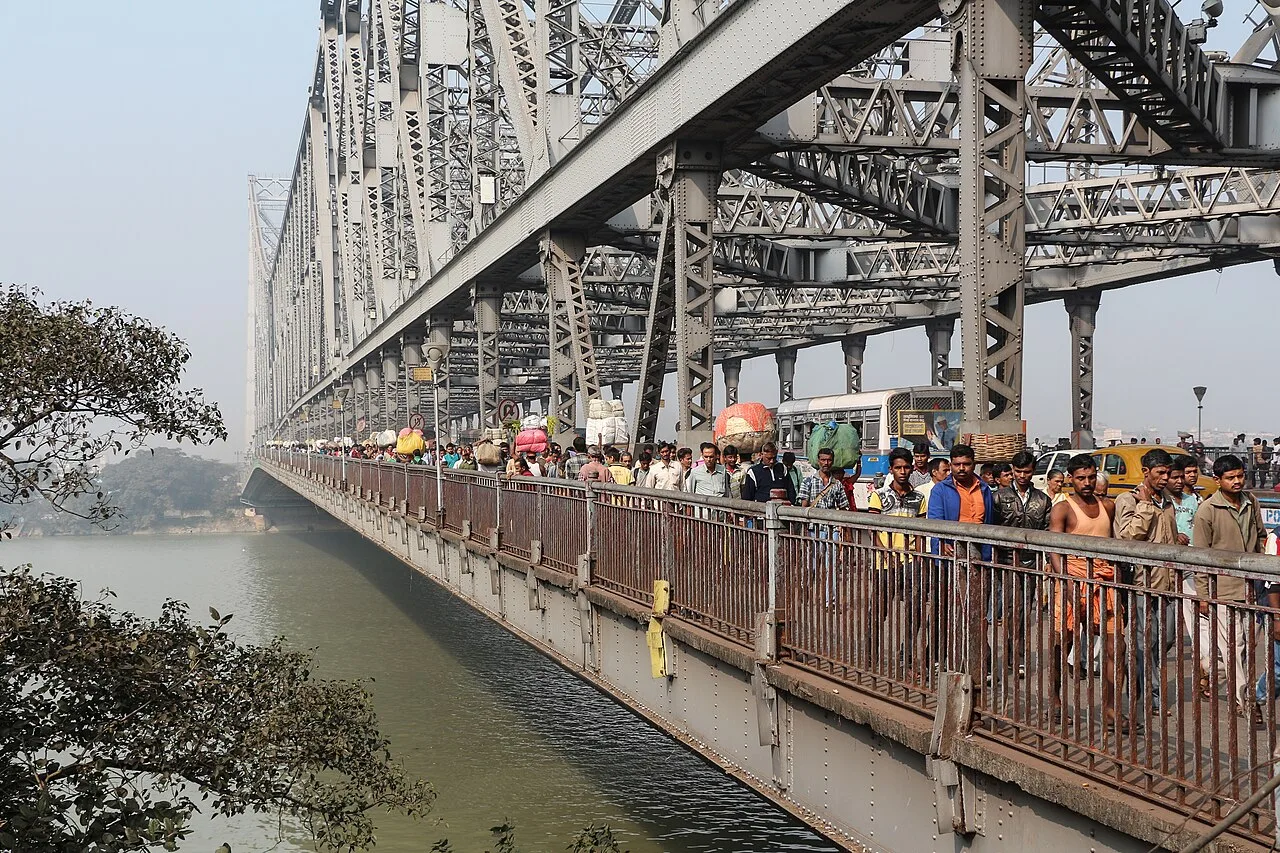
Howrah Bridge

26 km away · Kolkata district

Howrah Bridge

Howrah Bridge, also called Rabindra Setu, is a landmark cantilever bridge across the Hooghly in Kolkata. Visitors recognise it as a symbol of Kolkata and West Bengal and as a river crossing linking the city with Howrah.

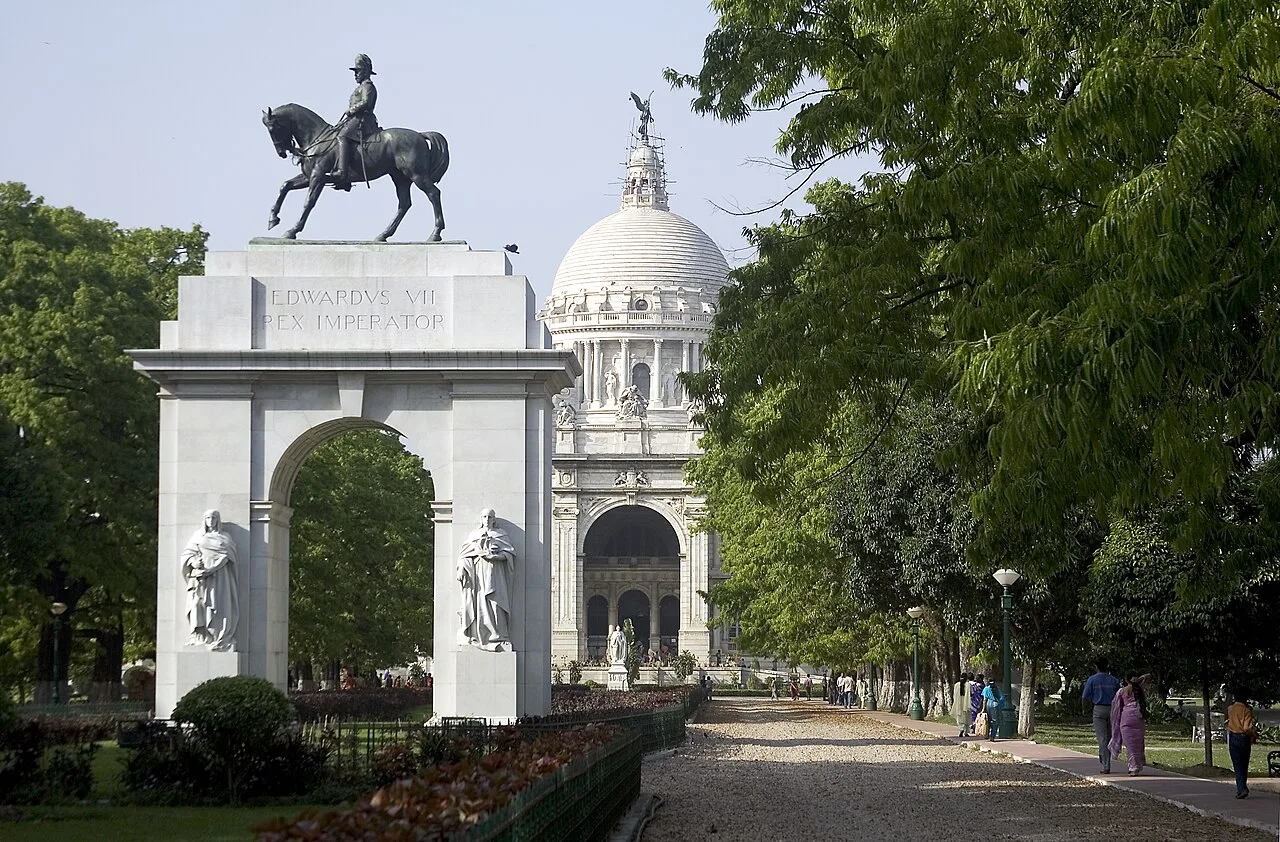
Victoria Memorial

26 km away · Kolkata district

Victoria Memorial

A marble memorial and museum in Kolkata’s Maidan, it honours Queen Victoria. Visitors come to see its Indo-Saracenic design and explore the grounds.

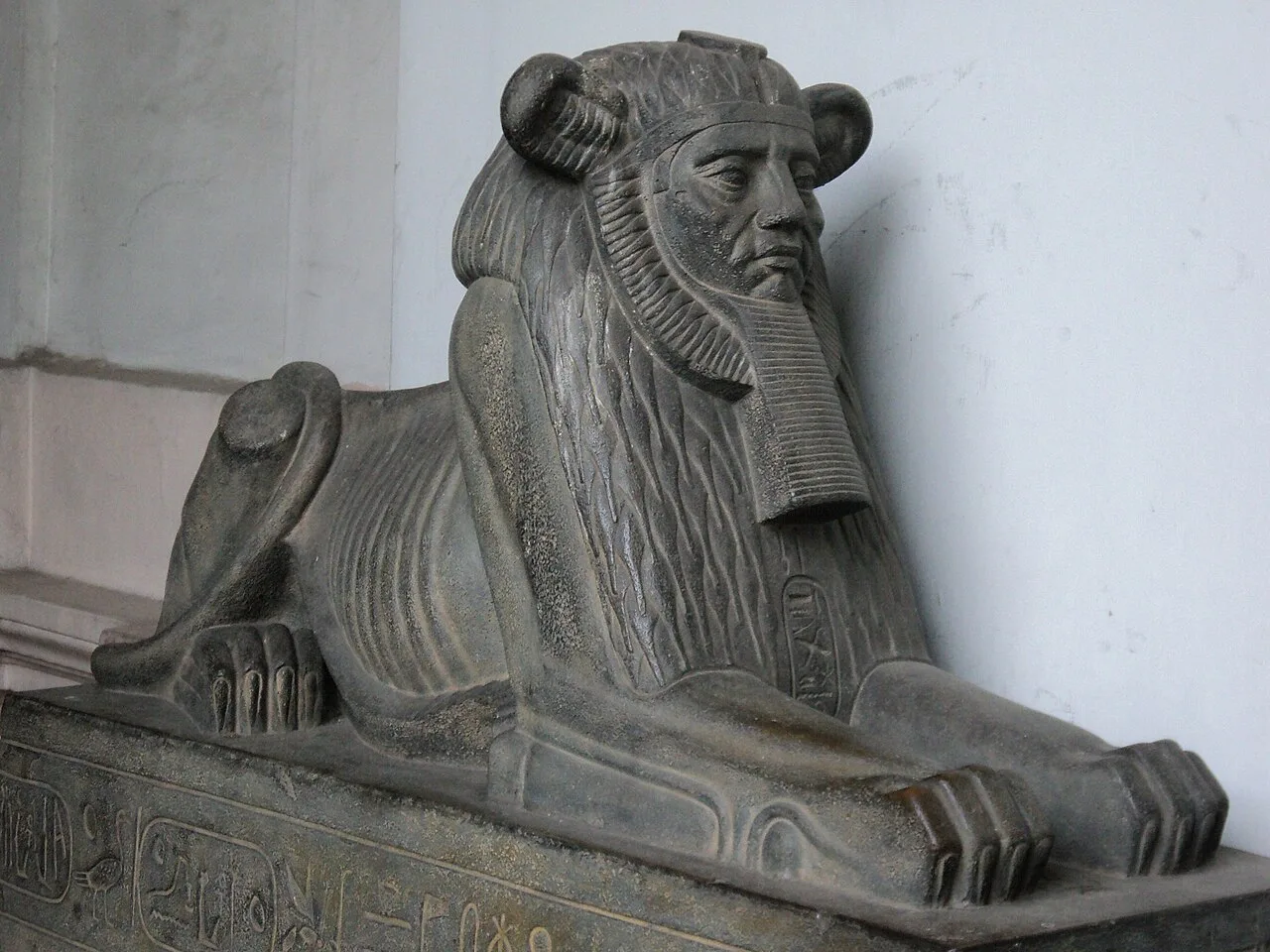
Indian Museum

27 km away · Kolkata district

Indian Museum

The Indian Museum (formerly called Imperial Museum of Calcutta) is a grand museum in Central Kolkata, West Bengal, India.

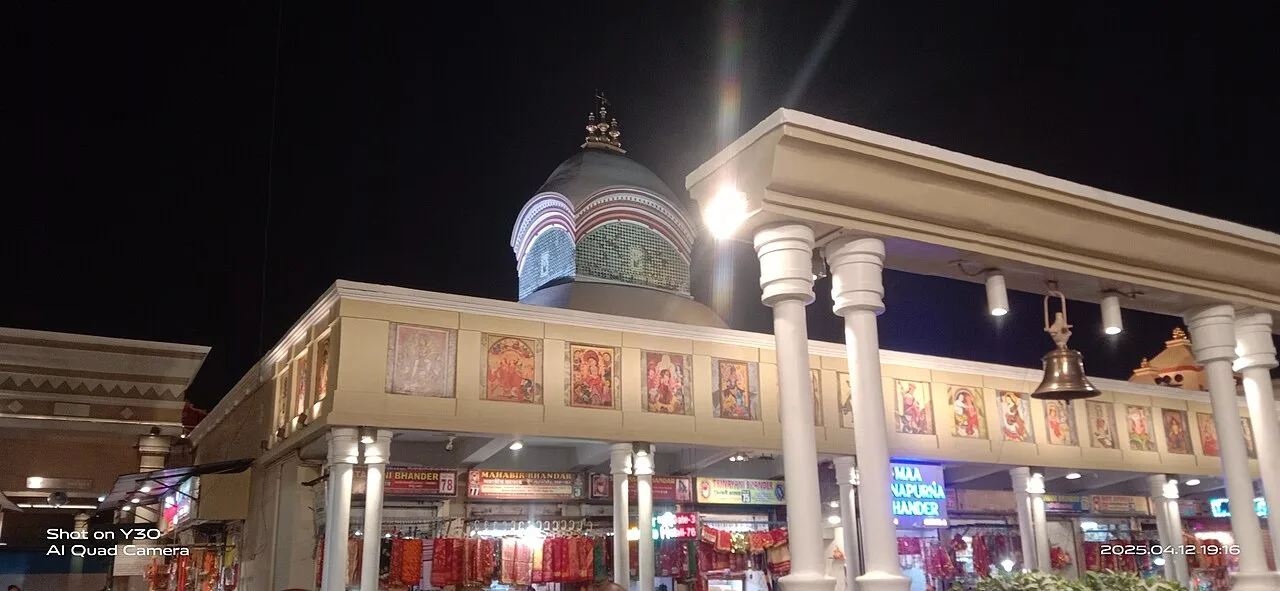
Kalighat Temple

27 km away · Kolkata district

Kalighat Temple

Kalighat Temple is a Hindu shrine in Kolkata devoted to Kali, revered in tantric and Kalikula traditions. People visit to worship at this Shakti Pitha, particularly during major religious observances.

Map

Gobindapur on the map

  1. 1Acharya Jagadish Chandra Bose Indian Botanic Garden
  2. 2Prinsep Ghat
  3. 3Alipore Zoo
  4. 4Eden Gardens
  5. 5Howrah Bridge
  6. 6Victoria Memorial
  7. 7Indian Museum
  8. 8Kalighat Temple

West Bengal

Other cities to explore