Ghumoopedia — Explore, Discover, Experience
Sign in
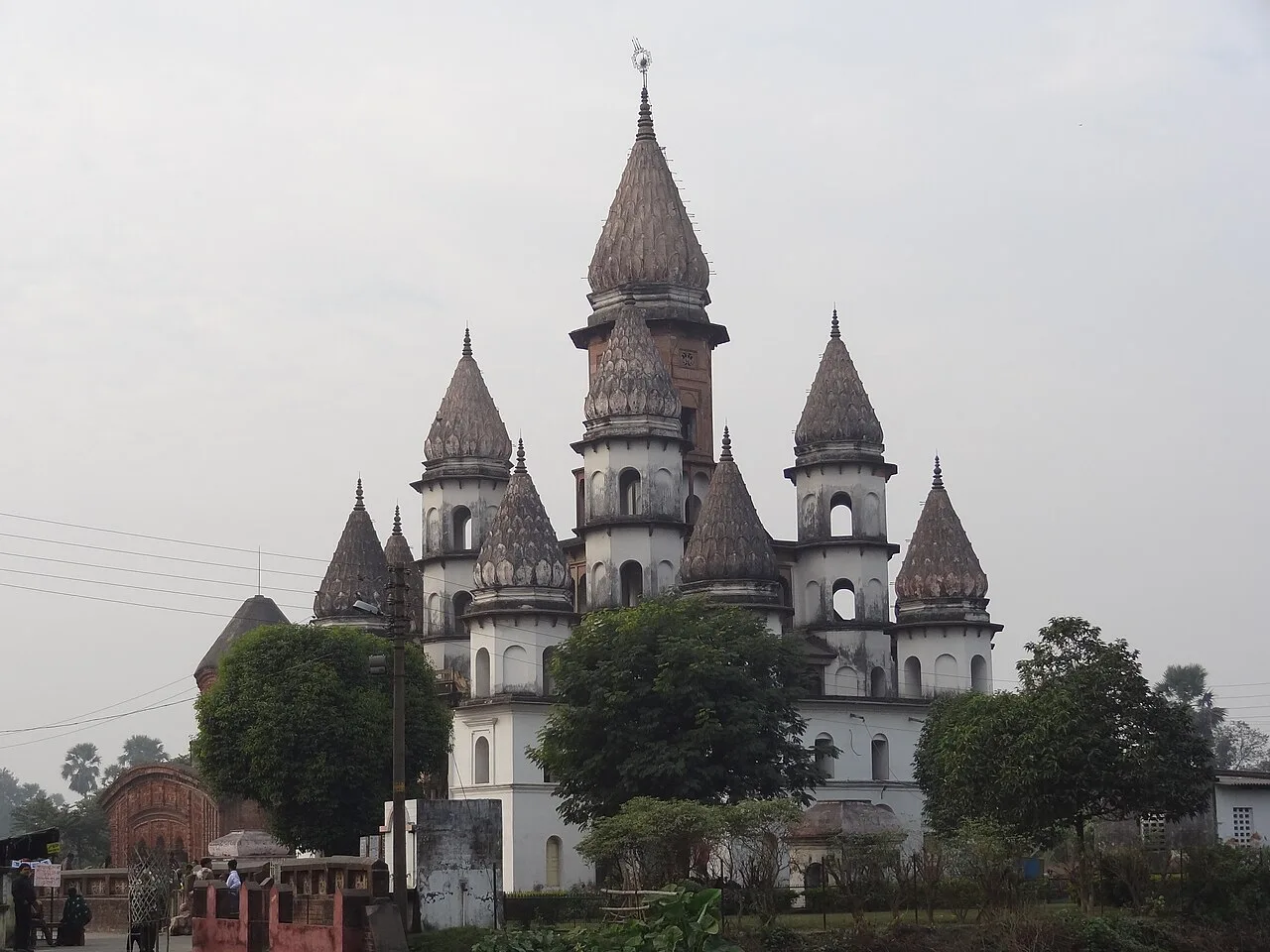
Hangseshwari Temple, near Kalyani

City guide · West Bengal

Kalyani

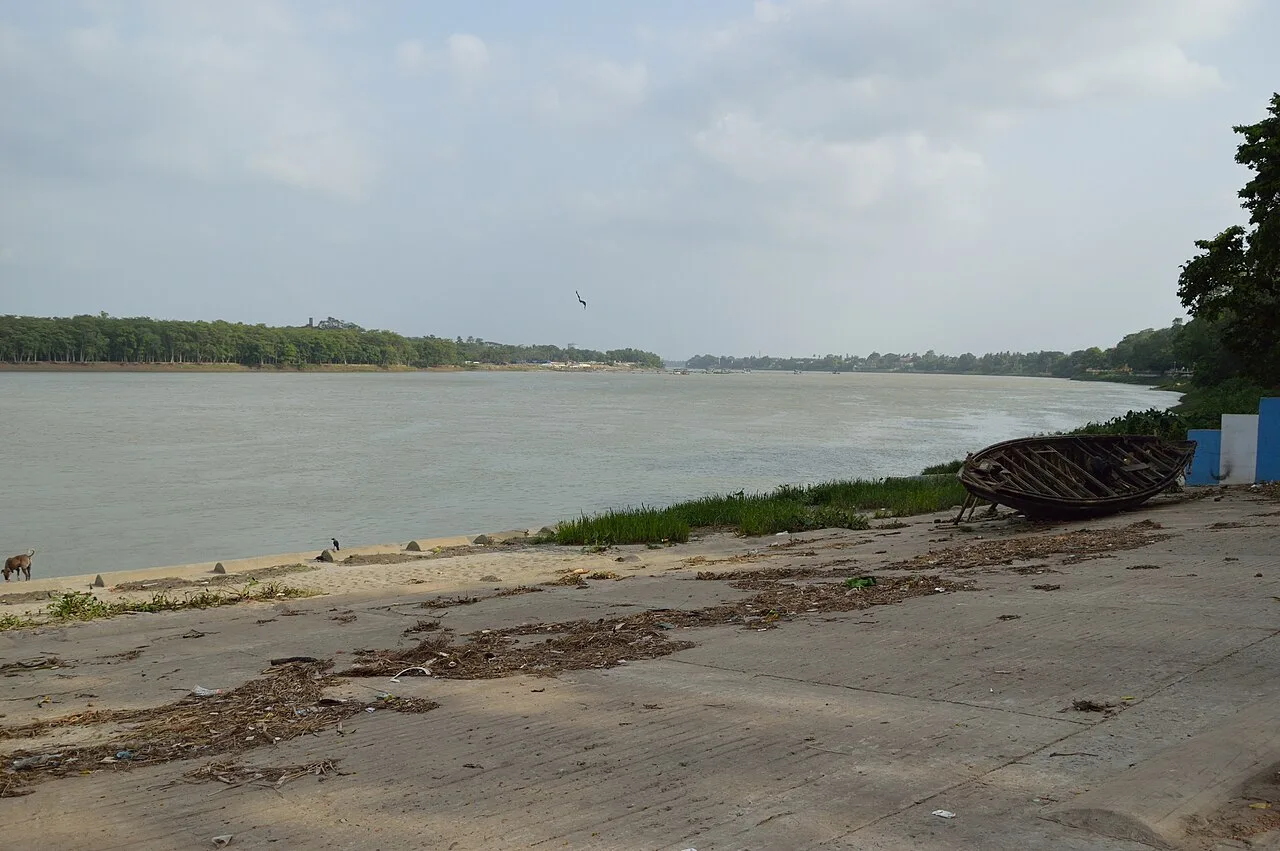
Kalyani is a planned city in Nadia district, on the east bank of the Hooghly River. It serves as the headquarters of Kalyani subdivision and is part of the Kolkata Metropolitan Area, linking the regional life of Nadia with the wider Kolkata urban region.

Famous for

  • Planned township
  • Wartime airfield remnants
  • Kalyani University
  • Kalyani Government Engineering College
  • Kalyani industrial zone

Why Kalyani matters

Kalyani is a planned city in Nadia district, on the east bank of the Hooghly River. It serves as the headquarters of Kalyani subdivision and is part of the Kolkata Metropolitan Area, linking the regional life of Nadia with the wider Kolkata urban region. Its broad, tree-lined roads and distinct residential, institutional and industrial blocks give it a different feel from older, more densely built towns in Bengal.

Education, healthcare and industry are central to Kalyani today. The city is home to Kalyani University and Kalyani Government Engineering College, as well as a medical college and state general hospital. Visitors may come for these institutions, local business or a quieter town visit. Kalyani’s history as a Second World War airbase adds another point of interest: old hangars and other traces of the airfield remain in parts of the city. Markets, parks and the planned street layout make its everyday urban character part of the visit too.
Famous for: crafts, trade & products

Kalyani is better known for its educational institutions, healthcare and planned urban layout than for a signature textile, handicraft or GI-tagged product. The city is not widely identified as a specialist saree-weaving or craft centre, so visitors looking for Bengal’s major handloom traditions may need to explore elsewhere. Its commercial life is more local in character, serving residents, students and workers.

For everyday shopping, look around the markets in Blocks A and B, where shops and services cater to neighbourhood needs. Block B also contains government offices, banks, the post office, a public library and an industrial training institute. Block D is the city’s industrial zone, with small and medium-sized enterprises; it is a working area rather than a visitor-focused shopping district. Kalyani’s strongest institutional associations are Kalyani University, Kalyani Government Engineering College and its medical facilities. These give the city a regional role in education and services, while its markets provide a practical place to browse for daily goods and locally made items.

History

Kalyani is a relatively young city. During the Second World War, an American military airbase was established here across land that included 21 villages. The garrison was called Roosevelt Town, after US President Franklin D. Roosevelt. The US Army Air Force left after the war, but old hangars and other airfield traces remain in parts of the city, including around Block A and the university area.

After Indian independence, West Bengal Chief Minister Bidhan Chandra Roy helped shape plans for a modern township. Governor Kailashnath Katju laid its foundation stone in 1951, and the town was developed quickly to host the Indian National Congress meeting in 1954; a local road still recalls that event in its name. Kalyani police station was formed in 1957, and the rail connection was extended to Kalyani Simanta in 1979. The municipality was established in 1995. Kalyani was later selected as a Smart City candidate, though that state project was abandoned.

Food, festivals & culture

Kalyani’s everyday culture is part of the wider Bengali life of Nadia and the Kolkata region. Bengali is the principal local language; Hindi and English are also heard, especially around educational institutions and workplaces. Meals commonly follow Bengali patterns, with rice, fish, lentils and seasonal vegetables. Bengali sweets such as sandesh and rosogolla are widely enjoyed, though Kalyani is not especially known for a distinct local dish or confection.

Durga Puja, usually celebrated in autumn, is the main public festival season, with neighbourhood celebrations and community gatherings. Kali Puja follows later in the year, while Saraswati Puja is popular among students during winter. Poila Boishakh, the Bengali New Year in spring, brings another occasion for cultural events. Rabindra Sangeet, other Bengali songs and regional folk traditions form part of the broader cultural landscape; performances and celebrations are often organised by local groups and institutions. Neighbourhood temples and mosques serve residents of different faiths, alongside the city’s civic and educational spaces.

Visiting the city

The cooler months, roughly October to February, are generally the most comfortable time to visit. The nearest major airport is Netaji Subhas Chandra Bose International Airport in Kolkata. Kalyani is served by Kalyani railway station, with Kalyani Simanta station at the end of the branch line; check current connections before setting out.

Local autos and other short-distance road transport can help with travel between the stations, markets and institutional areas. Blocks A and B are useful for seeing the residential-commercial centre, while Block C is associated with the university and engineering college. In Block A and around the university, visitors can look for surviving airfield-era structures from public roads, while respecting campus access rules. Block D is primarily industrial.

Trips from the city

Nearest places to visit from Kalyani

Our closest destination guides, by straight-line distance.

Hangseshwari Temple

4 km away · Hooghly district

Hangseshwari Temple

Hangseshwari Temple is a Hindu shrine in Bansberia, Hooghly district, noted for its distinctive thirteen-towered ratna design and its worship of Hangseswari, a form of the goddess Kali.

Bandel Church

7 km away · Hooghly district

Bandel Church

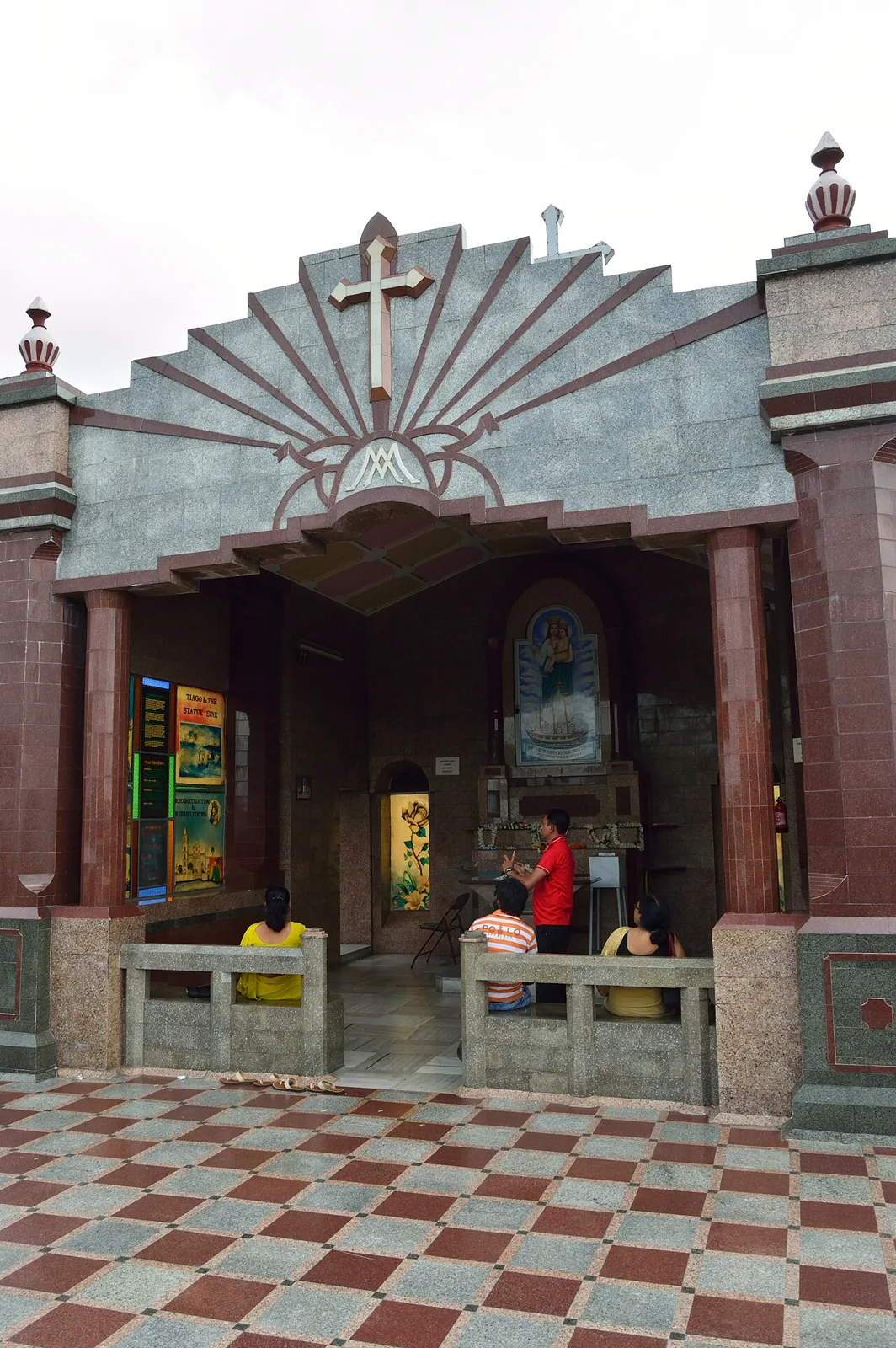
Located in Bandel, Hooghly district, the Basilica of the Holy Rosary is a historic Roman Catholic church associated with Bengal’s Portuguese settlement; visitors come for its religious and historical significance.

Chandannagar

13 km away · Hooghly district

Chandannagar

Chandannagar is a city in West Bengal’s Hooghly district, with a history as a French settlement. Visitors can see Indo-French influences in its colonial-era bungalows, many of which are now in poor condition.

Serampore

27 km away · Hooghly district

Serampore

Serampore is a city in West Bengal’s Hooghly district, with a history tied to Danish India and a setting beside the Hooghly River. Visitors may come to learn about these connections.

Kalna

28 km away · Purba Bardhaman district

Kalna

Ambika Kalna is a town in West Bengal’s Purba Bardhaman district, visited for its historic Rajbari and its group of 108 Shiva temples.

Phulia

30 km away · Nadia district

Phulia

Phulia, known by the alternate spelling Fulia, is a settlement in Nadia district, West Bengal, within Santipur CD block in Ranaghat subdivision. Visitors are drawn by its association with Krittibas Ojha, who was born there.

35 km away · Hooghly district

Dhaniakhali

Dhaniakhali is a village in Hooghly district, West Bengal, known for its association with the popular Dhaniakhali sari. That connection may interest visitors exploring the place.

Dakshineswar Kali Temple

36 km away · North 24 Parganas district

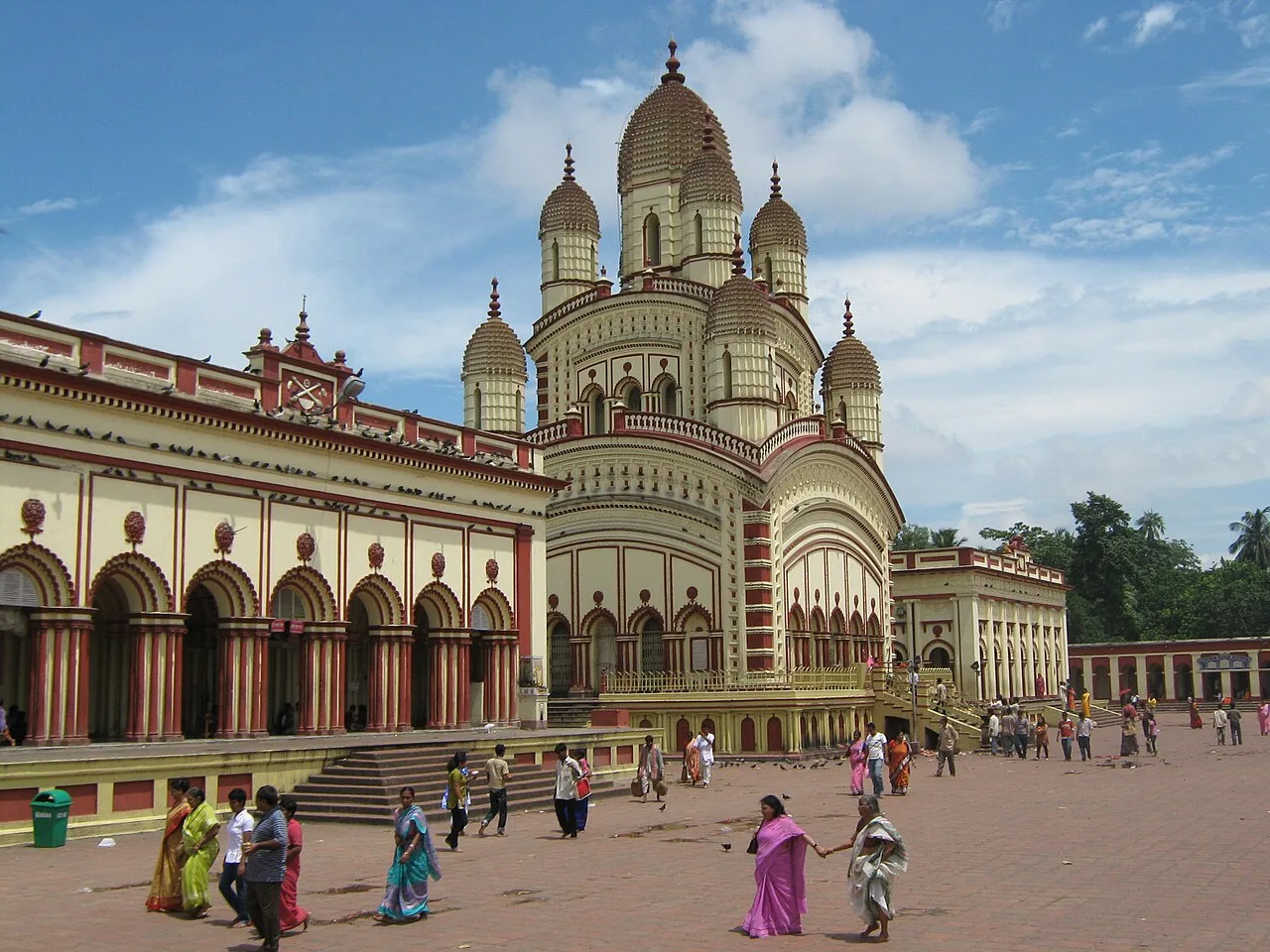
Dakshineswar Kali Temple

This Hindu temple complex in Dakshineswar is centred on a shrine to Kali and is associated with Rani Rashmoni, Ramakrishna and Sarada Devi. People visit to worship and explore its grounds.

Map

Kalyani on the map

  1. 1Hangseshwari Temple
  2. 2Bandel Church
  3. 3Chandannagar
  4. 4Serampore
  5. 5Kalna
  6. 6Phulia
  7. 7Dhaniakhali
  8. 8Dakshineswar Kali Temple

West Bengal

Other cities to explore