Ghumoopedia — Explore, Discover, Experience
Sign in
Chandannagar, near Bhatpara

City guide · West Bengal

Bhatpara

Bhatpara is a Hooghly-side city in North 24 Parganas, within the Kolkata metropolitan region. Its position between the river and the Sealdah–Krishnanagar railway corridor has shaped it as both an industrial settlement and a busy residential and commuter centre.

Famous for

  • Hooghly-side jute industry
  • Sanskrit learning traditions
  • Mulajore Kali Temple
  • Bankim Chandra heritage
  • Ramprasad Sen associations

Why Bhatpara matters

Bhatpara is a Hooghly-side city in North 24 Parganas, within the Kolkata metropolitan region. Its position between the river and the Sealdah–Krishnanagar railway corridor has shaped it as both an industrial settlement and a busy residential and commuter centre. The city is especially associated with the jute industry, whose mills once made this stretch of riverbank an important manufacturing belt, and with an older tradition of Sanskrit scholarship. Its name is linked to Bhatta-Palli, a locality associated with Brahmin Sanskrit scholars.

Visitors can use Bhatpara as a base for exploring the neighbouring river towns of Shyamnagar, Naihati, Halisahar and Bhadreswar. Together, they offer a varied picture of the lower Hooghly: railway-town markets, mill districts, temples and local cultural histories. Shyamnagar’s Mulajore Kali Temple, Naihati’s association with writer Bankim Chandra Chattopadhyay and Halisahar’s connections with devotional poet Ramprasad Sen add points of interest. The appeal is less a single landmark than the close-knit sequence of historic settlements along the river.
Famous for: crafts, trade & products

Bhatpara is best known for jute processing, rather than for a distinctive textile or handicraft sold to visitors. Jute mills established along the Hooghly made the town part of Bengal’s historic manufacturing belt. The industrial story is still visible in the riverfront landscape and in the settlements that grew around the mills, although the character and activity of individual sites have changed over time. There is no widely recognised local GI-tagged product associated with Bhatpara.

For everyday shopping, look to the busy market streets around Bhatpara, Kankinara, Jagatdal and Shyamnagar railway stations, where neighbourhood shops sell household goods, clothing, snacks and produce. These are practical local markets, not specialist craft bazaars. The neighbouring towns offer cultural associations more than a separate shopping tradition: Mulajore Kali Temple is a notable destination in Shyamnagar, while Naihati is closely linked with Bankim Chandra Chattopadhyay and Halisahar with Ramprasad Sen. Visitors interested in the region’s industrial heritage should approach former mill areas respectfully and check locally whether a site is accessible; many are working or privately controlled premises.

History

Bhatpara’s name recalls Bhatta-Palli, a settlement associated with Brahmin scholars and Sanskrit learning. The area’s riverbank location connected it to trade and travel along the Hooghly, while nearby villages gradually grew into a continuous belt of towns. Bhatpara became a municipality in 1899, when it separated from Naihati municipality, giving the growing settlement a distinct civic identity.

Under British rule, the Hooghly corridor developed into one of Bengal’s principal jute-manufacturing zones. Mills and their workforce reshaped Bhatpara and neighbouring places such as Jagatdal and Kankinara, drawing people from across the region. The railway strengthened links with Kolkata and other settlements and supported further urban growth. In the decades after independence, the town remained part of a densely settled industrial and commuter landscape, though the mill economy and individual factories have changed. Today Bhatpara is administered within North 24 Parganas and forms part of the Kolkata metropolitan planning area. Its history is best understood alongside the neighbouring river towns, whose industrial, literary and devotional associations overlap.

Food, festivals & culture

Bengali is the main language of everyday life, alongside Hindi and other languages spoken by residents of this industrial and commuter belt. Meals commonly follow the wider Bengali pattern of rice, fish, lentils and vegetables. Sweet shops and market stalls offer familiar Bengali sweets and snacks; these are regional favourites rather than a product unique to Bhatpara. Local temples, neighbourhood clubs and riverside ghats provide settings for worship and community gatherings.

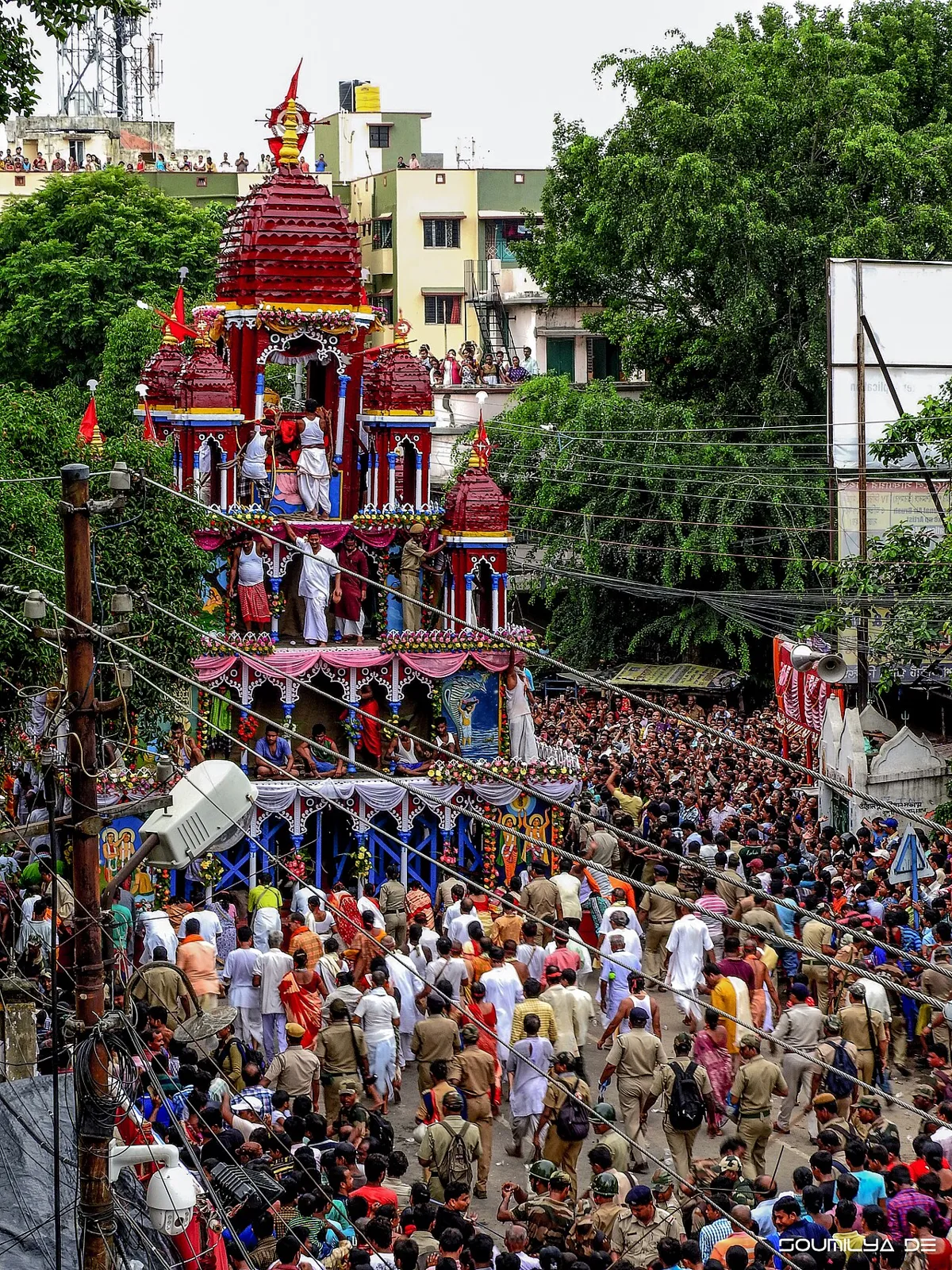
Durga Puja is the major autumn festival, followed soon after by Kali Puja and Diwali. Saraswati Puja is widely observed in winter, while Dol and Holi bring springtime celebrations. Puja pandals and local processions are usually organised by neighbourhood committees, so activity varies from one locality to another. Devotional songs and kirtan are part of the region’s religious life; Halisahar’s association with the devotional poet Ramprasad Sen gives that nearby town particular cultural resonance. Shyamnagar’s Mulajore Kali Temple is another important place of worship for visitors exploring the area.

Visiting the city

October to February is generally the most comfortable period to visit, with less oppressive heat and humidity than in summer. The nearest major airport is Netaji Subhas Chandra Bose International Airport in Kolkata. Bhatpara railway station serves the town on the Sealdah–Krishnanagar corridor; nearby Naihati Junction is a useful interchange for exploring the wider area.

Local trains, buses, auto-rickshaws and cycle-rickshaws connect the station areas and neighbourhoods; services and routes can vary, so confirm locally. Explore Bhatpara’s market streets and river-facing industrial landscape, then continue to Kankinara and Jagatdal for a sense of the mill-town belt. Shyamnagar is worth visiting for Mulajore Kali Temple, while Naihati and Halisahar offer literary and devotional associations. Bhadreswar extends the trip south along the Hooghly. Allow time for short walks around station markets, but treat mill premises as private or active sites unless access is clearly permitted.

Trips from the city

Nearest places to visit from Bhatpara

Our closest destination guides, by straight-line distance.

Chandannagar

2 km away · Hooghly district

Chandannagar

Chandannagar is a city in West Bengal’s Hooghly district, with a history as a French settlement. Visitors can see Indo-French influences in its colonial-era bungalows, many of which are now in poor condition.

Bandel Church

6 km away · Hooghly district

Bandel Church

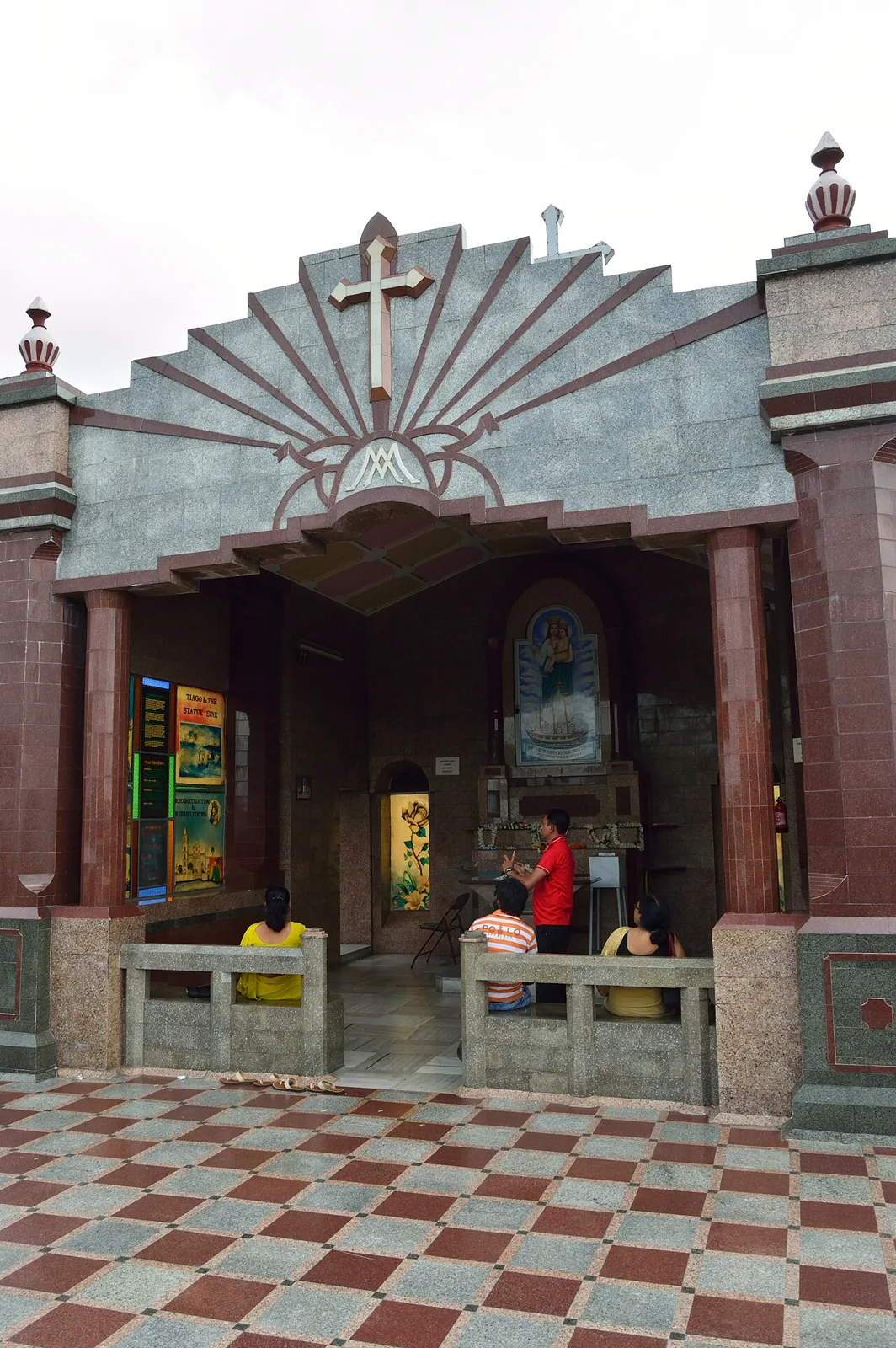
Located in Bandel, Hooghly district, the Basilica of the Holy Rosary is a historic Roman Catholic church associated with Bengal’s Portuguese settlement; visitors come for its religious and historical significance.

Hangseshwari Temple

11 km away · Hooghly district

Hangseshwari Temple

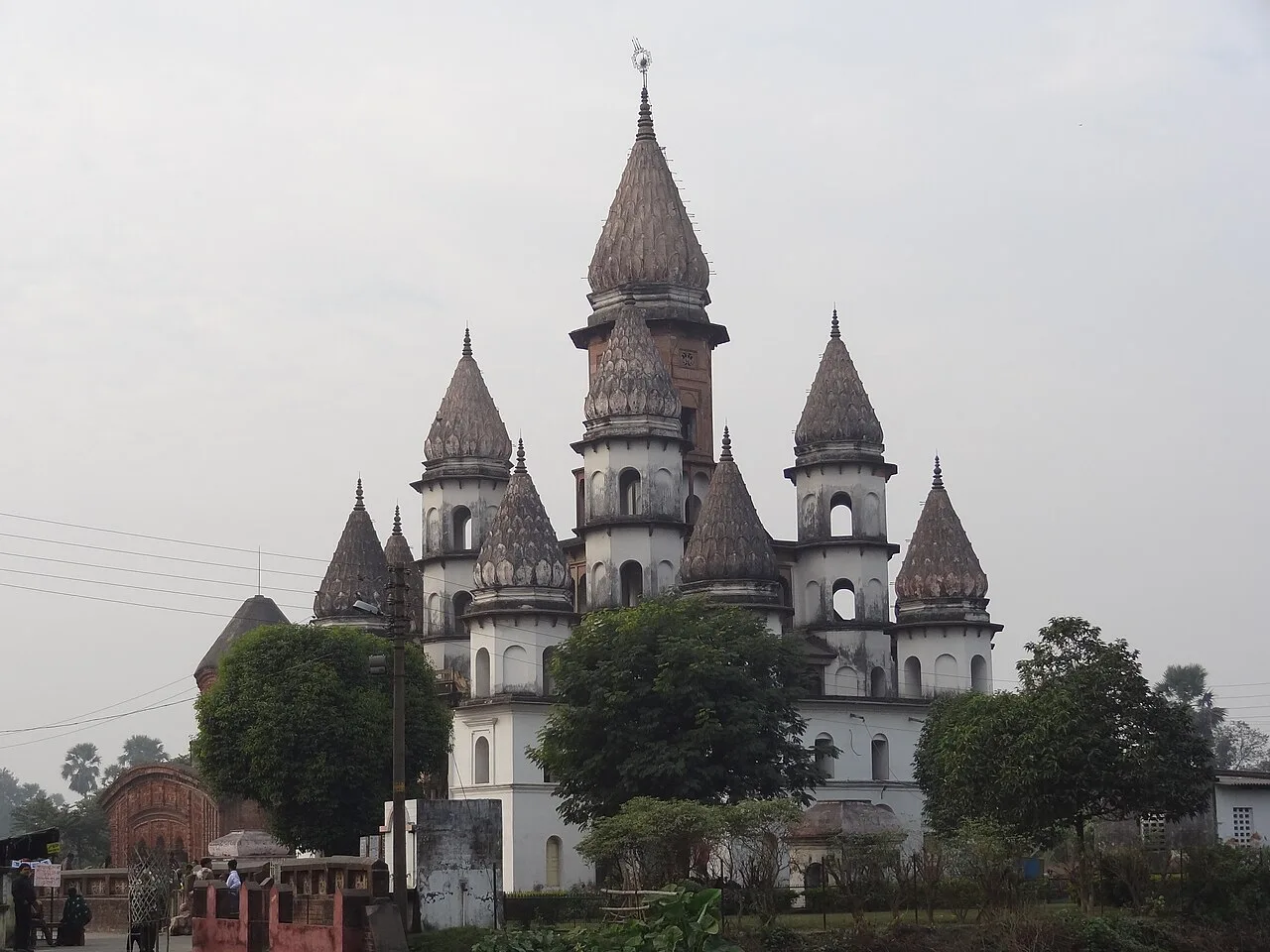
Hangseshwari Temple is a Hindu shrine in Bansberia, Hooghly district, noted for its distinctive thirteen-towered ratna design and its worship of Hangseswari, a form of the goddess Kali.

Serampore

14 km away · Hooghly district

Serampore

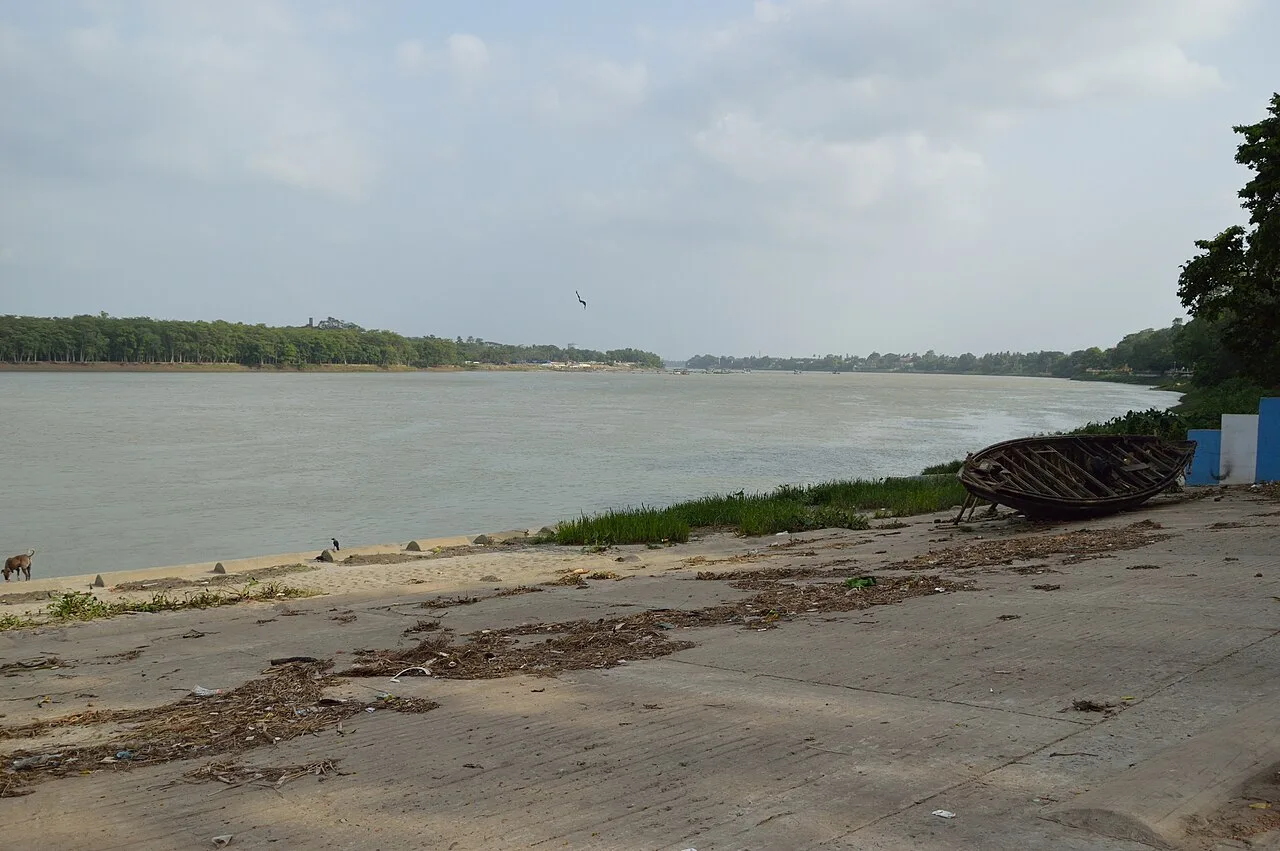
Serampore is a city in West Bengal’s Hooghly district, with a history tied to Danish India and a setting beside the Hooghly River. Visitors may come to learn about these connections.

Dakshineswar Kali Temple

24 km away · North 24 Parganas district

Dakshineswar Kali Temple

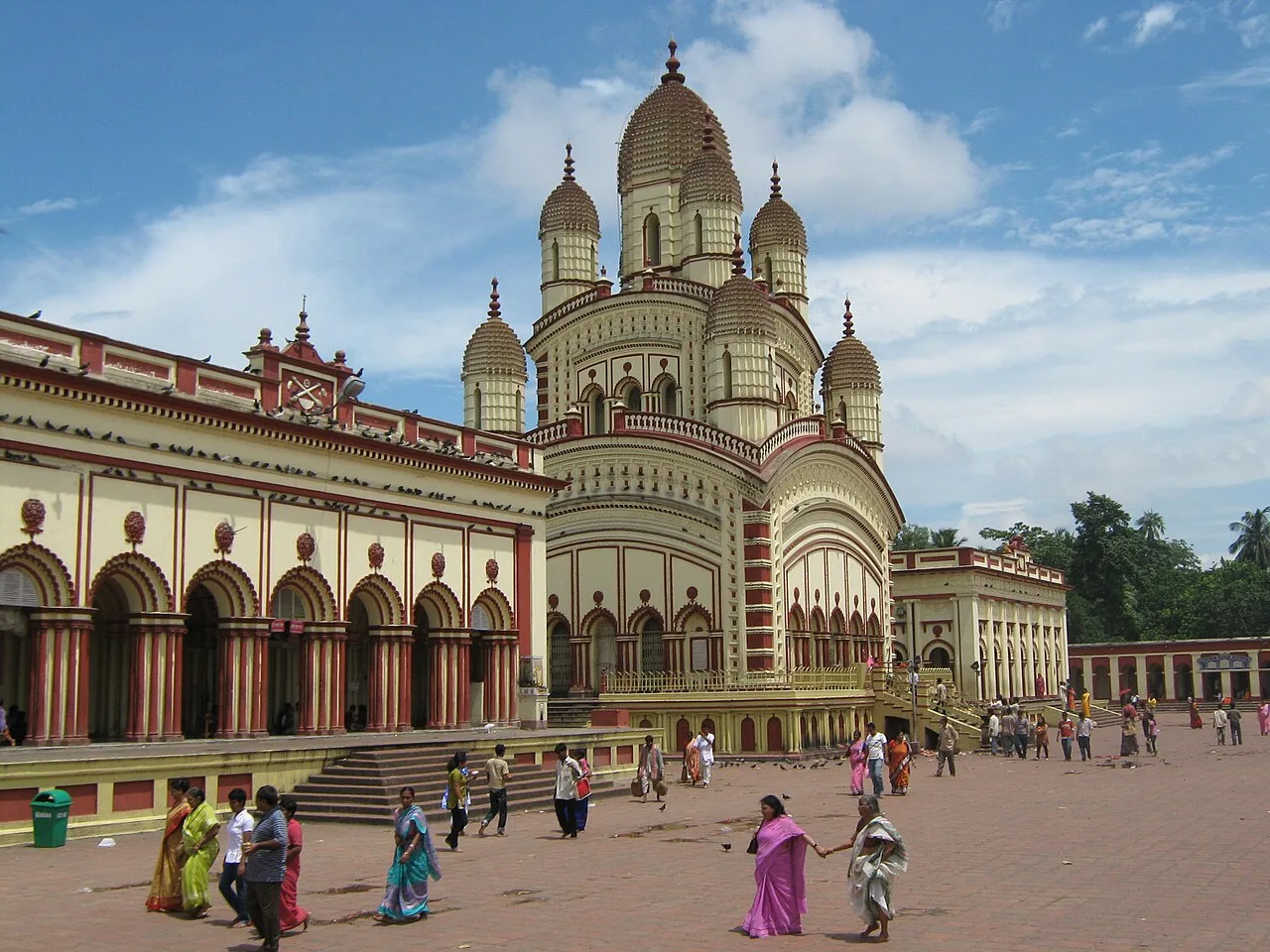
This Hindu temple complex in Dakshineswar is centred on a shrine to Kali and is associated with Rani Rashmoni, Ramakrishna and Sarada Devi. People visit to worship and explore its grounds.

Belur Math

26 km away · Howrah district

Belur Math

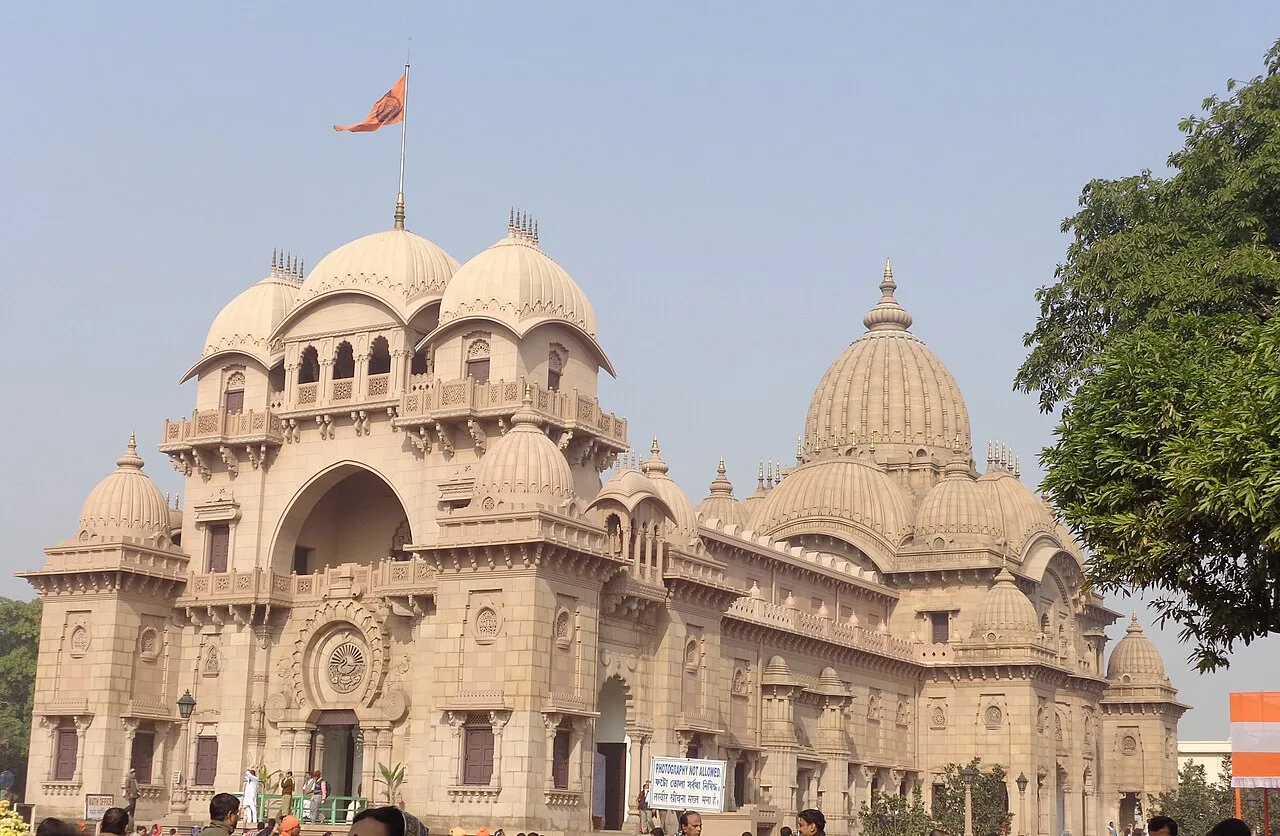
Belur Math, in Howrah district, is the headquarters of the Ramakrishna Math and Ramakrishna Mission. Visitors come to see its temple, whose design draws on several religious traditions.

Kumortuli

30 km away · Kolkata district

Kumortuli

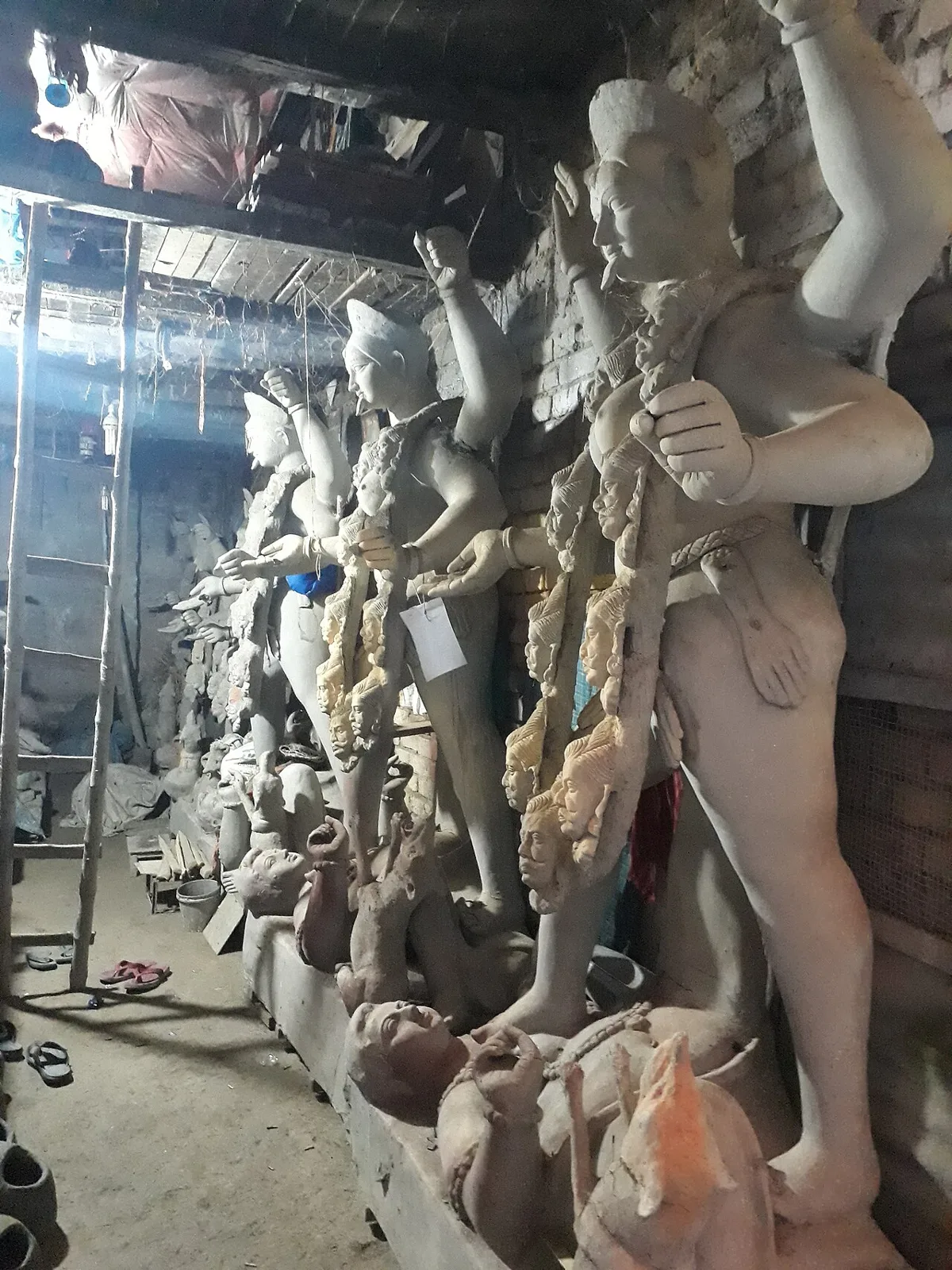
Kumortuli is a North Kolkata neighbourhood centred on potters and clay sculpture. Visitors come to see festival idols being made, a craft whose products are also regularly exported.

Howrah Bridge

32 km away · Kolkata district

Howrah Bridge

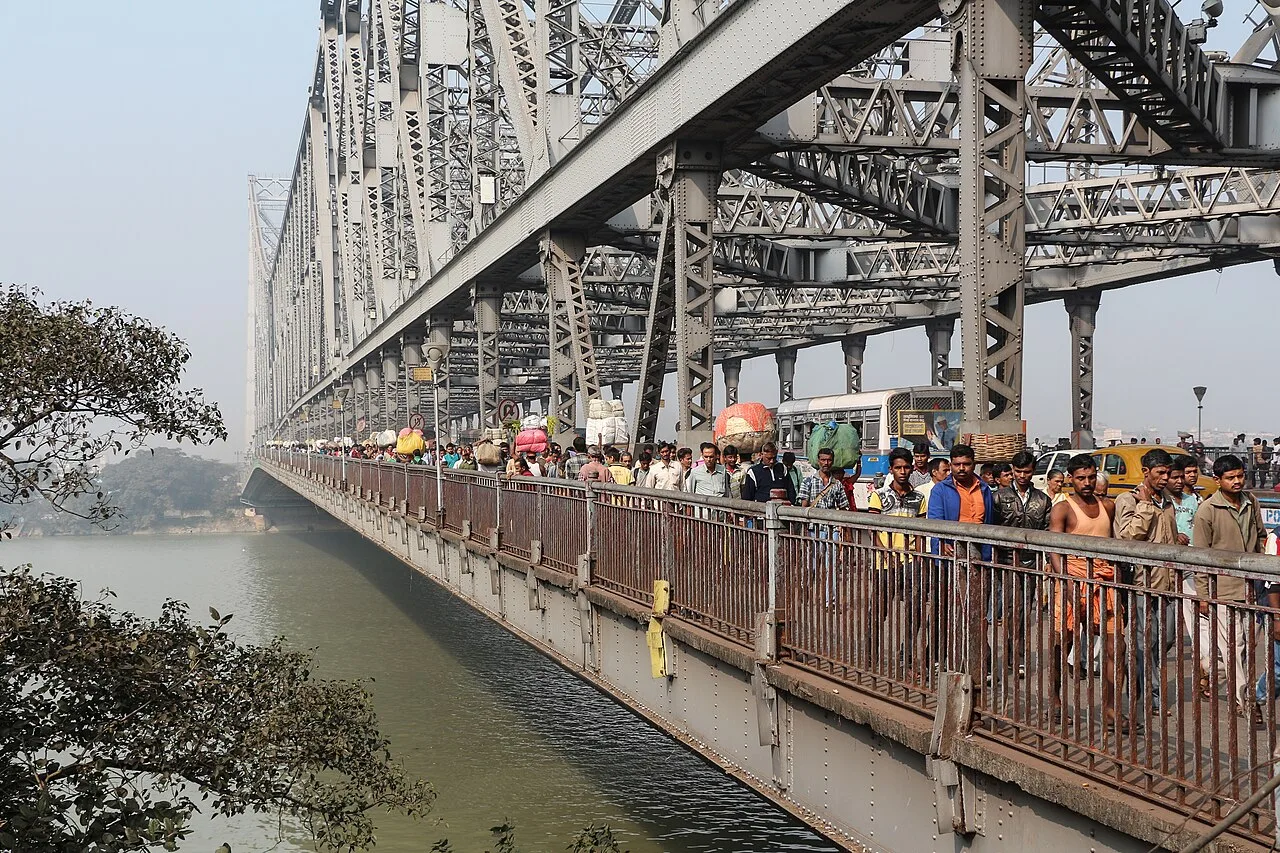
Howrah Bridge, also called Rabindra Setu, is a landmark cantilever bridge across the Hooghly in Kolkata. Visitors recognise it as a symbol of Kolkata and West Bengal and as a river crossing linking the city with Howrah.

Map

Bhatpara on the map

  1. 1Chandannagar
  2. 2Bandel Church
  3. 3Hangseshwari Temple
  4. 4Serampore
  5. 5Dakshineswar Kali Temple
  6. 6Belur Math
  7. 7Kumortuli
  8. 8Howrah Bridge

West Bengal

Other cities to explore