Ghumoopedia — Explore, Discover, Experience
Sign in
Kalna, near Memari

City guide · West Bengal

Memari

Memari is a municipality in Purba Bardhaman district, set amid the fertile, predominantly rural landscape of southern Bardhaman. Its importance is chiefly regional: it serves as a town for nearby villages, with shops, services, transport links and markets supporting the surrounding agricultural community.

Famous for

  • Agricultural market town
  • Paddy and potato trade
  • Memari railway station
  • Bengali festival celebrations

Why Memari matters

Memari is a municipality in Purba Bardhaman district, set amid the fertile, predominantly rural landscape of southern Bardhaman. Its importance is chiefly regional: it serves as a town for nearby villages, with shops, services, transport links and markets supporting the surrounding agricultural community. The town’s railway connection makes it a practical stop and a link between local settlements and larger centres in Bengal.

Visitors are more likely to encounter everyday town life than a concentration of major monuments. Memari’s appeal lies in its busy market streets, Bengali food and festivals, and the transition from town neighbourhoods to fields and villages nearby. Agriculture shapes much of the local economy, and trading in crops and everyday goods is more characteristic than a specialised tourist industry. Memari is therefore a useful base for seeing a working market town and the rural setting of Purba Bardhaman, rather than a destination known for a single landmark or celebrated craft.
Famous for: crafts, trade & products

Memari is best understood as a service and trading centre for an agricultural hinterland. Paddy, potatoes and seasonal vegetables are among the crops associated with the wider area, and local markets connect growers and traders with town residents and neighbouring villages. For visitors, the central bazaar and shops around the town’s main streets are the natural places to look for produce, groceries, household goods and everyday Bengali snacks. Market activity varies with the season and harvest.

Memari is not widely known as a centre for a distinct textile tradition, handicraft, or GI-tagged product. Shoppers seeking Bengal’s specialised weaving or craft traditions will generally find more established destinations elsewhere in the state. The town’s retail character is practical and locally focused, rather than organised around a dedicated tourist craft market. Small shops and sweet shops offer familiar regional goods, while the railway and road connections help sustain trade with surrounding settlements. Visitors interested in local commerce can explore the bazaar respectfully and ask shopkeepers about seasonal produce, without expecting a formal visitor market or a single signature product.

History

Memari developed as a town within the long-settled agrarian landscape of the Bardhaman region. For generations, villages in this fertile part of Bengal relied on cultivation and local exchange; market centres such as Memari grew to supply daily needs and bring farm produce into wider trade. Its history is therefore closely tied to the countryside around it, rather than to the seat of a major court or a famous historic capital.

During British rule, the expansion of railways across Bengal strengthened connections between district towns, agricultural markets and larger commercial centres. Memari’s railway link helped make travel and movement of goods more convenient, reinforcing its role as a local hub. In the modern period, municipal administration, shops, schools and transport services have supported its growth, while farming remains important in the surrounding area. Memari today combines an established town centre with the rural communities and cultivated land that continue to shape its economy and everyday life.

Food, festivals & culture

Bengali is the principal language of everyday life in Memari; Hindi is also used by some residents and visitors. Food reflects the wider culinary traditions of Bengal: rice with vegetables, lentils and fish is common, while seasonal produce features in home cooking and local markets. Sweet shops typically serve familiar Bengali favourites such as sandesh, rasgulla and mishti doi, though these are regional staples rather than products unique to Memari.

Durga Puja in autumn is a major occasion, with neighbourhood pandals, devotional events and community gatherings. Kali Puja and Diwali follow in the same season, while Saraswati Puja, often observed in winter, is especially visible around schools and educational institutions. Eid is also celebrated by Muslim communities. Temples and mosques serve as places of worship and community life across the town and nearby villages. Bengali devotional songs, contemporary popular music and recorded music at festivals are part of the soundscape; local celebrations are generally community-led rather than staged for visitors.

Visiting the city

October to March is generally the most comfortable period to visit, with cooler weather than the hot pre-monsoon months and the rainy season. Netaji Subhas Chandra Bose International Airport in Kolkata is the nearest major airport. Memari railway station is the town’s main rail stop and provides a convenient arrival point for rail travellers.

Auto-rickshaws, cycle-rickshaws and other local vehicles are useful for getting around town; confirm the destination before setting out. The bazaar and streets around the town centre offer a look at daily commerce, while a walk or short ride towards the outskirts reveals the surrounding village and agricultural landscape. Memari is compact enough for a brief visit, but those seeking major monuments or specialised shopping may want to combine it with other destinations in the region.

Trips from the city

Nearest places to visit from Memari

Our closest destination guides, by straight-line distance.

23 km away · Hooghly district

Dhaniakhali

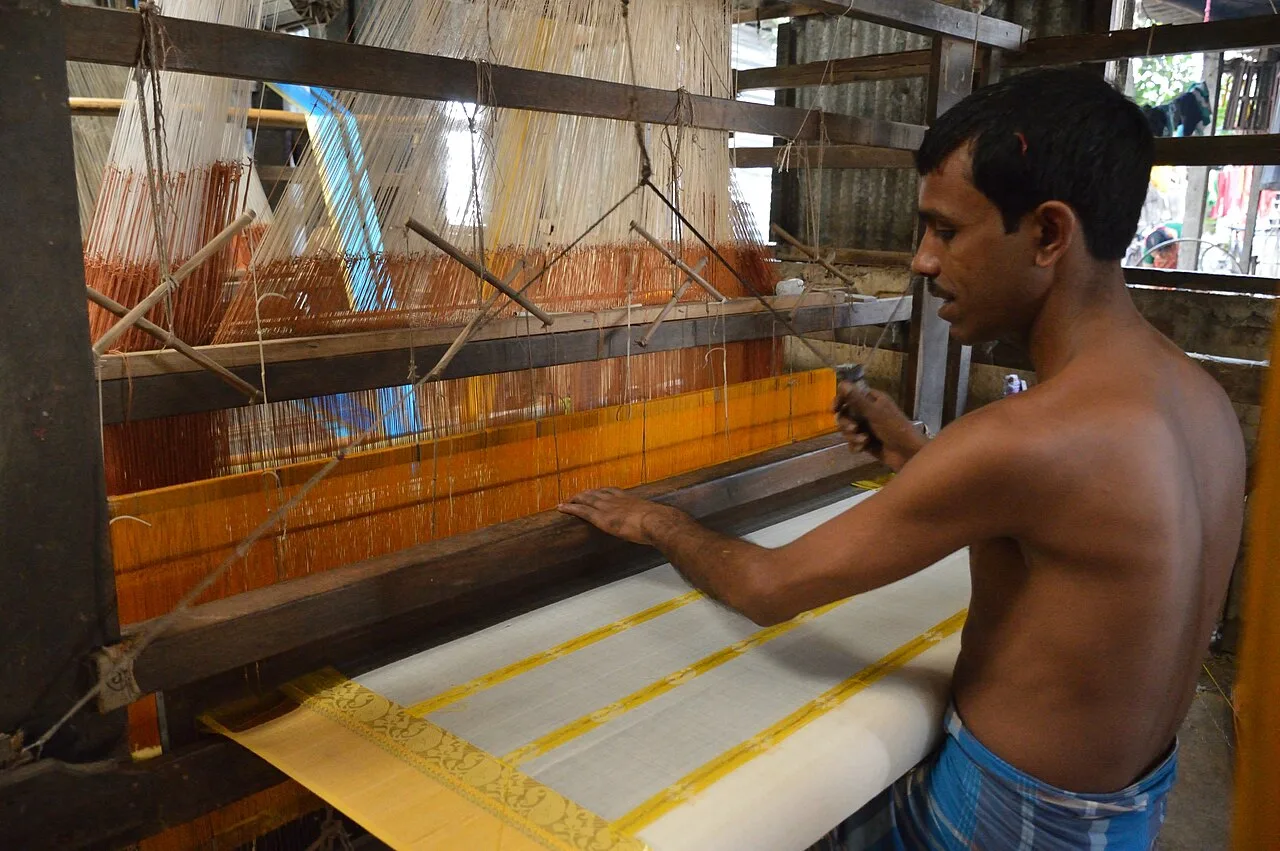
Dhaniakhali is a village in Hooghly district, West Bengal, known for its association with the popular Dhaniakhali sari. That connection may interest visitors exploring the place.

Kalna

26 km away · Purba Bardhaman district

Kalna

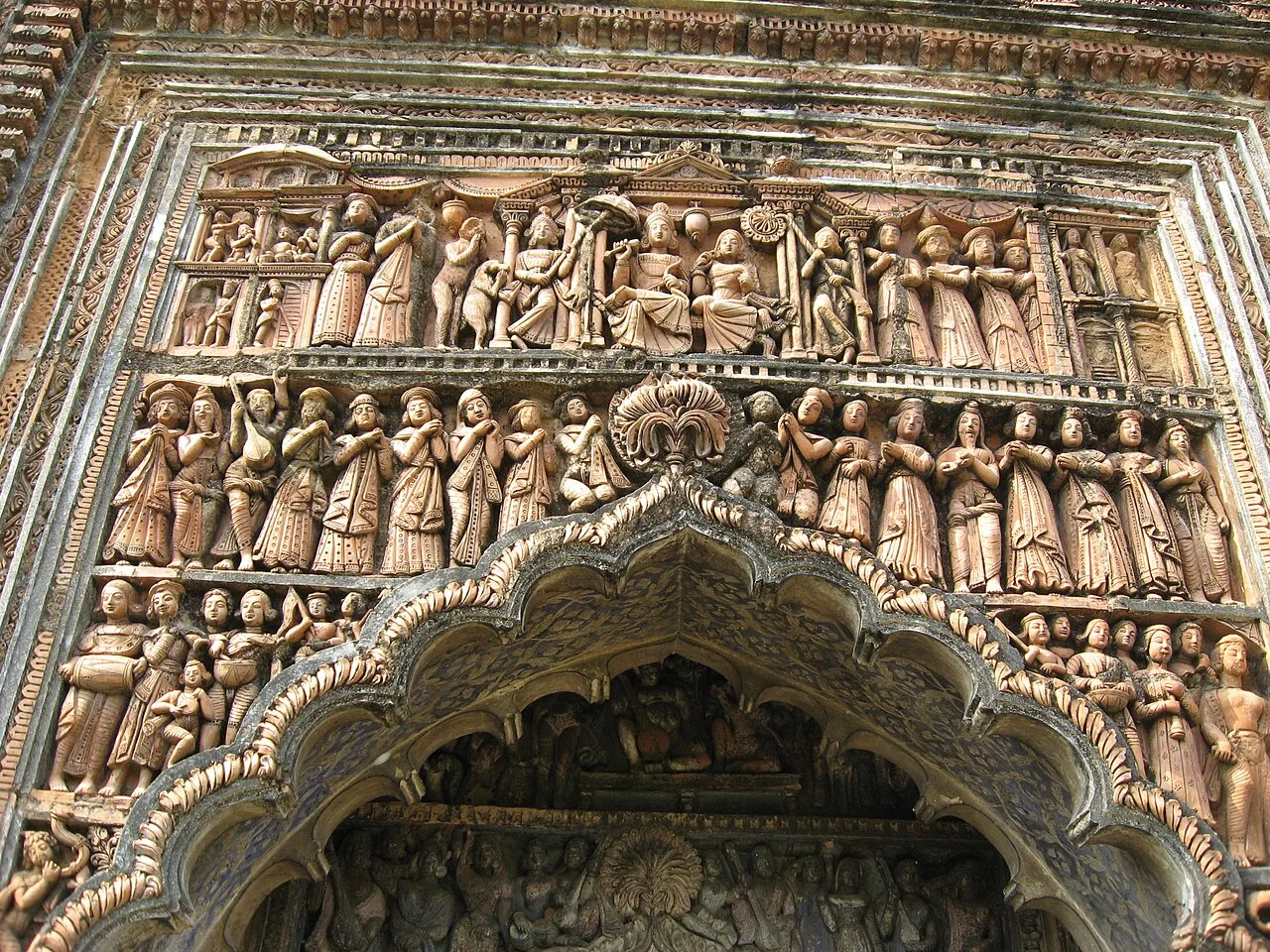
Ambika Kalna is a town in West Bengal’s Purba Bardhaman district, visited for its historic Rajbari and its group of 108 Shiva temples.

Hangseshwari Temple

39 km away · Hooghly district

Hangseshwari Temple

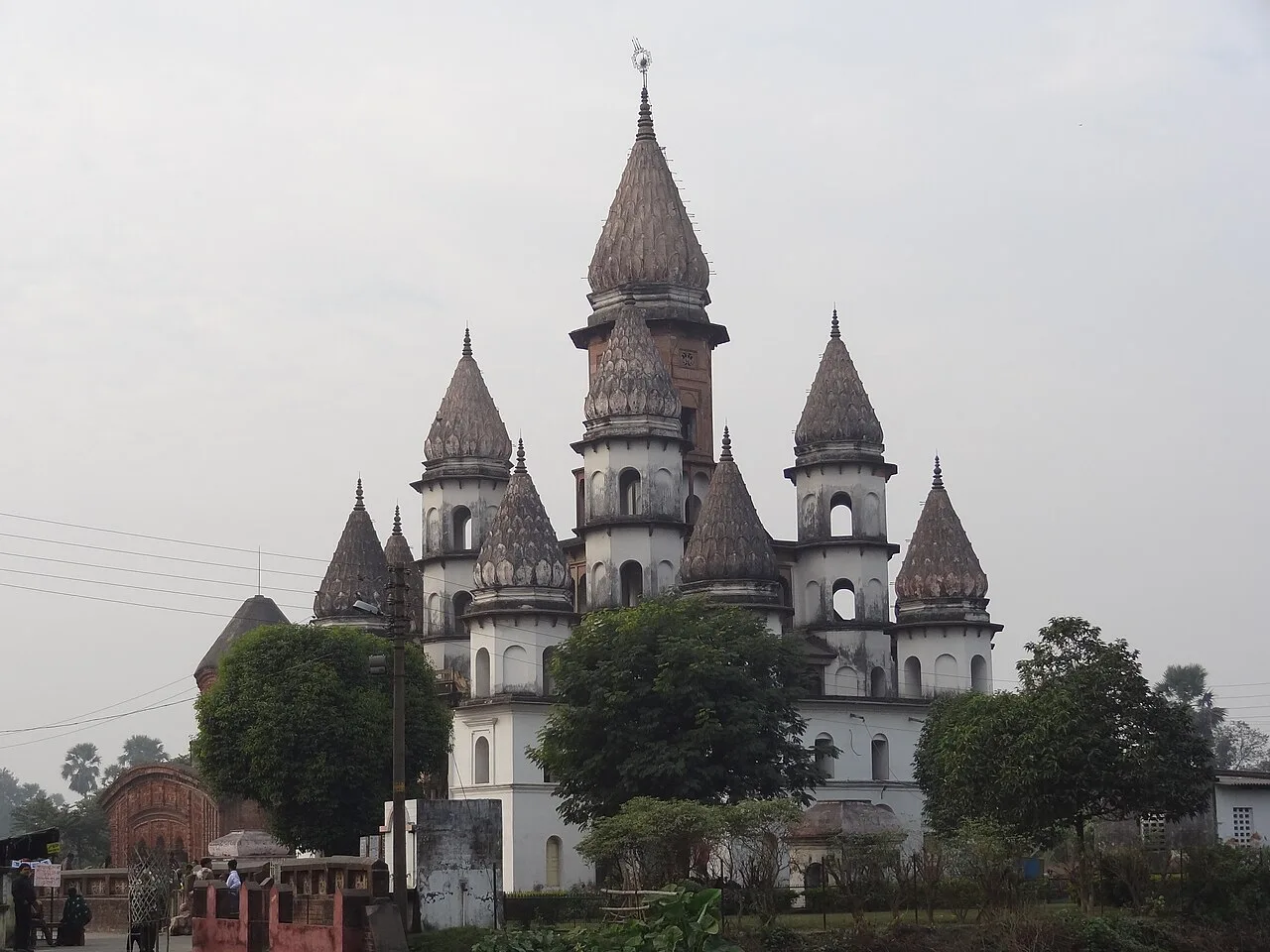
Hangseshwari Temple is a Hindu shrine in Bansberia, Hooghly district, noted for its distinctive thirteen-towered ratna design and its worship of Hangseswari, a form of the goddess Kali.

Nabadwip

39 km away · Nadia district

Nabadwip

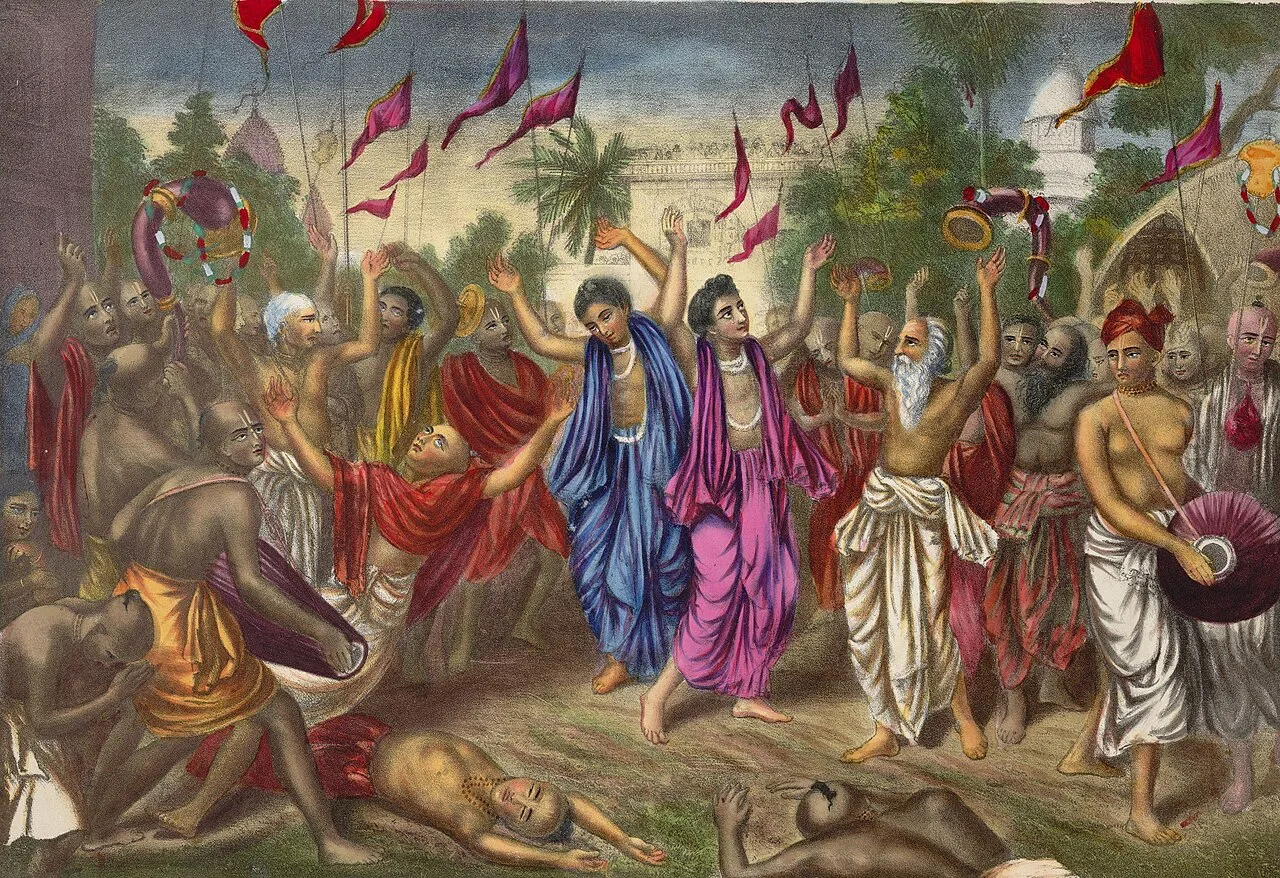
Nabadwip is a historic city in West Bengal, revered as the birthplace of Chaitanya Mahaprabhu. Visitors come for its Vaishnava heritage, religious celebrations and long tradition of Sanskrit learning.

Bandel Church

42 km away · Hooghly district

Bandel Church

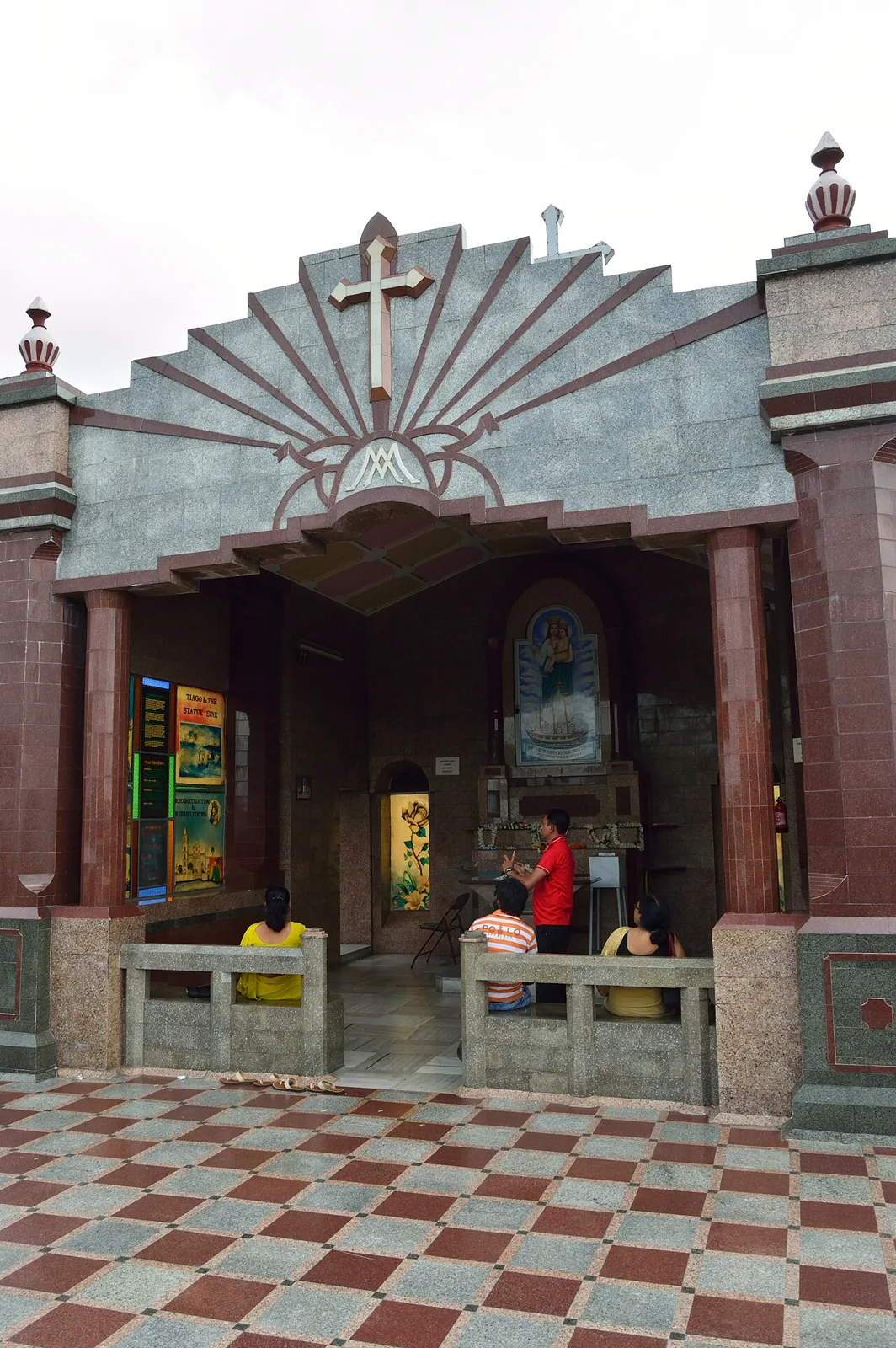
Located in Bandel, Hooghly district, the Basilica of the Holy Rosary is a historic Roman Catholic church associated with Bengal’s Portuguese settlement; visitors come for its religious and historical significance.

Mayapur

42 km away · Nadia district

Mayapur

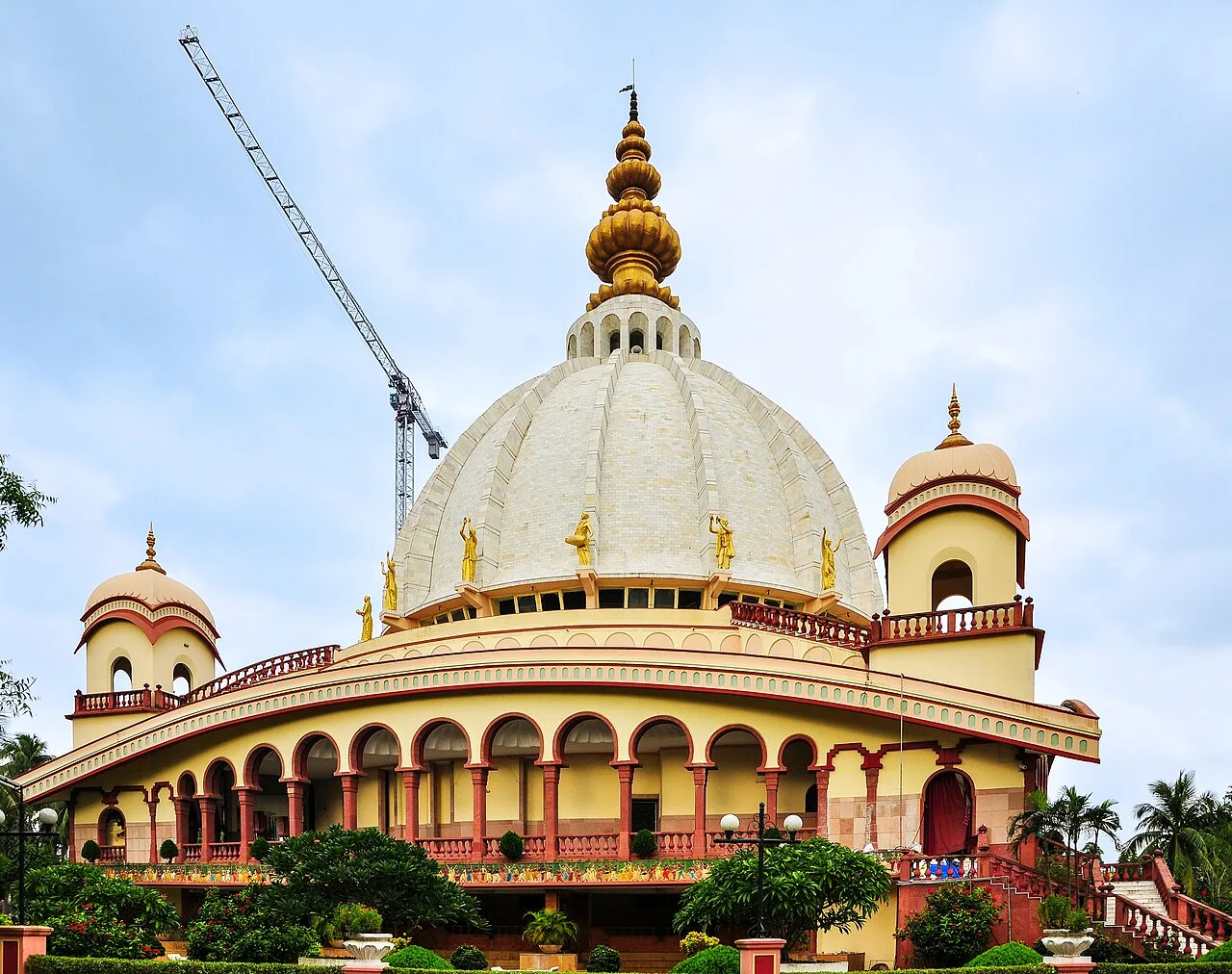
Mayapur is a pilgrimage settlement in Nadia district, West Bengal, within Nabadwip CD block and Krishnanagar Sadar subdivision. Visitors come for its religious importance to Gaudiya Vaishnavas.

Phulia

42 km away · Nadia district

Phulia

Phulia, known by the alternate spelling Fulia, is a settlement in Nadia district, West Bengal, within Santipur CD block in Ranaghat subdivision. Visitors are drawn by its association with Krittibas Ojha, who was born there.

Chandannagar

45 km away · Hooghly district

Chandannagar

Chandannagar is a city in West Bengal’s Hooghly district, with a history as a French settlement. Visitors can see Indo-French influences in its colonial-era bungalows, many of which are now in poor condition.

Map

Memari on the map

  1. 1Dhaniakhali
  2. 2Kalna
  3. 3Hangseshwari Temple
  4. 4Nabadwip
  5. 5Bandel Church
  6. 6Mayapur
  7. 7Phulia
  8. 8Chandannagar

West Bengal

Other cities to explore