Ghumoopedia — Explore, Discover, Experience
Sign in
Hazarduari Palace, near Beldanga

City guide · West Bengal

Beldanga

Beldanga is a municipality in Murshidabad district and an important trading centre for the surrounding area. Its everyday life is closely tied to the markets, services and transport links that connect nearby villages with larger towns.

Famous for

  • Regional trade centre
  • Agricultural produce markets
  • Murshidabad silk nearby
  • Gateway to district heritage

Why Beldanga matters

Beldanga is a municipality in Murshidabad district and an important trading centre for the surrounding area. Its everyday life is closely tied to the markets, services and transport links that connect nearby villages with larger towns. For visitors, it offers a quieter view of the district beyond its better-known historic centres: a busy market town set amid the largely rural landscape of central Murshidabad.

Beldanga is also a practical base for exploring the wider district. Berhampore, the district headquarters, is within the region, while Murshidabad’s historic sites and the archaeological remains of Karnasubarna can be included in a broader itinerary. The town is not primarily known as a monument destination or as the home of a nationally prominent craft. Its appeal lies instead in its local commerce, Bengali town life and position within a district shaped by agriculture, trade and a long history. Visitors interested in regional products can use Beldanga’s shops and markets as an introduction to the produce and goods traded across Murshidabad.
Famous for: crafts, trade & products

Beldanga’s clearest commercial identity is as a market and trading town serving nearby rural communities. Local shops and market areas are useful places to look for everyday goods and seasonal agricultural produce, though the selection changes with the season and supply. The town is not widely identified with a single signature handicraft or a distinct textile tradition, so visitors should avoid assuming that every regional product is made locally.

Murshidabad is known more broadly for silk and mangoes. Murshidabad silk is a regional textile tradition, while the district’s markets also handle locally grown fruit and other farm produce. These goods may be found through traders and shops in the district, but specialist silk shopping is more strongly associated with established textile centres elsewhere in Murshidabad. Beldanga is best approached as a place to experience local trade rather than as a dedicated craft market. There is no widely established Beldanga-specific GI-tagged product to seek out. Ask local shopkeepers about seasonal produce and regional goods, and check labels or seller details when buying textiles presented as Murshidabad silk.

History

Beldanga’s history is best understood in the context of Murshidabad district, a region shaped by riverine settlement, agriculture and commerce. The district’s older political story includes Karnasubarna, the seventh-century capital of Shashanka, whose archaeological remains lie in the wider area south-west of Berhampore. Later, Murshidabad became an important centre under the Nawabs of Bengal, before British power reshaped the region’s administration and economy.

Beldanga itself developed as a local market town rather than as a royal capital or a major colonial monument centre. Its role as a trading hub reflects the links between rural producers, nearby settlements and district towns. In the modern period, municipal administration and improved road and rail connections have supported its function as a service and commerce centre. The town’s contemporary importance is therefore practical and regional: it helps connect surrounding communities to shops, transport and everyday services. Its growth forms part of the broader evolution of Murshidabad from historic political centre to a district with a largely rural economy and several active market towns.

Food, festivals & culture

Bengali is the principal language of daily life, and local food follows the familiar pattern of rice, lentils, vegetables and fish, with meat dishes also available. Sweet shops and market stalls offer Bengali-style sweets, though particular specialities can vary by shop and season. Murshidabad’s wider food culture includes seasonal fruit, especially mangoes, which are traded across the district when in season.

Durga Puja in autumn brings neighbourhood worship, decorations and community gatherings. Kali Puja, usually around the same period as Diwali, is also observed, alongside Eid celebrations in the Muslim community and other local religious occasions. The town’s cultural life is rooted in Bengali devotional and folk traditions, with songs, kirtan and popular music heard at community events; it is not especially known for a distinct local dance form. Visitors will encounter places of worship in the town’s neighbourhoods, including temples and mosques, as well as the social life of the bazaar. Respectful clothing and asking before photographing worshippers are appreciated.

Visiting the city

October to February is generally the most comfortable period to visit, with cooler, drier weather. Summers can be hot, while the monsoon brings heavy rain and may make local travel less convenient. Netaji Subhas Chandra Bose International Airport in Kolkata is the nearest major airport. Beldanga railway station serves the town; confirm current connections before travelling.

Auto-rickshaws, cycle-rickshaws and local buses are practical for getting around, while walking suits the central market area. Explore the town’s bazaar and the streets around the station for a glimpse of daily commerce. Beldanga can also fit into a wider Murshidabad trip that includes Berhampore and historic sites elsewhere in the district. For quieter visits to nearby attractions, arrange local transport and check conditions on the day.

Trips from the city

Nearest places to visit from Beldanga

Our closest destination guides, by straight-line distance.

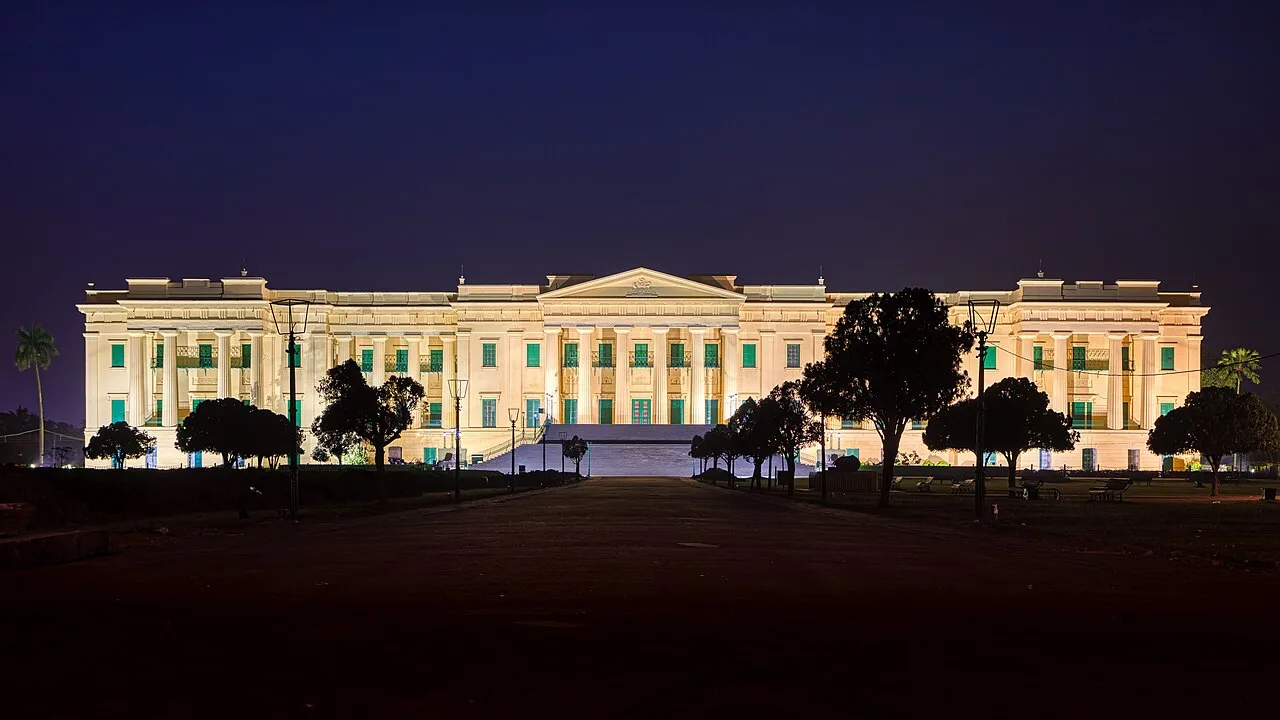
Hazarduari Palace

28 km away · Murshidabad district

Hazarduari Palace

Hazarduari Palace is a former royal residence in Murshidabad, now a museum and national monument. Visitors come to see its nineteenth-century architecture and explore its cultural role.

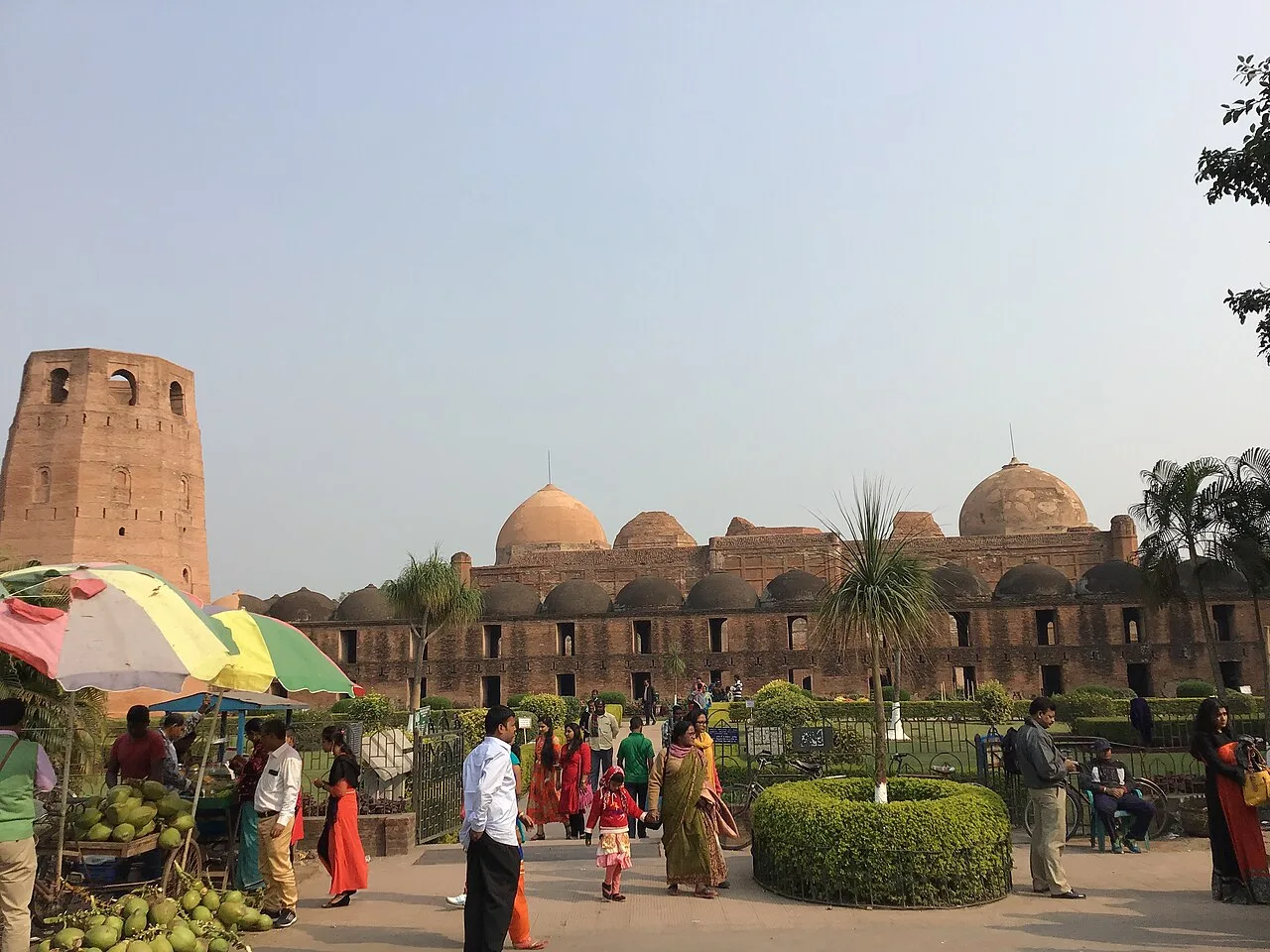
Katra Masjid

28 km away · Murshidabad district

Katra Masjid

Katra Masjid is a partly ruined complex in Murshidabad, West Bengal, combining a former Shia caravanserai, mosque and tomb. Visitors come to see its historic architecture and the burial place of its founder.

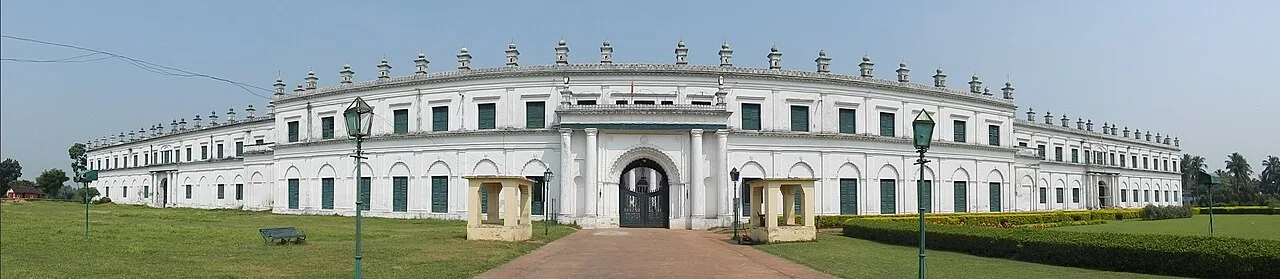
Nizamat Imambara

28 km away · Murshidabad district

Nizamat Imambara

Nizamat Imambara is a Shi’ite congregation hall in Murshidabad, noted for its history and scale; visitors come to see a historic site recognised for national importance.

Tarapith

51 km away · Birbhum district

Tarapith

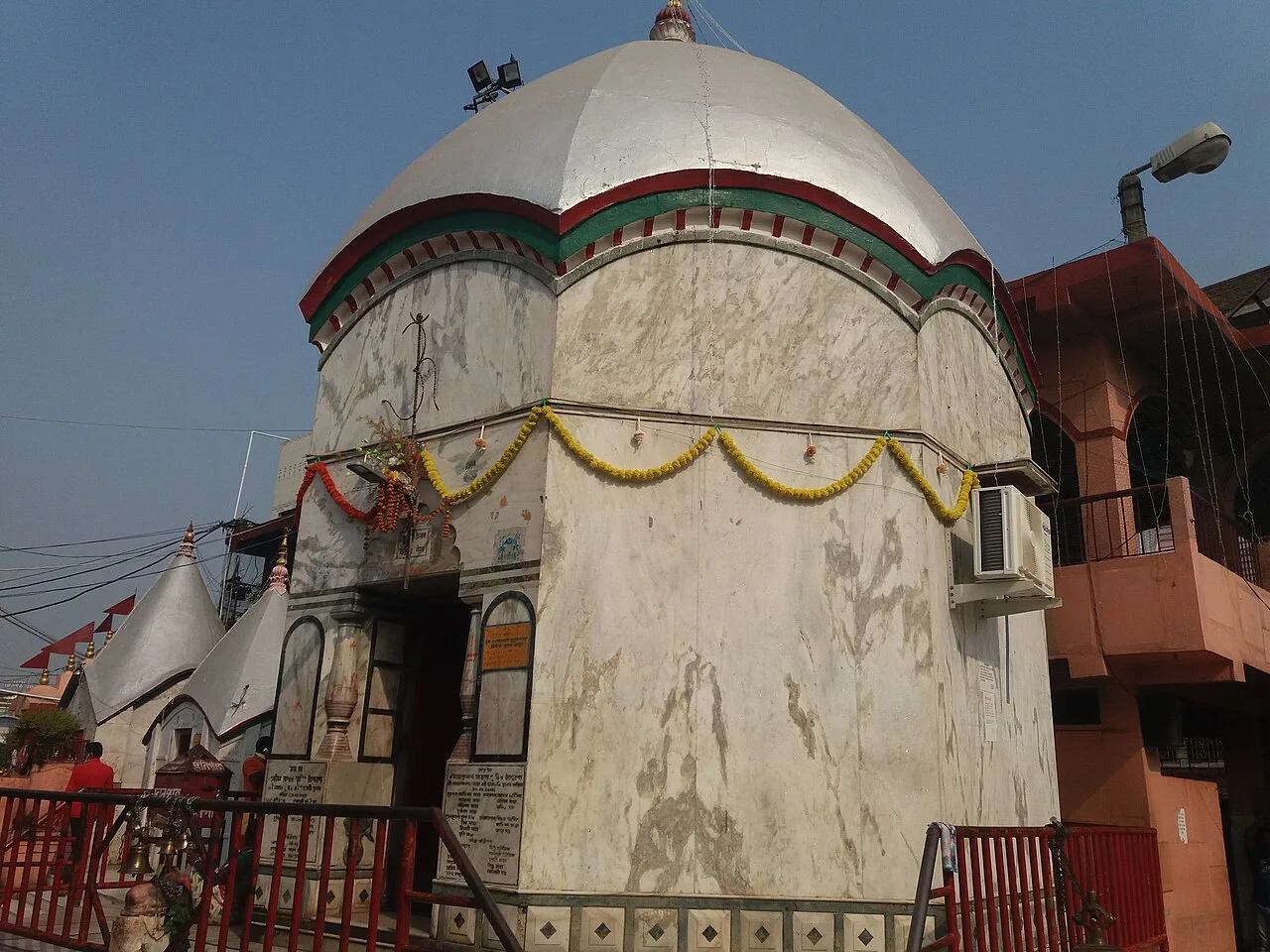
Tarapith is a town in West Bengal’s Birbhum district and a Hindu pilgrimage destination. Visitors come to worship the goddess Tara at its Tantric temple and visit nearby religious sites.

Mayapur

57 km away · Nadia district

Mayapur

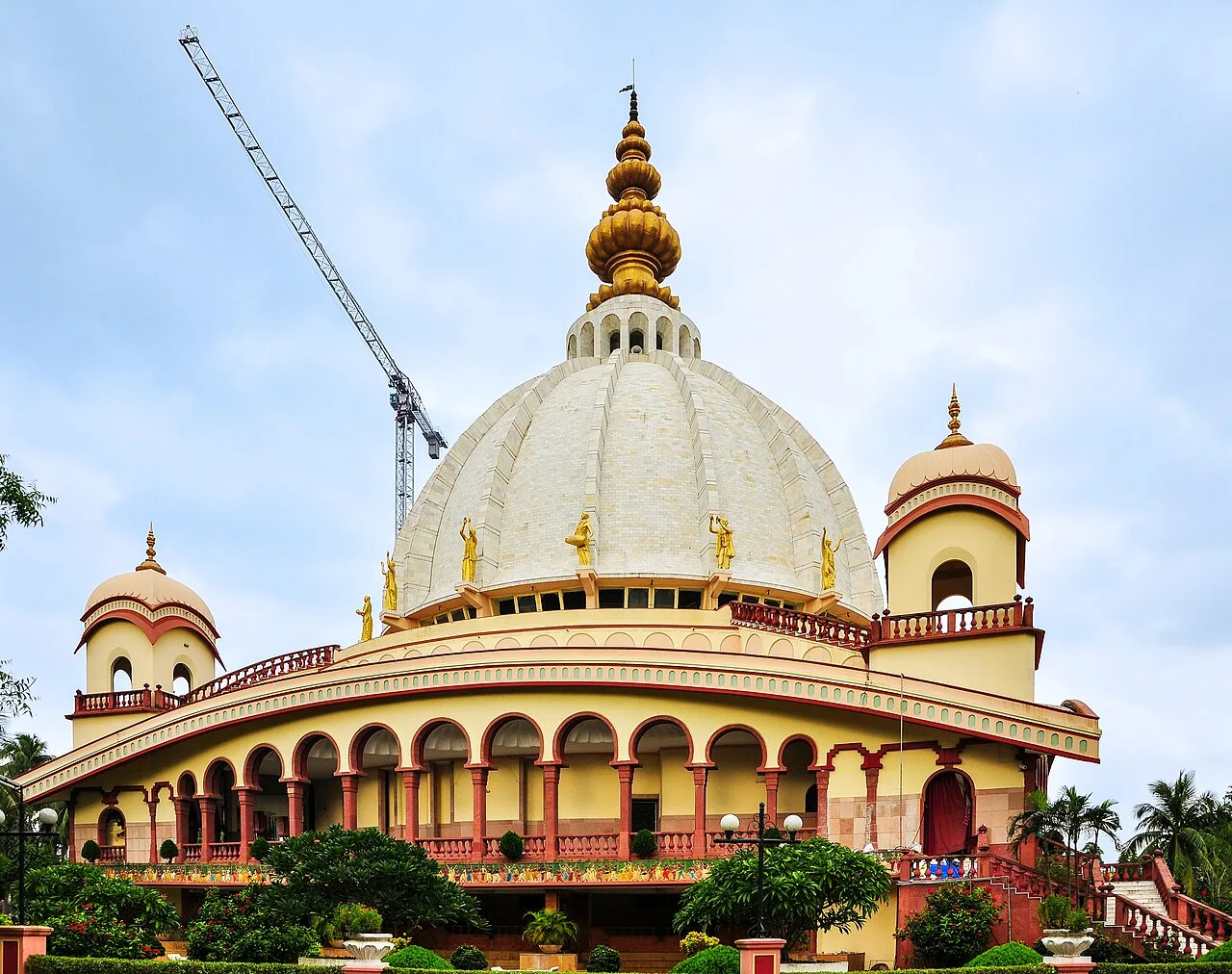
Mayapur is a pilgrimage settlement in Nadia district, West Bengal, within Nabadwip CD block and Krishnanagar Sadar subdivision. Visitors come for its religious importance to Gaudiya Vaishnavas.

Nabadwip

58 km away · Nadia district

Nabadwip

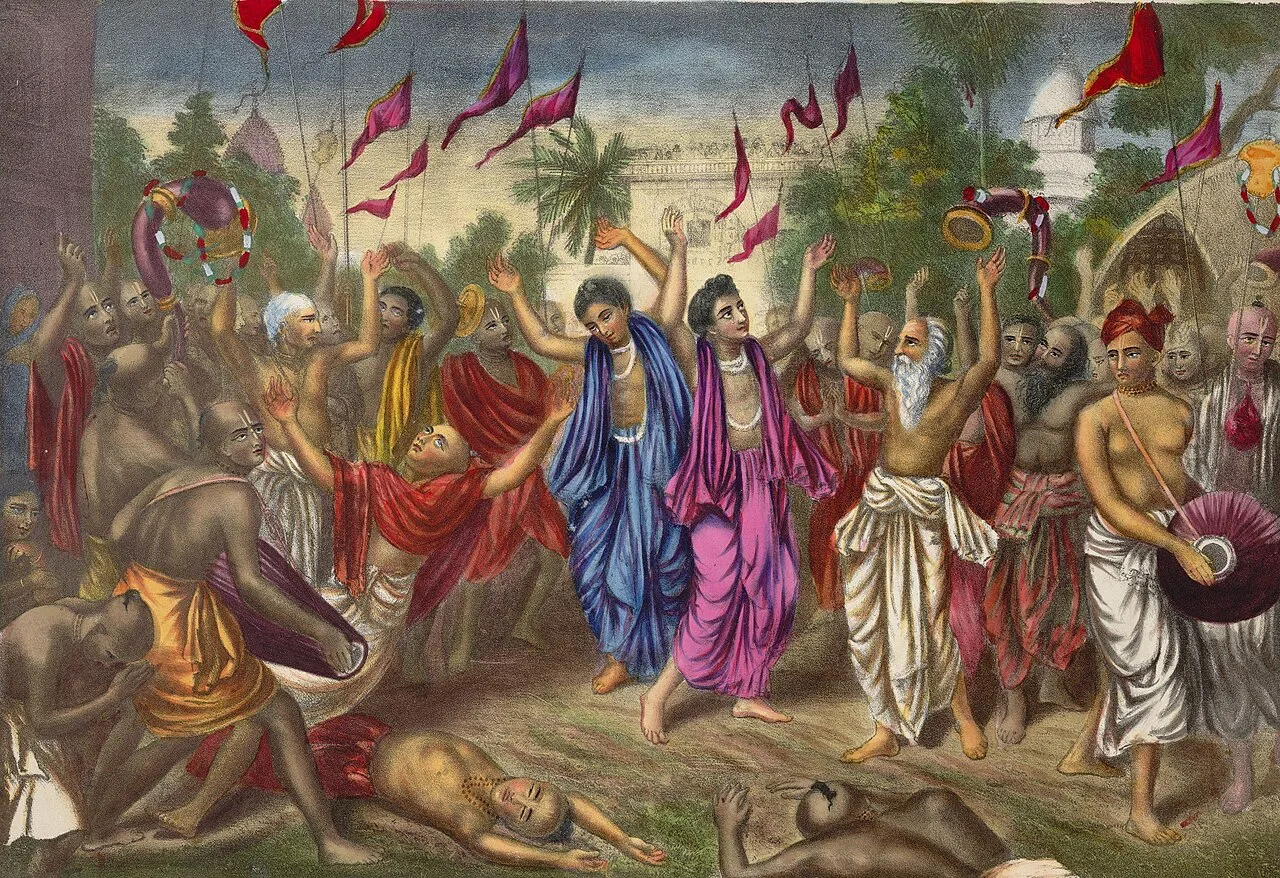
Nabadwip is a historic city in West Bengal, revered as the birthplace of Chaitanya Mahaprabhu. Visitors come for its Vaishnava heritage, religious celebrations and long tradition of Sanskrit learning.

Santiniketan

65 km away · Birbhum district

Santiniketan

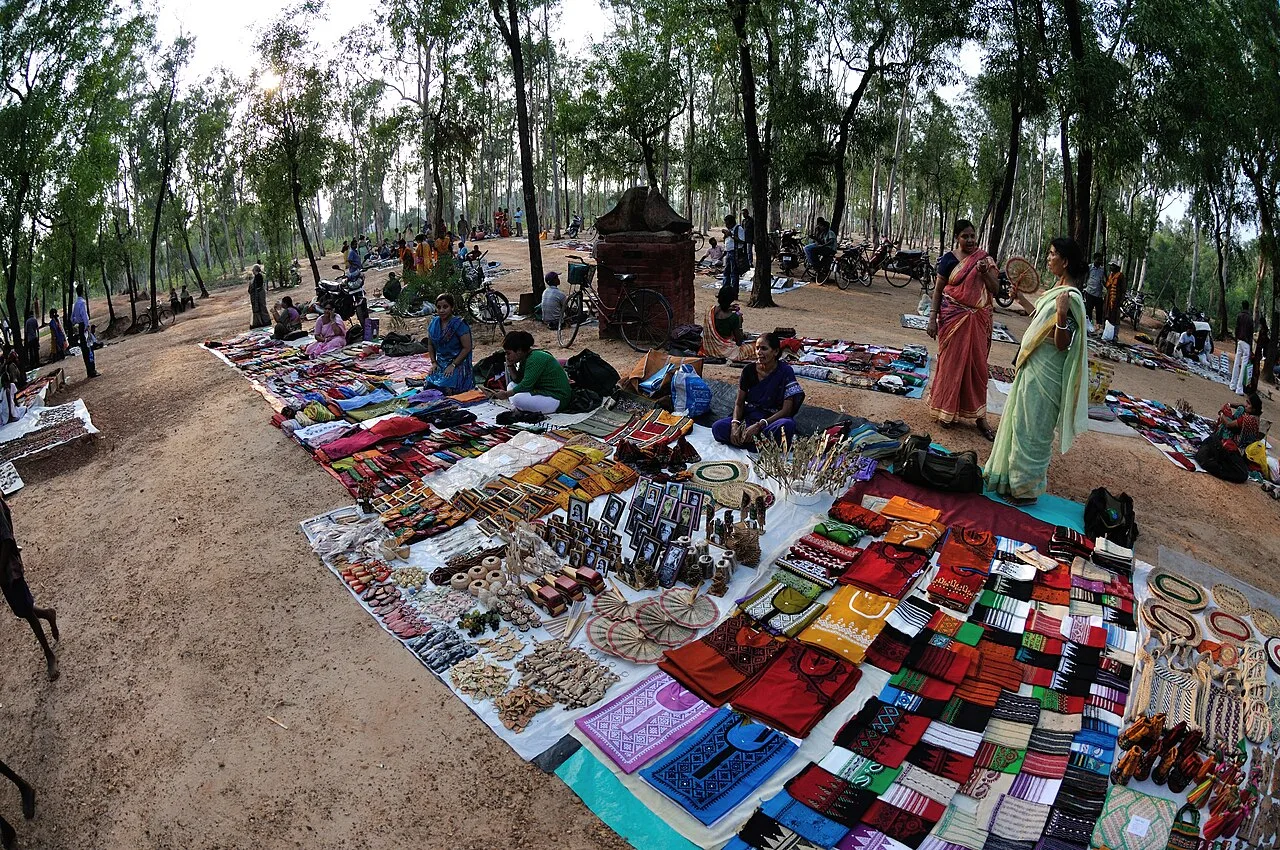
Santiniketan is a neighbourhood of Bolpur in West Bengal, associated with the Tagore family and Visva-Bharati. Visitors come to explore its heritage and its status as a UNESCO World Heritage site.

Kalna

80 km away · Purba Bardhaman district

Kalna

Ambika Kalna is a town in West Bengal’s Purba Bardhaman district, visited for its historic Rajbari and its group of 108 Shiva temples.

Map

Beldanga on the map

  1. 1Hazarduari Palace
  2. 2Katra Masjid
  3. 3Nizamat Imambara
  4. 4Tarapith
  5. 5Mayapur
  6. 6Nabadwip
  7. 7Santiniketan
  8. 8Kalna

West Bengal

Other cities to explore