Ghumoopedia — Explore, Discover, Experience
Sign in
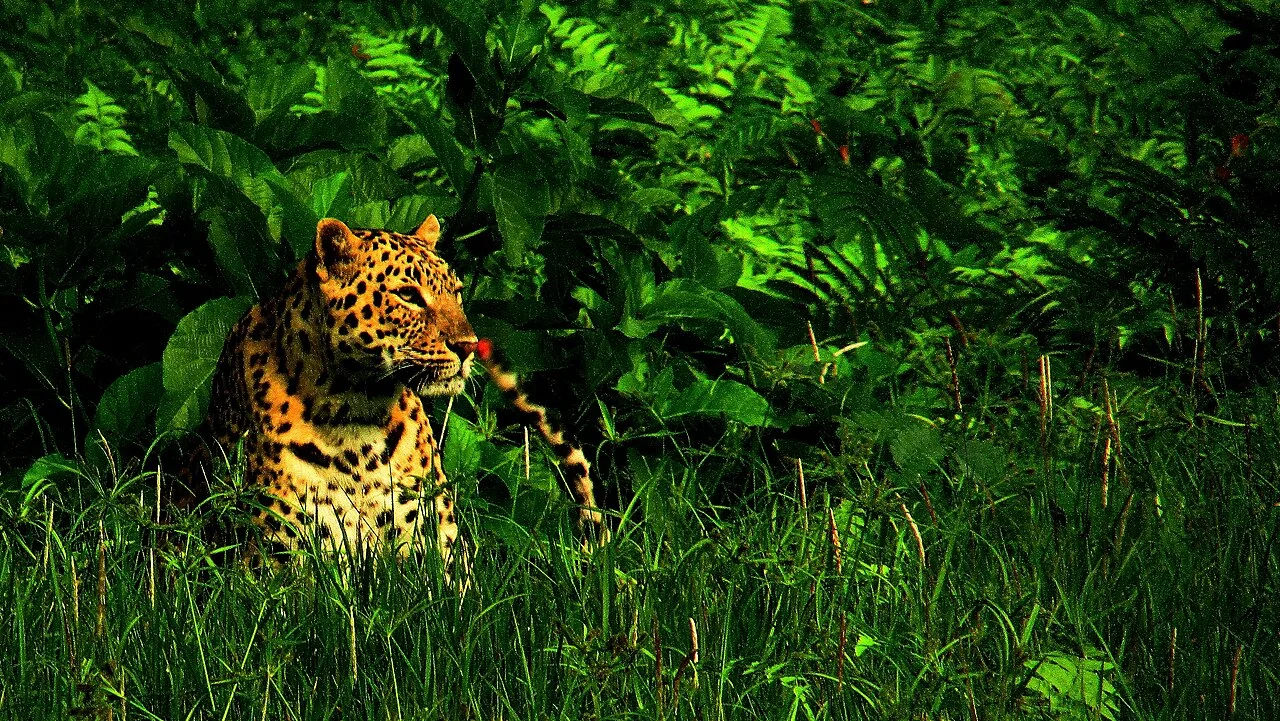
Gorumara National Park, near Jalpaiguri

City guide · West Bengal

Jalpaiguri

Jalpaiguri is an administrative and educational centre in northern West Bengal, serving as the headquarters of both Jalpaiguri district and Jalpaiguri division. Set on the foothills of the Himalayas, near the Teesta and along the Karala River, it connects the plains with the tea-growing Dooars and nearby forest and wildlife areas.

Famous for

  • Teesta and Karala rivers
  • Gateway to the Dooars
  • North Bengal tea country
  • Jalpaiguri circuit bench
  • Ceylon olive name

Why Jalpaiguri matters

Jalpaiguri is an administrative and educational centre in northern West Bengal, serving as the headquarters of both Jalpaiguri district and Jalpaiguri division. Set on the foothills of the Himalayas, near the Teesta and along the Karala River, it connects the plains with the tea-growing Dooars and nearby forest and wildlife areas. Many visitors use the city as a stop or base while travelling around North Bengal; Siliguri, a major transport hub, lies to its south.

The city is also known for important public institutions, including a circuit bench of the Calcutta High Court, Jalpaiguri Government Engineering College and a campus of the University of North Bengal. Biswa Bangla Krirangan adds a modern sporting venue. Jalpaiguri’s appeal is less about a single landmark than its riverside setting, regional role and access to the landscapes beyond the city. Its name is commonly associated with jalpai, or Ceylon olive, and guri, meaning a place.
Famous for: crafts, trade & products

Jalpaiguri is closely linked to the tea economy of the surrounding Dooars, where tea gardens shape the landscape and local trade. Tea is the region’s best-known product, though the city itself is not a major centre for a distinctive textile tradition or a widely recognised handicraft. Visitors can look for packaged tea and everyday regional goods in the city’s general markets; Dinbazar is among the familiar shopping areas. Ask sellers about the garden or producer if you are seeking tea from a particular estate.

Local shops and markets serve residents with clothing, household goods, produce and Bengali sweets rather than a single signature craft market. The wider district’s agricultural produce also appears in seasonal markets. There is no need to expect a city-specific GI-tagged product: Jalpaiguri’s identity is more strongly associated with tea country, regional administration and education. Its public institutions—including the High Court circuit bench, the engineering college and the university campus—are important to the city, but are not shopping attractions. For a broader selection of regional products, visitors can compare shops in Jalpaiguri with those in nearby Siliguri.

History

The area around Jalpaiguri was shaped by successive regional powers, including the Koch kingdom, and by its position between the Himalayan foothills and the plains. The name is commonly explained through the Bengali words jalpai, referring to Ceylon olive, and guri, meaning a place. The town’s growth as an administrative centre accelerated under British rule, as colonial authorities reorganised the region and expanded commercial activity in the Dooars.
After the British gained control of the western Duars following conflict with Bhutan in the nineteenth century, tea planting and associated transport and trade grew across the surrounding region. Jalpaiguri district was established in 1869, helping anchor the town’s role in administration. In the decades that followed, roads, rail connections and public offices strengthened its links with other North Bengal centres. Since independence, Jalpaiguri has continued as a district and divisional headquarters. Courts, colleges and newer civic and sporting facilities reflect its modern institutional role, while the nearby tea economy remains an important part of the region’s identity.

Food, festivals & culture

Bengali is widely spoken in Jalpaiguri, alongside Hindi, Nepali, Rajbanshi and other languages of North Bengal. Everyday food draws on Bengali cooking, with rice, fish, lentils and seasonal vegetables common in local meals. Tea is part of daily life, while shops and eateries also reflect the area’s varied communities. Bengali sweets are easy to find, though no single sweet defines the city. In and around town, visitors may also come across momos and other Himalayan-influenced snacks.

Durga Puja, usually celebrated in autumn, is a major public festival, with neighbourhood pandals and gatherings. Kali Puja and Diwali follow later in the autumn calendar; Saraswati Puja is observed in winter, and Eid and Christmas are also celebrated by local communities. Religious life includes Hindu temples, mosques and churches, serving a population with diverse traditions. Bengali music and devotional songs feature at festivals and community events, while folk traditions from the wider North Bengal region—including Rajbanshi and Nepali forms—add to the cultural mix. Festival activity is most visible in local neighbourhoods and central market areas.

Visiting the city

October to April is generally the most comfortable period to visit, with milder weather and less monsoon rain. June to September brings heavy rainfall, which can affect road journeys and outdoor plans. Bagdogra Airport is the nearest major airport. Jalpaiguri Town and Jalpaiguri Road are the city’s railway stations; New Jalpaiguri in Siliguri is a major regional railhead with wider connections.

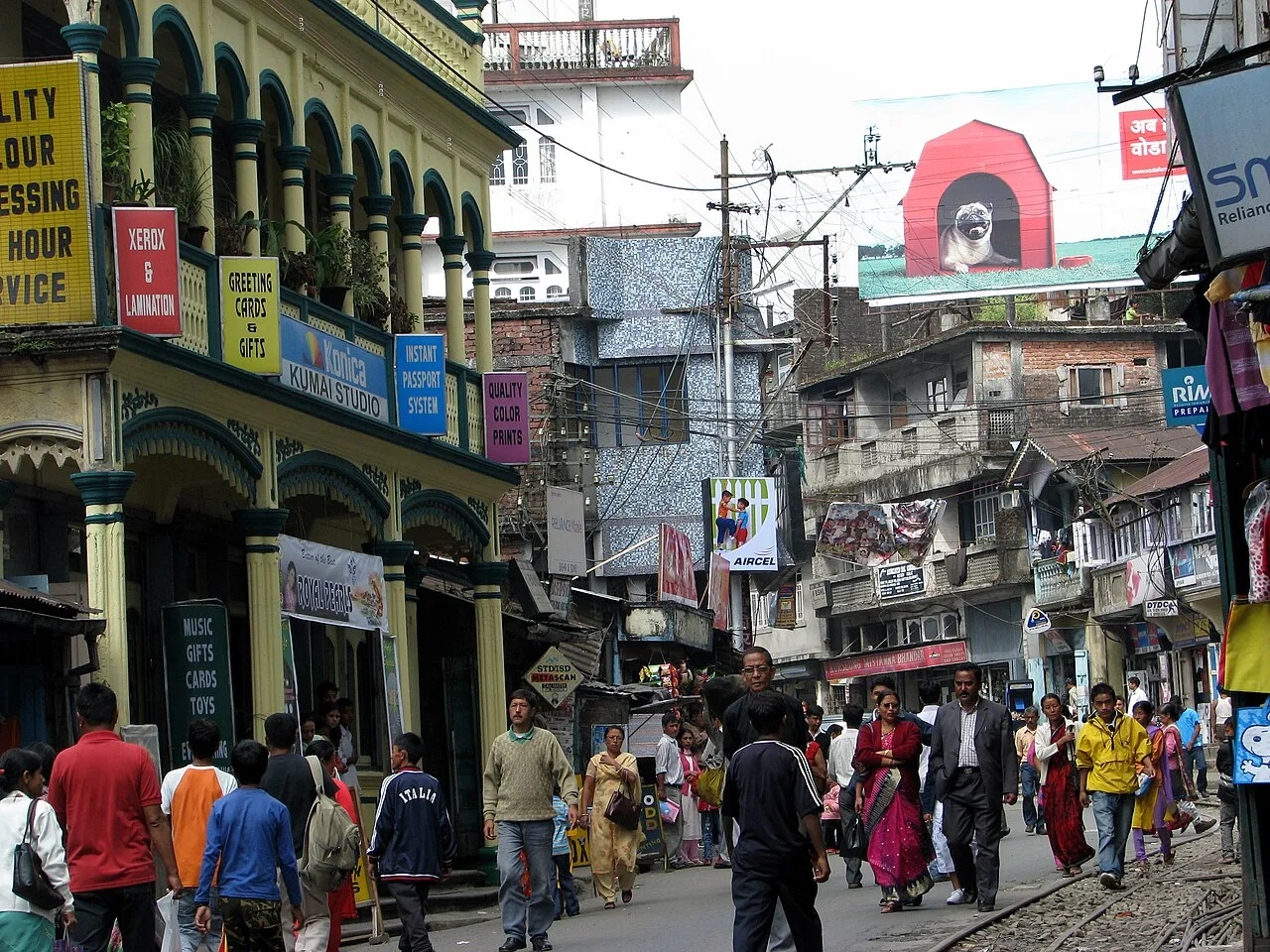
Auto-rickshaws, cycle-rickshaws and local taxis are useful for getting around town. The central market area, including Dinbazar, gives a feel for everyday city life, while the Teesta and Karala rivers shape its setting. Allow time for local institutions and civic spaces, and treat Jalpaiguri as a practical base for onward trips into the Dooars. Check local conditions before travelling during the rainy season.

Trips from the city

Nearest places to visit from Jalpaiguri

Our closest destination guides, by straight-line distance.

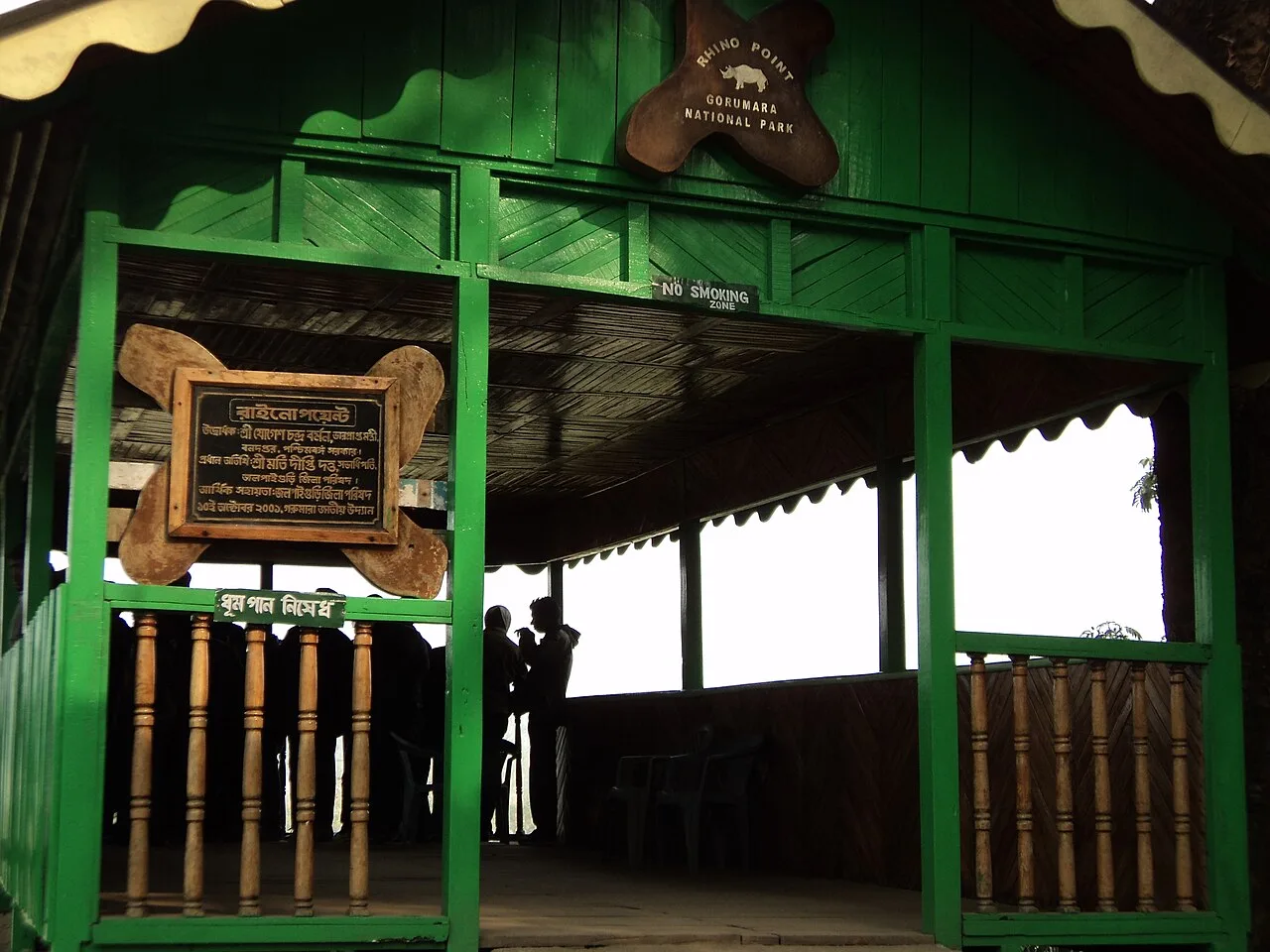
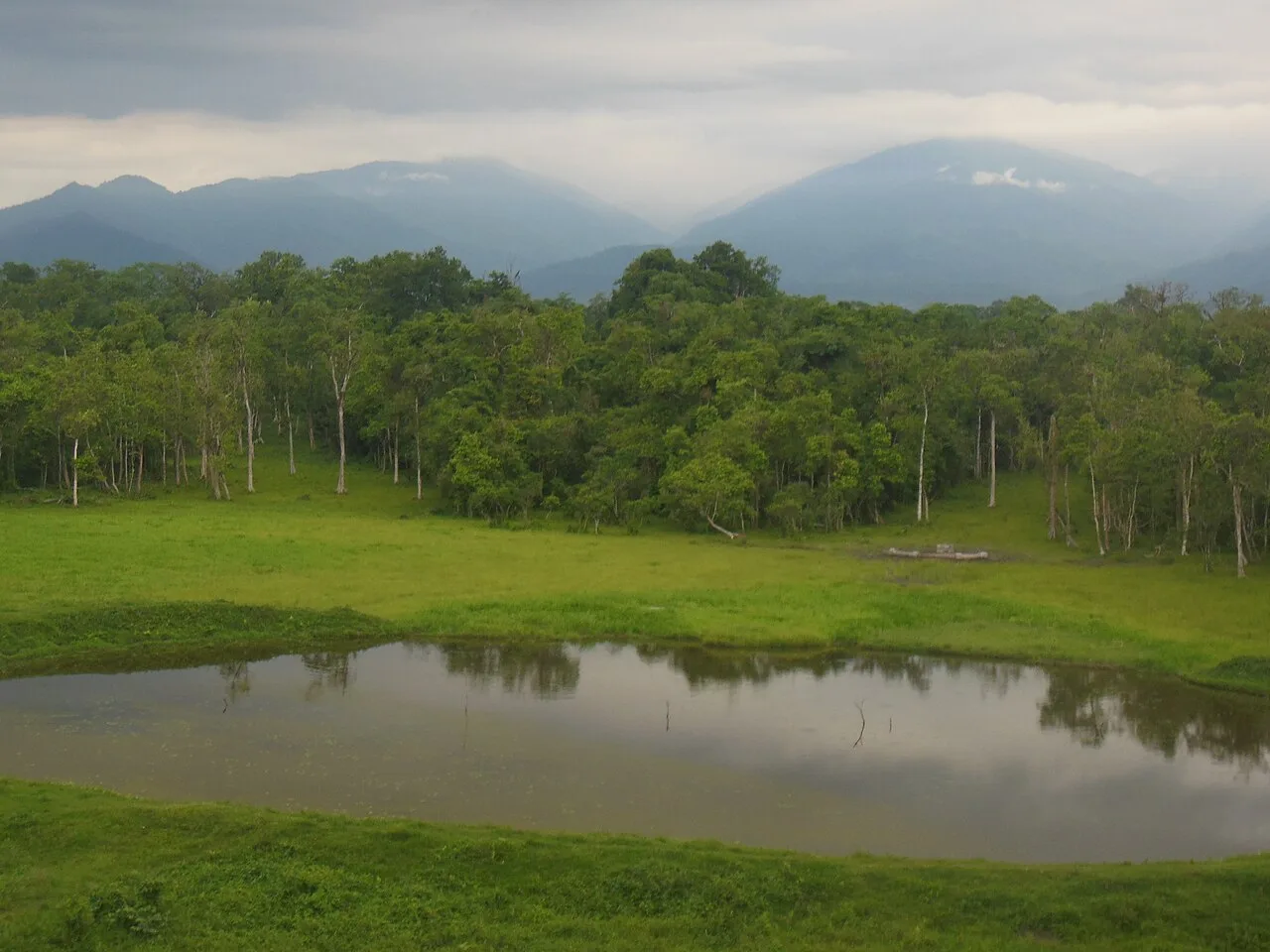
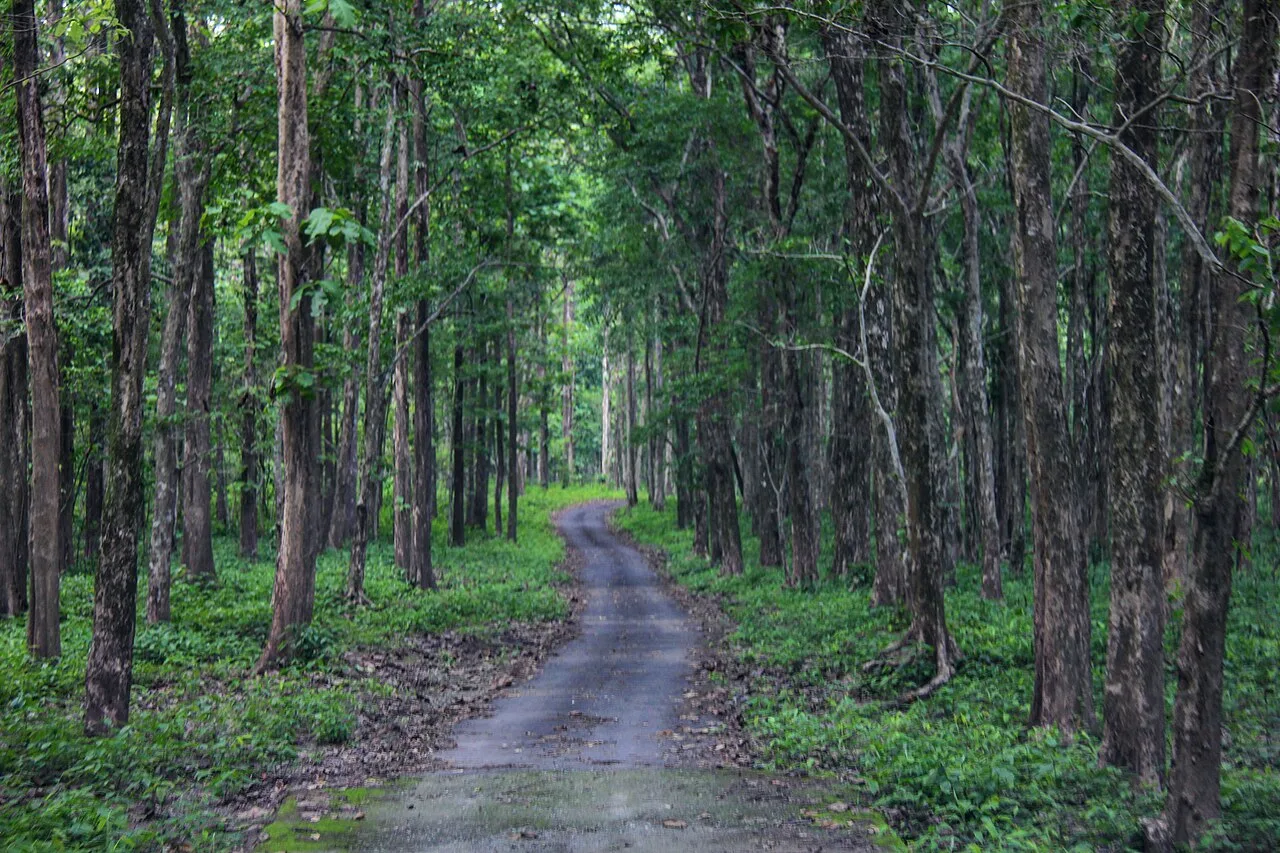
Gorumara National Park

21 km away · Jalpaiguri district

Gorumara National Park

Set in the Dooars foothills of the Himalayas, Gorumara is a protected area in northern West Bengal. Visitors come chiefly to see its Indian rhinoceroses among forests and grasslands.

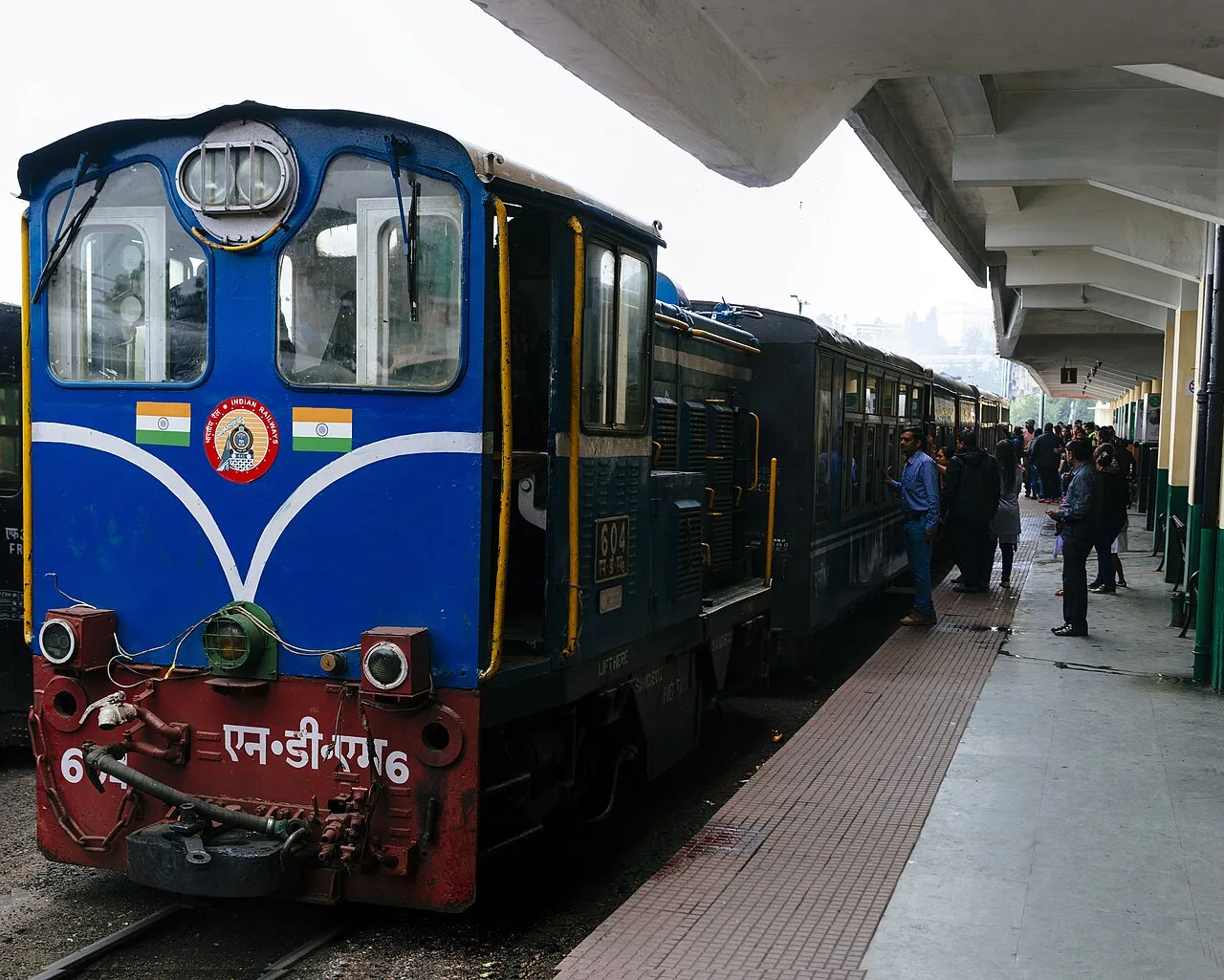
Darjeeling Himalayan Railway

34 km away · Darjeeling district

Darjeeling Himalayan Railway

This narrow-gauge railway runs through West Bengal between New Jalpaiguri and Darjeeling. Visitors travel its steep route on regular trains and on steam services to Ghum and Kurseong.

Chapramari Wildlife Sanctuary

42 km away · Jalpaiguri district

Chapramari Wildlife Sanctuary

Chapramari Wildlife Sanctuary is a forest reserve in northern West Bengal. Visitors come to experience its forest and wildlife, near Gorumara National Park.

Mahananda Wildlife Sanctuary

47 km away · Darjeeling district

Mahananda Wildlife Sanctuary

Mahananda Wildlife Sanctuary is a protected reserve in West Bengal’s Darjeeling district, among the Himalayan foothills, with the Teesta on one side and the Mahananda on the other. Visitors come for its forest and wildlife.

Jaldapara National Park

57 km away · Alipurduar district

Jaldapara National Park

In northern West Bengal’s Alipurduar district, Jaldapara National Park protects grassland and riverside woodland along the Torsa. Visitors come to see its wildlife, including the state’s largest Indian rhinoceros population.

Kurseong

61 km away · Darjeeling district

Kurseong

Kurseong is a municipal town in West Bengal’s Darjeeling district and the administrative centre of its subdivision. Tourism and education are important to the local economy, and visitors experience its pleasant year-round climate.

Neora Valley National Park

61 km away · Kalimpong district

Neora Valley National Park

Neora Valley National Park is a protected area in West Bengal’s Kalimpong district, established in 1986. Visitors are drawn by its varied wildlife and forest habitat, especially that of the red panda.

Lava

64 km away · Kalimpong district

Lava

Lava, also called Lava Bazar, is a town in West Bengal’s Kalimpong district. Visitors come in summer, when its generally cold conditions offer a change from warmer weather.

Map

Jalpaiguri on the map

  1. 1Gorumara National Park
  2. 2Darjeeling Himalayan Railway
  3. 3Chapramari Wildlife Sanctuary
  4. 4Mahananda Wildlife Sanctuary
  5. 5Jaldapara National Park
  6. 6Kurseong
  7. 7Neora Valley National Park
  8. 8Lava

West Bengal

Other cities to explore