Ghumoopedia — Explore, Discover, Experience
Sign in

City guide · West Bengal

Balarampur

Balarampur is a small town in Purulia district, in the western part of West Bengal. Its importance comes partly from its position within the Balarampur community development block and partly from its history as the former seat of the Barabhum zamindari.

Famous for

  • Barabhum zamindari heritage
  • Purulia Chhau traditions
  • Chota Nagpur Plateau setting
  • Rural Bengali culture

Why Balarampur matters

Balarampur is a small town in Purulia district, in the western part of West Bengal. Its importance comes partly from its position within the Balarampur community development block and partly from its history as the former seat of the Barabhum zamindari. Today it serves local residents and surrounding villages, rather than functioning as a major tourist centre or commercial city.

Visitors may find it a useful stop for understanding the rural character of Purulia and exploring the district’s undulating plateau landscape. The wider region is associated with Purulia Chhau, a masked dance tradition, and with old temples and village festivals. Balarampur itself is not widely known for a single landmark or large visitor attraction, so journeys here are best planned around local connections or as part of a broader Purulia itinerary. The district headquarters, Purulia, offers a wider range of services. Balarampur’s quieter appeal lies in its local history, everyday town life and access to the countryside of the Chota Nagpur Plateau.
Famous for: crafts, trade & products

Balarampur is best known historically as the former capital of the Barabhum zamindari. It is not widely established as a centre for a particular textile, GI-tagged product or large handicraft industry, and visitors should not expect a dedicated craft market. Everyday shops and local markets serve the needs of residents, with ordinary household goods and seasonal produce rather than a specialised tourist trade.

The stronger craft associations belong to Purulia district as a whole. Purulia Chhau is a prominent regional performance tradition, and its elaborate masks are made in villages elsewhere in the district, notably Charida; they are not a product specific to Balarampur. Visitors interested in crafts can ask locally about makers or travel onward to Purulia town and established craft villages. Regional fairs may offer locally made goods, but availability varies by season. Balarampur’s principal point of interest for visitors is therefore its Barabhum history and its place in the wider cultural landscape, rather than a distinctive local shopping speciality.

History

Balarampur’s history is closely associated with Barabhum, a zamindari estate in the former Bengal region. Before Indian independence in 1947, the town served as the estate’s capital and administrative centre. This role gave Balarampur a place in the local history of landholding and governance, although the surviving historical record and visitor facilities are less prominent than at major heritage destinations.

After independence, the zamindari system ended as part of wider changes to land administration. Balarampur developed as a local settlement and later became the headquarters of its community development block within Purulia district. The town is now part of Purulia Sadar subdivision. Its modern role is primarily regional and civic, serving nearby rural communities. Purulia district’s broader development has included improved education and transport links, while the surrounding landscape retains the plateau character that distinguishes this western part of West Bengal. There is no single modern industrial or monumental transformation that defines Balarampur’s growth.

Food, festivals & culture

Daily life reflects the mixed cultural character of western West Bengal. Bengali is widely used, alongside regional speech such as Kurmali and languages spoken by local Adivasi communities, including Santali. Rice-based meals are common across the area; fish, lentils and seasonal vegetables are familiar parts of Bengali cooking. Pitha and other homemade sweets may appear during seasonal celebrations, though Balarampur is not especially known for a signature dish or confection.

Durga Puja in autumn and Kali Puja later in the year are important occasions in the wider region. Rural communities also observe harvest-related festivals such as Tusu in winter and Bhadu toward the end of the monsoon season. Purulia is especially associated with Chhau, a vigorous masked dance performed at festivals and cultural events; performances are more likely at regional gatherings than as a daily attraction in town. Local Hindu temples and neighbourhood shrines serve worshippers, while village customs and community celebrations add to the area’s cultural life.

Visiting the city

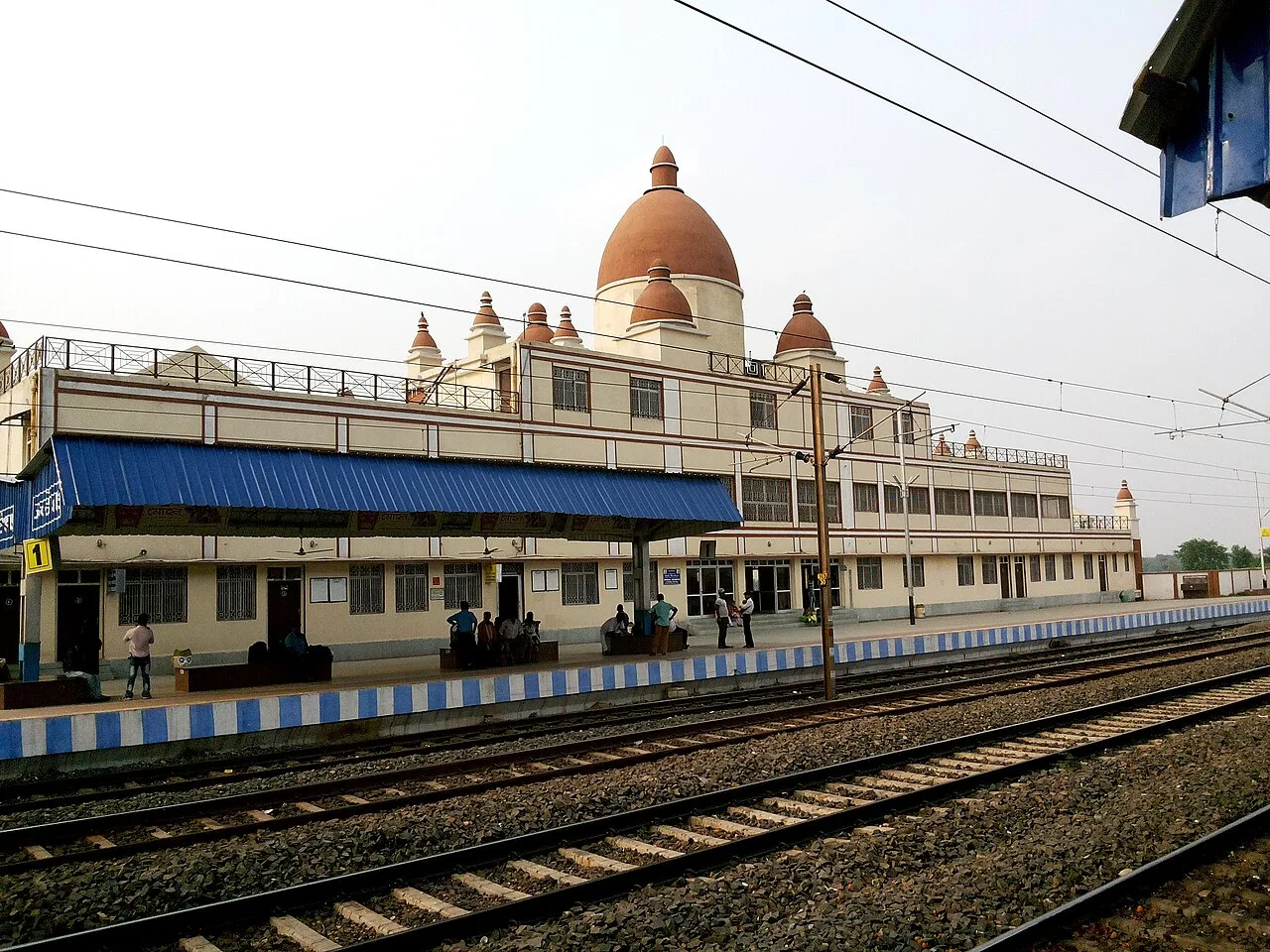
The cooler, drier months from roughly October to March are generally the most comfortable for visiting; summer can be very hot, while monsoon weather may affect rural travel. Balarampur has its own railway station, useful for checking connections within the region. The nearest major airport is Birsa Munda Airport in Ranchi; onward travel to town is by road or rail connections. Purulia town is the district’s main service centre and can be a practical base for a wider visit.

Auto-rickshaws and local vehicles are useful for short trips, while hired cars offer more flexibility for villages and countryside excursions. Explore the town centre and areas around local markets for everyday life, and allow time for the surrounding plateau landscape. For Chhau masks and craft workshops, plan a separate trip to Charida rather than expecting to find a specialist market in Balarampur.

Trips from the city

Nearest places to visit from Balarampur

Our closest destination guides, by straight-line distance.

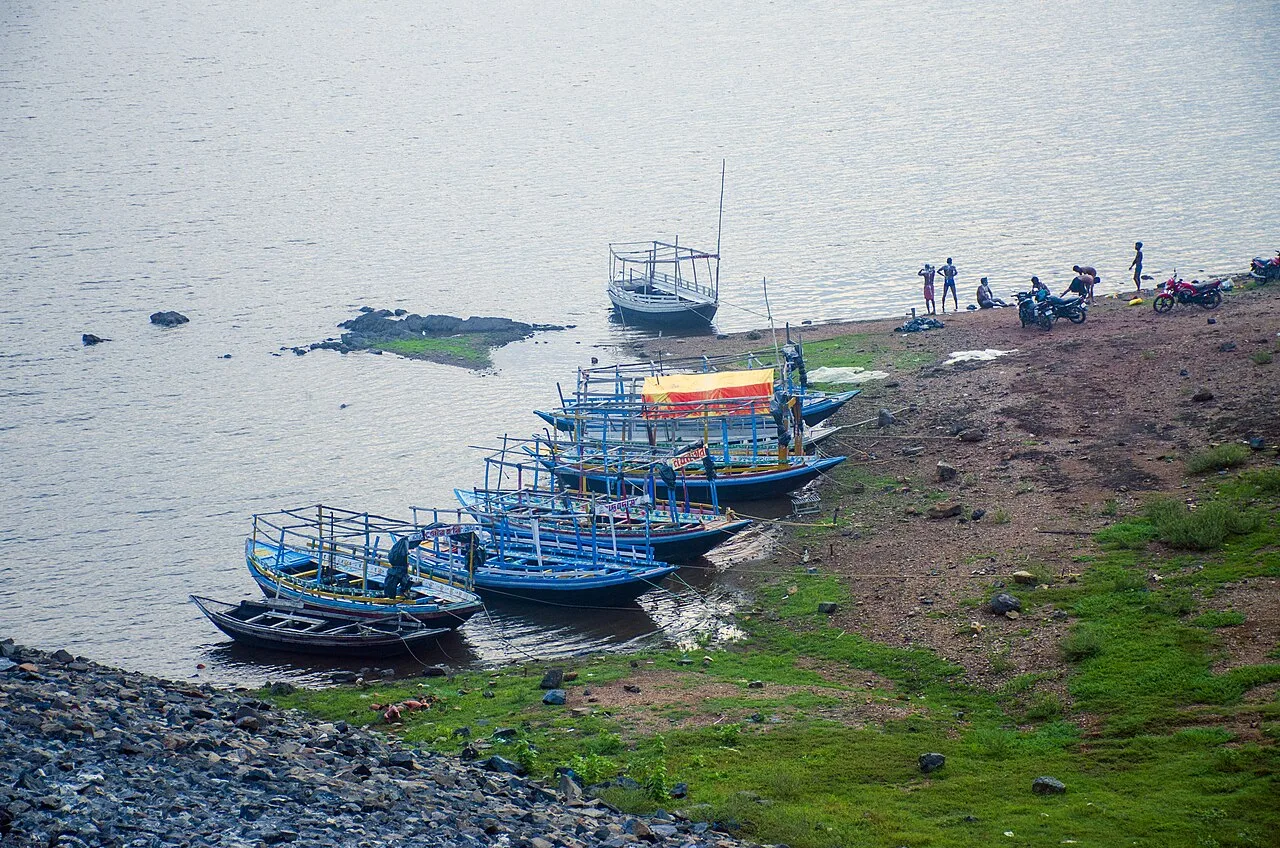
Mukutmanipur Dam

62 km away · Bankura district

Mukutmanipur Dam

In Bankura, West Bengal, Mukutmanipur Dam is visited for its setting near the point where the Kangsabati and Kumari rivers meet, close to the Jharkhand border.

Joychandi Pahar

68 km away · Purulia district

Joychandi Pahar

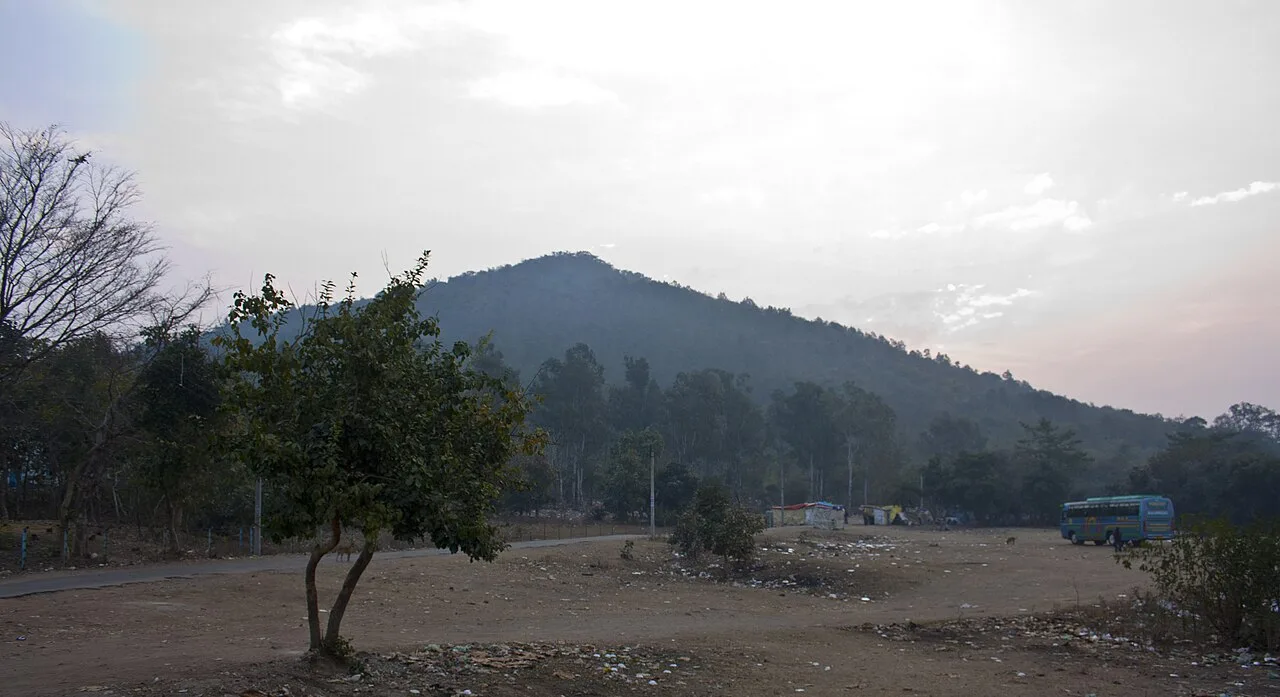
Joychandi Pahar is a hill in Purulia district, West Bengal. Visitors come for its rock-climbing opportunities and to see the area's varied plant life and recorded butterfly species.

Garh Panchkot

79 km away · Purulia district

Garh Panchkot

Garh Panchkot is the remains of a fort in Purulia district, West Bengal. Visitors come to view the ruins at the foot of Panchet Hill and learn the meaning of its name.

Susunia Hill

85 km away · Bankura district

Susunia Hill

Susunia Hill is a hill in Bankura district, West Bengal, within the Eastern Ghats. Visitors come to see its landscape and regional setting.

91 km away · Bankura district

Bikna Dokra Village

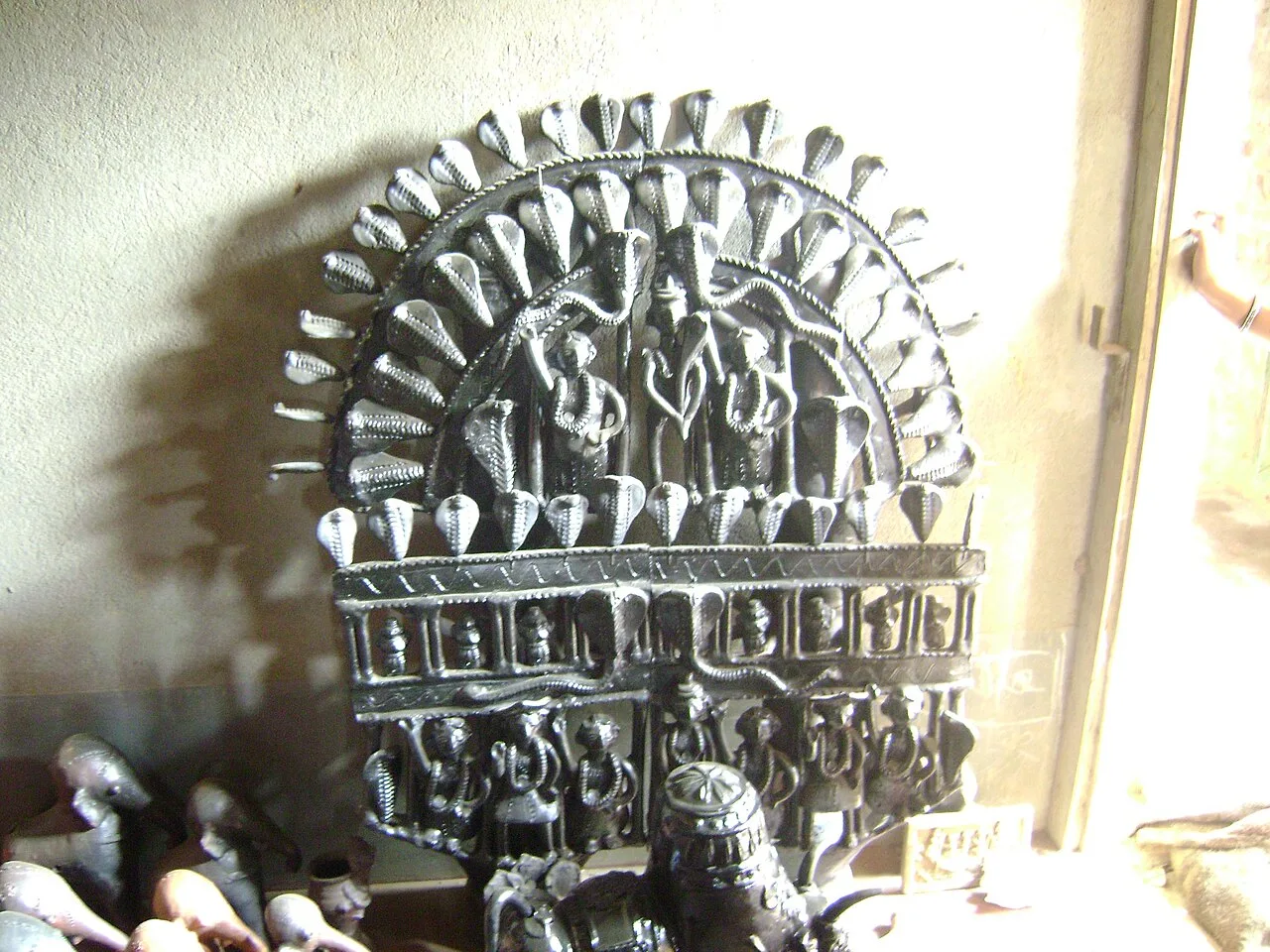
Bikna Dokra Village is a settlement in Bankura district, West Bengal. It may interest visitors seeking to understand the village’s place within the district’s administrative structure.

Panchmura

98 km away · Bankura district

Panchmura

Panchmura is a gram panchayat in Bankura district, West Bengal, known for its terracotta Bankura horse, a folk artefact regarded as India’s national symbol for handicrafts.

Jhargram

106 km away · Jhargram district

Jhargram

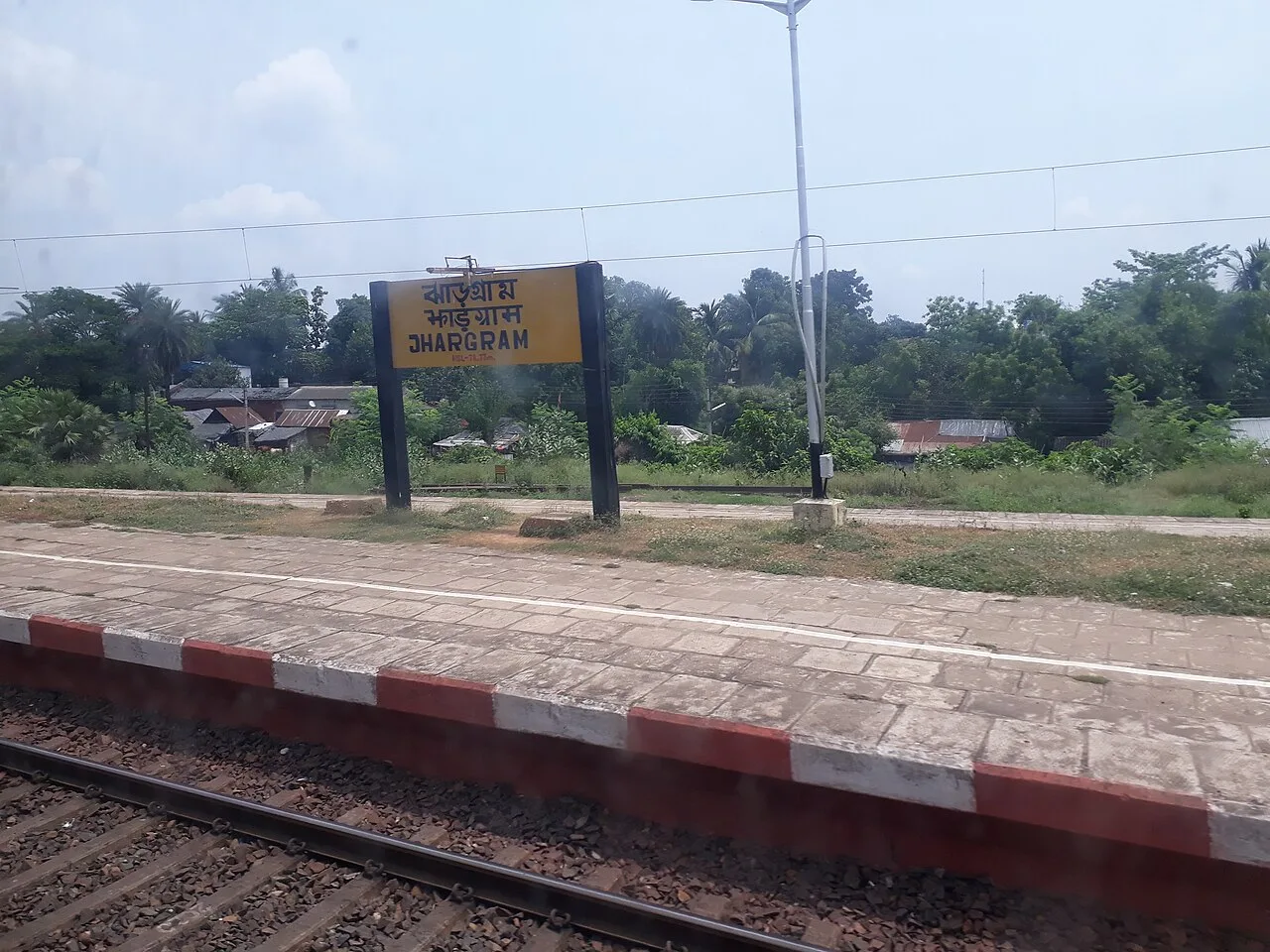
Jhargram is a municipal city in West Bengal and the administrative centre of its district; travellers come for its forests, ancient temples and royal palaces.

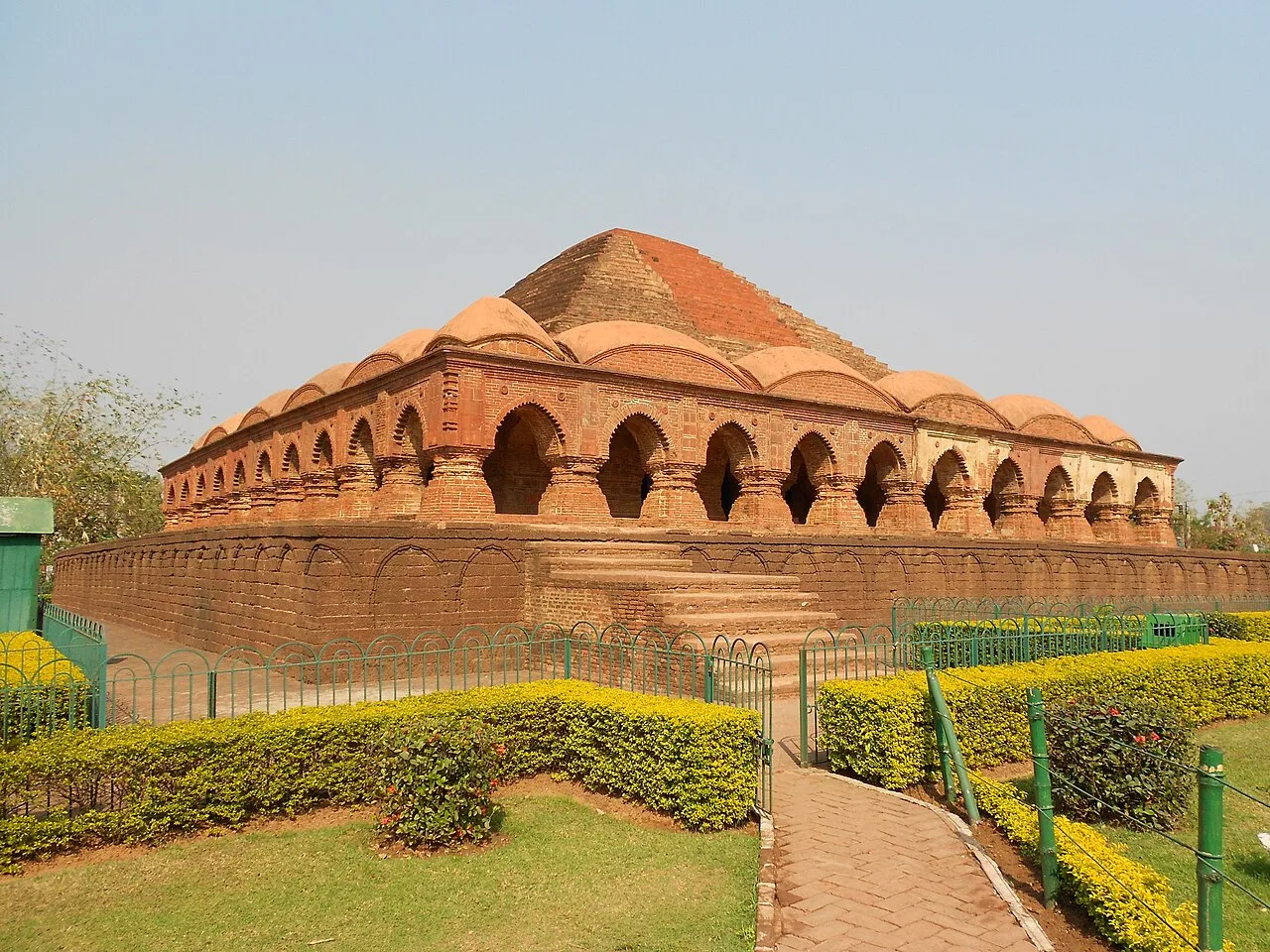
Bishnupur

112 km away · Bankura district

Bishnupur

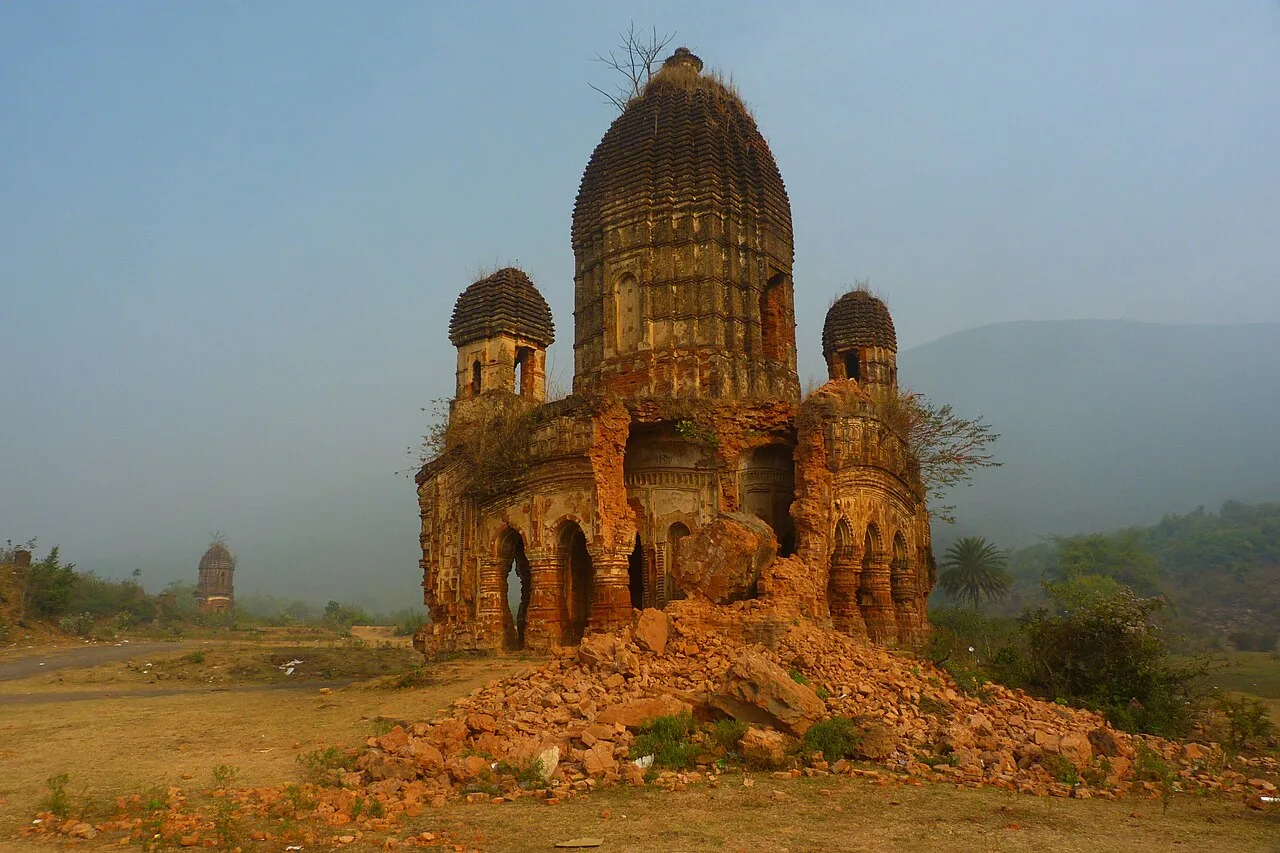
Bishnupur is a city and municipality in West Bengal’s Bankura district, known for temples built under the Malla rulers and for Baluchari sarees.

Map

Balarampur on the map

  1. 1Mukutmanipur Dam
  2. 2Joychandi Pahar
  3. 3Garh Panchkot
  4. 4Susunia Hill
  5. 5Bikna Dokra Village
  6. 6Panchmura
  7. 7Jhargram
  8. 8Bishnupur

West Bengal

Other cities to explore