Ghumoopedia — Explore, Discover, Experience
Sign in

City guide · West Bengal

Muri

Muri is in Jharkhand, not West Bengal, as its river boundary lies close to the state border. It is a railway town in Silli block of Ranchi district, set among the plateau landscapes of eastern Jharkhand.

Famous for

  • Hindalco alumina refinery
  • Muri railway junction
  • Subarnarekha River
  • Muri Tungri Park
Plan a tripHotels near Muri

Why Muri matters

Muri is in Jharkhand, not West Bengal, as its river boundary lies close to the state border. It is a railway town in Silli block of Ranchi district, set among the plateau landscapes of eastern Jharkhand. Its junction connects the town with regional centres, while Hindalco’s alumina refinery makes it a significant industrial location. These roles—as a transport hub and an industrial settlement—shape Muri more than conventional sightseeing does.

Visitors come for the town’s railway links, riverside setting and local parks, including Muri Tungri Park, Deer Park, Audio Visual Park and Ambedkar Park. The Subarnarekha and its tributary, the Orang Gadda, meet the landscape around Muri; the Subarnarekha also marks part of the boundary with Purulia district in West Bengal. Muri is a useful base for exploring the Silli area and nearby parts of the Ranchi plateau, though travellers seeking major monuments or a large established tourist circuit may find the town best suited to a short stop or regional visit.
Famous for: crafts, trade & products

Muri’s best-known product is industrial rather than artisanal: Hindalco operates an alumina refinery here, and the plant is a major part of the town’s identity and economy. Muri is not widely known as a centre for a particular textile, saree, handicraft or GI-tagged product. Visitors should therefore not expect a specialist craft quarter or a recognised local souvenir market.

The town’s shops and everyday markets serve residents and people travelling through the railway junction, with ordinary household goods, food and travel essentials. They are the practical places to browse for daily-use items, rather than destinations for a distinctive regional craft. For more varied shopping, travellers can look to larger centres in the Ranchi region. Local food and seasonal produce may be available through ordinary vendors, but availability varies and there is no single Muri product that defines the market. The refinery is an industrial facility, not a visitor shopping attraction; access should not be assumed. Muri’s strongest associations remain its railway connections, its industrial role and its setting near the Subarnarekha.

History

Muri’s growth is closely tied to transport and industry. Its position on important regional rail routes helped it develop as a junction town, bringing passengers, railway workers and trade to the settlement. The railway connection also linked the Silli area with larger centres in Jharkhand and neighbouring West Bengal. As the town expanded, it came to be described in two parts, Chota Muri and Bara Muri.

The region has a longer history shaped by plateau communities, local agrarian life and changing political administrations, but Muri is not chiefly known for a royal court or a major colonial-era monument. Its modern profile reflects the growth of industrial activity in the Ranchi region after independence. The establishment and operation of Hindalco’s alumina refinery strengthened Muri’s role as an industrial centre and employer. Today, the railway junction and refinery remain central to its economy and identity, alongside the residential neighbourhoods and public spaces that have grown around them.

Food, festivals & culture

Muri shares the food traditions of the Ranchi plateau and eastern Jharkhand. Rice is a staple, and visitors may find regional preparations such as dhuska, pittha and seasonal rice-based foods, though these are not unique to the town and availability differs between eateries. Simple meals, tea stalls and everyday snacks are practical options near the town centre and railway station. There is no single sweet that is especially associated with Muri.

Hindi is widely useful for visitors; Bengali and regional languages, including Nagpuri and tribal languages, are also heard in the area. Festivals commonly observed across the region include Sarhul in spring, Karma during the monsoon-to-autumn season, and Tusu around the winter harvest period. Durga Puja and Chhath are also important in many neighbourhoods. Community gatherings, seasonal songs and folk dance traditions form part of the wider plateau culture. Local temples and neighbourhood shrines are places of worship; visitors should dress respectfully and follow local customs. Muri’s culture is best encountered through everyday market life and festival gatherings rather than a formal performance circuit.

Visiting the city

October to February is generally the most comfortable season for exploring Muri, with milder weather than the hot pre-monsoon months. The nearest major airport is Birsa Munda Airport in Ranchi. Muri Railway Station is the town’s principal station and an important regional junction.

Auto-rickshaws and local vehicles are useful for getting between the station, town centre and nearby neighbourhoods; confirm local availability on arrival. Chota Muri and Bara Muri offer a sense of the town’s everyday layout. The riverside setting and public spaces, including Muri Tungri Park, Deer Park, Audio Visual Park and Ambedkar Park, can make for short local outings. The Subarnarekha’s banks and the nearby Orang Gadda are part of the surrounding landscape, but river conditions and access can vary, especially during the monsoon. Muri works well as a brief stop or as a base for nearby parts of the Silli region.

Trips from the city

Nearest places to visit from Muri

Our closest destination guides, by straight-line distance.

Joychandi Pahar

85 km away · Purulia district

Joychandi Pahar

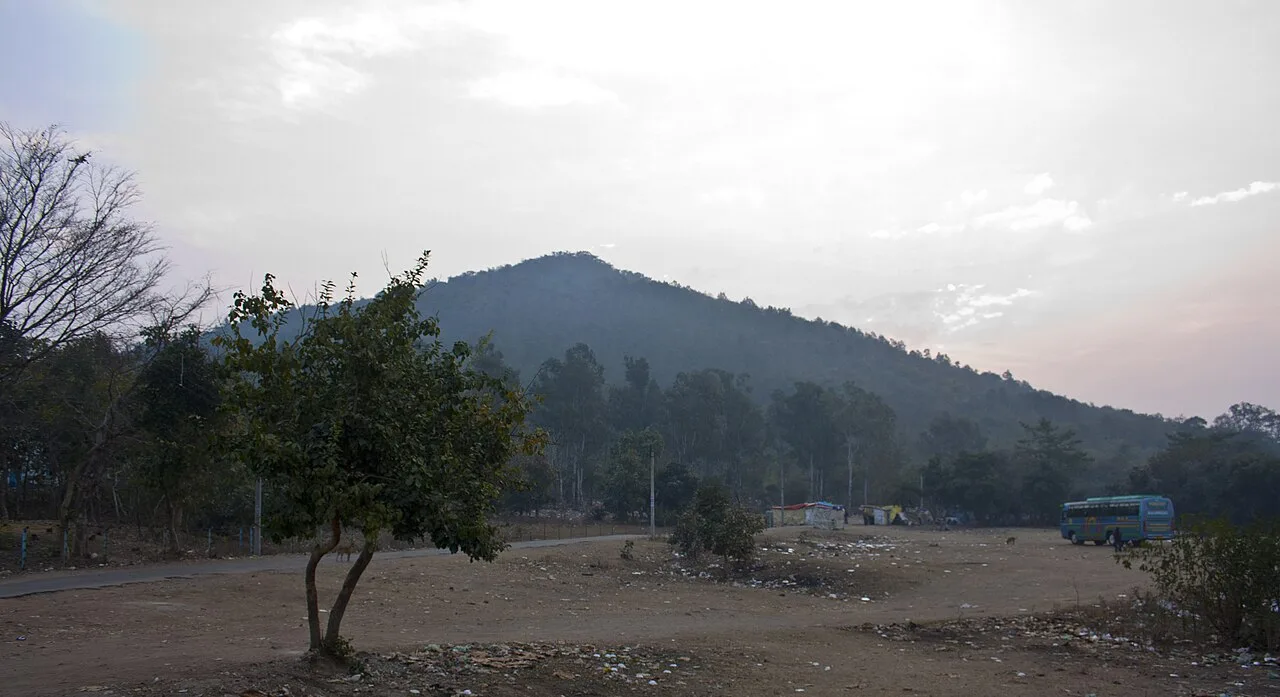
Joychandi Pahar is a hill in Purulia district, West Bengal. Visitors come for its rock-climbing opportunities and to see the area's varied plant life and recorded butterfly species.

Garh Panchkot

96 km away · Purulia district

Garh Panchkot

Garh Panchkot is the remains of a fort in Purulia district, West Bengal. Visitors come to view the ruins at the foot of Panchet Hill and learn the meaning of its name.

Mukutmanipur Dam

107 km away · Bankura district

Mukutmanipur Dam

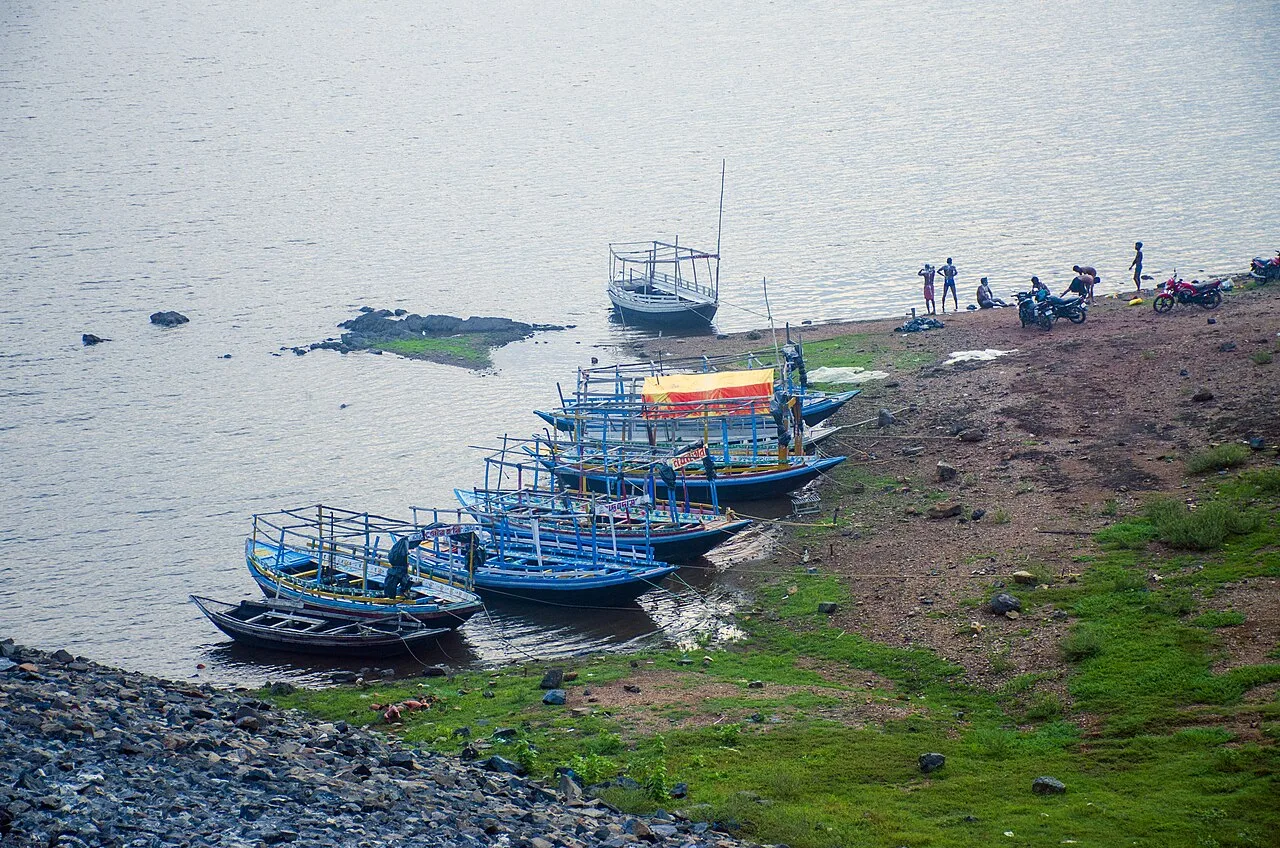
In Bankura, West Bengal, Mukutmanipur Dam is visited for its setting near the point where the Kangsabati and Kumari rivers meet, close to the Jharkhand border.

Susunia Hill

114 km away · Bankura district

Susunia Hill

Susunia Hill is a hill in Bankura district, West Bengal, within the Eastern Ghats. Visitors come to see its landscape and regional setting.

126 km away · Bankura district

Bikna Dokra Village

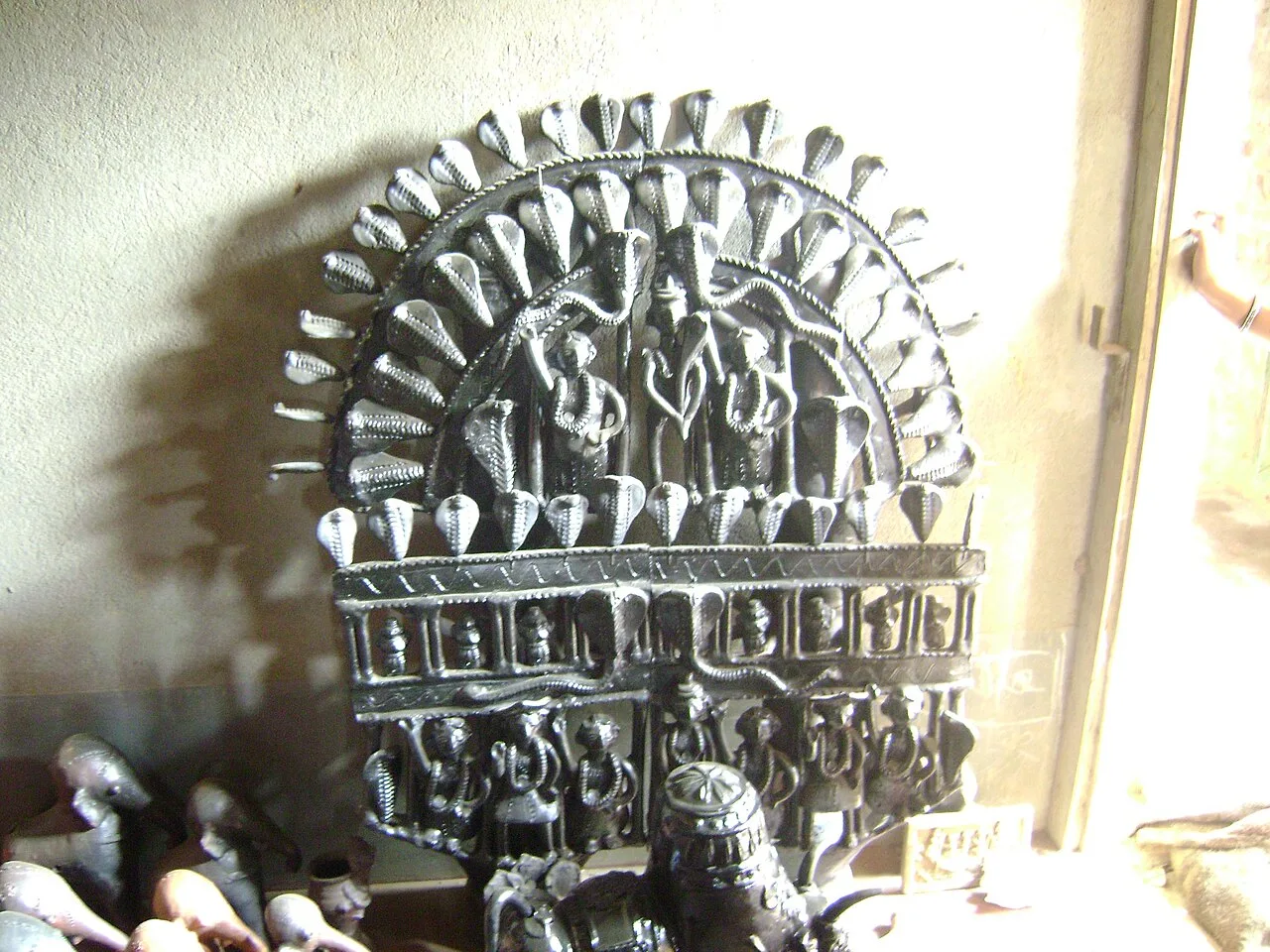
Bikna Dokra Village is a settlement in Bankura district, West Bengal. It may interest visitors seeking to understand the village’s place within the district’s administrative structure.

Panchmura

141 km away · Bankura district

Panchmura

Panchmura is a gram panchayat in Bankura district, West Bengal, known for its terracotta Bankura horse, a folk artefact regarded as India’s national symbol for handicrafts.

Bishnupur

152 km away · Bankura district

Bishnupur

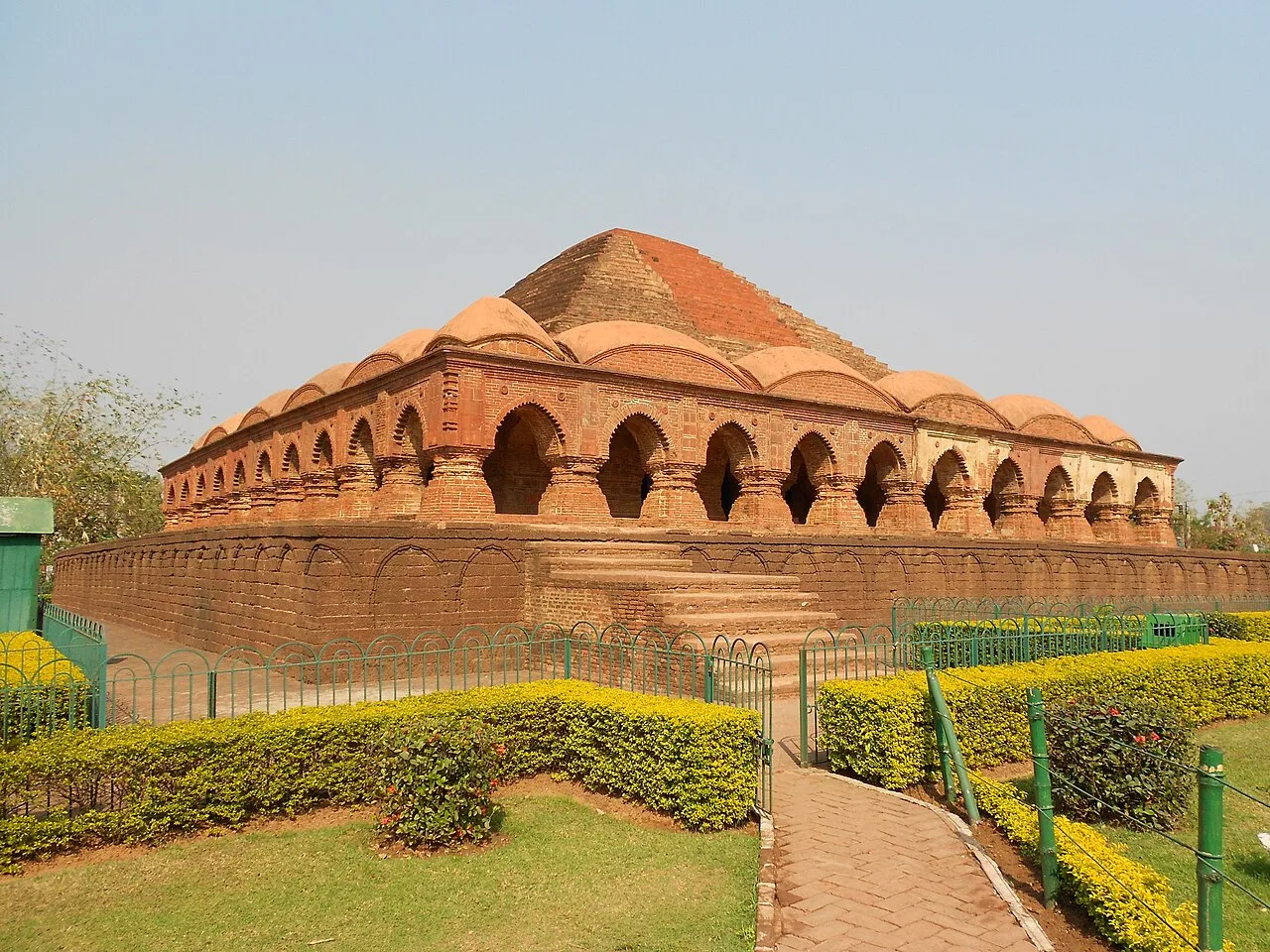
Bishnupur is a city and municipality in West Bengal’s Bankura district, known for temples built under the Malla rulers and for Baluchari sarees.

Jhargram

154 km away · Jhargram district

Jhargram

Jhargram is a municipal city in West Bengal and the administrative centre of its district; travellers come for its forests, ancient temples and royal palaces.

Map

Muri on the map

  1. 1Joychandi Pahar
  2. 2Garh Panchkot
  3. 3Mukutmanipur Dam
  4. 4Susunia Hill
  5. 5Bikna Dokra Village
  6. 6Panchmura
  7. 7Bishnupur
  8. 8Jhargram

West Bengal

Other cities to explore