Ghumoopedia — Explore, Discover, Experience
Sign in
Mayapur, near Krishnanagar

City guide · West Bengal

Krishnanagar

Krishnanagar is the administrative headquarters of Nadia district and an important centre for the towns and villages of the surrounding region. Its role as a district hub brings together government services, education, commerce and transport, while its royal history and distinctive craft traditions give it a strong visitor appeal.

Famous for

  • Ghurni clay dolls
  • Krishnanagar Rajbari
  • Sarbhaja and Sarpuria
  • Jagaddhatri Puja
  • Jalangi River

Why Krishnanagar matters

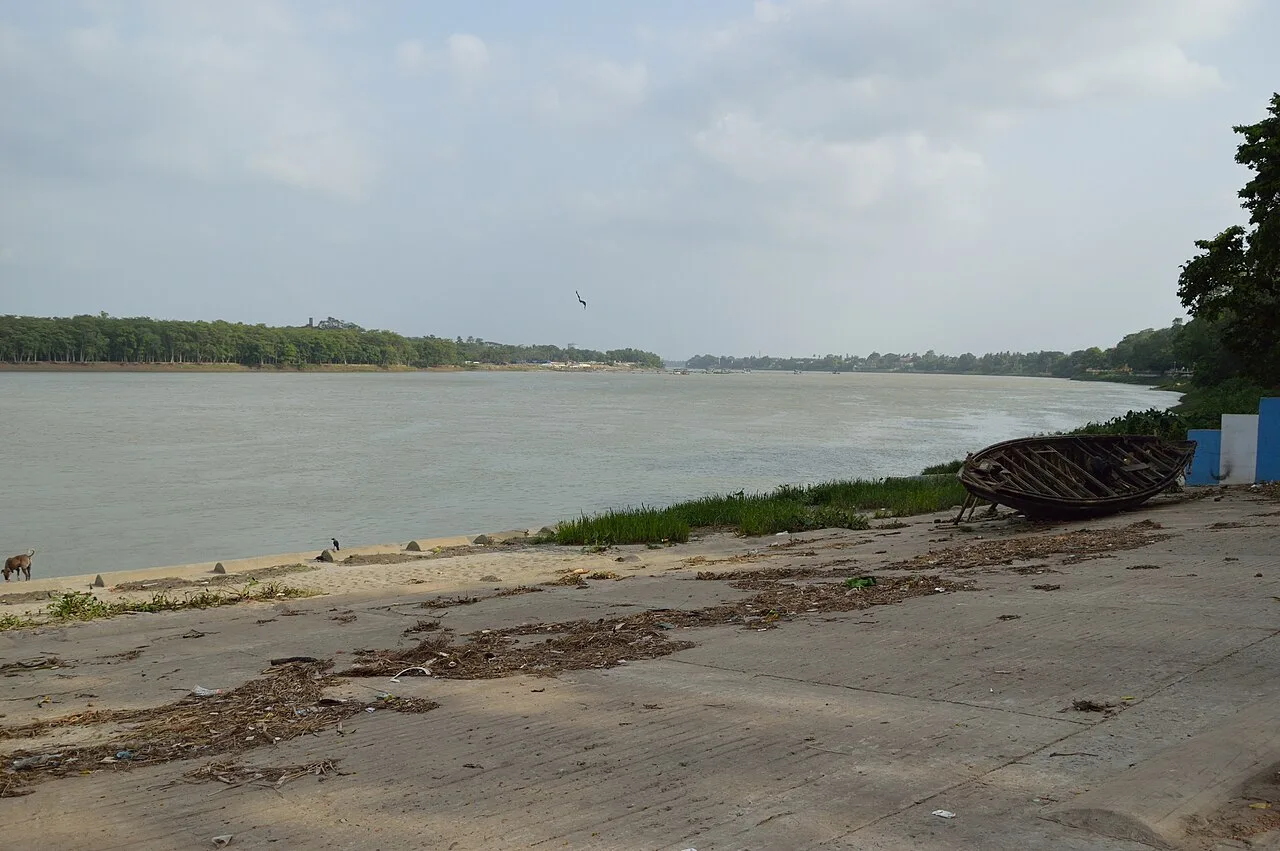
Krishnanagar is the administrative headquarters of Nadia district and an important centre for the towns and villages of the surrounding region. Its role as a district hub brings together government services, education, commerce and transport, while its royal history and distinctive craft traditions give it a strong visitor appeal. The city stands on the Jalangi River, and the nearby Tropic of Cancer is a notable geographic feature.

Visitors often make time for the remains of the Krishnanagar Rajbari, associated with the rulers of Nadia, and for Ghurni, where artisans create finely modelled clay figures. The city is also celebrated for its Bengali sweets, particularly sarbhaja and sarpuria. During major autumn festivals, decorated images and neighbourhood celebrations add to its appeal. Krishnanagar is not a large resort destination; its interest lies in the mix of living craft, regional history, food and everyday urban life. It also makes a useful base for exploring other parts of Nadia, including nearby historic and handloom centres.
Famous for: crafts, trade & products

Krishnanagar’s signature craft comes from Ghurni, a neighbourhood known for clay figures and lifelike models. Artisans shape and paint subjects ranging from people and animals to scenes of everyday life. The craft is now recognised by a Geographical Indication under the name Krishnanagar clay dolls. Visitors can see the work in Ghurni’s workshops and buy pieces directly from makers; it is worth asking about packing if carrying fragile items. The Rajbari and the city’s sweet-making tradition are other prominent parts of its cultural identity.

Krishnanagar is not chiefly known as a saree-weaving centre or a major industrial city. Santipur and Fulia, elsewhere in Nadia district, are better-known destinations for handloom textiles, so shoppers should treat them as separate excursions rather than local Krishnanagar products. In the city, central bazaars offer everyday goods and Bengali sweets, including sarbhaja and sarpuria from local sweet shops. Commerce and public services support the city’s role as the district headquarters, while Ghurni’s artisan workshops remain its most distinctive place to browse for a locally made souvenir.

History

The settlement was once known as Reui. Its rise is closely linked to Raja Krishnachandra Roy, who ruled Nadia from 1728 to 1782 and is associated with the city’s present name. Krishnanagar developed as a royal centre under his patronage, and the Rajbari recalls that period. The palace complex was once more imposing; today, parts of it are in poor condition, though surviving structures and decorative details still evoke its past.

The town continued to grow during British rule as an administrative and commercial centre. Its municipality was established in 1864, making it one of Bengal’s older municipal institutions. Over time, government offices, schools, markets and transport links strengthened its regional importance. In modern West Bengal, Krishnanagar serves as Nadia district’s headquarters. Its history remains visible not only in the Rajbari but also in its established craft community at Ghurni and in festivals that preserve local traditions.

Food, festivals & culture

Bengali is the principal language of daily life, and the city’s food reflects the wider tastes of south Bengal: rice, fish, vegetables and seasonal dishes. Krishnanagar is especially associated with sarbhaja and sarpuria, rich milk-based sweets sold at local sweet shops. Ghurni’s clay figures are another everyday expression of its artistic heritage, made by generations of skilled artisans.

Durga Puja brings autumn celebrations, while Jagaddhatri Puja, usually held later in the autumn season, is another important occasion in the city. Dol Purnima in spring is observed with devotional and seasonal festivities. Bengali devotional music and kirtan form part of the region’s religious life. Hindu temples and the city’s churches serve communities of different faiths; the Rajbari precinct is also closely connected with the history of local royal worship. Festival displays, neighbourhood gatherings and visits to places of worship offer a glimpse of the city’s living traditions.

Visiting the city

The most comfortable time to visit is generally October to February, when the weather is cooler. Summers, especially April to June, can be hot, and the monsoon brings rain and humidity. The nearest major airport is Netaji Subhas Chandra Bose International Airport in Kolkata. The main railway station is Krishnanagar City Junction, with rail connections to Kolkata and other towns in the region.

Auto-rickshaws and battery-powered e-rickshaws are useful for getting around town. Explore Ghurni for its clay-art workshops, the Rajbari precinct for a sense of the city’s history, and the central market area for sweets and daily commerce. The Jalangi riverbank offers a change of scene where access is convenient. Allow time for unhurried browsing in Ghurni, since workshops are also working studios and visits can depend on artisans’ schedules.

Trips from the city

Nearest places to visit from Krishnanagar

Our closest destination guides, by straight-line distance.

Mayapur

11 km away · Nadia district

Mayapur

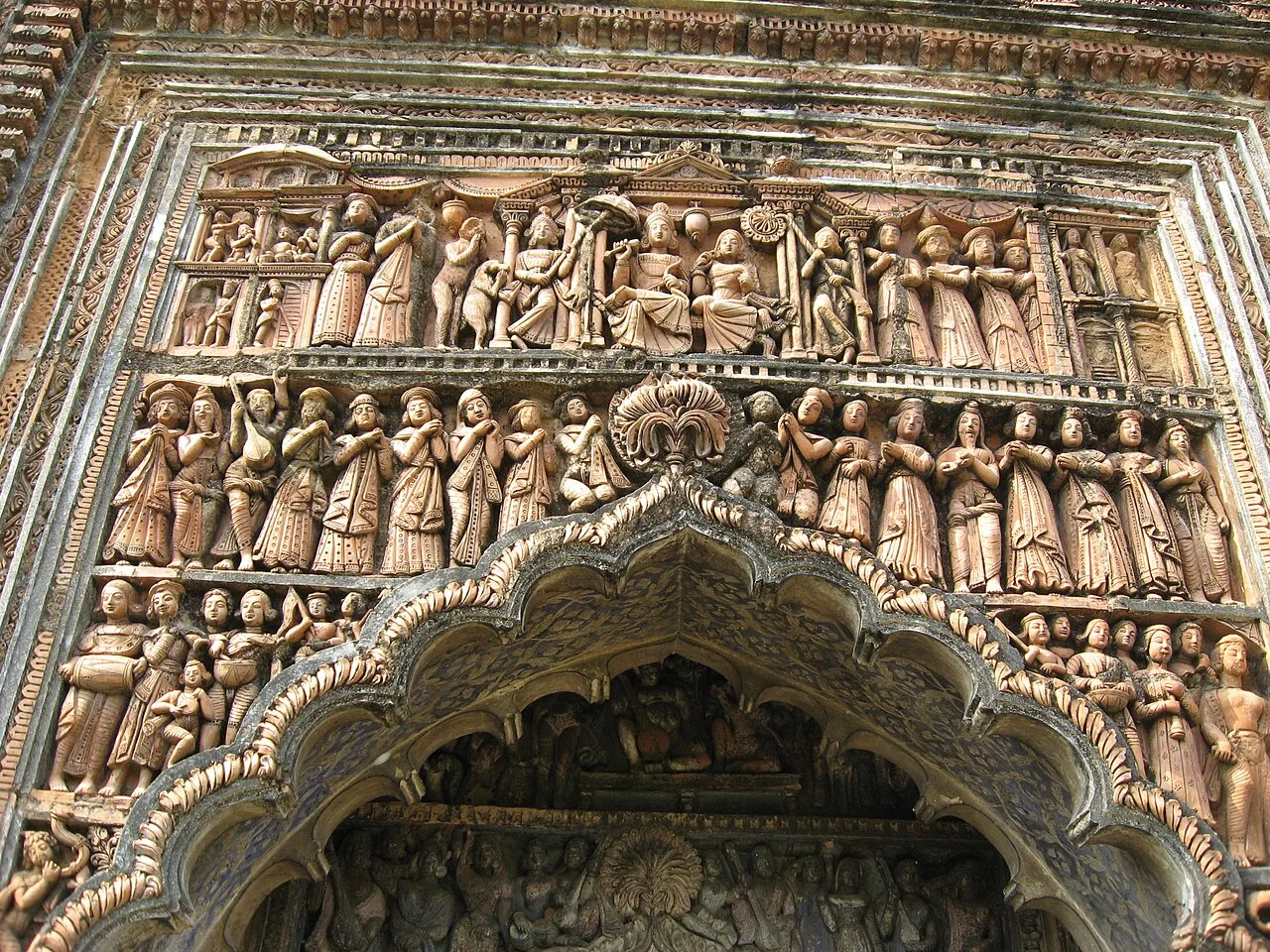
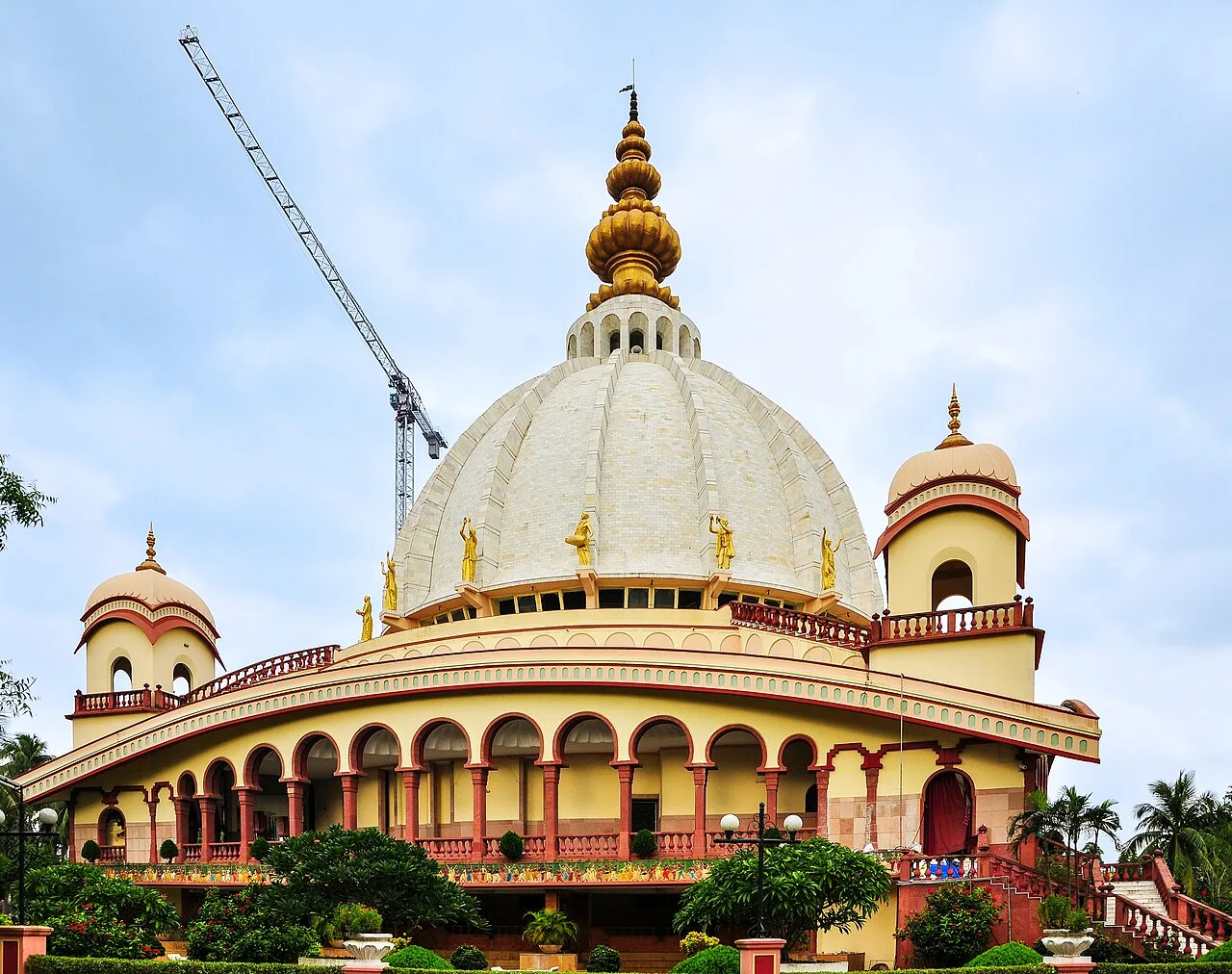
Mayapur is a pilgrimage settlement in Nadia district, West Bengal, within Nabadwip CD block and Krishnanagar Sadar subdivision. Visitors come for its religious importance to Gaudiya Vaishnavas.

Nabadwip

12 km away · Nadia district

Nabadwip

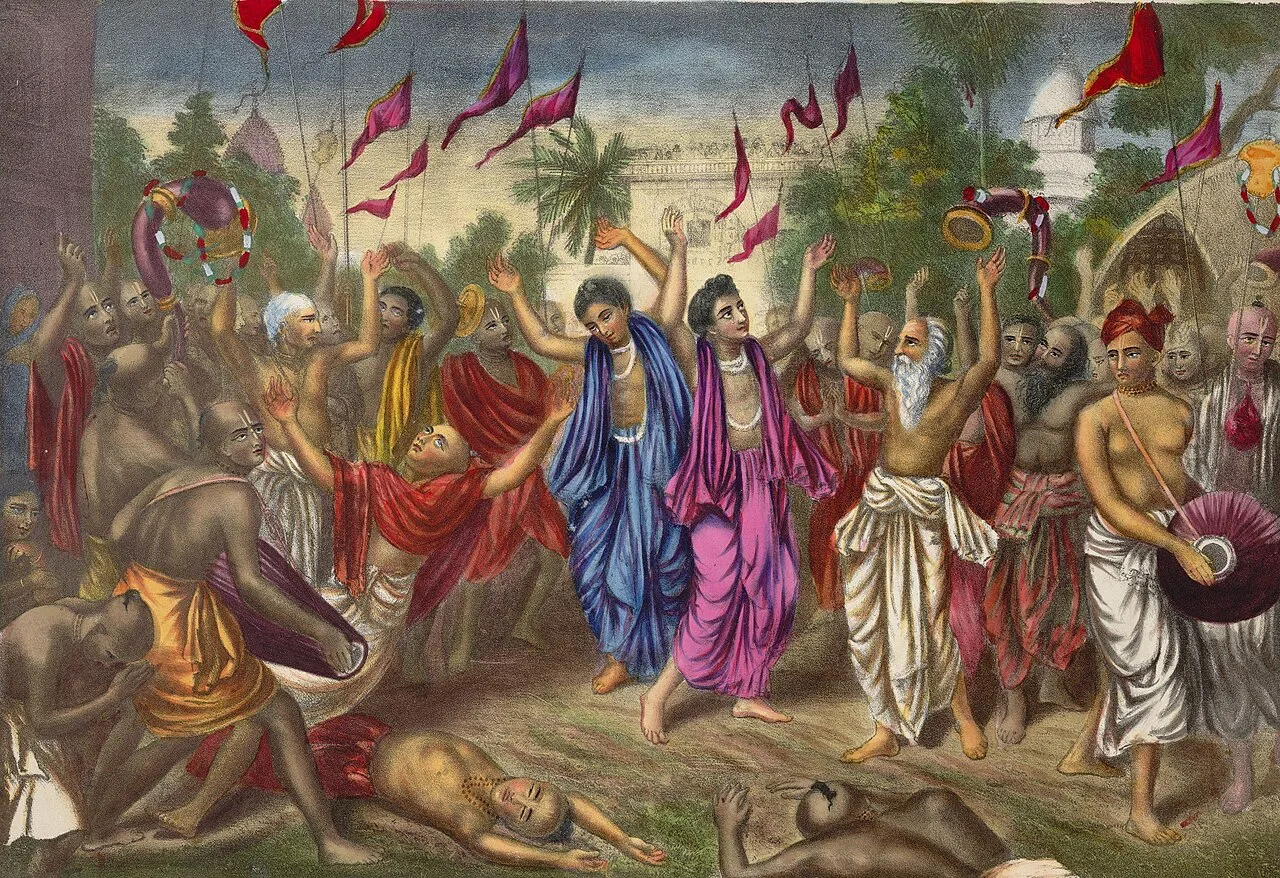
Nabadwip is a historic city in West Bengal, revered as the birthplace of Chaitanya Mahaprabhu. Visitors come for its Vaishnava heritage, religious celebrations and long tradition of Sanskrit learning.

Phulia

19 km away · Nadia district

Phulia

Phulia, known by the alternate spelling Fulia, is a settlement in Nadia district, West Bengal, within Santipur CD block in Ranaghat subdivision. Visitors are drawn by its association with Krittibas Ojha, who was born there.

Kalna

25 km away · Purba Bardhaman district

Kalna

Ambika Kalna is a town in West Bengal’s Purba Bardhaman district, visited for its historic Rajbari and its group of 108 Shiva temples.

Hangseshwari Temple

50 km away · Hooghly district

Hangseshwari Temple

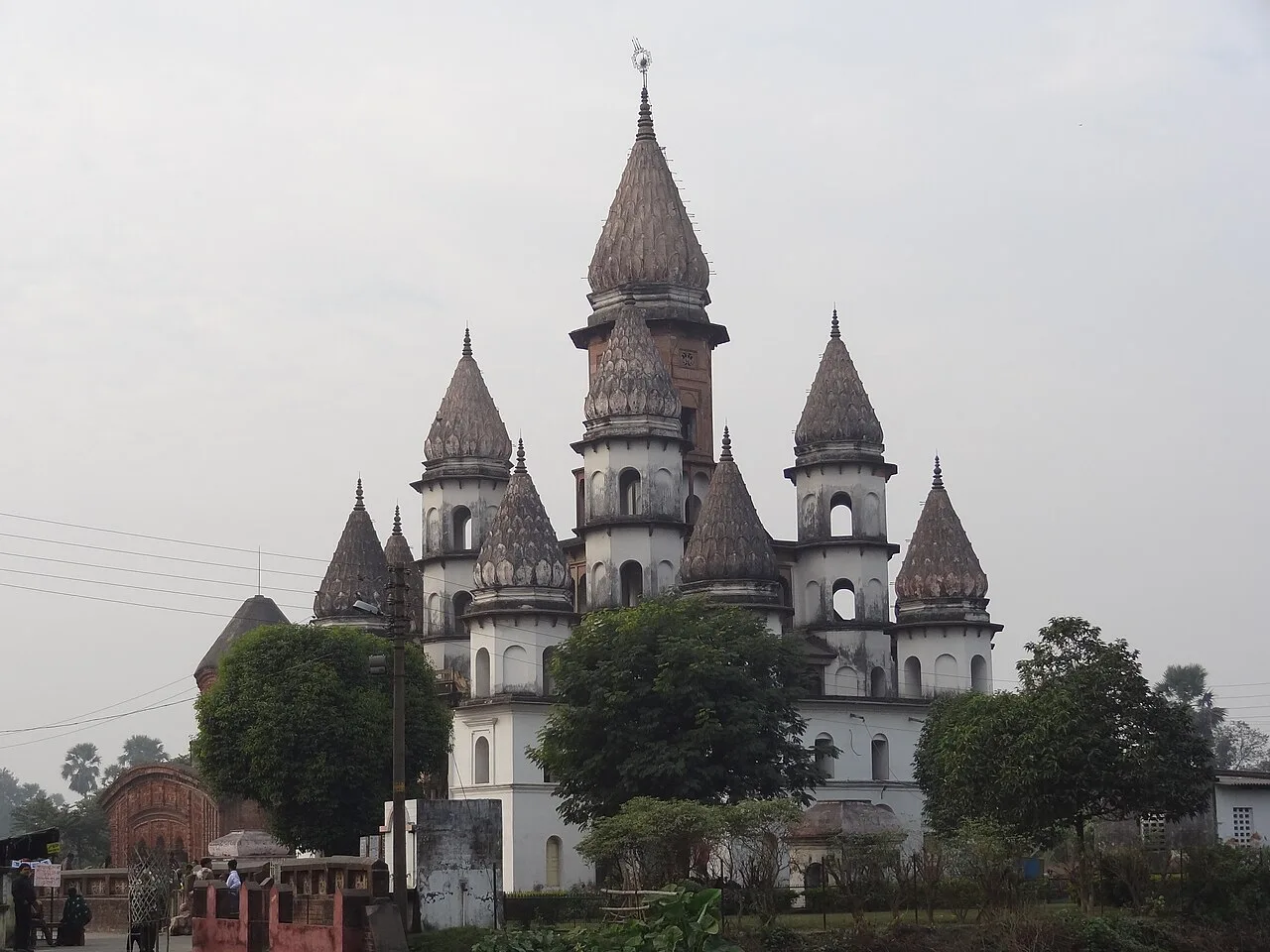
Hangseshwari Temple is a Hindu shrine in Bansberia, Hooghly district, noted for its distinctive thirteen-towered ratna design and its worship of Hangseswari, a form of the goddess Kali.

Bandel Church

55 km away · Hooghly district

Bandel Church

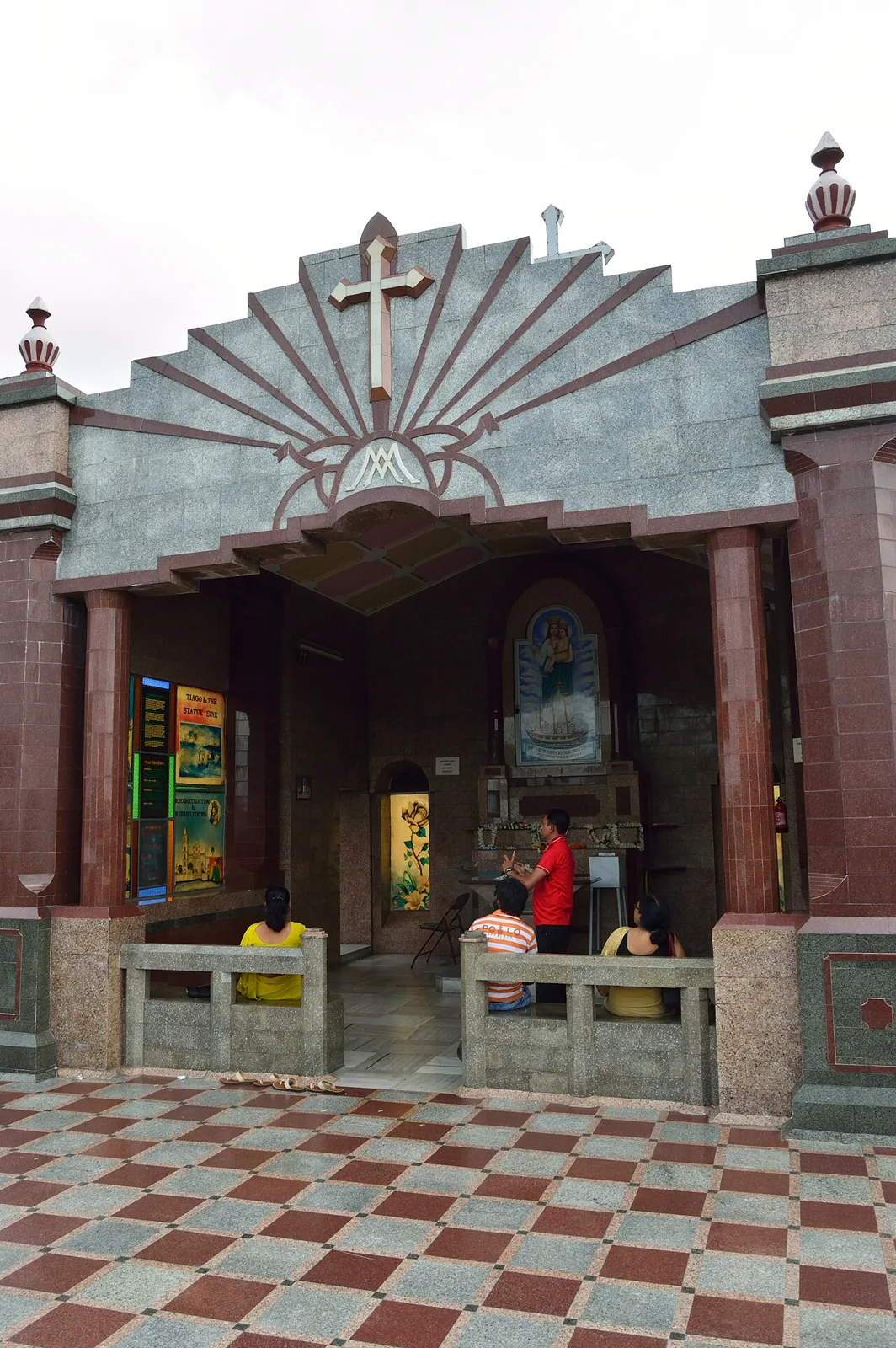
Located in Bandel, Hooghly district, the Basilica of the Holy Rosary is a historic Roman Catholic church associated with Bengal’s Portuguese settlement; visitors come for its religious and historical significance.

Chandannagar

61 km away · Hooghly district

Chandannagar

Chandannagar is a city in West Bengal’s Hooghly district, with a history as a French settlement. Visitors can see Indo-French influences in its colonial-era bungalows, many of which are now in poor condition.

64 km away · Hooghly district

Dhaniakhali

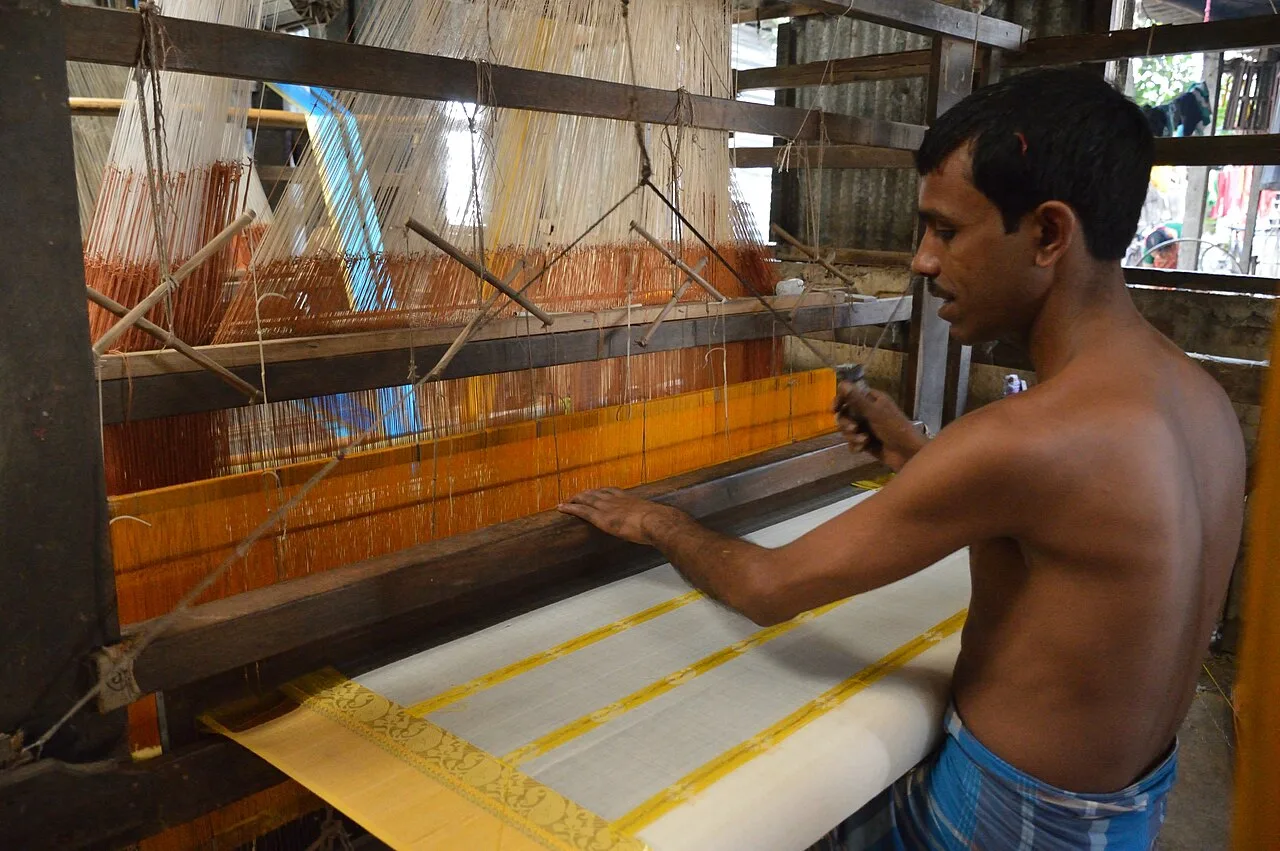
Dhaniakhali is a village in Hooghly district, West Bengal, known for its association with the popular Dhaniakhali sari. That connection may interest visitors exploring the place.

Map

Krishnanagar on the map

  1. 1Mayapur
  2. 2Nabadwip
  3. 3Phulia
  4. 4Kalna
  5. 5Hangseshwari Temple
  6. 6Bandel Church
  7. 7Chandannagar
  8. 8Dhaniakhali

West Bengal

Other cities to explore