Ghumoopedia — Explore, Discover, Experience
Sign in

City guide · West Bengal

Jhalda

Jhalda is a small town in western Purulia district, close to the Jharkhand border. As headquarters of Jhalda subdivision, it serves as an administrative and trading centre for surrounding rural communities.

Famous for

  • Historic shellac trade
  • Ajodhya Hills access
  • Purulia Chhau region
  • Murguma Dam
  • Jhalda subdivision headquarters

Why Jhalda matters

Jhalda is a small town in western Purulia district, close to the Jharkhand border. As headquarters of Jhalda subdivision, it serves as an administrative and trading centre for surrounding rural communities. Its position on the Gomoh–Muri railway line and its bus links toward Purulia and Ranchi also make it a useful base for exploring this part of the Chota Nagpur Plateau.

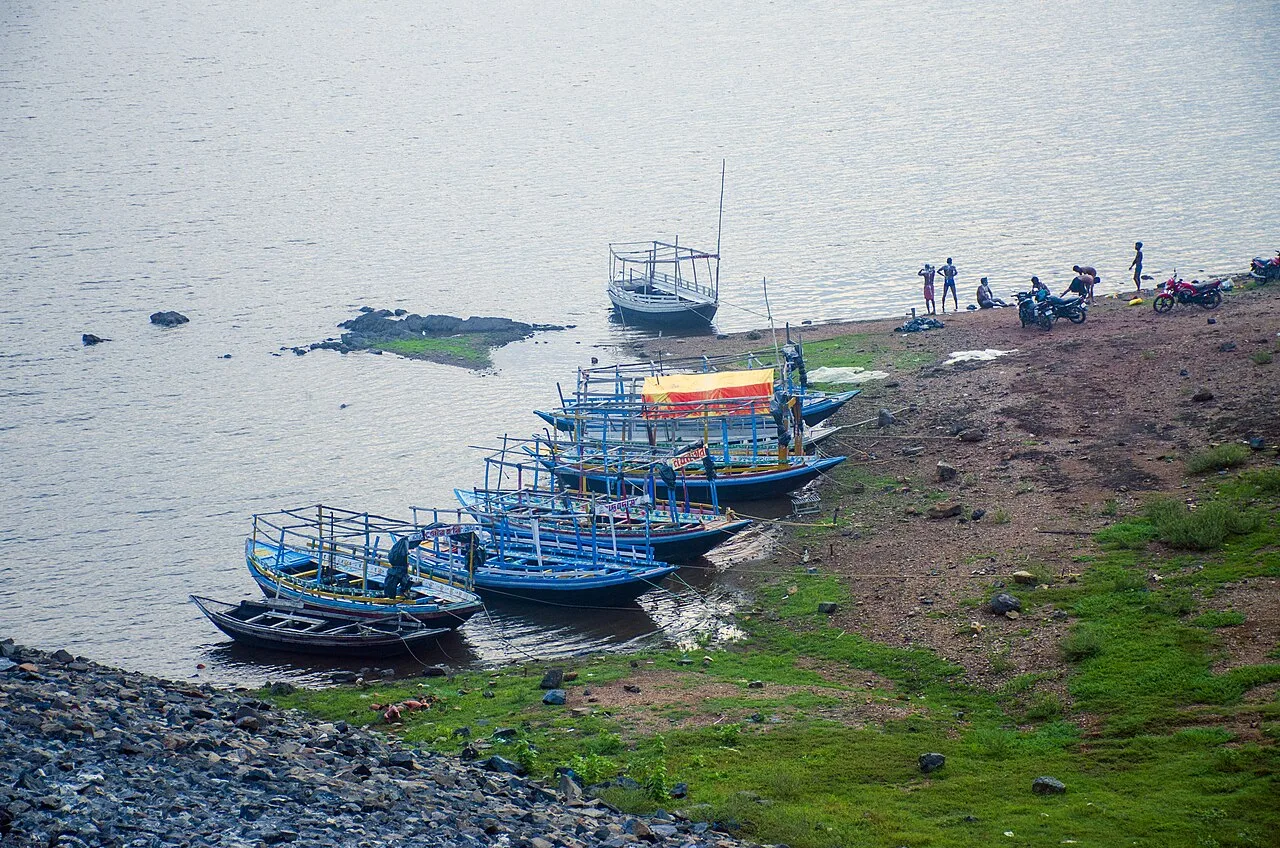
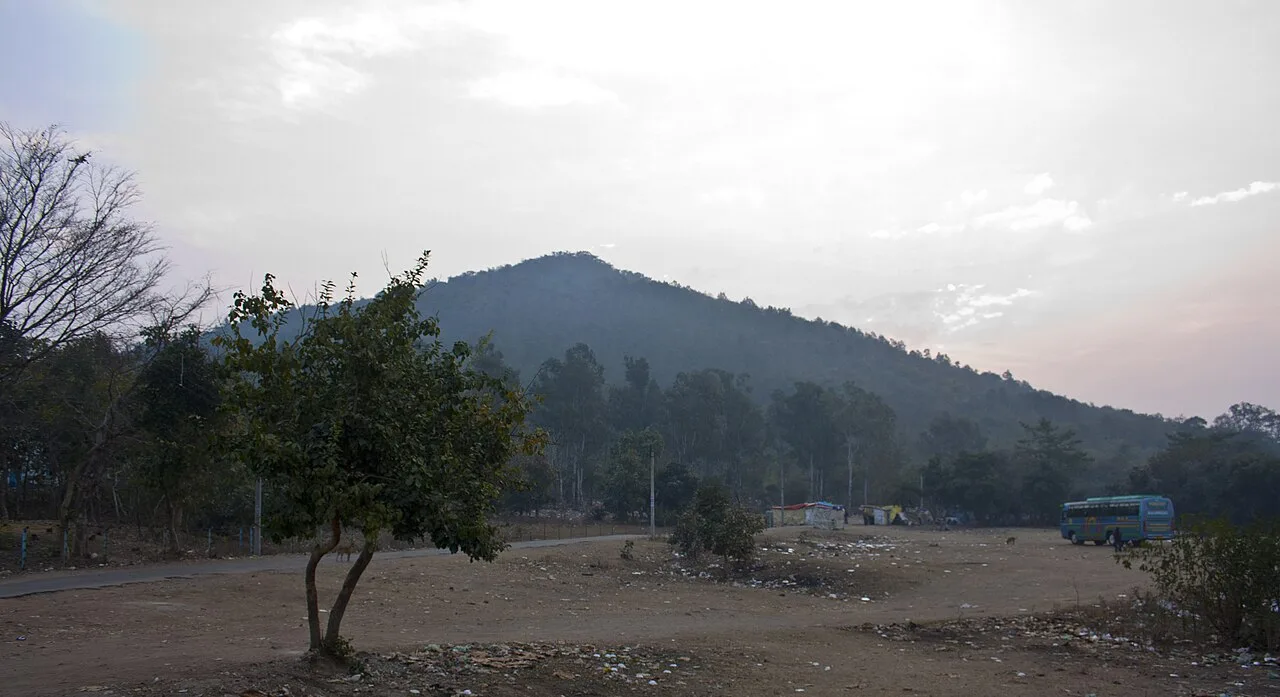
Visitors come for the landscape as much as the town itself: low, scattered hills, reservoirs such as Murguma Dam, and routes toward the Ajodhya Hills. Nearby villages and the wider Purulia region are associated with Chhau dance and its distinctive masked performances. Jhalda also has a notable industrial past: shellac products made here once reached overseas markets, although the factories have since closed. Today, its importance lies in its regional services, transport connections and access to the hills, villages and cultural traditions of western Purulia.
Famous for: crafts, trade & products

Jhalda is best known in trade history for shellac, a resin-based material that was made into different shapes and products and exported to England, Germany and the United States. The town’s shellac factories have closed, so this is chiefly a legacy rather than a large active industry. Bidi-making and cutlery were also local trades, but both have declined. Everyday shopping is centred on the town’s local shops and commercial areas; visitors should not expect a major textile or saree market.

For a more visible craft tradition, look beyond Jhalda to Charida, where artisans make the elaborate masks used in Purulia Chhau performances. The village is part of the wider regional circuit rather than a Jhalda craft quarter. Local shops are useful for daily needs and provisions for trips, while travel toward Charida offers a chance to see the mask-making tradition. Jhalda’s present-day identity is thus tied more to its service role and historic shellac trade than to a large-scale craft industry.

History

Jhalda grew as a local centre in Purulia’s western uplands, where scattered settlements, hills and connections across today’s Jharkhand border shaped trade and travel. The wider subdivision preserves remnants of old temples and images of deities, evidence of a long-standing religious landscape, though no single royal dynasty defines the town’s history.

In the colonial era and later, shellac processing became an important part of Jhalda’s economy. Products made in the town were exported abroad, giving it a place in international trade. The closure of the factories brought a sharp setback, and other trades, including bidi-making and cutlery, also diminished. Rail and road links helped sustain Jhalda as a service centre for nearby villages and as a connection between Purulia and Ranchi. Its modern role is chiefly administrative and commercial: the town is the headquarters of Jhalda subdivision and a gateway to nearby hills and reservoirs.

Food, festivals & culture

Bengali is widely used in the town and region; Hindi and local languages such as Kurmali and Santali are also heard. Everyday meals commonly draw on the broader western Bengal and plateau food traditions, with rice, lentils and seasonal vegetables. During winter and harvest-season gatherings, visitors may encounter pitha and other home-prepared snacks, though menus vary between households and eateries.

Durga Puja in autumn and Kali Puja later in the year are important occasions, alongside Saraswati Puja and seasonal village observances. Tusu, associated with the winter harvest period and Makar Sankranti, is celebrated in parts of the wider Purulia region. Chhau, known for energetic movement, music and striking masks, is a major regional performance tradition; nearby Charida is especially associated with making its masks. Local temples and shrines serve surrounding communities, while the wider subdivision has remnants of older temples and religious images. Performances and festivities are often tied to local calendars rather than fixed visitor schedules.

Visiting the city

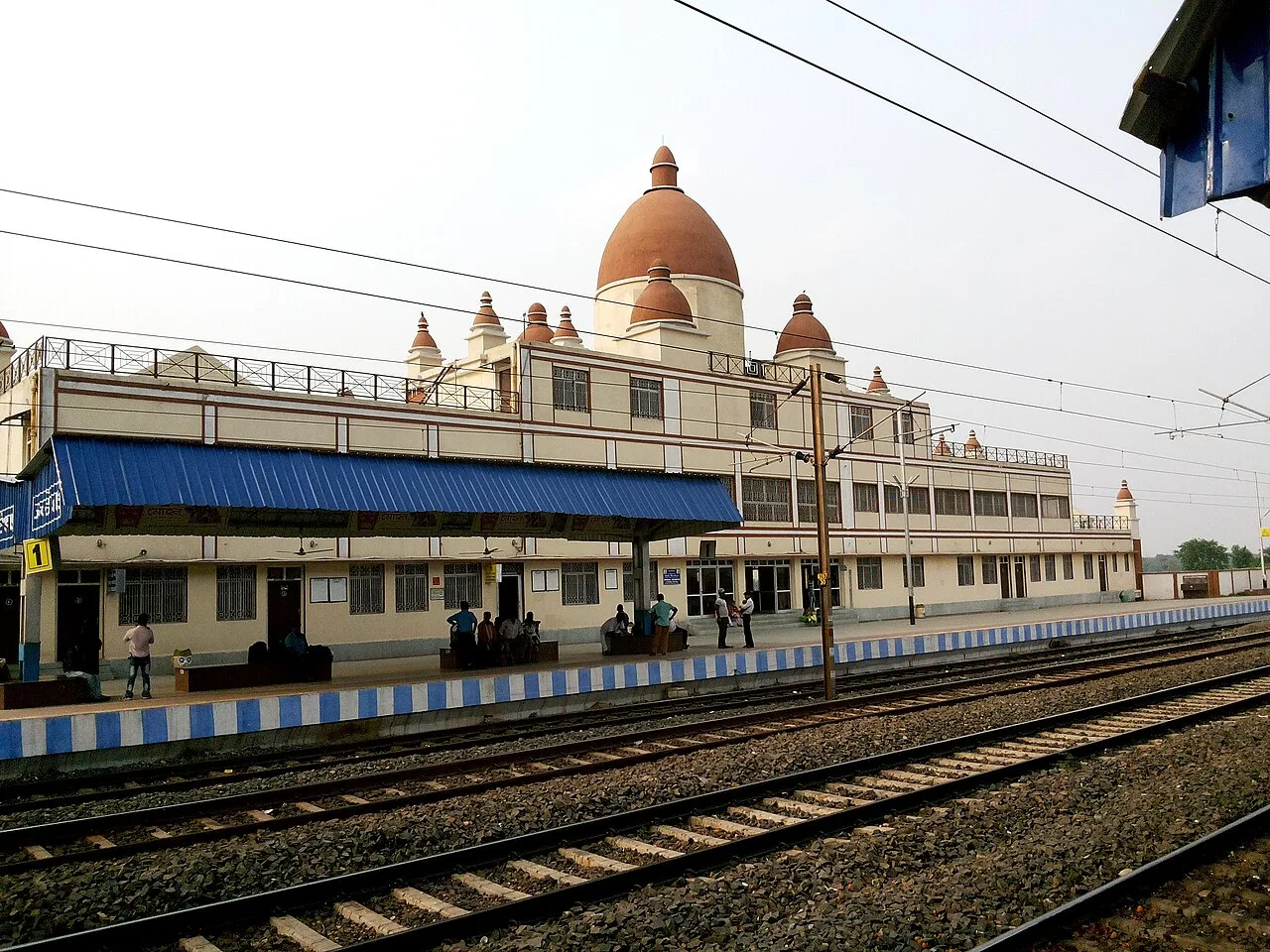
The cooler, drier months from October to March are generally the most comfortable for exploring the town and nearby hills. Jhalda railway station, on the Gomoh–Muri line, is the main station for the area. Birsa Munda Airport in Ranchi is the nearest major airport with regular commercial connections; onward travel is by road or rail.

Buses connect Jhalda with Purulia and Ranchi, while auto-rickshaws, locally known as totos, and rickshaws are useful for getting around town. Explore the town centre and railway-station area for local services, then set aside time for nearby hillocks and reservoirs such as Murguma and Dimu. The Ajodhya Hills, around 35 kilometres away, make a rewarding longer outing; Charida is another regional stop for Chhau mask-making.

Trips from the city

Nearest places to visit from Jhalda

Our closest destination guides, by straight-line distance.

Joychandi Pahar

74 km away · Purulia district

Joychandi Pahar

Joychandi Pahar is a hill in Purulia district, West Bengal. Visitors come for its rock-climbing opportunities and to see the area's varied plant life and recorded butterfly species.

Garh Panchkot

85 km away · Purulia district

Garh Panchkot

Garh Panchkot is the remains of a fort in Purulia district, West Bengal. Visitors come to view the ruins at the foot of Panchet Hill and learn the meaning of its name.

Mukutmanipur Dam

96 km away · Bankura district

Mukutmanipur Dam

In Bankura, West Bengal, Mukutmanipur Dam is visited for its setting near the point where the Kangsabati and Kumari rivers meet, close to the Jharkhand border.

Susunia Hill

103 km away · Bankura district

Susunia Hill

Susunia Hill is a hill in Bankura district, West Bengal, within the Eastern Ghats. Visitors come to see its landscape and regional setting.

115 km away · Bankura district

Bikna Dokra Village

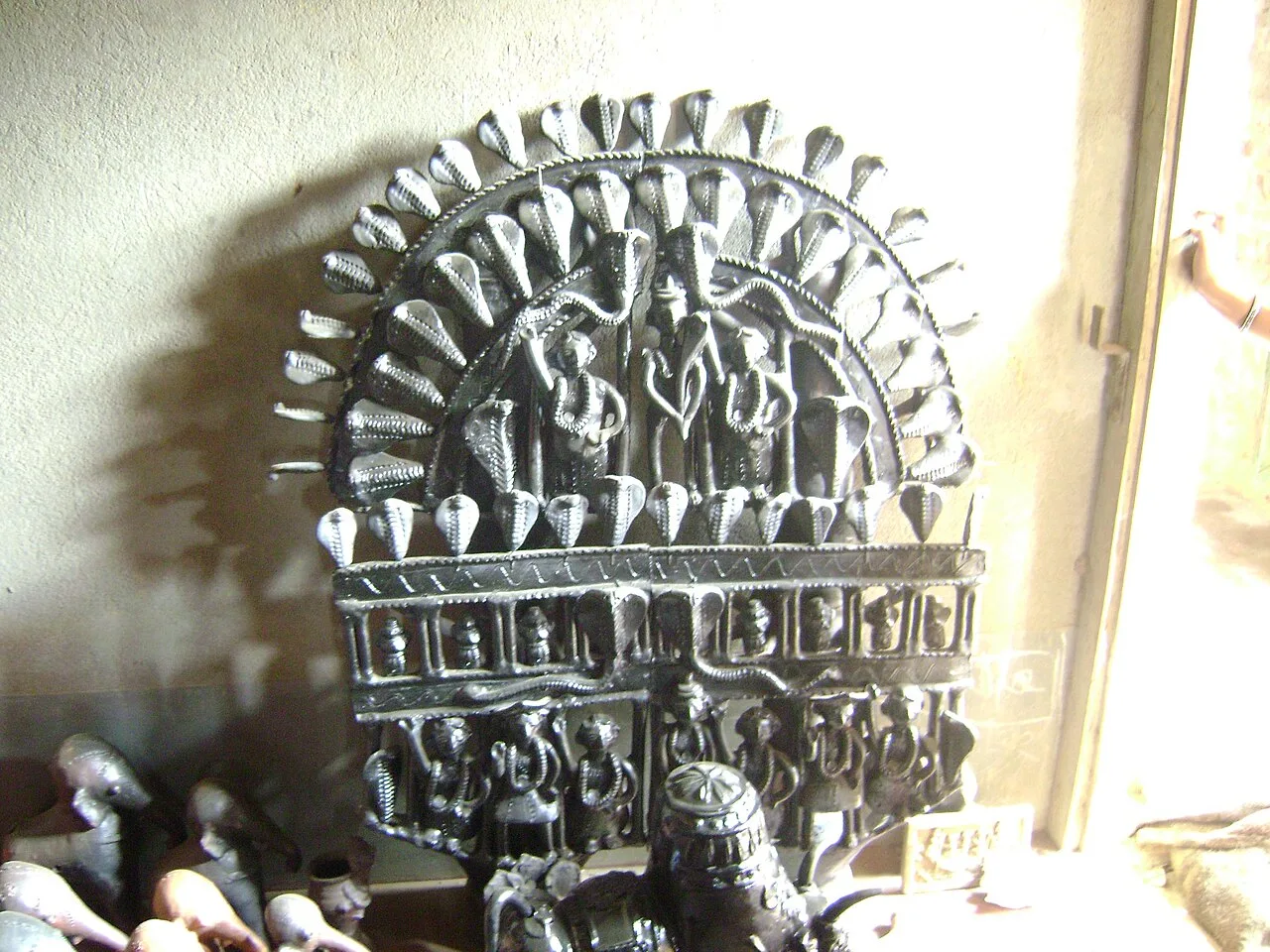
Bikna Dokra Village is a settlement in Bankura district, West Bengal. It may interest visitors seeking to understand the village’s place within the district’s administrative structure.

Panchmura

130 km away · Bankura district

Panchmura

Panchmura is a gram panchayat in Bankura district, West Bengal, known for its terracotta Bankura horse, a folk artefact regarded as India’s national symbol for handicrafts.

Bishnupur

141 km away · Bankura district

Bishnupur

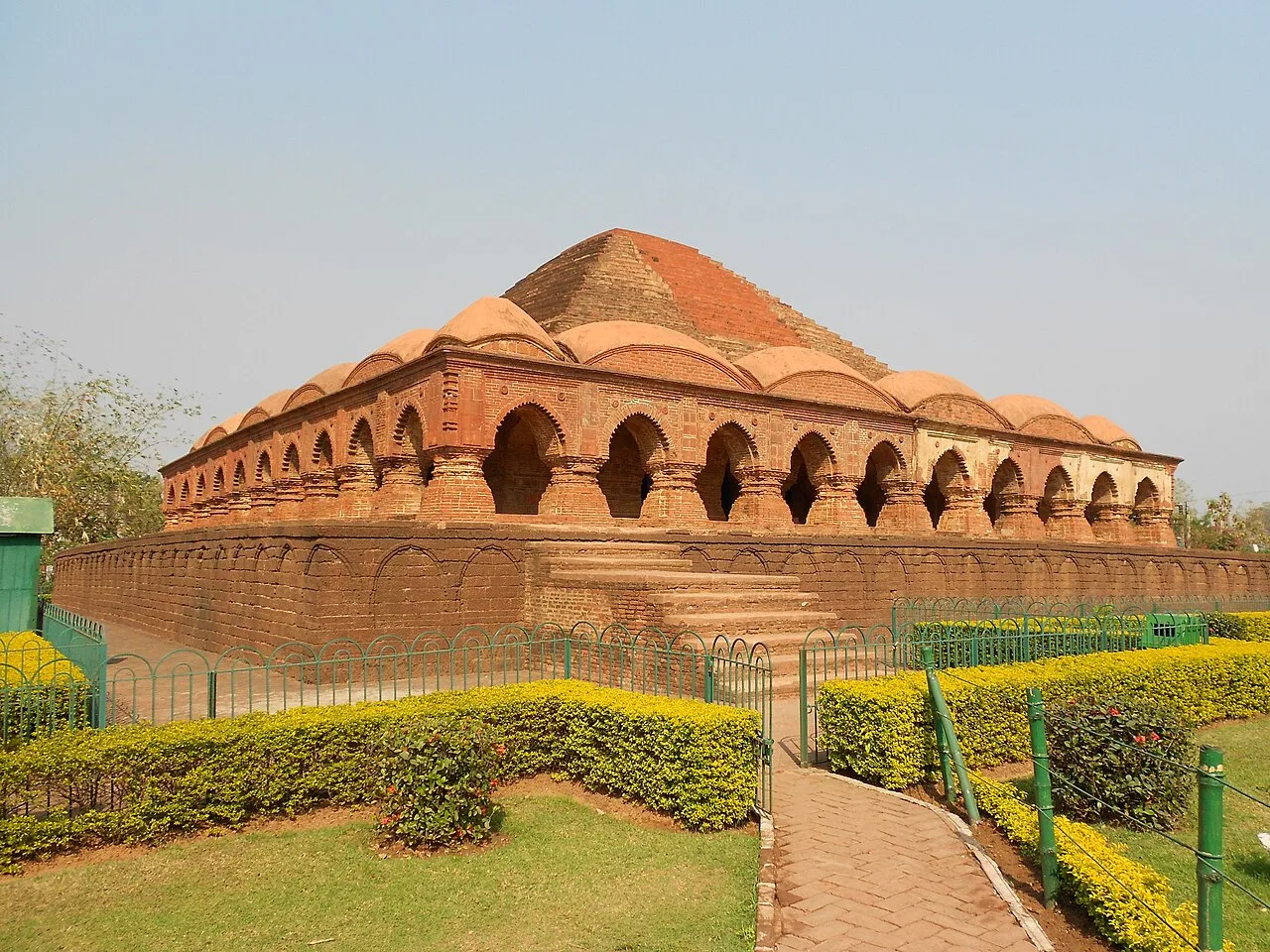
Bishnupur is a city and municipality in West Bengal’s Bankura district, known for temples built under the Malla rulers and for Baluchari sarees.

Jhargram

145 km away · Jhargram district

Jhargram

Jhargram is a municipal city in West Bengal and the administrative centre of its district; travellers come for its forests, ancient temples and royal palaces.

Map

Jhalda on the map

  1. 1Joychandi Pahar
  2. 2Garh Panchkot
  3. 3Mukutmanipur Dam
  4. 4Susunia Hill
  5. 5Bikna Dokra Village
  6. 6Panchmura
  7. 7Bishnupur
  8. 8Jhargram

West Bengal

Other cities to explore