Ghumoopedia — Explore, Discover, Experience
Sign in
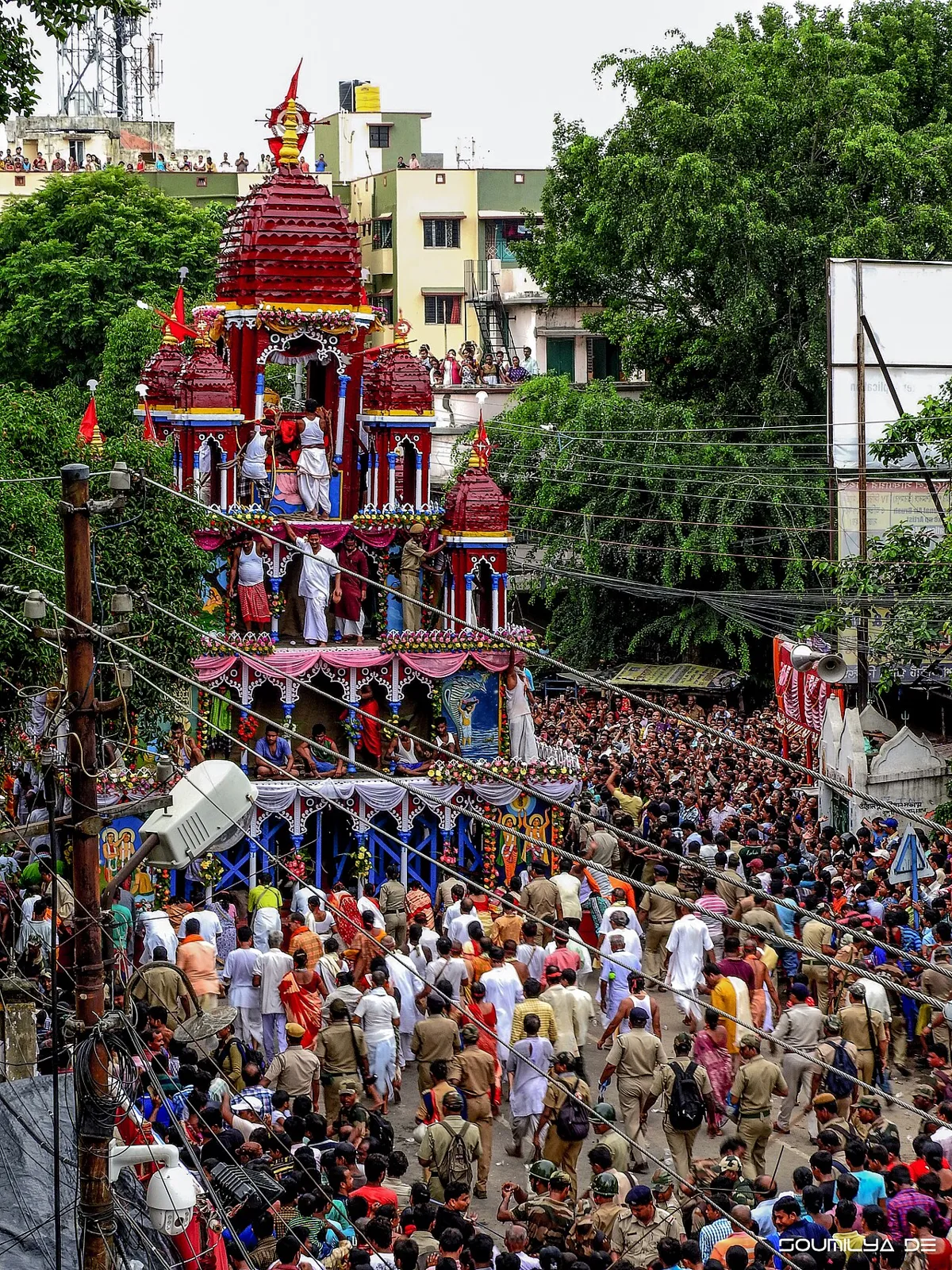
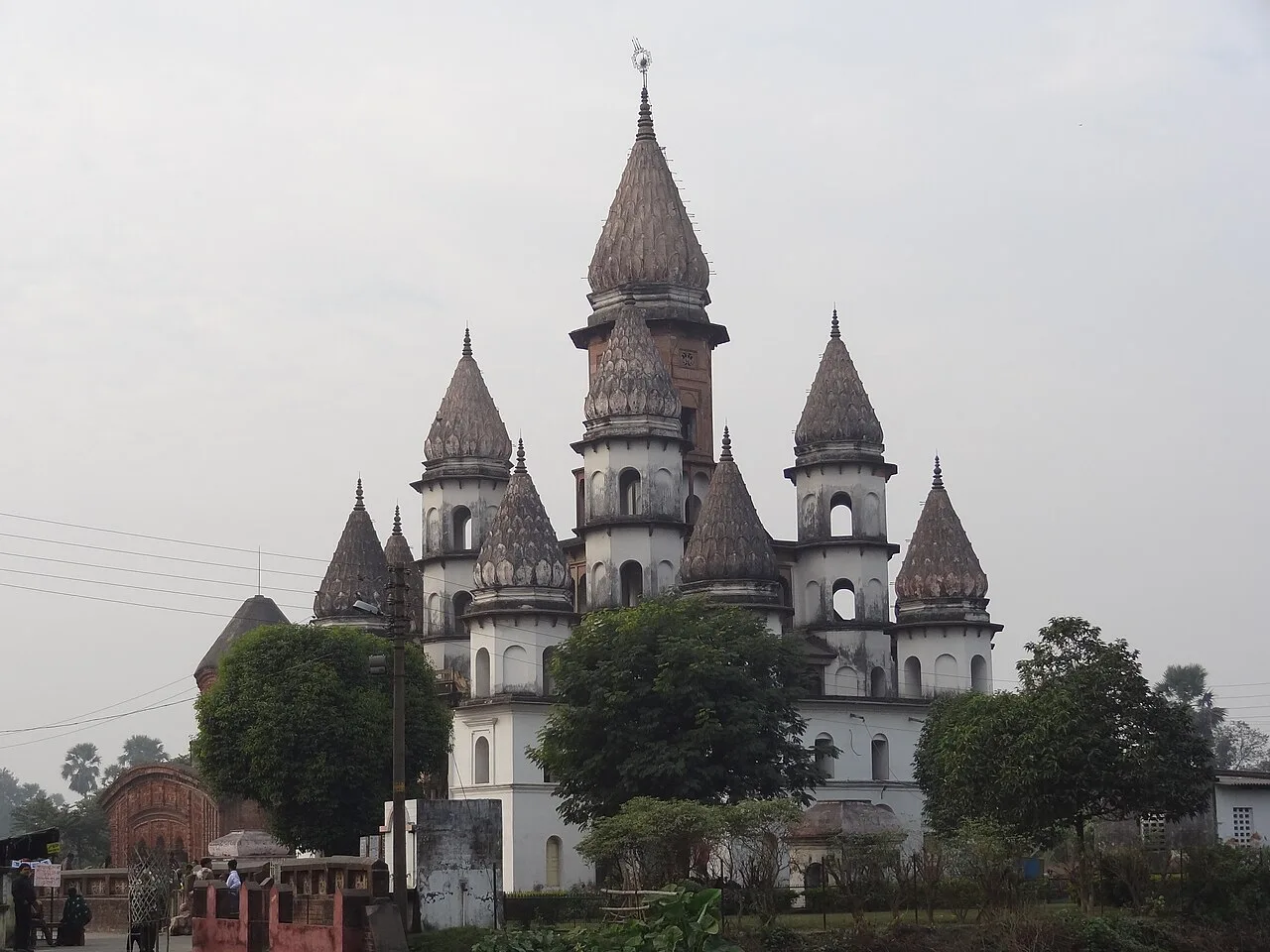
Hangseshwari Temple, near Keshabpur

City guide · West Bengal

Keshabpur

Keshabpur is a town in Domjur CD Block, within Howrah district’s Howrah Sadar subdivision. Its significance is primarily local: it is part of the settled communities that connect Domjur’s hinterland with the larger Howrah–Kolkata urban region.

Famous for

  • Domjur-area setting
  • Howrah district community
  • Bengal neighbourhood life

Why Keshabpur matters

Keshabpur is a town in Domjur CD Block, within Howrah district’s Howrah Sadar subdivision. Its significance is primarily local: it is part of the settled communities that connect Domjur’s hinterland with the larger Howrah–Kolkata urban region. For residents and visitors with family or local business nearby, its appeal is its everyday neighbourhood character rather than a major monument or a destination attraction.

Keshabpur is not widely known for a single landmark, festival, craft or product. Travellers can use it as a starting point for exploring Domjur and, with onward travel, the historic and commercial centres of Howrah and Kolkata. Those looking for major museums, riverfront sights or a broad choice of shopping and dining will generally find more options in those larger cities. Keshabpur is best approached as a lived-in part of the district, where the interest lies in local routines and its position within the wider region.
Famous for: crafts, trade & products

Keshabpur does not have a widely recognised signature textile, handicraft, GI-tagged product or industrial speciality. It is better understood as a local settlement within Domjur than as a specialist shopping destination. Everyday shops and neighbourhood markets serve residents, but no particular market in Keshabpur is established as a regional attraction or a source of a distinctive local product.

For a wider selection of goods, visitors can look to Domjur’s larger shopping areas or continue to Howrah and Kolkata, where established markets offer clothing, household goods, sweets and handicrafts from across West Bengal. These are regional options, not products that should be attributed specifically to Keshabpur. Travellers hoping to buy a particular Bengal craft or textile should confirm its origin with the seller rather than assume it is made locally. The town’s best-known association is its location in the Domjur area of Howrah district, not a documented trade or craft tradition.

History

Keshabpur’s documented public identity is chiefly administrative: it is a town in Domjur CD Block, part of Howrah Sadar subdivision in Howrah district. There is no widely established account of it as a separate royal capital, colonial-era centre or major historic trading town, so its past is best considered in the context of the surrounding region rather than through an unsupported local founding story.

Howrah district changed substantially as transport, manufacturing and urban growth expanded around Howrah and Kolkata. Communities beyond the main urban centres developed alongside this wider regional change, with settlements retaining local neighbourhood life while becoming more closely connected to nearby towns and cities. Keshabpur’s present-day identity reflects that district setting and its administrative place within Domjur. Visitors interested in the region’s better-documented colonial, industrial or transport history will find more substantial sites in Howrah city and Kolkata; Keshabpur itself is not known for a major preserved historic monument.

Food, festivals & culture

Keshabpur shares the broader cultural traditions of Bengali-speaking West Bengal. Bengali is the principal language of the surrounding region, and visitors may also encounter Hindi and English. Everyday food is likely to reflect familiar Bengali home cooking—rice, fish, lentils and seasonal vegetables—while sweets such as sandesh and mishti doi are common across the wider region. These are regional food traditions rather than specialities uniquely associated with Keshabpur.

Durga Puja in autumn is the major annual celebration across much of Bengal, with Kali Puja following later in the season; other Hindu and Muslim observances are also part of the district’s varied religious life. Community gatherings may include devotional songs, Bengali music and local cultural performances, though Keshabpur is not known for a distinctive music or dance form. Worship is centred on neighbourhood religious spaces rather than a nationally prominent shrine identified with the town. For larger public celebrations and a wider programme of cultural events, nearby Howrah and Kolkata offer more options.

Visiting the city

The cooler, drier months from roughly October to March are generally the most comfortable time to visit West Bengal. Keshabpur has no major tourist circuit, so it suits visitors with local contacts or plans to explore the Domjur area. Netaji Subhas Chandra Bose International Airport in Kolkata is the nearest major airport. Domjur station is a local rail option; Howrah Junction is the principal station for long-distance rail connections, with onward travel needed to reach Keshabpur.

Local movement is typically by road, using available taxis, auto-rickshaws or other local transport; check connections on arrival. Explore the town’s neighbourhoods at an unhurried pace, or use Domjur for nearby errands and services. Howrah city and Kolkata are the better choices for major heritage sights, museums and extensive shopping. Allow time for road traffic when planning travel between the town and those larger centres.

Trips from the city

Nearest places to visit from Keshabpur

Our closest destination guides, by straight-line distance.

Hangseshwari Temple

14 km away · Hooghly district

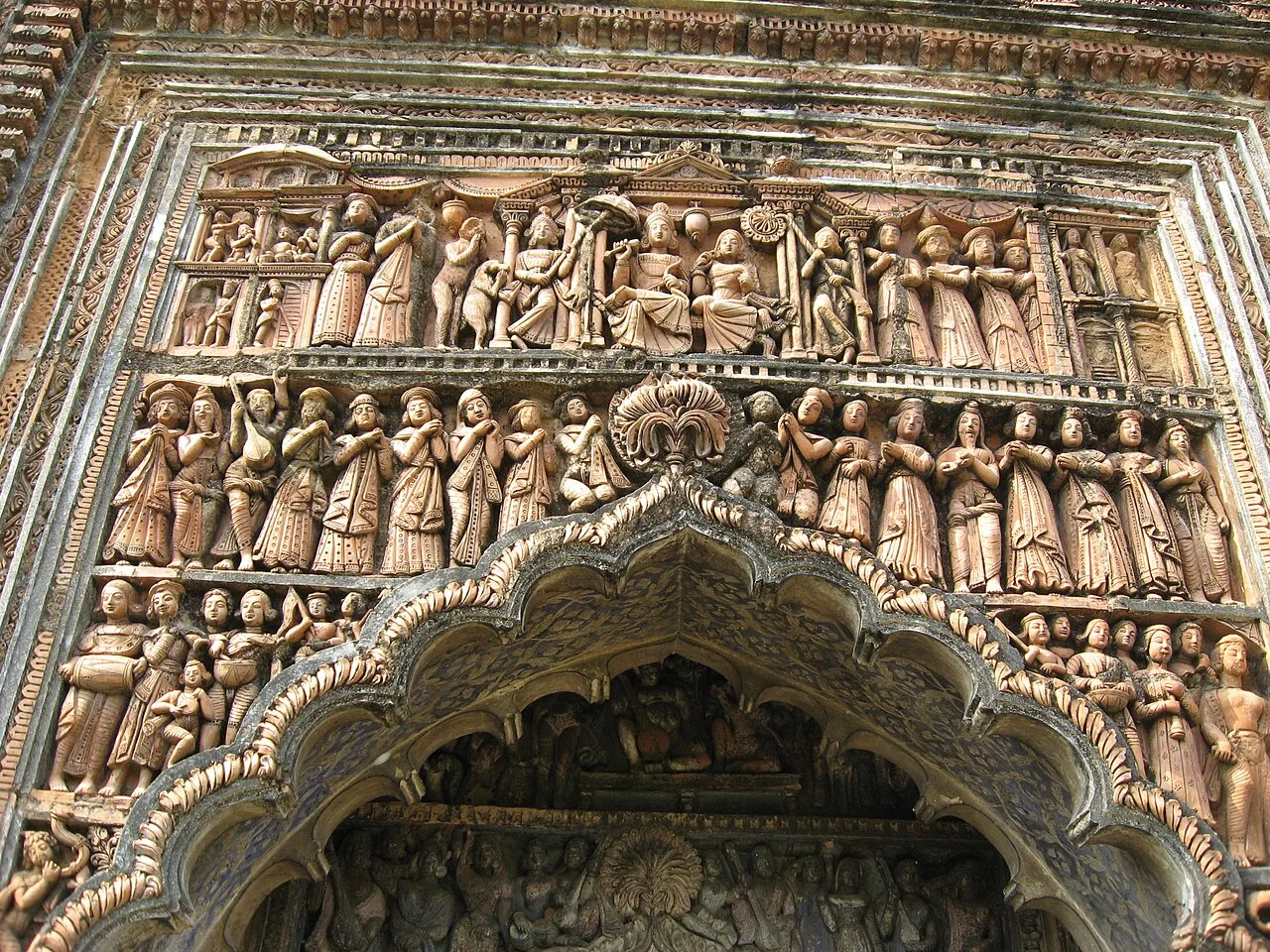
Hangseshwari Temple

Hangseshwari Temple is a Hindu shrine in Bansberia, Hooghly district, noted for its distinctive thirteen-towered ratna design and its worship of Hangseswari, a form of the goddess Kali.

Bandel Church

15 km away · Hooghly district

Bandel Church

Located in Bandel, Hooghly district, the Basilica of the Holy Rosary is a historic Roman Catholic church associated with Bengal’s Portuguese settlement; visitors come for its religious and historical significance.

Chandannagar

16 km away · Hooghly district

Chandannagar

Chandannagar is a city in West Bengal’s Hooghly district, with a history as a French settlement. Visitors can see Indo-French influences in its colonial-era bungalows, many of which are now in poor condition.

18 km away · Hooghly district

Dhaniakhali

Dhaniakhali is a village in Hooghly district, West Bengal, known for its association with the popular Dhaniakhali sari. That connection may interest visitors exploring the place.

Serampore

26 km away · Hooghly district

Serampore

Serampore is a city in West Bengal’s Hooghly district, with a history tied to Danish India and a setting beside the Hooghly River. Visitors may come to learn about these connections.

Kalna

29 km away · Purba Bardhaman district

Kalna

Ambika Kalna is a town in West Bengal’s Purba Bardhaman district, visited for its historic Rajbari and its group of 108 Shiva temples.

Dakshineswar Kali Temple

36 km away · North 24 Parganas district

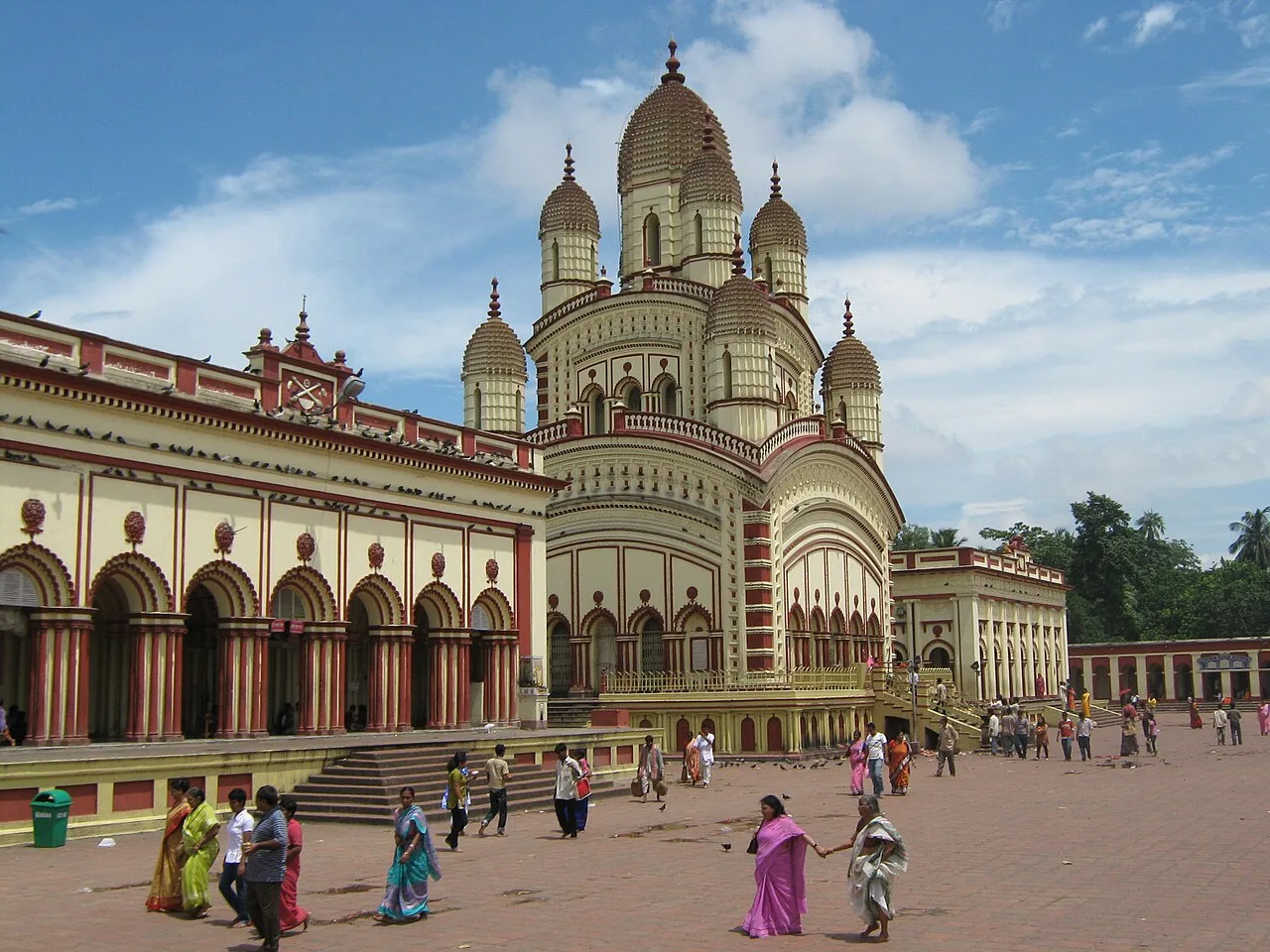
Dakshineswar Kali Temple

This Hindu temple complex in Dakshineswar is centred on a shrine to Kali and is associated with Rani Rashmoni, Ramakrishna and Sarada Devi. People visit to worship and explore its grounds.

Belur Math

39 km away · Howrah district

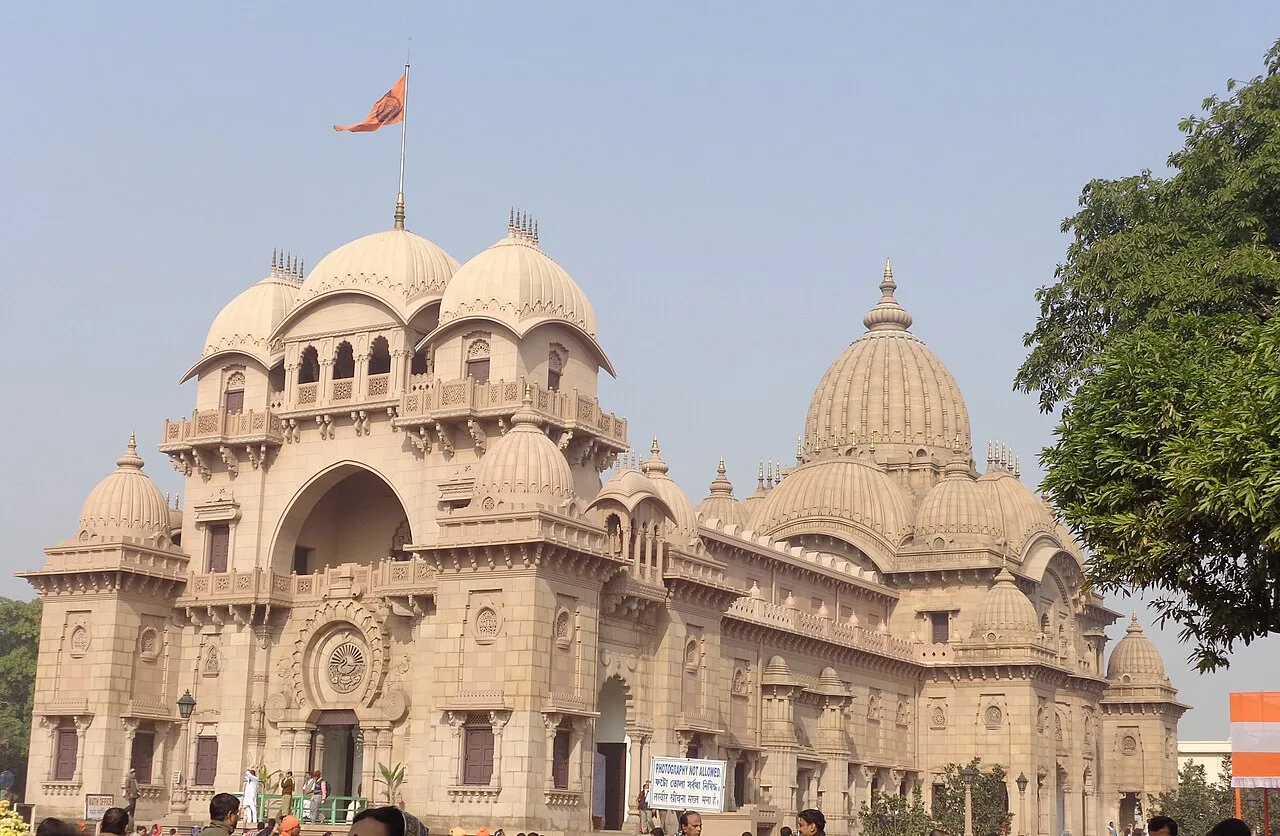
Belur Math

Belur Math, in Howrah district, is the headquarters of the Ramakrishna Math and Ramakrishna Mission. Visitors come to see its temple, whose design draws on several religious traditions.

Map

Keshabpur on the map

  1. 1Hangseshwari Temple
  2. 2Bandel Church
  3. 3Chandannagar
  4. 4Dhaniakhali
  5. 5Serampore
  6. 6Kalna
  7. 7Dakshineswar Kali Temple
  8. 8Belur Math

West Bengal

Other cities to explore