Ghumoopedia — Explore, Discover, Experience
Sign in
Science City, near Taki

City guide · West Bengal

Taki

Taki is a riverside town in the Basirhat subdivision of North 24 Parganas, set on the Ichamati River in the lower Ganges delta. The river forms part of the India–Bangladesh boundary here, giving the town a distinctive borderland setting of broad water views, green banks and boats.

Famous for

  • Ichamati riverfront
  • Durga Puja immersion
  • Taki Rajbari
  • Riverside picnics
  • Borderland boat views
Plan a tripHotels near Taki

Why Taki matters

Taki is a riverside town in the Basirhat subdivision of North 24 Parganas, set on the Ichamati River in the lower Ganges delta. The river forms part of the India–Bangladesh boundary here, giving the town a distinctive borderland setting of broad water views, green banks and boats. Its landscape, criss-crossed by waterways and shaped by the delta, is a contrast to the busy streets of Kolkata and draws visitors for relaxed day trips and picnics.

Taki is best known to many travellers for its riverfront and the Durga Puja immersion celebrations around Vijayadashami. From the banks, visitors may see ceremonies taking place on both sides of the river; arrangements and viewing access can vary with border regulations. The town also attracts people interested in its old zamindar-era buildings and local heritage, as well as those simply seeking a quiet boat ride or a meal by the water. It serves as a small local centre for surrounding settlements, while tourism gives its riverbank a wider profile.
Famous for: crafts, trade & products

Taki is not a major textile or manufacturing centre, and it is not widely associated with a signature saree, handicraft or GI-tagged product. Its identity rests more on the Ichamati waterfront, local heritage and seasonal visitor trade than on specialist shopping. The town’s bazaar and shops near the main town and station serve residents and visitors with everyday groceries, clothing and household goods. Local fish and produce are part of ordinary market life, though Taki is not especially known as a regional packaged-food destination.

Visitors looking for a sense of place can explore the riverside and the old Taki Rajbari, associated with the town’s zamindari past. Small eateries and market stalls offer convenient stops, but shoppers seeking Bengal handloom, a particular craft or a broad selection of regional products may find more choice in larger towns. Ask locally about access to heritage properties and river excursions, since conditions can change. Taki’s strongest draw is the setting itself: the changing light on the river, views across the border and the town’s relaxed pace.

History

Taki grew as a settlement on the Ichamati, a river that connected communities and supported movement and exchange across the delta. Its local history is closely tied to zamindari families, whose residences and other old buildings remain reminders of the town’s former social and economic life. Taki was not a royal capital; its character developed as a regional riverside centre serving nearby villages and river traffic.

During British rule, the area formed part of Bengal’s changing administrative and commercial landscape. The 1947 Partition reshaped the river’s role: the Ichamati became part of the international boundary between India and what was then East Pakistan, now Bangladesh. That border setting remains central to Taki’s identity and to how river activities are managed. In modern times, the town has continued as a municipality and local service centre, while its heritage buildings, river views and seasonal visitors have made tourism a visible part of its public life.

Food, festivals & culture

Bengali is the main language of daily life; Hindi is also understood by some people in visitor-facing settings. Food is typical of Bengal’s riverine communities: rice, fish, seasonal vegetables and familiar Bengali sweets are common choices. Local eateries serve simple meals, and visitors can find tea and snacks around the market and riverfront. Taki is not known for a distinct signature dish, so menus tend to reflect everyday regional cooking rather than a specialised food tradition.

Durga Puja, usually in autumn, is the most conspicuous festival for many visitors, with immersion ceremonies on the Ichamati around Vijayadashami. Viewing from the riverbank is a memorable part of the season, though cross-border arrangements and access can vary. Kali Puja is observed later in autumn, while Eid follows the Islamic lunar calendar and is celebrated by the town’s Muslim community. Temples, neighbourhood shrines and mosques reflect local religious life. Bengali devotional music, kirtan and folk songs are heard at community and religious occasions; Taki is not especially known for a distinct dance form.

Visiting the city

October to February is generally comfortable for exploring Taki, with cooler weather and pleasant river views. The monsoon months bring heavier rain and can make outdoor plans less predictable. Netaji Subhas Chandra Bose International Airport in Kolkata is the nearest major airport. Taki Road railway station, on the Sealdah–Hasnabad line, is the main rail stop for the town.

Auto-rickshaws and cycle-rickshaws are useful for getting between the station, bazaar and riverfront; confirm locally whether boat trips are operating and where they are permitted. Explore the Ichamati ghats, the old Taki Rajbari surroundings and the town’s market streets. The riverbank is especially lively during Durga Puja immersion, but border rules can affect access and viewing, so follow local instructions and do not assume that boat trips cross the international boundary.

Trips from the city

Nearest places to visit from Taki

Our closest destination guides, by straight-line distance.

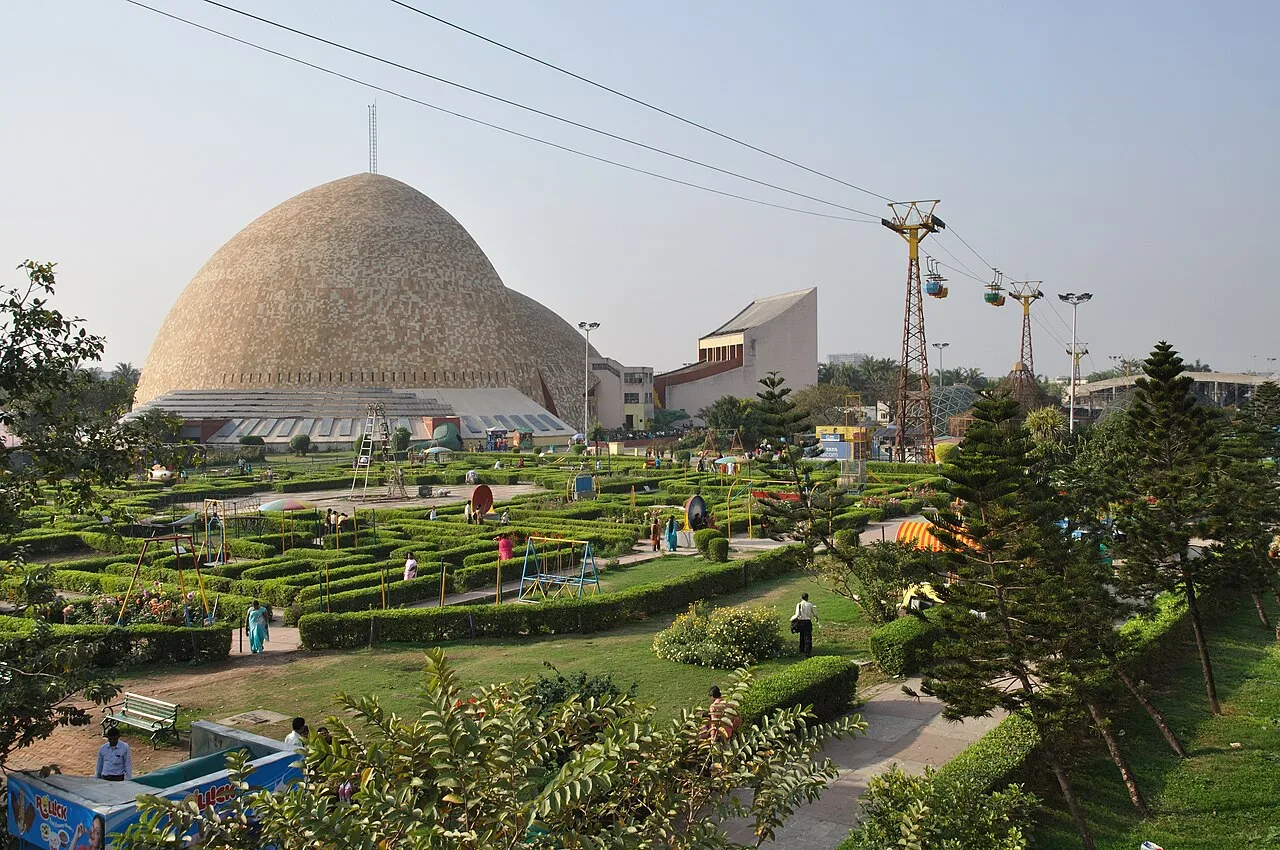
Science City

55 km away · Kolkata district

Science City

Science City in Kolkata is a science-focused attraction with a museum, science park and auditoriums. Visitors come to explore its facilities and use its spaces for events.

College Street

58 km away · Kolkata district

College Street

College Street is a central Kolkata thoroughfare known for its educational institutions, extensive book market and Indian Coffee House, which has long drawn the city’s intellectual community.

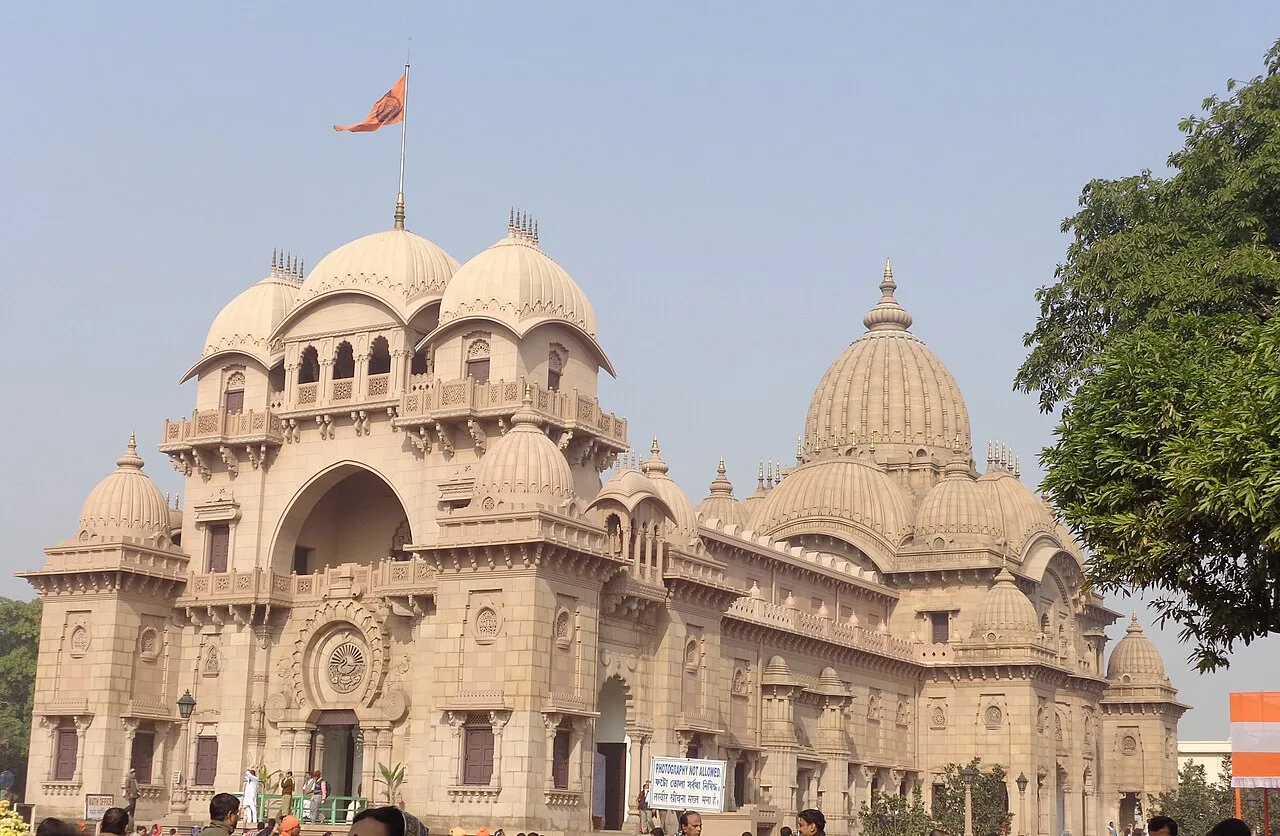
Belur Math

59 km away · Howrah district

Belur Math

Belur Math, in Howrah district, is the headquarters of the Ramakrishna Math and Ramakrishna Mission. Visitors come to see its temple, whose design draws on several religious traditions.

Birla Mandir

59 km away · Kolkata district

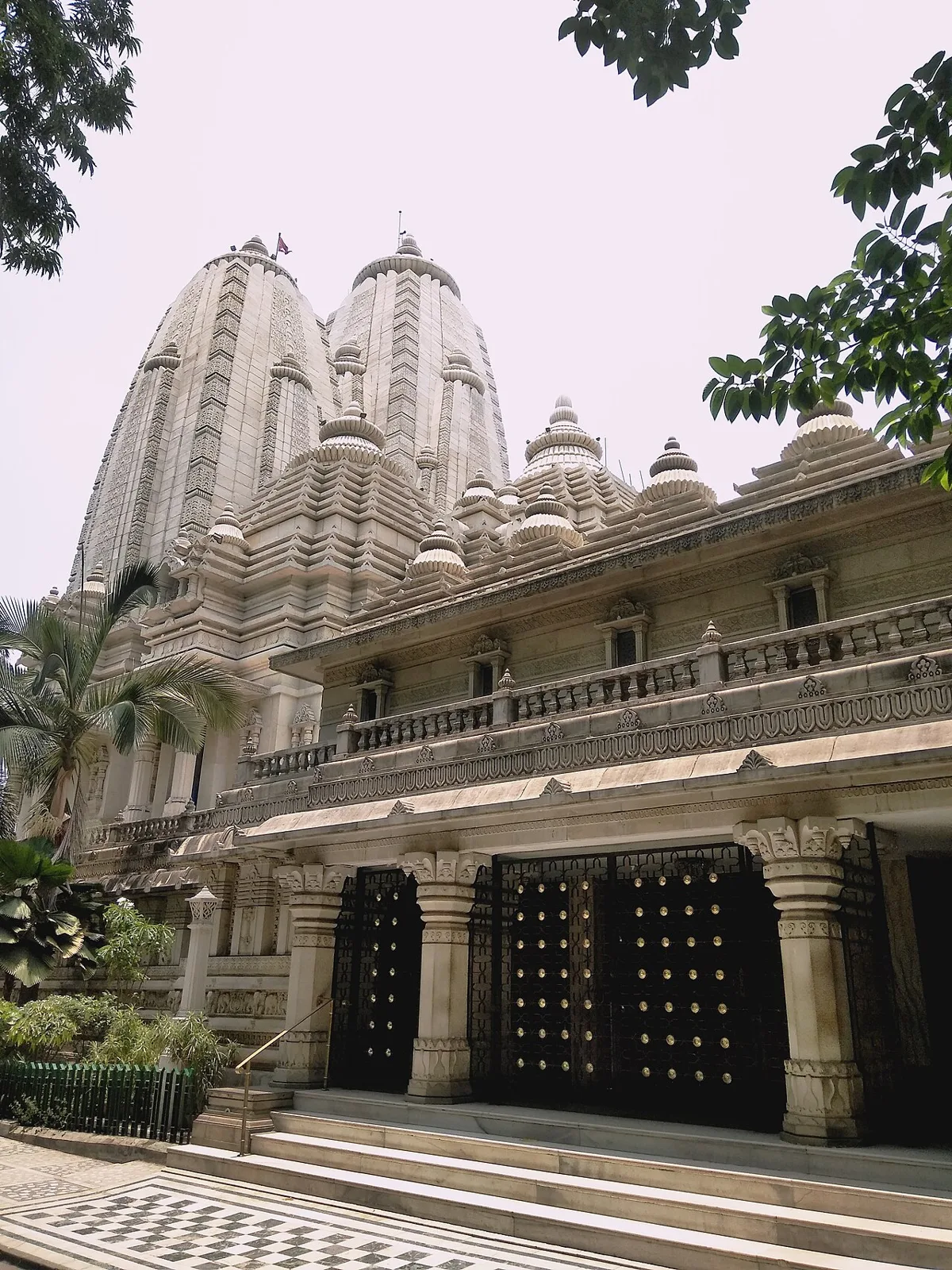
Birla Mandir

Birla Mandir is a Hindu temple in Ballygunge, Kolkata, built by the Birla family. Visitors worship Vishnu in his forms as Rama and Krishna, with many arriving for Janmashtami.

Dakshineswar Kali Temple

59 km away · North 24 Parganas district

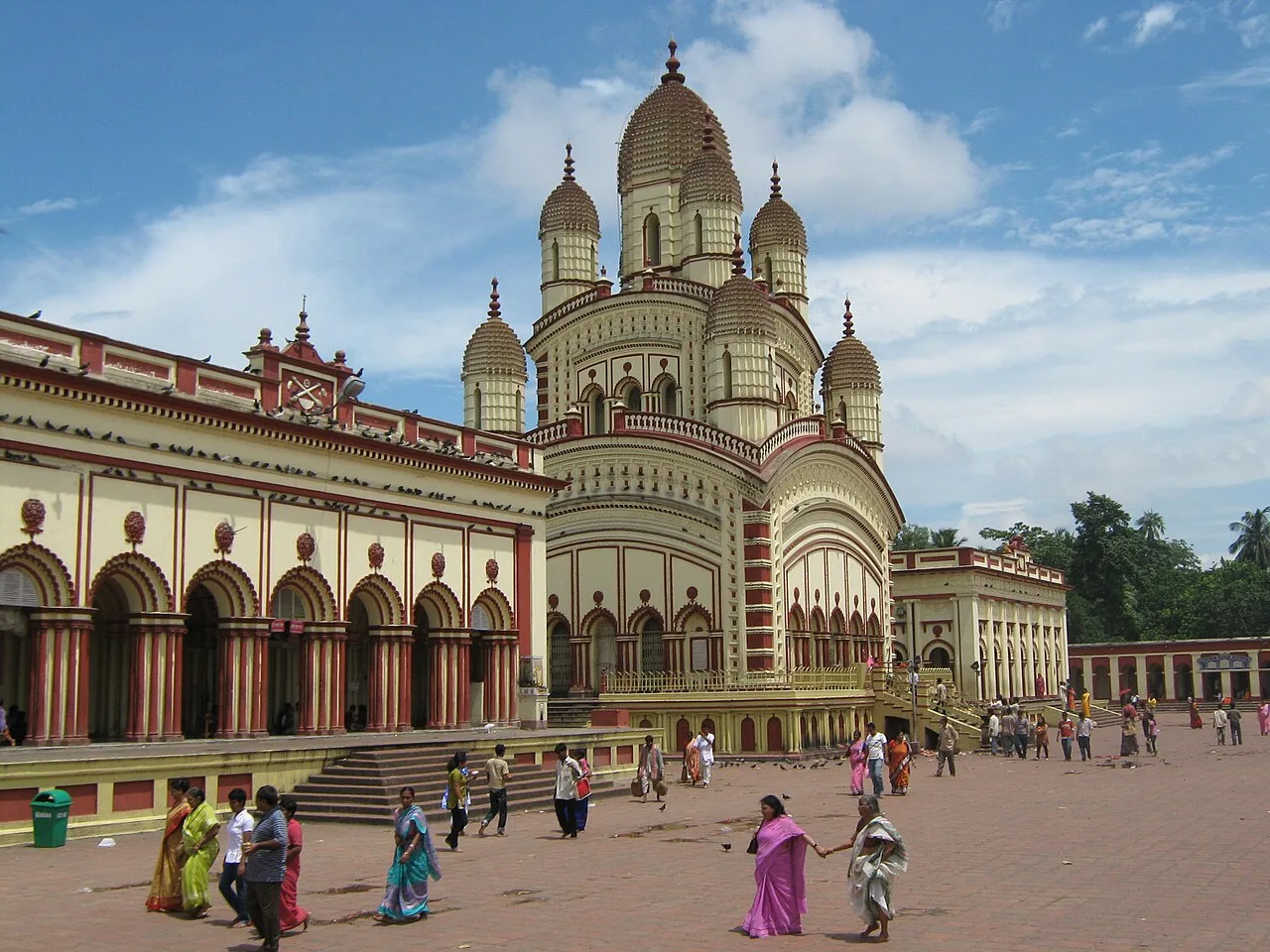
Dakshineswar Kali Temple

This Hindu temple complex in Dakshineswar is centred on a shrine to Kali and is associated with Rani Rashmoni, Ramakrishna and Sarada Devi. People visit to worship and explore its grounds.

Jorasanko Thakur Bari

59 km away · Kolkata district

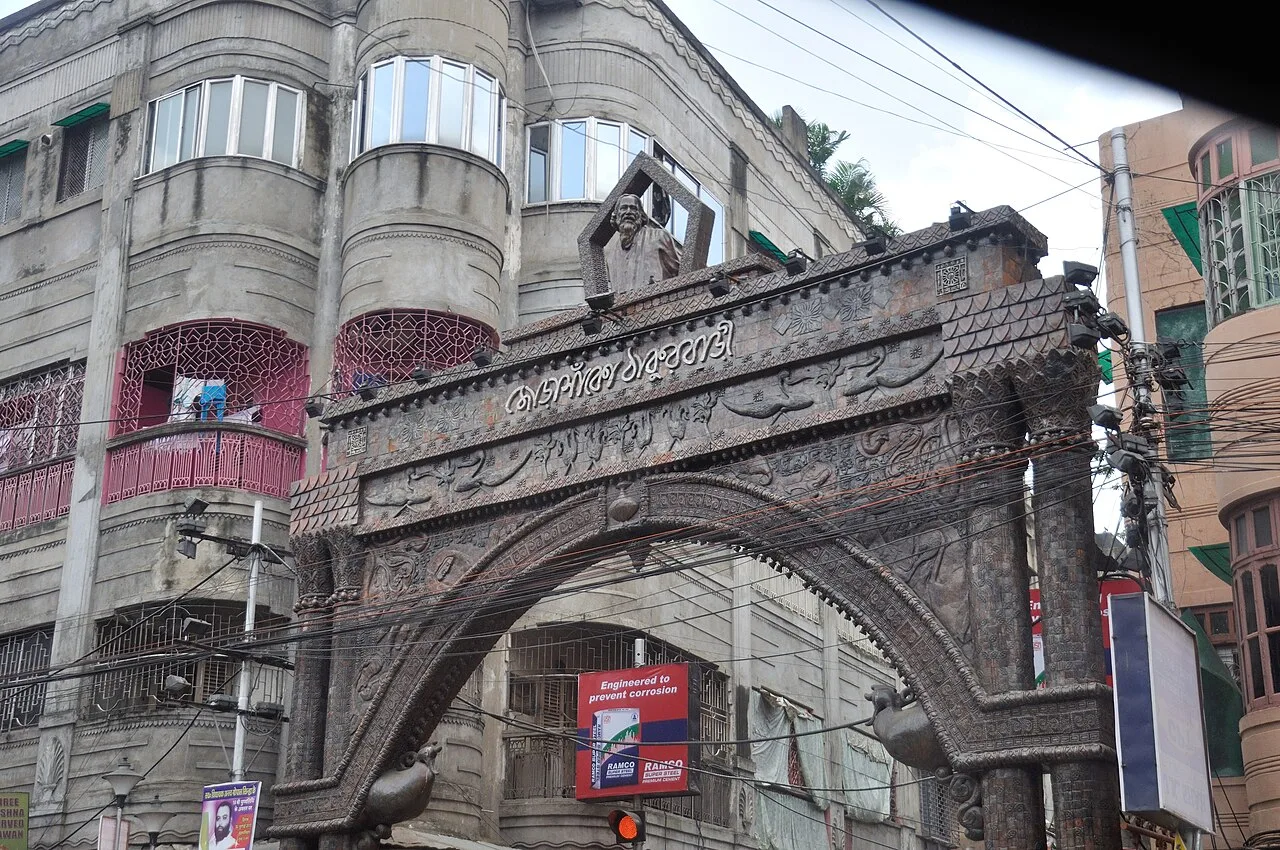
Jorasanko Thakur Bari

Jorasanko Thakur Bari is a historic haveli in Kolkata associated with the Tagore family. Visitors come for its links to Rabindranath Tagore, its Bengali architectural style and its place in the city’s cultural history.

Kumortuli

59 km away · Kolkata district

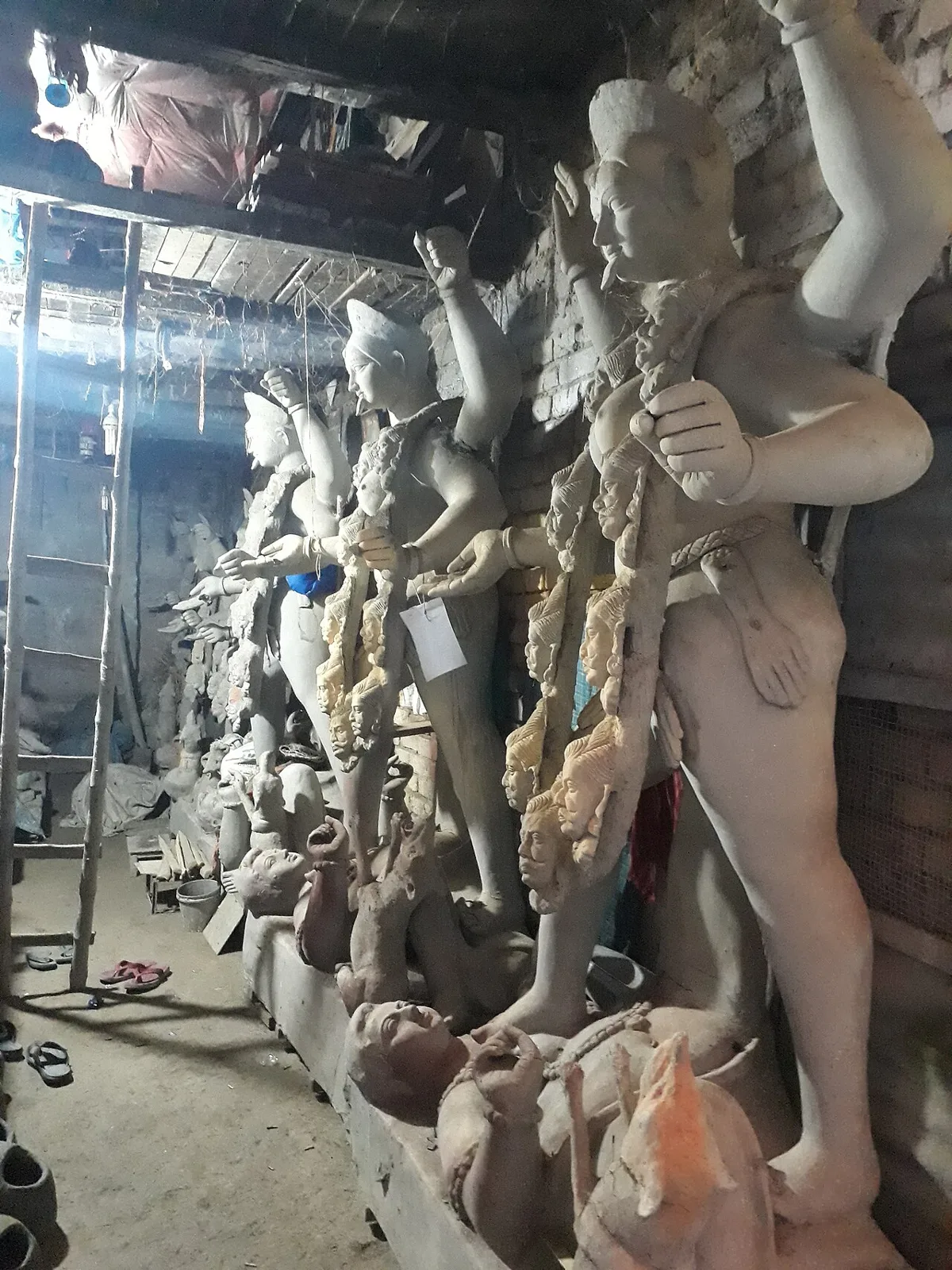
Kumortuli

Kumortuli is a North Kolkata neighbourhood centred on potters and clay sculpture. Visitors come to see festival idols being made, a craft whose products are also regularly exported.

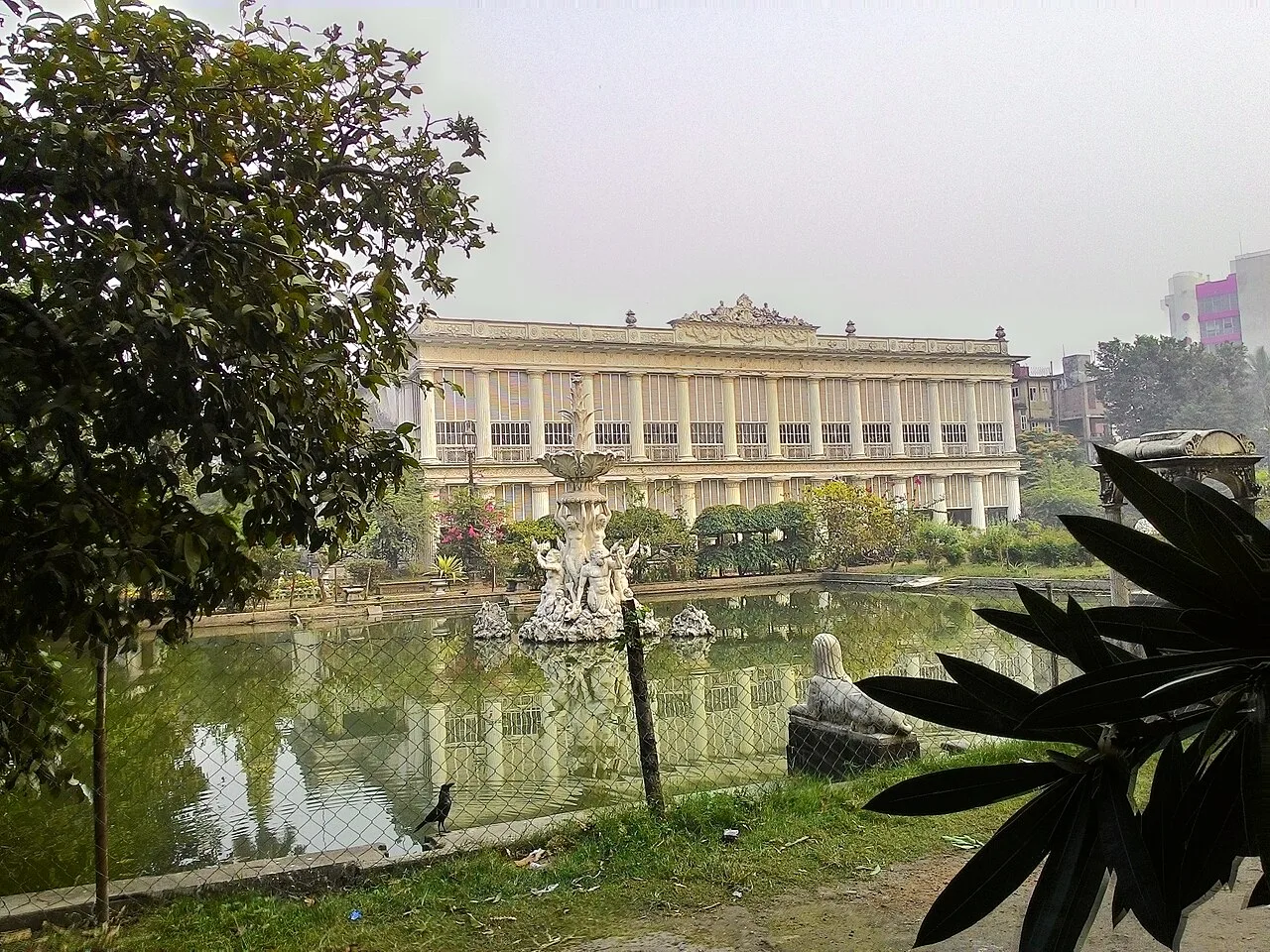
Marble Palace

59 km away · Kolkata district

Marble Palace

This nineteenth-century residence in North Kolkata is known as Marble Palace for its marble surfaces and sculptures; visitors come to view its preserved mansion and distinctive materials.

Map

Taki on the map

  1. 1Science City
  2. 2College Street
  3. 3Belur Math
  4. 4Birla Mandir
  5. 5Dakshineswar Kali Temple
  6. 6Jorasanko Thakur Bari
  7. 7Kumortuli
  8. 8Marble Palace

West Bengal

Other cities to explore