
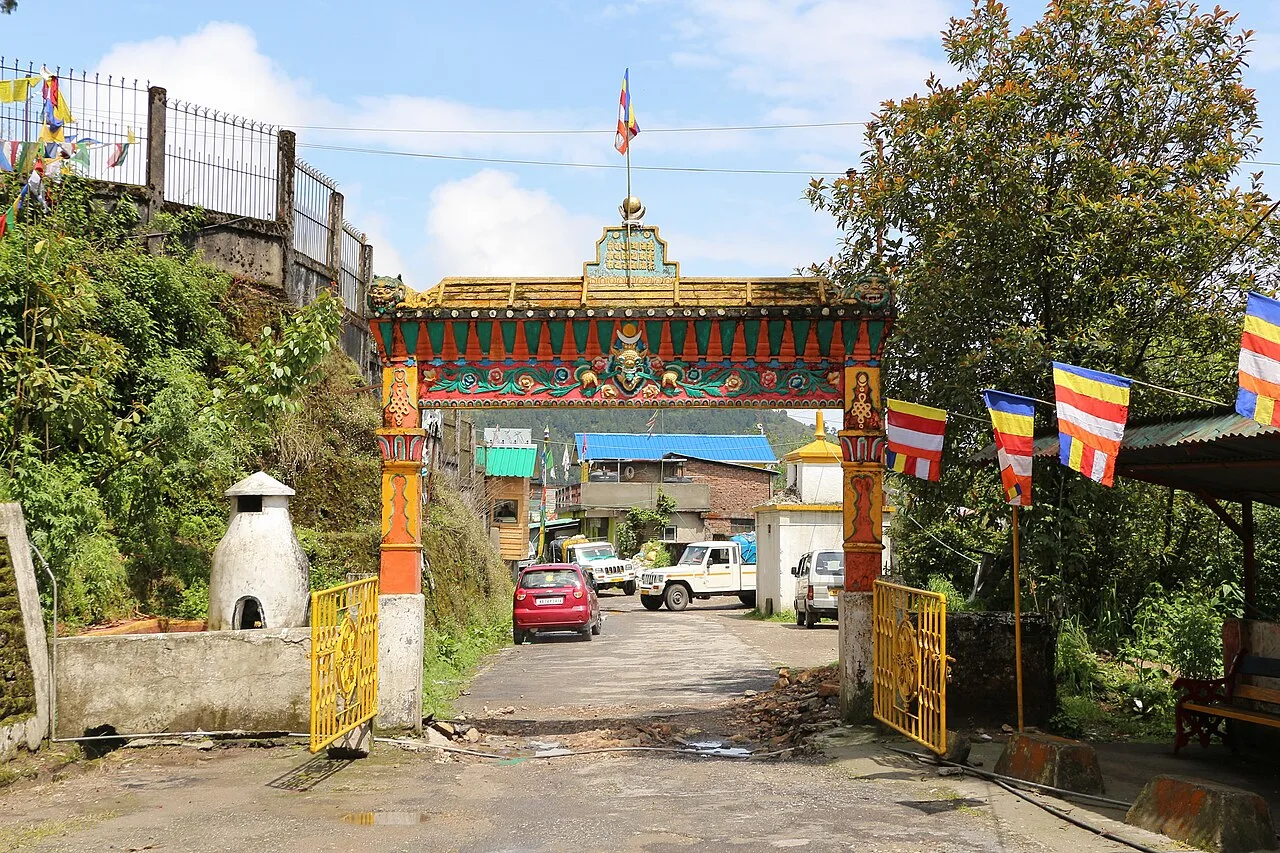
Ghum Monastery
Ghum Monastery, or Yiga Choeling, is a Gelukpa Buddhist monastery in Darjeeling district. Visitors come to see its large Maitreya Buddha statue and learn about its history and continuing religious community.
Key facts · verified by Ghumoopedia editors
- Type of place
- Temple / pilgrimage site
- Best time to visit
- October to March for the plains and coast; March to May and October to December for the Darjeeling hills
- Nearest railway station
- Darjeeling (toy train) · about 5 km (straight line)
- Nearest airport
- Bagdogra Airport (Siliguri) · about 40 km (straight line)
- Verified
- 21 Nov 2026
Plan a trip from Ghum Monastery — a day-by-day route through places nearby.
Yiga Choeling, widely called Old Ghoom Monastery, stands in Darjeeling district, West Bengal. It follows the Gelukpa tradition, also known as the Yellow Hat sect, and is noted for a 15-foot (4.6-metre) image of Maitreya Buddha. The building’s outer structure dates to 1850, when Sokpo Sherab Gyatso, a Mongolian astrologer and monk, founded it. He led the monastery until 1905. In 1909, Kyabje Domo Geshe Rinpoche Ngawang Kalsang, commonly called Lama Domo Geshe Rinpoche, took over. He commissioned the Maitreya statue and remained in charge until 1952. Following the Chinese occupation of Tibet in 1959, senior abbots who escaped to India found refuge at the monastery. Dhardo Rimpoche assumed leadership at Yiga Choeling in 1961 and died in 1990. Three years later, a boy, Tenzin Legshad Wangdi, was identified as his reincarnation. His enthronement took place on 25 April 1996 at the Kalimpong Tibetan ITBCI school. The thirteenth Tulku in the succession, he continues to be known as Dhardo Tulku and is studying Tibetan Philosophy at Drepung Loseling University in South India. With Dhardo Rimpoche overseeing the work, a managing committee was formed to support improvements at the monastery. Its efforts have had mixed results. Over the past two decades, the institution has faced serious shortages of both monks and funds. It has yet to receive the grants-in-aid it is entitled to from the government or another source. At present, donations and contributions from local devotees meet its expenses. West Bengal stretches from the Himalayan tea gardens of Darjeeling to the mangrove delta of the Sundarbans, with Kolkata's colonial architecture, the terracotta temples of Bishnupur, Tagore's Santiniketan and the Nawabi heritage of Murshidabad. The plains are hot and humid from March to June, receive heavy monsoon rain from June to September and are pleasant from November to February; the Darjeeling hills are cool year-round and cold in winter, and the coast and Sundarbans can be hit by cyclones in May and October–November. The usual best time to visit is October to March for the plains and coast; March to May and October to December for the Darjeeling hills. Timings, fees and access arrangements must be confirmed locally. For official information, see West Bengal Tourism at https://wbtourism.gov.in.
Why it matters
Ghum Monastery, also known as Old Ghoom Monastery, is the popular name of Yiga Choeling, a Gelukpa monastery in Darjeeling district. It is an important Tibetan Buddhist place of worship in the Darjeeling hills and is known locally for its Maitreya Buddha statue and continuing monastic life. Its history connects the region’s Buddhist community with teachers and refugees who came from Tibet during periods of upheaval. Visitors may encounter prayer and study as well as heritage architecture, so it is both a religious destination and a cultural site.
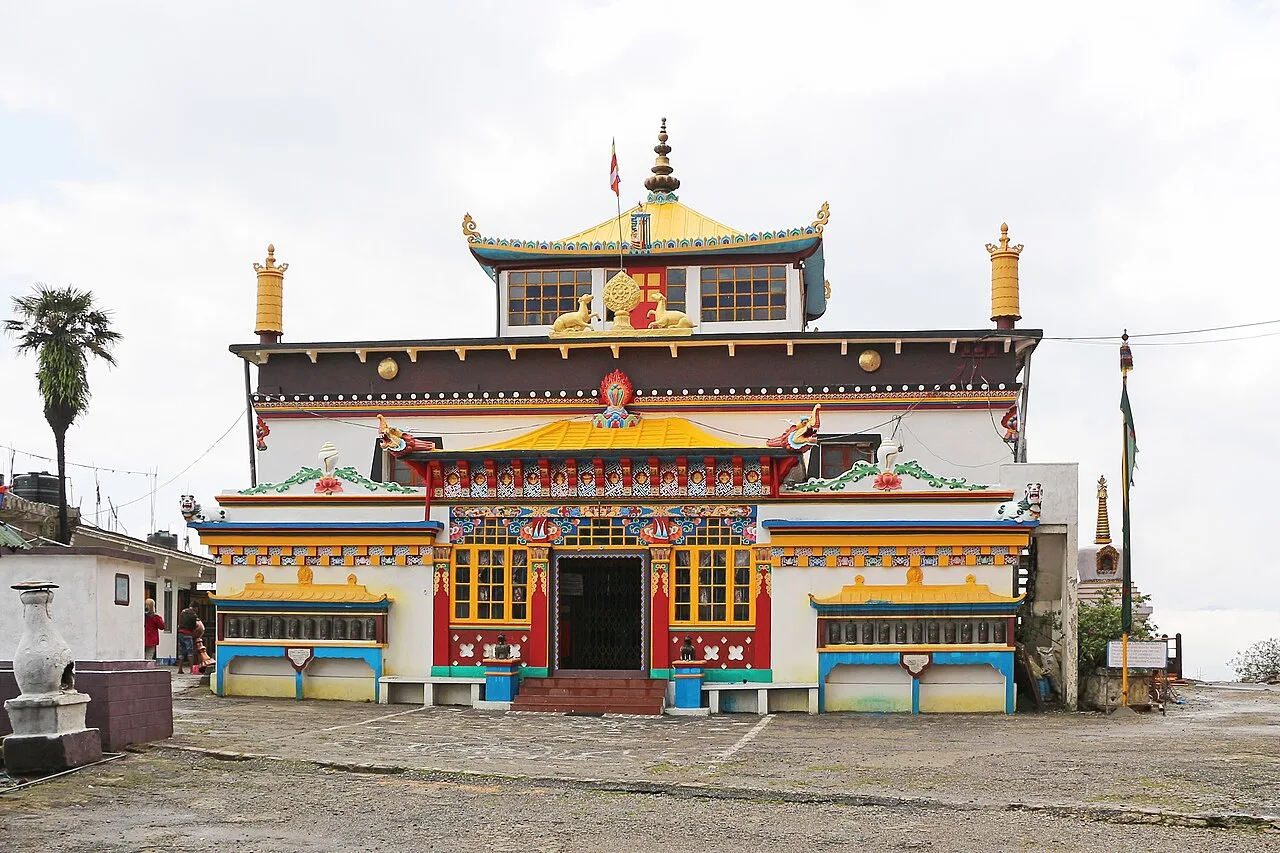
The account in the existing guide dates the establishment of the monastery’s external structure to 1850, under Sokpo Sherab Gyatso, a Mongolian astrologer and monk who led the monastery until 1905. In 1909, Kyabje Domo Geshe Rinpoche Ngawang Kalsang, commonly called Lama Domo Geshe Rinpoche, succeeded him. He commissioned the monastery’s prominent Maitreya Buddha statue and remained its head until 1952. Following the Chinese occupation of Tibet in 1959, high-ranking Tibetan Buddhist abbots fled to India, and some took refuge at the monastery. Dhardo Rimpoche became head of Yiga Choeling in 1961. He died in 1990; three years later, Tenzin Legshad Wangdi was recognised as his reincarnation. He was enthroned at the Kalimpong Tibetan ITBCI school in 1996 and is known as Dhardo Tulku. A managing committee was established under Dhardo Rimpoche’s supervision to support improvements. The monastery has faced reported challenges involving finances and monastic numbers, and its upkeep has relied on donations and contributions. Visitors should seek current information from the monastery about its present condition and activities.
Origin stories & folklore
No single founding legend for Yiga Choeling is firmly established in the available account, so stories about its origin should be treated as local tradition rather than verified history. The monastery’s Maitreya image evokes a widely held Buddhist belief: Maitreya is the Buddha expected to appear in the future, when the teachings have faded from the world. For devotees, the image can represent hope, compassion and the continuation of Buddhist teaching. Visitors may hear personal accounts or devotional explanations from worshippers and caretakers; these can differ and are best received respectfully rather than presented as a documented historical account.
Architecture & design
Yiga Choeling is a Tibetan Buddhist monastery in the hill settlement of Ghoom, and its building reflects its religious use as a place for worship and monastic practice. The existing guide dates the establishment of its external structure to 1850. The most notable interior feature is the large Maitreya Buddha statue, described as about 15 feet (4.6 metres) high. The prayer space and devotional images are central to the visitor experience; murals, religious paintings and other fittings may be present, but displays and access can vary. This is a living monastery rather than a purpose-built visitor attraction, so some rooms may be closed or in use for practice. The setting is within the Darjeeling hills, where roads and surrounding slopes shape access. Ask caretakers before entering side rooms or approaching ritual objects.
Important objects & sculptures
The principal object to look for is the monastery’s approximately 15-foot (4.6-metre) statue of Maitreya Buddha, commissioned by Lama Domo Geshe Rinpoche. Maitreya is understood in Buddhist tradition as the future Buddha. The statue is a focus of devotion as well as the monastery’s best-known visual feature. Visitors may also encounter Buddhist images, painted religious scenes, prayer objects or texts in spaces open to them, though displays can change and some areas may be restricted. Do not touch statues, offerings, manuscripts or ritual furnishings. Ask a caretaker whether a particular object can be viewed or photographed, and avoid treating devotional items as props.
Religious significance
Yiga Choeling belongs to the Gelukpa, or Yellow Hat, school of Tibetan Buddhism. It is a working monastery where religious life includes prayer, study and observances led by monks. The Maitreya Buddha image is central to the site’s public identity and offers worshippers a focus for devotion to the future Buddha. Visitors may arrive to pray, make offerings or sit quietly, but practices and access depend on the community’s schedule. A visitor should not assume that a ceremony is staged for tourists or enter a prayer area without permission. The monastery also carries significance for Tibetan Buddhist communities through its association with teachers and people who sought refuge in India. Respectful silence and attentiveness help preserve the contemplative character of the site.
Visit Ghum Monastery with time to observe daily prayers and rituals respectfully. Follow the posted rules on footwear, photography, phones, head covering and dress, and avoid interrupting worshippers; popular temples may have separate queues, dress codes or mobile-phone deposit counters. Ask caretakers which areas are open to visitors, and beware of unofficial 'guides' or agents offering quick darshan for a fee. A comfortable itinerary is one main visit in the morning, a local meal at midday and a short nearby stop before an afternoon return. Use the district list on this site to find other places in Darjeeling, but check the route and its condition before combining stops. If a festival is on — such as Durga Puja, Kali Puja or the Poush Mela at Santiniketan — roads and stays can be busy, and the experience can be unforgettable. Leave no litter: many sites are protected by the communities around them.
Suggested itineraries
Half day: Visit the monastery and spend about 45–90 minutes observing the setting respectfully; continue to the nearby Ghoom area or Batasia Loop, allowing roughly 30–60 minutes at each stop, then return to Darjeeling. Full day: Begin at the monastery for about an hour; visit Batasia Loop and the Darjeeling Himalayan Railway area, then have a meal in Darjeeling and spend the afternoon exploring the town at an unhurried pace. Allow extra time for hill-road conditions. Gentler option: Arrange a taxi drop-off as close as permitted, keep the visit to the main accessible area, and choose one nearby stop with minimal walking; confirm access and seating locally.
The monastery’s living culture is shaped by Tibetan Buddhist teaching and practice, alongside the wider Nepali, Tibetan and Bengali communities of Darjeeling district. Prayer, study and devotional observances remain important, although visitors should check locally whether any activity is open to them. Tibetan languages and Buddhist terminology may be heard alongside Nepali, Bengali, Hindi and English in the surrounding area. Monastic robes and religious images are part of the setting; they are not costume or performance. Customs such as removing footwear where requested, keeping a quiet voice and not interrupting worship reflect the site’s religious purpose. The monastery is also part of a region where tea-growing, hill-town life and tourism meet.
Festivals & events
Losar, the Tibetan New Year, and other dates in the Tibetan Buddhist calendar may be observed by the monastery or local community, but programmes and public access vary from year to year. Buddha Purnima is also significant to many Buddhists and may bring devotional activity. Do not assume that a particular ceremony is open to visitors; ask the monastery or check locally before planning around a religious observance. Nearby Darjeeling has wider community festivals and busy holiday periods, which can affect road traffic and accommodation. During larger observances, allow extra time, keep clear of prayer areas and follow directions from caretakers.
Local food in West Bengal includes macher jhol (fish curry), shorshe ilish (hilsa in mustard), kosha mangsho, luchi with alur dom, kathi rolls and phuchka in Kolkata, mishti doi, rosogolla and sandesh; in the Darjeeling hills, momos, thukpa, shaphaley and first-flush Darjeeling tea. Ask what is fresh that day; many small eateries cook a limited daily menu. Vegetarian travellers eat well across the state, and most towns also have fish and meat dishes. Remote sites may have no restaurant at all. Carry water and snacks, eat a proper breakfast before long drives, and ask your accommodation for a packed lunch if you are heading out early. If prasad or langar is offered, accept it according to local custom. Choose busy, clean places, drink sealed or filtered water, and carry your packaging back with you.
Shopping & local experiences
There is no need to treat the monastery as a shopping venue; any religious items or publications should be bought only where sales are clearly permitted. In Darjeeling town, visitors can look for locally made crafts, textiles, tea and small souvenirs, while checking that products are genuinely local where this matters to them. Nearby shops and eateries may offer tea, snacks and simple meals, but selection and opening vary. Avoid buying wildlife products or items made from protected materials. Keep purchases modest and carry reusable bags to reduce packaging and litter.
October to March for the plains and coast; March to May and October to December for the Darjeeling hills
The nearest principal railway station by straight-line distance is Darjeeling (toy train), roughly 5 km away. The nearest operating airport by straight-line distance is Bagdogra Airport (Siliguri), roughly 40 km away. These figures are calculated from map coordinates — actual road distance is longer. Howrah, Sealdah and Kolkata stations and Kolkata airport serve the south; New Jalpaiguri station and Bagdogra airport near Siliguri are the gateways to the Darjeeling hills and the Dooars. For the final leg, West Bengal Transport Corporation, North Bengal State Transport and South Bengal State Transport buses, private buses and shared jeeps in the hills link district towns. A private taxi gives more flexibility for remote sites. When comparing train, bus and flight, count the complete door-to-door time: a flight saves the most time only if the onward road transfer is short, while an overnight train can save a hotel night. Book your return before you leave, because seats fill quickly on weekends, festivals and holidays. Current train numbers, timings, return services and fares are not listed here; check IRCTC and NTES for trains and the airline's own schedule for flights. No permit is needed for Indian citizens to visit West Bengal. Entry to the Sundarbans Tiger Reserve needs a forest permit, usually arranged through a registered boat operator or the forest office at Sajnekhali or Canning; trekking in Singalila National Park (Sandakphu) needs an entry permit and a registered guide from Maneybhanjan. Durga Puja in October brings huge crowds to Kolkata, so book transport and stays well ahead.
Confirm onward and return timings on IRCTC / NTES, the state bus operator or your airline before travel. A dash means current timings or fares have not been verified.
Getting around
On arrival, local taxis and shared jeeps are common ways to move between hill destinations; availability and routes can vary, so confirm the return journey before leaving. The monastery is in a built-up hill area, where roads may be narrow and steep. Walking between nearby stops is possible for some visitors but can involve slopes and uneven surfaces. Ask the driver to identify the correct drop-off point, and use designated parking or drop-off spaces where available. Local buses may serve parts of the district, but check current routes locally.
Hours, tickets & permissions
Entry arrangements can depend on prayer, study and other monastery activities, and some rooms may not be open to visitors. Do not assume that every area is accessible or that photography is permitted throughout. Ticketing, camera rules, dress expectations and any identification requirements should be checked locally rather than assumed. Confirm current visiting hours and any fees with the monastery’s managing authority before setting out, especially during religious observances or periods of maintenance. If a service is underway, wait for guidance and do not interrupt worshippers.
Facilities
Facilities within the monastery may be limited because it is an active religious site. Toilets, drinking water, food stalls and parking should not be assumed to be available on the grounds; check locally and plan for essentials before arriving. Darjeeling and nearby settlements offer a wider choice of meals, shops and basic visitor services. ATMs and medical services are more likely to be found in larger town areas than at the monastery itself. Formal guided tours may not be available, but a caretaker may be able to answer basic questions when free. Ask before expecting assistance or entering non-public spaces.
Accessibility
The monastery is in a hill setting, and the approach may involve sloping roads, uneven ground or steps. The exact route and surfaces can vary, so visitors with limited mobility should confirm current access with the monastery before travelling. Do not assume that ramps, lifts, handrails or wheelchair-accessible toilets are available. Wheelchair and stroller movement may be difficult in confined or stepped interior areas. Older visitors may prefer a taxi drop-off nearby and a short, unhurried visit, with a companion if needed. Shade and seating can be limited; carry water and take breaks as conditions allow.
No permit is needed for Indian citizens to visit West Bengal. Entry to the Sundarbans Tiger Reserve needs a forest permit, usually arranged through a registered boat operator or the forest office at Sajnekhali or Canning; trekking in Singalila National Park (Sandakphu) needs an entry permit and a registered guide from Maneybhanjan. Durga Puja in October brings huge crowds to Kolkata, so book transport and stays well ahead. Carry a photo ID at all times and save the emergency number 112 and your accommodation's contact offline. Watch your belongings in crowds and on public transport, and follow posted instructions.
Visitor rules
Follow notices and directions from monks or caretakers, and ask before entering rooms beyond the visitor area. Remove footwear where requested, dress modestly and keep voices low, especially during prayer. Do not touch statues, offerings, texts or ritual objects, and avoid blocking worshippers or doorways. Photography may be restricted in some spaces, so seek permission before taking pictures. Keep phones silent and do not use flash where it could disturb others. Carry litter out and avoid single-use plastic where possible. Do not pay unofficial agents who promise special access or a faster religious visit.
Photography
Soft daylight can help show the monastery’s exterior and hill setting; morning or later daylight may also be less harsh than midday sun, depending on weather. Ask before photographing inside, and obey any signs or instructions restricting cameras or phones. The Maitreya statue and devotional images should not be treated as unrestricted photo subjects. Never photograph monks or worshippers closely without consent, and do not interrupt prayers to frame a shot. Drone use may require permissions and can disturb a religious community, so do not fly one without explicit approval from the relevant authorities and monastery.
Choose a stay by the full journey to Ghum Monastery, not just the district name. Darjeeling, Kalimpong and Kurseong offer hotels and family homestays; in smaller hill villages, homestays are the main option and should be booked ahead. In the hills, check heating, hot water and power backup, and expect cold nights from November to February. Book in advance for weekends, festivals and the peak season (October to March for the plains and coast; March to May and October to December for the Darjeeling hills). Confirm the exact location, meals included, check-in time and cancellation terms in writing. Avoid sending money to unverified contacts or touts at stations. Carry some cash, as card and digital payments can be unreliable in remote areas.
Batasia Loop is a nearby railway landmark and memorial garden that can be combined with a visit, subject to road and local conditions. The Darjeeling Himalayan Railway and the Ghoom area are also closely associated with this part of the hills. Darjeeling town offers additional heritage and visitor attractions, including the Darjeeling Himalayan Railway’s town facilities and the Peace Pagoda; check current access before making a plan. Choose a manageable route and confirm transport back to your accommodation.
For couples, Ghum Monastery rewards a slow pace: arrive early for soft light and fewer crowds, share a local meal and keep the evening free. A toy-train ride in the Darjeeling hills, a boat on the Hooghly at sunset or an evening of adda over tea in Kolkata makes the trip memorable. Public displays of affection can be frowned upon in conservative communities and at religious sites, so be discreet. Keep a buffer in your itinerary, because weather and road conditions can delay plans.
Q: How much time should I allow for a visit? A: About an hour is a reasonable starting point for the monastery itself, with extra time if you wish to combine it with nearby stops. Q: When is a good season to visit? A: The Darjeeling hills are commonly visited from March to May and October to December; weather can change quickly, so check conditions before travelling. Q: Is entry free, and do I need to book? A: Current entry arrangements and any fees can change. Confirm directly with the monastery’s managing authority before visiting. Q: Is the monastery suitable for children and elderly visitors? A: Families can visit respectfully, but hill approaches, uneven ground and steps may be challenging. Keep children close and check access needs in advance. Q: Where should I stay nearby? A: Darjeeling town has a broad range of accommodation and is a practical base; confirm transport arrangements for the return journey.
Be the first to share photos, stories, advice or a helpful contact for Ghum Monastery.
Loading…