Ghumoopedia — Explore, Discover, Experience
Sign in
Bishnupur, near Kharar

City guide · West Bengal

Kharar

Kharar is a small historic municipality in Ghatal subdivision of Paschim Medinipur district, in southern West Bengal. Its importance comes from its role as a local service and market centre for surrounding settlements, as well as its long association with brass and bell-metal work.

Famous for

  • Brass and bell-metal craft
  • Traditional metal utensils
  • Ghatal-region market town
  • Paddy and potato farming

Why Kharar matters

Kharar is a small historic municipality in Ghatal subdivision of Paschim Medinipur district, in southern West Bengal. Its importance comes from its role as a local service and market centre for surrounding settlements, as well as its long association with brass and bell-metal work. The neighbouring towns of Ghatal, Chandrakona and Ramjibanpur share this metalworking tradition, making the area a notable centre for utilitarian craft production in the region.

Visitors come to Kharar for a glimpse of everyday life in rural Bengal and to explore the local trade in metal utensils. Its position also makes it a useful stop when travelling through the Ghatal area, whose landscape is shaped by fertile alluvial farmland and the seasonal rhythms of agriculture. Kharar is not a large sightseeing destination, but its craft heritage, old municipal identity and connections to nearby historic places give it a distinct place in the region. The birthplace of social reformer Ishwar Chandra Vidyasagar at Birsingha is another point of interest in the wider subdivision.
Famous for: crafts, trade & products

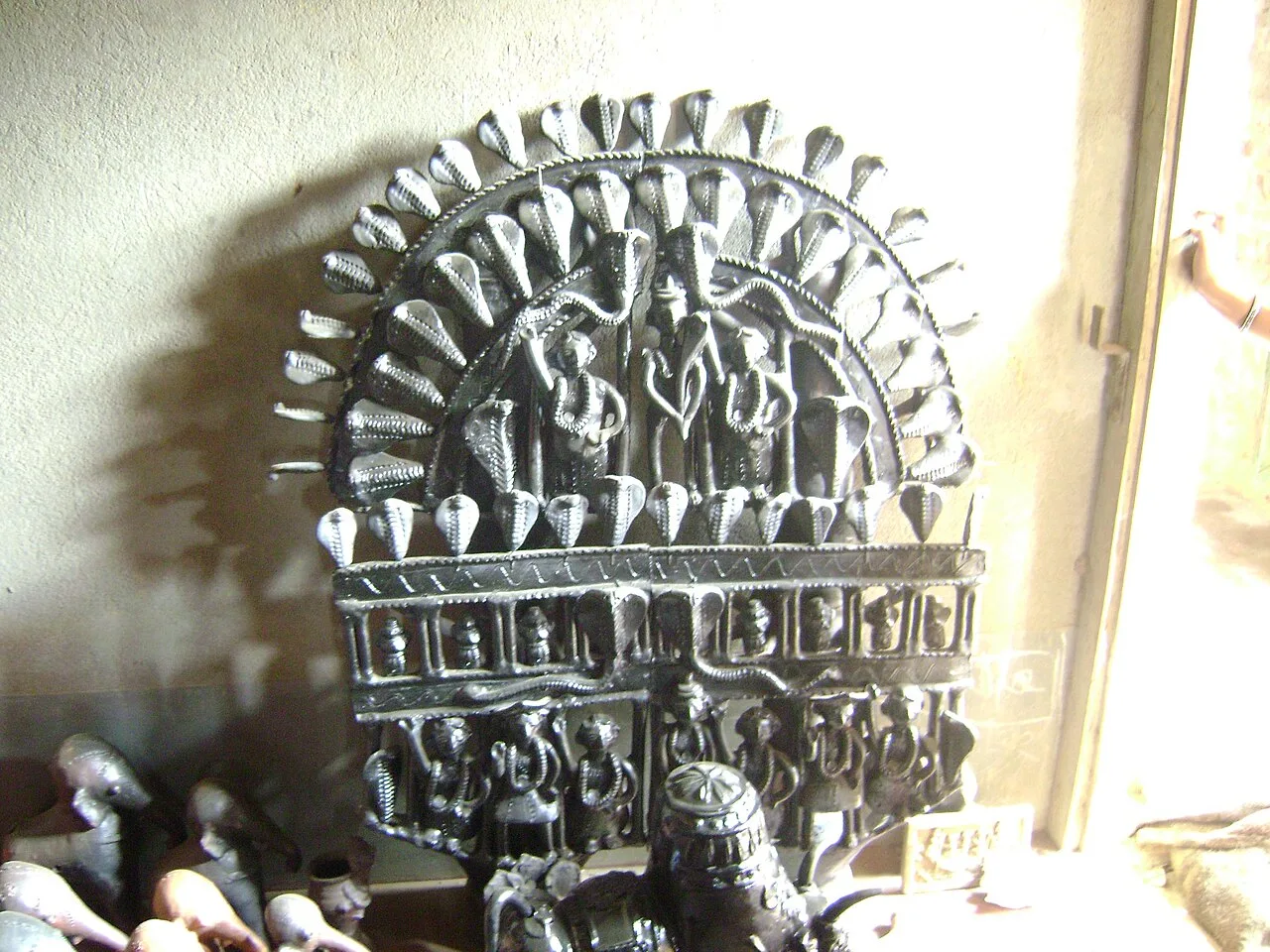
Kharar is best known locally for brass and bell-metal products, especially durable household utensils. This craft is shared with nearby Ghatal, Chandrakona and Ramjibanpur, and forms part of a wider tradition of metalworking in the area. Visitors interested in the trade can look for workshops and sellers around the town’s local market, where availability varies; asking locally is the best way to locate active makers. No particular GI-tagged product is established here.

The surrounding countryside supports agriculture, with paddy and potatoes among the principal crops. These are important to the local economy and may be found through ordinary market trading, though Kharar is not especially known as a destination for a distinct packaged food or textile. The town’s shops and market serve residents from Kharar and nearby villages, offering everyday goods alongside locally made metalware. For a broader view of the craft, travellers can also explore markets in neighbouring Ghatal or Chandrakona, where the same regional metalworking tradition is present.

History

Kharar’s municipal history dates to the late nineteenth century, when it was constituted under the Bengal Municipality Act with several surrounding villages, including Rayerdanga, Krishnapur, Udaygunge and Dalapatipur. It was initially part of Arambagh subdivision in Hooghly district. Administrative boundaries later changed, and Kharar became part of Ghatal subdivision in Paschim Medinipur district. The municipality continues to provide local civic administration, with the town divided into wards.

The area’s older economic life was closely tied to skilled metalworking. Brass and bell-metal utensils, along with the work of goldsmiths, were associated with the town and neighbouring settlements. Agriculture also shaped local livelihoods, particularly the cultivation of paddy and potatoes on the subdivision’s fertile alluvial soils. In modern times Kharar remains a modest regional centre rather than a major industrial city, serving nearby rural communities through its market and municipal services while retaining its connection to traditional craft production.

Food, festivals & culture

Daily life in Kharar reflects the customs of rural and small-town West Bengal. Bengali is the principal language of everyday communication, and local markets, family occasions and religious gatherings are important parts of community life. Rice-based meals are common, often accompanied by fish, vegetables and lentils; Bengali sweets may be enjoyed at celebrations, though no particular sweet is uniquely associated with Kharar.

Durga Puja in autumn is a major festival across the region, while Kali Puja and Lakshmi Puja are also widely observed. Saraswati Puja, usually held in winter, is a familiar celebration in homes and educational settings. Seasonal fairs and worship at neighbourhood temples or other local shrines add to the town’s calendar, although specific events and observances can vary by locality. Bengali music and devotional songs are part of festival and religious life. Kharar’s cultural character is best experienced through its market streets, community celebrations and the everyday traditions shared with the wider Ghatal area.

Visiting the city

The cooler, drier months from roughly October to February are generally the most comfortable for visiting. Summer can be hot, while the monsoon brings heavy rain and may affect road journeys. The nearest major airport is Netaji Subhas Chandra Bose International Airport in Kolkata. Chandrakona Road railway station is a useful railhead for reaching the area; onward travel to Kharar is by road. Check current connections before setting out, as local transport arrangements can vary.

Within Kharar, auto-rickshaws and other local vehicles are practical for short trips, while hired cars or buses can connect the town with Ghatal and nearby settlements. Explore the central market area for everyday commerce and metalware, then consider a wider excursion to Ghatal, Chandrakona or Birsingha. These places offer a broader sense of the region’s craft, history and rural landscape.

Trips from the city

Nearest places to visit from Kharar

Our closest destination guides, by straight-line distance.

50 km away · Hooghly district

Dhaniakhali

Dhaniakhali is a village in Hooghly district, West Bengal, known for its association with the popular Dhaniakhali sari. That connection may interest visitors exploring the place.

Bishnupur

54 km away · Bankura district

Bishnupur

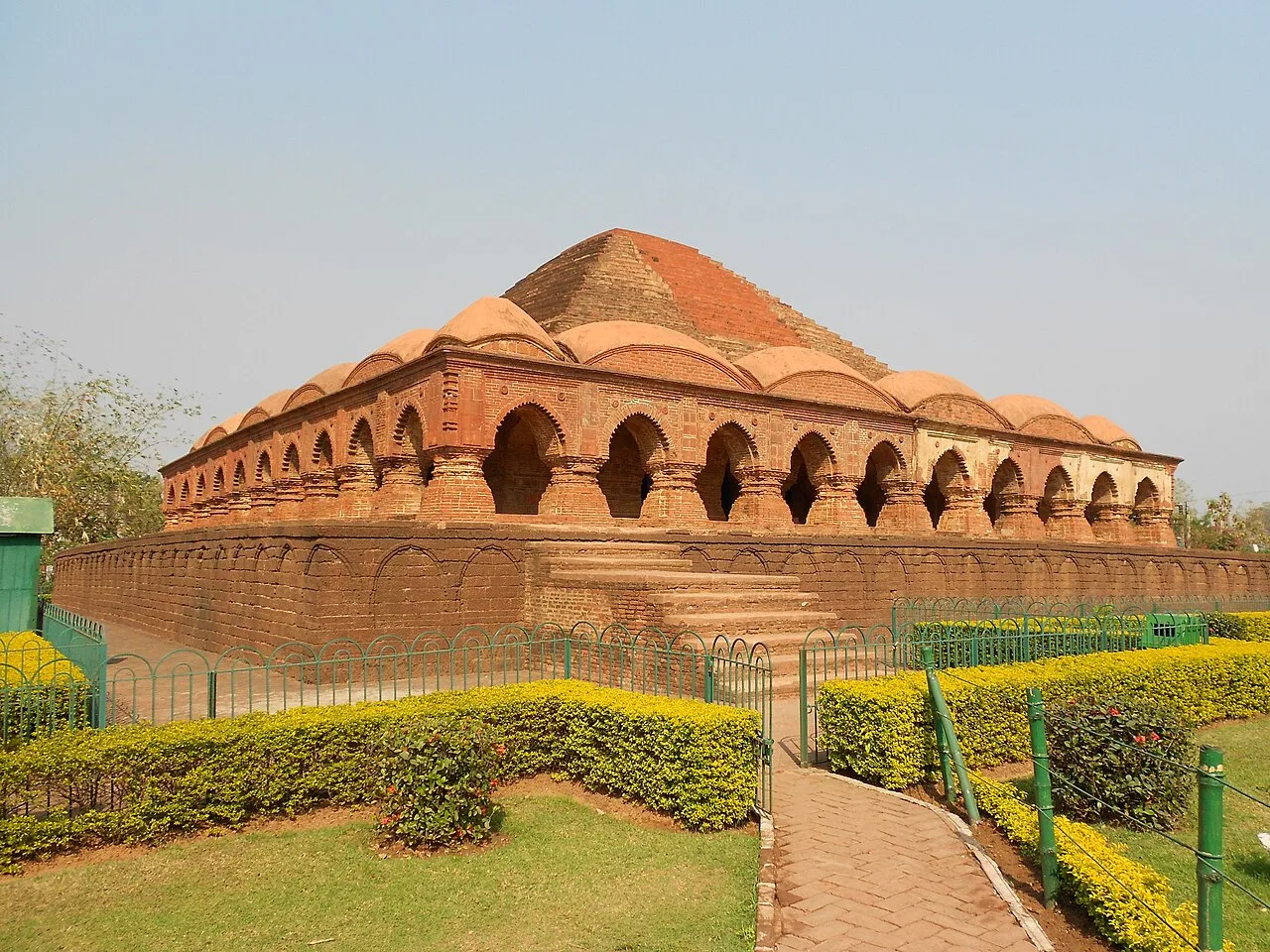
Bishnupur is a city and municipality in West Bengal’s Bankura district, known for temples built under the Malla rulers and for Baluchari sarees.

Panchmura

59 km away · Bankura district

Panchmura

Panchmura is a gram panchayat in Bankura district, West Bengal, known for its terracotta Bankura horse, a folk artefact regarded as India’s national symbol for handicrafts.

Acharya Jagadish Chandra Bose Indian Botanic Garden

65 km away · Howrah district

Acharya Jagadish Chandra Bose Indian Botanic Garden

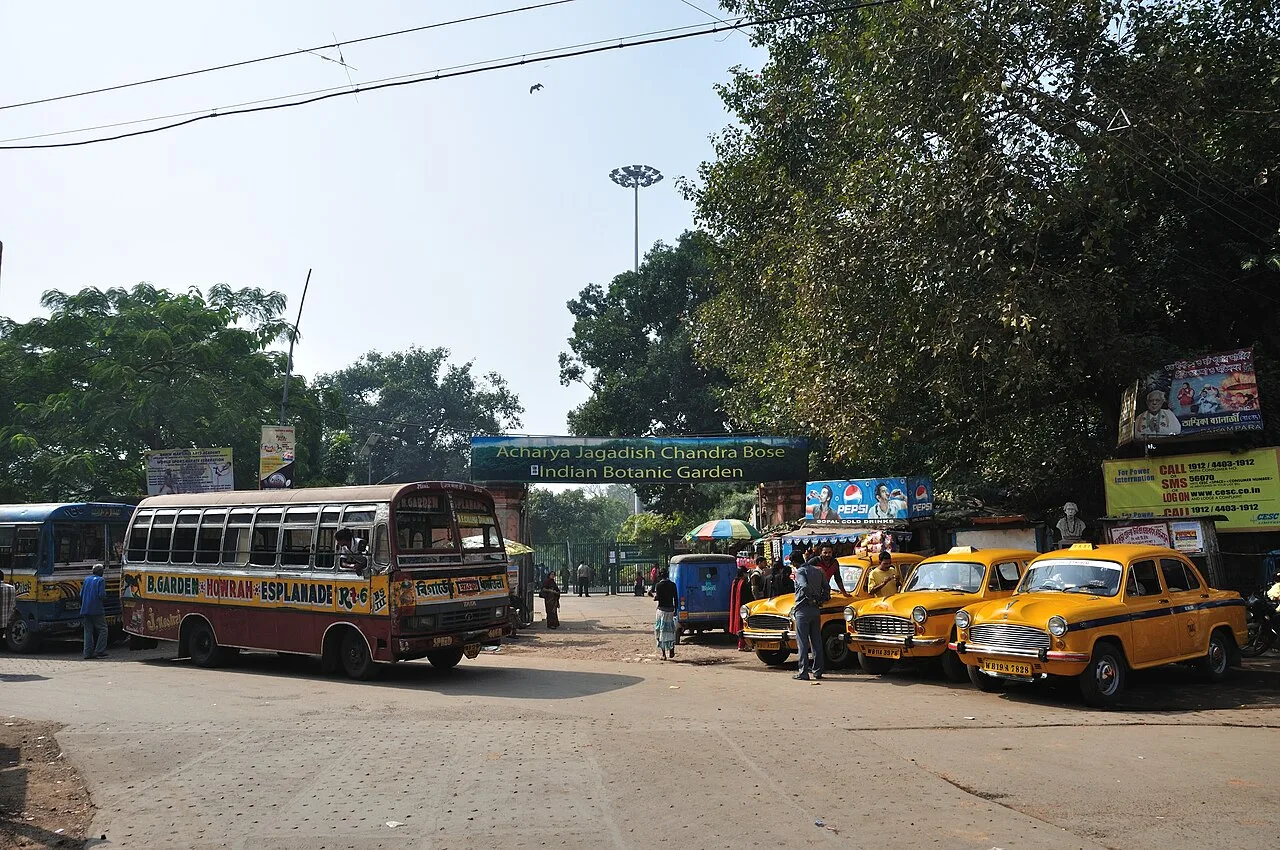
The Acharya Jagadish Chandra Bose Indian Botanic Garden is a botanical garden in Shibpur, Howrah, near Kolkata. Visitors come to see its diverse collection of rare plants.

Serampore

68 km away · Hooghly district

Serampore

Serampore is a city in West Bengal’s Hooghly district, with a history tied to Danish India and a setting beside the Hooghly River. Visitors may come to learn about these connections.

Alipore Zoo

70 km away · Kolkata district

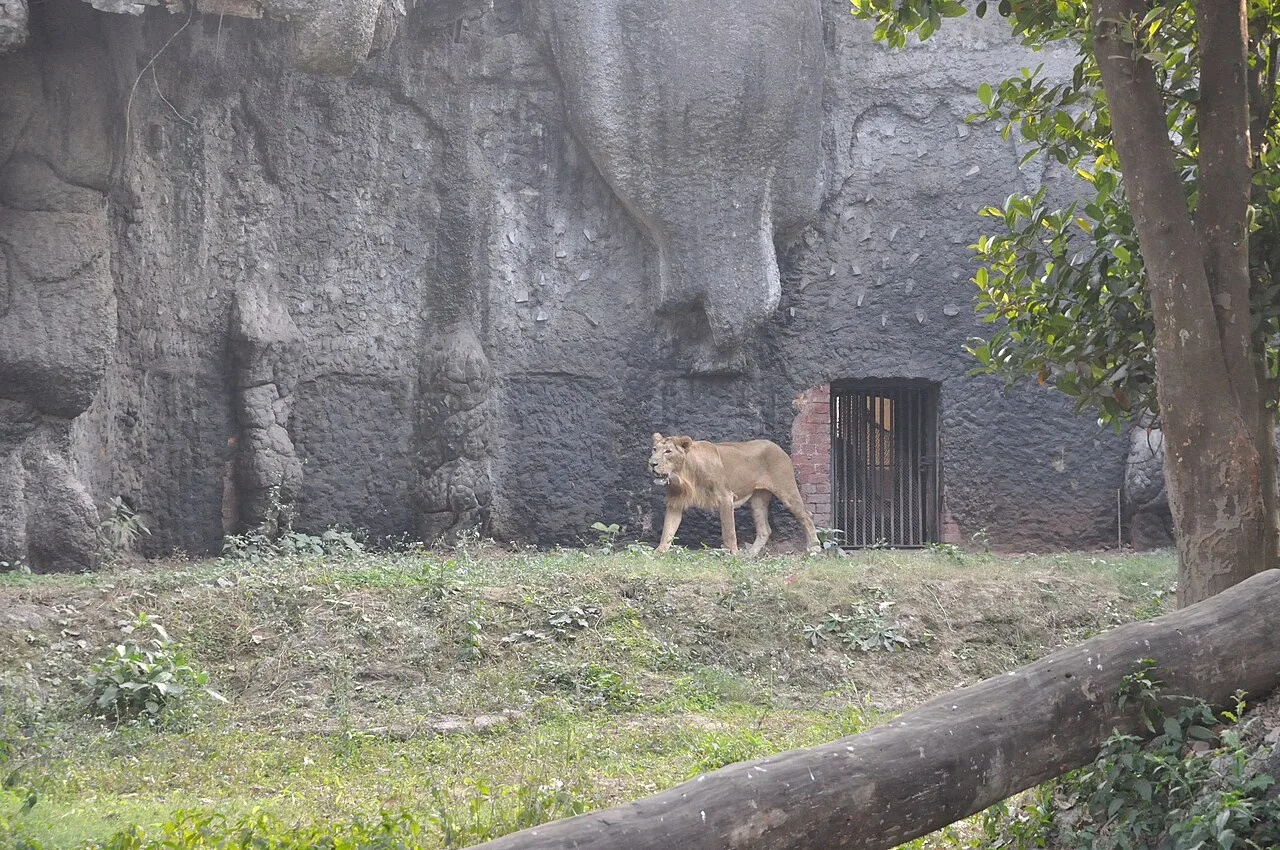
Alipore Zoo

The Zoological Garden, Alipore, commonly called Alipore Zoo, is recognised as India’s oldest formally established zoological park. Its animal collection and breeding work draw visitors to Kolkata.

Belur Math

70 km away · Howrah district

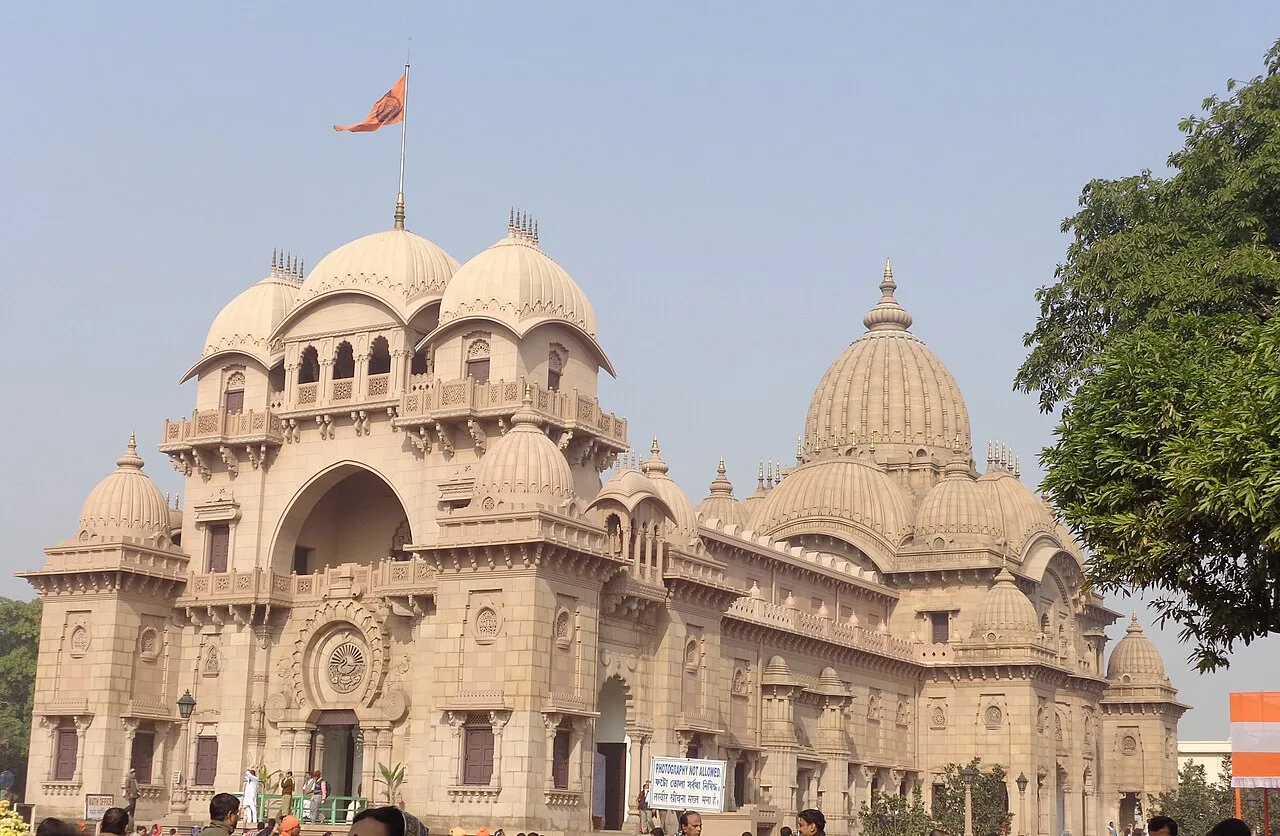
Belur Math

Belur Math, in Howrah district, is the headquarters of the Ramakrishna Math and Ramakrishna Mission. Visitors come to see its temple, whose design draws on several religious traditions.

Dakshineswar Kali Temple

70 km away · North 24 Parganas district

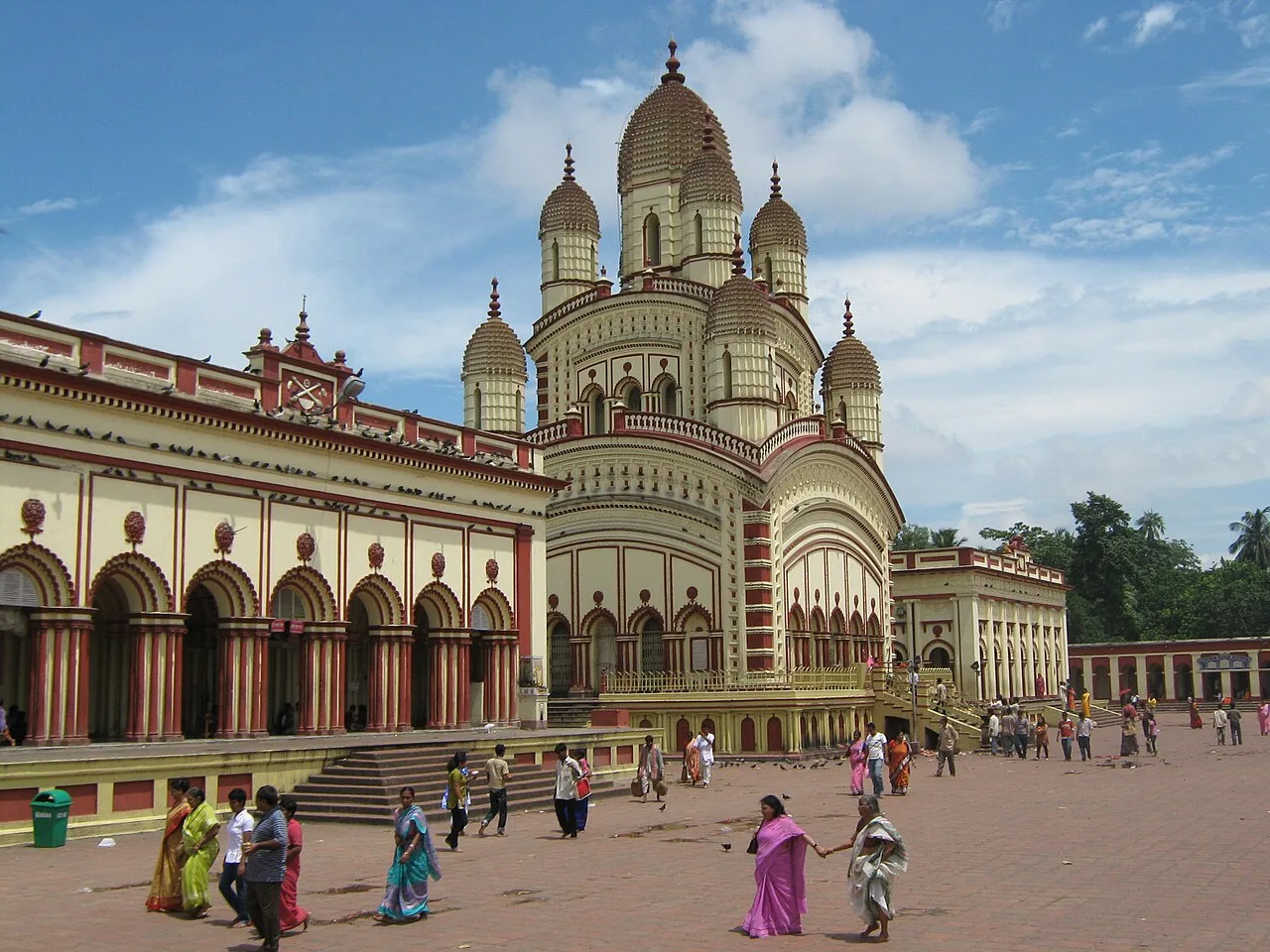
Dakshineswar Kali Temple

This Hindu temple complex in Dakshineswar is centred on a shrine to Kali and is associated with Rani Rashmoni, Ramakrishna and Sarada Devi. People visit to worship and explore its grounds.

Map

Kharar on the map

  1. 1Dhaniakhali
  2. 2Bishnupur
  3. 3Panchmura
  4. 4Acharya Jagadish Chandra Bose Indian Botanic Garden
  5. 5Serampore
  6. 6Alipore Zoo
  7. 7Belur Math
  8. 8Dakshineswar Kali Temple

West Bengal

Other cities to explore