Ghumoopedia — Explore, Discover, Experience
Sign in
Hangseshwari Temple, near Pandua

City guide · West Bengal

Pandua

Pandua is a small town in Hooghly district, north of Kolkata, whose importance comes chiefly from its medieval heritage and its role as a local centre in the surrounding agricultural region. Its best-known landmark is the tall Pandua Minar, a prominent feature of the town’s skyline.

Famous for

  • Pandua Minar
  • Pandu Raja palace ruins
  • Medieval local history
  • Dhaniakhali handloom connection

Why Pandua matters

Pandua is a small town in Hooghly district, north of Kolkata, whose importance comes chiefly from its medieval heritage and its role as a local centre in the surrounding agricultural region. Its best-known landmark is the tall Pandua Minar, a prominent feature of the town’s skyline. Nearby ruins locally identified with Pandu Raja’s palace add to the area’s historical interest, though stories about the king belong to local tradition rather than established history.

Visitors come to see the minar and explore a landscape shaped by centuries of religious and political change. Pandua also serves as a familiar stop for residents of nearby settlements, with road and rail connections to other parts of Hooghly. It is not a large resort or a major shopping destination; its appeal lies in a brief, place-centred visit that combines a distinctive monument with the quieter character of a Bengali town. The wider Hooghly region offers further historic sites and rural scenery for travellers making a longer trip.
Famous for: crafts, trade & products

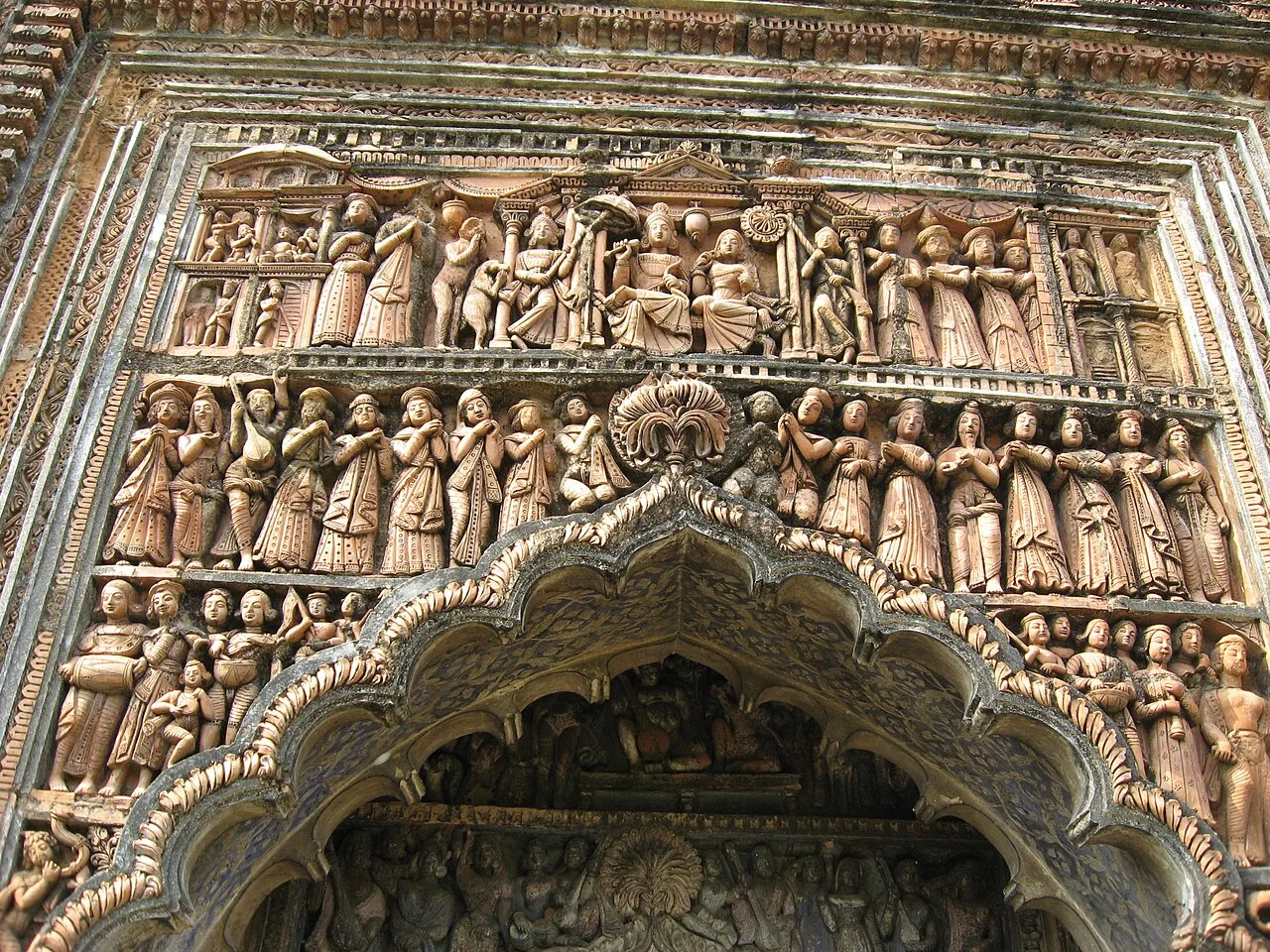
Pandua is not widely recognised as a specialised textile or handicraft production centre. Its strongest identity is its historic minar and the nearby remains associated in local accounts with Pandu Raja. The town’s shops and market serve everyday needs for Pandua and surrounding villages rather than functioning as a major destination for traditional crafts or wholesale trade.

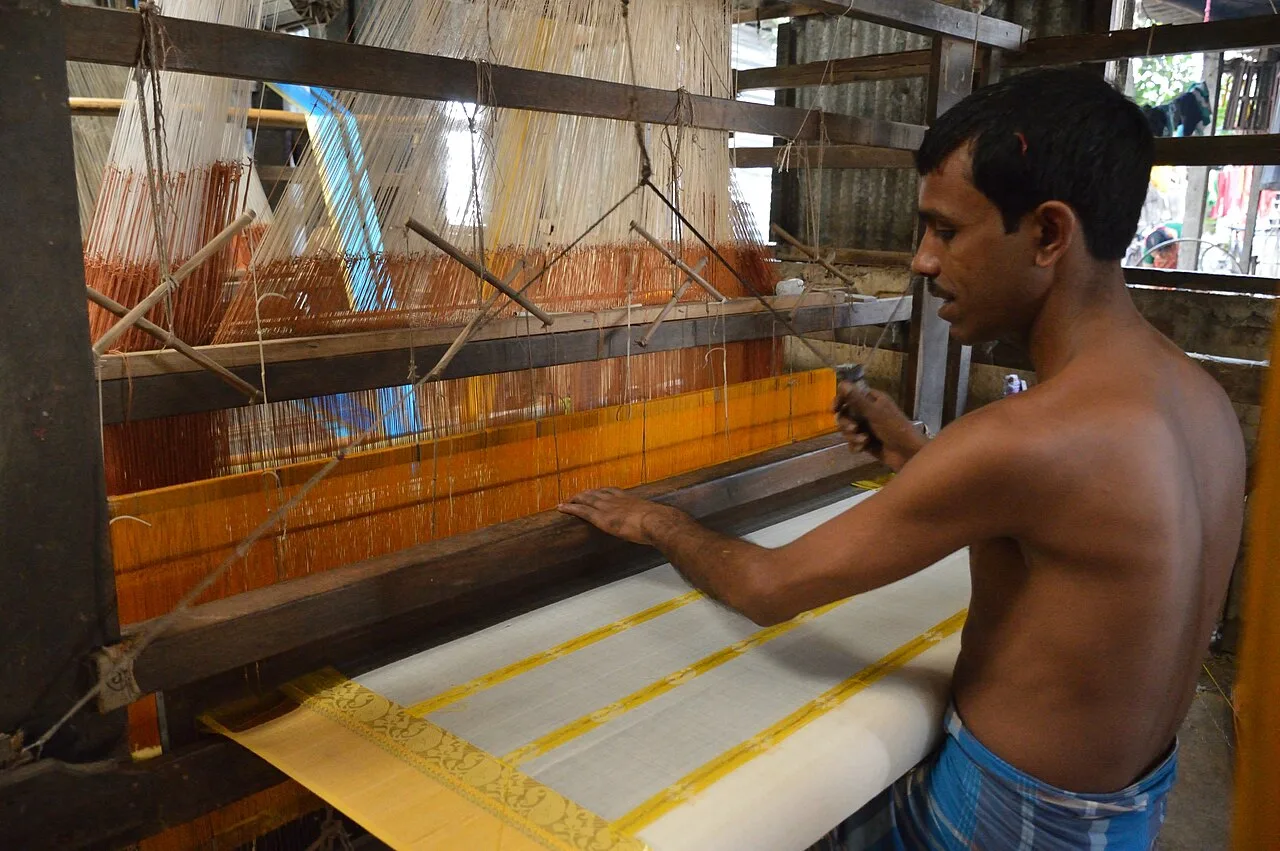
A nearby textile connection is Dhaniakhali, known for handloom sarees. Travellers interested in those weaves can look for them in Dhaniakhali or in larger regional markets, rather than assuming they are made or sold widely in Pandua. Hooghly’s broader food and farming economy is visible in local markets, where seasonal produce and everyday Bengali provisions are more characteristic than a single signature product. There is no widely established Pandua-specific GI-tagged craft or product to seek out. For a visit focused on local commerce, explore the town’s market area; for specialist textiles, plan a separate stop in a recognised weaving centre.

History

Pandua’s history is tied to the changing political and religious landscape of southern Bengal. Local tradition recounts a Hindu king named Pandu and tells of Shah Sufiuddin’s victory in the area, followed by the construction of a mosque and a victory monument. The story of the king and a miraculous palace well is part of local lore; historical evidence for King Pandu is lacking. Records and regional histories place Muslim political activity in the wider Saptagram–Pandua area from the late thirteenth and early fourteenth centuries. The minar is commonly associated with this medieval period, although its precise history is not entirely clear.

Under British rule, Pandua remained part of Hooghly’s predominantly rural landscape rather than becoming a major colonial administrative or industrial centre. In modern times it has continued as a small town and the centre of a community development block, serving nearby settlements while retaining its historic landmark as its most distinctive feature.

Food, festivals & culture

Everyday life in Pandua reflects the Bengali culture of Hooghly district. Bengali is the principal language heard in local settings, with Hindi and English also understood by some residents. Meals commonly follow the region’s rice-and-fish traditions, alongside vegetables, lentils and familiar Bengali snacks. Sweets such as sandesh and mishti doi are widely associated with Bengali food culture, though Pandua is not especially known for a signature sweet.

Durga Puja, usually celebrated in autumn, is a major occasion across the region, with neighbourhood decorations and community gatherings. Kali Puja and Diwali follow in the autumn season; Saraswati Puja is commonly observed in late winter. Eid is also marked by Muslim residents, with its timing shifting according to the lunar calendar. The town’s heritage reflects both Hindu and Muslim histories: visitors encounter the minar and local places of worship, while music, devotional practices and seasonal celebrations are part of community life. No single dance or music form defines Pandua specifically; regional Bengali traditions are the broader cultural setting.

Visiting the city

October to February is generally the most comfortable period to visit, with milder weather for seeing the minar and exploring the town. Summer can be hot, while the monsoon brings rain and occasionally makes outdoor visits less convenient. The nearest major airport is Netaji Subhas Chandra Bose International Airport in Kolkata. Pandua railway station is the town’s main rail access point, with road connections to nearby Hooghly towns.

Local autorickshaws and other shared or hired vehicles are practical for short trips; confirm the route locally, especially for sites outside the centre. Begin around Pandua Minar and the nearby remains associated with Pandu Raja’s palace, then spend time in the market area to see everyday town life. For a wider excursion, Dhaniakhali is a nearby destination associated with handloom sarees. Check local conditions before setting out to less clearly marked historic remains.

Trips from the city

Nearest places to visit from Pandua

Our closest destination guides, by straight-line distance.

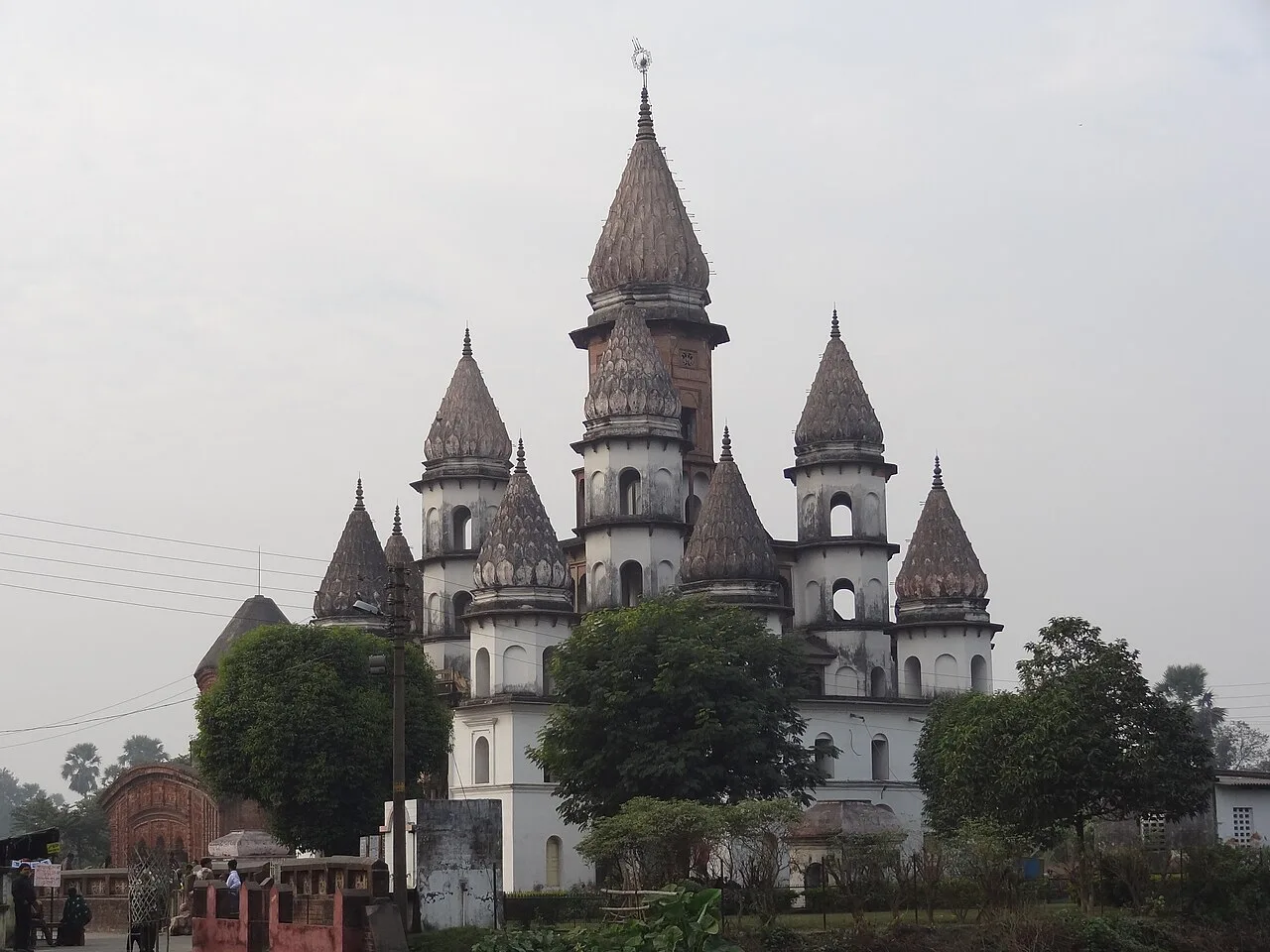
Hangseshwari Temple

17 km away · Hooghly district

Hangseshwari Temple

Hangseshwari Temple is a Hindu shrine in Bansberia, Hooghly district, noted for its distinctive thirteen-towered ratna design and its worship of Hangseswari, a form of the goddess Kali.

Kalna

17 km away · Purba Bardhaman district

Kalna

Ambika Kalna is a town in West Bengal’s Purba Bardhaman district, visited for its historic Rajbari and its group of 108 Shiva temples.

Bandel Church

21 km away · Hooghly district

Bandel Church

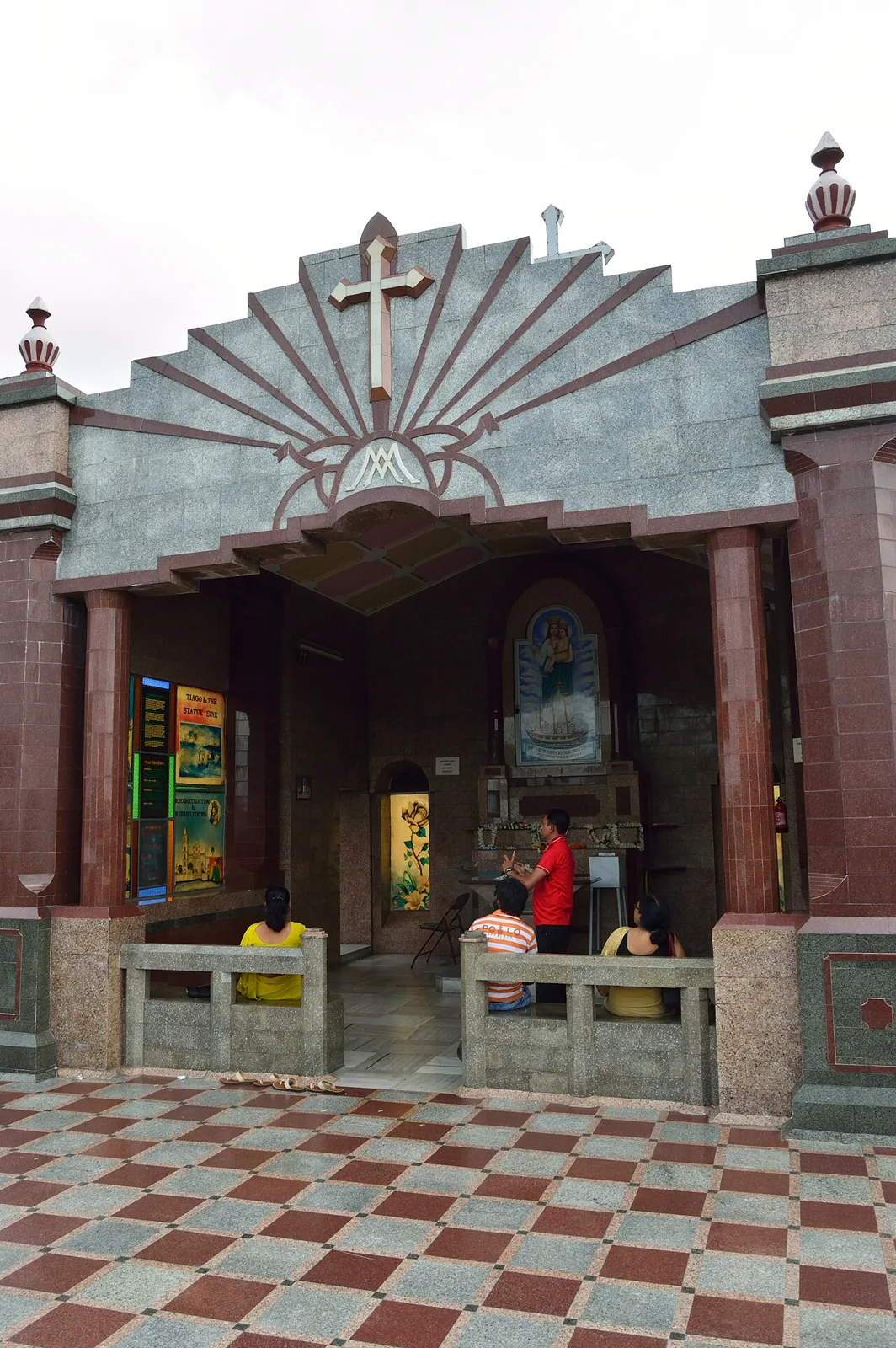
Located in Bandel, Hooghly district, the Basilica of the Holy Rosary is a historic Roman Catholic church associated with Bengal’s Portuguese settlement; visitors come for its religious and historical significance.

23 km away · Hooghly district

Dhaniakhali

Dhaniakhali is a village in Hooghly district, West Bengal, known for its association with the popular Dhaniakhali sari. That connection may interest visitors exploring the place.

Chandannagar

25 km away · Hooghly district

Chandannagar

Chandannagar is a city in West Bengal’s Hooghly district, with a history as a French settlement. Visitors can see Indo-French influences in its colonial-era bungalows, many of which are now in poor condition.

Phulia

29 km away · Nadia district

Phulia

Phulia, known by the alternate spelling Fulia, is a settlement in Nadia district, West Bengal, within Santipur CD block in Ranaghat subdivision. Visitors are drawn by its association with Krittibas Ojha, who was born there.

Serampore

37 km away · Hooghly district

Serampore

Serampore is a city in West Bengal’s Hooghly district, with a history tied to Danish India and a setting beside the Hooghly River. Visitors may come to learn about these connections.

Nabadwip

39 km away · Nadia district

Nabadwip

Nabadwip is a historic city in West Bengal, revered as the birthplace of Chaitanya Mahaprabhu. Visitors come for its Vaishnava heritage, religious celebrations and long tradition of Sanskrit learning.

Map

Pandua on the map

  1. 1Hangseshwari Temple
  2. 2Kalna
  3. 3Bandel Church
  4. 4Dhaniakhali
  5. 5Chandannagar
  6. 6Phulia
  7. 7Serampore
  8. 8Nabadwip

West Bengal

Other cities to explore