Ghumoopedia — Explore, Discover, Experience
Sign in
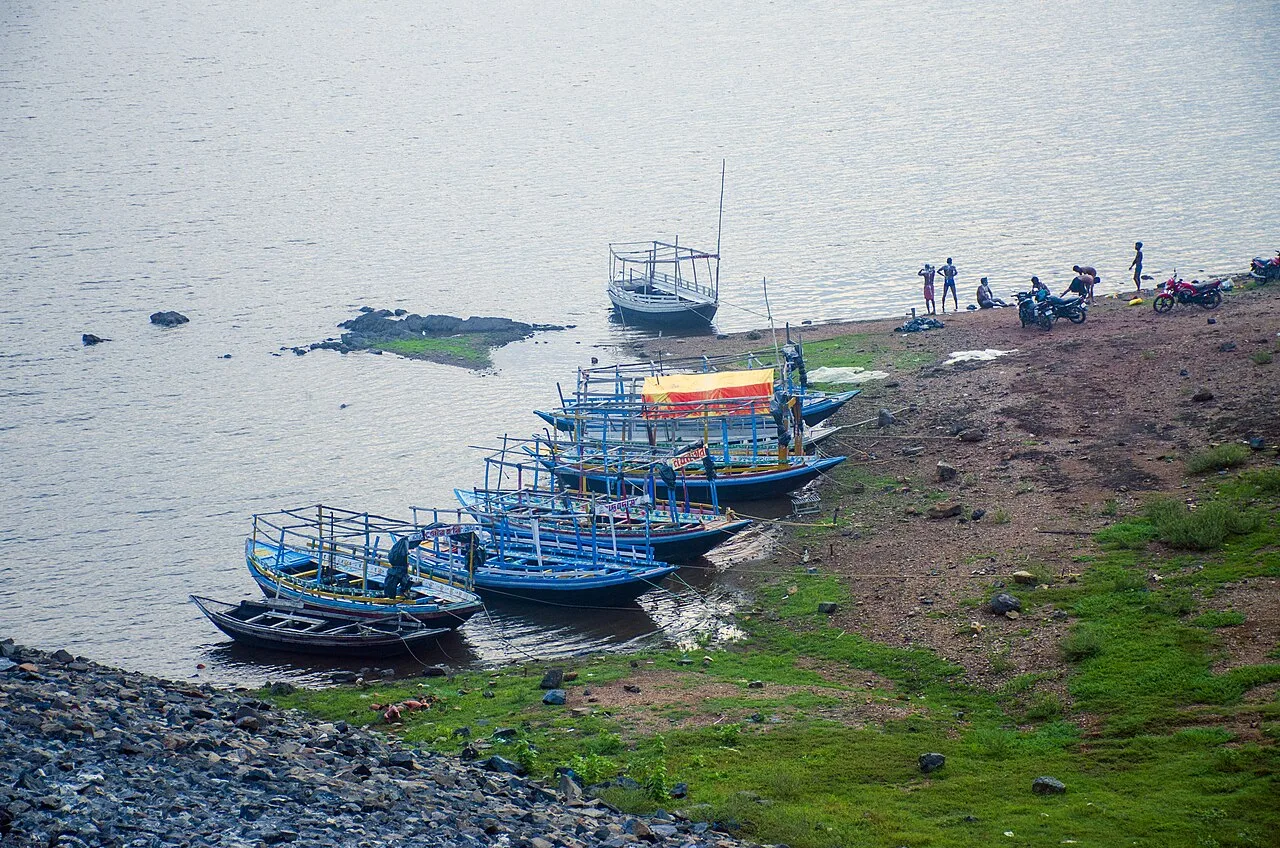
Mukutmanipur Dam, near Kenda

City guide · West Bengal

Kenda

Kenda is a small town in Jamuria block, within Paschim Bardhaman district’s Asansol Sadar subdivision. Its importance comes less from landmark tourism than from its place in the coal and industrial landscape of western West Bengal.

Famous for

  • Coalfield setting
  • Jamuria industrial belt
  • Laterite landscape
  • Asansol regional links

Why Kenda matters

Kenda is a small town in Jamuria block, within Paschim Bardhaman district’s Asansol Sadar subdivision. Its importance comes less from landmark tourism than from its place in the coal and industrial landscape of western West Bengal. The wider Asansol–Raniganj area is a centre of mining, industry and associated transport and services, and Kenda forms part of this connected belt. Asansol is the region’s main urban centre for visitors seeking larger markets, transport connections and civic services.

The surrounding landscape is marked by rolling lateritic ground, shaped in part by the broader terrain between the Damodar and Ajay river valleys. Coal development transformed a once more heavily forested region and remains central to its identity. Visitors may come to understand this working industrial setting or to use Kenda as a base for travel around Jamuria and Asansol, rather than for a cluster of major monuments. Everyday Bengali life, local markets and the contrasts between built-up settlements and the open countryside give the town its character.
Famous for: crafts, trade & products

Kenda is best understood through the coal economy of the Jamuria–Raniganj belt. Mining and related industrial activity have shaped employment, settlement and trade across the wider region. Coal, rather than a distinctive textile, handicraft or GI-tagged product, is the association most closely linked with the area. The town is not widely known as a specialist shopping destination, and visitors should not expect a dedicated craft bazaar or a signature local product market.

For everyday purchases, residents use neighbourhood shops and local markets; larger selections of goods and services are available in Asansol. The wider district’s industrial institutions and businesses reflect the long-standing importance of mining, though Kenda itself is a modest settlement rather than a major commercial centre. Bengali food staples and household goods are the most practical things to look for in local shops. Visitors interested in the region’s industrial story can explore the public-facing areas of nearby towns and learn about the coal belt’s development, while respecting that mines and industrial facilities are working sites and may not be open to casual visitors.

History

Kenda’s history is closely tied to the transformation of the wider Asansol–Raniganj region. The area was once more heavily forested, with lateritic uplands and river valleys shaping its settlement patterns. The discovery and development of coal brought major change: mining encouraged the growth of settlements, transport links and supporting industries, and reshaped the local economy.

During the colonial period, coal extraction expanded across the Raniganj coalfield, helping establish the region as an important industrial zone. Kenda’s development belongs to this broader history rather than to a separately documented royal capital or major political centre. In modern times, it has remained part of the coal-linked urban and semi-urban landscape around Jamuria and Asansol. Administratively, Kenda is a town in Jamuria community development block, within Asansol Sadar subdivision of Paschim Bardhaman district. The growth of nearby urban centres and the continuing role of industry have influenced its connections, livelihoods and daily life.

Food, festivals & culture

Daily life in Kenda reflects the mixed, working-town culture of the Asansol region. Bengali is widely used, alongside Hindi and other languages heard across this industrial belt. Meals commonly draw on Bengali staples such as rice, lentils, vegetables and fish; tea stalls and small eateries serve everyday snacks. Visitors can also find familiar Bengali sweets in the wider area, although Kenda is not especially known for a signature dish or sweet.

Durga Puja, usually celebrated in autumn, is a major community festival, with Kali Puja and Diwali also observed around the same season. Saraswati Puja is marked in winter, while Eid and other religious occasions are celebrated by local communities. Worship takes place at neighbourhood temples and mosques, which serve as important community spaces; there is no single landmark shrine for which Kenda is widely known. Festive music, devotional singing and popular Bengali and Hindi songs are part of local gatherings. The town’s culture is best experienced through its everyday markets and community celebrations rather than through formal performance venues.

Visiting the city

The cooler months, roughly October to February, are generally the most comfortable time to visit; summers can be hot, and the monsoon brings rain. Kenda is a modest industrial town, so it suits travellers interested in the wider coal belt or passing through the Jamuria–Asansol area more than visitors seeking a conventional sightseeing circuit.

Kazi Nazrul Islam Airport at Andal is the nearest airport serving the region. Asansol Junction is the main railway station for reaching Kenda and connecting with the wider area. From Asansol, local buses, taxis and shared or hired vehicles can be used for onward travel; auto-rickshaws are useful for shorter journeys within nearby settlements. Explore Kenda’s local market and built-up centre for an everyday sense of the town, then consider Jamuria and Asansol for broader services and regional context. Industrial sites are working premises, so access should be confirmed locally.

Trips from the city

Nearest places to visit from Kenda

Our closest destination guides, by straight-line distance.

Mukutmanipur Dam

40 km away · Bankura district

Mukutmanipur Dam

In Bankura, West Bengal, Mukutmanipur Dam is visited for its setting near the point where the Kangsabati and Kumari rivers meet, close to the Jharkhand border.

Joychandi Pahar

42 km away · Purulia district

Joychandi Pahar

Joychandi Pahar is a hill in Purulia district, West Bengal. Visitors come for its rock-climbing opportunities and to see the area's varied plant life and recorded butterfly species.

Garh Panchkot

52 km away · Purulia district

Garh Panchkot

Garh Panchkot is the remains of a fort in Purulia district, West Bengal. Visitors come to view the ruins at the foot of Panchet Hill and learn the meaning of its name.

Susunia Hill

53 km away · Bankura district

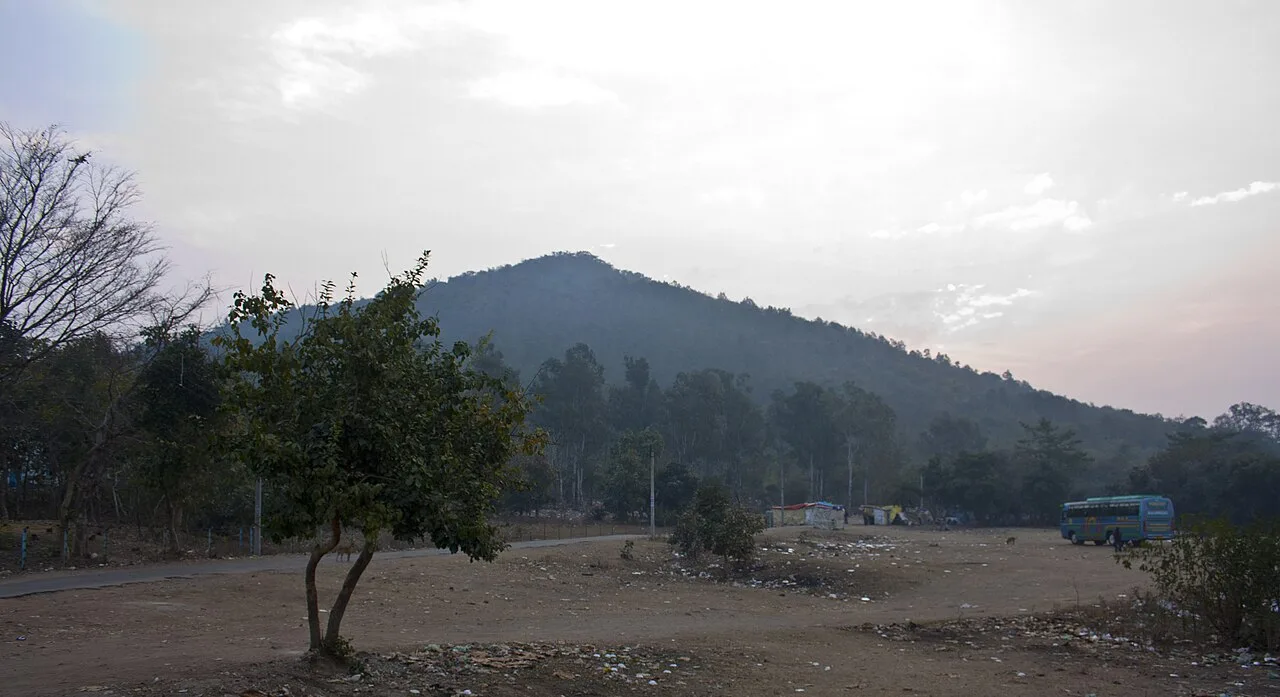
Susunia Hill

Susunia Hill is a hill in Bankura district, West Bengal, within the Eastern Ghats. Visitors come to see its landscape and regional setting.

59 km away · Bankura district

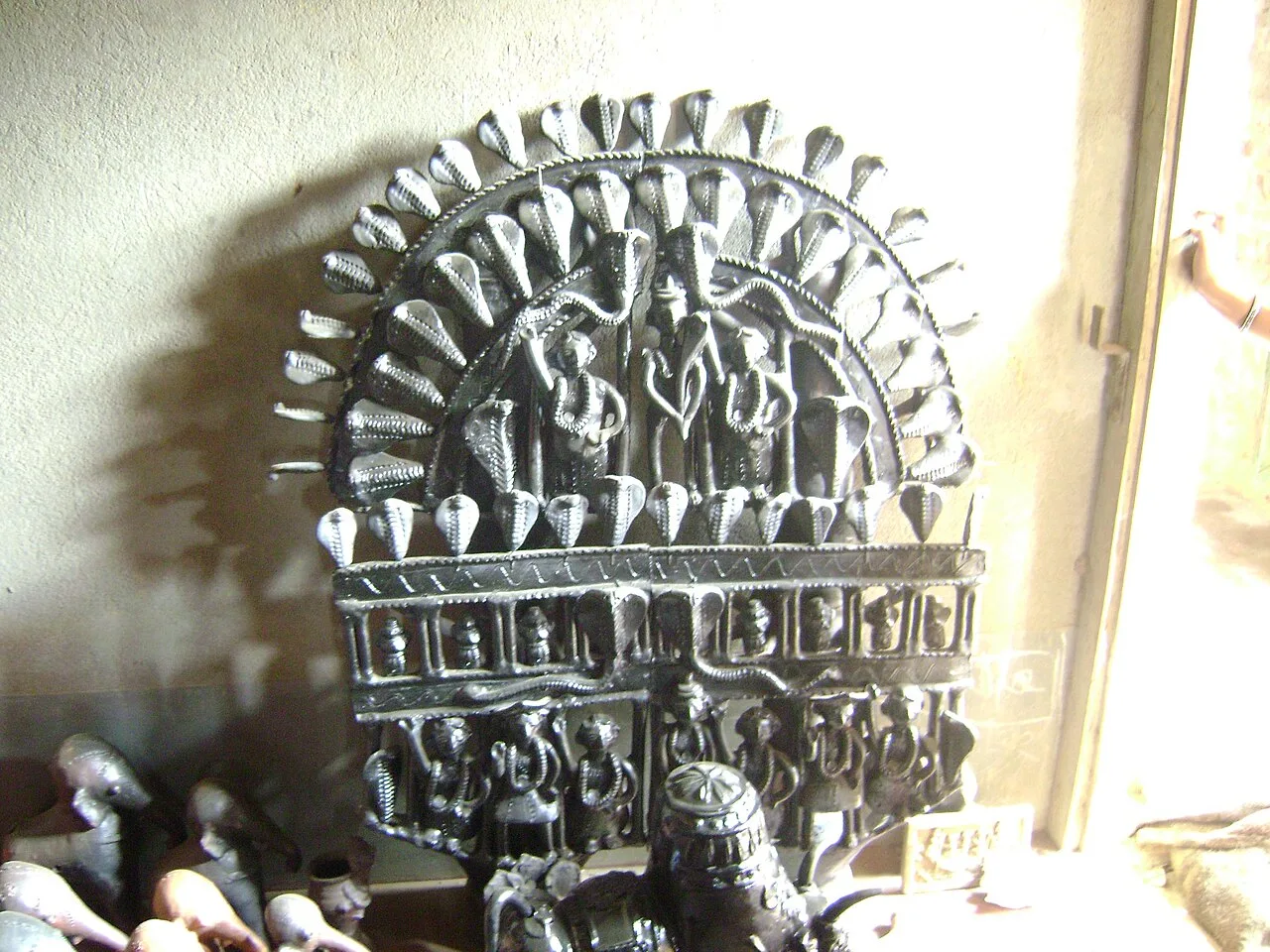
Bikna Dokra Village

Bikna Dokra Village is a settlement in Bankura district, West Bengal. It may interest visitors seeking to understand the village’s place within the district’s administrative structure.

Panchmura

71 km away · Bankura district

Panchmura

Panchmura is a gram panchayat in Bankura district, West Bengal, known for its terracotta Bankura horse, a folk artefact regarded as India’s national symbol for handicrafts.

Bishnupur

83 km away · Bankura district

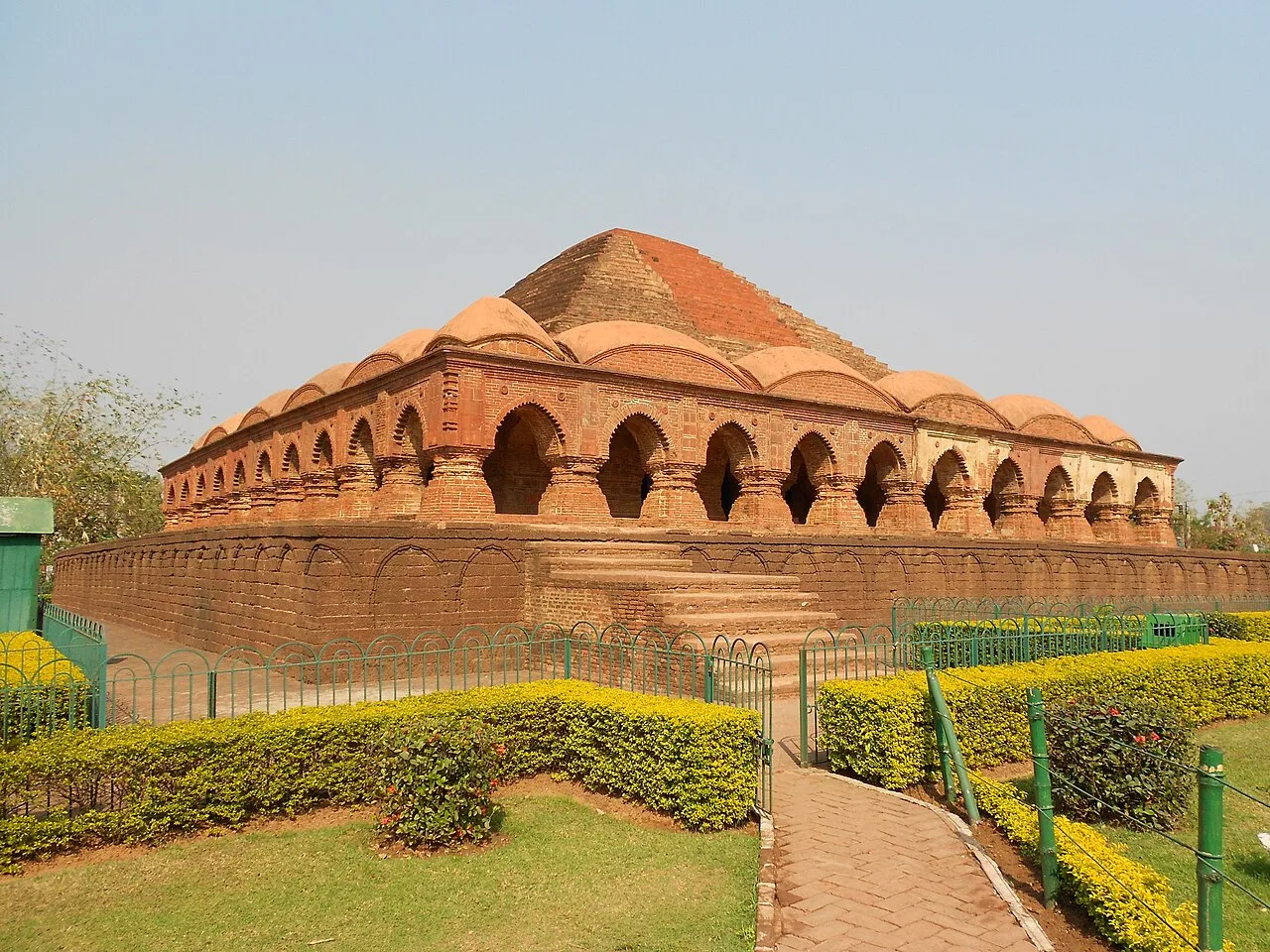
Bishnupur

Bishnupur is a city and municipality in West Bengal’s Bankura district, known for temples built under the Malla rulers and for Baluchari sarees.

Jhargram

96 km away · Jhargram district

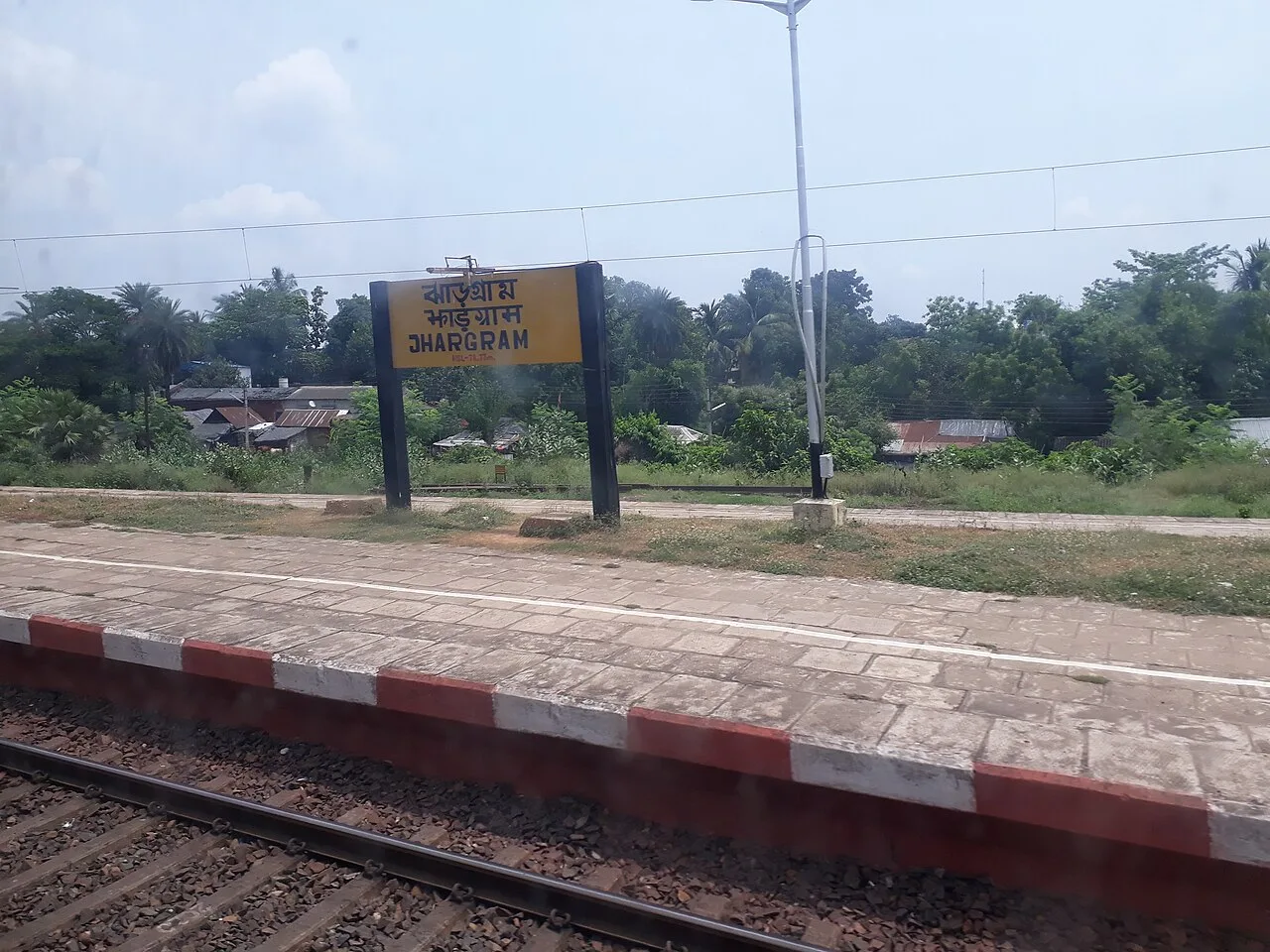
Jhargram

Jhargram is a municipal city in West Bengal and the administrative centre of its district; travellers come for its forests, ancient temples and royal palaces.

Map

Kenda on the map

  1. 1Mukutmanipur Dam
  2. 2Joychandi Pahar
  3. 3Garh Panchkot
  4. 4Susunia Hill
  5. 5Bikna Dokra Village
  6. 6Panchmura
  7. 7Bishnupur
  8. 8Jhargram

West Bengal

Other cities to explore