Ghumoopedia — Explore, Discover, Experience
Sign in
Garh Panchkot, near Chittaranjan

City guide · West Bengal

Chittaranjan

Chittaranjan is an industrial town in Paschim Bardhaman district, best known as the home of Chittaranjan Locomotive Works (CLW), a major Indian Railways production unit. The works have shaped the town’s employment, layout and identity, and make it an important centre in the Asansol region’s wider industrial belt.

Famous for

  • Chittaranjan Locomotive Works
  • Electric locomotive manufacturing
  • Railway township heritage
  • Bengal-Jharkhand borderland
  • BBC railway travel feature

Why Chittaranjan matters

Chittaranjan is an industrial town in Paschim Bardhaman district, best known as the home of Chittaranjan Locomotive Works (CLW), a major Indian Railways production unit. The works have shaped the town’s employment, layout and identity, and make it an important centre in the Asansol region’s wider industrial belt. CLW’s role in producing locomotives also gives the town significance in India’s railway story.

Visitors are drawn chiefly by this railway connection and by the planned township that grew around the factory. Chittaranjan was featured in a BBC railway travel series, bringing wider attention to the works and the community associated with them. It is not a conventional sightseeing destination, but can interest railway enthusiasts and travellers exploring the coal-and-industry landscape near the West Bengal-Jharkhand border. Its residential quarters, local markets and nearby settlements offer a glimpse of everyday life in a railway town. Visitors should check in advance whether access to any industrial premises is permitted.
Famous for: crafts, trade & products

Chittaranjan’s defining product is the locomotive. CLW manufactures railway locomotives, including electric models, for the national rail network; this is industrial production rather than a visitor-facing craft market. The factory is the town’s principal institution and the reason its name is familiar to railway enthusiasts. Access to working areas may be controlled, so visitors should not assume that the plant can be toured or that locomotives are available for public viewing.

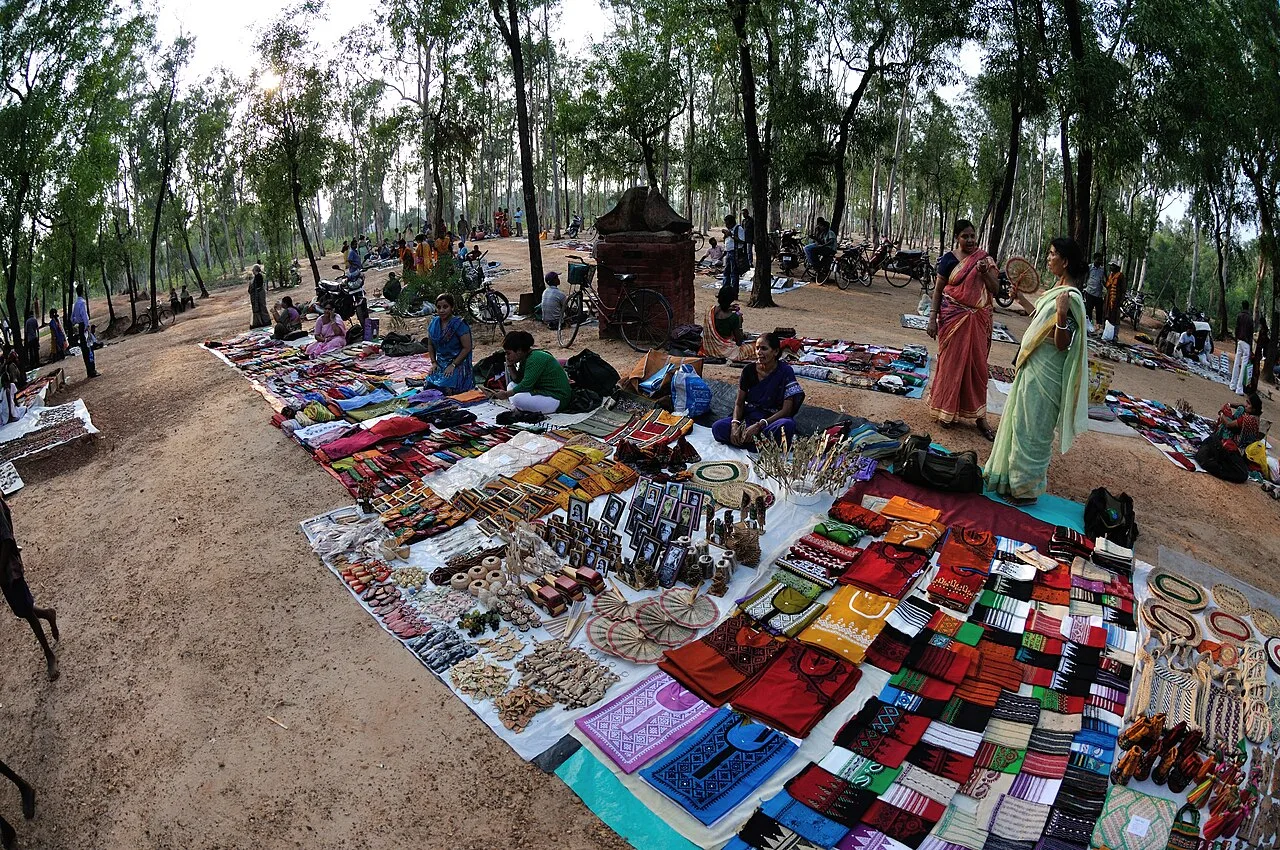
The town is not especially known for a signature textile, handicraft or GI-tagged product. Everyday shopping is centred on local markets and shops serving residents, where visitors can look for groceries, snacks, household goods and basic travel needs rather than specialist souvenirs. For a wider choice of commercial services and retail, travellers can look to the larger Asansol area. Chittaranjan’s most distinctive “product” is therefore its railway engineering heritage: the works, its contribution to locomotive manufacture and the planned township built around a major public-sector industrial institution.

History

Before industrial development, the Chittaranjan area was heavily forested. Coal discoveries and the expansion of mining and related industries transformed the surrounding region, bringing infrastructure, employment and settlement. Much of the forest was cleared as industrial activity grew.

Chittaranjan took shape as a planned railway town around Chittaranjan Locomotive Works, established after Indian independence. The works became a central part of the town’s development and of Indian Railways’ manufacturing network, with production evolving alongside the country’s changing locomotive technology. The town was named in honour of freedom fighter and political leader Chittaranjan Das, popularly known as Deshbandhu. Its history is closely tied to railway production rather than to the older courts or royal capitals that shaped some other Bengali towns. Today, the factory and its residential township remain the most visible reminders of the post-independence industrial project that created modern Chittaranjan.

Food, festivals & culture

Chittaranjan’s food reflects the mixed communities of an industrial railway town in western Bengal. Bengali meals commonly centre on rice, lentils, vegetables and fish, while tea-stall snacks and familiar Indian sweets are easy to find in local markets. There is no single dish for which the town is especially renowned; menus and home cooking vary with the town’s diverse residents.

Bengali and Hindi are widely used, alongside other languages brought by families who moved here for railway and industrial work. Durga Puja in autumn is a major seasonal celebration, with community worship and gatherings; Kali Puja, usually around the same period as Diwali, is also observed. Saraswati Puja and, among many residents, Chhath are part of the local festival calendar. Cultural life draws on Bengali traditions as well as the customs of migrant communities. Temples, mosques and other places of worship serve neighbourhood residents, while community celebrations and local gatherings are generally more central to the visitor’s experience than formal performance venues.

Visiting the city

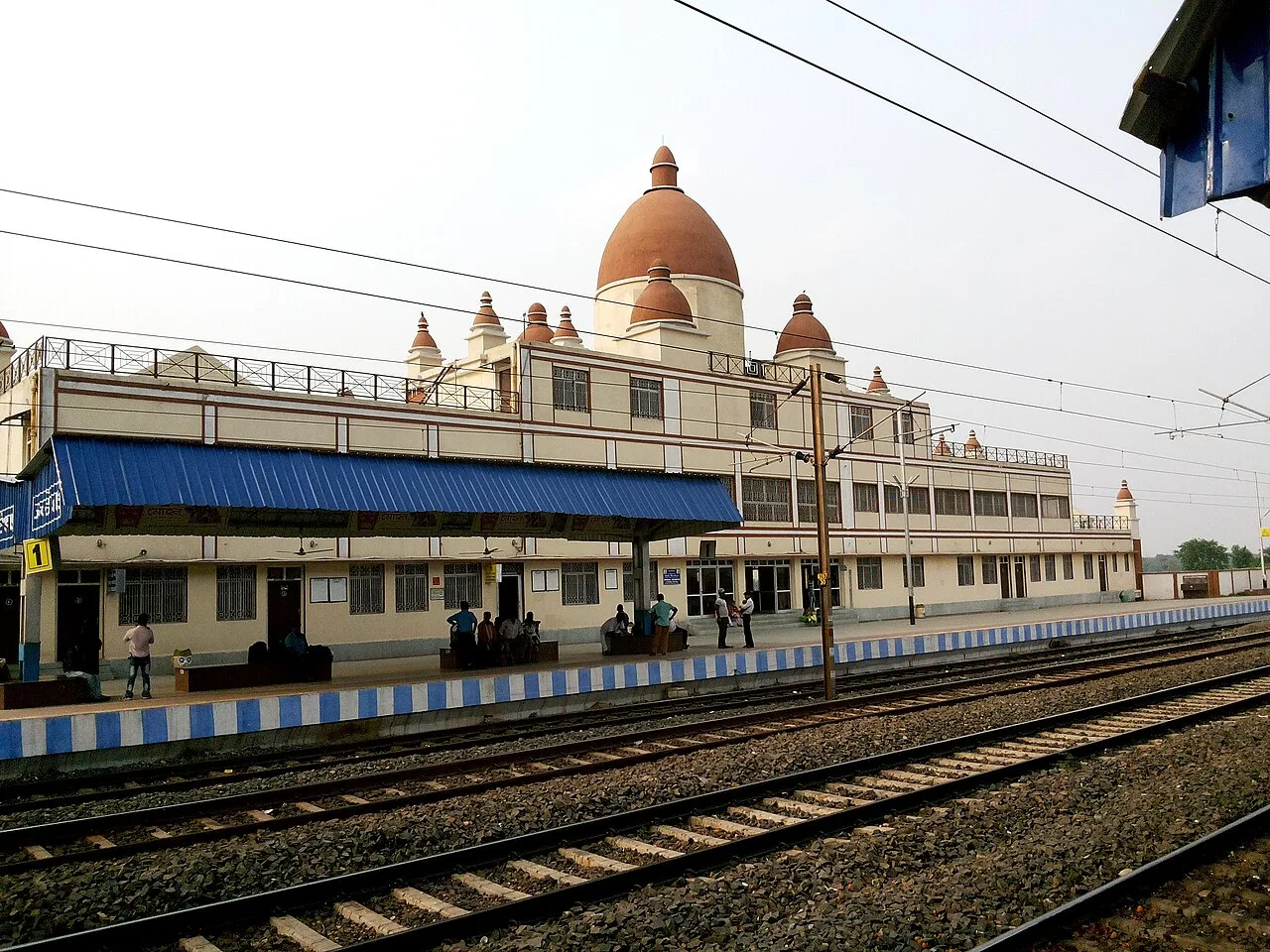
The cooler, drier months from October to February are generally the most comfortable time to visit; summer can be hot, and the monsoon brings heavy rain. The nearest major airport is Kazi Nazrul Islam Airport at Andal, serving the Durgapur-Asansol region. Chittaranjan railway station is the town’s main rail station and the most convenient arrival point for many visitors.

Local autos and taxis can help with short journeys, though availability may vary. Explore the station precinct, the residential township and its local market areas for a sense of daily life. Nearby Rupnarayanpur and Mihijam offer additional stops around the borderland, while Asansol is the larger regional centre for services and shopping. Check access arrangements before planning a visit to the locomotive works, as it is an operating industrial site.

Trips from the city

Nearest places to visit from Chittaranjan

Our closest destination guides, by straight-line distance.

Garh Panchkot

32 km away · Purulia district

Garh Panchkot

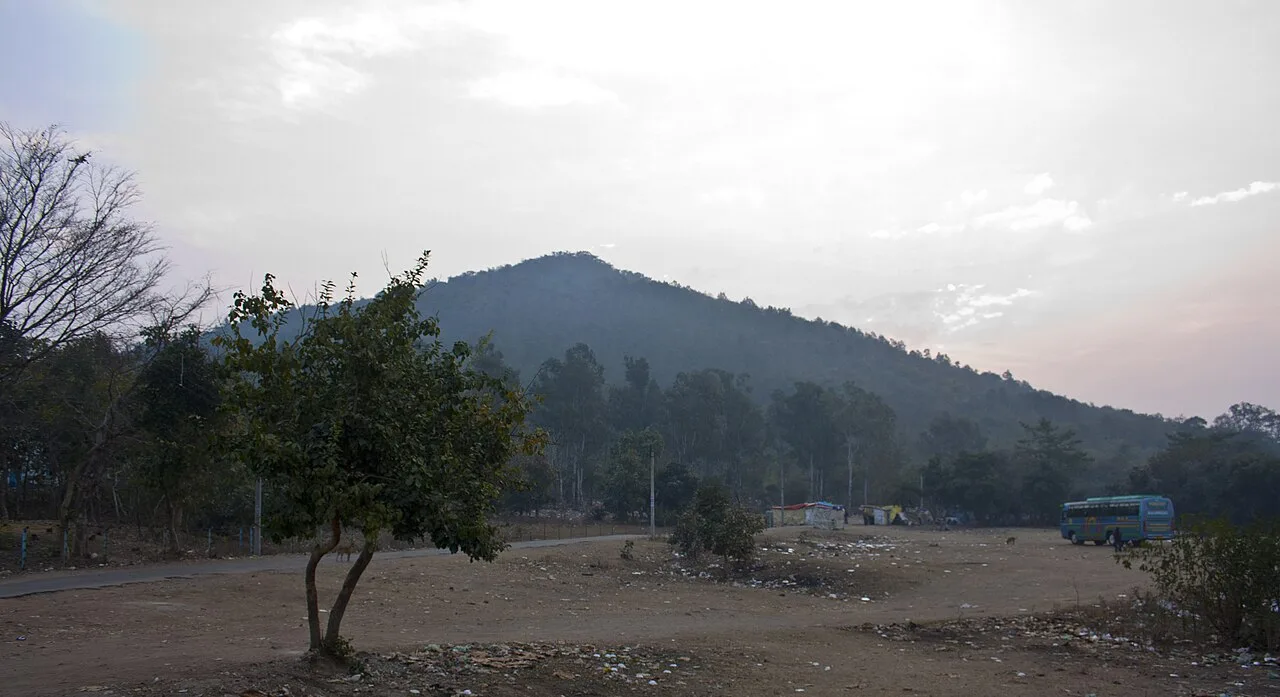
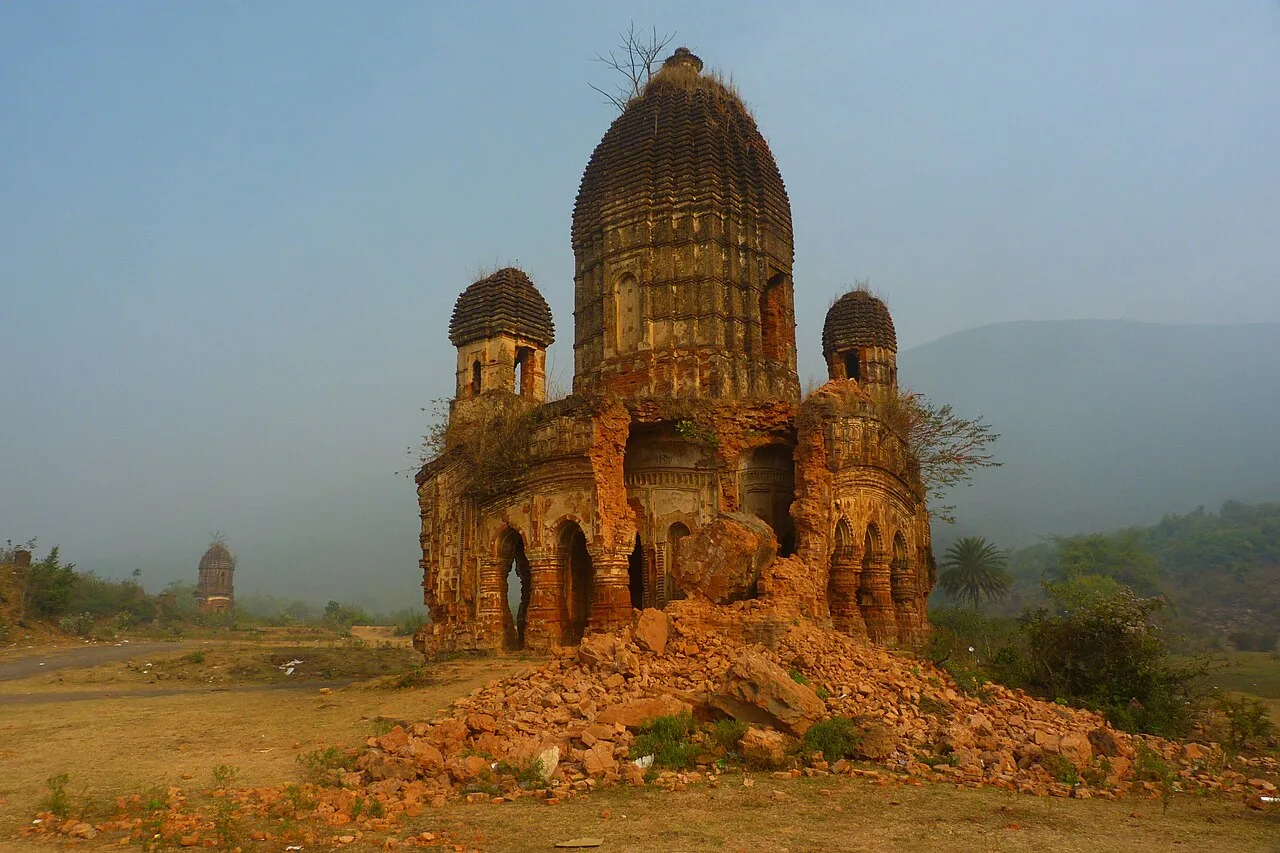
Garh Panchkot is the remains of a fort in Purulia district, West Bengal. Visitors come to view the ruins at the foot of Panchet Hill and learn the meaning of its name.

Joychandi Pahar

42 km away · Purulia district

Joychandi Pahar

Joychandi Pahar is a hill in Purulia district, West Bengal. Visitors come for its rock-climbing opportunities and to see the area's varied plant life and recorded butterfly species.

Bakreshwar

48 km away · Birbhum district

Bakreshwar

Bakreshwar is a village in Birbhum district, West Bengal. Visitors may be interested in the nearby Bakreshwar thermal power facilities, and Dubrajpur is the closest rail connection.

Susunia Hill

51 km away · Bankura district

Susunia Hill

Susunia Hill is a hill in Bankura district, West Bengal, within the Eastern Ghats. Visitors come to see its landscape and regional setting.

70 km away · Bankura district

Bikna Dokra Village

Bikna Dokra Village is a settlement in Bankura district, West Bengal. It may interest visitors seeking to understand the village’s place within the district’s administrative structure.

Santiniketan

81 km away · Birbhum district

Santiniketan

Santiniketan is a neighbourhood of Bolpur in West Bengal, associated with the Tagore family and Visva-Bharati. Visitors come to explore its heritage and its status as a UNESCO World Heritage site.

Tarapith

95 km away · Birbhum district

Tarapith

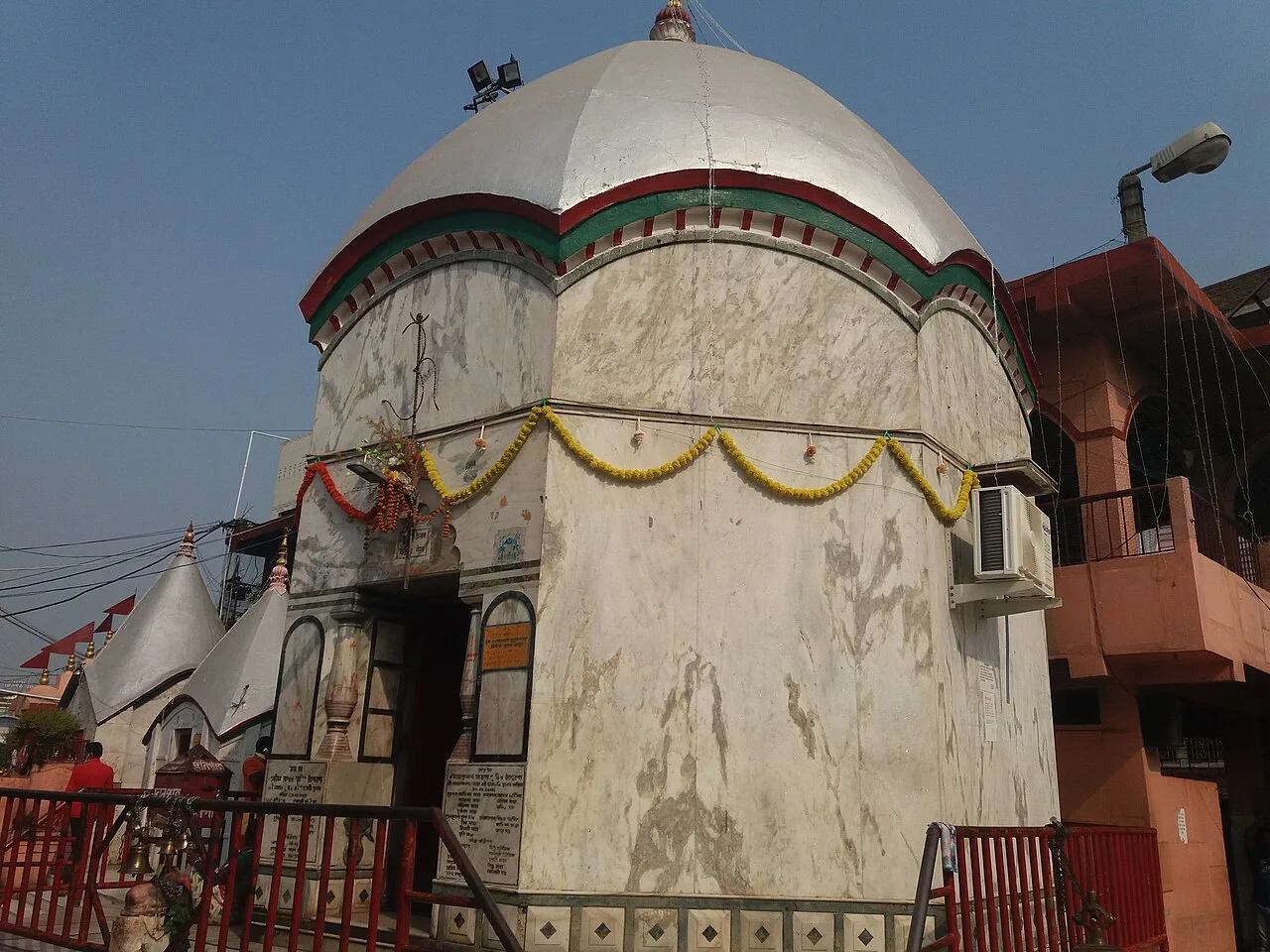
Tarapith is a town in West Bengal’s Birbhum district and a Hindu pilgrimage destination. Visitors come to worship the goddess Tara at its Tantric temple and visit nearby religious sites.

Bishnupur

97 km away · Bankura district

Bishnupur

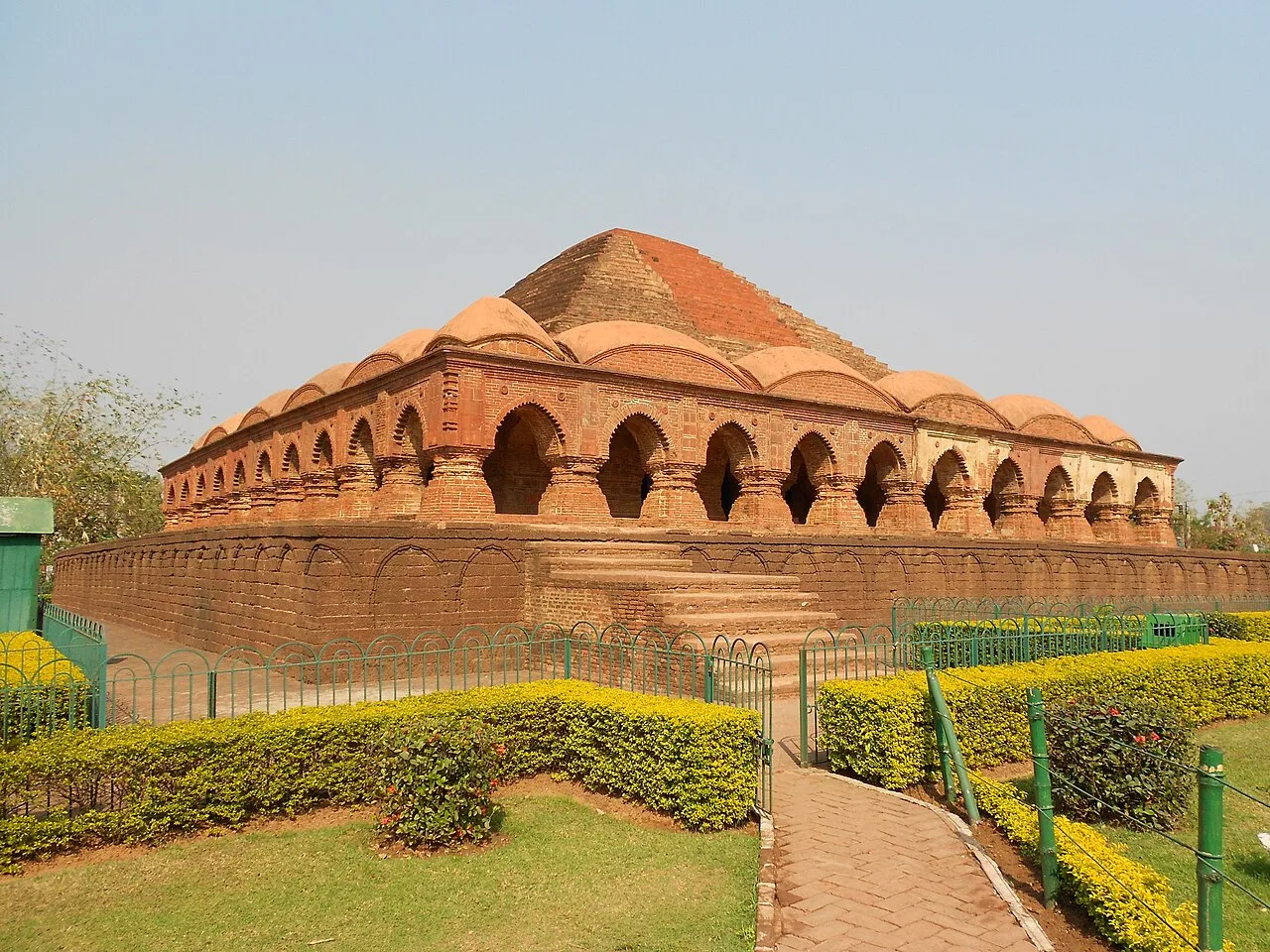
Bishnupur is a city and municipality in West Bengal’s Bankura district, known for temples built under the Malla rulers and for Baluchari sarees.

Map

Chittaranjan on the map

  1. 1Garh Panchkot
  2. 2Joychandi Pahar
  3. 3Bakreshwar
  4. 4Susunia Hill
  5. 5Bikna Dokra Village
  6. 6Santiniketan
  7. 7Tarapith
  8. 8Bishnupur

West Bengal

Other cities to explore