Ghumoopedia — Explore, Discover, Experience
Sign in
Jaldapara National Park, near Birpara

City guide · West Bengal

Birpara

Birpara is a small but important town in the eastern Dooars, the forested foothill belt of northern West Bengal. Its position among tea estates and near the Bhutan border makes it a local service and trading centre for surrounding settlements.

Famous for

  • Dooars tea gardens
  • Bhutan-borderland setting
  • Himalayan foothill landscapes
  • Tea-growing regional hub

Why Birpara matters

Birpara is a small but important town in the eastern Dooars, the forested foothill belt of northern West Bengal. Its position among tea estates and near the Bhutan border makes it a local service and trading centre for surrounding settlements. The nearby border town of Gomtu adds to its cross-border setting, while roads connect Birpara with other Dooars towns and the wider Alipurduar region.

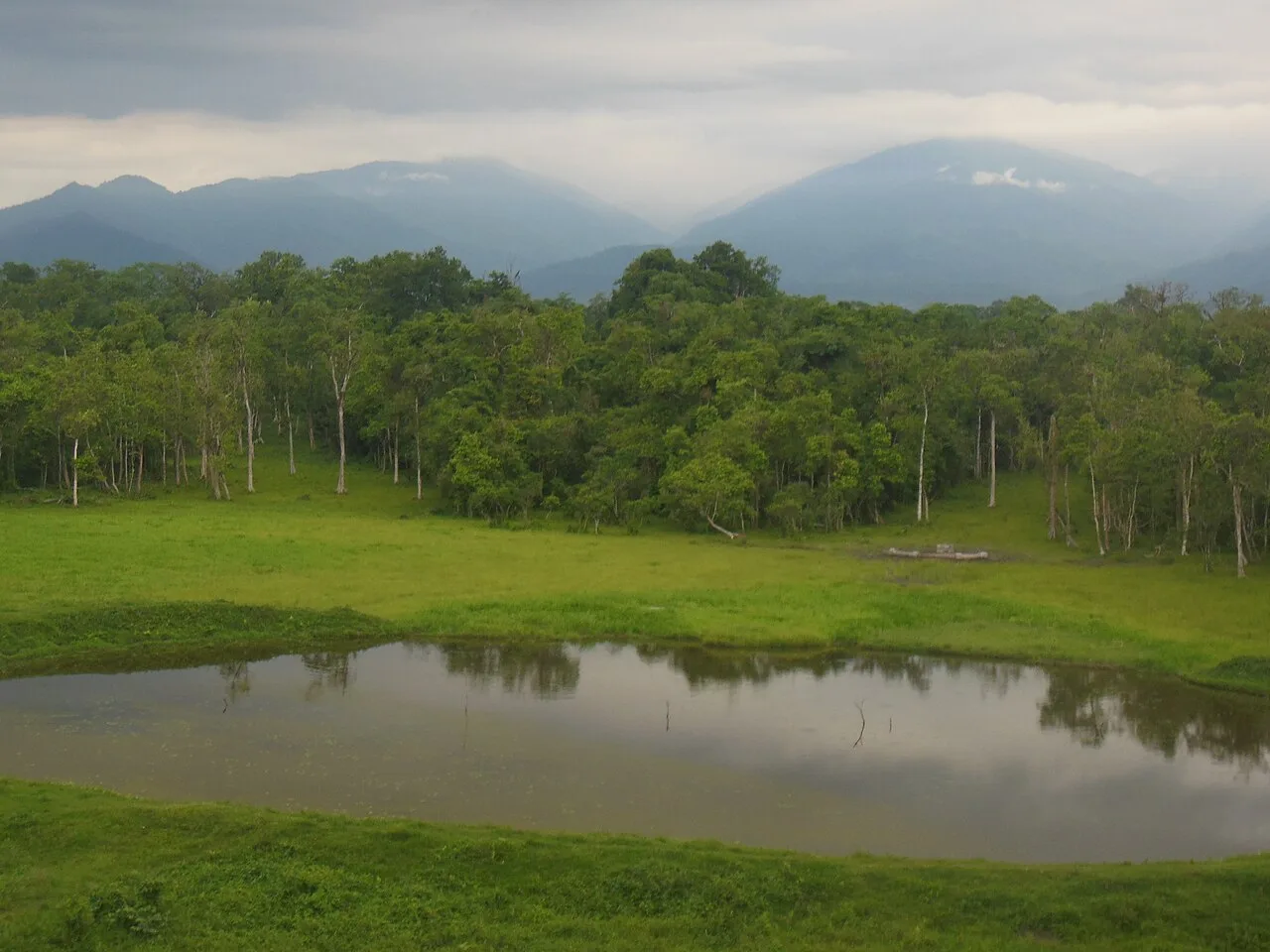
The town’s best-known association is tea: gardens shape the landscape and remain central to the local economy. Visitors come for the green estate scenery, river-cut foothills and access to nearby wildlife and forest destinations, including Jaldapara. Birpara is more useful as a practical base and stopping point than as a large sightseeing centre in its own right. Its appeal lies in experiencing everyday life in a tea-growing town, exploring the surrounding countryside and using it as a starting point for journeys through the Dooars. Siliguri and Jalpaiguri are larger regional centres farther west.
Famous for: crafts, trade & products

Tea is the product most closely associated with Birpara. Surrounding tea estates give the town its distinctive landscape and anchor much of its local trade. Tea produced in the wider Dooars is sold through regional channels, and visitors may find packaged tea in local shops or estate outlets where available. The town is not especially known for a particular textile, handicraft or GI-tagged product, so shoppers should not expect a dedicated craft bazaar or a single signature souvenir.

Birpara’s everyday market serves residents, tea-garden communities and travellers with groceries, household goods, prepared food and basic travel needs. Small shops and market lanes are the most convenient places to browse for local provisions; availability varies, and tea selections are not necessarily estate-direct. The surrounding plantation economy is more visible in the gardens and tea-related activity outside the town centre than in a formal visitor-facing industry museum or showroom. For locally made goods, ask in the market about current products rather than assuming a particular craft is made here. The town’s importance is primarily as a regional trading and service hub, not as a specialist manufacturing centre.

History

Birpara’s development is closely tied to tea cultivation rather than to a royal capital or an old fortified settlement. The wider Dooars frontier was shaped by Bhutanese influence and British expansion; after the Anglo-Bhutan conflict of 1864–65, the western Dooars came under British control. Tea planting expanded across the region in the colonial period, and estates became major centres of work and settlement.

Birpara Tea Garden later set aside part of its cultivable land for the establishment of the town. As the surrounding tea economy grew, Birpara developed into a market and service centre for nearby gardens and villages. Its growth reflects the practical needs of plantation communities and improved regional connections more than monumental urban planning. In recent decades it has continued to serve the eastern Dooars and the Bhutan-facing borderland. Birpara is now within Alipurduar district, which became a separate district in 2014.

Food, festivals & culture

Birpara’s food reflects the varied communities of the Dooars rather than a single celebrated local cuisine. Rice, lentils, vegetables and fish are common, alongside Nepali-style dishes and snacks found across the foothills. Tea is part of daily life, while sweets and savoury foods are readily found in local shops and market stalls. Bengali, Nepali and Hindi are widely heard; Sadri and other community languages are also part of the region’s everyday life.

Durga Puja in autumn is a major public celebration, followed by Kali Puja; Saraswati Puja, Eid and Christmas are also observed by local communities. The wider tea belt has Bengali, Nepali and Adivasi musical and dance traditions, including Jhumur, though performances are generally tied to community occasions rather than a regular tourist programme. Places of worship include neighbourhood temples, mosques and churches, reflecting the town’s diverse population. Visitors should ask locally about festival events, since programmes and venues can vary from year to year.

Visiting the city

October to April is generally the most comfortable time to visit, with milder weather and easier travel. The monsoon brings lush scenery but also heavy rain, which can affect roads and outdoor plans. Bagdogra Airport is the main airport used by visitors travelling to the region. Birpara railway station serves the town; check current connections when planning a journey, as larger regional rail hubs may offer more options.

Local autos, shared vehicles and taxis are useful for getting around, while a car is convenient for visiting tea-estate surroundings and nearby attractions. Explore the town market for everyday food and supplies, and enjoy the tea-garden landscape from public roads. Estate access is not guaranteed, so seek permission before entering private plantation land. Birpara also makes a practical starting point for trips towards Jaldapara and other Dooars destinations.

Trips from the city

Nearest places to visit from Birpara

Our closest destination guides, by straight-line distance.

Jaldapara National Park

13 km away · Alipurduar district

Jaldapara National Park

In northern West Bengal’s Alipurduar district, Jaldapara National Park protects grassland and riverside woodland along the Torsa. Visitors come to see its wildlife, including the state’s largest Indian rhinoceros population.

Chapramari Wildlife Sanctuary

34 km away · Jalpaiguri district

Chapramari Wildlife Sanctuary

Chapramari Wildlife Sanctuary is a forest reserve in northern West Bengal. Visitors come to experience its forest and wildlife, near Gorumara National Park.

Gorumara National Park

34 km away · Jalpaiguri district

Gorumara National Park

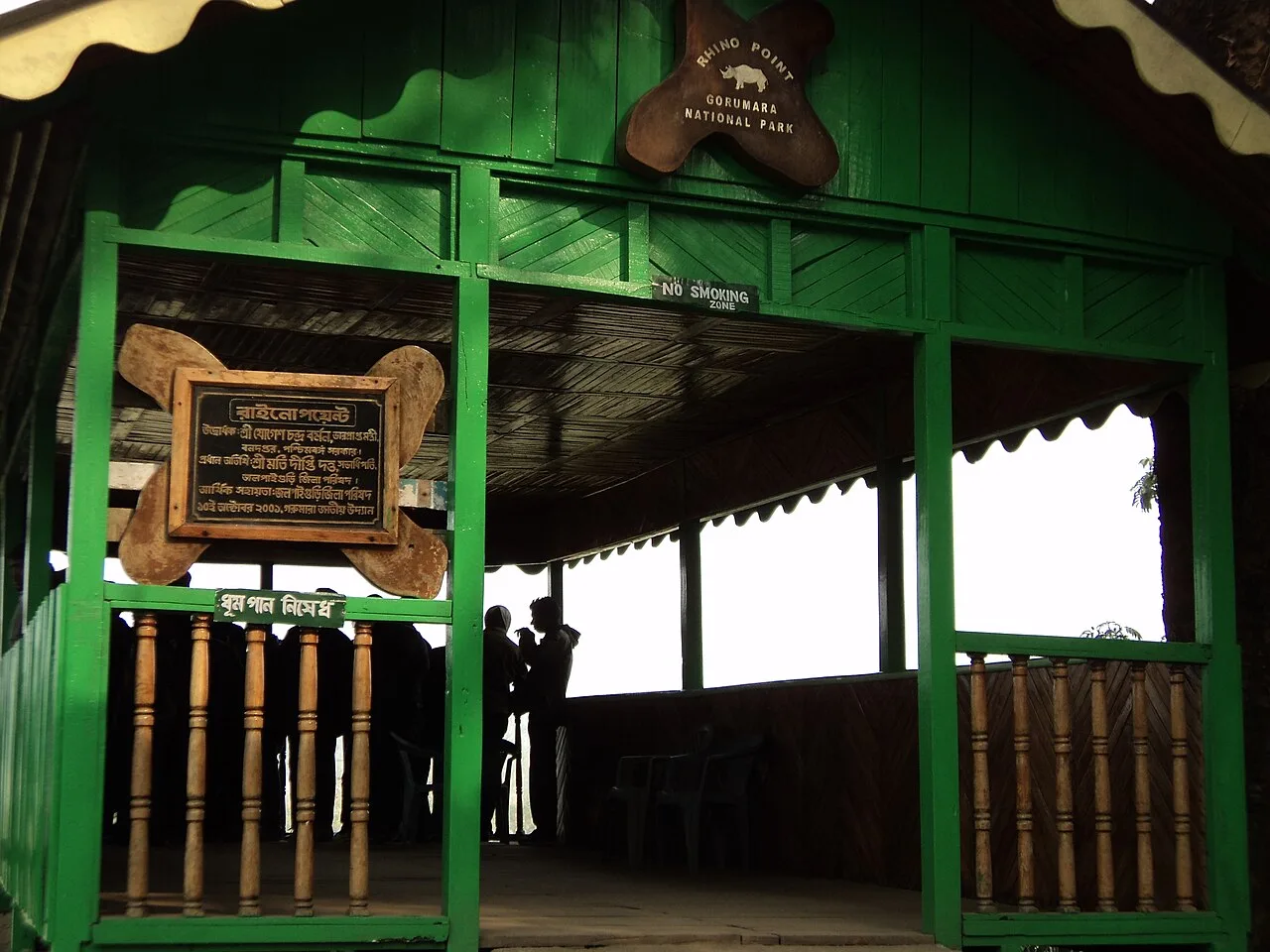
Set in the Dooars foothills of the Himalayas, Gorumara is a protected area in northern West Bengal. Visitors come chiefly to see its Indian rhinoceroses among forests and grasslands.

Buxa Fort

44 km away · Alipurduar district

Buxa Fort

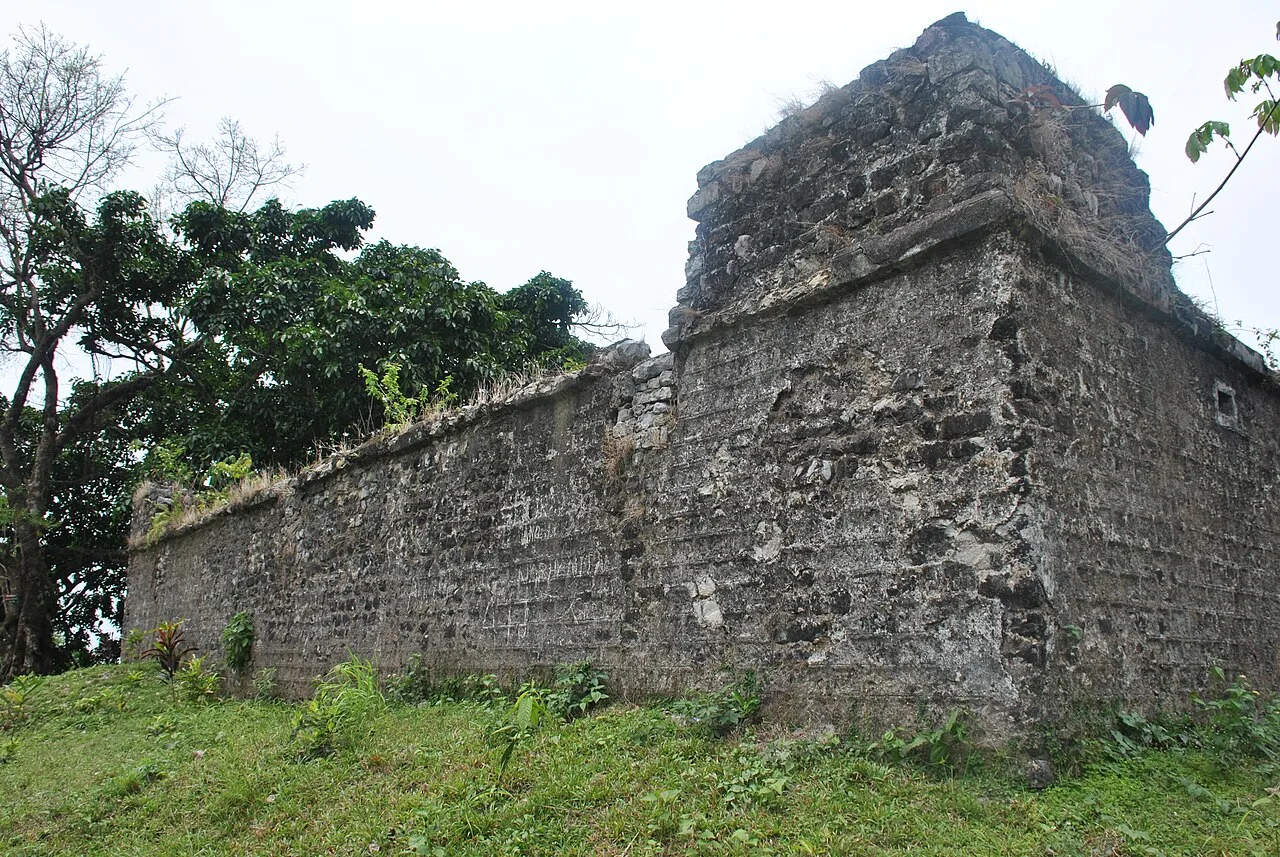
Set within Buxa Tiger Reserve in West Bengal, Buxa Fort interests visitors for its former defensive role on a route through Bhutan and its later use as shelter for displaced people.

Buxa Tiger Reserve

44 km away · Alipurduar district

Buxa Tiger Reserve

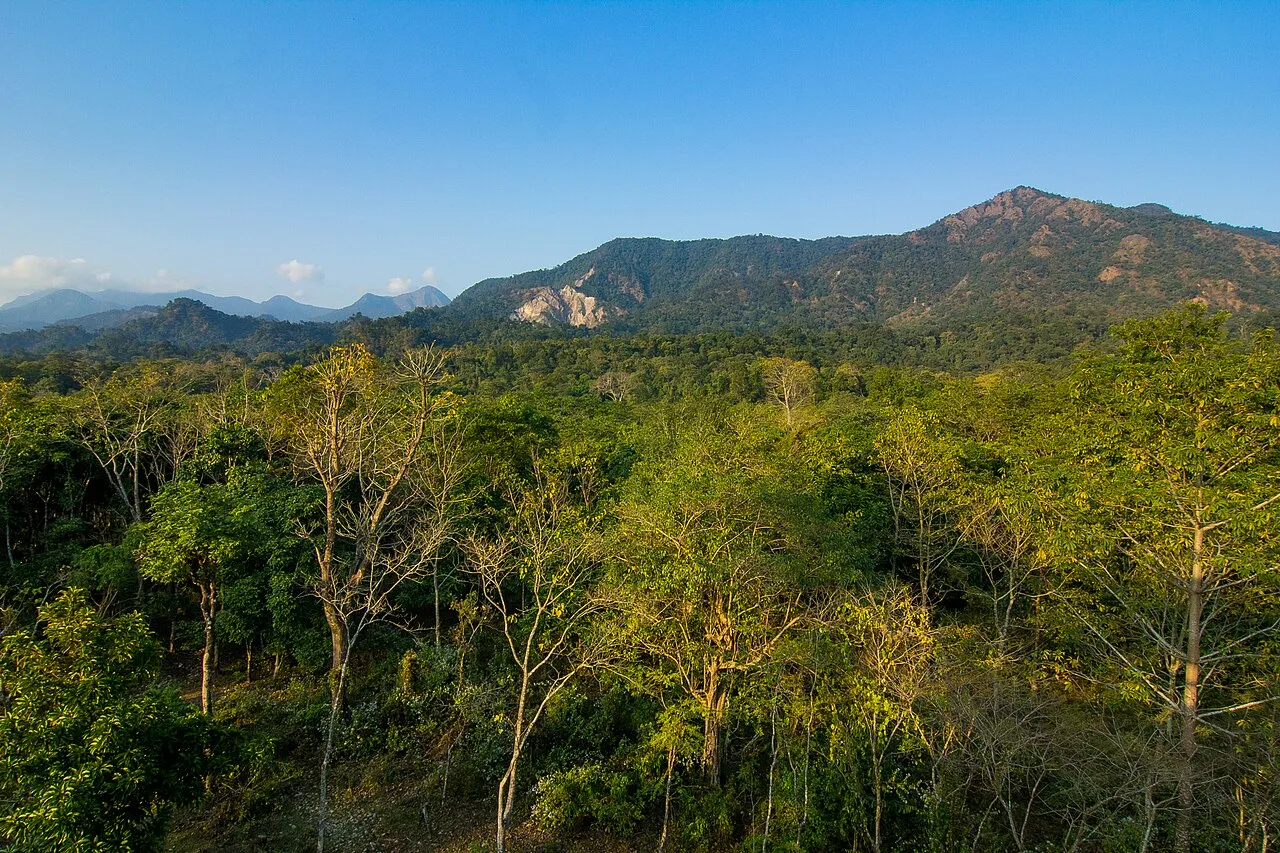
In Alipurduar district, West Bengal, Buxa is a 760 km² tiger reserve and national park. Visitors come for its rich bird and mammal life, which includes several notable species.

Cooch Behar Palace

51 km away · Cooch Behar district

Cooch Behar Palace

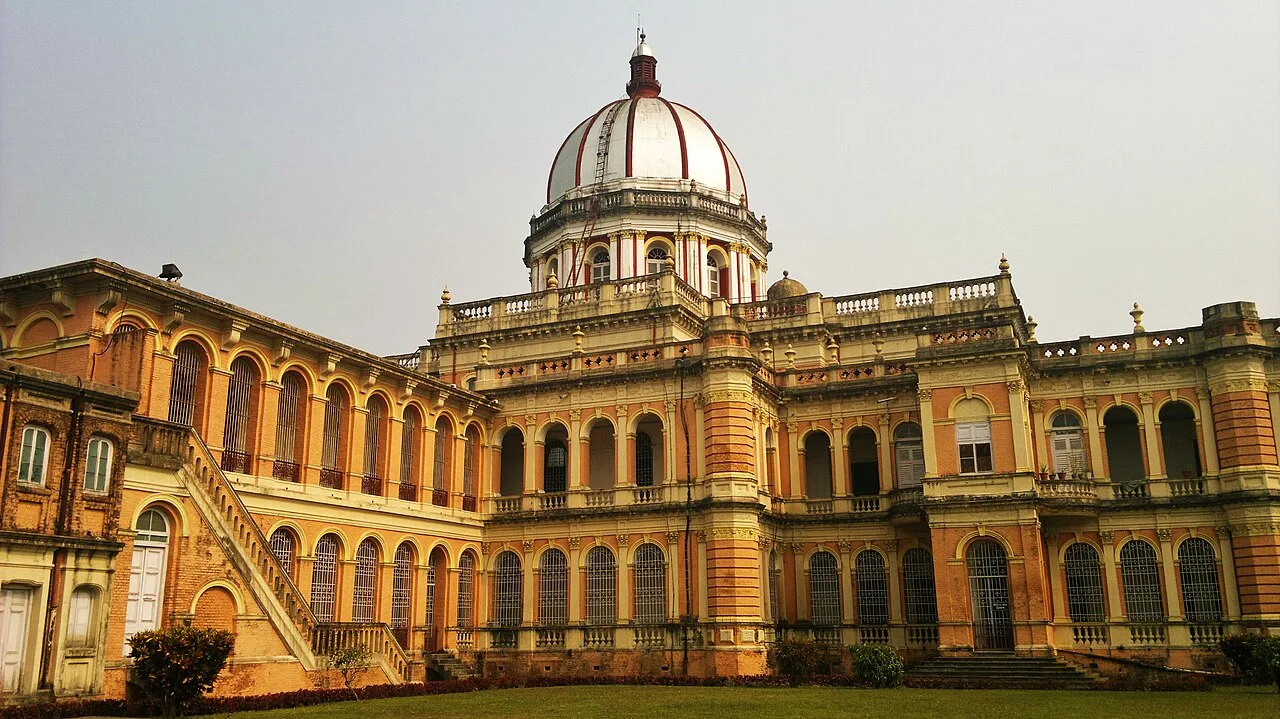
Cooch Behar Palace is a notable city landmark, valued for its Italian Renaissance design and its present role as a museum.

Neora Valley National Park

59 km away · Kalimpong district

Neora Valley National Park

Neora Valley National Park is a protected area in West Bengal’s Kalimpong district, established in 1986. Visitors are drawn by its varied wildlife and forest habitat, especially that of the red panda.

Lava

64 km away · Kalimpong district

Lava

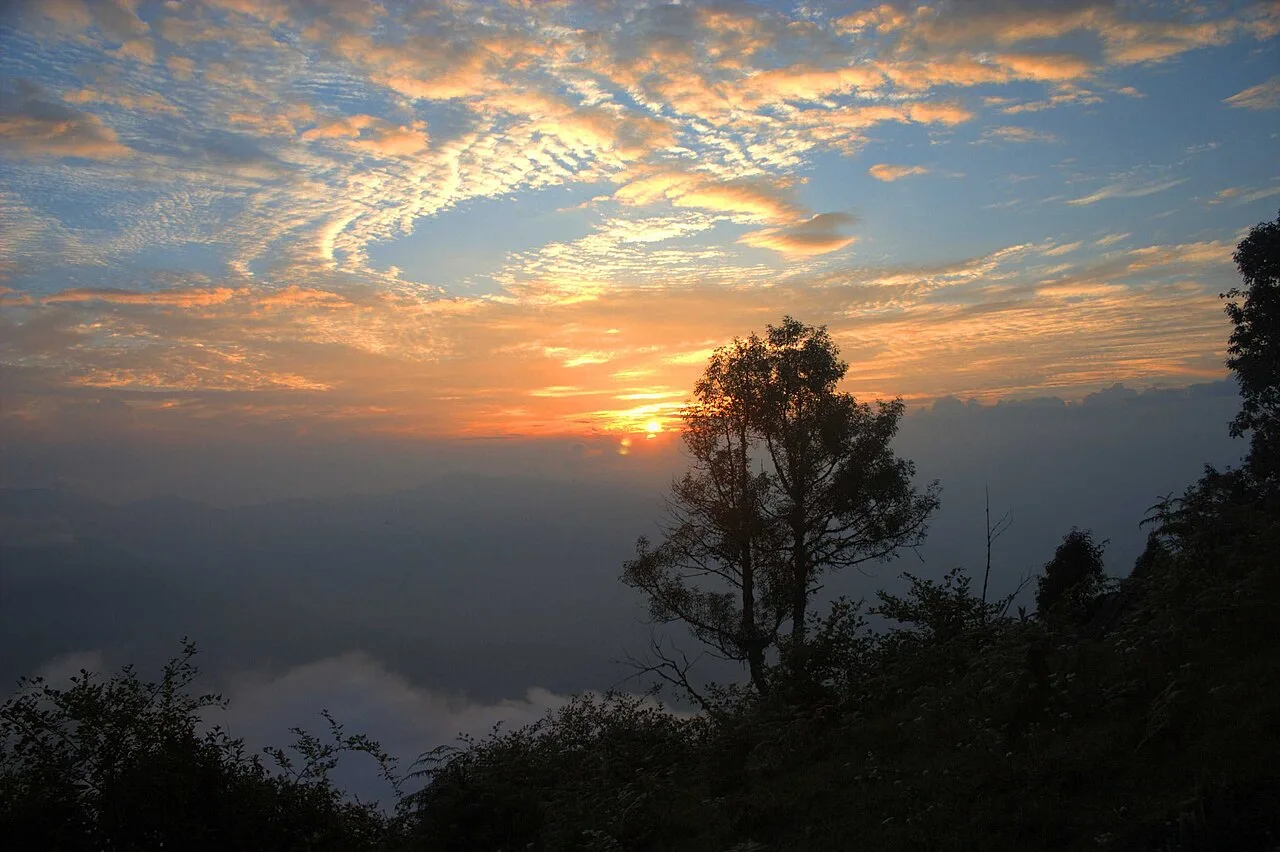
Lava, also called Lava Bazar, is a town in West Bengal’s Kalimpong district. Visitors come in summer, when its generally cold conditions offer a change from warmer weather.

Map

Birpara on the map

  1. 1Jaldapara National Park
  2. 2Chapramari Wildlife Sanctuary
  3. 3Gorumara National Park
  4. 4Buxa Fort
  5. 5Buxa Tiger Reserve
  6. 6Cooch Behar Palace
  7. 7Neora Valley National Park
  8. 8Lava

West Bengal

Other cities to explore