Ghumoopedia — Explore, Discover, Experience
Sign in

City guide · West Bengal

Dalkhola

Dalkhola is a commercial town in Uttar Dinajpur district, in northern West Bengal. Its importance comes less from sightseeing landmarks than from its position as a transport and trading hub linking North Bengal with Bihar and other parts of eastern India.

Famous for

  • Maize and corn trade
  • Jute and oil markets
  • Railway and road junction
  • North Bengal commerce

Why Dalkhola matters

Dalkhola is a commercial town in Uttar Dinajpur district, in northern West Bengal. Its importance comes less from sightseeing landmarks than from its position as a transport and trading hub linking North Bengal with Bihar and other parts of eastern India. National Highways 12 and 27 meet here, while the railway connects the town with regional and long-distance routes. This access has helped make Dalkhola a busy centre for agricultural commerce.

The town is particularly associated with maize, including produce brought from neighbouring Bihar, as well as jute and oil trading. Its markets serve surrounding villages and help move farm goods through the region. Visitors may find Dalkhola useful as a practical stop on a road or rail journey, or as a place to see the everyday rhythms of a growing market town. Rather than a conventional holiday destination, it offers a glimpse of the trading networks, transport links and mixed urban-rural life that shape this part of North Bengal.
Famous for: crafts, trade & products

Dalkhola’s best-known commercial activity is the trade in agricultural commodities. Maize and corn from Uttar Dinajpur and neighbouring Bihar are prominent, alongside jute and oil-related trade. Local wholesale and retail markets handle produce and everyday goods for the town and nearby settlements; the market areas around the centre and railway station are the most practical places to observe this activity or look for local products.

The town is not especially identified with a signature textile, handicraft or GI-tagged product. Shoppers are more likely to find ordinary regional clothing, household goods and seasonal farm produce than a specialist craft quarter or destination shopping street. The town’s value lies in its role as a collection and distribution point, supported by road and rail connections. Visitors interested in regional commerce can explore the central bazaar and trading areas, while remembering that market offerings vary with season and supply. For distinctive handicrafts or established textile traditions, other destinations in West Bengal are better known.

History

Before its growth as a town, Dalkhola was a rural settlement with scattered roads, areas of woodland and a population largely dependent on farming and fishing. Local accounts associate the area with the rule of Raja P. C. Lal. Following the Partition of India in 1947, Hindu refugees from East Pakistan, now Bangladesh, settled in villages around Dalkhola, contributing to changes in the region’s population and economy.

Dalkhola was part of Bihar before it was transferred to West Bengal in 1956. Better road and railway links encouraged trade, and the settlement expanded from its village surroundings into a regional market centre. Its location at the meeting of major highways strengthened its role in moving agricultural goods, including maize from neighbouring Bihar. As population and commercial activity increased, Dalkhola Municipality was established in 2003 to support civic administration and development. The town’s modern character continues to reflect this combination of transport connectivity, farming trade and gradual urban growth.

Food, festivals & culture

Daily life in Dalkhola reflects its position in a culturally mixed border region. Bengali is widely used, alongside Hindi and other languages heard among residents and traders. Meals commonly draw on the broader food traditions of North Bengal and eastern India, with rice, fish, vegetables and lentils familiar choices. Tea and snacks are part of everyday market life. The town is not widely known for a distinctive local sweet or a signature food product, though seasonal produce is traded in its markets.

Durga Puja, usually celebrated in autumn, is an important occasion, with community worship and festive gatherings. Kali Puja follows in the same season, while Eid is observed by Muslim residents and Chhath is also celebrated in the wider region. Hindu temples and Muslim places of worship serve local neighbourhoods, though Dalkhola is not known as a major pilgrimage centre. Music and dance are most visible during festivals and community events, drawing on Bengali and broader regional traditions rather than a widely recognised city-specific performance style.

Visiting the city

The cooler, drier months from October to March are generally the most comfortable time to visit. Dalkhola Railway Station is the main rail gateway. Bagdogra Airport is the nearest major airport commonly used for travel to North Bengal; onward travel is by road or rail. National Highways 12 and 27 meet at Dalkhola, making buses, taxis and private vehicles useful ways to reach the town and nearby settlements.

Auto-rickshaws and local vehicles can help with short trips within town. Explore the central bazaar and the market streets near the station for a sense of local trade and everyday life. Dalkhola is best approached as a convenient stop or a base for practical regional travel rather than a destination with a large set of visitor attractions. Check onward transport arrangements before setting out to smaller surrounding villages.

Trips from the city

Nearest places to visit from Dalkhola

Our closest destination guides, by straight-line distance.

Mahananda Wildlife Sanctuary

79 km away · Darjeeling district

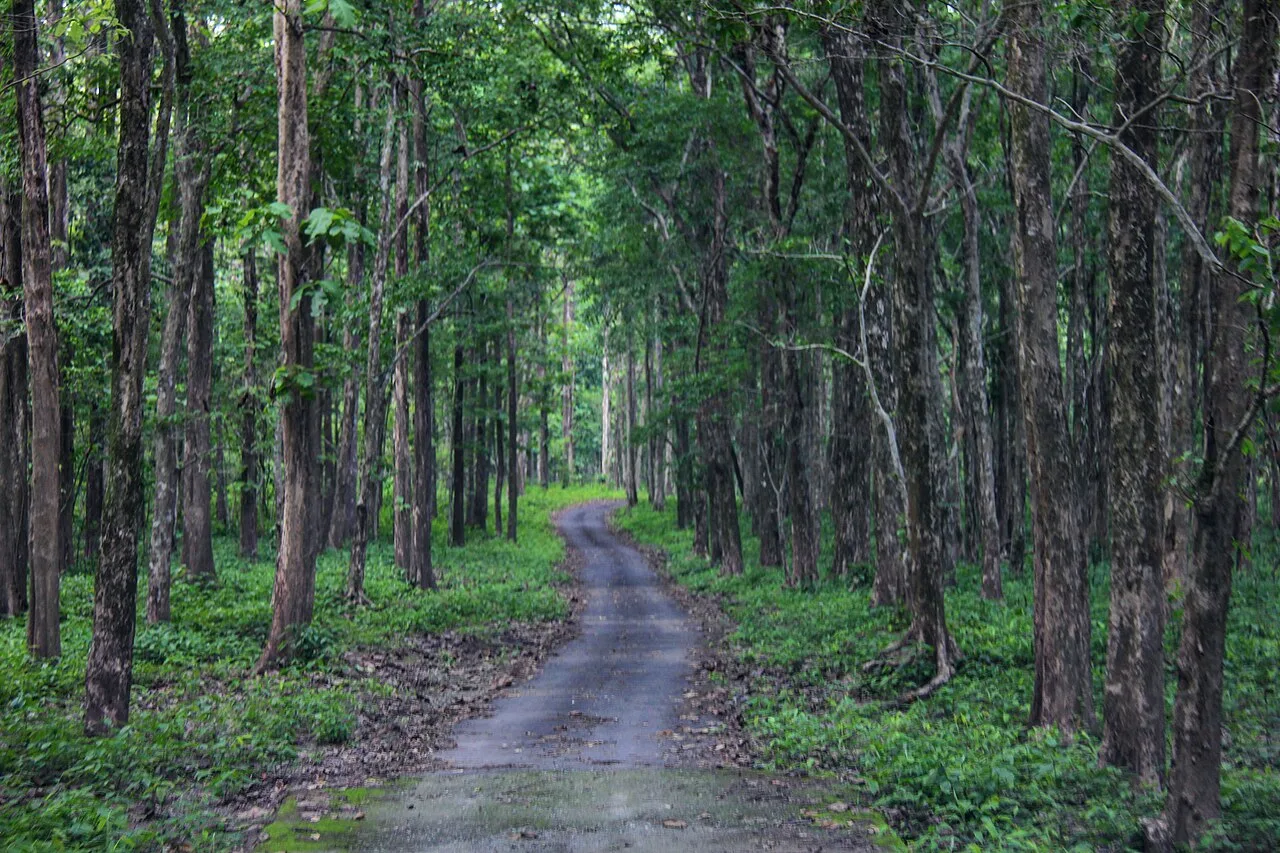
Mahananda Wildlife Sanctuary

Mahananda Wildlife Sanctuary is a protected reserve in West Bengal’s Darjeeling district, among the Himalayan foothills, with the Teesta on one side and the Mahananda on the other. Visitors come for its forest and wildlife.

Adina Mosque

87 km away · Malda district

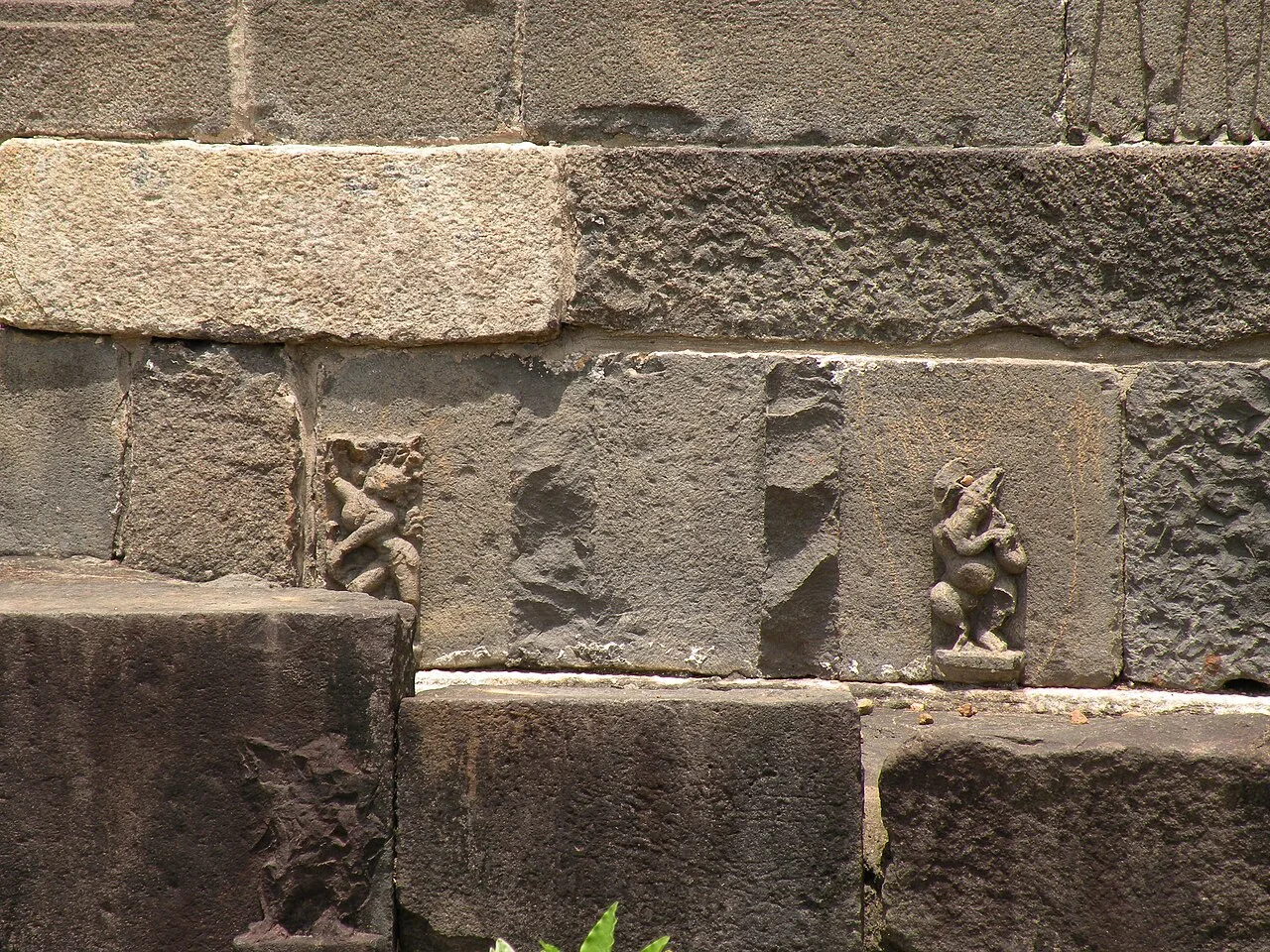
Adina Mosque

Adina Mosque is a Sultanate-era imperial mosque in Pandua, West Bengal. Visitors come to explore its monumental architecture and learn about the ambitions of the Bengal Sultanate.

Darjeeling Himalayan Railway

108 km away · Darjeeling district

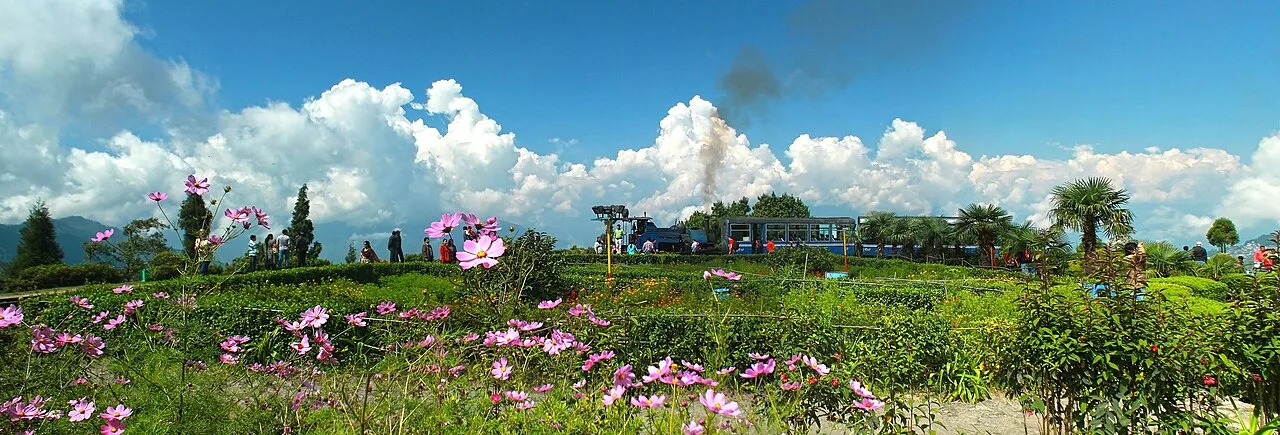
Darjeeling Himalayan Railway

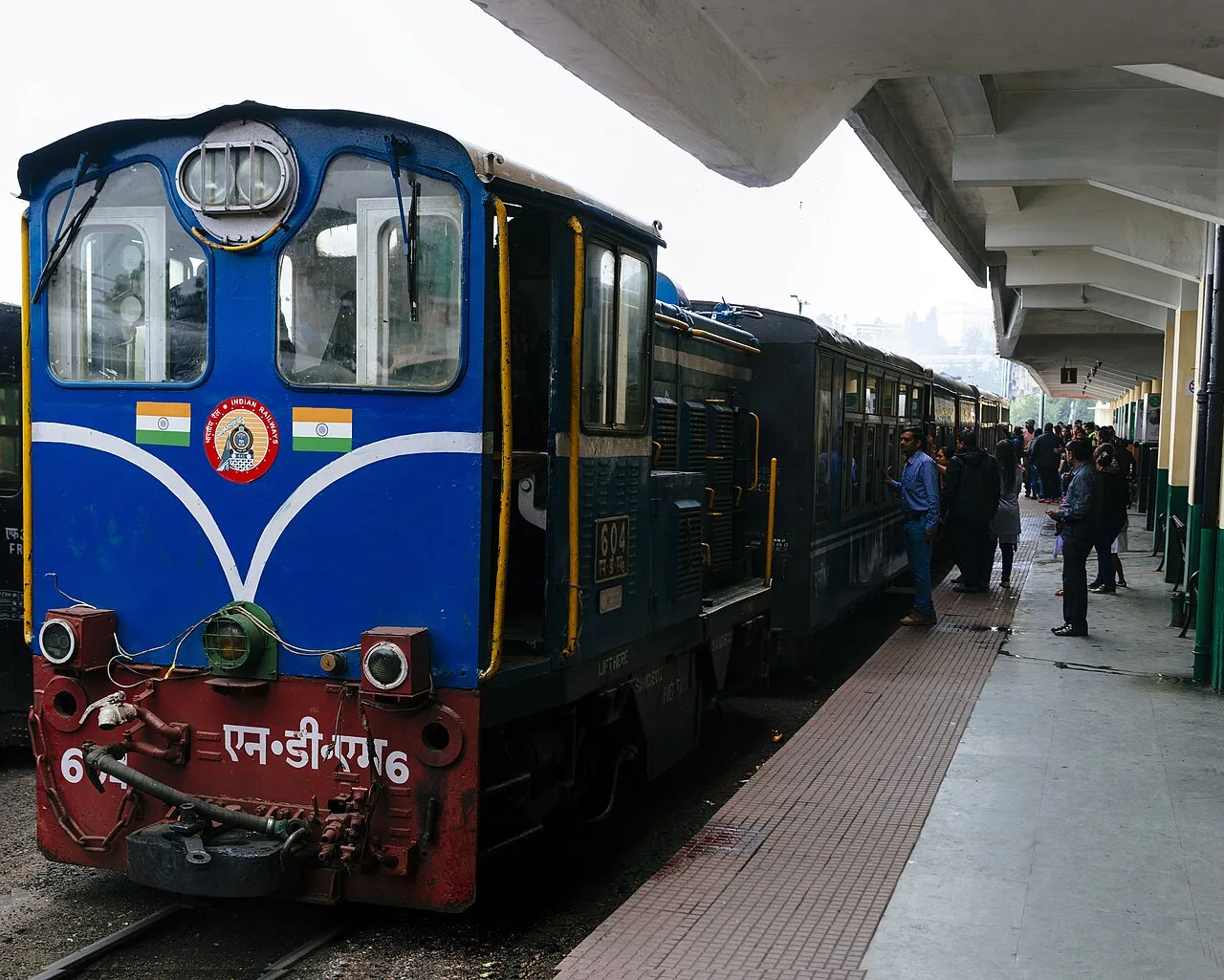
This narrow-gauge railway runs through West Bengal between New Jalpaiguri and Darjeeling. Visitors travel its steep route on regular trains and on steam services to Ghum and Kurseong.

Gaur (Gauda) Ruins

116 km away · Malda district

Gaur (Gauda) Ruins

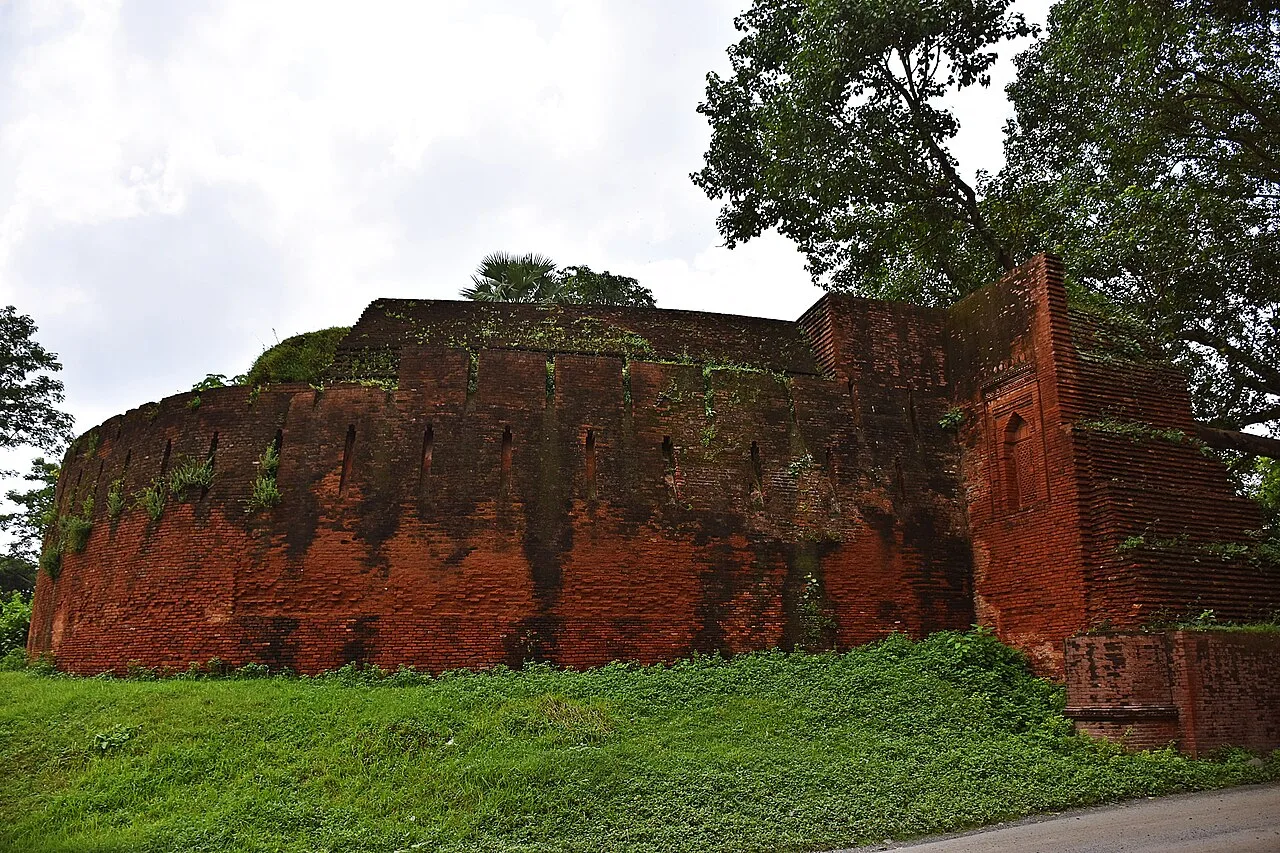
Gauda’s remains in Malda preserve traces of a former Bengal capital. Visitors explore its Sultanate-era buildings and the story of a city shaped by changing rulers and rivers.

Mirik

118 km away · Darjeeling district

Mirik

A small town and Notified Area in Darjeeling district, Mirik is the headquarters of its subdivision. Visitors may learn about its administrative role and the Lepcha origin attributed to its name.

Kurseong

120 km away · Darjeeling district

Kurseong

Kurseong is a municipal town in West Bengal’s Darjeeling district and the administrative centre of its subdivision. Tourism and education are important to the local economy, and visitors experience its pleasant year-round climate.

Tiger Hill

132 km away · Darjeeling district

Tiger Hill

Tiger Hill is a mountain in West Bengal’s Darjeeling district, standing 2,590 metres (8,500 ft) high. Visitors go for a panoramic view of Everest and Kanchenjunga in the same vista.

Batasia Loop

133 km away · Darjeeling district

Batasia Loop

Batasia Loop is a railway feature in Darjeeling district, West Bengal, where the Darjeeling Himalayan Railway winds around a small hill. Visitors come to see its unusual track layout.

Map

Dalkhola on the map

  1. 1Mahananda Wildlife Sanctuary
  2. 2Adina Mosque
  3. 3Darjeeling Himalayan Railway
  4. 4Gaur (Gauda) Ruins
  5. 5Mirik
  6. 6Kurseong
  7. 7Tiger Hill
  8. 8Batasia Loop

West Bengal

Other cities to explore