Ghumoopedia — Explore, Discover, Experience
Sign in
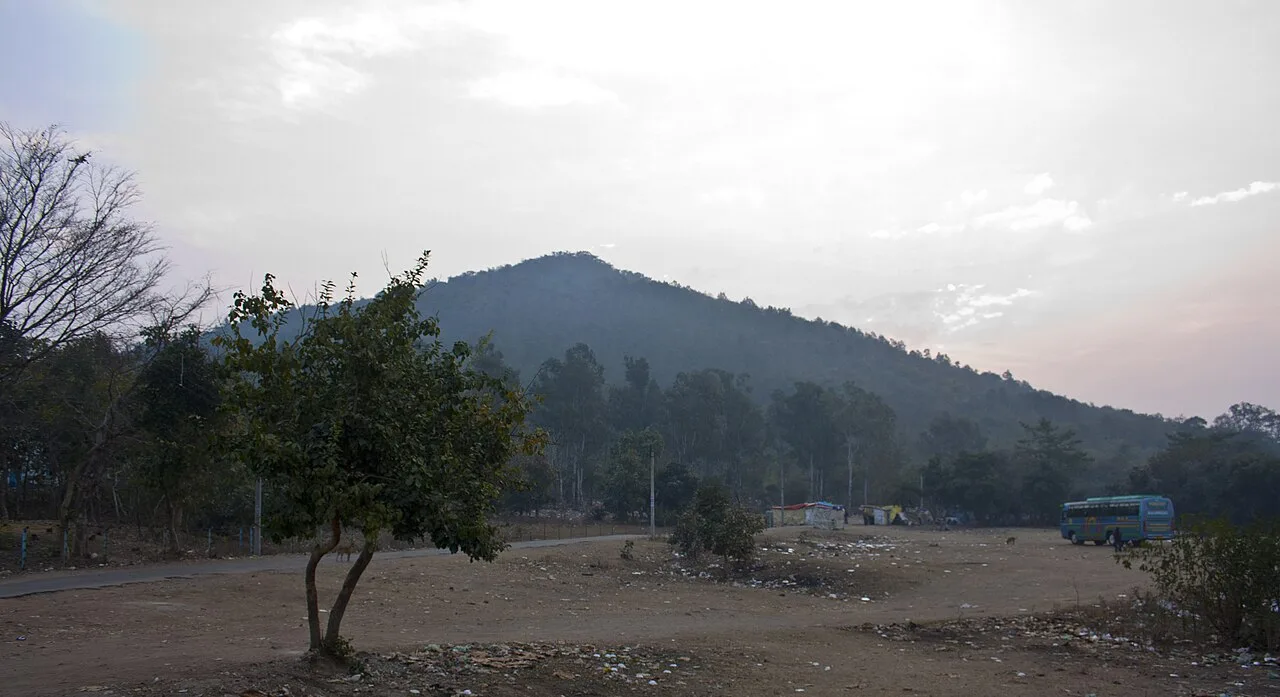
Susunia Hill, near Raniganj

City guide · West Bengal

Raniganj

Raniganj is a historic coalfield town in Paschim Bardhaman district, now part of Asansol and administered by Asansol Municipal Corporation. Its importance grew from coal mining: the Raniganj Coalfield helped establish the region as one of India’s earliest centres of commercial coal production.

Famous for

  • Raniganj Coalfield
  • Early Indian coal mining
  • Asansol industrial belt
  • Searsole Rajbari

Why Raniganj matters

Raniganj is a historic coalfield town in Paschim Bardhaman district, now part of Asansol and administered by Asansol Municipal Corporation. Its importance grew from coal mining: the Raniganj Coalfield helped establish the region as one of India’s earliest centres of commercial coal production. Mining, railways and related industries shaped the town and its connections with the wider Asansol–Durgapur industrial corridor.

Visitors come chiefly to understand this industrial history and to explore the older settlements and landmarks around town, including Searsole Rajbari. Raniganj also serves as a local commercial and transport centre for surrounding communities. The nearby landscape bears the marks of long-running extraction, alongside settlements, waterways and pockets of greenery. It is not primarily a resort destination, and active industrial sites are not automatically open to visitors; its appeal lies instead in its place in India’s coal and railway story and its position within a busy, culturally diverse part of West Bengal.
Famous for: crafts, trade & products

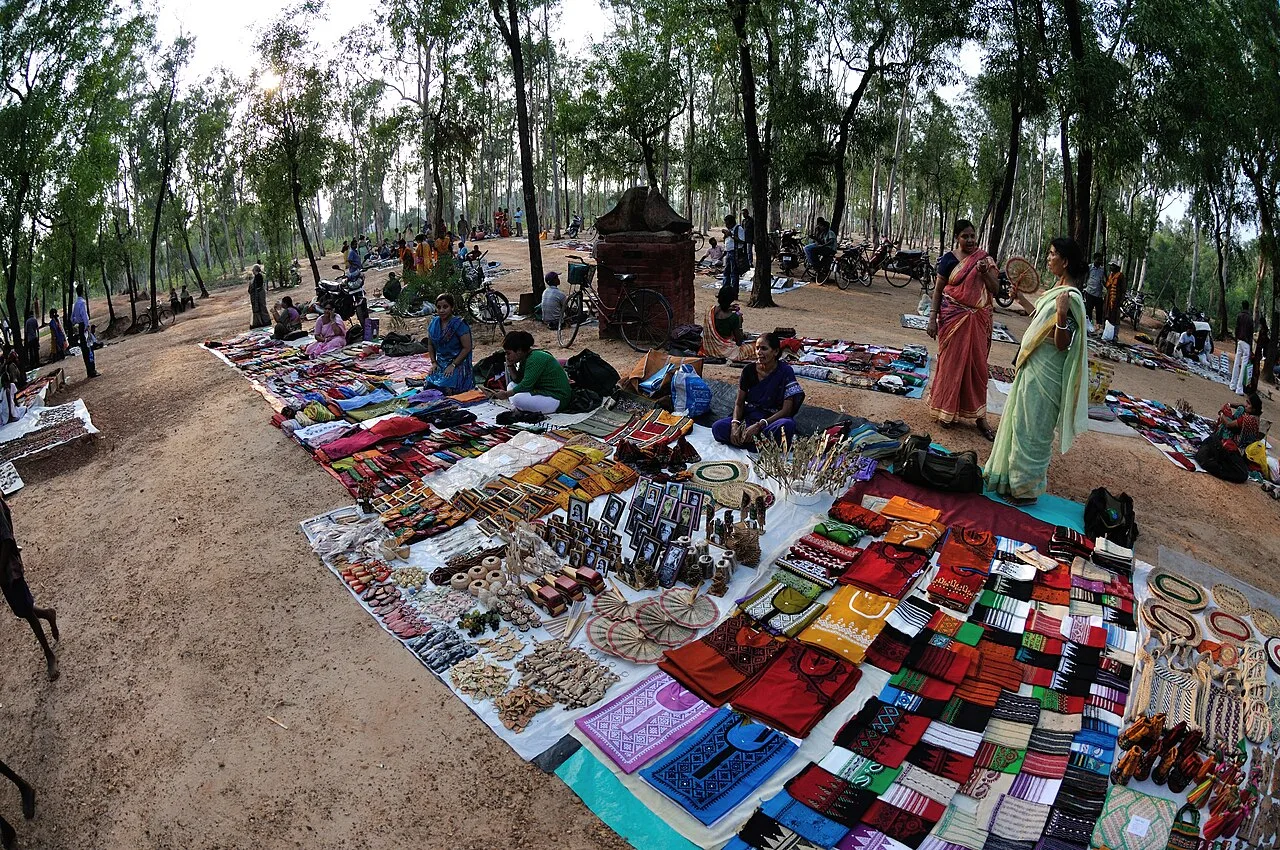
Raniganj is best known for coal and the industrial economy that grew around the Raniganj Coalfield. Mining and associated activity have long shaped local trade, employment and the townscape. The area is not especially known for a distinctive textile, handicraft tradition or GI-tagged product, so visitors should not expect a signature craft market. Coal and industrial materials are part of the regional economy rather than typical souvenirs for travellers.

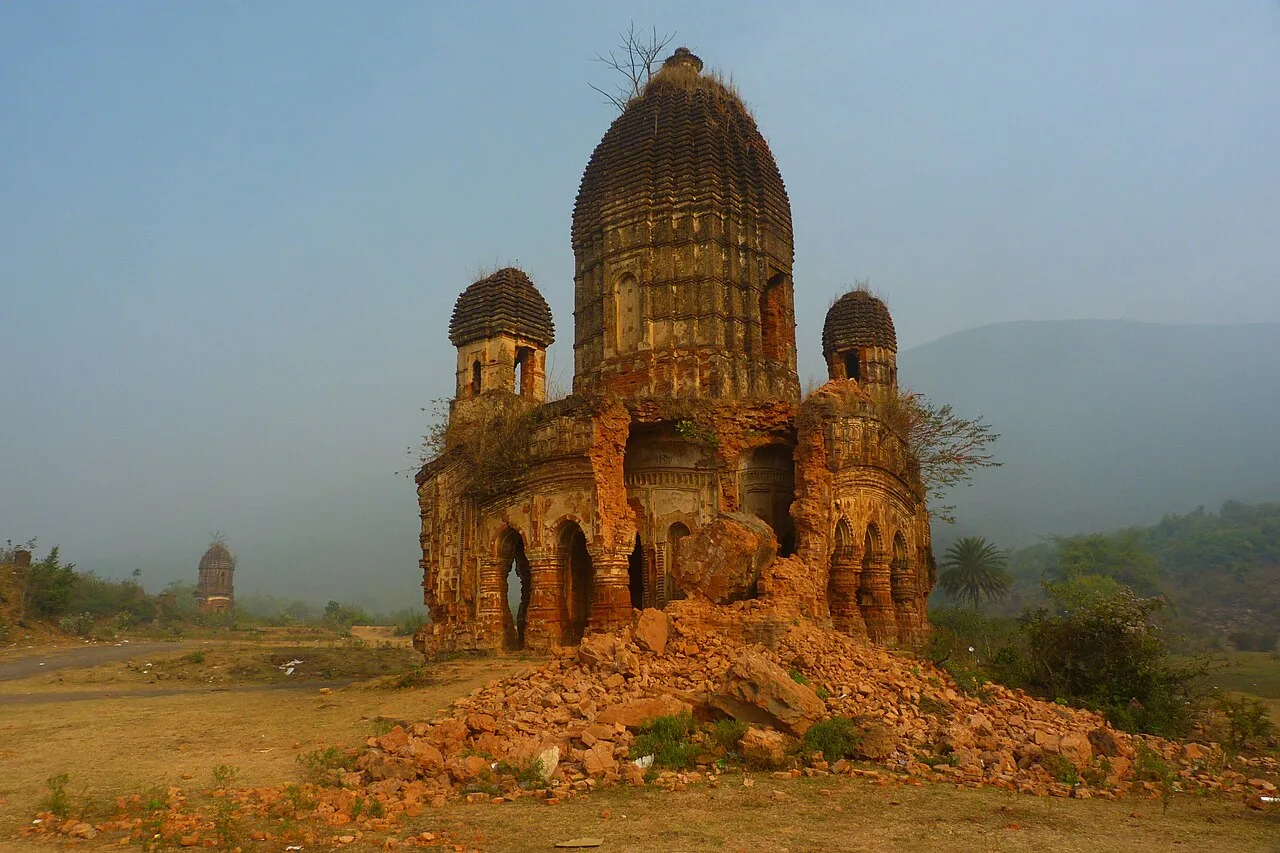
For everyday shopping, look around the central bazaar and the commercial streets near Raniganj railway station, where neighbourhood shops sell groceries, clothing, household goods and snacks. These are practical places to experience local retail rather than specialist craft destinations. Searsole Rajbari, in the surrounding area, offers a glimpse of the region’s older landed heritage, though access arrangements may vary. Visitors interested in mining history should treat working collieries and industrial premises as restricted workplaces unless an authorised visit is available. For locally made or regional goods, ask shopkeepers about products from the wider Paschim Bardhaman area rather than assuming they are unique to Raniganj.

History

Raniganj’s modern growth is closely tied to coal. Commercial mining began here in 1774, when East India Company agents John Sumner and Suetonius Grant Heatly undertook early coal extraction. The discovery and development of the coalfield drew workers, merchants and supporting industries, gradually changing a largely rural landscape. Coal from the area became increasingly important as industrial demand expanded in Bengal.

The arrival of the East Indian Railway at Raniganj in 1855 strengthened its role as a mining and trading centre by linking the coalfield to wider markets. Mining expanded through the colonial period and continued after independence. Coal mines were nationalised in 1973; Eastern Coalfields Limited was established in 1975 to manage coal operations in the region. In recent decades, Raniganj has functioned as part of the larger Asansol urban and industrial area. Its inclusion within Asansol Municipal Corporation’s jurisdiction brought it under the city’s municipal administration, while coal remains central to its historical identity.

Food, festivals & culture

Raniganj’s daily life reflects its place in a diverse industrial region. Bengali and Hindi are widely used, alongside other languages heard among families who have moved here for work and trade. Food is broadly characteristic of southern Bengal: rice, fish, lentils and vegetable dishes are common, while stalls and sweet shops offer familiar snacks and Bengali sweets such as sandesh and rosogolla. There is no single widely recognised dish that defines the town.

Durga Puja, usually in autumn, is a major occasion, with neighbourhood pandals, devotional music and community gatherings. Kali Puja follows around the same festive season, while Saraswati Puja is commonly celebrated in winter. Eid and Chhath are also observed by local communities. Cultural programmes may include Bengali songs, dance and recitations, as well as Hindi-language entertainment. Places of worship across the town include temples and mosques, with churches and gurdwaras serving other communities. The wider Asansol region also has prominent religious destinations, which can be visited as part of a broader local itinerary.

Visiting the city

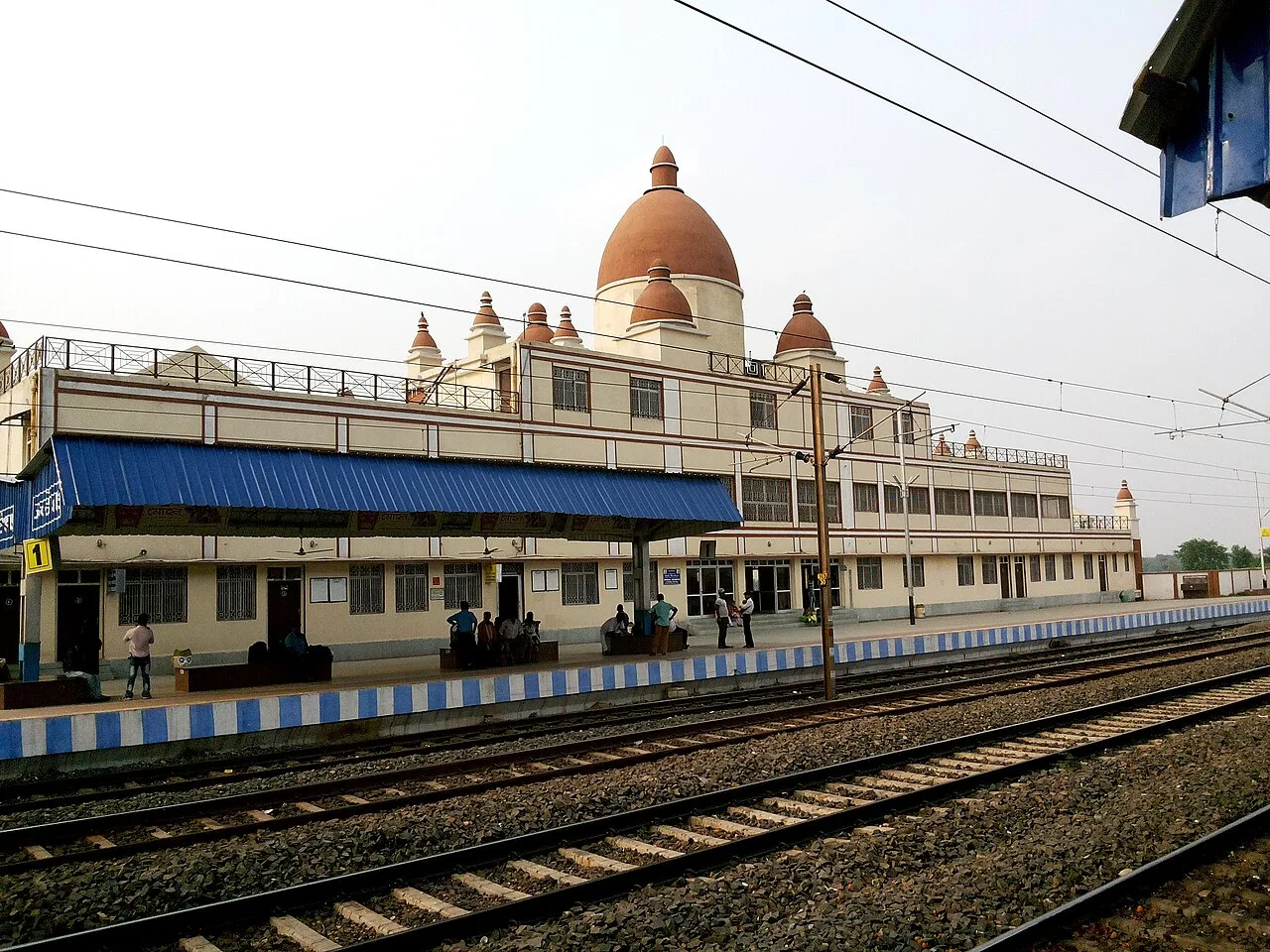
October to February is generally the most comfortable season to visit, with cooler weather than the hot pre-monsoon months. The nearest airport is Kazi Nazrul Islam Airport at Andal; check current flight availability before planning around it. Raniganj railway station is the main rail access point and connects the town with the regional network.

Auto-rickshaws and local taxis are useful for getting around, while walking suits the central market area. Explore the bazaar and streets around the station for everyday town life, and consider Searsole for its historic estate setting. The wider Asansol area offers additional cultural and religious excursions. Mining sites are active industrial premises, so visit only where public access has been expressly permitted.

Trips from the city

Nearest places to visit from Raniganj

Our closest destination guides, by straight-line distance.

Susunia Hill

28 km away · Bankura district

Susunia Hill

Susunia Hill is a hill in Bankura district, West Bengal, within the Eastern Ghats. Visitors come to see its landscape and regional setting.

Garh Panchkot

37 km away · Purulia district

Garh Panchkot

Garh Panchkot is the remains of a fort in Purulia district, West Bengal. Visitors come to view the ruins at the foot of Panchet Hill and learn the meaning of its name.

Bakreshwar

39 km away · Birbhum district

Bakreshwar

Bakreshwar is a village in Birbhum district, West Bengal. Visitors may be interested in the nearby Bakreshwar thermal power facilities, and Dubrajpur is the closest rail connection.

40 km away · Bankura district

Bikna Dokra Village

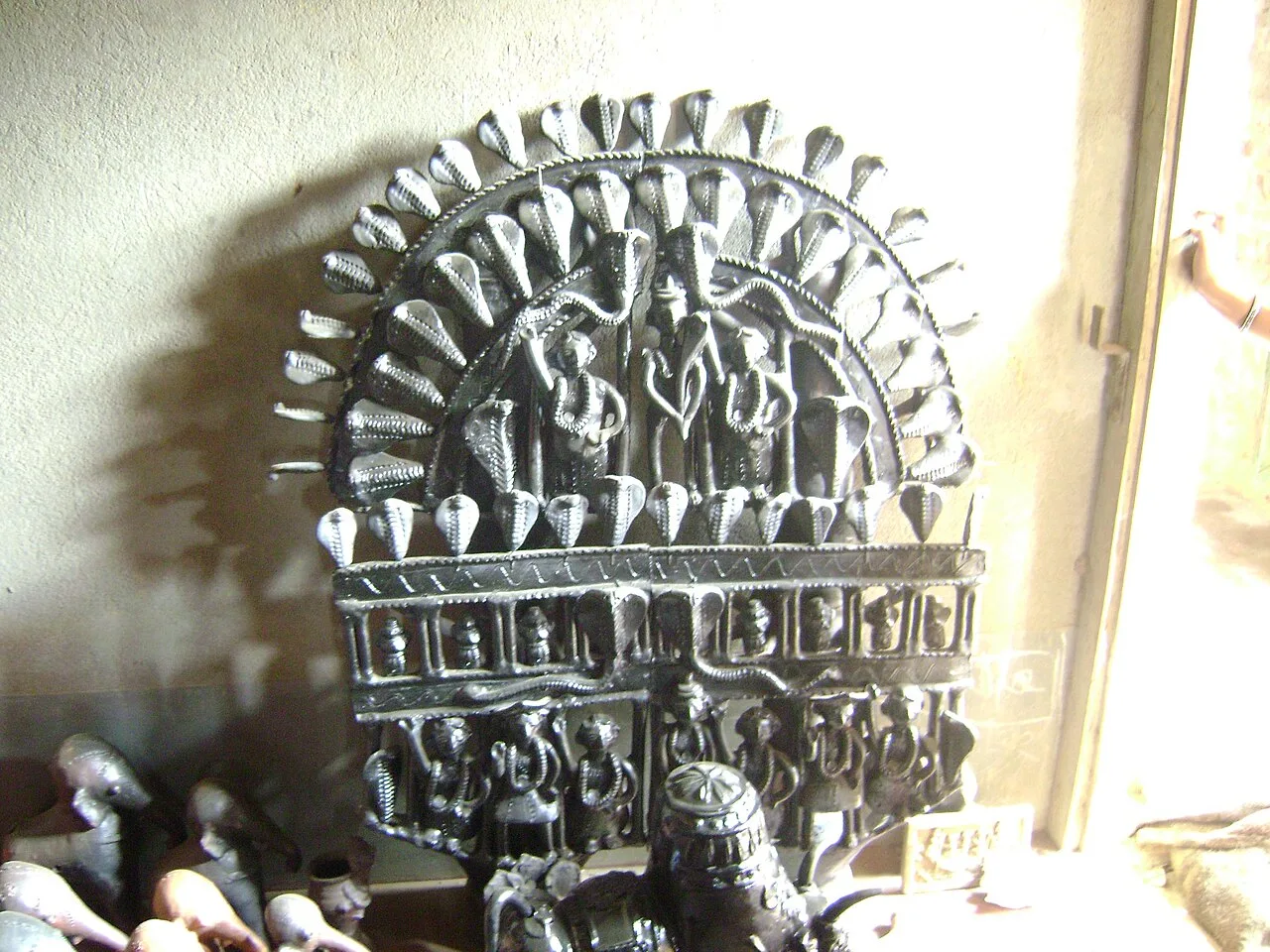
Bikna Dokra Village is a settlement in Bankura district, West Bengal. It may interest visitors seeking to understand the village’s place within the district’s administrative structure.

Joychandi Pahar

48 km away · Purulia district

Joychandi Pahar

Joychandi Pahar is a hill in Purulia district, West Bengal. Visitors come for its rock-climbing opportunities and to see the area's varied plant life and recorded butterfly species.

Santiniketan

56 km away · Birbhum district

Santiniketan

Santiniketan is a neighbourhood of Bolpur in West Bengal, associated with the Tagore family and Visva-Bharati. Visitors come to explore its heritage and its status as a UNESCO World Heritage site.

Bishnupur

63 km away · Bankura district

Bishnupur

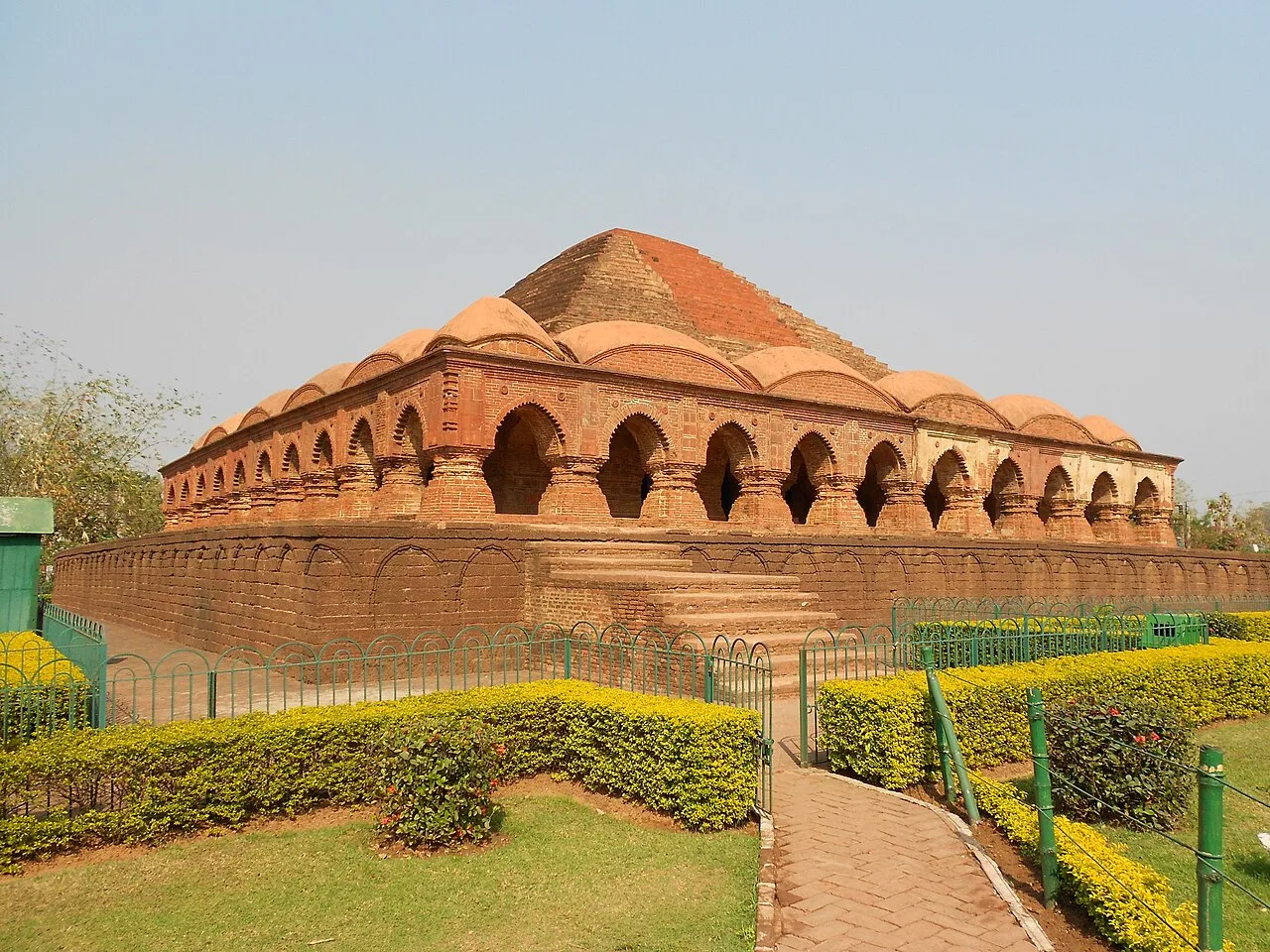
Bishnupur is a city and municipality in West Bengal’s Bankura district, known for temples built under the Malla rulers and for Baluchari sarees.

Panchmura

72 km away · Bankura district

Panchmura

Panchmura is a gram panchayat in Bankura district, West Bengal, known for its terracotta Bankura horse, a folk artefact regarded as India’s national symbol for handicrafts.

Map

Raniganj on the map

  1. 1Susunia Hill
  2. 2Garh Panchkot
  3. 3Bakreshwar
  4. 4Bikna Dokra Village
  5. 5Joychandi Pahar
  6. 6Santiniketan
  7. 7Bishnupur
  8. 8Panchmura

West Bengal

Other cities to explore