Ghumoopedia — Explore, Discover, Experience
Sign in
Acharya Jagadish Chandra Bose Indian Botanic Garden, near Uluberia

City guide · West Bengal

Uluberia

Uluberia is a municipality and the administrative headquarters of Uluberia subdivision in Howrah district, West Bengal. Its position on the Hooghly and its links with Kolkata and the wider south-western part of the state make it an important regional centre for administration, commerce and transport.

Famous for

  • Hooghly riverside setting
  • Uluberia subdivision headquarters
  • Kolkata metropolitan region
  • Historic colonial connections
  • Road and rail links

Why Uluberia matters

Uluberia is a municipality and the administrative headquarters of Uluberia subdivision in Howrah district, West Bengal. Its position on the Hooghly and its links with Kolkata and the wider south-western part of the state make it an important regional centre for administration, commerce and transport. The city is included in the Kolkata Metropolitan Area and lies along major road and rail routes, including National Highway 16 and the railway line serving the Howrah–Kharagpur corridor.

Uluberia is more a working town than a conventional sightseeing destination. Visitors come for local business, government services and connections to surrounding towns and villages. Its riverside setting and colonial-era associations add historical interest, while Gadiara, known for its river confluence, is a nearby excursion in the wider region rather than part of the city itself. Uluberia’s growth and daily life are closely tied to its transport corridors, though heavy monsoon rain can cause waterlogging in parts of the town.
Famous for: crafts, trade & products

Uluberia is not especially identified with a nationally recognised textile, saree, handicraft or GI-tagged product. Its profile is instead that of a regional market town, serving residents and businesses across the subdivision. Shops and neighbourhood markets sell everyday groceries, clothing, household goods and fresh produce; the area around the railway station and the municipal centre is a practical place to look for general shopping and local services.

The town also has manufacturing, workshop and logistics activity, supported by its access to major roads and rail. These businesses are part of Uluberia’s working economy, rather than a single visitor-facing speciality product. Visitors seeking a particular craft or regional product should not assume it is made locally; ask vendors about the origin of goods. There is no widely established city-specific shopping district devoted to crafts or traditional textiles. For a sense of local commerce, browse the ordinary bazaar streets and food shops near the centre, where shopping is primarily oriented toward everyday needs.

History

Uluberia began as a small settlement on the Hooghly. In 1687, after British forces were defeated near Hooghly by Shaista Khan, the hamlet served as a refuge for retreating troops. Later colonial activity shaped the wider river region: Robert Clive commissioned Fort Mornington at Gadiara, near the meeting of the Hooghly, Damodar and Rupnarayan rivers. The fort was completed around the late 1760s and formed part of British efforts to secure river traffic.

The subdivision was first constituted in 1873 under the name Mahishrekha and renamed Uluberia in 1882. Irrigation works also changed the surrounding landscape; a section of the Orissa Canal was later separated and became known as the Midnapore Canal. The area saw participation in the civil disobedience movement during the 1930s, and Subhas Chandra Bose addressed a gathering at Gorur Hat in 1938. During the Second World War, a military bridge over the canal supported troop movement. Modern Uluberia developed as an administrative and transport centre within the expanding Kolkata region.

Food, festivals & culture

Bengali is the principal language of everyday life, while Hindi and English are also heard in shops, workplaces and public offices. Food is typical of southern Bengal: rice, fish, lentils and vegetable dishes are common, with sweets such as sandesh and rasgulla available from local sweet shops. Street snacks and tea stalls serve as informal meeting places, especially around busy market and transport areas. These are regional favourites rather than dishes unique to Uluberia.

Durga Puja is the major annual celebration, usually held in autumn, with neighbourhood pandals, community gatherings and cultural programmes. Kali Puja and Diwali follow in the autumn season, while Saraswati Puja is observed in winter. Eid is also celebrated by Muslim residents. Bengali devotional songs, modern Bengali music and community performances are part of local cultural life; classical or folk dance is more often encountered at organised events than as a distinctive city tradition. Hindu temples and Muslim mosques serve neighbourhood worship and community life across the town.

Visiting the city

The cooler, drier months from roughly November to February are generally the most comfortable for a visit. Monsoon travel can be disrupted by heavy rain and waterlogging. The nearest major airport is Netaji Subhas Chandra Bose International Airport in Kolkata. Uluberia railway station is the main station, with rail links toward Howrah and the south-western corridor.

Local buses, auto-rickshaws and hired cars are useful for getting around; confirm your destination locally, as smaller roads can be busy. Explore the town centre, market streets and accessible stretches along the Hooghly for a sense of everyday Uluberia. Gadiara, outside the city, is a nearby option for visitors interested in river scenery and the confluence area. Allow extra time for road journeys during wet weather.

Trips from the city

Nearest places to visit from Uluberia

Our closest destination guides, by straight-line distance.

Acharya Jagadish Chandra Bose Indian Botanic Garden

21 km away · Howrah district

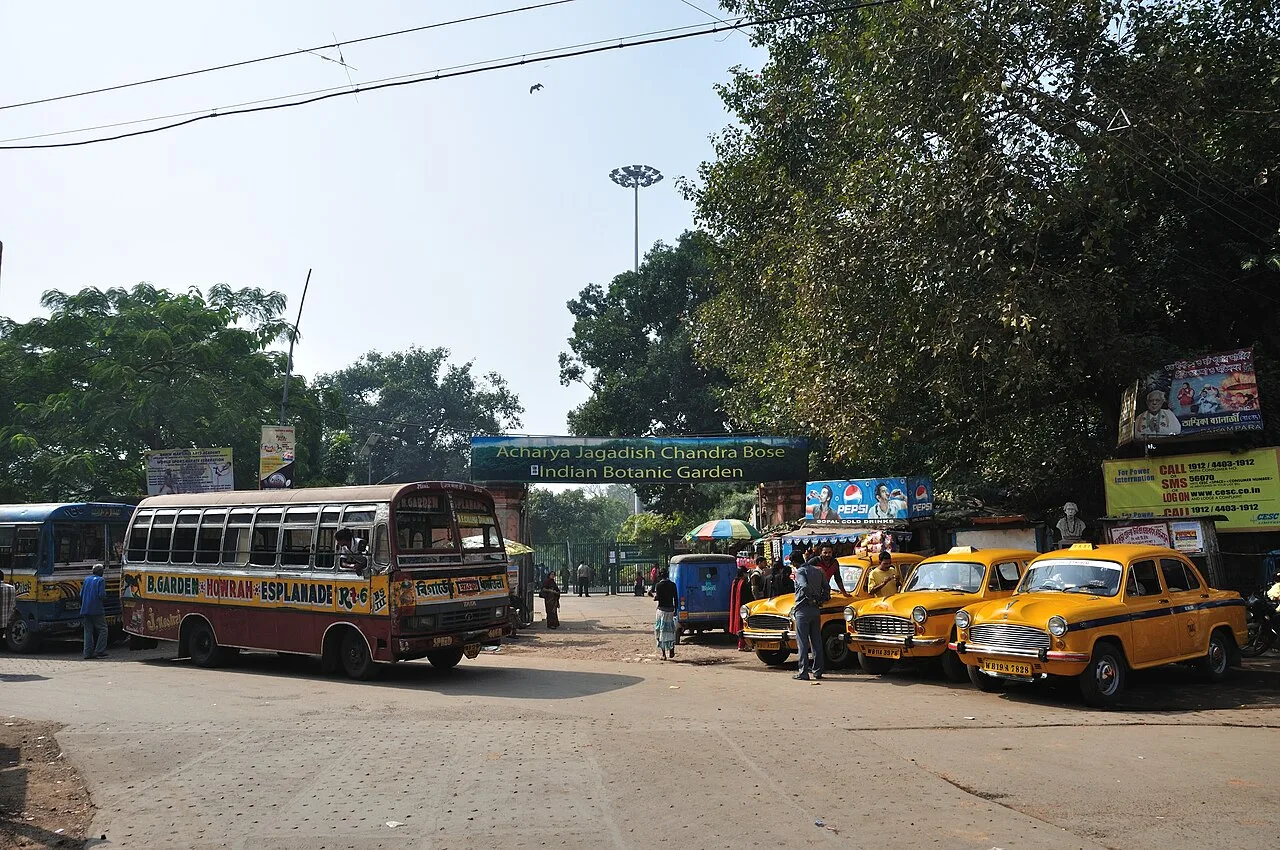
Acharya Jagadish Chandra Bose Indian Botanic Garden

The Acharya Jagadish Chandra Bose Indian Botanic Garden is a botanical garden in Shibpur, Howrah, near Kolkata. Visitors come to see its diverse collection of rare plants.

Alipore Zoo

25 km away · Kolkata district

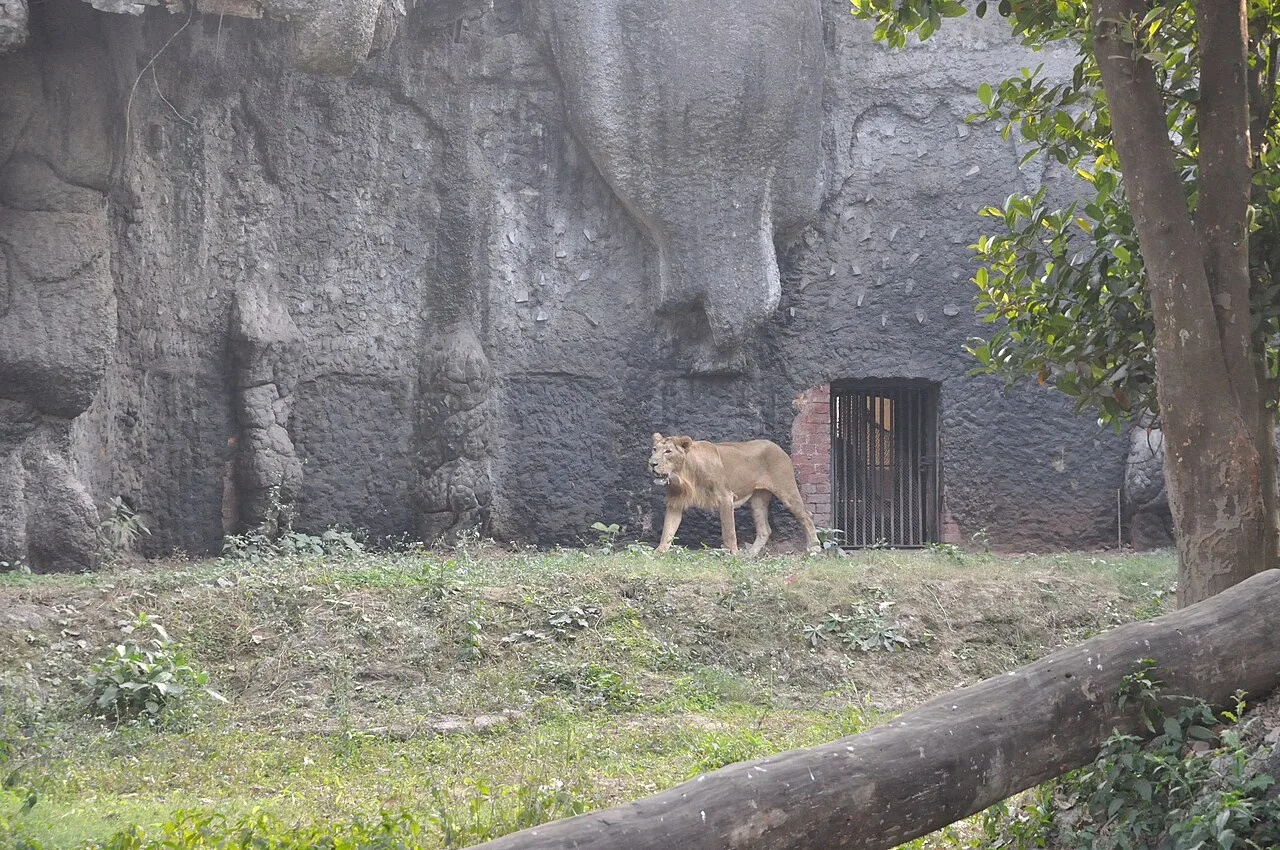
Alipore Zoo

The Zoological Garden, Alipore, commonly called Alipore Zoo, is recognised as India’s oldest formally established zoological park. Its animal collection and breeding work draw visitors to Kolkata.

Kalighat Temple

25 km away · Kolkata district

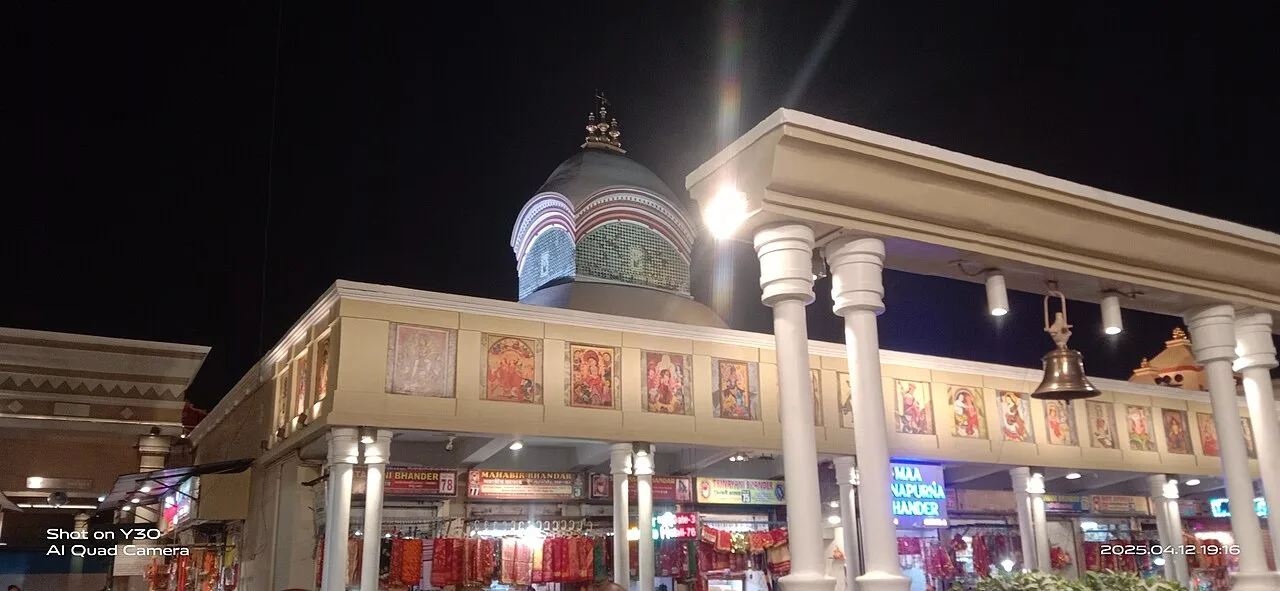
Kalighat Temple

Kalighat Temple is a Hindu shrine in Kolkata devoted to Kali, revered in tantric and Kalikula traditions. People visit to worship at this Shakti Pitha, particularly during major religious observances.

Prinsep Ghat

26 km away · Kolkata district

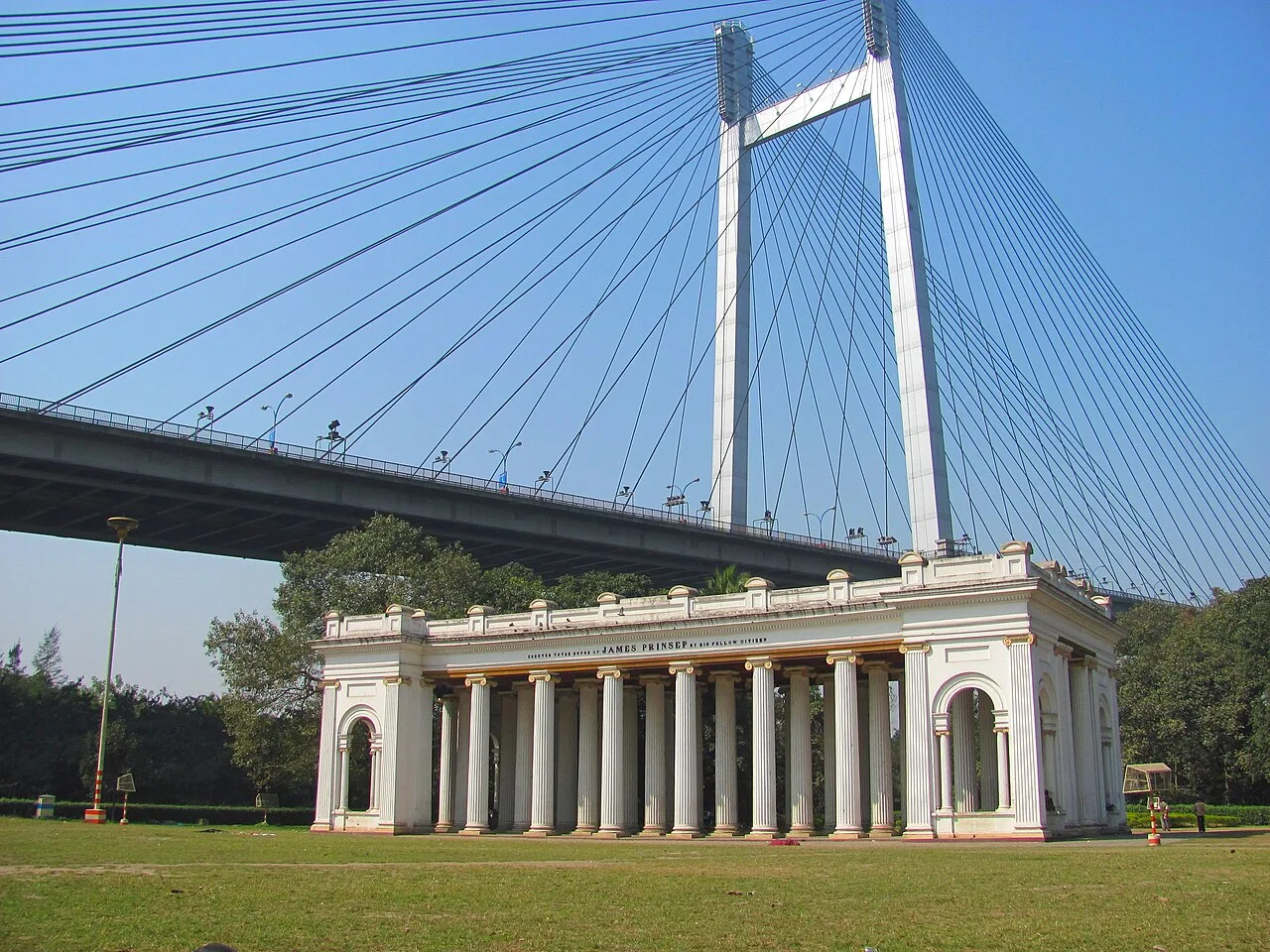
Prinsep Ghat

Prinsep Ghat is a historic river landing and memorial on Kolkata’s Hooghly riverfront. Visitors come to walk by the water, take boat rides and enjoy the nearby gardens and food stalls.

Victoria Memorial

26 km away · Kolkata district

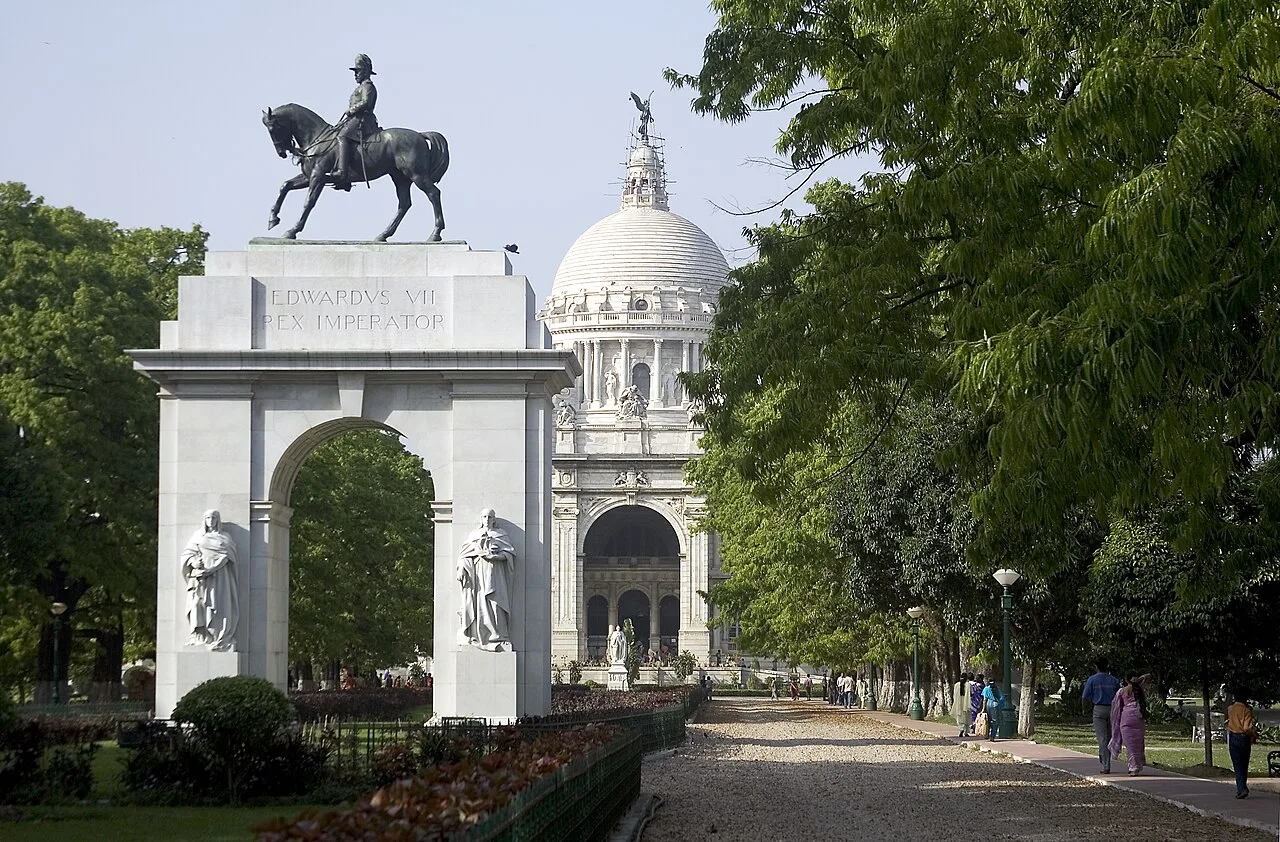
Victoria Memorial

A marble memorial and museum in Kolkata’s Maidan, it honours Queen Victoria. Visitors come to see its Indo-Saracenic design and explore the grounds.

Eden Gardens

27 km away · Kolkata district

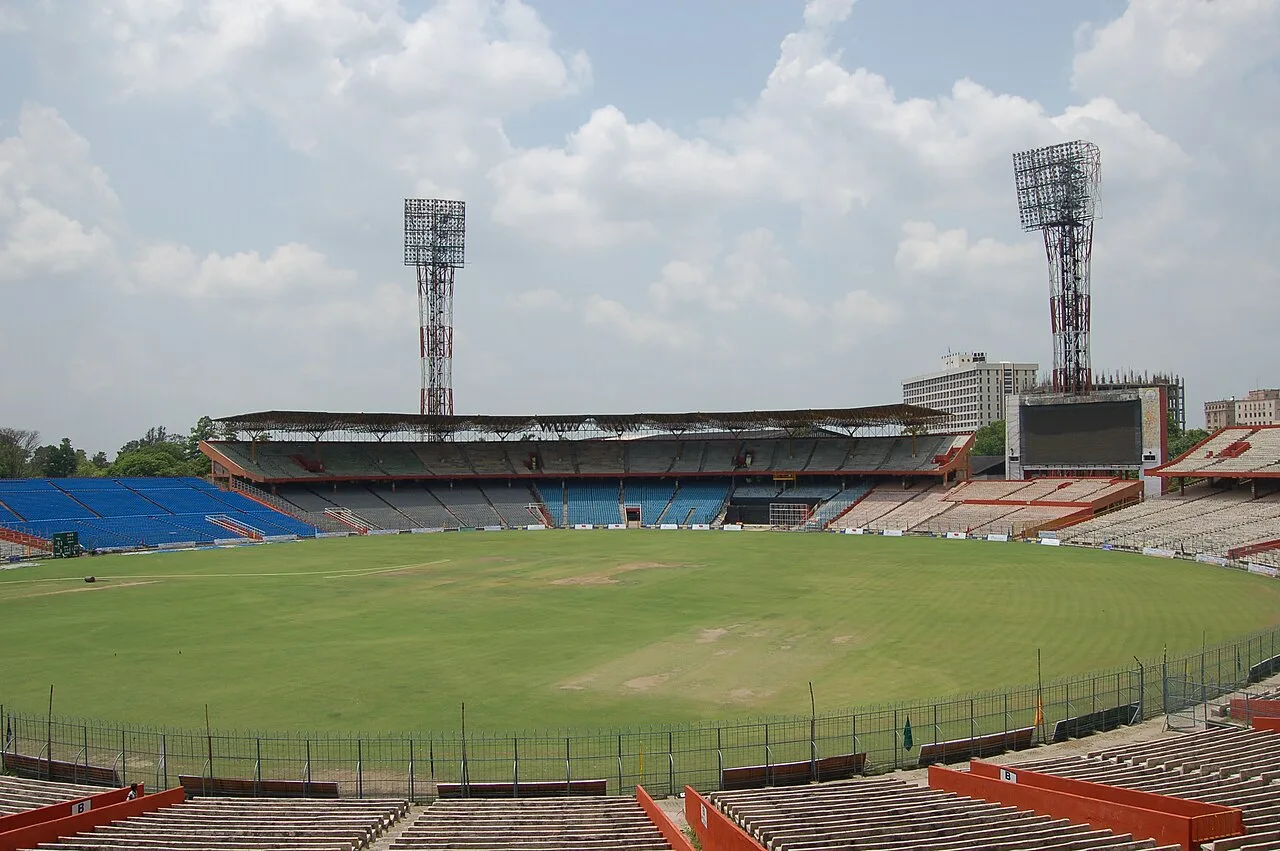
Eden Gardens

Kolkata’s Eden Gardens is a historic cricket venue that draws spectators for international matches and tournament finals, as well as for its longstanding place in Indian cricket.

Indian Museum

27 km away · Kolkata district

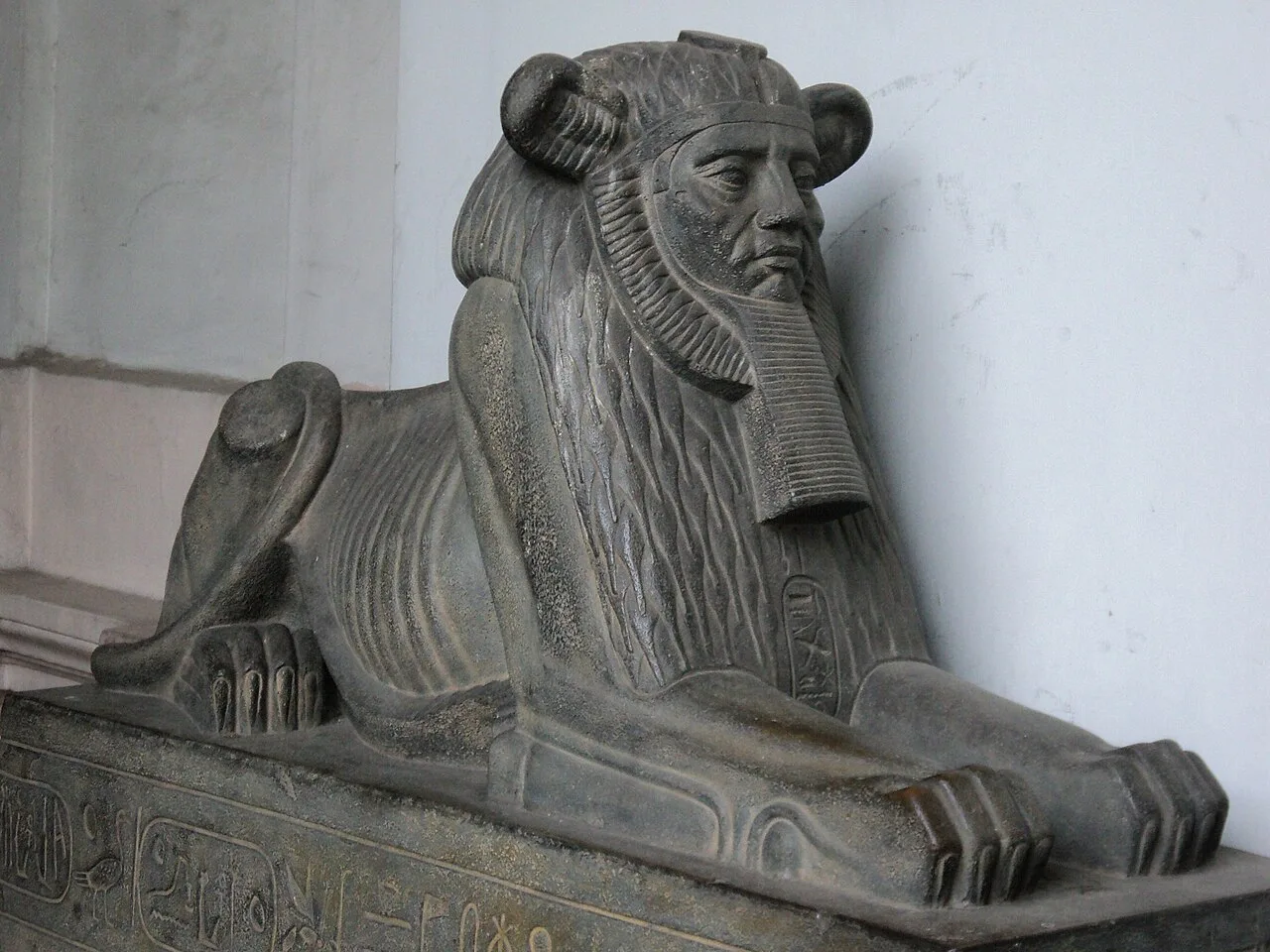
Indian Museum

The Indian Museum (formerly called Imperial Museum of Calcutta) is a grand museum in Central Kolkata, West Bengal, India.

Netaji Bhawan

27 km away · Kolkata district

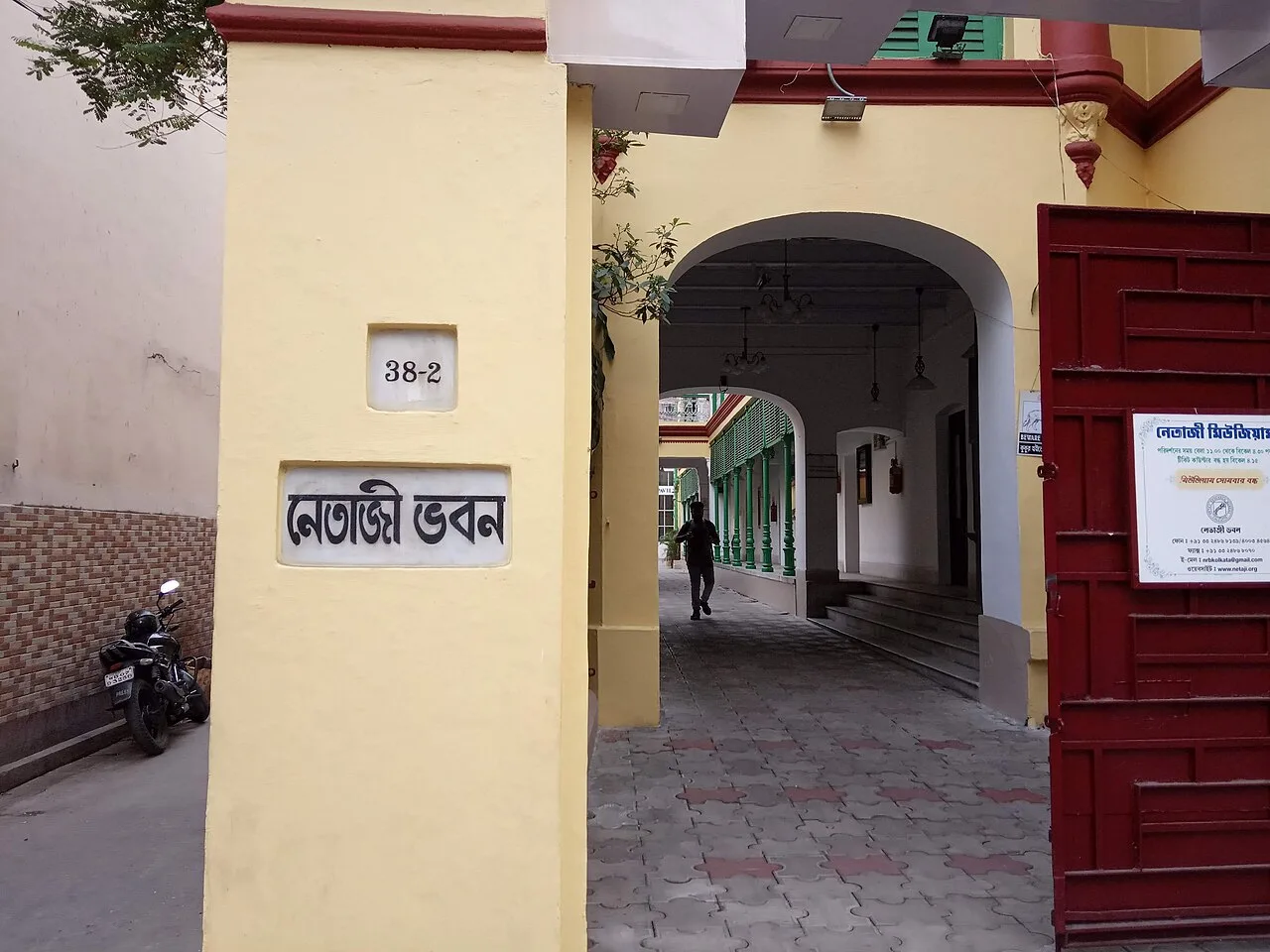
Netaji Bhawan

Netaji Bhawan is a heritage building in Kolkata associated with Subhas Chandra Bose. Visitors come to its memorial and research centre to engage with the Indian nationalist’s life.

Map

Uluberia on the map

  1. 1Acharya Jagadish Chandra Bose Indian Botanic Garden
  2. 2Alipore Zoo
  3. 3Kalighat Temple
  4. 4Prinsep Ghat
  5. 5Victoria Memorial
  6. 6Eden Gardens
  7. 7Indian Museum
  8. 8Netaji Bhawan

West Bengal

Other cities to explore