Ghumoopedia — Explore, Discover, Experience
Sign in
Dakshineswar Kali Temple, near Barasat

City guide · West Bengal

Barasat

Barasat is an important administrative and transport centre in North 24 Parganas, serving as the headquarters of Barasat Sadar subdivision and of the district. It is also part of the Kolkata metropolitan region, linking the capital’s northern outskirts with towns and rural areas farther north and east.

Famous for

  • Barasat Sadar headquarters
  • Ekdil Shah’s tomb
  • Indigo resistance history
  • Rail and road connections

Why Barasat matters

Barasat is an important administrative and transport centre in North 24 Parganas, serving as the headquarters of Barasat Sadar subdivision and of the district. It is also part of the Kolkata metropolitan region, linking the capital’s northern outskirts with towns and rural areas farther north and east. Rail services and major roads make it a busy hub for commuters, shoppers and people visiting district offices, courts and educational institutions.

Visitors come for a glimpse of the town’s layered history and everyday Bengali urban life. The tomb of Hazarat Ekdil Shah in Kazipara is a place of religious significance, while Barasat’s associations with indigo-era resistance and nineteenth-century reform add historical interest. The town is not chiefly a destination for a particular craft or luxury product; its appeal lies more in its regional role, local markets, places of worship and connections to nearby destinations. Seasonal festivals, especially the major autumn celebrations, bring neighbourhoods to life with decorated pandals, food stalls and cultural programmes.
Famous for: crafts, trade & products

Barasat is best known for administration, commerce and transport rather than for a signature textile, handicraft or GI-tagged product. Its shops and markets cater mainly to local households and commuters, with everyday clothing, groceries, household goods, fresh produce and Bengali sweets among the typical purchases. The commercial streets around the railway station and central town are practical places to browse, eat or pick up daily necessities; offerings vary from shop to shop.

There is no widely established Barasat-specific craft or product that visitors should expect to find in a dedicated market. Travellers looking for Bengal’s better-known textiles, handicrafts or regional specialties may find a broader selection in Kolkata or in the places where those products are made. Barasat’s more distinctive associations are institutional and historical: it is a district administrative centre, and its past includes indigo cultivation and resistance to exploitative indigo trading. For a local outing, explore the town’s general markets and food shops, or visit Kazipara for the tomb of Hazarat Ekdil Shah. Ask locally about seasonal stalls and festival markets, which can offer temporary displays of food, clothing and decorations.

History

Barasat developed as a settlement in the Ganges Delta and grew in importance through its links to regional rulers and routes. Historical accounts associate Sankar Chakraborty, a commander serving the Jessore ruler Pratapaditya, with establishing himself here around 1600. Hazarat Ekdil Shah is remembered as a social reformer who came to the town around 1700; his tomb in Kazipara remains a place of pilgrimage.

Under British rule, officials from Calcutta used Barasat as a retreat and built houses with gardens. Warren Hastings is associated with a villa in the town. Indigo cultivation brought wealth to traders but hardship to farmers, and resistance to the indigo system became part of the area’s history. Reformers including Ishwar Chandra Vidyasagar, Pyari Charan Sarkar and Kalikrishna Mitra are associated with efforts supporting education and social change. Barasat served as the seat of a district from 1834 to 1861, then became a subdivision headquarters. Today it remains an administrative centre and a busy urban part of North 24 Parganas.

Food, festivals & culture

Bengali is the principal language of daily life; Hindi and English are also heard, particularly in shops, offices and transport hubs. Meals commonly follow the wider Bengali pattern of rice, fish, lentils and vegetables. Sweet shops serve familiar Bengali confections, though Barasat is not especially known for a single signature dish or sweet. Tea stalls and casual eateries provide easy options around busy streets and the station area.

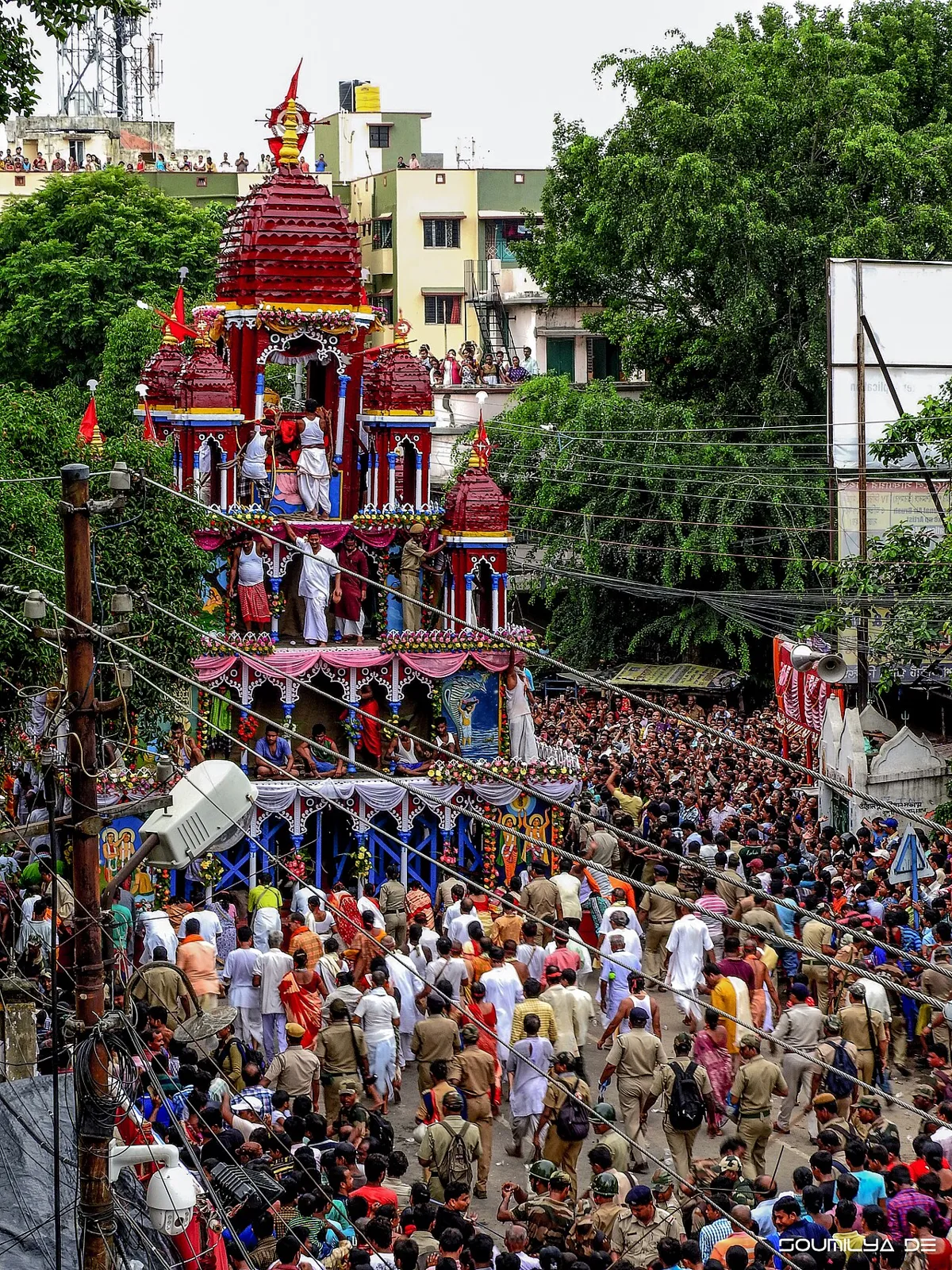
Durga Puja, usually celebrated in autumn, is a major public occasion, with neighbourhood pandals, devotional programmes and community gatherings. Kali Puja is also observed around the same season, while Eid brings celebrations among Muslim residents and worshippers. Other Hindu and Muslim observances reflect the town’s diverse religious life. The Ekdil Shah tomb in Kazipara is an important Muslim pilgrimage site; temples and mosques across the town serve local congregations. Music, dance and recitation are often part of festival and school or community programmes, drawing on broader Bengali cultural traditions rather than a distinct local performance style.

Visiting the city

The most comfortable season to visit is the cooler, generally drier period from mid-November to mid-February. Summer can be hot and humid, while monsoon rains are heaviest around July and August. Netaji Subhas Chandra Bose International Airport in Kolkata is the nearest major airport. Barasat Junction is the town’s main railway station, with connections toward Kolkata and northern parts of the region.

Buses, auto-rickshaws, e-rickshaws and taxis are useful for getting around; confirm your destination locally, especially for visits outside the central area. Explore the town centre and station-side commercial streets for shops and food, and head to Kazipara to visit the tomb of Hazarat Ekdil Shah. Barasat works well as a short stop or a base for administrative and regional travel, rather than as a resort-style destination. Allow extra time during rush periods and the monsoon.

Trips from the city

Nearest places to visit from Barasat

Our closest destination guides, by straight-line distance.

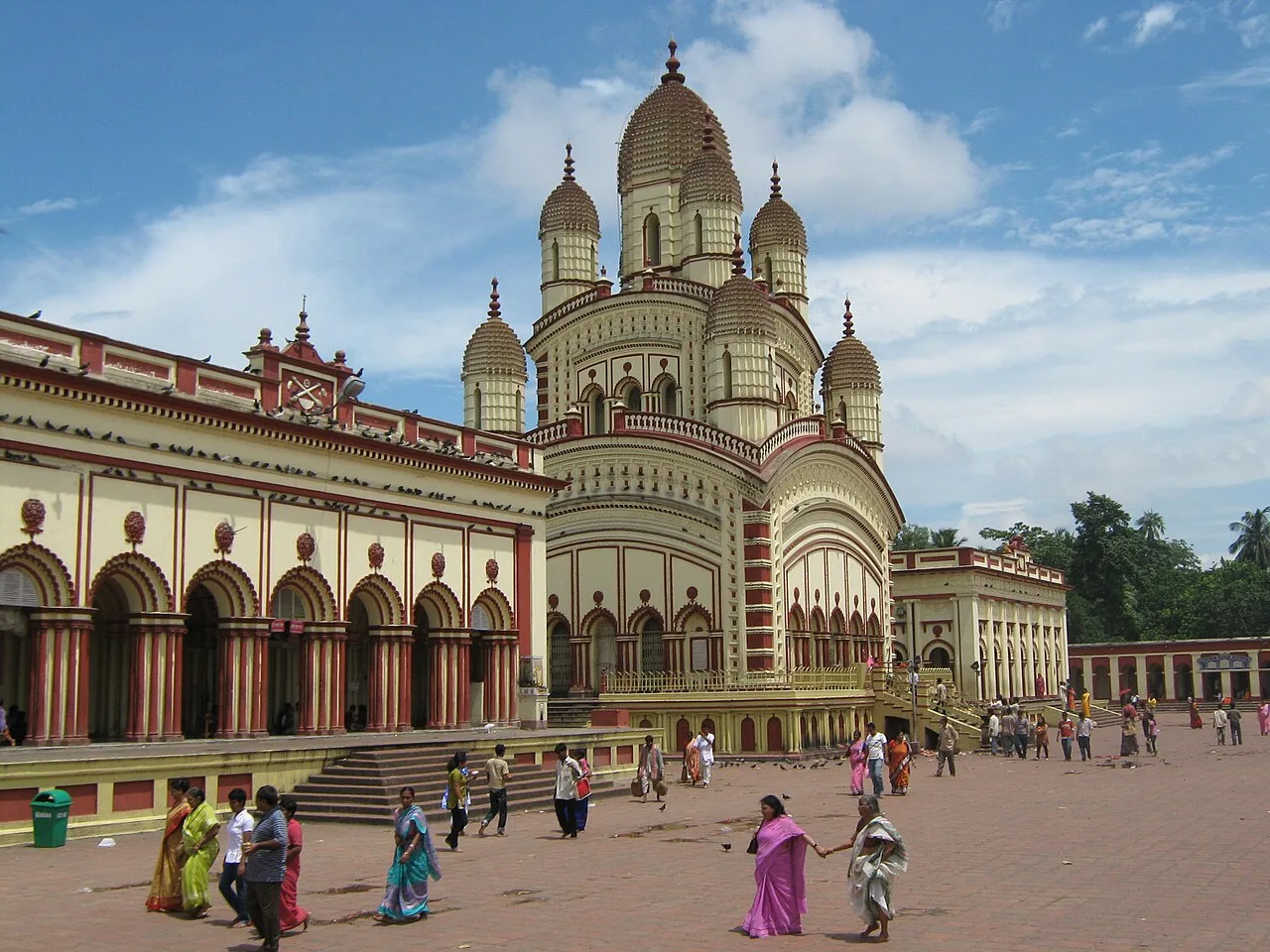
Dakshineswar Kali Temple

15 km away · North 24 Parganas district

Dakshineswar Kali Temple

This Hindu temple complex in Dakshineswar is centred on a shrine to Kali and is associated with Rani Rashmoni, Ramakrishna and Sarada Devi. People visit to worship and explore its grounds.

Serampore

15 km away · Hooghly district

Serampore

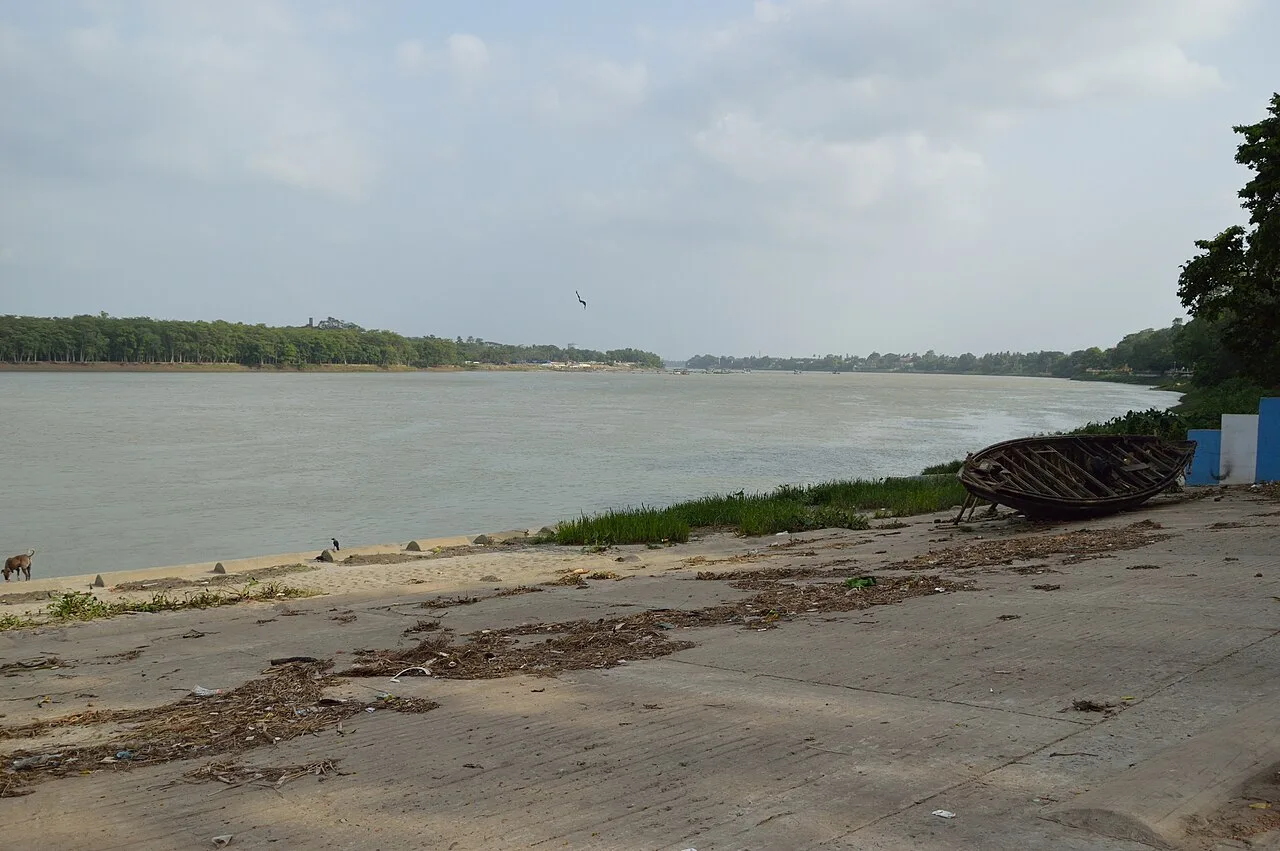
Serampore is a city in West Bengal’s Hooghly district, with a history tied to Danish India and a setting beside the Hooghly River. Visitors may come to learn about these connections.

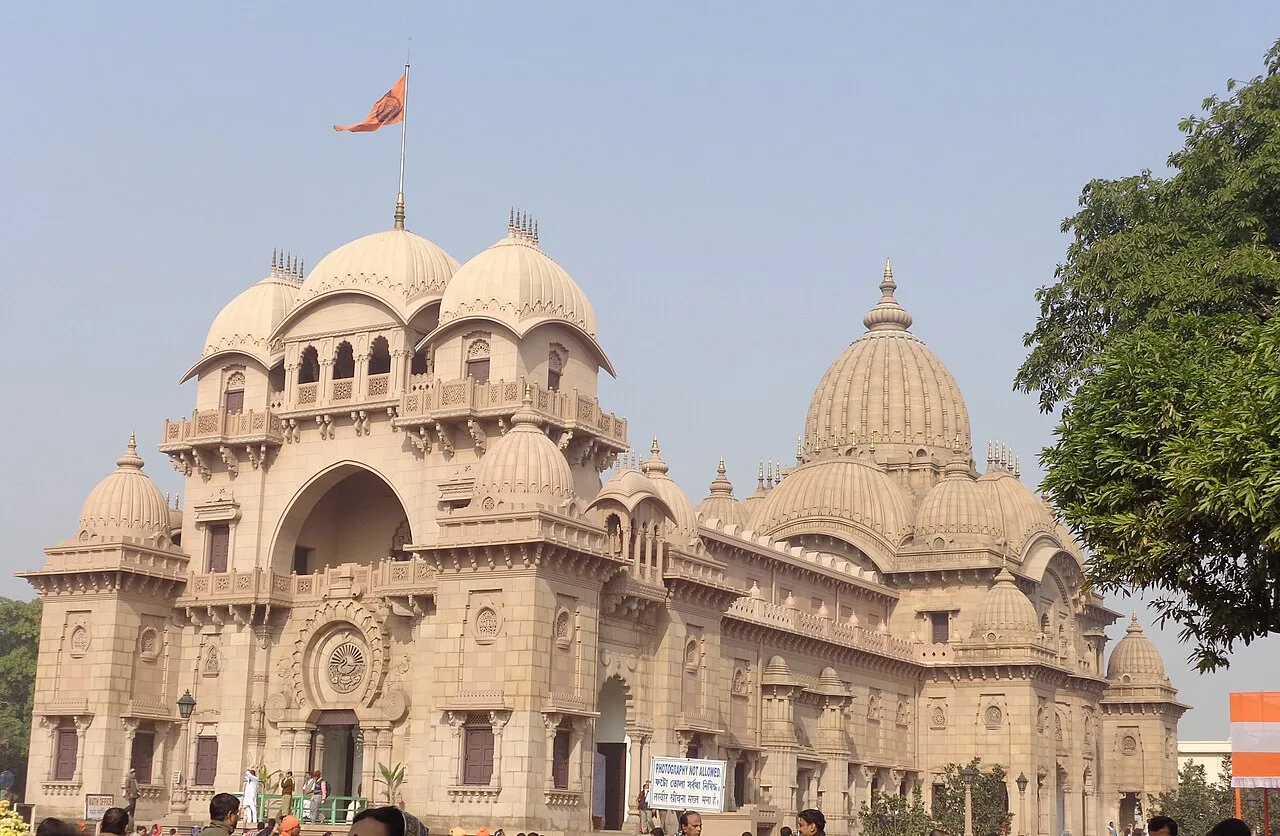
Belur Math

16 km away · Howrah district

Belur Math

Belur Math, in Howrah district, is the headquarters of the Ramakrishna Math and Ramakrishna Mission. Visitors come to see its temple, whose design draws on several religious traditions.

Kumortuli

18 km away · Kolkata district

Kumortuli

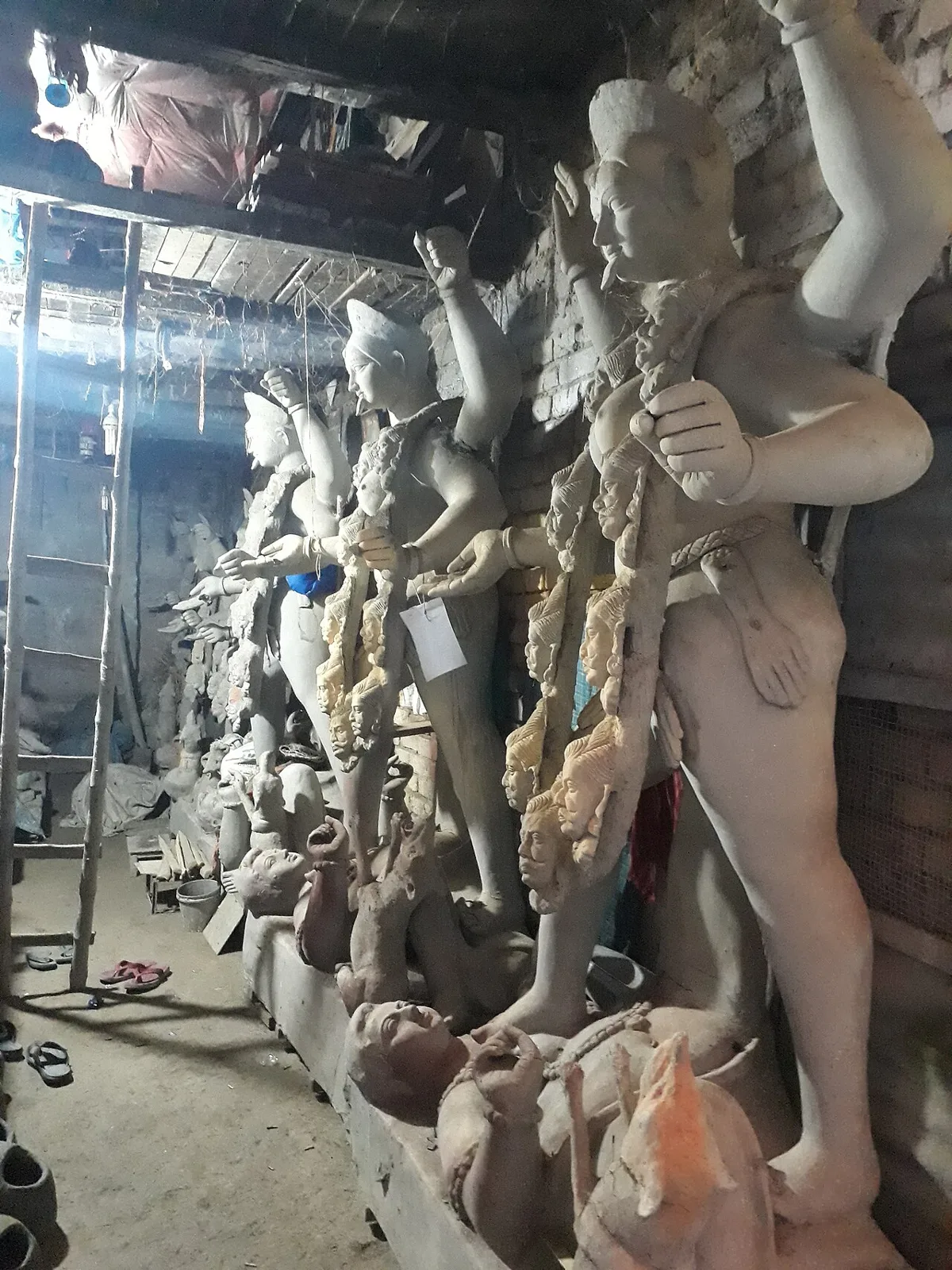
Kumortuli is a North Kolkata neighbourhood centred on potters and clay sculpture. Visitors come to see festival idols being made, a craft whose products are also regularly exported.

Chandannagar

20 km away · Hooghly district

Chandannagar

Chandannagar is a city in West Bengal’s Hooghly district, with a history as a French settlement. Visitors can see Indo-French influences in its colonial-era bungalows, many of which are now in poor condition.

College Street

20 km away · Kolkata district

College Street

College Street is a central Kolkata thoroughfare known for its educational institutions, extensive book market and Indian Coffee House, which has long drawn the city’s intellectual community.

Jorasanko Thakur Bari

20 km away · Kolkata district

Jorasanko Thakur Bari

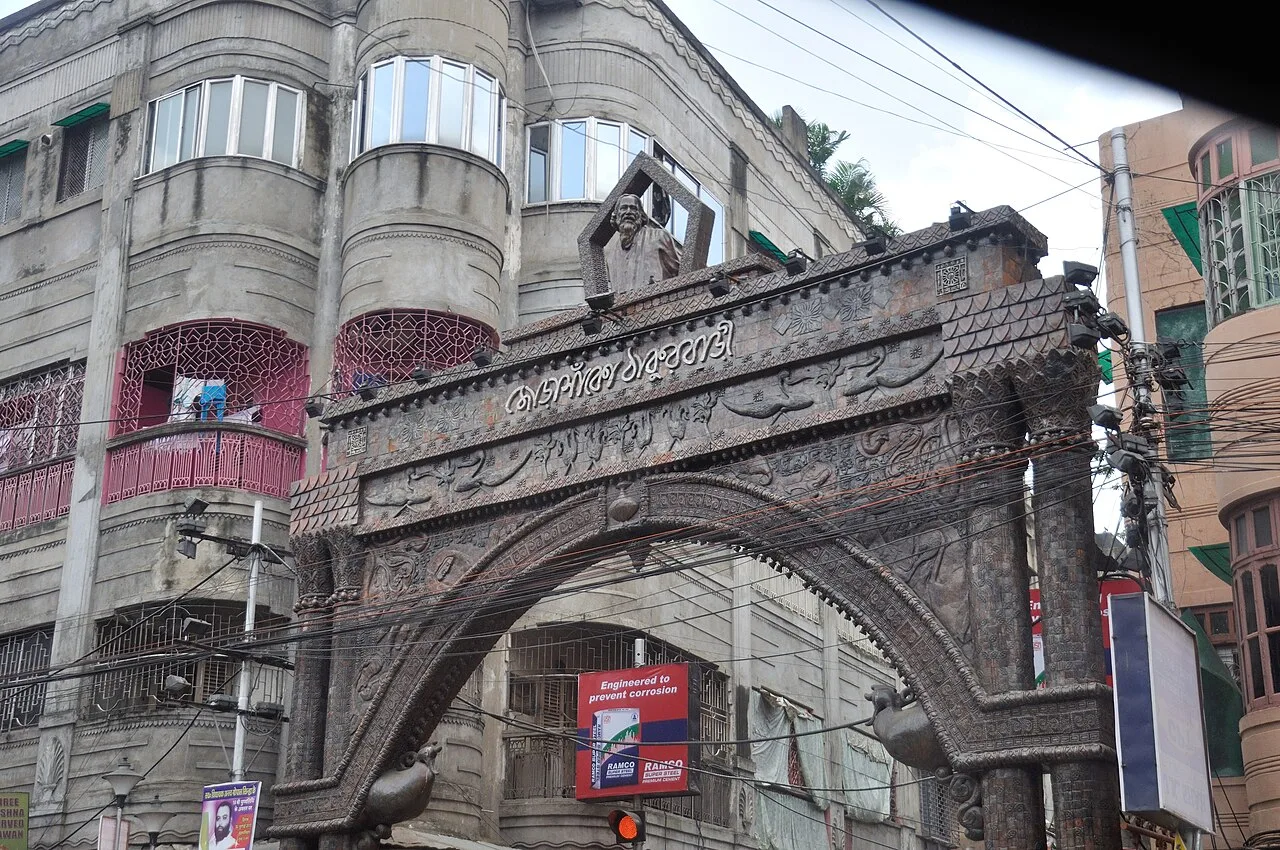
Jorasanko Thakur Bari is a historic haveli in Kolkata associated with the Tagore family. Visitors come for its links to Rabindranath Tagore, its Bengali architectural style and its place in the city’s cultural history.

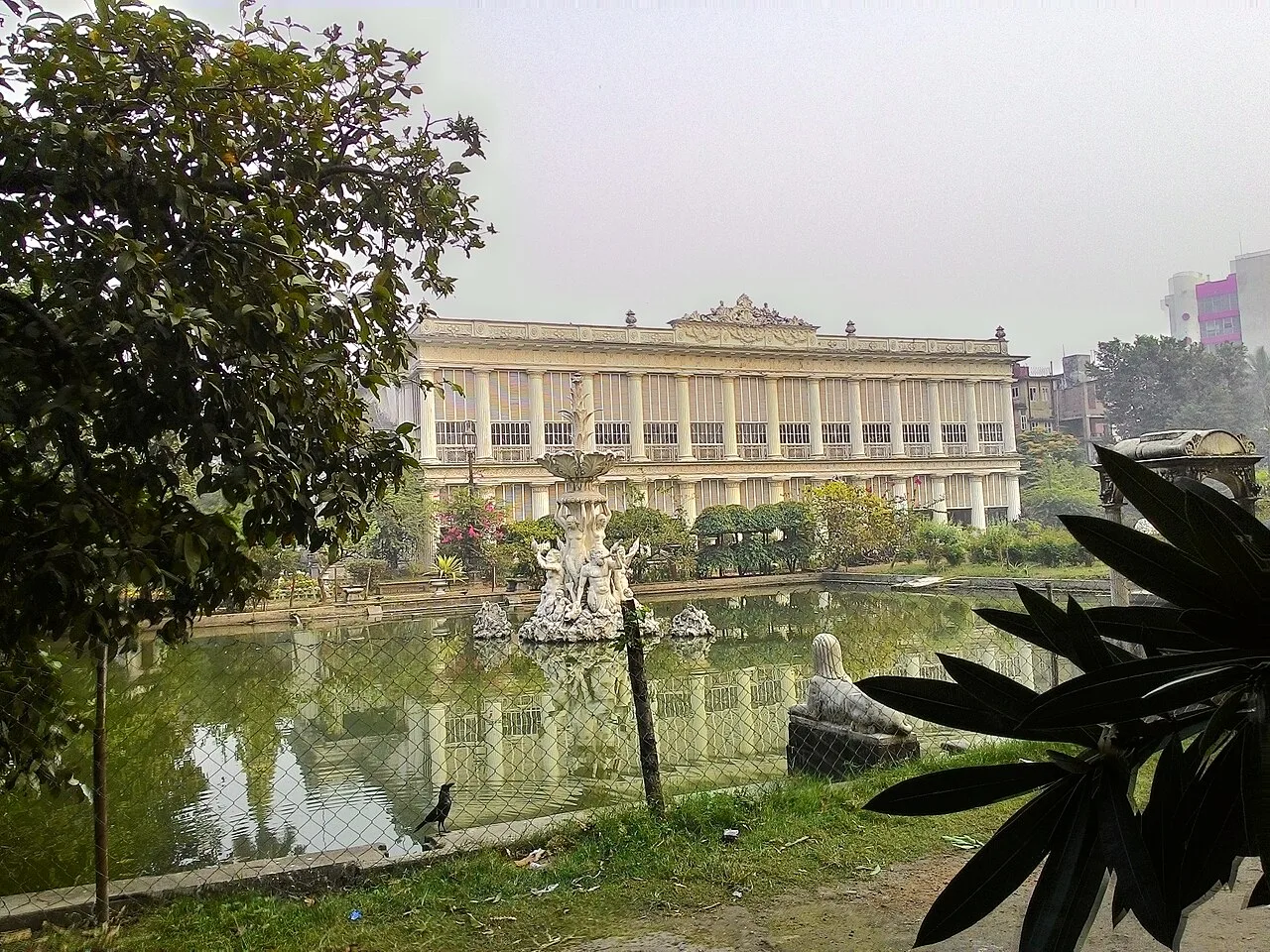
Marble Palace

20 km away · Kolkata district

Marble Palace

This nineteenth-century residence in North Kolkata is known as Marble Palace for its marble surfaces and sculptures; visitors come to view its preserved mansion and distinctive materials.

Map

Barasat on the map

  1. 1Dakshineswar Kali Temple
  2. 2Serampore
  3. 3Belur Math
  4. 4Kumortuli
  5. 5Chandannagar
  6. 6College Street
  7. 7Jorasanko Thakur Bari
  8. 8Marble Palace

West Bengal

Other cities to explore