
District · West Bengal
Malda
Malda lies in northern West Bengal, in a region linking the lower Ganges plains with historic Bengal.
Malda lies in northern West Bengal, where the Ganges and its tributaries shape a fertile landscape of river plains, fields and mango orchards. The district is known for its historic sites at Gaur and Pandua, once important centres of power in medieval Bengal. Their mosques, gateways and other ruins reflect the region’s changing dynasties and long history as a political and trading hub. Modern Malda, with English Bazar as its principal urban centre, is also a gateway between southern Bengal and the northern districts. Agriculture, riverine life and the preservation of its archaeological heritage all contribute to the district’s character.
Malda lies in northern West Bengal, in a region linking the lower Ganges plains with historic Bengal. It is best known for the archaeological remains of Gaur (Gauda), once a major political centre, and the Adina Mosque at Pandua, an important monument of the Bengal Sultanate. Together, these sites offer a way to explore the region’s medieval history and changing centres of power. The district is also associated with mango cultivation, silk and Bengali folk traditions. Malda suits travellers interested in heritage and rural landscapes; its sights are spread out, so allow time for road journeys between them.
The Malda region has been part of the wider history of ancient and medieval Bengal. Gauda was an important centre under early Bengal rulers, including the Pala and Sena dynasties, and later served as a capital under Muslim rulers and the Bengal Sultanate. Pandua also became a major seat of power; the Adina Mosque was built in the 14th century under Sultan Sikandar Shah of the Ilyas Shahi dynasty. Gaur’s political importance faded over time, as shifting river courses, flooding and other changes affected settlement and trade. Mughal authority later extended over the region, followed by the East India Company and British rule. Malda became a district under British administration in the 19th century. The region was affected by the 1947 Partition of Bengal, after which Malda remained in West Bengal. Its surviving monuments reflect these successive periods, though many historic structures have been altered or left in ruins.
2 destination guides
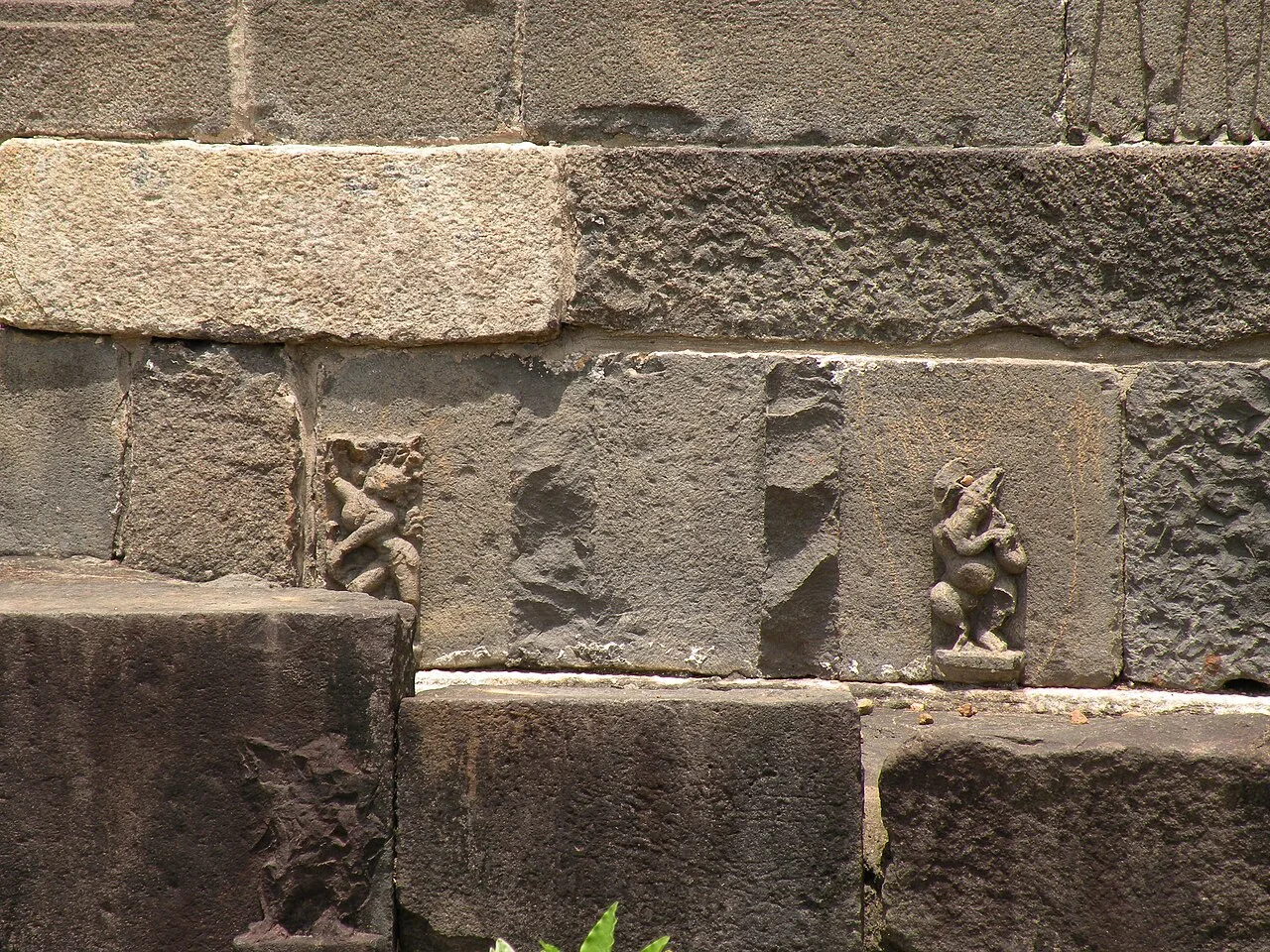
Adina Mosque
Adina Mosque is a Sultanate-era imperial mosque in Pandua, West Bengal. Visitors come to explore its monumental architecture and learn about the ambitions of the Bengal Sultanate.
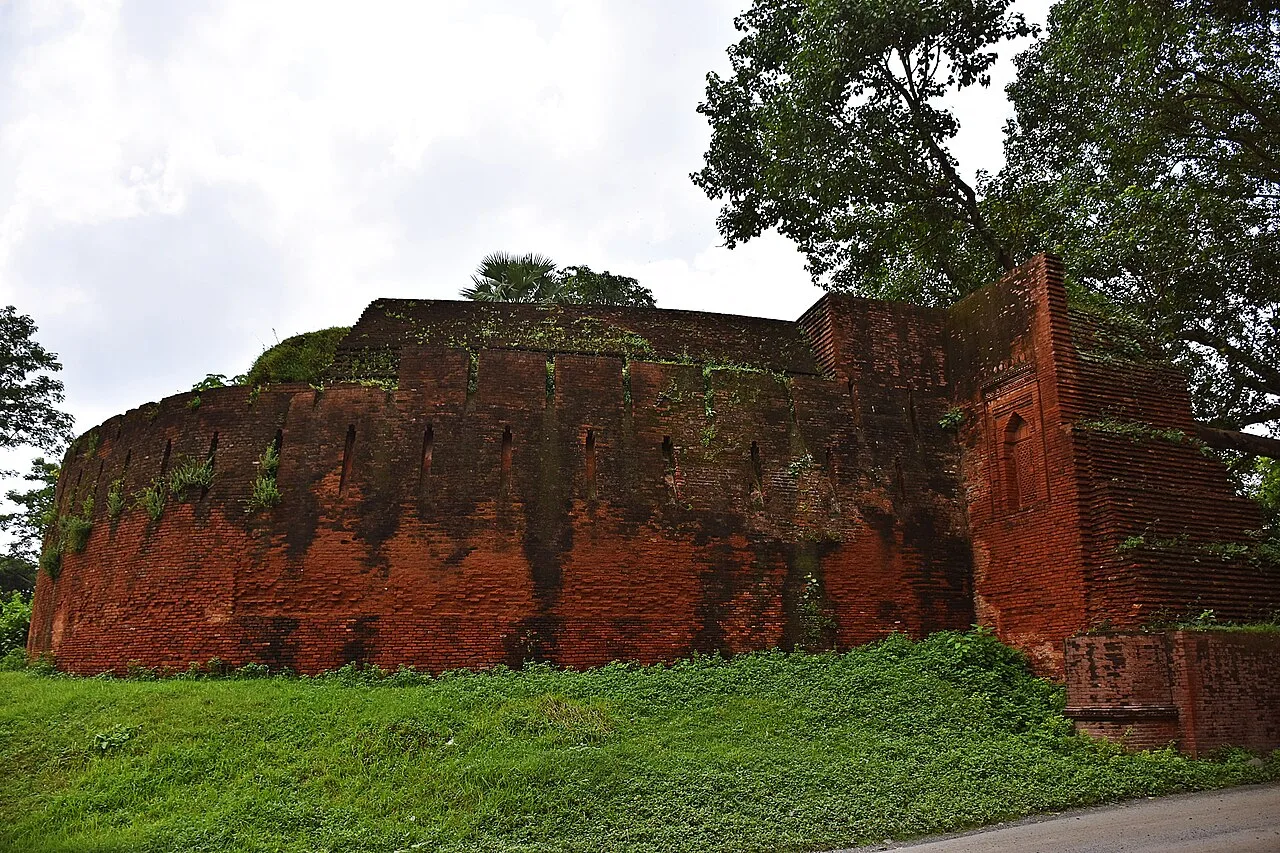
Gaur (Gauda) Ruins
Gauda’s remains in Malda preserve traces of a former Bengal capital. Visitors explore its Sultanate-era buildings and the story of a city shaped by changing rulers and rivers.
Rice and fish are staples across much of Bengal, and Malda’s local meals reflect this wider regional tradition; recipes and menus vary between households and eateries. The district is especially associated with mangoes, with varieties such as Fazli and Langra widely known. In season, look for fresh fruit and mango-based sweets or preserves, though availability depends on the harvest. Small restaurants may serve a limited daily menu, so it is useful to ask what is freshly prepared. Visitors can also find familiar Bengali dishes such as fish curry, vegetable preparations and sweets, with choices varying by town.
Malda has a long association with silk production and weaving, supported by the region’s sericulture traditions. Silk fabrics and related products are part of the district’s craft identity, although what is available to visitors can vary by place and season. The wider Bengal region is also known for handloom weaving, including cotton textiles, but particular styles should not automatically be attributed to Malda. Ask sellers about the material, where it was made and whether the item is handwoven; local markets may offer a more varied selection than archaeological sites.
Durga Puja in autumn is widely celebrated, with local neighbourhood gatherings and increased activity in town centres. Eid celebrations, observed according to the Islamic calendar, are also important across the region; some markets and transport services may be busier around major festival periods. Gombhira, a distinctive folk-performance tradition associated with Malda and neighbouring areas, is often presented around the Bengali spring season and at cultural events. Visitors may also encounter local fairs tied to religious observances. During major festivals, accommodation can be more in demand, so booking ahead is sensible, especially in Malda town.
Elsewhere in West Bengal
Malda is a low-lying alluvial district with broad plains and no coastline or major hills. The Ganga and Mahananda are among the rivers shaping the region; river channels and floodplains have changed over time, influencing settlement and agriculture. The landscape includes cultivated fields, orchards and densely settled rural areas, with mango growing especially prominent. Roads link the principal towns and heritage sites, but journeys can be affected by seasonal rain, local flooding or poor surfaces on smaller roads. The open terrain makes travel between sites straightforward in principle, though distances and road conditions mean that visitors should leave time for transfers.
Malda has hot summers, a humid monsoon season and comparatively cooler, drier winters. Summer can feel oppressive, particularly during the day, so outdoor sightseeing is more comfortable early or late. Monsoon rains bring lush scenery but can make rural roads difficult and may disrupt journeys in flood-prone areas. The cooler months, broadly from late autumn through winter, are generally the most comfortable period for visiting the ruins and mosque. Pack light, breathable clothing for warm weather, a sun hat and water bottle, and carry rain protection during the monsoon. In winter, bring a light layer for cooler mornings and evenings.
Malda Town railway station is the district’s principal rail gateway, with connections serving routes between Kolkata and northern Bengal. By road, Malda is linked to other parts of West Bengal through National Highway 12 and regional roads; journey times depend on traffic and road conditions. Bagdogra Airport is a possible air gateway from outside the region, while Kolkata is another option with broader connections. Within the district, buses, shared vehicles, auto-rickshaws and hired cars can help reach towns and sites such as Gaur and Pandua; transport may be limited at remote ruins. Check current services locally.
Malda town, also known as English Bazar, is the main practical transport base. Roads connect it with Gaur and Pandua, where the Adina Mosque is located. Local buses, shared vehicles and auto-rickshaws serve town and rural routes, though services may be less convenient for linking several heritage stops in one day. Taxis or hired cars offer more flexibility, especially for visitors travelling with family or limited time. Confirm the return journey locally before heading to a less-served site. Boats are not a usual sightseeing link for these destinations, and river conditions can affect nearby roads.
2 days: Adina Mosque, then Gaur (Gauda) Ruins; sleep in Malda town each night. 3 days: Gaur (Gauda) Ruins, then Adina Mosque, with a relaxed second visit to the sites; sleep in Malda town each night.
Malda town (English Bazar) is the most useful base for both listed destinations, with a range of ordinary hotels and guest accommodation. It works well for a short circuit because road transport and everyday services are easier to arrange there. Travellers seeking a quieter stay may find limited options in smaller settlements, but availability and facilities can vary. Homestays, government lodges and dharamshalas may be available in the district, though they are not as predictable as town hotels. Check current facilities and transport arrangements before relying on a small-town stay.
The heritage sites include uneven ground, exposed ruins and limited shade, so wear sturdy footwear and carry drinking water. Heat can be tiring; avoid prolonged midday exposure and take breaks. Monsoon rain may cause waterlogging, flooding or slower travel on rural roads, so check local conditions before setting out. Use sealed or treated drinking water and take normal precautions with food. Crowds increase during major festivals, while mobile connectivity may be weaker outside towns. Follow signs and site staff instructions, avoid climbing on fragile structures, and confirm current access conditions with local authorities before travelling.
- Sahibganj · Jharkhandabout 39 km
- Purnia · Biharabout 81 km
- Murshidabadabout 92 km
- Bhagalpur · Biharabout 100 km
- Dumka · Jharkhandabout 113 km
- Birbhumabout 134 km
- Deoghar · Jharkhandabout 151 km
- Cooch Beharabout 195 km
Straight-line distance between the centres of each district's destinations; road distance is longer.
Q: How many days should I spend in Malda? A: Two days can cover the listed heritage sites at a measured pace; three days allows more time for travel and rest. Q: When is the best time to visit? A: The cooler, drier months from late autumn through winter are generally most comfortable for sightseeing. Q: What is the best base for visiting the sites? A: Malda town, also called English Bazar, is the most practical base for both Gaur and Pandua. Q: How do I get to Malda? A: Malda is connected by rail and road to other parts of West Bengal and neighbouring regions; check current services when planning. Q: Is Malda suitable for families or elderly travellers? A: Yes, with planning. Arrange road transport, allow time for rests, and take care on uneven paths and in hot or wet weather.
This page draws on our 2 destination guides for Malda and is updated as our team checks it.
Be the first to share photos, stories, advice or a helpful contact for Malda.
Loading…