
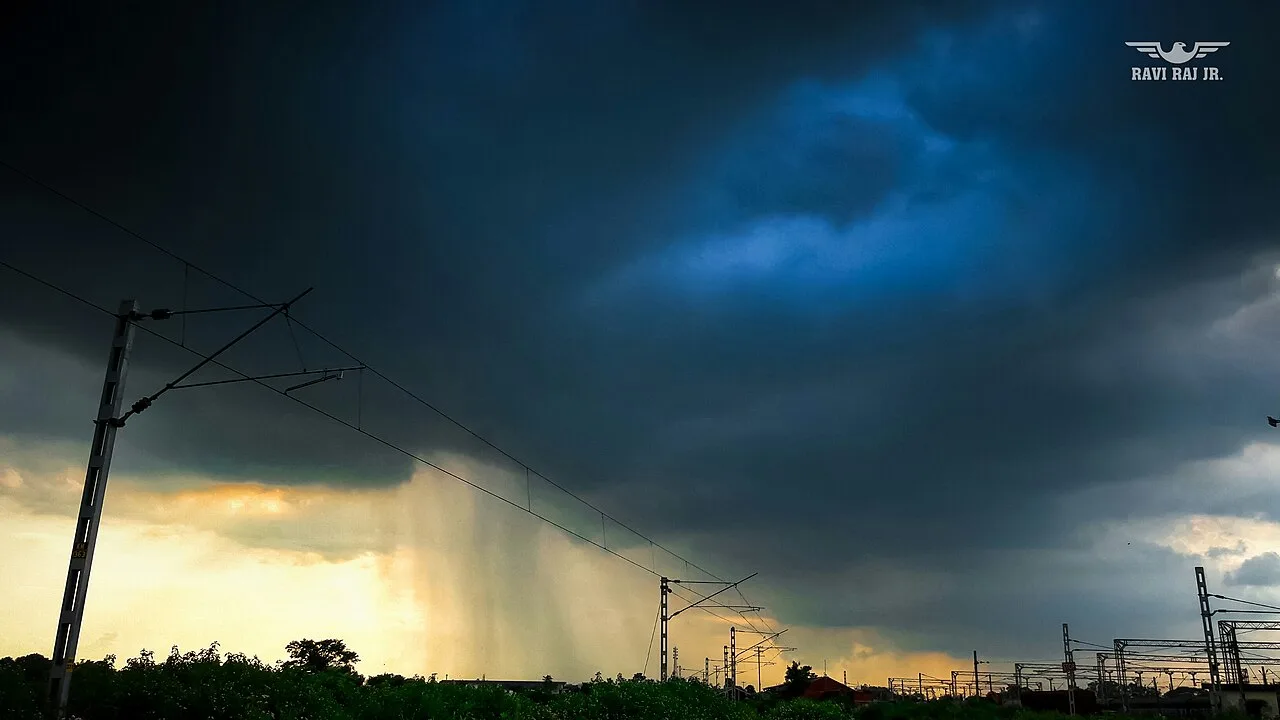
District · Bihar
Purnia
Purnia lies in the Seemanchal region of northeastern Bihar, near the state’s borders with West Bengal and the foothills leading toward the eastern Himalaya.
Purnia lies in Bihar’s Seemanchal region, where broad, fertile alluvial plains are shaped by rivers and monsoon rains. Farming is central to the district’s economy and daily life, while seasonal flooding is a recurring feature of the landscape. Purnia has served as an administrative and market centre for the surrounding area; it became a British district in 1770. Its location connects north-eastern Bihar with routes towards Bengal and the rest of the state. The district’s character is diverse, reflected in its languages, communities and foodways. Town markets and rural settlements sit alongside cultivated fields, and the wider region is known for its busy road and rail links.
Purnia lies in the Seemanchal region of northeastern Bihar, near the state’s borders with West Bengal and the foothills leading toward the eastern Himalaya. It is known chiefly as an agricultural and administrative centre, and as a road-and-rail hub for journeys across this part of Bihar. The district’s river plains and rural settlements offer a sense of the region beyond major tourist circuits.
The wider Purnia region has been a frontier between the political spheres of north Bihar and Bengal, and its authority shifted over time among regional powers. In the medieval period, parts of this broader area came under the influence of Bengal’s sultanates and later the Mughal Empire; local administration and control varied, so a single dynasty should not be treated as the history of the present district. Purnia is commonly recorded as having become a district in 1770, during the East India Company period, after the Company acquired revenue rights in Bengal and Bihar. Under British rule it served as an administrative district in the eastern part of Bihar. Its boundaries later changed as new districts were formed: Katihar was separated in 1976, while Araria and Kishanganj were created in 1990. These changes mean that older references to Purnea or Purnia district may describe a much larger area than the district today.
Rice, fish, seasonal vegetables and pulses are familiar parts of meals across Seemanchal, though what is served varies by household and season. Bihar-wide favourites such as litti chokha, sattu paratha and chana ghugni are also found in the region, along with sweets and snacks such as thekua. Makhana is associated particularly with the wider Mithila region, rather than being a Purnia-only food. Small eateries may offer a limited daily menu, so ask what is fresh that day. At remote sites, carry water and snacks and eat before setting out on a long drive.
Purnia is better known as an agricultural and trading district than for a single widely recognised signature craft. Practical bamboo and cane goods, such as baskets and household items, are made and sold in parts of rural Bihar, including local markets. Handloom weaving and sewing or embroidery are also found across the wider state, though they are not unique to Purnia. These traditions are often small-scale and closely connected to household use and local demand. Visitors interested in craftwork can browse town and weekly markets, while keeping in mind that availability varies.
Chhath is widely observed in Bihar, including Purnia, in the autumn and again in spring; worshippers gather at ponds, riverbanks and other water bodies, making those places busier. Durga Puja, usually in autumn, brings community celebrations, while Diwali and Holi are also marked. Eid is observed by Muslim communities, with local patterns varying by town and village. Seasonal fairs and religious gatherings may take place around local shrines, but dates and scale differ from place to place. During major festivals, expect busier roads and public spaces; arrange accommodation ahead if travelling during a large local event.
Elsewhere in Bihar
Purnia is largely a low-lying, fertile alluvial plain, with cultivated land, settlements and river channels rather than hills or coastline. Rivers and smaller streams drain the wider Seemanchal area; their levels and courses can affect nearby roads and fields, especially during the monsoon. The open, flat terrain makes road travel the usual way to move between towns and rural areas, but travel conditions can change where flooding or waterlogging occurs. Forests and wildlife reserves are not defining features of the district’s main travel landscape.
The district has hot summers, a monsoon season and generally cooler, drier winters. Summer days can feel humid and exposed, so light clothing, sun protection and drinking water are useful. Monsoon conditions can bring heavy rain, waterlogging and local flooding, which may slow road journeys or disrupt access to rural areas. Winter is usually the most comfortable season for exploring, while the months after the monsoon can also be pleasant. For a general visit, plan for October to March. Pack breathable layers, a light warm layer for winter evenings, and rain protection if travelling during the monsoon or its shoulder months.
Purnia Junction is the district’s principal railway station, with rail connections to other parts of Bihar and onward routes through larger junctions such as Katihar. Bagdogra Airport, in West Bengal, is a nearby operating airport; Patna is another option, though farther away. Roads connect Purnia with nearby districts including Katihar, Kishanganj and Araria, as well as destinations elsewhere in Bihar. Buses and hired cars are useful for intercity travel; within towns, auto-rickshaws and e-rickshaws are common. For rural visits, arrange transport ahead where possible. Check current services locally before travelling.
Purnia town is the district’s principal transport base, with road and rail connections serving the wider region. Buses and shared vehicles connect towns and larger settlements; autos are useful for shorter trips within built-up areas. Taxis or hired cars offer more flexibility for rural journeys, where public transport may be less frequent. Road conditions vary, and monsoon rain can affect smaller routes. Check current routes locally before setting out.
2 days: Katihar (the only listed destination; it is in neighbouring Katihar district); sleep in Purnia town on night one and Katihar on night two. 3 days: Katihar (the only listed destination; it is in neighbouring Katihar district); sleep in Purnia town on nights one and two, then Katihar on night three. These are cross-district suggestions, not a complete Purnia sightseeing circuit.
Purnia town is the practical base for transport and for exploring the district, with hotels and other standard town accommodation. Katihar has its own places to stay if visiting the listed destination, but it is outside Purnia district. Accommodation choices in smaller settlements may be limited. Homestays, government lodges and dharamshalas may be available in particular places, but availability and facilities vary; confirm directly before relying on them. Since no Purnia-district sights are included in the current destination list, match your base to the places you intend to visit.
Check local weather and road conditions before travelling, particularly during the monsoon, when flooding or waterlogging can affect low-lying routes. Use safe drinking water and take ordinary precautions against heat, insects and food-related illness. Rural roads may be uneven or poorly lit, so avoid rushing after dark and allow flexibility in travel plans. Mobile connectivity is generally more dependable in towns than in remote areas. Crowds can increase at festival gatherings and water bodies; take care near riverbanks and ponds. No special permit requirement is established for the places listed here; confirm officially if your itinerary includes any protected or restricted area.
- Sahibganj · Jharkhandabout 49 km
- Bhagalpurabout 65 km
- Malda · West Bengalabout 81 km
- Mungerabout 124 km
- Deoghar · Jharkhandabout 141 km
- Dumka · Jharkhandabout 141 km
- Murshidabad · West Bengalabout 165 km
- Darjeeling · West Bengalabout 178 km
Straight-line distance between the centres of each district's destinations; road distance is longer.
Q: How many days should I spend in Purnia district? A: One or two days can suit a short visit, but the current published destination list does not provide a full district sightseeing itinerary. Q: When is the best time to visit? A: October to March is generally more comfortable; monsoon travel can be affected by rain and flooding. Q: What is the best base? A: Purnia town is the practical base within the district. Katihar is a separate district and should be treated as a neighbouring destination. Q: How do I get to Purnia? A: Purnia is served by rail and road links. Check current services and routes from your departure point before travelling. Q: Is Purnia suitable for families or elderly travellers? A: Town-based visits can work well, but allow extra time for road journeys and check access, weather and accommodation needs in advance.
This page draws on our 1 destination guides for Purnia and is updated as our team checks it.
Be the first to share photos, stories, advice or a helpful contact for Purnia.
Loading…